Our verdict
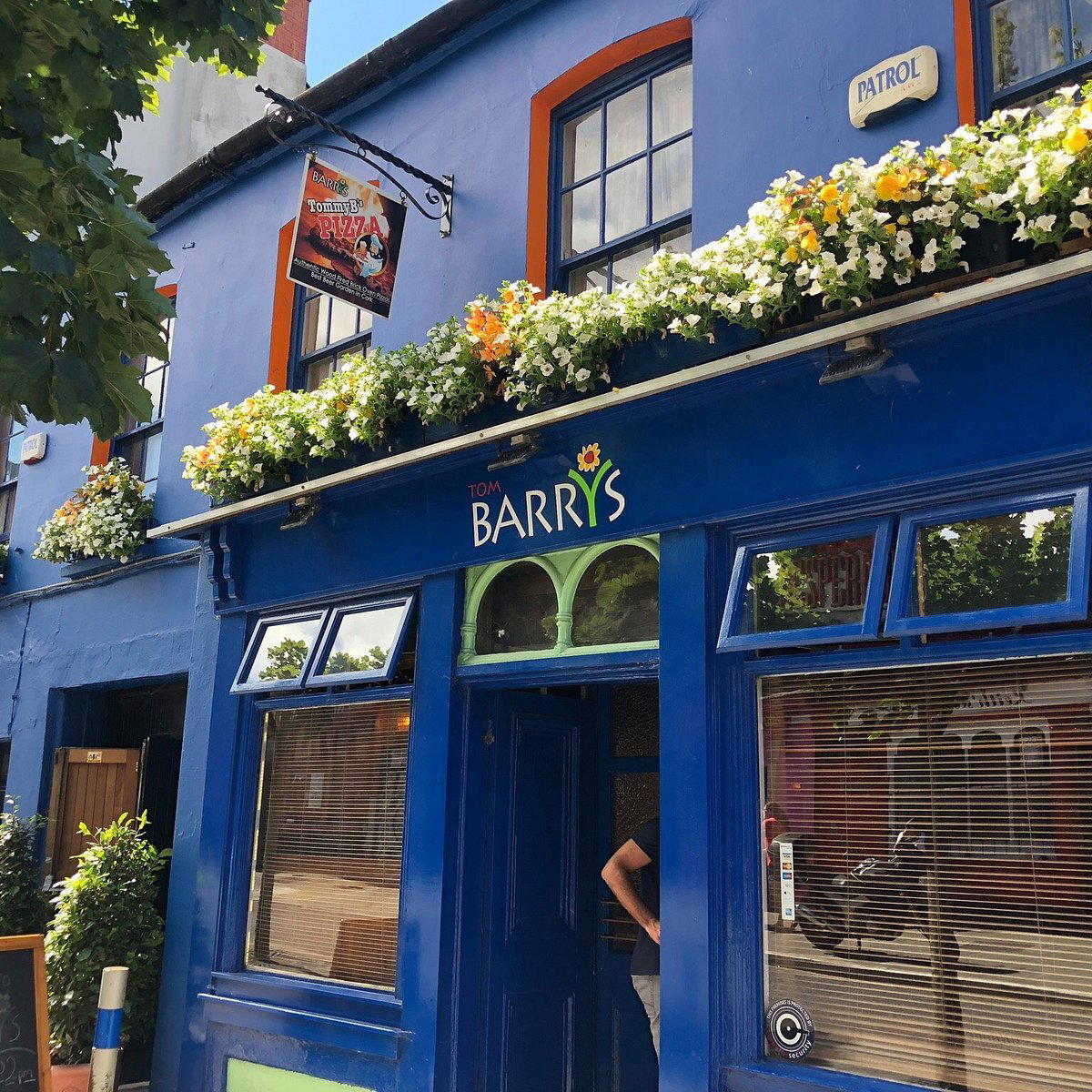
Tom Barry's on Barrack Street sits in Cork's Lough neighbourhood, operating at a remove from the city centre's better-documented dining circuit. The address alone signals something worth seeking out: this stretch of Cork rewards the walk. Details on format, chef, and menu architecture are best confirmed directly with the venue before visiting.

Pearl is the En Primeur Club membership app — saves, bookings, and concierge access live there. Same editors, same standards.
- Address
- 113 Barrack St, The Lough, Cork, T12 RT44, Ireland
- Hours
- Mon–Thu 4–11:30 PMFri–Sat 4 PM–12:30 AMSun 4–11 PM
- Website
- facebook.com
- Directions
- Get directions
The menu
What to order
- Picasso pizza
- Beef and Guinness Stew
- Fish and Chips
Barrack Street and the Cork Dining Arc
Cork's dining scene has quietly developed one of the more coherent provincial food cultures in Ireland, built on a supply chain that runs from Castletownbere fish markets and Ballyhoura mushroom foragers through to the city's restaurant kitchens. The city has produced, or incubated, a cluster of restaurants that operate well above their address: Goldie made the case for whole-fish cookery at a accessible price point; da Mirco holds a disciplined Italian line in a city that tends toward fusion. The broader county extends this logic outward, from dede in Baltimore to Terre in Castlemartyr, with each destination anchoring a different register of seriousness.
Tom Barry's sits at 113 Barrack Street, in the Lough area south of the city centre. Barrack Street is not the first address visitors consult when compiling a Cork itinerary, which is precisely why it matters. The restaurants that succeed on streets like this one do so without the footfall advantages of the English Market quarter or the MacCurtain Street corridor. They earn their trade on repeat custom and word of mouth, and that pattern of patronage tends to produce a different kind of menu discipline than tourist-facing dining rooms develop.
What the Address Signals
In most mid-sized Irish cities, the restaurants that operate a few streets off the central circuit occupy one of two positions: they are either neighbourhood institutions running on formula and familiarity, or they are the venues that serious eaters actually prefer. The Lough end of Barrack Street leans toward the latter category in Cork's current moment. Cork has enough food literacy in its local population, built partly through the Ballymaloe effect that radiates outward from Shanagarry, to sustain a restaurant that asks something of its audience without retreating to safe execution.
The comparison set for a venue in this position is not necessarily the headline names on the tourist trail. It is closer to Good Day Deli at the informal end, and venues like Gallaghers or 51 Cornmarket where the cooking carries more formal ambition. Tom Barry's position within that range is something a visit will establish more clearly than any advance description can.
Menu Architecture and What It Reveals
The structure of a menu is a restaurant's clearest editorial statement. A carte blanche of twelve starters and ten mains signals one set of intentions: broad appeal, adaptable covers, a kitchen organised around execution speed. A shorter, more composed format, where courses follow a logic rather than a list, signals something different about how the kitchen thinks and what it expects of the table.
Cork's stronger kitchens have generally moved toward the latter model over the past decade. The shift mirrors what has happened at the more recognised tier of Irish restaurants nationally: Aniar in Galway built its identity around terroir-led menus with tight course counts; Liath in Blackrock operates a format where the kitchen's point of view shapes every decision. Even at the county level, the direction of travel is toward restraint and specificity rather than volume. Bastion in Kinsale operates with the kind of focused format that tells you immediately where its priorities sit.
What Tom Barry's menu architecture looks like in practice is a question that requires a direct conversation with the venue. The available record on format, course structure, and seasonal approach is thin enough that any confident characterisation here would be invention rather than reporting. What the address and the neighbourhood suggest is a kitchen operating without the structural support of a hotel group, a large covers count, or a tourist-dependent room, and that context shapes what a menu can and should do.
Irish Restaurant Traditions and Where Cork Sits
The Irish restaurant tradition has historically been caught between two poles: the Anglo-French formality that persisted in hotel dining rooms through the 1980s and 1990s, and the pub-food pragmatism that defined neighbourhood eating for most of the same period. The generation of kitchens that emerged from Ballymaloe, from European stages, and from the influence of figures like Darina Allen began to construct a third position, grounded in Irish produce but fluent in continental technique.
Cork represents one of the cleaner expressions of that third position, in part because its supply infrastructure is genuine rather than aspirational. The county produces sheep's milk cheese, wild Atlantic fish, heritage breed pork, and seasonal vegetables at a quality that gives kitchens genuine material to work with. The restaurants that use this supply chain well, including dede on the coast and the more formal rooms in the city, tend to produce menus where the sourcing is structural rather than decorative. That is the tradition Tom Barry's sits within, whether its execution leans casual or composed.
For context on how this compares to the sharper end of Irish restaurant ambition nationally, the reference points are Chapter One by Mickael Viljanen in Dublin, Campagne in Kilkenny, and The Oak Room in Adare. Each of these operates in a different register, but each demonstrates how seriously the Irish restaurant scene has developed its own grammar over the past fifteen years. Tom Barry's sits within that national arc, at whatever point on it a visit confirms.
Planning a Visit
The address is 113 Barrack Street, The Lough, Cork, T12 RT44. The Lough is walkable from the city centre, roughly fifteen to twenty minutes on foot from the English Market area, or a short taxi or bus journey south. Barrack Street itself is a working neighbourhood street rather than a dining destination strip, so arrive knowing the specific address rather than expecting a cluster of restaurants to orient around.
For the broader Cork dining picture, our full Cork restaurants guide covers the city's range across price points and styles. Those planning a wider Irish itinerary from Cork should consider Homestead Cottage in Doolin and The Morrison Room in Maynooth for contrasting registers of regional Irish cooking. For international comparison on menu architecture and format discipline, Le Bernardin in New York City and Lazy Bear in San Francisco both demonstrate what a tightly composed format can accomplish at scale.
Frequently asked questions
Where is Tom Barry's located?
Tom Barry's is located at 113 Barrack St, The Lough, Cork, T12 RT44, Ireland, Cork.
Is Tom Barry's suitable for a weeknight dinner in Cork, or is it more of a weekend destination?
Tom Barry's address in The Lough — roughly fifteen to twenty minutes on foot from Cork city centre — makes it accessible on a weeknight without the logistical weight of a destination booking. Neighbourhood restaurants on Barrack Street tend to operate with a local, mid-week crowd as a baseline, which often means a quieter room on Monday through Thursday than a Saturday service.
What should I eat at Tom Barry's?
Cork's stronger neighbourhood kitchens in the Barrack Street and Lough area tend to work with the county's established supply chains — local fish, farmhouse dairy, and seasonal produce — so it is worth asking staff what is running that week. Ordering based on the day's specials, if offered, is usually the more reliable approach in restaurants of this type.
Do they take walk-ins at Tom Barry's?
Neighbourhood restaurants in Cork's Lough area often maintain a mixed policy — holding some tables for walk-ins while reserving others for bookings — but this varies by night and season. Contacting the venue directly before arriving is the practical approach.
What is Tom Barry's known for?
Tom Barry's operates on Barrack Street in The Lough, one of Cork's neighbourhood dining addresses that sits outside the central restaurant clusters covered by most city guides. That positioning tends to attract a local-first clientele rather than tourist traffic, which in Cork's tighter dining rooms usually correlates with consistent, repeat-tested cooking.
How does Tom Barry's handle allergies?
Across Irish restaurants operating at this neighbourhood level, the standard practice is to flag dietary requirements at the point of booking or on arrival, allowing the kitchen to advise on or adjust dishes. Calling ahead is advisable if requirements are complex.
Is a meal at Tom Barry's worth the investment?
The case for Tom Barry's rests on its position within Cork's off-circuit dining geography — Barrack Street draws a neighbourhood crowd rather than a destination one, which tends to keep kitchens accountable to regulars over trends. If the cooking holds to the standard the location and local reputation suggest, the return is proportionate.
Reputation Context
Comparable venues nearby, for context on price, style, and recognition.
| Venue | Cuisine | Price | Awards | Notes |
|---|---|---|---|---|
| Tom Barry'sThis venue — the venue you are viewing | Irish Gastropub with Wood-Fired Pizza | $20–30 | Not listed | Not listed |
| L'Atitude 51 | Natural Wine Bar with Small Plates | $50–100 | Star Wine List · The Sunday Times Ireland’s 100 Best Restaurants | South Gate A |
| Greenes Restaurant | Modern Irish | $50–100 | Not listed | St. PATRICK'S A |
| The Farmgate Cafe | Traditional Irish Market Cafe | $20–30 | Not listed | Centre A |
| Miyazaki | Authentic Japanese | $20–30 | The Sunday Times Ireland’s 100 Best Restaurants | South Gate B |
| Rocket Man | Healthy Salads & Juices | Not listed | Not listed | Centre A |
Continue exploring
More in Cork
Restaurants in Cork
Browse all →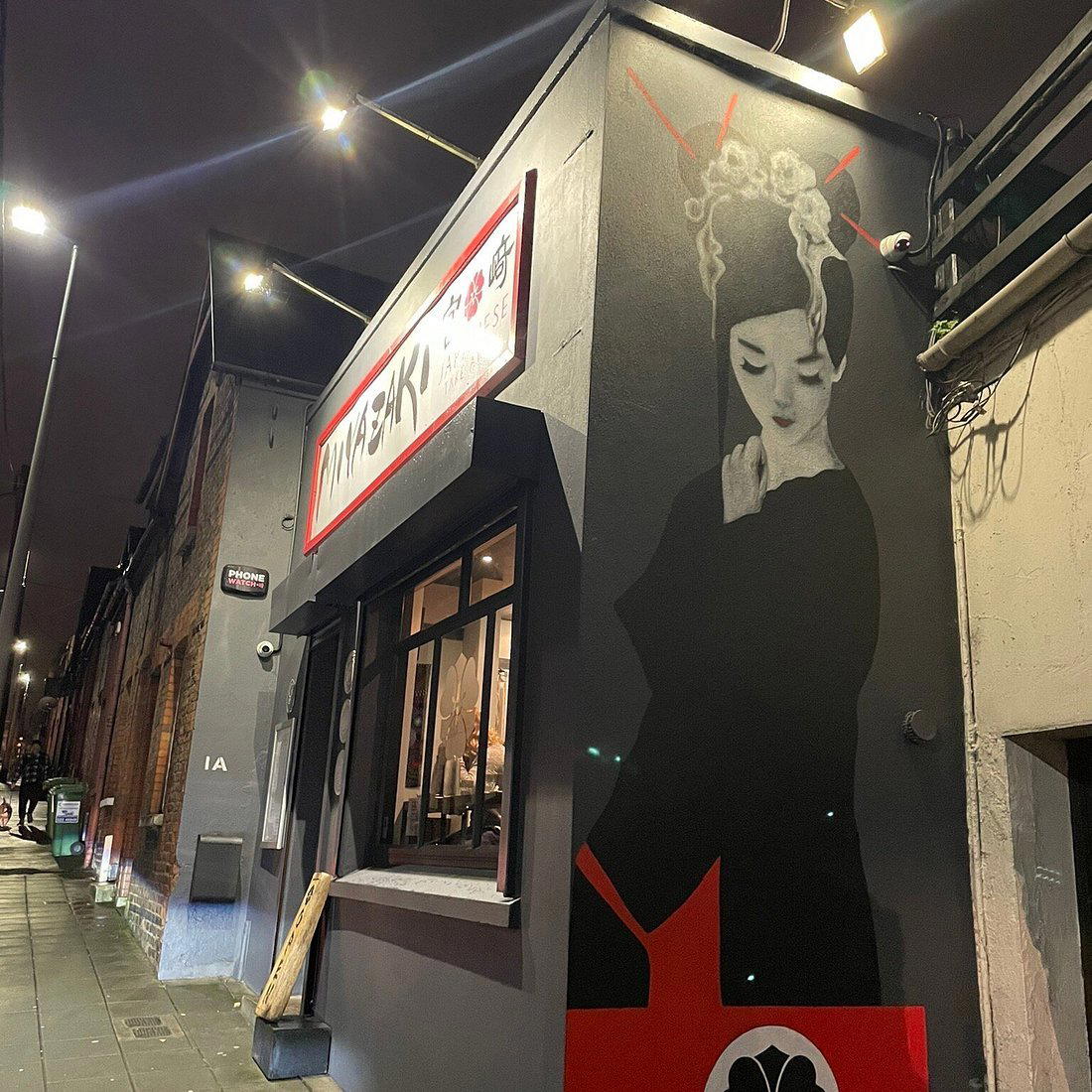
Bars in Cork
Browse all →
Hotels in Cork
Browse all →

Details
- Cozy
- Lively
- Historic
- Classic
- Casual Hangout
- After Work
- Group Dining
- Beer Garden
- Historic Building
- Beer Program
- Local Sourcing
- A La Carte
- Beer Program
- Vegetarian Friendly
Current opening hours
- Monday
- 4–11:30 PM
- Tuesday
- 4–11:30 PM
- Wednesday
- 4–11:30 PM
- Thursday
- 4–11:30 PM
- Friday
- 4 PM–12:30 AM
- Saturday
- 4 PM–12:30 AM
- Sunday
- 4–11 PM
Hours can change for holidays and private events. Last verified .
Cozy historic interior with a welcoming fire and lively atmosphere, complemented by a sunny outdoor beer garden.