The Brothers Sushi


Michelin Plate
Our verdict
At The Brothers Sushi in Culver City, veteran chef Mark Okuda runs an omakase counter that has earned Michelin Plate recognition and an Opinionated About Dining ranking in the top 350 restaurants across North America. The menu layers classic nigiri with specials like dry-aged grilled fish collar and Hokkaido snow crab, all at a price point that sits below the city's top-tier omakase bracket without conceding much in quality or ambition.

Pearl is the En Primeur Club membership app, where members save venues, book tables and use the concierge.
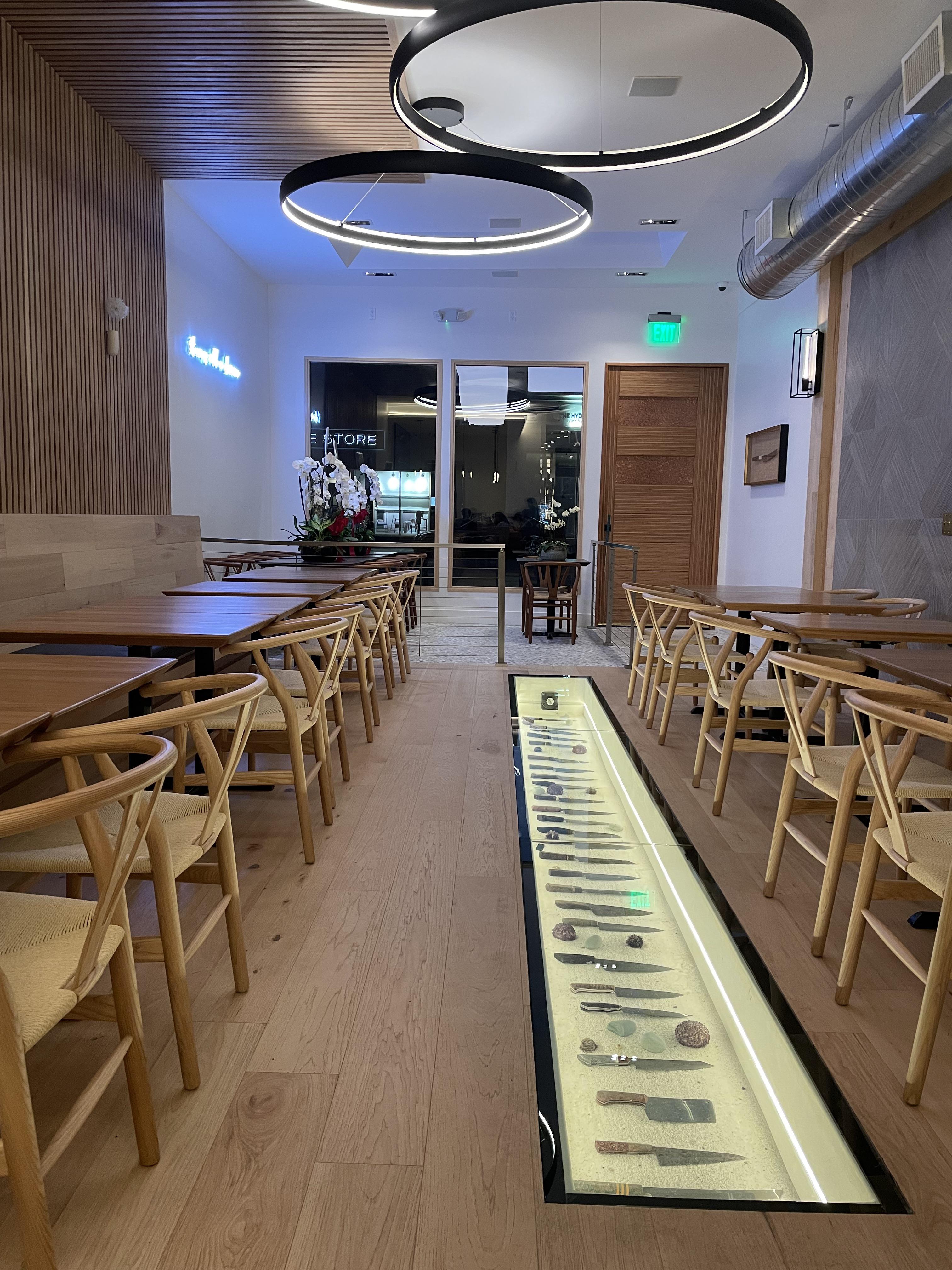
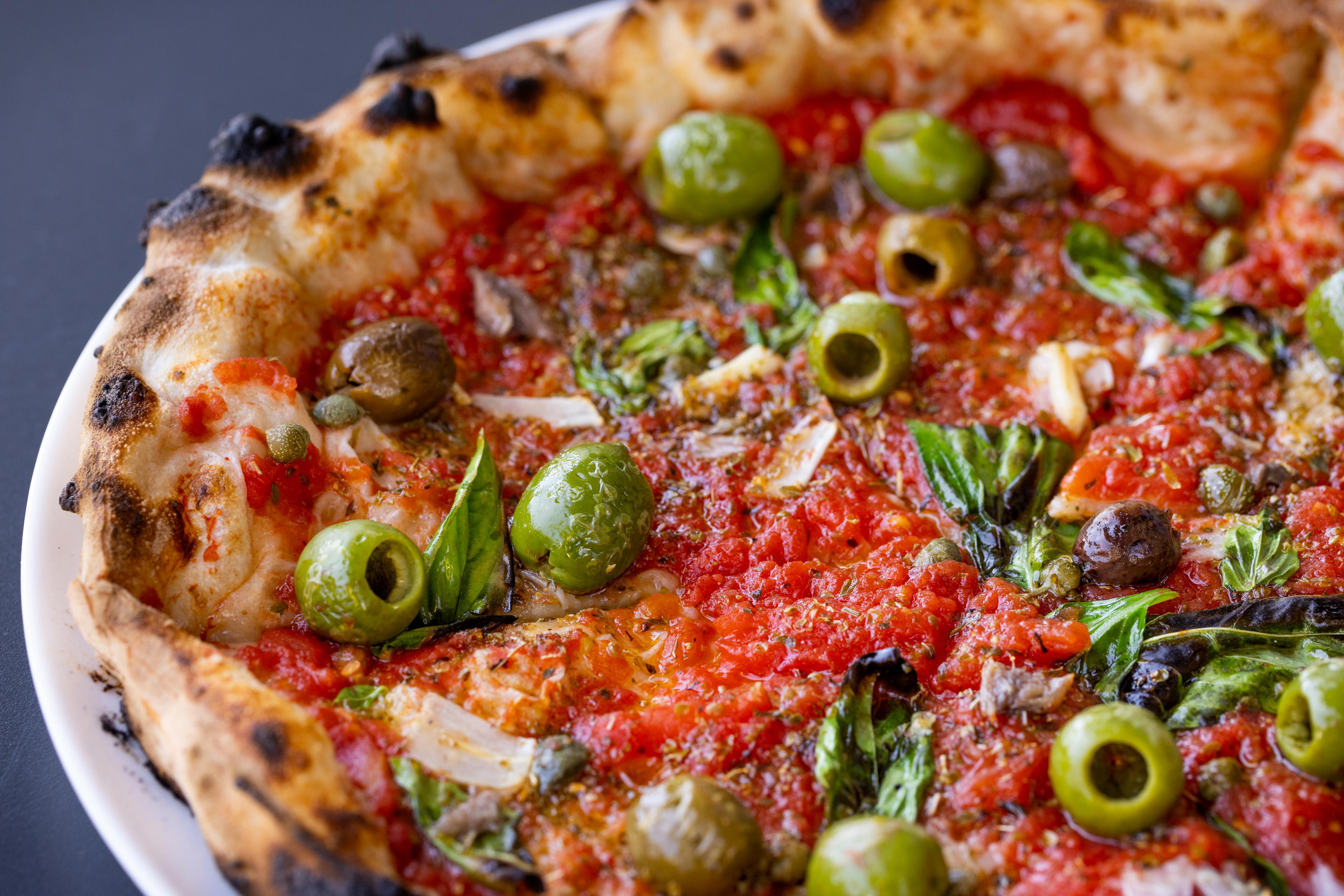
The menu
What to order
- JYO chirashi bowl
- Dry-aged tuna
- Toro pickle radish roll
- Spicy tuna rice cakes
Where Culver City Fits in the Los Angeles Omakase Map
Los Angeles has spent the better part of two decades building one of the more serious sushi scenes outside Japan. The city's omakase options now span a wide range: from multi-hundred-dollar counters in Beverly Hills and Downtown that compete directly with Masa in New York City on price and prestige, to a tier of high-craft, lower-profile rooms where the cooking is equally disciplined but the business model is built around accessibility. The Brothers Sushi, on Culver Boulevard in Culver City, belongs firmly to that second group.
Culver City itself occupies an interesting position in the Los Angeles dining map. Historically overshadowed by the denser restaurant corridors of West Hollywood, Beverly Hills, and Downtown, the neighbourhood has attracted a cluster of serious independent restaurants in recent years, making the area worth a deliberate trip rather than an incidental visit. The Brothers Sushi is part of that shift. For context on where the city's sushi scene sits more broadly, see our full Los Angeles restaurants guide.
The Architecture of the Menu
The menu at The Brothers Sushi is structured in a way that says something about the restaurant's ambitions. The omakase forms the spine, as it does at most serious sushi counters, but the specials list functions less as decoration and more as a second editorial layer. Dishes like dry-aged grilled fish collar, Hokkaido snow crab, and a JYO chirashi bowl signal that the kitchen is not content to operate purely within the omakase script. These are items that require sourcing relationships, preparation time, and a degree of culinary range that goes beyond the standard nigiri progression.
That progression itself follows a logic familiar to anyone who has spent time at mid-to-high-tier omakase counters: a sequence that moves through lighter, more acid-forward preparations before arriving at the concentrated flavours of fatty tuna and aged fish. The halibut preparation, arrived with Japanese cucumber, micro shiso, and yuzu-spiked vinegar, uses classic Japanese flavour architecture: clean protein, herbal brightness, citrus acidity. The nigiri sequence includes albacore, skipjack, and bonito, which represents a deliberate lean toward the leaner, more mineral end of the spectrum rather than the fatty-fish-heavy menus that have become common at counters aiming for maximum richness. Marinated ora king salmon and a tuna handroll close the meal, the handroll functioning as the traditional punctuation point it is at counters across Japan and increasingly at serious rooms in the United States and Canada, including Sushi Masaki Saito in Toronto.
What the menu structure reveals, taken as a whole, is a kitchen interested in range and contrast rather than pure luxury signalling. The chewy, citrus-dabbed octopus that appears in the sequence functions as a textural interruption, a deliberate shift in register that keeps the meal from becoming a monotonous parade of delicate raw fish. This kind of menu thinking is more common at counters with strong classical training than at newer omakase rooms that prioritise visual drama over pacing logic.
The Room and Its Signals
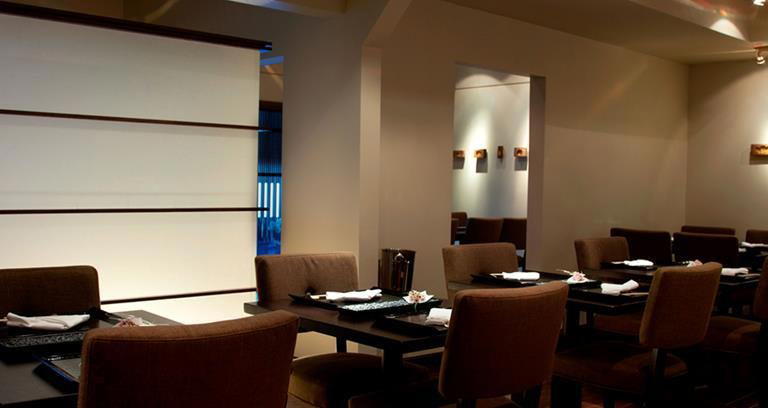
The physical space at The Brothers Sushi is spare: dark wood counter, floral arrangements, grey floor tiles. This is a deliberate aesthetic choice that places the room in the same broad category as the most restrained Japanese dining environments, spaces where the absence of visual noise is itself a statement about where the attention should go. It is a different proposition from the more theatrical or design-forward rooms that have proliferated in the Los Angeles fine dining scene; venues like Vespertine or even the minimalism-with-drama approach of some of the city's French-Asian rooms operate with a different visual grammar entirely.
The counter format, which is standard for omakase, keeps the meal focused. There is no ambient dining room noise to manage, no distance between kitchen and guest. Chef Mark Okuda, described as a veteran in the context of this room, works within a format that puts the cooking in direct view. At counters of this type, the seriousness of the operation becomes legible quickly: the temperature of fish, the ratio of rice to protein in the nigiri, the pace of service are all observable in a way that a conventional restaurant layout does not permit.
How The Brothers Sushi Sits Against Its Los Angeles Peers
Within Los Angeles's Japanese dining tier, The Brothers Sushi occupies a position that is notably more accessible on price than the city's flagship omakase destinations while maintaining recognition credentials that place it above the crowded mid-market sushi category. This is a relatively narrow band, and it is where the most interesting value arguments in the city's sushi scene tend to be found. Comparable conversations happen around Morihiro and Shin Sushi, both of which operate in a similar register of serious craft without the headline pricing of the city's most exclusive counters. At the top of the Los Angeles omakase hierarchy, Sushi Kaneyoshi and Nozawa Bar represent a different price tier and a different set of expectations. Asanebo occupies yet another corner of the Japanese fine dining map with its kaiseki-influenced approach.
The Opinionated About Dining ranking improvement from #333 in 2024 to #311 in 2025 is a modest but directionally positive signal. OAD rankings are aggregated from critic and serious diner submissions, which means the movement reflects accumulating recognition from people who eat across the full range of the city's options rather than a single award body's assessment. For a room operating in Culver City rather than a higher-profile neighbourhood, that kind of peer recognition carries weight. Nationally, the same recognition framework places The Brothers Sushi alongside other serious American restaurants that EP Club follows, from Lazy Bear in San Francisco to Le Bernardin in New York City and The French Laundry in Napa, all of which appear in the broader OAD North America ranking conversation.
Know Before You Go
Address: 9240 Culver Blvd, Culver City, CA 90232
Hours: Tuesday through Thursday 12:00–2:00 pm and 5:30–8:30 pm; Friday 12:00–2:00 pm and 5:30–9:00 pm; Saturday 5:30–9:00 pm; Sunday 5:30–8:30 pm; Monday closed
Price range: $$$$ (premium; check current omakase pricing at time of booking)
Booking: Reservations advised; specific booking method not confirmed, check directly with the restaurant
Also worth exploring: Los Angeles hotels, Los Angeles bars, Los Angeles experiences, and Los Angeles wineries
Frequently asked questions
What should I eat at The Brothers Sushi?
The omakase is the core of the experience and the starting point for any visit. Chef Mark Okuda, who carries veteran status at this counter, builds a sequence that emphasises contrast and pacing: lighter preparations with citrus acidity early, moving through a nigiri progression that includes albacore, skipjack, and bonito, and closing with marinated ora king salmon and a tuna handroll. Beyond the omakase, the specials are worth attention: the JYO chirashi bowl, dry-aged grilled fish collar, and Hokkaido snow crab all reflect sourcing and preparation investment that goes beyond what most sushi counters offer outside the set menu format. The Michelin Plate recognition and consecutive OAD North America rankings confirm the kitchen's consistency across the full range of what it serves.
Credentials Lens
A short peer table to compare basics side-by-side.
| Venue | Cuisine | Price | Awards | Notes |
|---|---|---|---|---|
| The Brothers SushiThis venue (the venue you are viewing) | Modern Japanese Omakase | $100–150 | Michelin Plate | Not listed |
| Kato | Modern Taiwanese Fine Dining | $300–500 | 2 Michelin Stars · World's 50 Best #49 | New Taiwanese, Asian |
| Hayato | Traditional Japanese Kaiseki | $300–500 | 2 Michelin Stars · La Liste Top Restaurants | Japanese |
| Vespertine | Avant-Garde Tasting Menu | $200–300 | 2 Michelin Stars · La Liste Top Restaurants | Progressive, Contemporary |
| Camphor | Modern French with Southeast Asian influences | $150–200 | Michelin Plate · World Best Burgers World's 101 Best Burgers #15 | French-Asian, French |
| Gwen | Contemporary American Steakhouse | $50–100 | Michelin Plate · Wine Spectator Best of Award of Excellence | New American, Steakhouse |
Recognition history
Dated appearances from independent guides and award organizations, with the underlying list record or original source where available.
Michelin Plate
Michelin
Opinionated About Dining Top Restaurants in North America Ranked #311
Opinionated About Dining
Full recognition history (4 entries)
Michelin Plate
Michelin
Opinionated About Dining Top Restaurants in North America Ranked #333
Opinionated About Dining
Continue exploring
More in Los Angeles
Restaurants in Los Angeles
All restaurants in Los Angeles →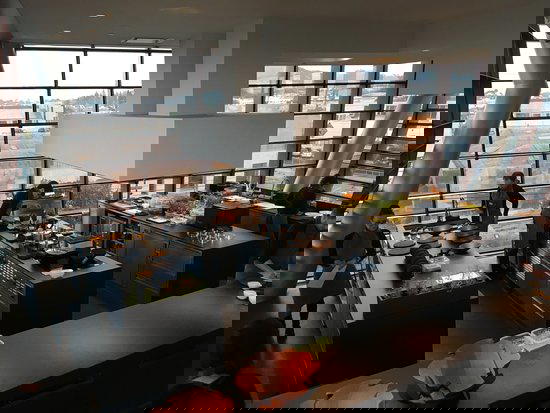
Bars in Los Angeles
All bars in Los Angeles →
Hotels in Los Angeles
All hotels in Los Angeles →
Wineries in Los Angeles
All wineries in Los Angeles →
Details
- Modern
- Cozy
- Intimate
- Date Night
- Special Occasion
- Chefs Counter
- Sake Program
- Omakase
- A La Carte
- Counter Dining
- Sake
Current opening hours
- Monday
- 11:30 AM–2 PM, 5:30–9 PM
- Tuesday
- 11:30 AM–2 PM, 5:30–9 PM
- Wednesday
- 11:30 AM–2 PM, 5:30–9 PM
- Thursday
- 11:30 AM–2 PM, 5:30–9 PM
- Friday
- 11:30 AM–2 PM, 5:30–9 PM
- Saturday
- 11:30 AM–2 PM, 5–9 PM
- Sunday
- Closed
Hours can change for holidays and private events. Hours as of .
Refined and contemporary with dark wood counter, floral arrangements, and cozy small space.