Our verdict
On Nauru's eastern shore, The Bay occupies a position that few dining addresses anywhere can claim: a restaurant framed by the Pacific on a island of barely 10,000 people. With almost no comparable dining infrastructure nearby, it functions as a focal point for the island's social and culinary life. Ingredient sourcing here is not a philosophy but a geographic reality.

Pearl is the En Primeur Club membership app — saves, bookings, and concierge access live there. Same editors, same standards.
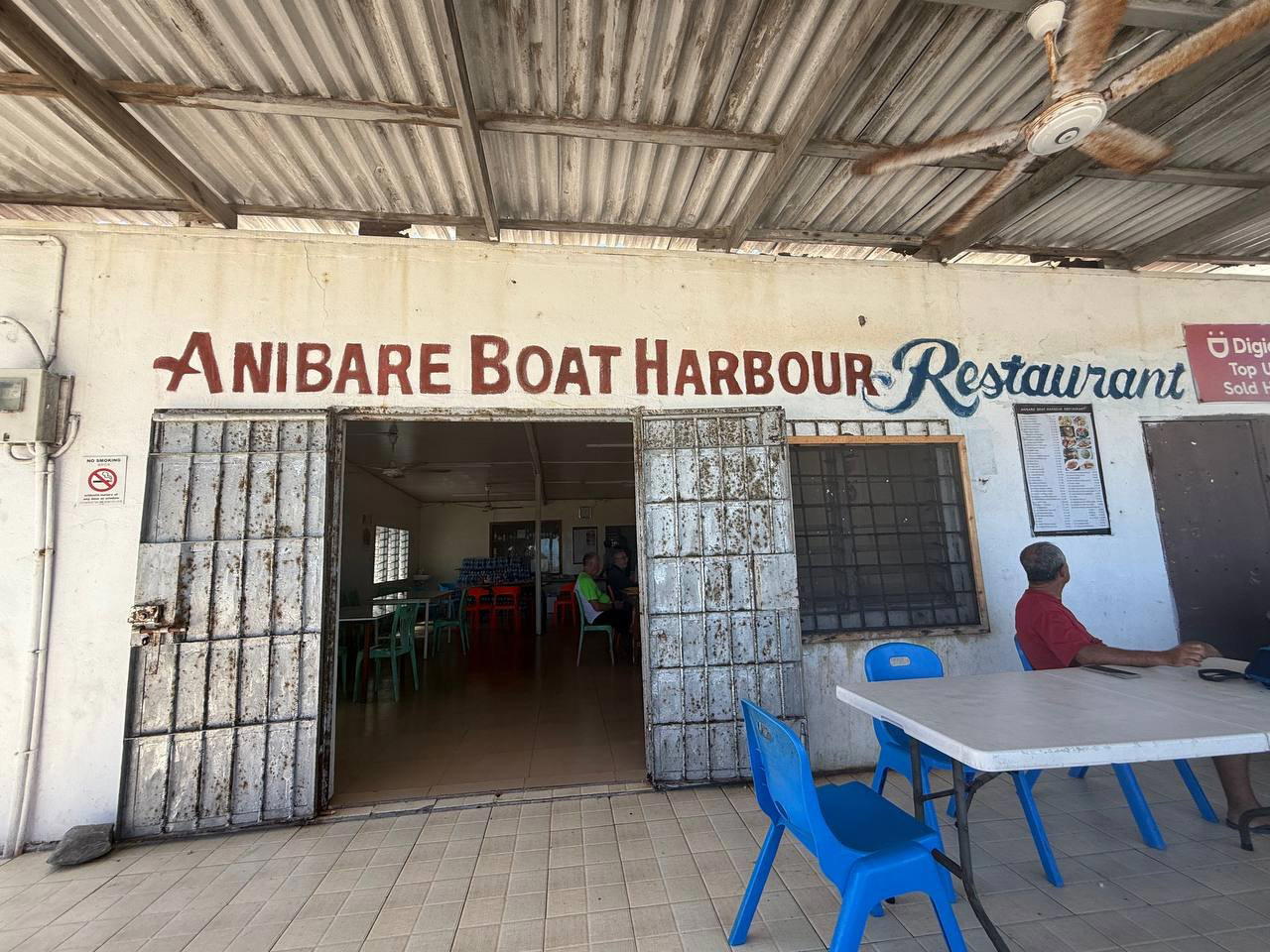
The menu
What to order
- Pizza
- Fresh fish
- Curries
- Steak
Where the Pacific Sets the Terms
Approach Anibare from the Island Ring Road and the bay itself arrives before any signage does. The eastern coastline of Nauru opens into a wide, sheltered arc of water — one of the more visually arresting stretches on an island that most travellers have never considered visiting. The Bay sits within that frame, and the physical environment is not incidental to the dining experience: it is the experience's primary condition. On a 21-square-kilometre island with no agricultural hinterland to speak of, no river valleys, no temperate growing zones, the ocean is not one ingredient source among many. It is close to the only one.
This is a context that dining rooms in Anibare share with only a handful of addresses worldwide — places where geography collapses the usual distance between sea and plate to something close to zero. Coastal restaurants in more connected markets, from Le Bernardin in New York City to Aponiente in El Puerto de Santa María, have built international reputations around marine ingredient sourcing as a deliberate culinary programme. In Nauru, it is simply the material reality of being here.
Ingredient Sourcing at the Edge of a Supply Chain
Nauru's isolation defines what ends up on any plate in Anibare. The island has no significant freshwater fishing resources, no farming infrastructure at meaningful scale, and import logistics that place it among the more supply-constrained dining environments in the Pacific. What the surrounding ocean offers, reef fish, tuna species moving through equatorial waters, shellfish from the lagoon edges, becomes, by necessity, the backbone of any serious kitchen operating here.
This is the mode of sourcing that chefs at distance-signal restaurants have spent decades trying to approximate through sourcing programmes and supply-chain engineering. At Amber in Hong Kong or 8½ Otto e Mezzo Bombana, proximity-to-source is a credential, carefully documented and communicated. In Anibare, the supply chain is simply short because there is no alternative. That constraint, for a kitchen willing to work within it rather than around it, produces a different kind of discipline, one driven by what the reef and the open water offer on a given day rather than what a distribution catalogue provides.
The broader Pacific dining conversation rarely reaches Nauru. Restaurants in Suva, Port Moresby, and Honiara receive occasional coverage; Nauruan dining remains almost entirely outside the critical record. That absence does not reflect the quality of what is possible here so much as the economics of food journalism, which follows tourist infrastructure, and Nauru's tourist infrastructure remains minimal. For visitors who do arrive, largely on business, regional government, or aid-sector travel, The Bay functions as a default gathering point in a town with few comparable options, a position that J Restaurant in Baiti similarly occupies on the island's northern side.
The Scale of the Room
Dining at this scale in this kind of location tends to produce a particular social compression. On islands with limited options, the restaurant that anchors the bay becomes a place where the same faces return across a week, where the distinction between local and visitor breaks down faster than it would in a city, and where the absence of competition concentrates the food-and-drink conversation in ways that larger markets dilute. Places like Lazy Bear in San Francisco or Atomix in New York City engineer intimacy through format and capacity limits. In Anibare, intimacy is a function of geography.
The evening register at a bay-facing restaurant on a small Pacific island is also governed by light in a way that urban restaurants are not. Equatorial sunsets move quickly, and the transition from day to night across open water carries a directness that changes the texture of an early dinner sitting. This is the kind of environmental variable that Azurmendi in Larrabetzu and Atelier Crenn in San Francisco would frame as a curated element of the dining programme. Here it is simply what the location provides.
Planning a Visit
Nauru is reached primarily via Brisbane on Nauru Airlines, with limited weekly frequencies that make scheduling around the island's calendar relevant. Anibare is on the eastern side of the island, a short drive from Yaren and the main administrative district via the Island Ring Road, which circumnavigates Nauru's entire coast. The address reference point in available data is the Island Ring Road at the Anibare bay stretch. Visitors staying in Nauru's limited accommodation stock should ask locally about current service days and hours, as these can shift with the island's supply and staffing rhythms. The full Anibare restaurants guide covers the broader dining context across the bay area.
For travellers calibrated to the reference points of recognised fine dining, the tasting-menu rigour of Alinea in Chicago, the sourcing transparency of Arpège in Paris, or the hyper-local terroir framing of Atelier Moessmer Norbert Niederkofler in Brunico, The Bay operates in a different register entirely. The interest here is not in a codified programme but in the conditions of place: an eastern-facing bay on one of the world's smallest and least-visited countries, where the sourcing question answers itself.
Frequently asked questions
Is The Bay okay with children?
No children's menu or family-specific facilities are documented for The Bay. Given Anibare's limited dining options overall, it functions as one of the few sit-down venues on this stretch of Nauru's eastern coast, which tends to make it inclusive by default rather than by design. Confirm current arrangements directly before visiting, as operational details are not publicly listed.
Is The Bay better for a quiet night or a lively one?
Anibare is a small, low-density community on Nauru's eastern side, and The Bay reflects that context. The setting on Island Ring Road, facing a sheltered bay, skews toward the quieter end of the register. On a small island where the dining pool is geographically concentrated, the room can shift depending on who's in town, but the baseline is unhurried.
Is The Bay one of the only sit-down restaurants accessible on Nauru's eastern coast?
Anibare sits on the quieter eastern arc of Nauru's Island Ring Road, and formal dining options in this part of the island are sparse. The Bay's position at the bay itself places it among a very short list of venues with a dedicated waterfront outlook on this side of the island. For visitors routing through Anibare after arriving via Brisbane on Nauru Airlines, it represents one of the few structured dining stops along this stretch.
What do regulars order at The Bay?
No menu data is currently documented for The Bay. What is clear from Nauru's supply context is that sourcing on the island runs through imports and whatever the surrounding Pacific provides seasonally. Regulars on islands with constrained supply chains tend to order around what's freshest that week rather than fixed signatures. Ask staff on arrival what has come in.
Continue exploring
More in Anibare
Restaurants in Anibare
All restaurants in Anibare →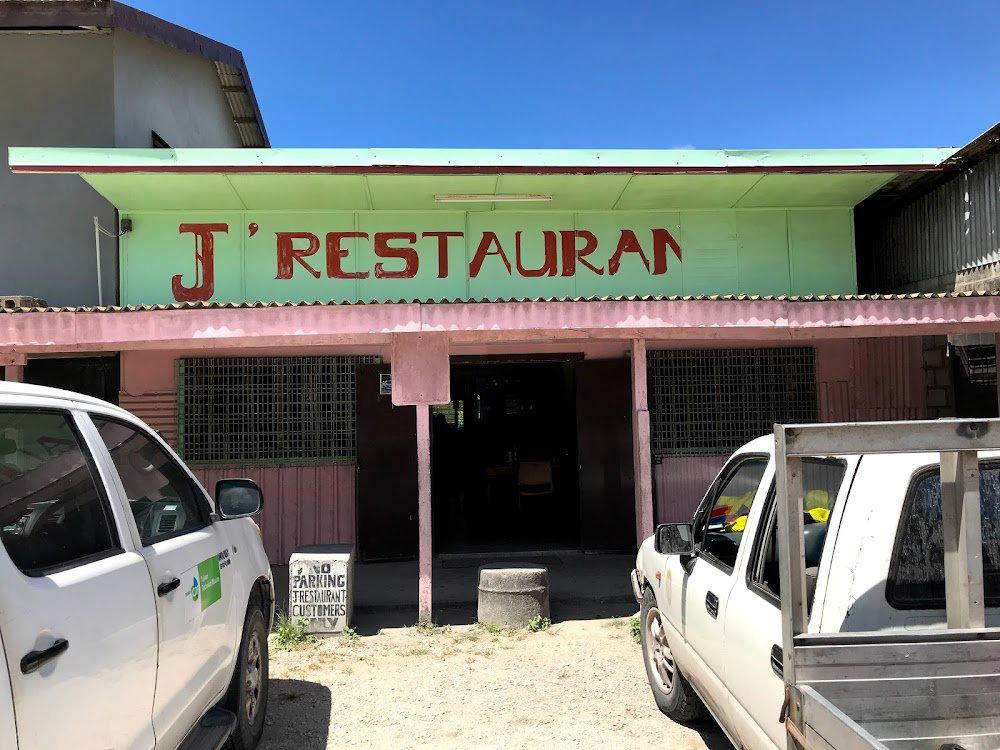
Details
- Cozy
- Scenic
- Trendy
- Casual Hangout
- Special Occasion
- Waterfront
- Terrace
- Beer Program
- Waterfront
- A La Carte
- Beer
- Spirits
- Vegetarian Friendly
Current opening hours
- Monday
- 12–9 PM
- Tuesday
- 12–9 PM
- Wednesday
- 12–9 PM
- Thursday
- 12–9 PM
- Friday
- 12–9 PM
- Saturday
- 12–9 PM
- Sunday
- Closed
Hours can change for holidays and private events. Last verified .
Relaxing tropical setting with beachfront terrace, ocean views, and welcoming atmosphere praised by expats and visitors.