
Tabelog 100 #8
Our verdict
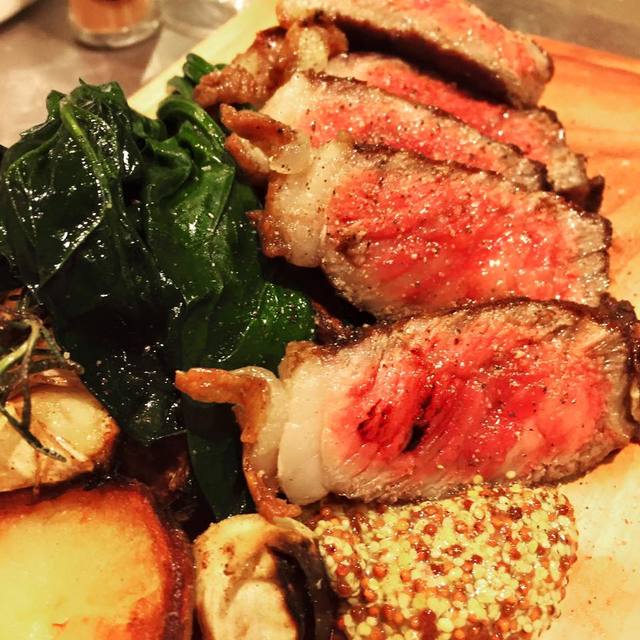
Miyazaki’s beef culture is the reason to pay attention here: this is a teppanyaki, sukiyaki, and steak address with Tabelog 100 Steak / Teppanyaki WEST selection in 2025 and a Tabelog score of 3.64. The format suits diners who want provenance and grill work foregrounded rather than a long chef-driven narrative.

Pearl is the En Primeur Club membership app — saves, bookings, and concierge access live there. Same editors, same standards.
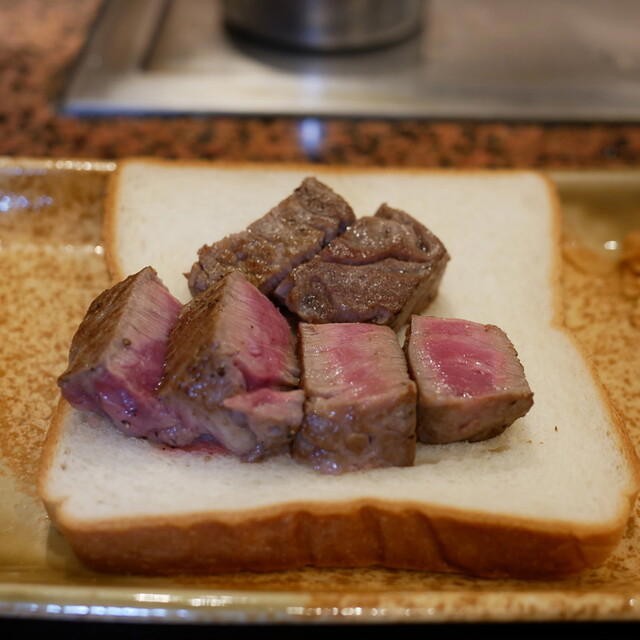
The menu
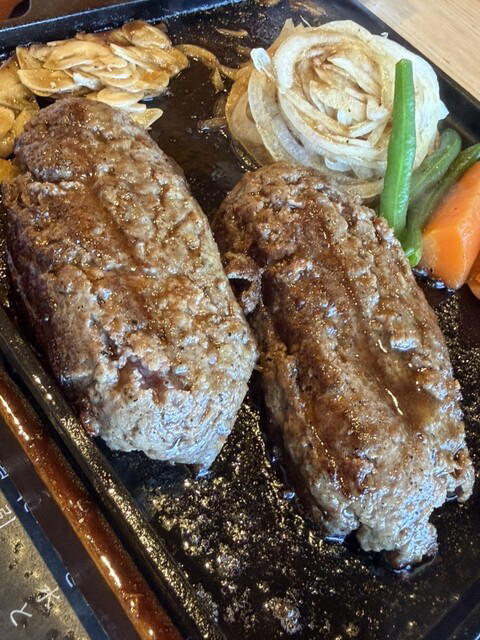
What to order
- Miyazaki beef steak
- Salad bar
- Drink bar
A serious teppanyaki room in Miyazaki carries a different charge from a steak counter in Tokyo or Osaka. The point is not metropolitan theatre but the way a local room can make the griddle feel direct, social, and place-specific. At Teppanyaki Steak Hitotsuba Miyachiku, the cooking format frames the room: hot iron, timing, and a menu language built around teppanyaki, sukiyaki, and steak.
Miyazaki dining is often discussed through familiar regional shorthand, yet the city has more than one register for a premium meal. Teppanyaki suits that context by reducing the experience to what matters at the counter: cut, temperature, handling, and timing. The format is less forgiving than it looks. A steak-led restaurant can be crowded with extras; a grill-led room has little room to manoeuvre.
Miyazaki beef culture, handled through the teppanyaki counter
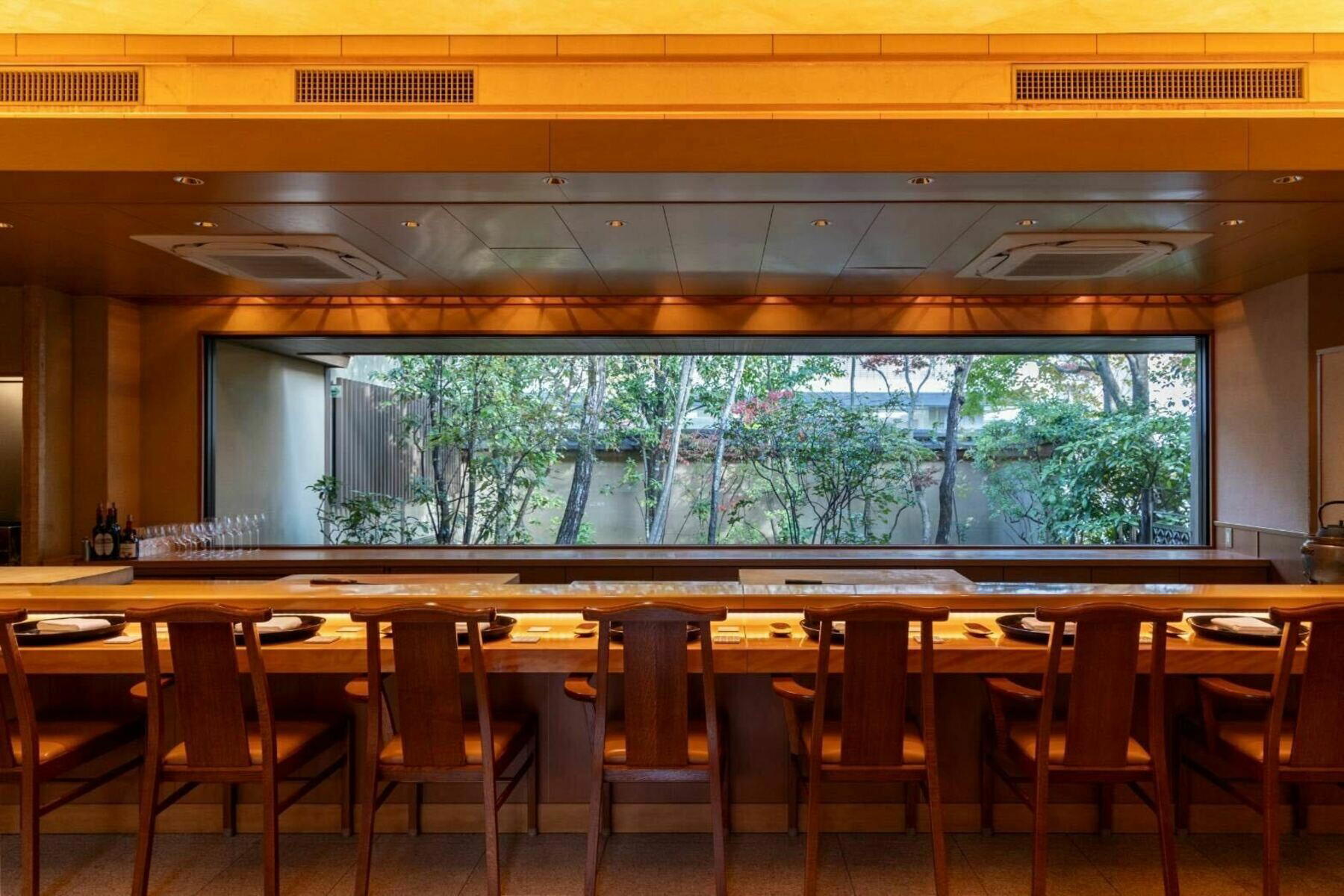
The counter format is the central argument. Japan’s steak and teppanyaki traditions reward consistency, attention to doneness, and confidence with heat, but the experience changes when the meal is read in a regional city rather than as a generic luxury import. In Miyazaki, the link between place and plate feels less abstract than in larger cities where the genre is often framed mainly as a high-end occasion. Teppanyaki gives that link a public stage: the grill is visible, pacing is controlled, and diners read the meal through technique rather than menu sprawl.
The restaurant’s Tabelog Hyakumeiten recognition in 2025 places it inside a competitive category, and its Tabelog score of 3.64 signals sustained local and travelling-diner attention rather than novelty heat. In a category where reputation can be pushed by one luxury opening, current recognition is a useful signal for readers weighing a regional steak meal against sushi, izakaya, or other dining in Miyazaki.
The menu is meat-led: teppanyaki, sukiyaki, and steak. That combination tells experienced diners the decision they are making. Teppanyaki foregrounds cookery in front of the guest; sukiyaki moves the meal into a sweeter, broth-and-egg Japanese register; steak keeps attention on cut and doneness. The shared point is ingredient quality and handling, not chef biography. No chef name is needed: the format is the protagonist.
For a broader read on the city’s table, compare the meat-first grammar here with other Miyazaki dining rooms, local Japanese cooking, or different regional dining lanes across the city. Miyazaki is not a single-cuisine city: teppanyaki and steak are one important lane, not the whole building.
A more accessible room than the hushed luxury-counter model
This is not simply the whispered teppanyaki-counter archetype associated with metropolitan hotel dining. The appeal is a restaurant model where groups of diners and visitors can enter the steak-and-griddle conversation without treating dinner only as a ceremony of scarcity. That is practical in a prefectural capital where travel meals often need to work for mixed priorities.
The nearby comparison set clarifies price and occasion. Heike no Sato Shinbeppu ten can sit in a more everyday lane, while The BEACH BURGER HOUSE occupies a casual coastal register. 燠火kawaguchi∴, ä¸å¿é®¨ å æ´, and Isshinzushi Koyo show Miyazaki’s serious-dining breadth, from fire-led cooking to sushi. Teppanyaki Steak Hitotsuba Miyachiku belongs to the teppanyaki and steak lane: more formal and ingredient-focused than a casual meal, less dependent on the mythology of the smallest counters in larger cities.
That middle position is useful. Miyazaki can be a food city, a golf-and-coast base, or a stop on a wider Kyushu itinerary. This restaurant fits travellers who want a clear steak-focused meal in a format that explains itself through the grill. It is also easier to read than a long tasting menu for diners seeking a direct sense of what the restaurant values.
The appeal centres on the steak, sukiyaki, and clarity of the format rather than accessory details. Teppanyaki places technique in view; sukiyaki and steak give diners alternate ways to read the same meat-led identity. For visitors, that directness is part of the value: the restaurant does not need a complicated concept to explain why it belongs in Miyazaki.
How to place it in a Miyazaki itinerary
Treat this as the steak and teppanyaki anchor of a Miyazaki stay, then build the trip around contrast. Daytime stops, casual meals, and other city dining rooms can change the register completely. A useful Miyazaki itinerary is not a checklist of famous foods; it is a sequence of formats revealing how the city eats across price, occasion, and technique.
Readers planning beyond one meal should keep the city pages close: Our full Miyazaki restaurants guide, Our full Miyazaki hotels guide, Our full Miyazaki bars guide, Our full Miyazaki wineries guide, and Our full Miyazaki experiences guide give the surrounding context. The restaurant makes more sense beside the city’s hotels, bars, and coastal rhythms than as an isolated steak dinner.
There is a broader Japan comparison. Steak-led Japanese dining can take many forms, from sukiyaki and teppanyaki formats to regional grill rooms and urban counters. Outside this lane, casual cafés, curry specialists, and other local dining styles show how regional Japanese dining resists one neat category. The same point holds in Japanese-leaning restaurants abroad: format matters as much as cuisine label.
The editorial read is simple. Choose this address to understand Miyazaki through teppanyaki, sukiyaki, and steak, not for a chef-personality tasting menu or a tiny counter with theatrical scarcity. The 2025 recognition gives external credibility; the listed dinner and lunch budgets make it easier to plan; the format gives it a reason to be in a Miyazaki dining itinerary rather than treated as a generic steak stop.
Frequently asked questions
Is Teppanyaki Steak Hitotsuba Miyachiku good for families?
It can work for diners who want a clear, meat-led meal in Miyazaki rather than a highly obscure tasting-menu format. The restaurant’s 2025 Tabelog Hyakumeiten recognition also signals a level of credibility that many travellers value when booking in Miyazaki.
What is the atmosphere like at Teppanyaki Steak Hitotsuba Miyachiku?
The atmosphere is best understood through the teppanyaki format: steak, heat, timing, and visible technique. It suits diners looking for a steak-focused meal in Miyazaki rather than a restaurant built mainly around chef biography or theatrical scarcity.
What does dinner at Teppanyaki Steak Hitotsuba Miyachiku typically cost?
Pricing at Teppanyaki Steak Hitotsuba Miyachiku is listed as Dinner: JPY 10,000 - JPY 14,999; Lunch: JPY 6,000 - JPY 7,999.
What is Teppanyaki Steak Hitotsuba Miyachiku known for?
Teppanyaki Steak Hitotsuba Miyachiku is known for teppanyaki, sukiyaki, and steak in Miyazaki, with 2025 Tabelog Hyakumeiten recognition and a listed Tabelog score of 3.64.
Quick Comparison
Comparable venues by cuisine and price in the same metro.
| Venue | Cuisine | Price | Awards | Notes |
|---|---|---|---|---|
| Teppanyaki Steak Hitotsuba MiyachikuThis venue (the venue you are viewing) | Teppanyaki Steakhouse | $30–50 | Tabelog 100 #8 | Not listed |
| 幸魚 | Kaisen Kaiseki (Seafood Kaiseki) | $100–150 | Not listed | central Miyazaki |
| Torimasa | Yakitori & Miyazaki Chicken Izakaya | $30–50 | Tabelog 100 #59 | .null |
| GIGLI | Seasonal Italian Fine Dining | $100–150 | Tabelog 100 #48 | Chuo-dori / Miyazaki City Center |
| GRILL Ranman | Japanese‑style Western grill (yoshoku) | $10–20 | Tabelog 100 #36 | Not listed |
| イワナガ食堂 | Yoshoku (Japanese-Style Western Cuisine) | $100–150 | Tabelog 100 #67 | Tachibanadōri Higashi |
Recognition history
Dated appearances from independent guides and award organizations, with the underlying list record or original source where available.
Tabelog 100 #8 · No. 8
Tabelog · Tabelog 100 - Steak / Teppanyaki - WEST - 2025
Continue exploring
More in Miyazaki
Details
- Scenic
- Elegant
- Classic
- Sophisticated
- Romantic
- Date Night
- Business Dinner
- Group Dining
- Family
- Special Occasion
- Chefs Counter
- Live Music
- Open Kitchen
- Standalone
- Beer Program
- Local Sourcing
- Garden
- A La Carte
- Set Menu
- Counter Dining
- Wine
- Sake
- Beer
- Vegetarian Friendly
Current opening hours
- Monday
- 11 AM–2 PM, 5–8:45 PM
- Tuesday
- 11 AM–2 PM, 5–8:45 PM
- Wednesday
- 11 AM–2 PM, 5–8:45 PM
- Thursday
- 11 AM–2 PM, 5–8:45 PM
- Friday
- 11 AM–2 PM, 5–8:45 PM
- Saturday
- 11 AM–2 PM, 5–8:45 PM
- Sunday
- 11 AM–2 PM, 5–8:45 PM
Hours can change for holidays and private events. Last verified .
A pine-forest setting with illuminated surroundings at dinner, creating a refined and somewhat theatrical atmosphere with live piano performances.