
Guía Repsol 1 Sol
Our verdict
Galino Pueyo puts Tardienta into Spain’s serious regional dining conversation through a small-town lens rather than metropolitan theatre. Its 1 Sol recognition in Guía Repsol 2026 matters because it places a Huesca village address inside a national guide that rewards cooking with a clear sense of place, sourcing, and identity.

Pearl is the En Primeur Club membership app, where members save venues, book tables and use the concierge.
The menu
What to order
- Galician beef chuletón (T-bone steak)
- Galician beef and ox cuts over holm oak embers
- Seasonal fish from Galician waters a la brasa
- Tasting menu based on top Spanish product
Approaching a restaurant in Tardienta is not the same proposition as crossing Madrid for a tasting counter or Barcelona for a waterfront dining room. The scale changes first: low streets, agricultural plain, a village rhythm that makes provenance feel less like a menu claim and more like the surrounding condition. Galino Pueyo belongs to that register of Spanish dining where the interest starts outside the plate, in the relationship between a kitchen and the land around it.
That context matters because Aragón’s restaurant culture is often read through larger Huesca addresses, mountain cooking, rural produce, and the long shadow of hospitality away from the biggest cities. Tardienta sits in a different tempo from Spain’s destination dining capitals, and that gives a restaurant here a sharper editorial test. It cannot rely on neighbourhood glamour, hotel traffic, or a dense luxury audience. The meal has to make a case for the place.
Small-town Aragón, judged on national terms
Guía Repsol awarding Galino Pueyo 1 Sol in 2026 gives the address a useful frame. The Sol system tends to reward Spanish restaurants that express territory with discipline rather than spectacle, and a 1 Sol placement signals a kitchen worth routing for within its region. In a village of Tardienta’s scale, that recognition carries a different weight than it does in a capital: it points to a restaurant drawing national attention without the usual urban scaffolding.
The comparison within Aragón is instructive. Creative and contemporary dining in the province often clusters around larger out-of-metro names such as Tatau, Las Torres, El Origen, Lillas Pastia, and Gente Rara, where format and city pull are clearer. Galino Pueyo operates from a quieter map position, so the editorial question shifts from novelty to fidelity: how convincingly can a kitchen translate local supply, rural memory, and present-day technique into a meal that feels specific rather than generic?
Ingredient sourcing is the lens through which this sort of restaurant can be read. In inland Spain, proximity to producers can be a genuine advantage, but only when the kitchen resists turning locality into nostalgia. Aragón has the raw material for that balance: agricultural produce, rural pantry traditions, seasonal goods, and a food culture shaped by both plain and mountain. The strongest regional cooking here is not rustic by default; it is precise about what should remain plain and what benefits from intervention.
Territory over theatre
Spain’s dining hierarchy has spent years rewarding high-concept tasting menus, design-led rooms, and chef-as-author narratives. A restaurant like Galino Pueyo enters the conversation from another door. The interest is not a declared cuisine type or a celebrity résumé, but the way a rural address can carry enough technical seriousness to be noticed by a national guide while remaining anchored in a village setting.
That distinction helps separate it from the interchangeable language of destination restaurants. The value here is not in promising spectacle; it is in the discipline of cooking from a defined place. For travellers, that means the meal should be understood as part of a wider Aragón itinerary rather than a stand-alone luxury detour. Pairing a table in Tardienta with time in the province gives the cooking a clearer frame, especially for readers who care about how Spanish regional identity changes outside Barcelona, Madrid, San Sebastián, and Valencia.
Many modern restaurant pages turn into founder stories, but rural dining often reveals more through format, sourcing logic, and guide recognition than through personality. Here, the useful evidence is the 2026 Repsol Sol, Tardienta, and the category tension between local restaurant and nationally noticed table. That is enough to place Galino Pueyo in a serious bracket without inflating it beyond what is known.
How to place it in a Spain itinerary
For a Spain traveller building around regional restaurants, Galino Pueyo is a different proposition from urban dining in Madrid, coastal rooms in Barcelona, or island restaurants in the Balearics. It belongs in the same planning conversation as rural and out-of-metro addresses where the reward is context: the road, the province, the local pantry, and the slower read of a region. In that sense, it sits closer to the logic of an Aragón food route than to a city-break reservation sprint.
Readers comparing Spanish dining styles can use a broader map to sharpen the decision. For Tardienta planning, start with a full Tardienta restaurants guide, then build the rest of the stay through broader Tardienta lodging, bars, wineries, and Our full Tardienta experiences guide. For contrast across Spain, compare the rural Aragón lens with other dining rooms in major cities, island destinations, wine-country stops, and smaller regional towns.
The editorial case is clean: Galino Pueyo is for travellers who value regional specificity over performance. A 1 Sol restaurant in Tardienta is not trying to mimic Spain’s capital-city dining grammar; its relevance comes from proving that a village table can enter a national conversation through sourcing, restraint, and a persuasive sense of Aragón.
Frequently asked questions
Is Galino Pueyo okay with children?
Galino Pueyo is in Tardienta, which can suit a normal family meal when the restaurant’s current service details work for the group. The Guía Repsol 1 Sol 2026 points to a serious dining room, so children should be comfortable with a focused restaurant setting.
What's the vibe at Galino Pueyo?
The Guía Repsol 1 Sol 2026 places Galino Pueyo in the polished regional-restaurant category, not the late-night or casual tapas bracket. In Tardienta, that suggests a focused dining room with service built around the meal rather than lingering drinks.
What days is Galino Pueyo closed?
Current opening days are not provided here. Check Galino Pueyo’s official channels before planning a meal in Tardienta.
Where is Galino Pueyo located?
Tardienta.
What's the defining dish or idea at Galino Pueyo?
Those details are not published here. The clearest verified signal is its Guía Repsol 1 Sol 2026, which marks the address as a serious stop in Tardienta rather than a generic village restaurant. Check the venue's official channels for the latest details.
How does Galino Pueyo handle allergies?
No allergy policy is listed here for Galino Pueyo, so the sensible approach is to state requirements before dining. Contact the restaurant directly for the latest guidance on any restrictions.
Fast Comparison
Comparable venues by cuisine and price in the same metro.
| Venue | Cuisine | Price | Awards | Notes |
|---|---|---|---|---|
| Galino PueyoThis venue (the venue you are viewing) | Spanish wood-fired grill house | $50–100 | Guía Repsol 1 Sol | Not listed |
| Lillas Pastia | Modern Spanish Truffle-Focused Fine Dining | $50–100 | 1 Michelin Star · Macarfi 8.2 Food Rating | Not listed |
| Tatau | Creative Spanish Tapas | $50–100 | 1 Michelin Star · Macarfi 8.6 Food Rating | Creative |
| Las Torres | Mediterranean Spanish | Not listed | Michelin Plate · Macarfi 7.5 Food Rating | Contemporary |
| El Origen | Traditional Aragonese with Contemporary Touch | $20–30 | Michelin Bib Gourmand · Macarfi 7.5 Food Rating | Traditional Cuisine |
| Gente Rara | Modern Spanish Fine Dining | $150–200 | 1 Michelin Star · Guía Repsol 1 Sol | Not listed |
Recognition history
Dated appearances from independent guides and award organizations, with the underlying list record or original source where available.
Guía Repsol 1 Sol
Guía Repsol
Continue exploring
More in Tardienta
Restaurants in Tardienta
All restaurants in Tardienta →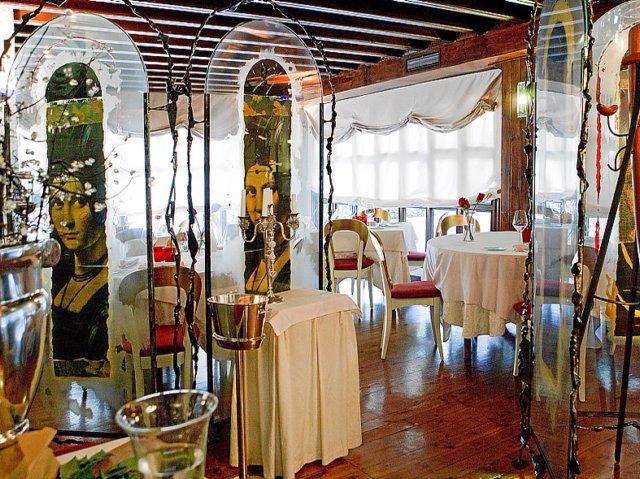
Details
- Intimate
- Rustic
- Cozy
- Date Night
- Special Occasion
- Celebration
- Solo
- Chefs Counter
- Standalone
- Extensive Wine List
- Local Sourcing
- Tasting Menu
- A La Carte
- Wine
- Pescatarian Friendly
Current opening hours
- Monday
- 1–3:30 PM, 8–10 PM
- Tuesday
- 1–3:30 PM, 8–10 PM
- Wednesday
- 1–3:30 PM, 8–10 PM
- Thursday
- 1–3:30 PM, 8–10 PM
- Friday
- 1–3:30 PM, 8–10 PM
- Saturday
- 1–3:30 PM, 8–10 PM
- Sunday
- 1–3:30 PM, 8–10 PM
Hours can change for holidays and private events. Hours as of .
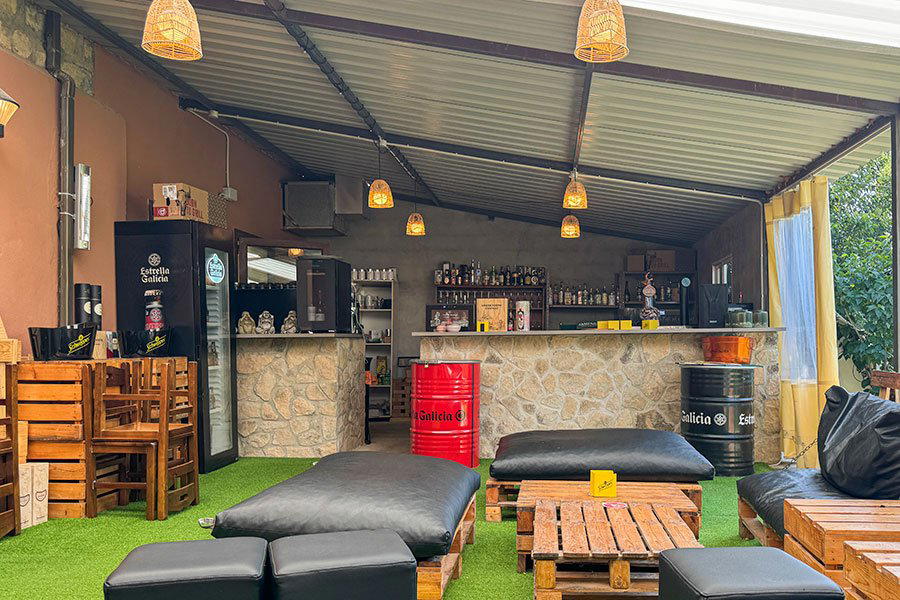
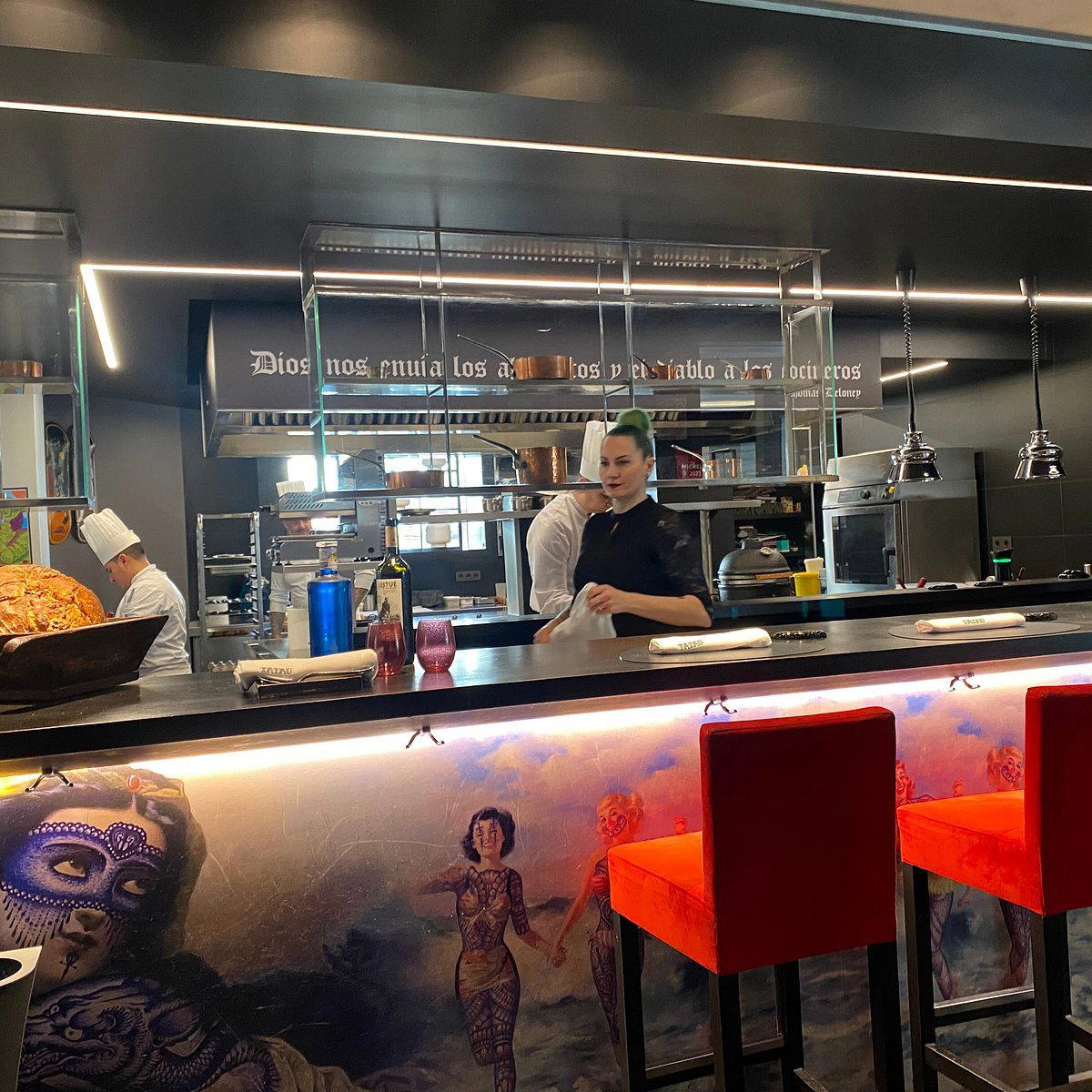
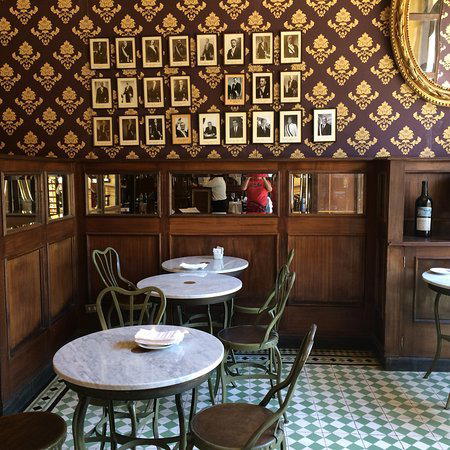
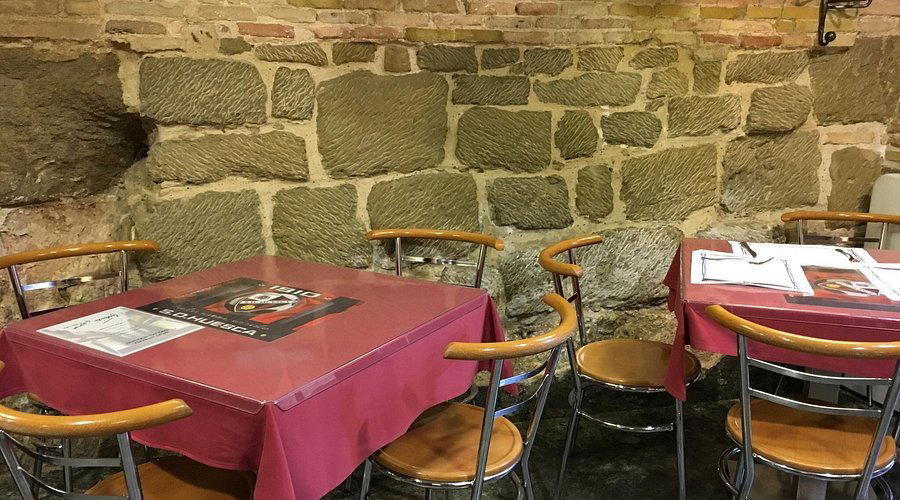
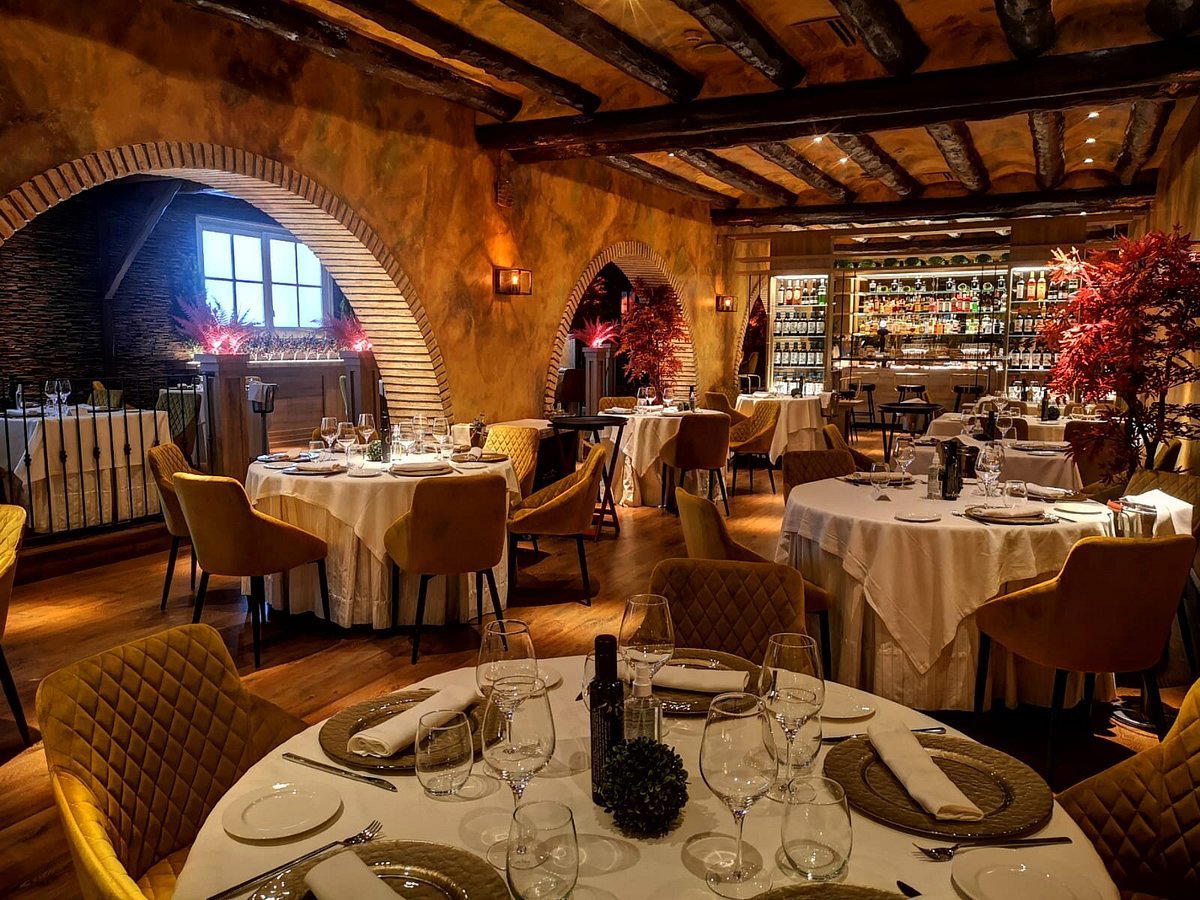
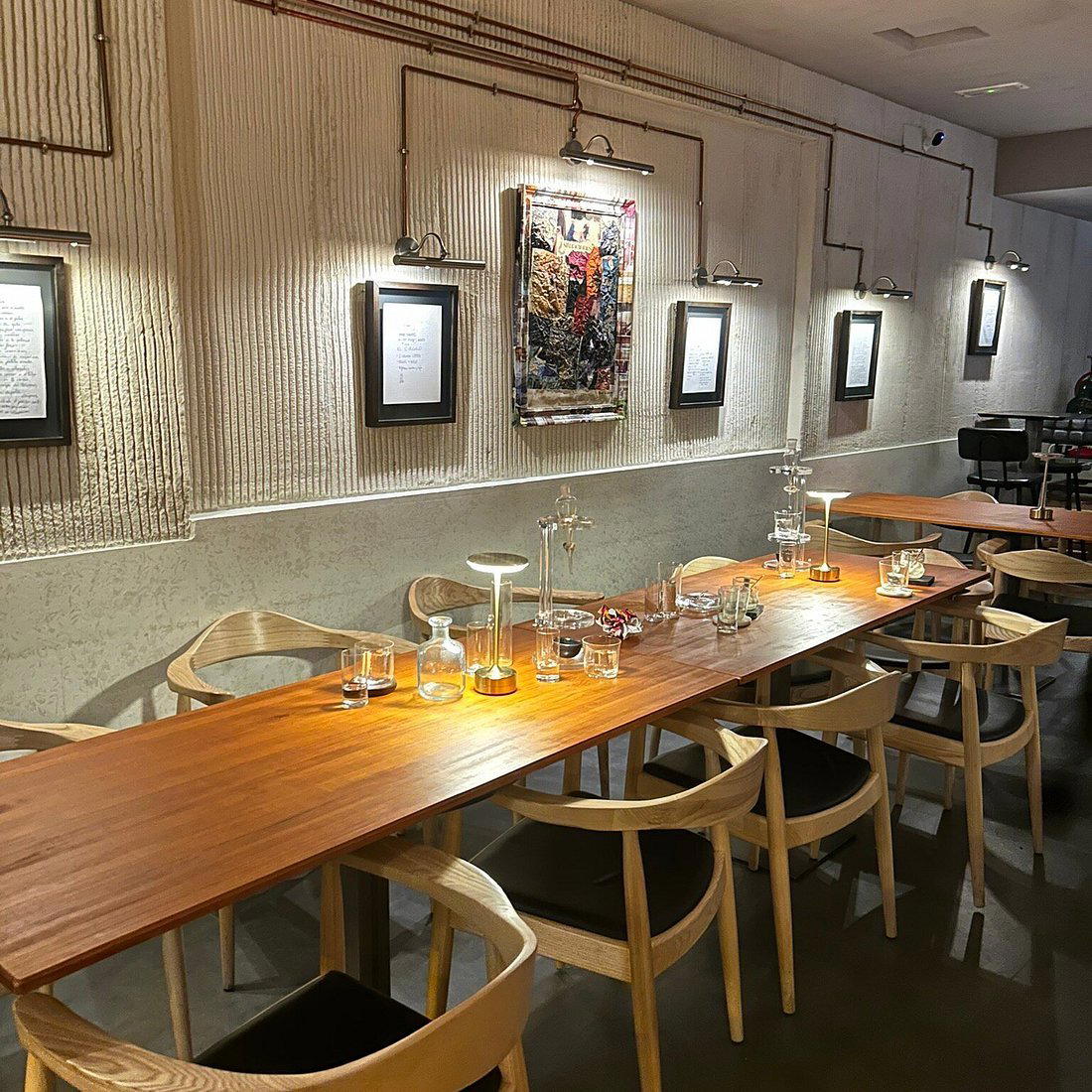
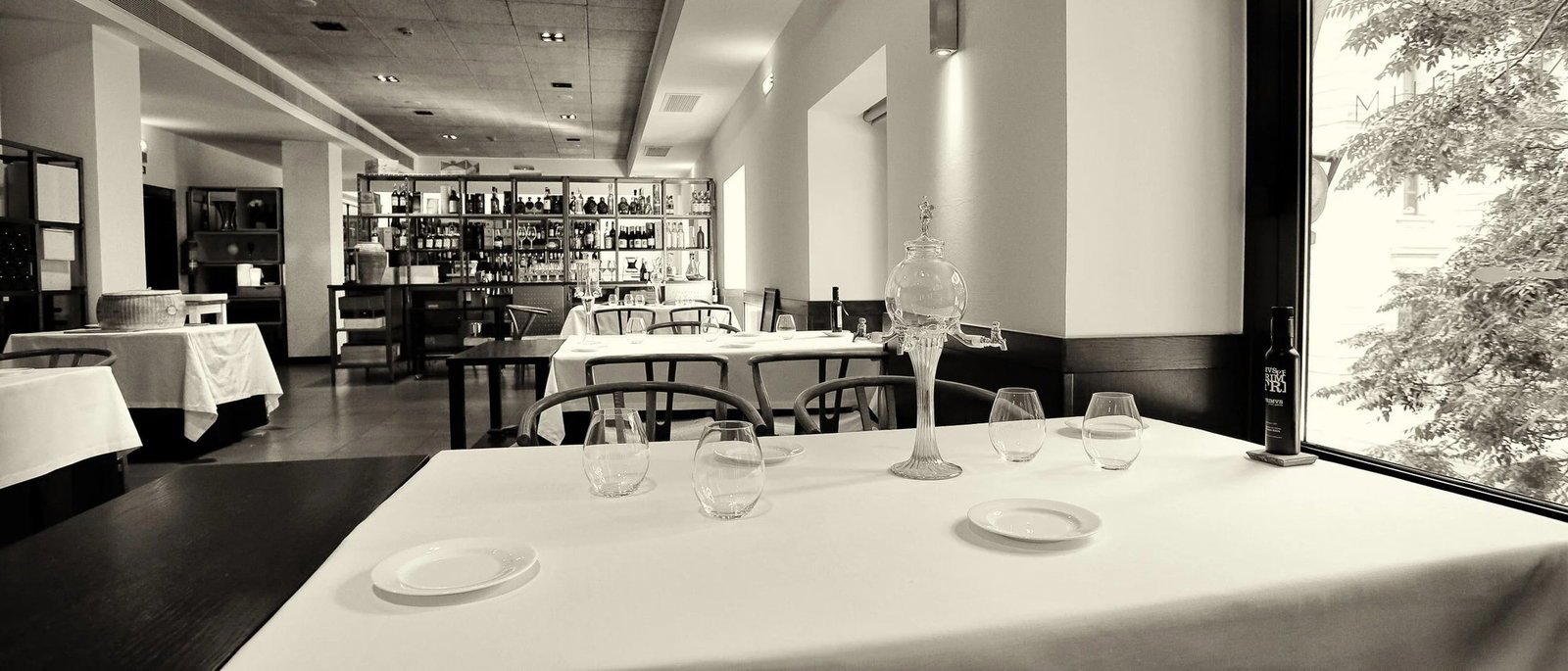
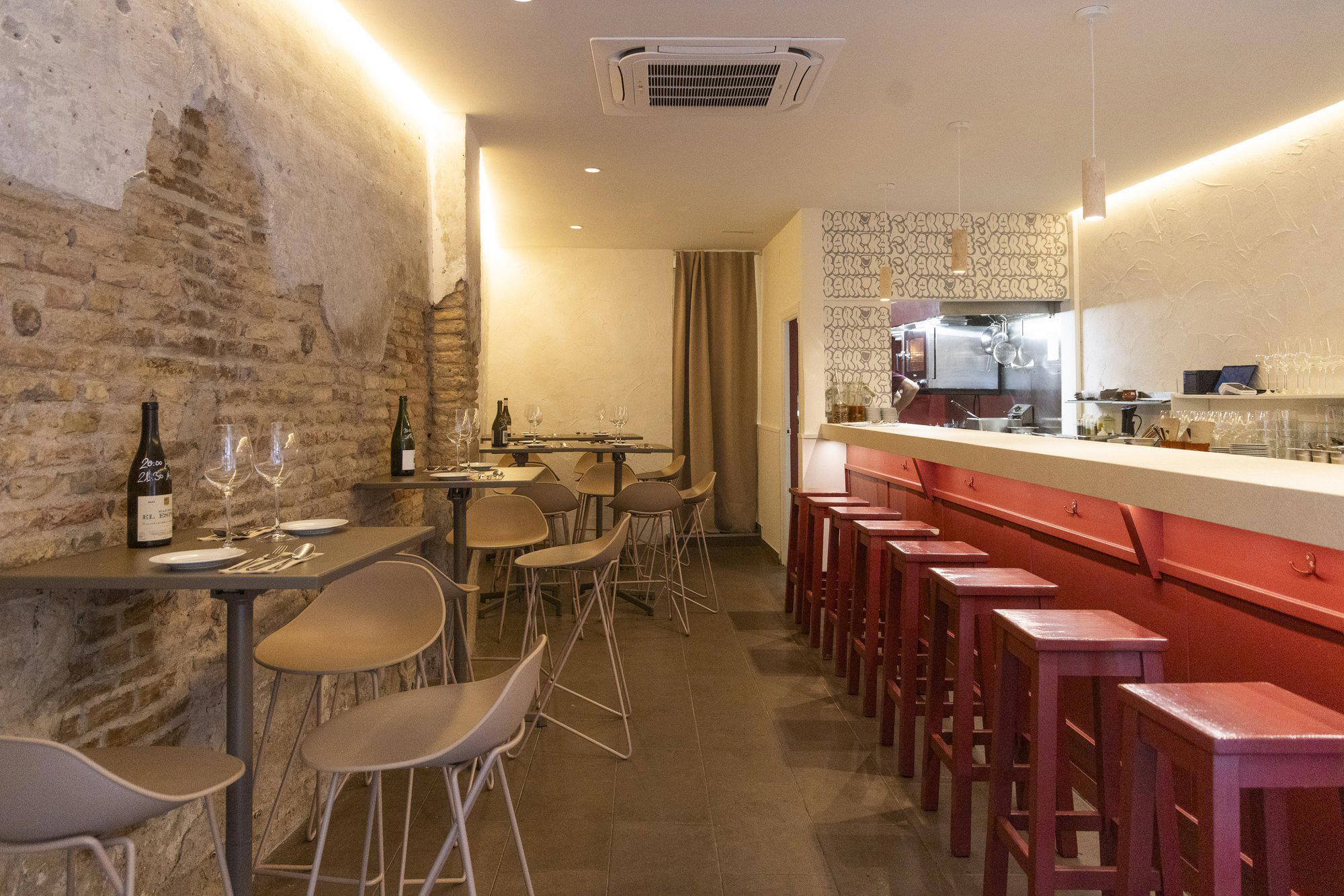
A small, simple dining room with only three tables, understated décor and a calm, almost monastic focus on the grill; the mood is intimate and unhurried, designed for lingering meals rather than quick turns.