
Tabelog 100 #73
Our verdict
Surugaya gives Narita’s temple-town dining culture a serious unagi anchor, with Tabelog 100 Unagi selections in 2018, 2019, 2022, and 2024. The appeal is not novelty; it is the old Japanese logic of a specialist house built around eel, rice, sauce, and the patient appetite that Naritasan Omotesando has sustained for generations.

Pearl is the En Primeur Club membership app, where members save venues, book tables and use the concierge.
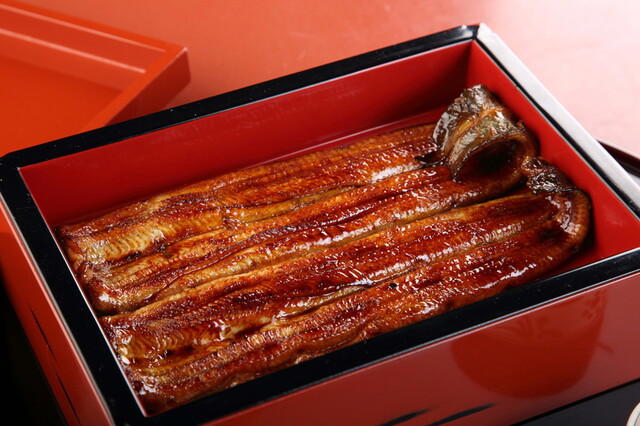
The menu
What to order
- Unajū (grilled eel over rice)
- Unadon (eel rice bowl)
- Hitsumabushi (eel over rice, three ways)
Approaching Narita as a dining town, the mood changes from airport transience to a slower local rhythm: shopfronts tighten, food aromas become part of the street grammar, and eel stops reading only as a luxury signal and starts reading as a focused local choice. Narita’s relationship with unagi gives travelers a clear way to make a meal feel anchored to the city rather than merely convenient. Surugaya belongs to that specialist register, where the point is not a chef’s manifesto but the discipline of an eel-focused house in a town many visitors pass through on a tight schedule.
In Japan, unagi is never only about eel as an ingredient. It is also about the way a restaurant handles a narrow format: rice, sauce, timing, and the expectation that one main idea can carry the meal. The better houses make that focus feel quiet rather than theatrical. Narita sharpens that equation because the city has a steady flow of visitors who may only have one serious meal between the station, the city, and the airport. A Tabelog score of 3.70 and selection for Tabelog Hyakumeiten in 2024 put Surugaya in a nationally visible category for this specific genre, not in the general-purpose restaurant conversation.
Narita's eel tradition is a sourcing story before it is a dining story
Unagi restaurants are shaped by a narrow ingredient brief. The category carries a cost structure and level of focus that make it different from ramen, casual sweets, pizza, or everyday izakaya-style meals. That is why Narita’s eel houses occupy a different price and expectation band from lower-spend neighborhood meals such as Tekoteko, Kintoki no Amataro Yaki, Menya Fukuichi, and Torihan Uohan. Pizzeria Positano sits in another bracket again, but the comparison is useful: unagi pricing reflects ingredient focus and craft concentration rather than room glamour.
The city’s broader dining map gives that point more force. Travelers can follow other casual routes through Narita dining rooms, or move toward different styles elsewhere in the city. Eel asks for a narrower appetite. It rewards diners who want one ingredient treated with repetition, memory, and house technique rather than menu breadth.
Surugaya’s recognition matters because Tabelog’s Hyakumeiten lists are category-specific. A general restaurant accolade can blur cuisine type; a dedicated unagi selection says the place is being judged within the eel conversation. For Narita, that distinction is useful. The city’s culinary identity is often flattened into “airport-adjacent,” but its visitor-facing food economy can still be read through specific meal choices. Eel is central to that reading because it feels ceremonial without needing a formal tasting-menu frame.
The room keeps the meal in the category of specialist comfort
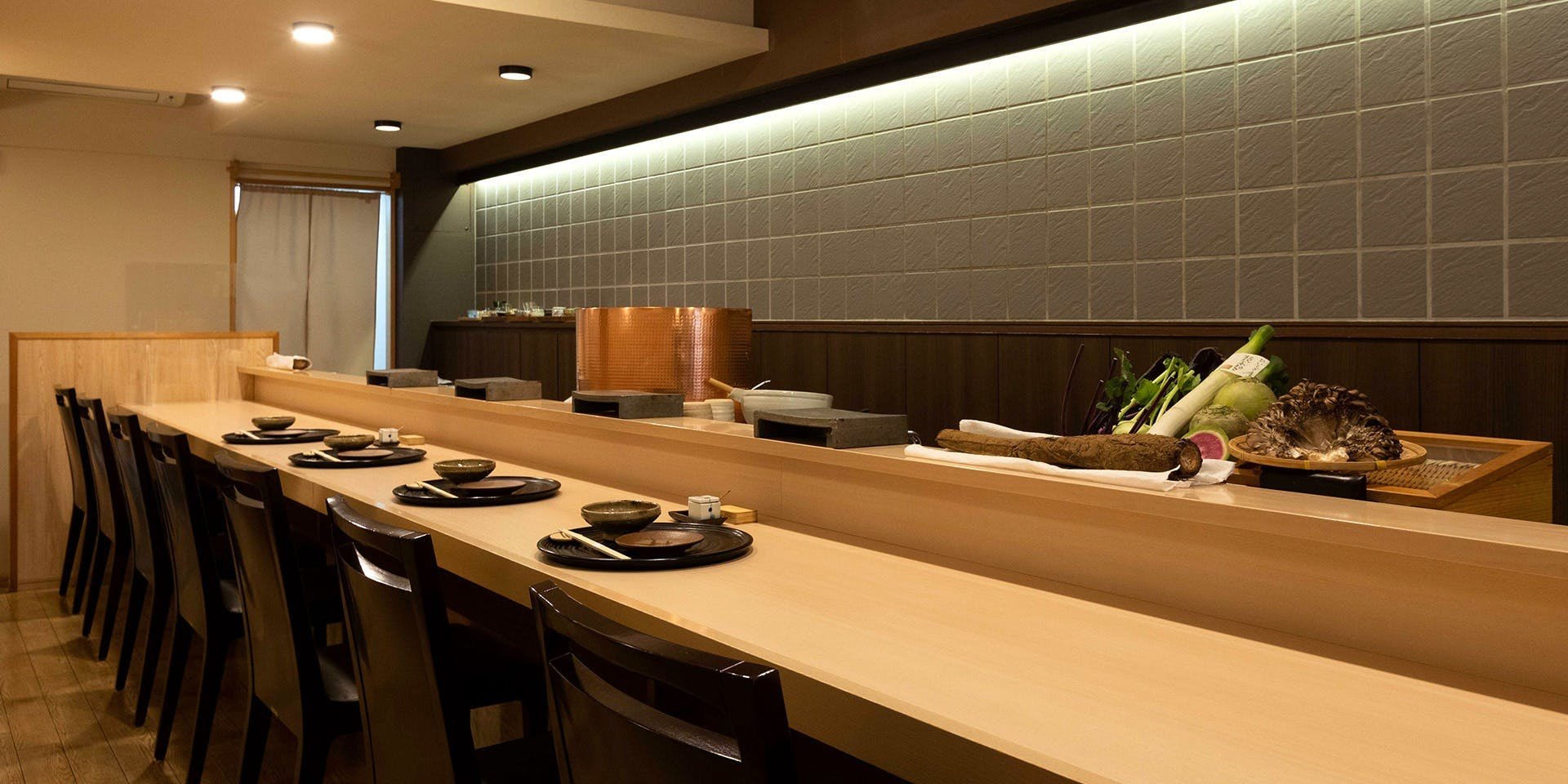
The setting should be understood through the lens of a specialist eel restaurant rather than a broad, multi-category dining room. That framing says much about the intended experience: structured, local, and meal-focused, rather than built around novelty for its own sake. The format sits between everyday utility and destination recognition. It is not the tiny counter model that dominates luxury sushi discourse; it is a focused specialist address built around a single category without turning the meal into spectacle.
This is where Narita differs from larger prestige dining circuits. The decision is less about chasing a trophy reservation and more about choosing the right meal for the city. Other Narita dining rooms give travelers different reference points, which helps frame unagi as a local pattern rather than an isolated address. In a town where many visitors are time-compressed, the more intelligent move is to match the meal to the place: noodles for speed, eel for tradition, and a longer pause when Narita itself is the point of the day.
The ingredient-led angle also explains why the meal works best when kept compact. Eel’s richness, sauce sweetness, and rice structure make the experience feel complete without needing a broad supporting cast. The important point is restraint: the surrounding choices should support a focused, ingredient-led lunch rather than competing with it.
How to place it within a Narita food day
Surugaya makes the strongest sense when Narita is treated as a town rather than a transit zone. The meal fits a Narita itinerary, especially for travelers who want a Japanese regional specialty without committing to a long tasting format. For broader planning, Our full Narita restaurants guide is the place to compare categories across the city, while Our full Narita hotels guide, Our full Narita bars guide, Our full Narita wineries guide, and Our full Narita experiences guide help separate an airport overnight from a proper stay.
Readers building a wider Japan food itinerary can use the same lens elsewhere: ingredient-led specialists and compact-format meals often tell the clearer story than sprawling menus. Compare regional focus in other Japanese cities, seafood-and-fire cooking in urban dining rooms, café culture, contemporary regional dining, Vietnamese cooking, curry specialization, sake-bar culture, and Japanese comfort food abroad as broader examples of how a focused format can define a meal.
The editorial case is clear: choose Surugaya when the meal should express Narita’s identity through a single ingredient with a serious national category signal. It is a better fit for travelers who want unagi as the center of lunch than for diners chasing novelty, tasting-menu choreography, or a broad à la carte spread. In a city often treated as a runway extension, that specificity is exactly the point.
Frequently asked questions
Is Surugaya child-friendly?
Surugaya may be workable for families, especially for diners who are comfortable with a specialist unagi meal. It is in Narita, which keeps it easy to fold into a daytime visit.
What should I expect atmosphere-wise at Surugaya?
Expect a specialist unagi restaurant rather than a formal dining room. The Tabelog Hyakumeiten 2024 selection gives it credibility without turning the room into a showpiece.
What should I budget for a meal at Surugaya?
Pricing at Surugaya is listed as JPY 4,000 - JPY 4,999.
What are the opening hours for Surugaya?
Current opening hours are not provided here; check directly with Surugaya before making a special trip.
What part of town is Surugaya in?
Surugaya is located in Narita.
Fast Comparison
Comparable venues by cuisine and price in the same metro.
| Venue | Cuisine | Price | Awards | Notes |
|---|---|---|---|---|
| SurugayaThis venue (the venue you are viewing) | Traditional Unagi (eel) Restaurant | $30–50 | Tabelog 100 #73 | Not listed |
| Japanese Ramen Tomita (日本の中華そば富田) | Japanese Ramen and Tsukemen | $10–20 | Not listed | Narita |
| Sushi Kyotatsu (すし京辰) | Edomae Sushi Omakase | $50–100 | Not listed | Narita Airport |
| Torihan Uohan | Japanese Izakaya with Chicken & Seafood | $30–50 | Tabelog 100 #13 | Narita |
| Menya Fukuichi | Ramen shop specializing in rich chicken ramen | $10–20 | Tabelog 100 #13 | Hanazakicho |
| Saboten (新宿さぼてん) | Tonkatsu (Japanese Pork Cutlet) | $10–20 | Not listed | Narita Airport |
Recognition history
Dated appearances from independent guides and award organizations, with the underlying list record or original source where available.
Tabelog 100 #73 · No. 73
Tabelog · Tabelog 100 - Unagi - 2024
Continue exploring
More in Narita
Details
- Classic
- Well Known
- Cozy
- Family
- Group Dining
- Solo
- Casual Hangout
- Special Occasion
- Historic Building
- Standalone
- Sustainable Seafood
- Street Scene
- A La Carte
- Set Menu
- Sake
- Beer
- Tea
- Pescatarian Friendly
Current opening hours
- Monday
- 11 AM–4 PM
- Tuesday
- 11 AM–4 PM
- Wednesday
- 11 AM–4 PM
- Thursday
- Closed
- Friday
- 11 AM–4 PM
- Saturday
- 10 AM–4 PM
- Sunday
- 10 AM–4 PM
Hours can change for holidays and private events. Hours as of .
A bustling, traditional eel house atmosphere in a historic building just by the temple gate, with simple classic interiors, close-set seating, and the aroma of charcoal-grilled unagi creating an energetic yet welcoming feel.