Sugarfish By Sushi Nozawa

Our verdict
SUGARFISH by sushi nozawa on La Brea Avenue distills the Nozawa counter tradition into a format built around omakase-style trust menus, where the kitchen decides and the guest follows. The format strips away the usual friction of sushi ordering, replacing it with a paced sequence that reflects Southern California's evolving relationship with Japanese dining disciplines.

Pearl is the En Primeur Club membership app, where members save venues, book tables and use the concierge.
The menu
What to order
- Blue and Dungeness Crab Hand Roll
- Toro Hand Roll
- Unagi
Trust the Chef: How Sushi Nozawa's Format Became an LA Institution
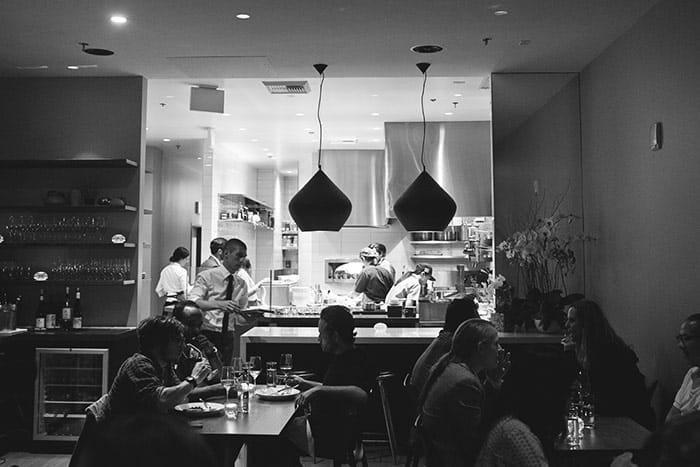
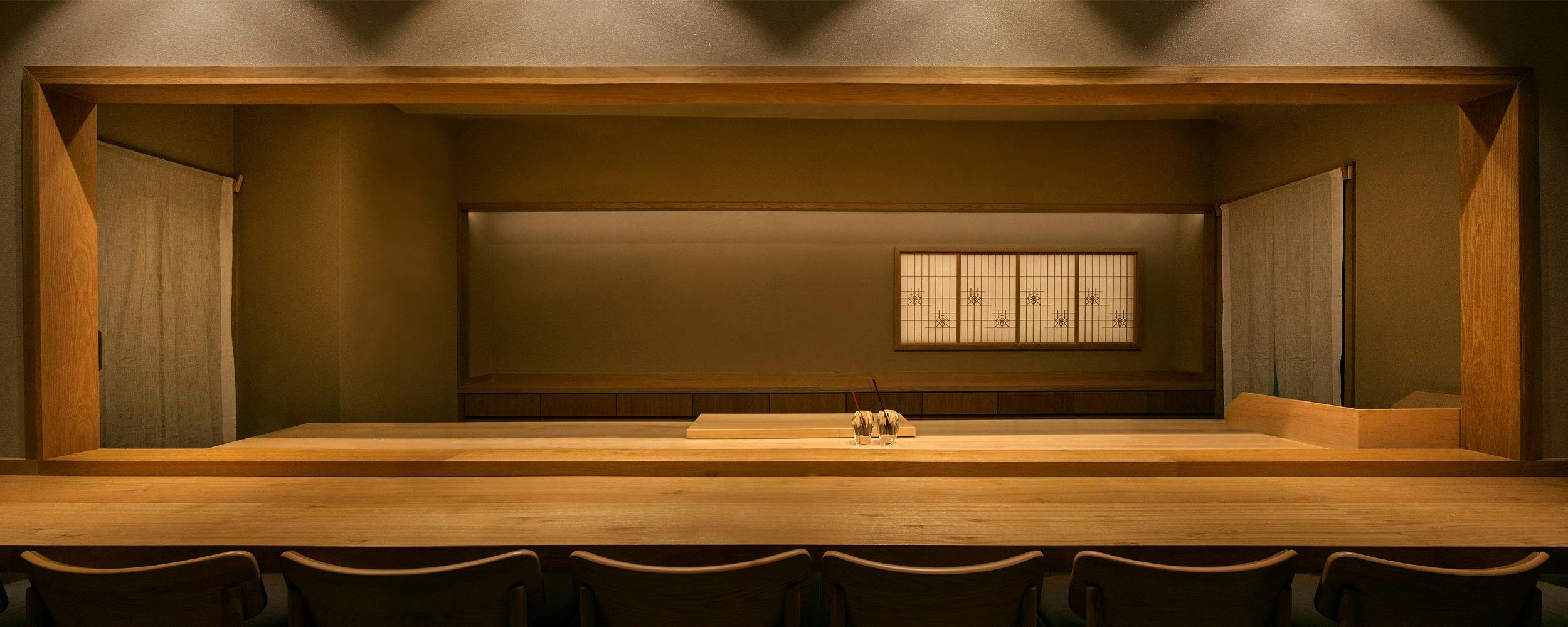
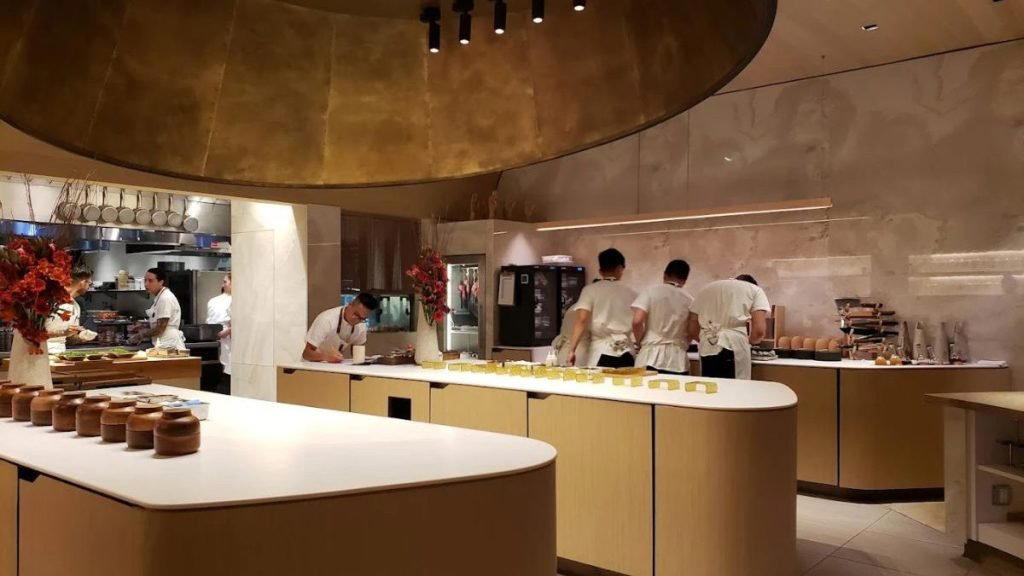
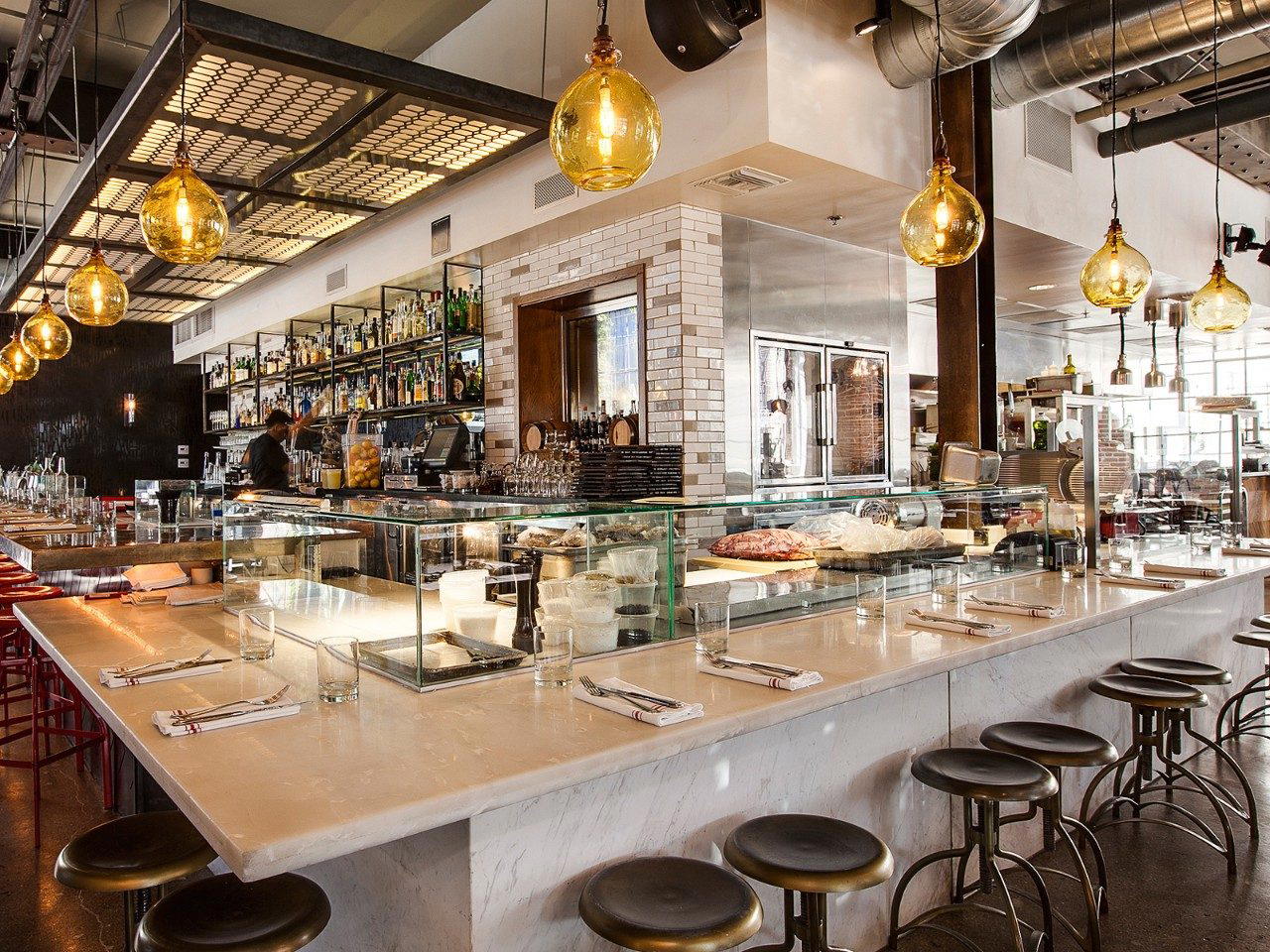
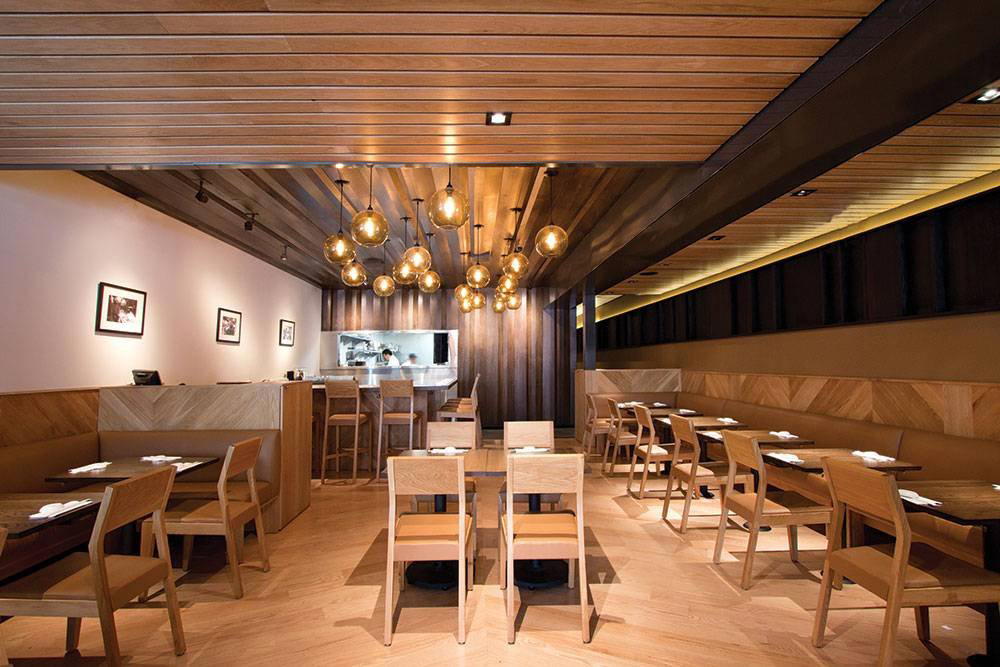
Walk into the La Brea location of SUGARFISH by sushi nozawa and the room makes its intentions clear immediately. There is no specials board. There is no server walking you through ten pages of choice. The counter seats fill quickly, the kitchen runs at a steady pace, and the format does the talking: a fixed set of omakase-style options, priced accessibly by LA standards, served without ceremony but with consistent technical discipline. In a city where sushi ranges from supermarket rolls to $500-a-head omakase counters, SUGARFISH occupies a deliberate middle position that has proven far more durable than most dining concepts manage. At the leading end, single-counter omakase rooms with eight to twelve seats book out weeks or months in advance, price against Manhattan and Tokyo peers, and treat the meal as an event. Below that tier sits a much larger casual category: conveyor belts, all-you-can-eat, and neighborhood standbys that prioritize volume over craft. SUGARFISH sits between those poles and has made that position into a business model.
The Nozawa lineage matters here not as biography but as credential. Kazunori Nozawa's original Studio City counter, which ran for decades before closing, was known for a strict no-substitutions format and fish quality that placed it above its price point. SUGARFISH takes that operational philosophy, standardizes it across multiple LA locations, and delivers it in an environment that reads as casual rather than ceremonial. The result is a format that has survived longer than most LA restaurant concepts because the constraints are also the product: you order a Trust Me set, the kitchen sends what it sends, and the experience is repeatable in a way that improvised menus rarely are.
Booking, Planning, and What You're Actually Walking Into
Booking dimension is where SUGARFISH's editorial angle sharpens. The chain does not take reservations at most locations, which places it in a walk-in tier that functions on completely different logistics than the reservation-required omakase counters nearby. That walk-in format is both a democratic gesture and a practical inconvenience depending on when you arrive. Weekend lunchtime queues at the La Brea and Downtown locations can stretch past forty-five minutes. Weekday midmornings or the opening hour on a Tuesday are considerably faster. The no-reservation policy is not incidental; it is part of the original Nozawa ethos, where the counter controlled the pace rather than the diner's calendar.
For visitors planning an LA trip around specific dining targets, SUGARFISH belongs in a different category from the city's reservation-only sushi rooms. It functions more like a well-run institution where timing management replaces booking strategy. Arriving at the door at opening, or targeting off-peak midweek windows, is the operational knowledge that replaces a reservation confirmation number. If you are pairing the city's sushi scene with cocktail stops, Bar Next Door and
| Venue | Format | Reservations | Price Tier | Capacity Signal |
|---|---|---|---|---|
| SUGARFISH by sushi nozawa | Fixed omakase sets, walk-in | Walk-in (most locations">Standard Bar | Mid-range by LA standards | Multiple locations; queues at peak hours |
| Single-counter omakase (LA tier) | Full omakase, seated counter | Weeks to months in advance | Premium ($200+ per person) | 8–12 seats; controlled pace |
| Casual neighborhood sushi (LA) | À la carte | Walk-in or same-day | Entry-level | High turnover; volume-driven |
What the Menu Format Signals
The Trust Me format that SUGARFISH built its reputation on operates as a direct descendant of Nozawa's original refusal to accommodate substitutions. In practical terms, it means the kitchen sets the sequence rather than the diner, which is the core principle of Japanese omakase applied at a non-luxury price point. That compression of the high-end format into something accessible has driven significant influence on how LA thinks about affordable sushi. Several other operators in the city have moved toward fixed or semi-fixed formats in the years since SUGARFISH established its multi-location presence, a shift that reflects the format's commercial viability as much as its culinary philosophy.enprimeurclub. Across North America, bars and restaurants that impose format discipline on the guest tend to cluster in credentialed, high-craft environments. Kumiko in Chicago applies a similar philosophical constraint to the cocktail menu, where Japanese precision and a set-format sensibility replace freestyle ordering. Bar Leather Apron in Honolulu runs a comparable constraint-led program in a different category. The pattern holds across cities: when operators with strong technical credentials impose a structure on the guest experience, the constraint itself becomes a quality signal rather than a limitation.
That signal is what SUGARFISH trades on at the La Brea location. The address sits in a neighborhood defined by mid-range dining with occasional destination-level stops, and the SUGARFISH format slots into that context as a reliable technical reference point rather than a destination event. For visitors working through a broader LA itinerary that includes stops like Jewel of the South in New Orleans or Julep in Houston as comparative benchmarks, SUGARFISH represents the LA version of a format-disciplined institution: known, consistent, and logistically approachable if you manage the walk-in timing correctly.
Travelers who want additional craft cocktail context alongside their LA dining program will find Superbueno in New York City, ABV in San Francisco, and The Parlour in Frankfurt on the Main useful reference points for understanding how format-led hospitality scales across different markets. Walk-in timing is the primary variable to control. Arriving within the first thirty minutes of the opening hour on a weekday gives the shortest wait.
Frequently asked questions
at SUGARFISH by sushi nozawa?
The Trust Me format is the practical answer. SUGARFISH's menu is built around fixed omakase sets rather than an extensive à la carte list, so the decision is less about individual dishes and more about which set matches your appetite. The kitchen sequences the meal; the diner's role is to follow rather than direct. That format reflects the original Nozawa philosophy and is the reason the operation has maintained consistency across multiple LA locations.
What's the standout thing about SUGARFISH by sushi nozawa?
Price-to-format ratio is the most-cited point of distinction. In a city where omakase-style sushi at a credentialed operation typically starts well above $100 per person, SUGARFISH delivers a fixed-sequence meal at a mid-range price point.
Do I need a reservation for SUGARFISH by sushi nozawa?
At most SUGARFISH locations, including La Brea, the operation runs on a walk-in basis. There is no reservation system to book into, which means queue management replaces calendar planning. Off-peak weekday visits, particularly at opening time, produce the shortest waits. Weekend and lunchtime peaks can extend wait times past forty-five minutes at the higher-traffic locations. Confirm current policy directly with the venue before visiting, as individual location policies may vary.
How does SUGARFISH relate to the original Sushi Nozawa restaurant?
SUGARFISH is the multi-location chain that grew from the culinary tradition of Kazunori Nozawa's original Studio City counter, which operated for decades and developed a reputation for strict no-substitutions service and fish quality above its price point. The Nozawa name on the brand signals that lineage rather than a direct continuation of the original venue.
Recognition history
Dated appearances from independent guides and award organizations, with the underlying list record or original source where available.
Opinionated About Dining Casual in North America Recommended
Opinionated About Dining