


1 Michelin Star · We're Smart World 2 Radishes
Our verdict
A Michelin-starred address in the Latin Quarter where French-Japanese technique shapes a multi-course progression built on French produce and Japanese culinary logic. Ranked 207th in Europe by Opinionated About Dining in 2025, Sola sits at the more intimate end of Paris's creative dining tier, with a contemporary interior that reflects the precision of its kitchen.

Pearl is the En Primeur Club membership app, where members save venues, book tables and use the concierge.
The menu
What to order
- Foie gras with rice and black truffle
- Oyster preparations
- Deer meat with smoked onions
Where the Latin Quarter Meets Japanese Culinary Logic
The stretch of the Left Bank between the Seine and the Sorbonne has always attracted restaurants that operate outside the grand-brasserie tradition. The Fifth Arrondissement's dining character is shaped by density and restraint rather than spectacle: smaller rooms, tighter menus, and a tendency toward kitchens that have something specific to say. Sola, at 12 Rue de l'Hôtel Colbert, opened as a French-Japanese collaboration and has held that position with enough consistency to earn a Michelin star (2025) and rank 207th among European restaurants in Opinionated About Dining's 2025 list, up from 217th the previous year. That upward movement, modest as the numbers appear in isolation, signals a kitchen gaining traction rather than coasting on early recognition.
The cross-cultural kitchen format Sola occupies has precedent in Paris. Alléno Paris au Pavillon Ledoyen operates in a different tier entirely, but the broader question of what French fine dining looks like when filtered through another culinary tradition has been asked across the city for two decades. Sola's answer involves sourcing products internationally while anchoring the structure of its menu in French multi-course logic, then applying Japanese technique at the level of preparation and temperature.
The Arc of the Menu
Sola's kitchen operates in the tasting-menu format that has become the default grammar of this price tier across Paris and, more broadly, across European creative restaurants from Mirazur in Menton to Enrico Bartolini in Milan. What distinguishes a strong multi-course progression from a merely elaborate one is the internal logic connecting each course: the way temperature shifts, protein weight builds and recedes, and acidity acts as punctuation rather than afterthought. Sola's documented dishes give a clear picture of how the kitchen thinks through that arc.
Duck liver smoked on Sakura wood with almond crumble represents the kind of opening gesture that frames everything to follow: fat and smoke balanced against the grain-and-nut texture of crumble, the Japanese wood choice signaling that the flavor decisions here come from a different cultural reference point than the classical French approach to foie gras. Cherry wood smoking is a technique with deep roots in Japanese yakitori tradition, and applying it to liver produces a more aromatic, less aggressively charred result than European hardwoods typically deliver. The almond crumble adds textural contrast without the sweetness of a fruit-based condiment, keeping the palate clear for what follows.
Mackerel mi-cuit with celery granite and Granny Smith apple occupies a different register entirely: cool, sharp, and high in acidity. The mi-cuit technique, a slow, low-temperature cook that leaves the fish somewhere between raw and fully cooked, is more common in contemporary French kitchens than in traditional ones, but the combination with a granita of celery and the clean green acidity of Granny Smith apple reads as distinctly modern. This course functions as the menu's palate reset: the apple's malic acid cuts through any residual richness from the opener while the granita's temperature drop shifts the diner's attention forward.
The lamb crown with seasonal vegetables represents the menu's weightiest moment, the point in a progression where protein and structure dominate before the kitchen pivots toward lighter finishes. At Sola, the seasonal component matters: the Latin Quarter's proximity to serious market infrastructure means the vegetable accompaniment shifts with genuine seasonal discipline rather than as a marketing gesture. The documentation of this dish as featuring seasonal vegetables rather than a fixed list suggests a kitchen that adjusts the supporting cast rather than locking in a formula.
Across this documented arc, a consistent logic emerges: each course introduces a new temperature register or textural contrast, Japanese technique operates at the level of preparation rather than as surface decoration, and the progression follows a recognizable French structure while the flavor decisions come from somewhere else. This is a different approach from the fusion kitchens of the 1990s, which often layered Japanese ingredients onto French frameworks as novelty. Here the integration is deeper: the Sakura wood, the mi-cuit approach, the granite's precision all suggest a kitchen where both traditions are genuinely understood rather than selectively borrowed.
The Room and Its Context
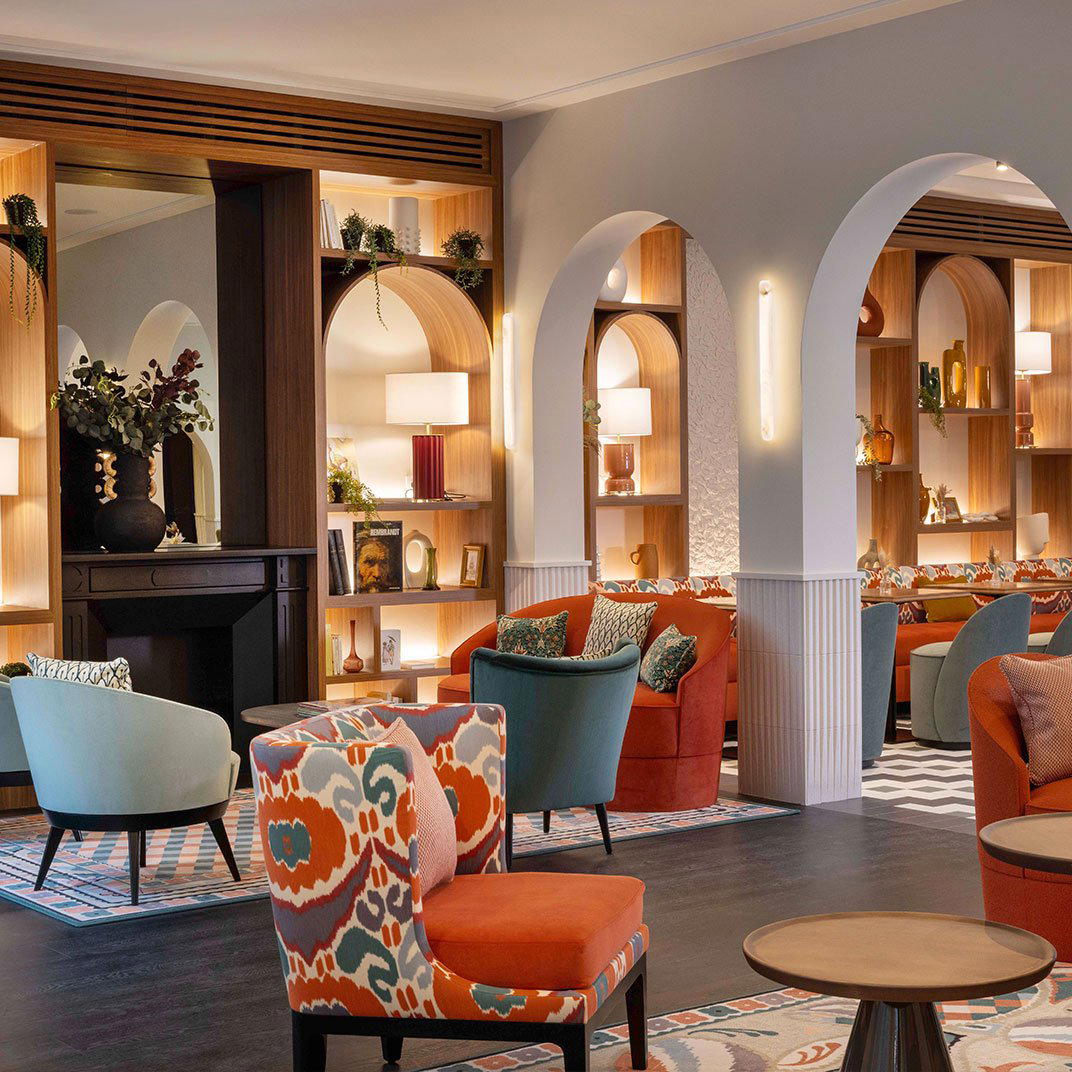
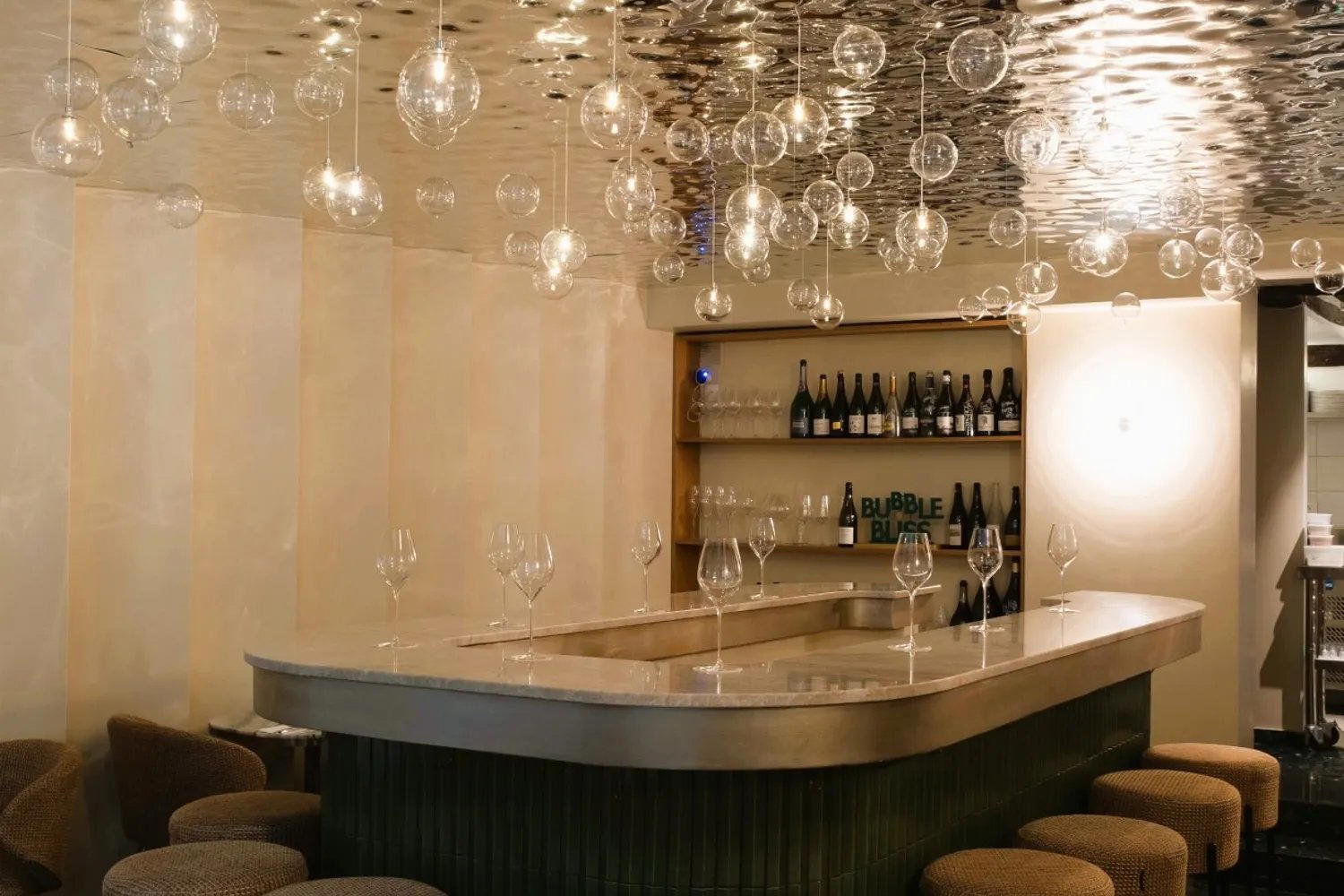
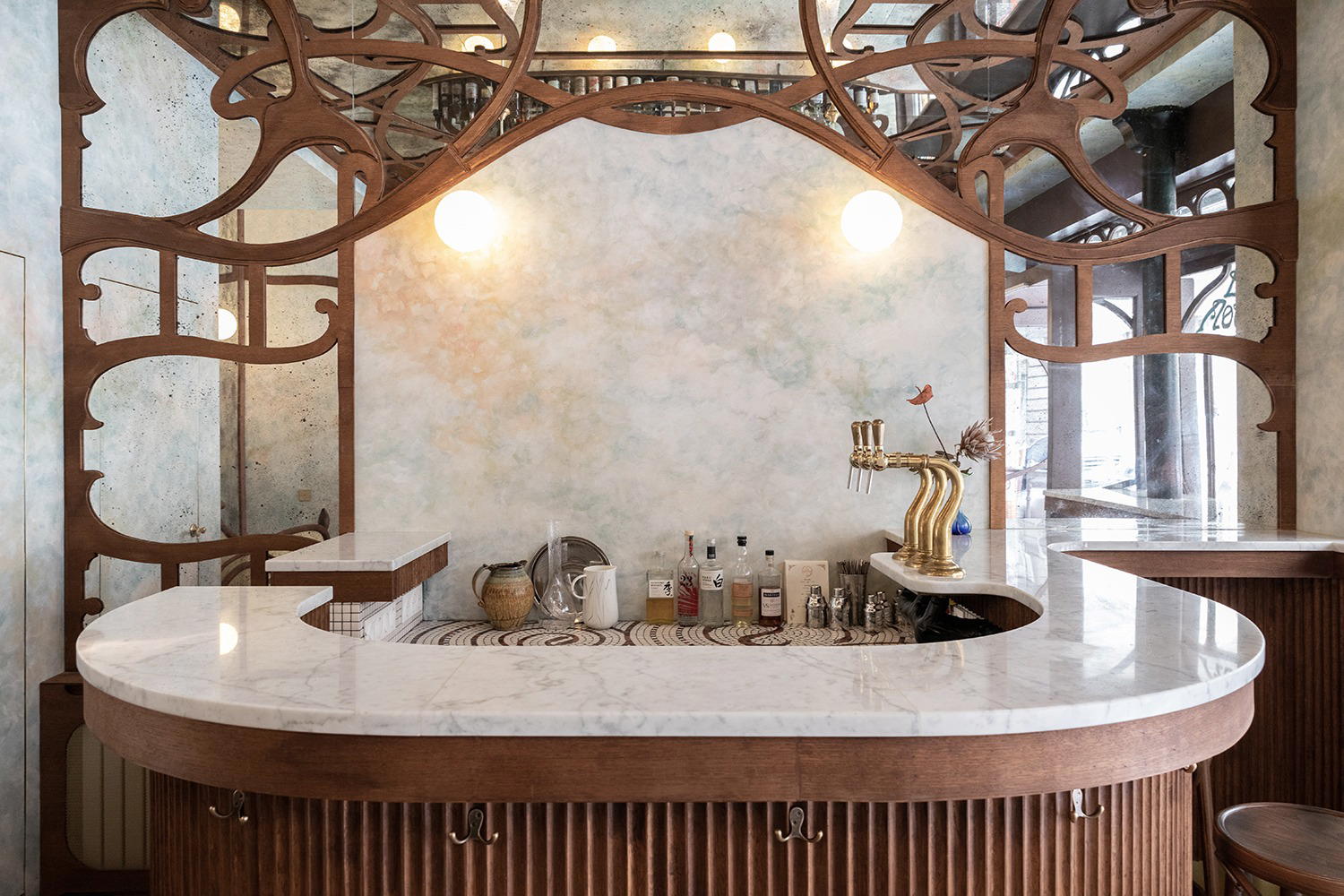
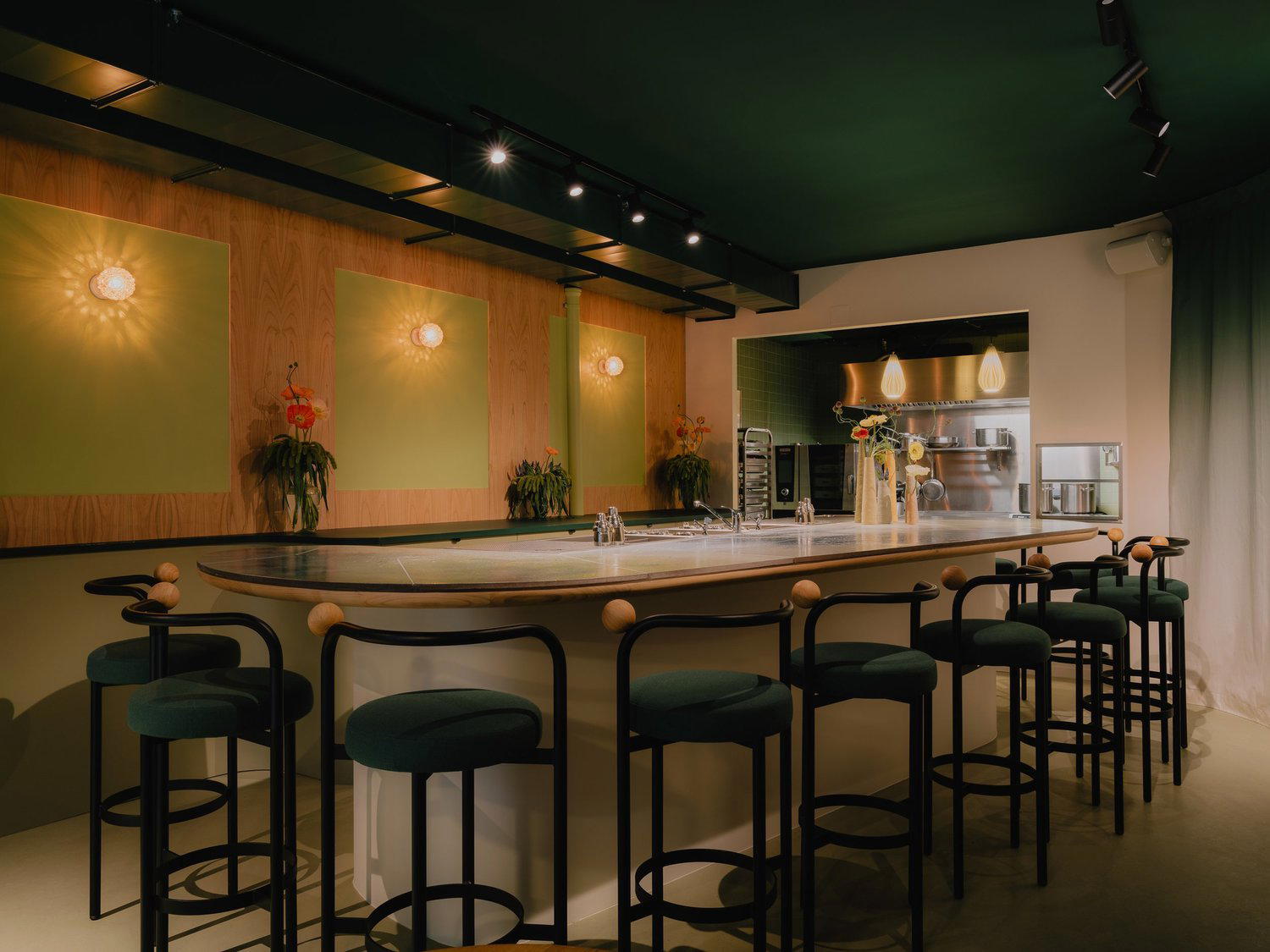
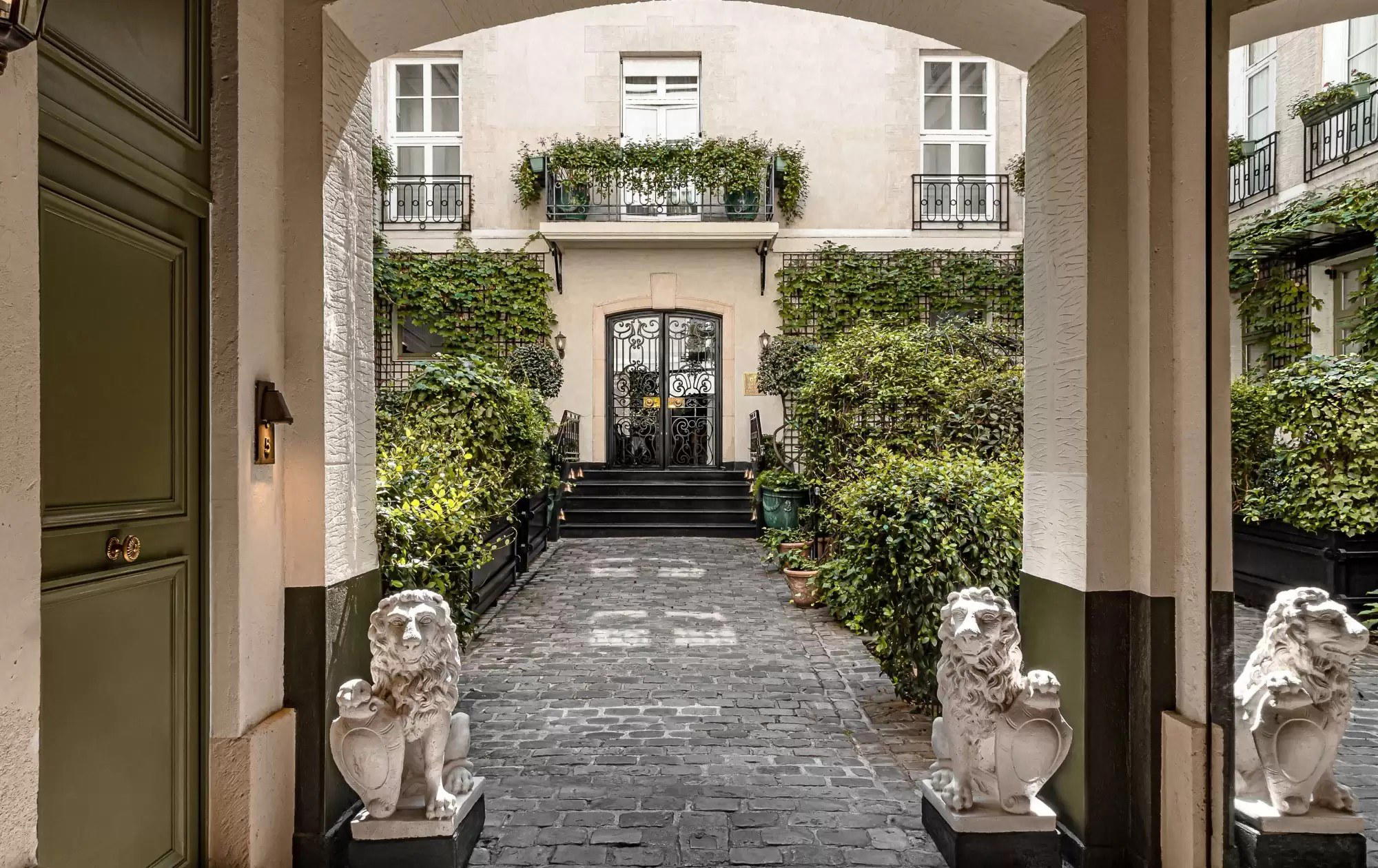
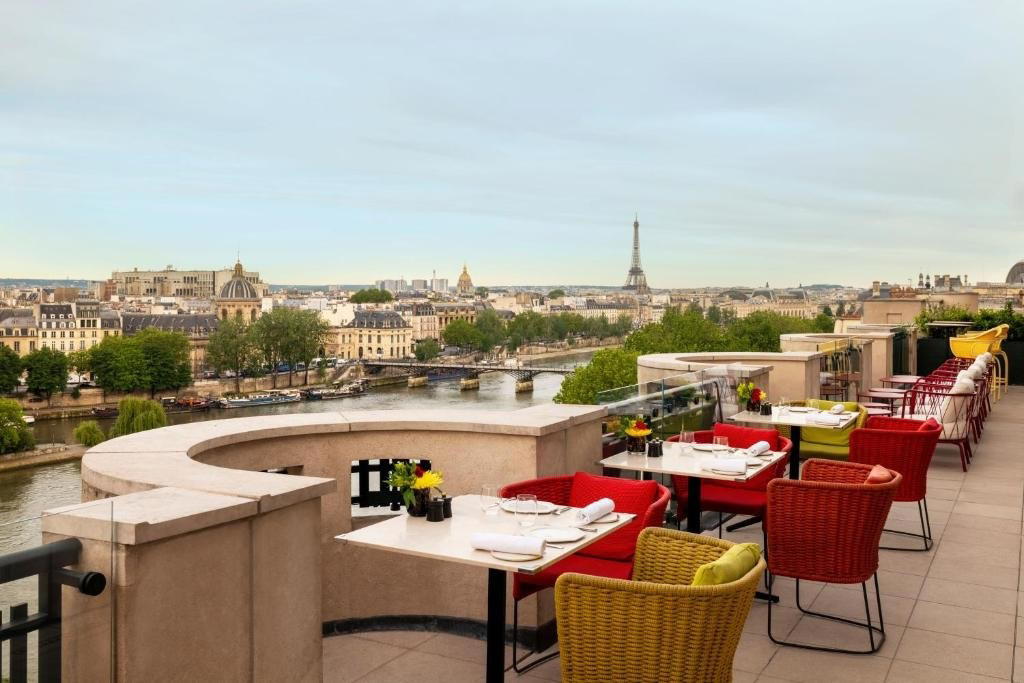
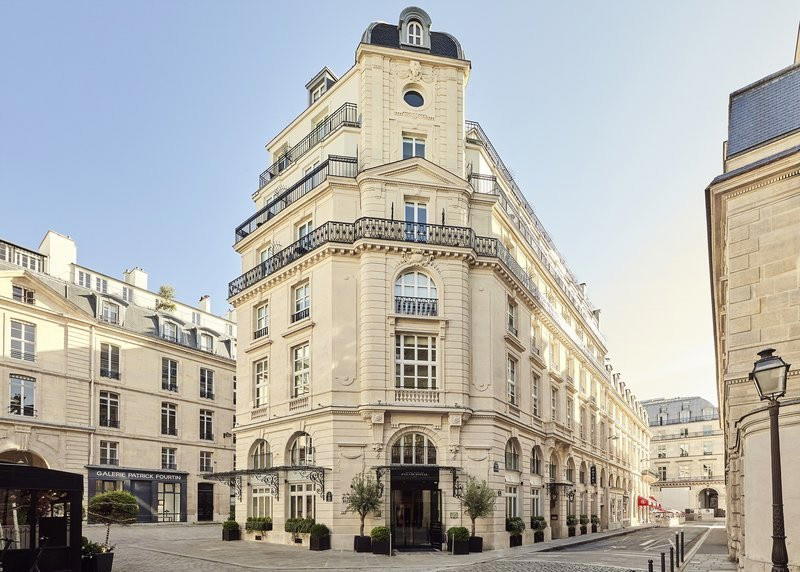
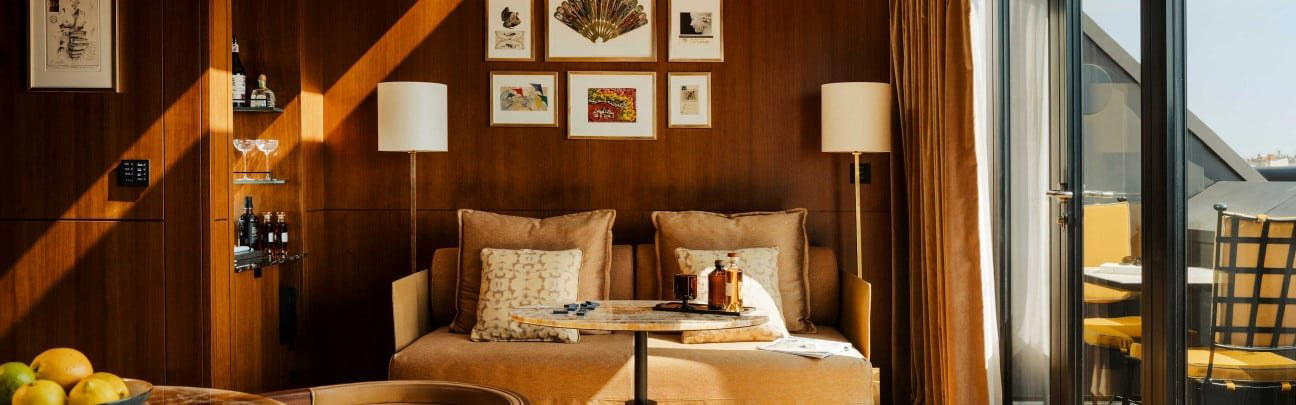
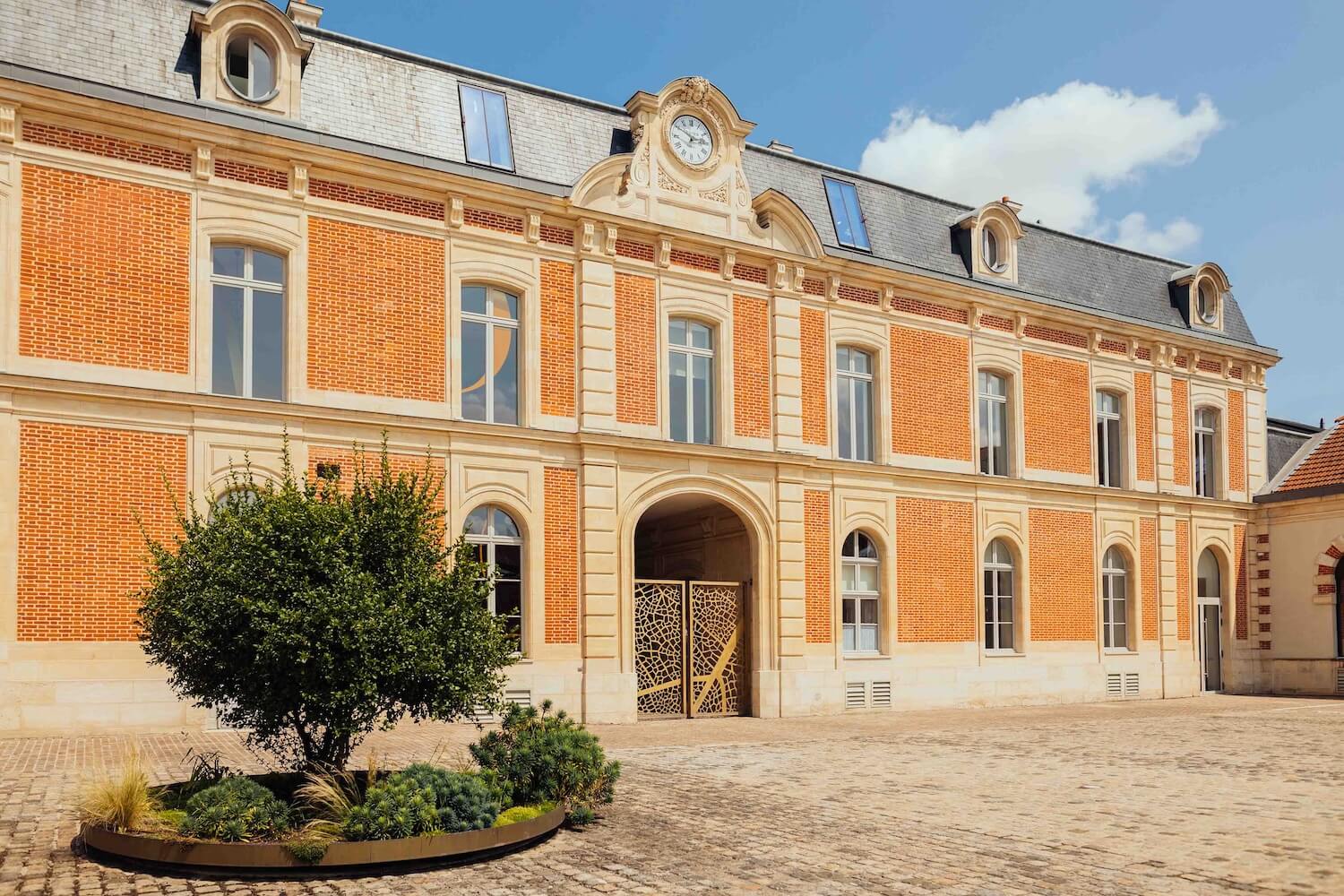
The interior at Sola is described as contemporary, aesthetic, and refined, language that in practice points toward a room where the architecture doesn't compete with the plate. In the Fifth Arrondissement, many dining rooms occupy older buildings with stone and timber details that can either reinforce or overwhelm an ambitious kitchen's message; Sola's contemporary fit-out suggests a deliberate choice to keep the visual temperature low enough that the food carries the evening. The name itself, meaning heaven in Japanese, frames the aspiration without imposing it on the room's design vocabulary.
The price positioning at €€€€ places Sola in the upper end of the Paris dining market. That bracket in Paris covers a wide range of ambitions and execution levels: the Michelin star and the OAD ranking together provide a reasonably clear position within it. For context, OAD rankings are generated from votes by frequent diners and food professionals rather than anonymous inspectors, which makes them a different kind of signal than Michelin, less focused on technical consistency and more on the cumulative impression of people eating seriously across the continent. An OAD ranking alongside a Michelin star suggests a kitchen that performs well across both evaluation frameworks.
Broader European creative-restaurant scene that Sola sits within includes very different approaches to the same basic ambition. JAN in Munich operates with a similar format discipline at its price tier; French regional houses like Flocons de Sel in Megève, Bras in Laguiole, Troisgros in Ouches, and Auberge de l'Ill in Illhaeusern represent the multi-generational French tradition Sola is working alongside rather than inside. The difference is instructive: those addresses are defined by place, terroir, and accumulated institutional identity. Sola is defined by a culinary argument: that French and Japanese technique speak to each other in ways that produce something neither tradition generates alone. That argument has to be made anew each service, which is a different kind of pressure from carrying an inherited reputation.
When to Go and How to Approach It
Fifth Arrondissement operates year-round with relatively stable traffic, but the seasonal-vegetable component of Sola's lamb course and the market-driven adjustments implicit in a kitchen of this type make autumn and spring particularly interesting moments to visit. Both seasons bring inflection points in the French vegetable calendar: autumn introduces root vegetables, wild mushrooms, and the first game; spring brings asparagus, peas, and early herbs that allow lighter, more vegetable-forward progressions before summer produce peaks. A kitchen integrating seasonal discipline into its multi-course arc performs differently at those transition points than it does at the heart of either season.
The OAD Highly Recommended designation as a new restaurant in 2023, followed by rankings of 217th (2024) and 207th (2025), traces a trajectory that indicates continued improvement rather than a kitchen that peaked early.
For anyone building a Paris itinerary around the creative dining tier, Sola occupies a specific and defensible position: it is neither an institution with decades of accumulated identity nor a newcomer still finding its footing. It is a restaurant with a clear culinary argument, documented technique, and a track record now long enough to read with some confidence. That is a relatively rare combination at this price point in any city.
Frequently asked questions
What dish is Sola famous for?
No single dish has been canonized in the way that a decade-old signature sometimes becomes inseparable from a restaurant's identity, but the documented preparation that draws the most consistent commentary is duck liver smoked on Sakura wood with almond crumble. The use of cherry wood, a Japanese smoking reference applied to a French liver preparation, is the detail that most clearly encodes Sola's cross-cultural kitchen logic in a single bite. The mackerel mi-cuit with celery granite and Granny Smith apple is also noted as representative of the kitchen's approach to acidity and temperature as structural tools within the tasting progression. Both dishes appear in Sola's award citations and critical documentation, including the framing provided alongside its Michelin-starred peers in the Paris creative-dining tier, placing the kitchen's cuisine and its awards trajectory in a coherent line.
Similar Picks
A quick peer check to anchor this venue’s price and recognition.
| Venue | Cuisine | Price | Awards | Notes |
|---|---|---|---|---|
| SolaThis venue (the venue you are viewing) | Modern French-Japanese Fusion | $150–200 | 1 Michelin Star · We're Smart World 2 Radishes | Not listed |
| Alléno Paris au Pavillon Ledoyen | Modern French Fine Dining | $150–200 | 3 Michelin Stars · World's 50 Best #79 | Creative |
| Kei | Modern French with Japanese Influences | $300–500 | 3 Michelin Stars · World's 50 Best #93 | Contemporary French, Modern Cuisine |
| L'Ambroisie | Classic French Haute Cuisine | $300–500 | 2 Michelin Stars · World's 50 Best #23 | French, Classic Cuisine |
| Le Cinq - Four Seasons Hôtel George V | Modern French Fine Dining | $300–500 | 3 Michelin Stars · World's 50 Best #24 | French, Modern Cuisine |
| Plénitude | Modern French Sauce-Led Fine Dining | $300–500 | 3 Michelin Stars · World's 50 Best #14 | Contemporary French |
Recognition history
Dated appearances from independent guides and award organizations, with the underlying list record or original source where available.
Michelin 1 Star
Michelin
Opinionated About Dining Top Restaurants in Europe Ranked #207
Opinionated About Dining
We're Smart World 2 Radishes
We're Smart World
Full recognition history (6 entries)
Michelin 1 Star
Michelin
Opinionated About Dining Top Restaurants in Europe Ranked #217
Opinionated About Dining
Opinionated About Dining Top New Restaurants in Europe Highly Recommended
Opinionated About Dining
Sola
Featured Guides
Continue exploring
More in Paris
Restaurants in Paris
All restaurants in Paris →
Bars in Paris
All bars in Paris →
Details
- Elegant
- Intimate
- Sophisticated
- Quiet
- Date Night
- Celebration
- Special Occasion
- Wine Cellar
- Private Dining
- Historic Building
- Sommelier Led
- Sake Program
- Local Sourcing
- Tasting Menu
- Prix Fixe
- Wine Pairing
- Sake Pairing
- Allergy Accommodating
Current opening hours
- Monday
- Closed
- Tuesday
- 7 PM–12:30 AM
- Wednesday
- 7 PM–12:30 AM
- Thursday
- 7 PM–12:30 AM
- Friday
- 12:30–2 PM, 7 PM–12:30 AM
- Saturday
- 12:30–2 PM, 7 PM–12:30 AM
- Sunday
- Closed
Hours can change for holidays and private events. Hours as of .
Intimate stone cellar setting with Japanese-influenced design; calm, sophisticated atmosphere with soft lighting and minimal distractions.