Screen Door Pearl District
Our verdict
Screen Door Pearl District brings the Southern comfort food tradition Portland has adopted as its own to NW Couch Street, where the emphasis on regional sourcing and honest preparation places it firmly in the city's ingredient-led dining conversation. The Pearl District location draws from the same philosophy that made the original a neighbourhood fixture: procurement-first cooking where provenance shapes the menu. Book ahead, particularly for weekend service.

Pearl is the En Primeur Club membership app, where members save venues, book tables and use the concierge.

The menu
What to order
- Chicken & Waffles
- Fried Chicken
Southern Sourcing in a Northern City
Portland has long maintained an unusual relationship with Southern American cooking. Unlike cities where the cuisine arrived through demographic migration or culinary tourism, Portland absorbed the tradition through a procurement lens: local farmers growing field peas, heritage-breed pork operations in the Willamette Valley, and Pacific Northwest grain mills producing the coarse-ground cornmeal that defines the biscuit and the hush puppy. Screen Door Pearl District, at 1131 NW Couch Street, sits inside that particular Portland interpretation, where Southern food becomes a vehicle for showcasing what regional agriculture can produce when the cooking is direct and the sourcing is deliberate.
The Pearl District is not a neighbourhood that typically rewards comfort food. Its grid of converted warehouses and purpose-built residential towers has attracted the kind of dining that prioritises precision and minimalism. Screen Door operates as a counterweight to that tendency, placing slow-cooked, high-volume, agriculture-dependent cooking in a district more accustomed to small plates and wine lists organised by natural producer. That positioning is itself an editorial statement about what Portland's food culture values: the credibility of an ingredient-first approach travels across formats, from the tasting menu to the fried chicken platter.
What the Ingredients Tell You
The operational logic of Southern cooking, particularly in its American comfort form, is almost entirely determined by procurement decisions made before the kitchen opens. The quality of a biscuit is a function of fat content, flour protein, and the temperature at which dairy arrives. The texture of braised greens reflects what variety was harvested and when. Portland's agricultural infrastructure, fed by the Willamette Valley's mild, wet growing conditions, gives kitchens in this city access to produce that Southern-inspired formats in less generously farmed regions cannot replicate at comparable price points.
That context matters when assessing where Screen Door Pearl District sits in the city's dining conversation. Portland has developed a tier of restaurants where sourcing credentials are not a marketing note but a structural commitment that shapes menu decisions seasonally. Operations like Langbaan, running its Thai tasting menu with produce sourced to the dish level, and Kann, approaching Haitian cooking through the same local-procurement discipline, represent that tier at the high end. Screen Door occupies a different price register but draws from the same regional supply logic.
The comparison set for understanding Screen Door is not the Michelin-tracked tasting menu circuit, which in Portland includes venues operating well above its price tier, but rather the neighbourhood institutions that treat sourcing as non-negotiable: places like Ken's Artisan Pizza and Nostrana, where the flour, the dairy, and the produce come with a postcode attached. In that company, the Southern-inflected menu at Screen Door reads as a genre exercise built on the same regional foundation.
The Pearl District Location
The Pearl District location extends Screen Door's footprint into a neighbourhood with its own distinct dining character. Where the original location drew from a residential catchment of regulars, the Pearl District operation sits closer to the hotel and gallery corridor that runs through NW Portland, giving it a more varied weekday clientele and a predictably compressed weekend service window. This is relevant logistical intelligence: the Pearl District's weekday lunch and early dinner slots typically offer lower friction than the same windows on Friday or Saturday, when the surrounding hospitality infrastructure is operating at capacity.
For visitors building a Portland itinerary, the Couch Street address places Screen Door within walking distance of several anchor points in the Pearl: Powell's Books, the Park Blocks, and a cluster of bar and coffee operations that define the neighbourhood's daytime character. It is also accessible from the broader NW Portland dining corridor, which includes Berlu, approaching Vietnamese cooking through fermentation and long preparation, and sits within a twenty-minute transit window from SE Portland's more concentrated restaurant density.
How This Fits Portland's Broader Dining Map
Portland's dining identity is built less around a single dominant cuisine type and more around a consistent set of values: producer relationships, format accessibility, and a willingness to take culinary traditions from elsewhere and rebuild them through local supply chains. Southern American cooking, which is itself a cuisine defined by its relationship to specific regional ingredients, translates into that framework with relatively little friction. The biscuit, the collard green, the pulled pork are all dishes whose quality is traceable to procurement, which makes them natural candidates for the Portland treatment.
Nationally, the restaurants setting the standard for ingredient-driven cooking operate at a different scale and price point. Blue Hill at Stone Barns in Tarrytown operates its own farm as procurement infrastructure. Single Thread Farm in Healdsburg integrates a working farm into its hospitality model. The French Laundry in Napa maintains on-site gardens as a sourcing complement to its tasting menu. These operations set the benchmark for procurement-led cooking at the premium tier. Screen Door operates below that price register but within the same philosophical orientation: the menu is a downstream consequence of what the supply chain makes available and what the season dictates.
Visitors arriving from cities where Southern cooking is defined by a different agricultural context, including Chicago's Alinea-adjacent fine dining scene or Los Angeles's produce-rich but format-diverse market represented by Providence, will find Portland's version of the tradition worth examining on its own terms. The Willamette Valley supply chain produces a different raw material than the Mississippi Delta or the Carolina Piedmont, and that difference is legible in the food if you are paying attention to it.
For the full context on where Screen Door sits within Portland's dining map, see our full Portland restaurants guide, which covers the city's cuisine range from Langbaan's tasting format to the wood-fired programmes at Nostrana.
Know Before You Go
- Address: 1131 NW Couch St, Portland, OR 97209
- Neighbourhood: Pearl District, NW Portland
- Cuisine: Southern American comfort food with Pacific Northwest sourcing
- Booking: Advance reservations advised, particularly for Friday and Saturday service
- Leading timing: Weekday lunch and early dinner slots typically offer shorter waits than weekend service
- Getting there: Accessible by Portland Streetcar (NW 10th & Couch stop) and within walking distance of the Pearl District's main hotel and retail corridor
Frequently asked questions
What should I eat at Screen Door Pearl District?
Screen Door's menu follows the Southern American comfort food canon, with the procurement context doing much of the editorial work. The Pacific Northwest supply chain, particularly the Willamette Valley's heritage-breed pork producers and grain mills, shapes what arrives at the table in ways that distinguish this version of the cuisine from its Gulf Coast or Carolinas counterparts. The kitchen's sourcing commitments, shared with peer operations like Kann and Ken's Artisan Pizza, position the food within Portland's ingredient-led dining conversation rather than purely within the Southern food tradition.
Should I book Screen Door Pearl District in advance?
Yes. The Pearl District location sits in a neighbourhood with high weekend hospitality demand, and the format draws both local regulars and visitors staying in the surrounding hotel corridor. Weekday slots carry less friction than Friday and Saturday, where the district's broader dining and event traffic compresses availability. Booking ahead is the lower-risk approach, particularly if you are coordinating dinner around a fixed arrival or departure window. Portland's dining scene, which includes high-demand operations like Langbaan booking weeks out, rewards advance planning across most formats.
What makes Screen Door Pearl District worth seeking out?
The case for Screen Door in the Pearl District is the same case Portland makes for its food culture generally: a sourcing infrastructure that makes ingredient-driven cooking viable at price points well below the fine dining tier. Southern American cooking is a cuisine where procurement quality is directly legible in the finished dish, which makes the Pacific Northwest supply chain an unusually strong match for the format. Visitors who have eaten Southern food in its origin regions will find the Willamette Valley interpretation worth comparing on its own terms, rather than treating it as a lesser approximation of a more geographically authentic version.
How does Screen Door Pearl District compare to the original location?
The Pearl District location extends the same sourcing and cooking philosophy as the original Screen Door, but operates in a neighbourhood with a different dining audience and a more varied weekday clientele drawn from the surrounding hotel and gallery corridor. The Pearl District's infrastructure, with the Portland Streetcar stopping within steps of NW Couch Street, makes it accessible from both the city centre and the NW Portland dining corridor that includes Berlu. For visitors building a multi-stop Portland itinerary, the Couch Street address integrates more readily into the Pearl District's daytime and early evening sequence than the original location's residential neighbourhood context.
Cost and Credentials
Comparable venues nearby, for context on price, style, and recognition.
| Venue | Cuisine | Price | Notes |
|---|---|---|---|
| Screen Door Pearl DistrictThis venue (the venue you are viewing) | Southern Comfort Food | $20–30 | Not listed |
| Mama Bird | Wood-Fired Grilled Chicken & Vegetables | $20–30 | Nob Hill, Wood-Fired Grilled Chicken & Vegetables |
| Cadillac Cafe | Classic American Breakfast & Lunch | $20–30 | Irvington, Classic American Breakfast & Lunch |
| Sure Shot Burger | Smashburgers | $10–20 | Concordia, Smashburgers |
| Brix Tavern - Pearl | American Tavern Fare | $20–30 | Pearl, American Tavern Fare |
| CAFE NELL | French-American Bistro | $30–50 | Northwest District, French-American Bistro |
Continue exploring
More in Portland
Restaurants in Portland
All restaurants in Portland →

Bars in Portland
All bars in Portland →




Details
- Trendy
- Lively
- Rustic
- Brunch
- Group Dining
- Casual Hangout
- Open Kitchen
- Craft Cocktails
- Local Sourcing
- A La Carte
- Family Style
- Cocktails
- Vegetarian Friendly
- Vegan Options
Current opening hours
- Monday
- 8:30 AM–2 PM, 4:30–9 PM
- Tuesday
- 8:30 AM–2 PM, 4:30–9 PM
- Wednesday
- 8:30 AM–2 PM, 4:30–9 PM
- Thursday
- 8:30 AM–2 PM, 4:30–9 PM
- Friday
- 8:30 AM–2 PM, 4:30–9 PM
- Saturday
- 8:30 AM–2 PM, 4:30–9 PM
- Sunday
- 8:30 AM–2 PM, 4:30–9 PM
Hours can change for holidays and private events. Hours as of .
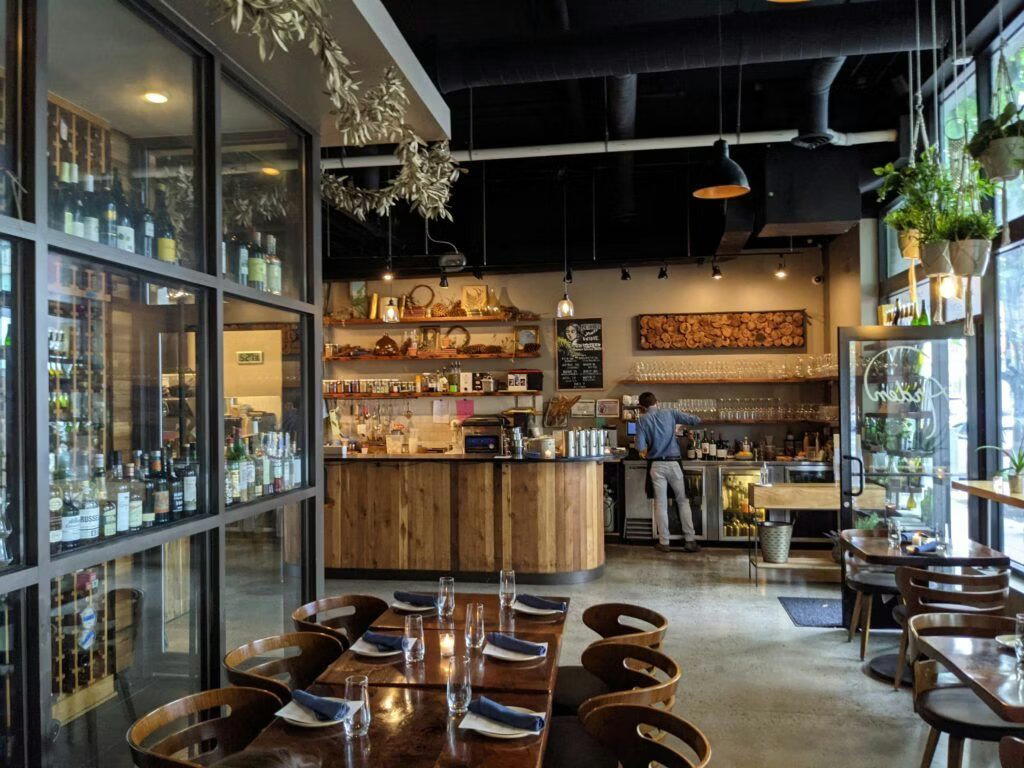
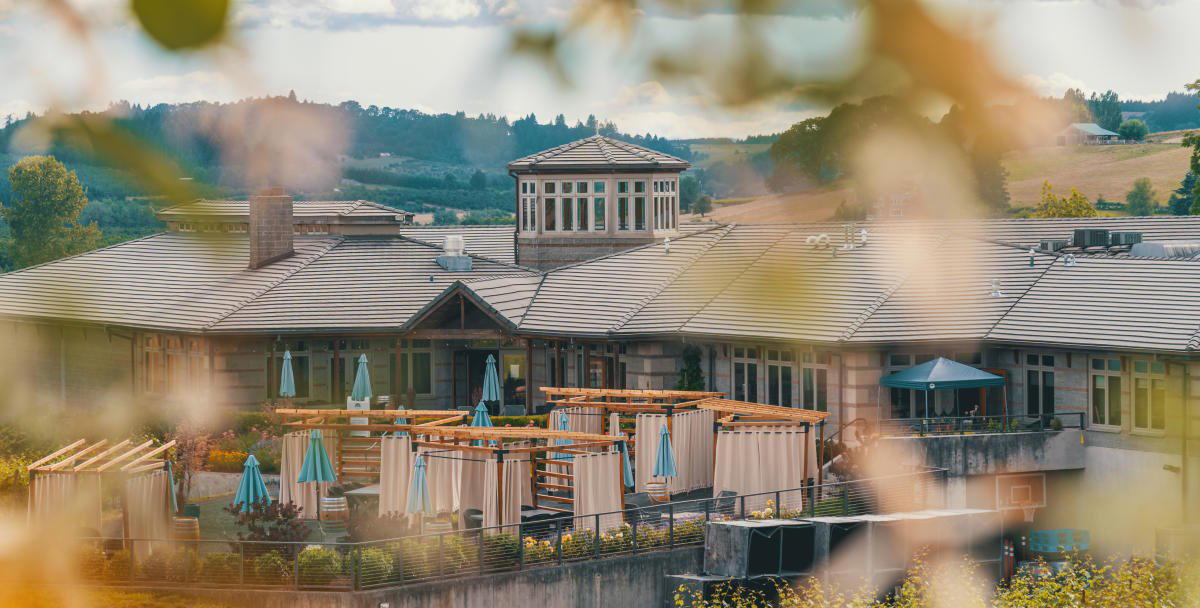
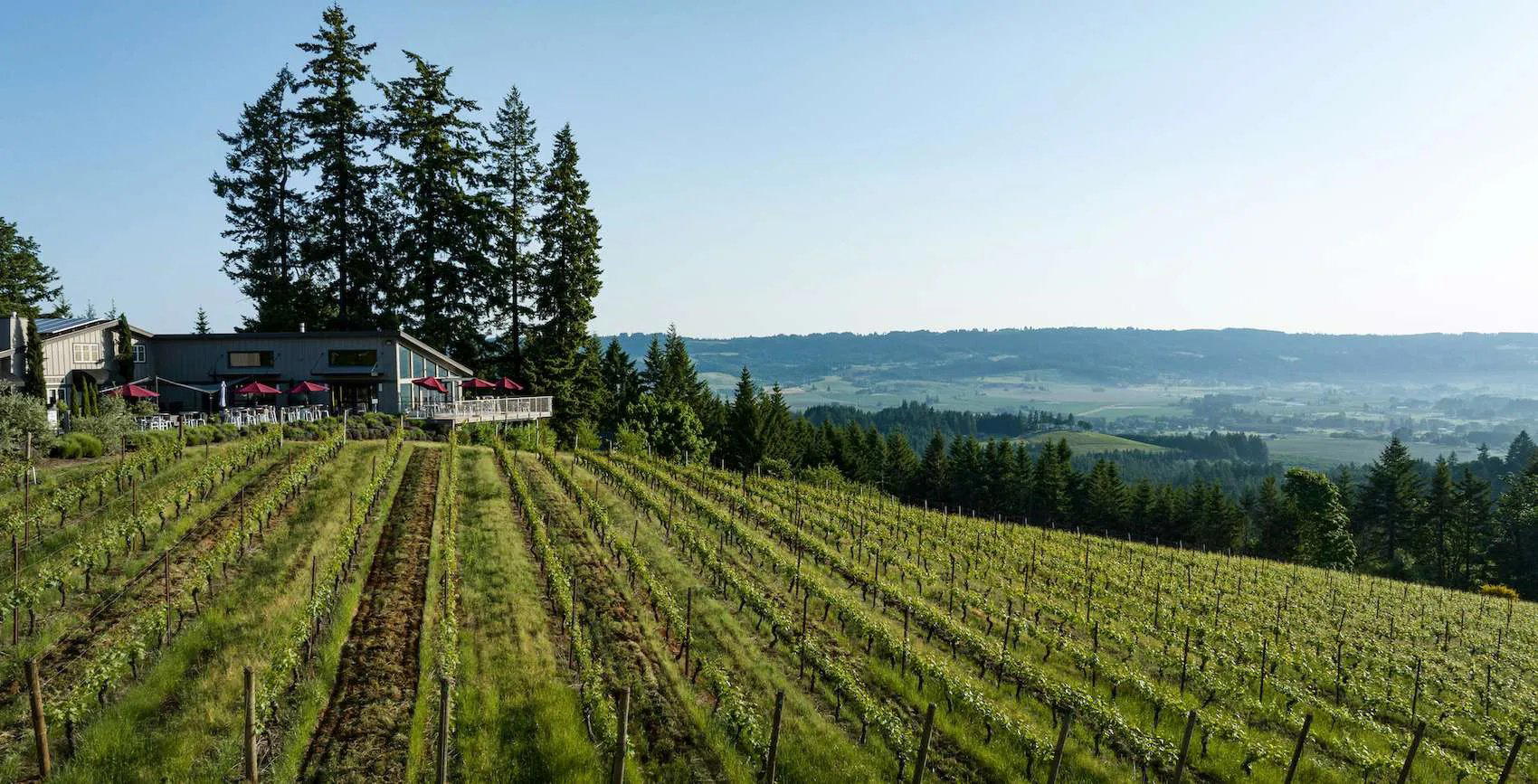
Bright and inviting with natural light from windows, warm and welcoming Southern hospitality atmosphere.