Prairie Star Restaurant & Winebar
Our verdict
Prairie Star Restaurant & Winebar sits on Santa Ana Pueblo land outside Bernalillo, where the high desert setting shapes the dining premise as directly as the kitchen does. The restaurant occupies a position in the Southwest fine-dining tier where place and ingredient provenance carry more argumentative weight than imported technique. For visitors to Bernalillo or the wider Rio Grande corridor, it represents a distinctly grounded alternative to the region's more generic resort dining.

Pearl is the En Primeur Club membership app, where members save venues, book tables and use the concierge.
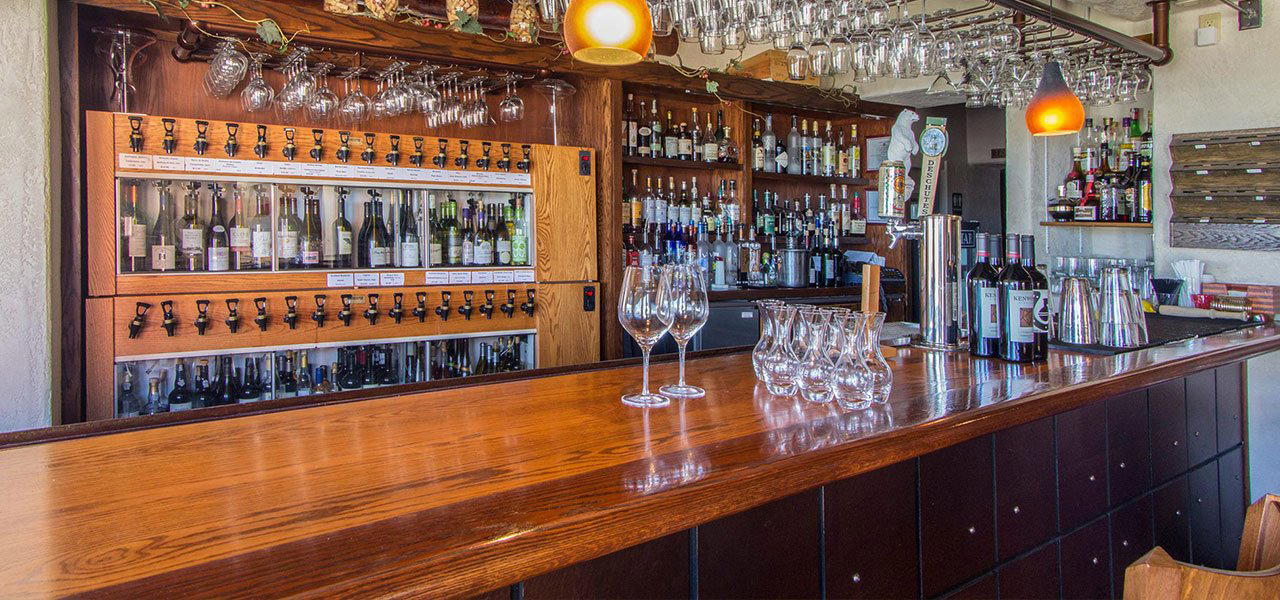
Where the Land Sets the Terms
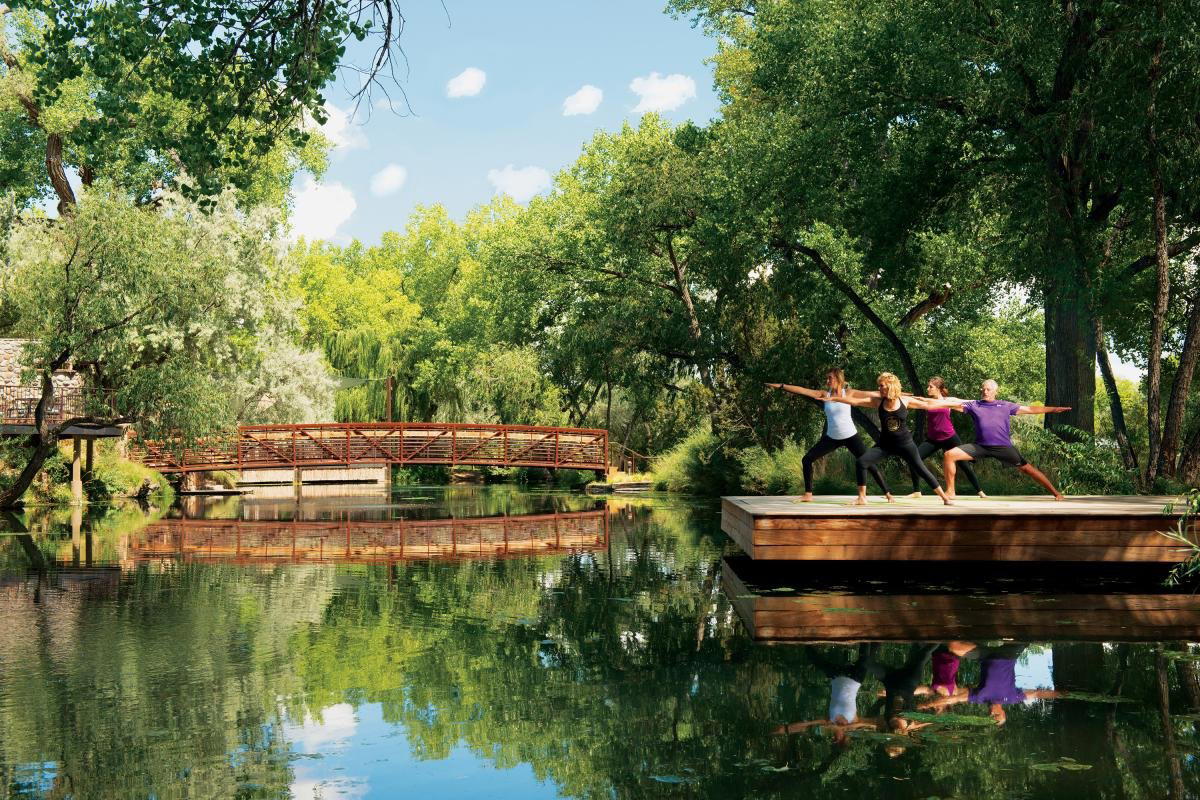
The drive to Prairie Star along Pueblo land northwest of Bernalillo already frames what the restaurant is arguing. The Rio Grande bosque stretches to the west, the Sandia Mountains rise to the east, and by the time a diner reaches the address at 288 Prairie Star Road on Santa Ana Pueblo, the geography has done considerable editorial work. This is not a restaurant that happens to be located in New Mexico, it is a restaurant whose entire premise depends on that location. In the American Southwest fine-dining tier, that distinction matters more than it might elsewhere, because the region's culinary identity is still being actively negotiated between imported fine-dining grammar and something more specifically rooted.
That negotiation is most visible in how ingredient sourcing operates at restaurants in this bracket. The high desert and the Rio Grande valley produce a specific pantry: green and red chile in forms that no coastal market replicates convincingly, heritage corn varieties with pre-colonial lineage, lamb from ranches that have grazed the same plateau for generations, and stone fruit from orchards at altitude. When a kitchen in this corridor takes those materials seriously, the food reads differently from technically equivalent cooking in, say, a comparable price tier in Denver or Santa Fe's more tourist-facing strip. The sourcing is not a marketing posture, it is a structural fact about what grows and is raised here.
The Southwest Sourcing Argument
Across American fine dining, sourcing-led identity has become the dominant editorial framework for premium restaurants positioning themselves outside the major coastal markets. Blue Hill at Stone Barns in Tarrytown and Single Thread Farm in Healdsburg represent the most formally documented versions of this model, where the farm or land relationship is front-of-house conversation as much as kitchen practice. In the Southwest, the equivalent argument runs through Indigenous agricultural heritage, the Three Sisters tradition of corn, beans, and squash, the chile cultivation that defines New Mexico's culinary identity at a constitutional level (the state officially designated red and green chile as its state vegetables), and the livestock economies that predate statehood.
A restaurant on Pueblo land is operating inside that history whether it chooses to or not. The more considered kitchens in this setting use proximity to Pueblo agricultural networks as a genuine sourcing advantage rather than ambient atmosphere. That specificity is what separates regional fine dining with actual stakes from the kind of approximation that Emeril's in New Orleans or the broader celebrity-chef expansion model produced in the 1990s and 2000s, technically polished rooms with only a surface connection to local ingredient reality.
In the Rocky Mountain and Southwest corridor, a smaller group of restaurants is working with this kind of material integrity. Brutø in Denver and Frasca Food & Wine in Boulder represent different versions of the regional premium dining argument, one hyper-local and fermentation-driven, the other Italian-rooted with wine program depth. Prairie Star occupies a different coordinate: New Mexican specificity on Pueblo land, with a wine bar component that positions it as a full evening destination rather than a purely food-focused counter.
The Wine Bar Dimension
The restaurant-plus-wine-bar format is a deliberate signal in this market tier. It addresses a structural problem in destination dining outside major cities: without a serious drinks program, a remote or semi-remote fine-dining room struggles to justify the full evening investment for a diner who has driven forty minutes from Albuquerque. Adding a wine bar component creates a different rhythm, it allows the space to function as a pre- or post-dinner gathering point and builds a clientele that is not exclusively tasting-menu committed.
This format is common in wine-producing regions, where proximity to production provides an obvious curatorial angle, but in New Mexico it requires a different kind of curation. The state has a growing wine industry concentrated in the southern part of the state and the Rio Grande corridor, producing styles that do not yet have broad national recognition but are increasingly serious in quality terms. A wine program that integrates local production alongside conventional fine-dining selections, French, Californian, Italian, signals a kitchen with an opinion about regional identity rather than a room simply validating itself through imported prestige. For context on how the wine-program dimension can become a central part of a restaurant's argument, Le Bernardin in New York City and Providence in Los Angeles demonstrate how beverage programs reinforce a kitchen's sourcing and technique narrative at the highest price tier.
Prairie Star in Its Competitive Set
Within Bernalillo and the broader middle Rio Grande valley, the premium dining options are limited in number. The closest comparator on the same campus is Corn Maiden, which draws on an overlapping geographic and cultural identity. That pairing reflects a broader pattern in destination resort dining, where two differently pitched restaurants share a property and a philosophy without directly competing, one might carry a more formal tasting structure while the other operates at a more accessible price point and format.
Nationally, the restaurants most useful as reference points for what Prairie Star is attempting are those that have most seriously resolved the tension between regional specificity and fine-dining craft: The French Laundry in Napa built its case on California produce and technique parity with France; Addison in San Diego has done similar work with Southern California sourcing at the Michelin level; Bacchanalia in Atlanta anchored the Southern fine-dining argument on its own farm relationship. Prairie Star operates at a different scale and in a market with less national attention, but the underlying structural argument, that a place's ingredient identity is its most defensible asset, is the same one those kitchens have made in their respective regions.
For context on the wider spectrum of American progressive fine dining, Alinea in Chicago, Lazy Bear in San Francisco, and Atomix in New York City represent the technically maximalist end of the market, rooms where the sourcing argument is subsumed into a broader modernist or cultural project. Prairie Star's setting and Pueblo land context point in a different direction: toward a dining argument where the land itself is the primary text.
Planning a Visit
Prairie Star sits at 288 Prairie Star Road on Santa Ana Pueblo, a short drive from central Bernalillo and roughly thirty minutes north of Albuquerque. Given the remote setting, a reservation is advisable rather than optional, walk-in availability at this kind of destination room is limited on weekends and during peak shoulder seasons in the fall, when the light on the Sandia Mountains and the cooler temperatures make the setting particularly compelling. The wine bar component may offer more flexibility for those without a dining reservation, but confirming current format and hours directly with the venue before making the drive is the practical move. For a broader picture of what Bernalillo's dining scene offers across price points and styles, our full Bernalillo restaurants guide maps the options across the area.
Frequently asked questions
Is Prairie Star Restaurant & Winebar child-friendly?
Prairie Star sits on Santa Ana Pueblo land at 288 Prairie Star Road, a destination-format property that draws guests for its setting and wine program as much as the food. The atmosphere skews toward adult diners making a deliberate evening of it, though the restaurant has not published an explicit children's policy. Families planning a visit should check the venue's official channels to confirm suitability before booking.
How would you describe the vibe at Prairie Star Restaurant & Winebar?
The location does most of the atmospheric work: Prairie Star sits on Santa Ana Pueblo land northwest of Bernalillo, with the Rio Grande bosque framing the approach. The combination of a formal restaurant and a wine bar under one roof signals a relaxed-but-deliberate register, the kind of place where guests arrive for the setting and stay for the wine list. It reads as a destination rather than a neighbourhood drop-in.
What makes Prairie Star Restaurant & Winebar different from other dining options near Albuquerque?
Prairie Star is one of the few fine-dining destinations in the middle Rio Grande valley that combines a dedicated wine bar with a full restaurant, operating on Santa Ana Pueblo land at 288 Prairie Star Road in Bernalillo, roughly thirty minutes north of Albuquerque. That specific address places it in a competitive set with almost no direct local rivals at the same format and price tier. The Pueblo land setting gives the experience a geographic and cultural specificity that restaurants inside Albuquerque cannot offer.
What's the must-try dish at Prairie Star Restaurant & Winebar?
The restaurant's positioning on Santa Ana Pueblo land, with the Southwest sourcing framework common to premium New Mexico dining, suggests the kitchen leans on regional ingredients and producers. For current menu specifics, contacting the restaurant directly will give you the most accurate picture ahead of a visit.
Where is Prairie Star Restaurant & Winebar located?
Prairie Star Restaurant & Winebar is located at 288 Prairie Star Rd, Santa Ana Pueblo, NM 87004, Bernalillo.
Is Prairie Star Restaurant & Winebar reservation-only?
Prairie Star operates as a destination-format restaurant on Santa Ana Pueblo land outside Bernalillo, a roughly thirty-minute drive from Albuquerque. Venues in this category and location typically see concentrated demand on weekends, making advance reservations advisable.
What's the defining dish or idea at Prairie Star Restaurant & Winebar?
The wine bar component is the structural differentiator here. Outside Albuquerque, few premium dining rooms in the middle Rio Grande valley pair a serious wine program with a full restaurant, addressing a real gap for guests making a destination trip to Bernalillo. The Pueblo land setting adds a layer of place-specific identity that no city-centre restaurant in the region can replicate.
Comparison Snapshot
Comparable venues nearby, for context on price, style, and recognition.
| Venue | Cuisine | Price | Awards | Notes |
|---|---|---|---|---|
| Prairie Star Restaurant & WinebarThis venue (the venue you are viewing) | Contemporary New American | $50–100 | Not listed | Not listed |
| Corn Maiden | Southwestern Farm-to-Table Steakhouse | $50–100 | Not listed | Santa Ana Pueblo |
| Artichoke Cafe | New American Fine Dining | $50–100 | Not listed | Huning Highland Historic District |
| Joseph's Culinary Pub | Modern New Mexican Gastropub | $50–100 | Michelin Plate · James Beard Award Semi Finalist | Railyard District |
| Bow & Arrow Brewing Co | Southwest-Inspired Craft Brewery | $20–30 | James Beard Award Semi Finalist | Downtown |
| Antiquity Restaurant | Classic American Steakhouse | $50–100 | Not listed | West Old Town |
Continue exploring
More in Bernalillo
Restaurants in Bernalillo
All restaurants in Bernalillo →

Details
- Rustic
- Elegant
- Intimate
- Scenic
- Date Night
- Special Occasion
- Celebration
- Historic Building
- Panoramic View
- Extensive Wine List
- Local Sourcing
- Farm To Table
- Mountain
- Garden
- A La Carte
- Prix Fixe
- Vegetarian Friendly
- Gluten Free Options
- Vegan Options
Current opening hours
- Monday
- Closed
- Tuesday
- Closed
- Wednesday
- 5–8 PM
- Thursday
- 5–8 PM
- Friday
- 5–8 PM
- Saturday
- 5–8 PM
- Sunday
- Closed
Hours can change for holidays and private events. Hours as of .
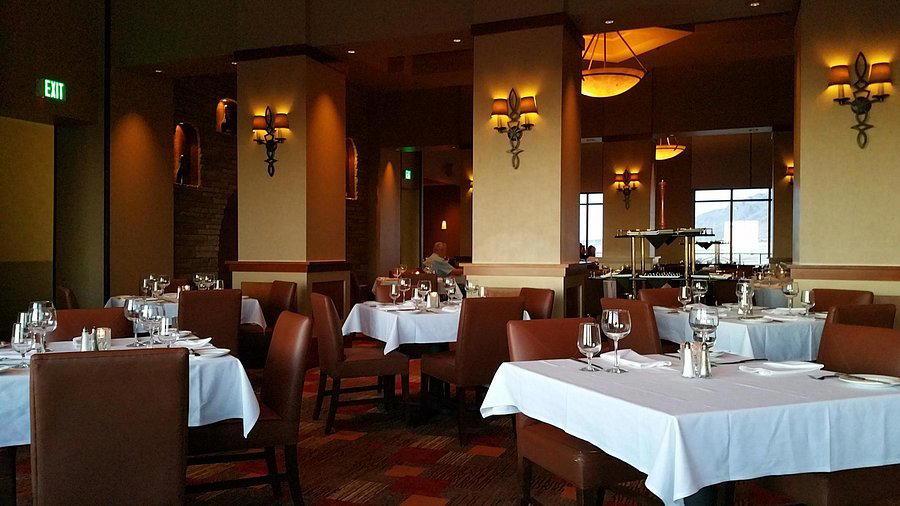
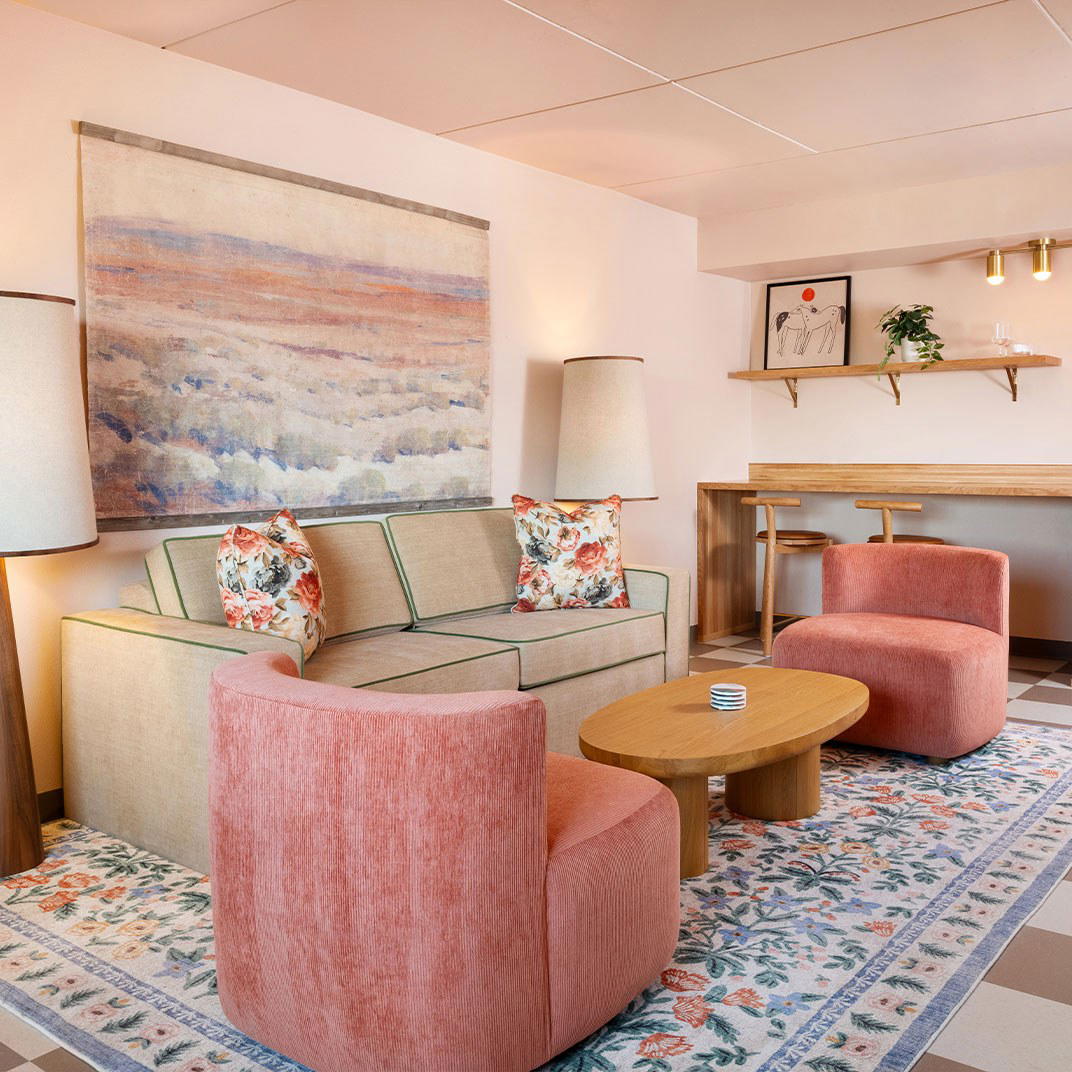
Warm and intimate atmosphere with kiva fireplaces, original viga and latilla ceilings, and awe-inspiring mountain views.