Positano
Our verdict
On Mayflower Street in Plymouth city centre, Positano brings an Italian sensibility to a port city better known for its seafaring history than its Mediterranean dining. The restaurant sits within walking distance of the Barbican waterfront, placing it at the intersection of Plymouth's emerging restaurant corridor and its older maritime character. It occupies a mid-range position in a city where the Italian category remains lightly contested.

Pearl is the En Primeur Club membership app, where members save venues, book tables and use the concierge.
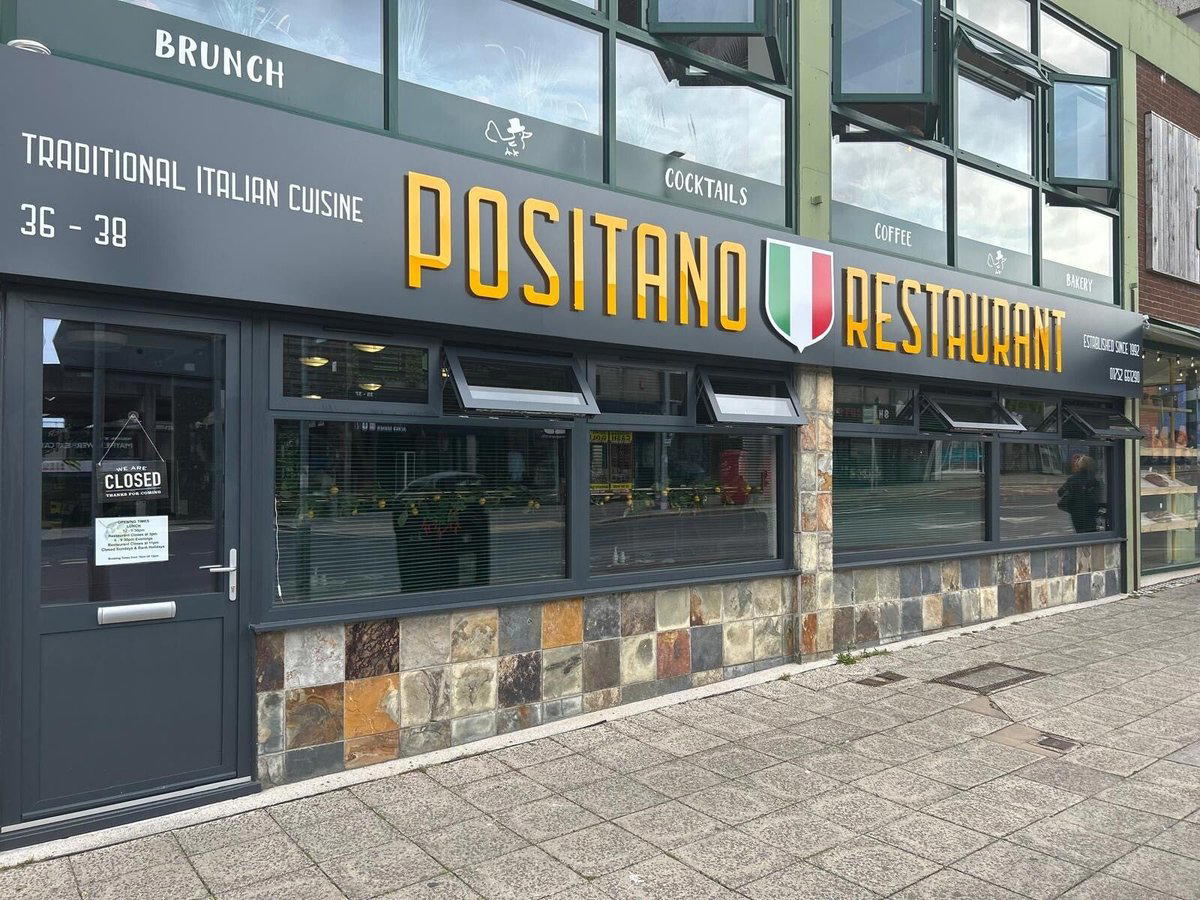
Mayflower Street and the Italian Question in Plymouth
Plymouth's restaurant corridor has been reorganising quietly over the past decade. The Barbican and Sutton Harbour districts attract the headline openings, but Mayflower Street operates as a parallel axis, drawing a more locally rooted crowd that is less dependent on tourism peaks and more reliant on neighbourhood regularity. That distinction matters when you are assessing what a restaurant on that street is actually trying to do. Positioned at 36-38 Mayflower Street, Positano occupies a part of the city where Italian restaurants face a specific challenge: Plymouth's food culture skews toward the seafood and modern British registers that the waterfront so naturally supports, and Italian cooking has to work harder to feel relevant rather than default.
Across the UK, the Italian category in mid-sized cities has split into two recognisable camps. One is the large-format, high-volume trattoria that competes on familiarity and price; the other is the tighter, more ingredient-led operation that draws lineage from regional Italian cooking rather than a generalised idea of pasta and pizza. Plymouth, which already has options across both registers, gives Positano a clear context in which to be read. The city's Italian offer sits below the density you would find in Bristol or Manchester, which means there is less category noise but also less of a benchmark audience to draw from.
The Barbican Proximity and What It Means
The walkability from Plymouth's Barbican quarter to Mayflower Street is one of the defining logistical facts about this location. The Barbican is where Plymouth's dining ambition is most legible: Barbican Kitchen has long anchored the area's international cooking credentials, and the surrounding streets have gradually filled in with operators who read the waterfront foot traffic as a reliable base. Mayflower Street operates slightly differently. It catches the city-centre commuter and the pre-theatre or post-work diner rather than the weekend tourist, which shapes the rhythm of a restaurant week in ways that a harbour-facing room simply would not experience.
For Italian restaurants specifically, that inland city-centre position can be an advantage. The absence of a harbour view removes a distraction and places the emphasis squarely on the food and the room. In Italian dining culture, particularly in the regional traditions that most credible operators now reference, the interior itself carries significant weight: the quality of light, the acoustics, the rhythm of service. These are the variables that determine whether a meal in a landlocked room feels intentional or merely adequate.
Plymouth's Italian Category in Comparative Terms
To understand where Positano sits, it helps to map the broader Italian restaurant category across the UK's provincial cities. At the upper end, the genre has been reshaped by operators who take regional sourcing and wine programmes seriously, pushing against the generalised red-sauce template that defined Italian dining in Britain for most of the twentieth century. Plymouth's dining scene, while increasingly confident, has not yet produced an Italian operator that has attracted national critical attention. That gap represents both a constraint and an opportunity for any restaurant in the category here.
Within Plymouth itself, the competition is instructive. Fiamma Grille occupies the grilled-meat and Italian-adjacent register; Compari's On the Park operates with a different geographic logic, drawing from the residential park-side demographic rather than the city-centre crowd. Fletcher's and Clay Oven represent entirely different registers but signal the range of ambition now active in Plymouth's mid-market. Positano, named after the clifftop town on the Amalfi Coast, positions itself within the southern Italian tradition rather than the broader, undifferentiated Italian category, which is a meaningful editorial choice even if the execution details require on-the-ground verification.
The Amalfi Reference and What It Implies
Naming a restaurant after a specific Italian location is a positioning statement. Positano, the town, sits in Campania and is associated with a particular register of Italian cooking: coastal, lemon-forward, built around seafood, buffalo mozzarella from the hinterland, and the kind of simplicity that is more demanding to execute than complexity. It is a different reference point from the Roman trattoria or the Milanese fine-dining register that many UK Italian operators reach for when they want to signal ambition. If the kitchen in Plymouth is tracking that Campanian tradition with any seriousness, Plymouth's proximity to South West seafood supply chains becomes an asset rather than a coincidence. The South West coast produces fish and shellfish that would not be out of place on an Amalfi table.
For the reader comparing Positano against the wider spectrum of Italian-influenced dining in the UK, the national reference points are worth holding in mind. Restaurants like Midsummer House in Cambridge and Opheem in Birmingham show what focused, regionally grounded cooking can achieve in provincial UK cities; further afield, CORE by Clare Smyth in London, Waterside Inn in Bray, and Le Manoir aux Quat'Saisons in Oxford anchor the upper end of what formal dining ambition looks like in the English regions. Positano is not competing in that tier, but understanding that tier clarifies what the mid-market in Plymouth is working against and what space it has to occupy credibly.
Planning Your Visit
Positano is located at 36-38 Mayflower Street, Plymouth PL1 1QX, which places it in walkable range of Plymouth city centre and a short distance from the Barbican. For the wider Devon dining picture, Gidleigh Park in Chagford and venues of the calibre of L'Enclume in Cartmel, Moor Hall in Aughton, Hand and Flowers in Marlow, and hide and fox in Saltwood provide the regional and national context against which Plymouth's dining ambitions should be measured. For international benchmarks in Italian-inflected cooking, Le Bernardin in New York City and Atomix in New York City illustrate what precision and regional specificity look like at the highest level of the craft. Booking details, current hours, and pricing for Positano are best confirmed directly with the venue, as these details were not available at the time of publication. See our full Plymouth restaurants guide for the broader picture across all categories.
Frequently asked questions
Is Positano child-friendly?
For families visiting Plymouth, the restaurant's city-centre location on Mayflower Street PL1 1QX means it sits within easy reach of the Barbican waterfront, which gives you options if younger diners need a shorter sitting. check the venue's official channels to confirm seating arrangements before visiting.
How would you describe the vibe at Positano?
The Mayflower Street address puts Positano in a commercially active part of Plymouth's centre, distinct from the more tourist-facing Barbican strip a short walk away. The Positano name references the Campanian coastal town and implies a degree of southern Italian warmth in the room's approach, though the precise format, whether linen-and-candle or straightforward trattoria, is best confirmed with the restaurant directly.
How does Positano Plymouth compare to other Italian restaurants in the city?
Positano's Mayflower Street address places it in Plymouth's main commercial corridor rather than the Barbican tourist circuit, which tends to attract a more local, repeat-visit clientele. Across UK provincial cities, Italian restaurants that reference a specific southern Italian location like Positano, Campania, signal an intention to move beyond a generic red-sauce menu, though the kitchen's actual scope is best judged from the current menu. Plymouth's Italian category is smaller than cities like Bristol or Leeds, meaning a well-run room on Mayflower Street carries more weight in the local dining conversation than the same address might elsewhere.
What's the signature dish at Positano?
The Amalfi Coast reference in the restaurant's name points broadly toward Campanian cooking traditions: seafood, fresh pasta, and ingredients from that southern Italian region. For a current menu, the 36-38 Mayflower Street location is the place to enquire.
What's Positano's location?
Positano is located at 36-38 Mayflower St, Plymouth PL1 1QX, United Kingdom, Plymouth.
How far ahead should I plan for Positano?
Plymouth's Mayflower Street corridor draws both city-centre footfall and visitors crossing from the Barbican, so weekend tables at well-regarded Italian restaurants in the area do move. Contacting the venue at 36-38 Mayflower Street PL1 1QX ahead of a Friday or Saturday visit is the safe approach.
Just the Basics
Comparable venues nearby, for context on price, style, and recognition.
| Venue | Cuisine | Price | Awards | Notes |
|---|---|---|---|---|
| PositanoThis venue (the venue you are viewing) | Italian Trattoria | $20–30 | Not listed | Not listed |
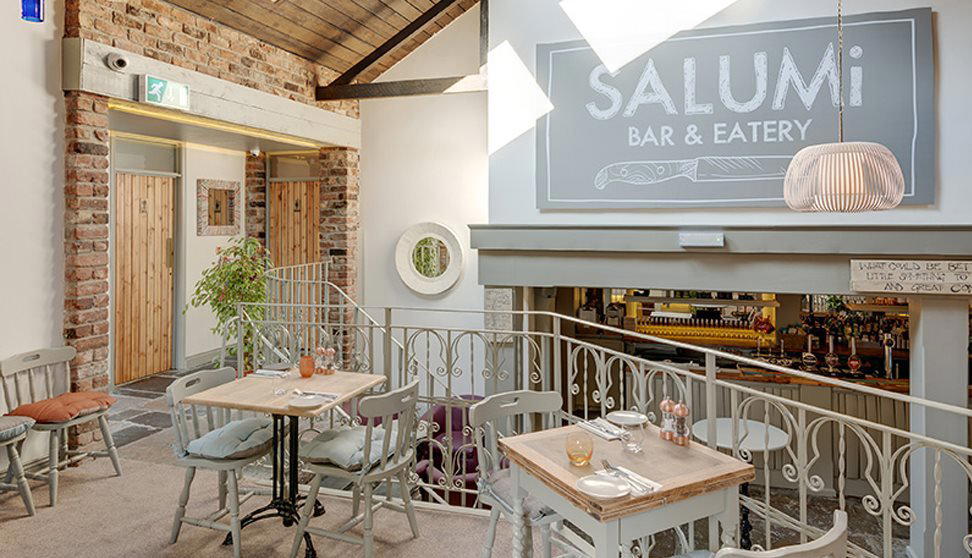
| Salumi | Modern British Gastropub | $20–30 | The Good Food Guide GFG Good | Millbay, Modern British Gastropub |
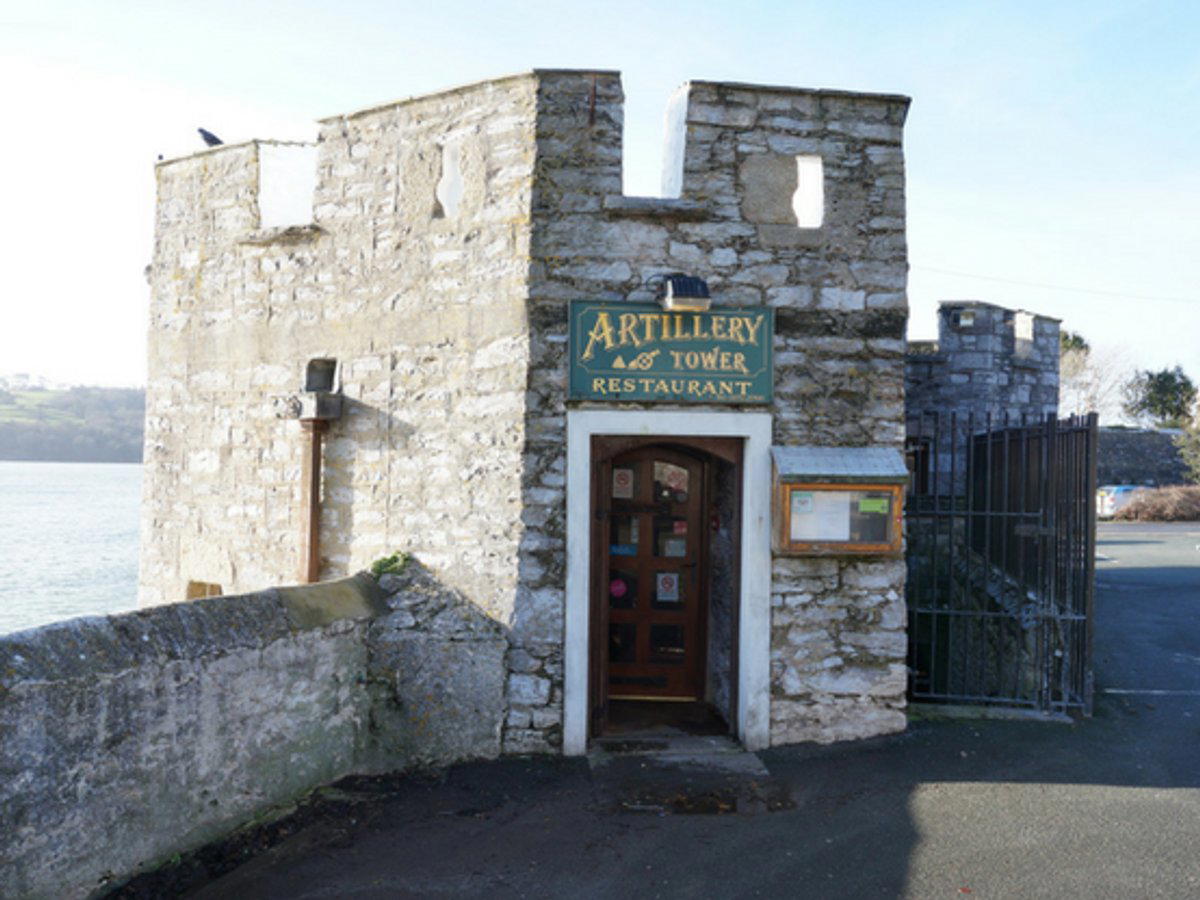
| The Artillery Tower | Modern British with West Country Focus | $50–100 | Not listed | Firestone Bay, Modern British with West Country Focus |
| Turtle Bay Plymouth | Caribbean Jerk & Soul Food | $20–30 | Not listed | city centre, Caribbean Jerk & Soul Food |
| Fletcher's | Modern British | Not listed | Michelin Plate · The Good Food Guide GFG Good | City Centre, Modern British |
| Barbican Kitchen | Modern British Brasserie | $50–100 | Michelin Plate | Barbican, Modern British Brasserie |
Continue exploring
More in Plymouth
Restaurants in Plymouth
All restaurants in Plymouth →
Details
- Cozy
- Classic
- Casual Hangout
- Family
- Group Dining
- A La Carte
Current opening hours
- Monday
- 12–1:30 PM, 6–9:30 PM
- Tuesday
- 12–1:30 PM, 6–9:30 PM
- Wednesday
- 12–1:30 PM, 6–9:30 PM
- Thursday
- 12–1:30 PM, 6–9:30 PM
- Friday
- 12–1:30 PM, 6–9:30 PM
- Saturday
- 12–1:30 PM, 6–9:30 PM
- Sunday
- Closed
Hours can change for holidays and private events. Hours as of .
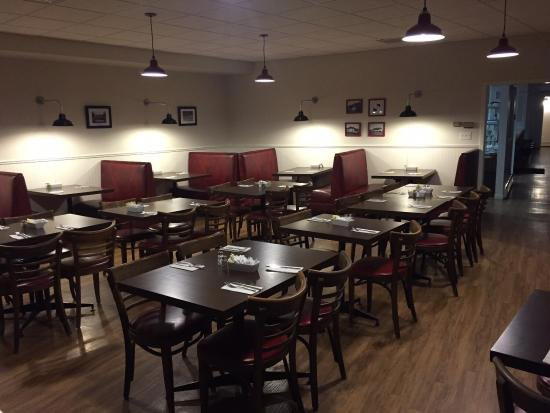
Cozy and welcoming atmosphere appreciated by diners for comfortable dining.