Ploussard

Ploussard brings the French bistro tradition to Clapham with seasonal conviction. White asparagus with vin jaune hollandaise and duck leg pithivier anchor a menu that draws on classical French technique applied to high-quality British produce. The wine list is short but carefully chosen, leaning toward natural and lesser-known French appellations that reward those who ask for guidance.
Pearl is the En Primeur Club membership app — saves, bookings, and concierge access live there. Same editors, same standards.
- Address
- 97 St John's Rd, London SW11 1QY, United Kingdom
- Phone
- +44 20 7738 1965
- Website
- ploussardlondon.co.uk
- Directions
- Get directions
 Saves & bookings on Pearl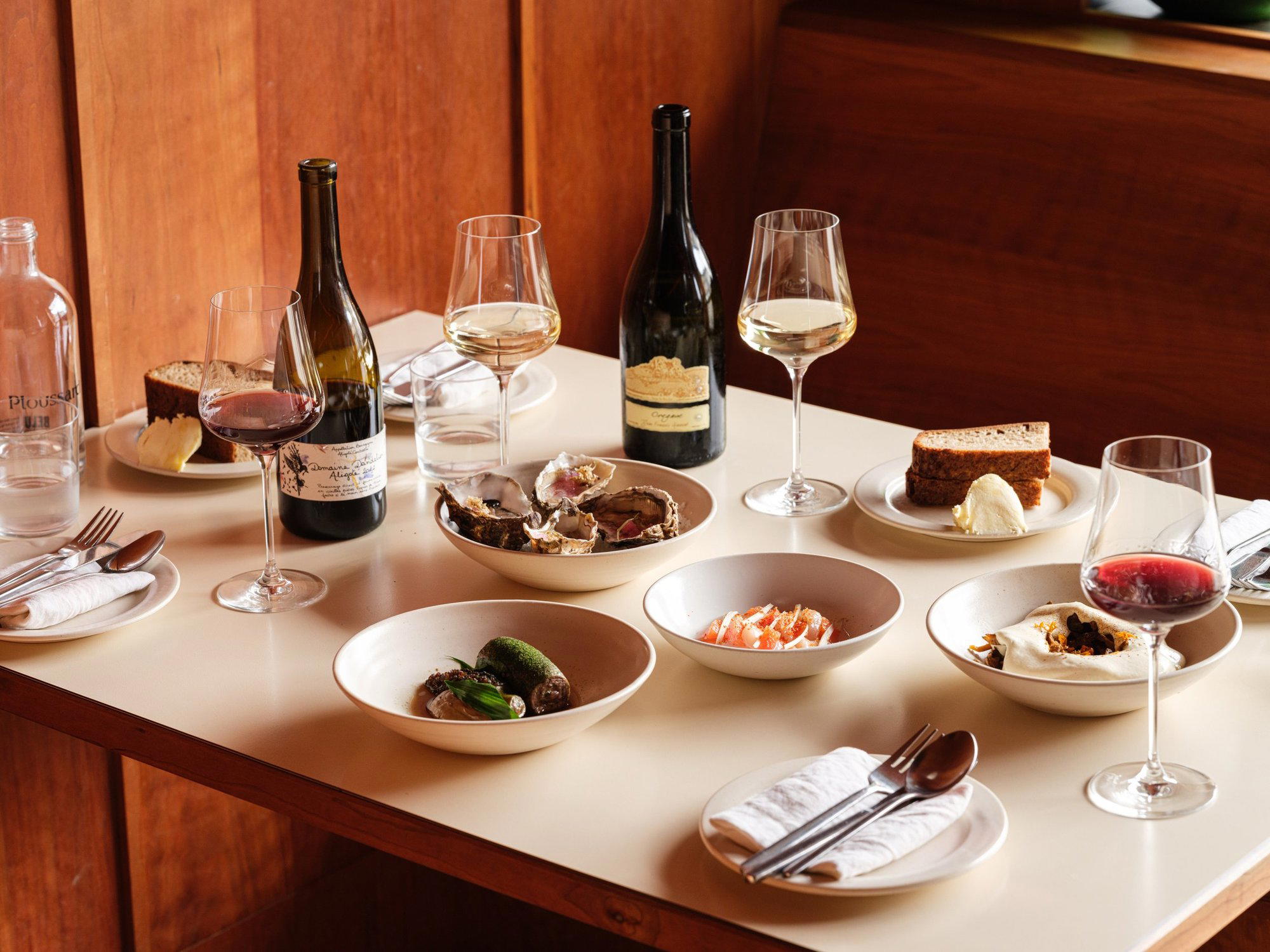
Blonde Wood and Bistro Logic: How Clapham Gets France Right
The blonde-wood panelling at 97 St John's Road does something specific: it places Ploussard in an almost art deco register that sits between Parisian zinc-bar simplicity and something quieter, more considered. It is the smarter, more restrained iteration that London's neighbourhood dining scene has been building toward for the better part of a decade, one where the visual language is understated enough to let the food do the signalling.
Clapham has historically been a neighbourhood where ambition in the kitchen could get lost in a crowd of reliable-but-uninspired options. Ploussard is a modern French small-plates restaurant in Clapham, London, where residents return for thoughtful cooking rather than special-occasion theatrics. That distinction matters in a city where the gap between destination restaurants in Zone 1 and genuinely good neighbourhood cooking in Zone 2 and beyond remains wider than it should be.
French Technique, British Seasonality: The Menu's Dual Logic
The editorial angle that defines Ploussard most clearly is the intersection of imported classical method with ingredients shaped by British seasons. White asparagus with vin jaune hollandaise is a useful illustration. White asparagus is a French and northern European obsession, painstakingly blanched and earthed to keep light off the stalks; vin jaune, the oxidative Jura white, introduces a nutty, saline depth to a hollandaise that would otherwise read as direct. The result applies a technique with deep French regional roots to produce that, when sourced well, has a short and specific British seasonal window.
Duck leg pithivier follows a similar logic. The pithivier is a classical pastry form, a domed, scored, all-butter puff construction associated with the Gâtinais region of France but long absorbed into French haute cuisine. Using it as a vessel for braised duck leg takes a preparation that originated as a showpiece and reframes it around the robustness of a slow-cooked bird, the kind of cooking that values time and technique over luxury ingredients. These are not dishes that announce themselves loudly. They announce themselves through precision.
This approach places Ploussard in a recognisable tradition of London restaurants that have absorbed French classical training and applied it to a more grounded, seasonal British framework. At the higher end of that same continuum, addresses like CORE by Clare Smyth and The Ledbury operate at higher price points with formal tasting menus. Sketch, The Lecture Room and Library and Restaurant Gordon Ramsay represent the full formal French tradition in London's most expensive register. Ploussard operates at neither of those scales or price points, but the culinary lineage it draws from is the same.
For context on how British ingredients get treated at the far end of the technique spectrum, the tasting menus at Dinner by Heston Blumenthal represent a different but related conversation about native produce and methodology. Outside London, L'Enclume in Cartmel, Moor Hall in Aughton, and Gidleigh Park in Chagford each illustrate how classical European training gets recalibrated around regional British sourcing at different price tiers and settings. At the pub-restaurant end, Hand and Flowers in Marlow applies serious French technique within a format that, like Ploussard, resists formality. Le Manoir aux Quat' Saisons in Great Milton remains the definitive statement of Franco-British kitchen gardening at scale. Internationally, Le Bernardin in New York City and Atomix in New York City represent how classical French and non-French traditions respectively get reinterpreted through local produce in a different market entirely. The Fat Duck in Bray occupies its own category, but shares the same baseline conviction that British produce can anchor technically demanding cooking.
The Wine List: Short, Pointed, Worth the Conversation
A brief wine list in a French bistro context is not a weakness if the curation is honest. Ploussard's list is compact and strongly curated rather than comprehensive. In the current London wine bar and natural wine moment, that framing suggests a list that prioritises depth and point of view over range. Ploussard's name is itself a signal: poulsard (or ploussard in some regional spellings) is a thin-skinned red grape from the Jura, producing pale, high-acid wines with earthy, almost oxidative character that sit at some distance from Bordeaux-inflected mainstream French red. A restaurant that names itself after a marginal Jura variety is likely sourcing from producers who would not appear in a conventional French-restaurant wine list.
For those who find the list short, that is a cue to ask questions. Lists built with conviction reward direct engagement with whoever is pouring. The wine choices at a room like this are as much an editorial statement as the menu.
Visit Details
Ploussard is at 97 St John's Road, Clapham, SW11 1QY.
At-a-Glance Comparison
Comparable venues nearby, for context on price, style, and recognition.
| Venue | Cuisine | Price | Awards | Notes |
|---|---|---|---|---|
| PloussardThis venue — the venue you are viewing | Modern French Small Plates | $$$ | Michelin Plate | Not listed |
| Lady of the Grapes | French Wine Bar with Small Plates | $$$ | Not listed | Covent Garden |
| La Palombe | Southwest French-Inspired Bistro with Wood-Fired Dishes | $$$ | Michelin Plate | South Kensington |
| Bellanger | Classic French Bistro with Alsatian Specialties | $$$ | Michelin Plate | Angel |
| Antidote | Modern French Wine Bar | $$$ | Not listed | Soho |
| Pique-Nique | French Bistro | $$$ | Not listed | Borough |
Recognition history
Dated appearances from independent guides and award organizations, with the underlying list record or original source where available.
Michelin Plate
Michelin
Continue exploring
More in London
Restaurants in London
Browse all →
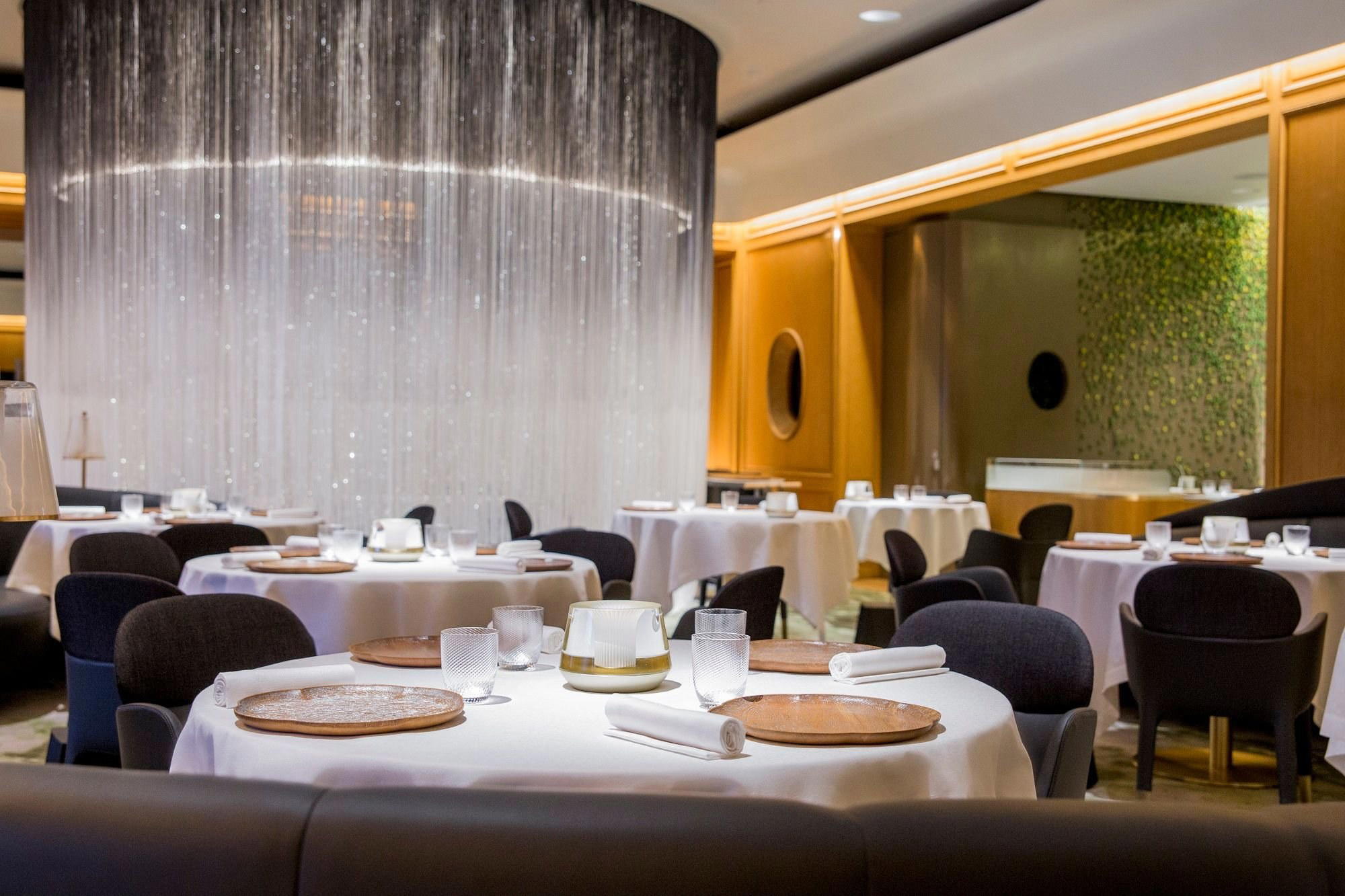
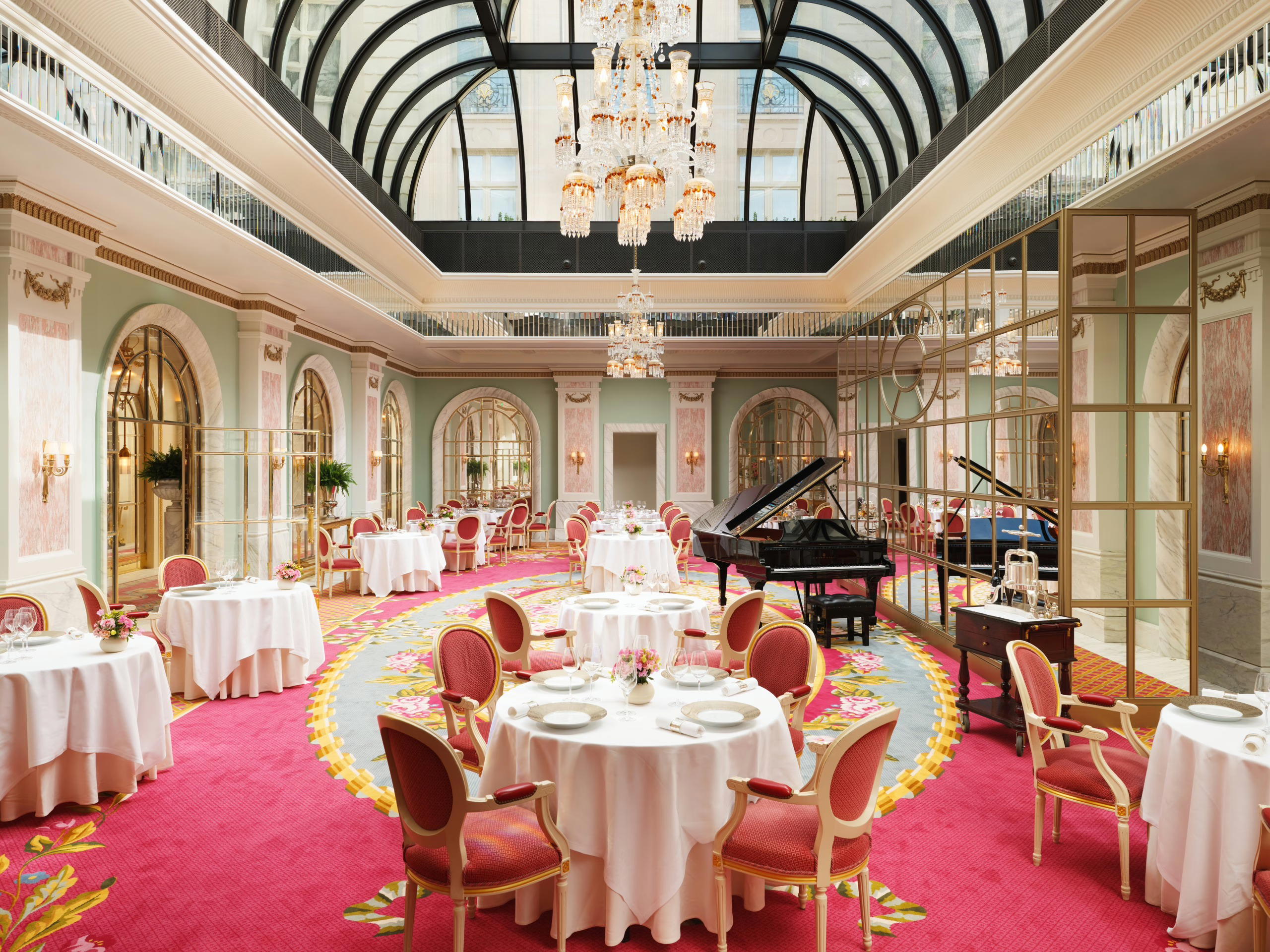
Bars in London
Browse all →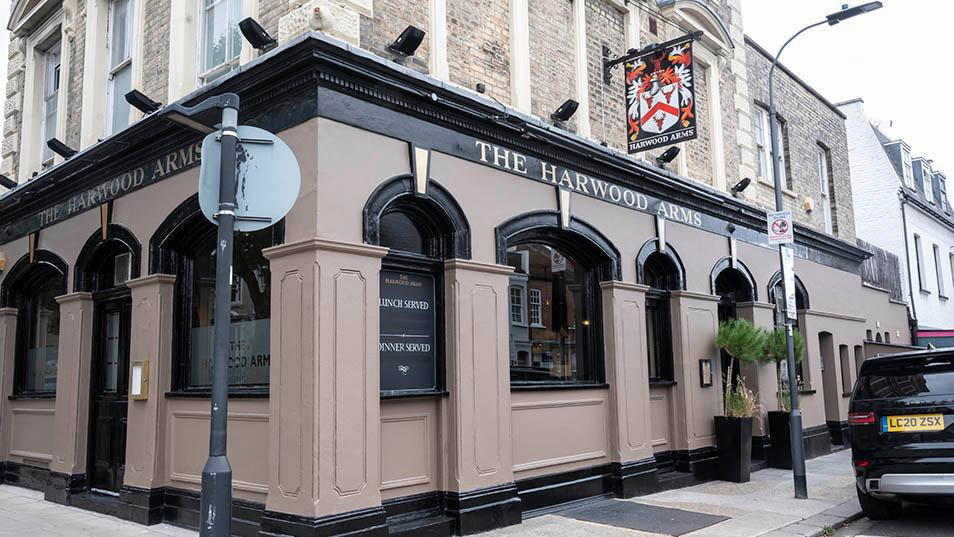
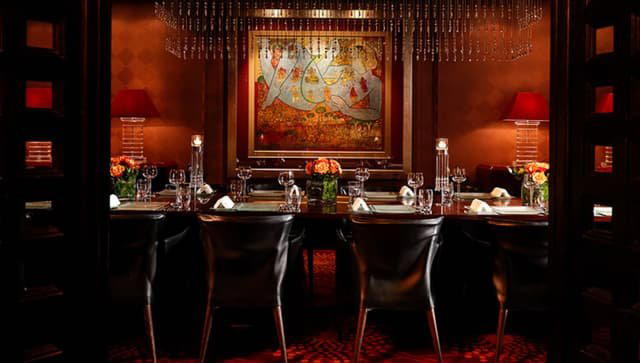
Hotels in London
Browse all →



At a Glance
- Cozy
- Intimate
- Modern
- Elegant
- Date Night
- Special Occasion
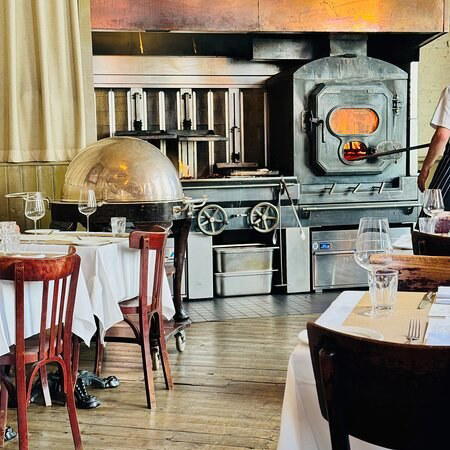
- Open Kitchen
- Natural Wine
- Extensive Wine List
Current opening hours
- Monday
- 5–10 PM
- Tuesday
- 12–10 PM
- Wednesday
- 12–10 PM
- Thursday
- 12–10:30 PM
- Friday
- 12–11 PM
- Saturday
- 12–11 PM
- Sunday
- Closed
Hours can change for holidays and private events. Last verified .
Cosy and dimly lit with a Continental-style neighbourhood vibe.