Picala
Our verdict
Picala brings Spanish and Basque-influenced cooking to Culver City, with a menu built around the kind of ingredients that define northern Spain's coastal and inland tables, Bilbao sausages, suckling pig, and the Atlantic seafood traditions that rarely get serious treatment on the west side of Los Angeles. In a neighbourhood with genuine dining range, it occupies a specific niche that rewards curiosity about Iberian cooking.

Pearl is the En Primeur Club membership app, where members save venues, book tables and use the concierge.
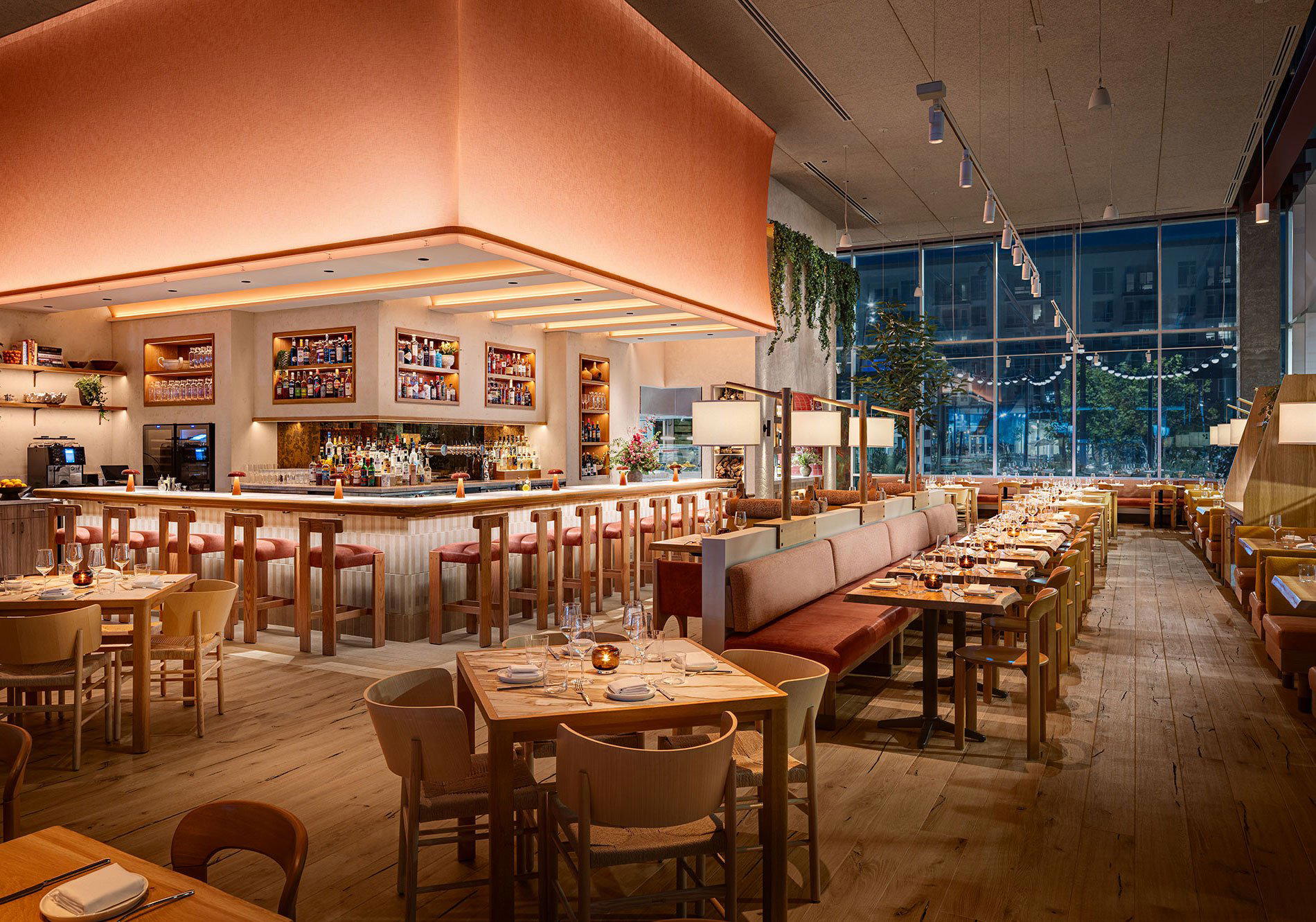
Basque and Spanish Cooking in Culver City's Growing Restaurant Scene
Culver City has spent the better part of a decade developing a restaurant identity distinct from the broader West LA sprawl. The neighbourhood now holds a practical cross-section of serious cooking, from the Mediterranean small-plates format at Bacari Culver City to the all-day casual operation at Cafe Vida, and that range has made room for more specific, tradition-rooted concepts. Spanish and Basque cooking sits in a category that Los Angeles has historically underserved relative to its Mexican, Japanese, and Italian depth. Picala operates in that gap, drawing on the culinary traditions of Bilbao and the Atlantic coast of northern Spain.
The Basque Country's food culture is one of the most discussed in contemporary European gastronomy, partly because it produces both the world's densest concentration of Michelin-starred restaurants and one of its most democratic street-food traditions, the pintxo bar. Picala does not position itself at the tasting-menu end of that conversation. Its references are the marketplaces, the cider houses, and the coastal asadores that define how Basques actually eat, which is to say with direct flavours, quality ingredients, and very little pretension about format.
Atlantic Seafood and the Basque Coastal Tradition
The editorial angle here is worth establishing clearly: Atlantic and Cantabrian seafood is the connective tissue of Basque and northern Spanish cuisine in a way that Mediterranean seafood culture is not. The waters off Bilbao, San Sebastián, and the Galician coast produce ingredients, percebes (goose barnacles), kokotxas (cod cheeks), txangurro (spider crab), that have shaped cooking traditions in this region for centuries. Bacalao, the salt-cod preparation, is not merely a preserved ingredient here but a whole culinary vocabulary.
In Los Angeles, that tradition is rarely represented with the same seriousness that the city gives to, say, Japanese seafood preparation. Venues like Providence in Los Angeles address American fine-dining seafood at the highest technical level, but the specifically Basque-Atlantic mode, simpler preparations, fiercer ingredient dependency, belongs to a different register. Picala's menu signals that register through its stated Spanish and Basque-influenced identity, though the full seafood depth of that tradition would require a visit to assess how far the kitchen commits.
Pulpo a la gallega, the Galician-style octopus preparation with paprika and olive oil, has become the most exported Spanish seafood dish internationally, appearing across Spanish restaurants globally with varying degrees of fidelity to the original. Gambas al ajillo, by contrast, is a more forgiving preparation, garlic, oil, heat, quality shrimp, where the margin between a good version and a mediocre one is narrower. Percebes, the most acquired taste in northern Spanish seafood culture and among the most expensive shellfish in Europe, rarely appear on menus outside specialist Spanish establishments. Where a kitchen lands on that spectrum of commitment tells you a great deal about what it is actually trying to do.
Bilbao Sausages and Suckling Pig: The Inland Basque Table
Basque and Spanish cuisine is never only about seafood. The inland and mountainous traditions of the region produce a parallel set of preparations built around pork, lamb, and preserved meats that are equally central to the culture. Bilbao's sausage tradition specifically, chorizo in its regional variants, morcilla, and the broader charcuterie culture, represents a different mode of cooking: smoke, fat, spice, and time. Picala lists Bilbao sausages as a menu reference point, which places it within that inland Basque tradition alongside its coastal references.
Suckling pig, meanwhile, belongs more precisely to Castilian cooking, the cochinillo of Segovia and Toledo is among Spain's most recognized preparations, roasted in wood ovens to the point where the skin fractures under a spoon. Its inclusion in Picala's menu creates an interesting geographic range, spanning Basque coast, Basque inland, and central Spain within a single concept. That breadth can represent either confident Iberian generalism or a lack of focus, depending on how the kitchen handles the transitions. In the right hands, it reflects the way Spanish regional cooking actually works: porous, interconnected, and resistant to the neat boundaries that outsiders sometimes impose on it.
Where Picala Sits in the Culver City Picture
Culver City's restaurant range now extends from the chai-and-food-boutique format of ALMOST FAMOUS CHAI + FOOD BOUTIQUE to the pub-anchored dining of City Tavern and the South Asian depth of Annapurna Cuisine. In that context, Spanish and Basque cooking occupies a relative niche.
For readers building a fuller picture of where Culver City's dining sits relative to the wider West LA dining environment, our full Culver City restaurants guide maps the neighbourhood's range across categories and price points. Picala contributes a specific Iberian position within that map that the area does not duplicate elsewhere.
At a national level, the venues setting the frame for serious seafood and European tradition include Le Bernardin in New York City and the farm-integrated format of Blue Hill at Stone Barns in Tarrytown, while the California fine-dining benchmark remains The French Laundry in Napa. Picala does not operate in those tiers, its references are populist and regional rather than tasting-menu formal, but the comparison helps locate what it is doing: applied Iberian tradition in a neighbourhood setting, without the ceremony that venues like Alinea in Chicago or Atomix in New York City represent.
Planning a Visit
What the menu framing suggests is a mid-register Spanish concept rather than a high-ceremony tasting format, which typically means walk-in or same-week booking is more accessible than at tightly allocated counters. For venues in this category in Los Angeles, weekend evenings tend to require more advance planning than weekday visits. The Culver City dining corridor is accessible by the E Line (Expo Line) metro, with Culver City Station placing most of the neighbourhood's restaurants within reasonable walking distance, a practical consideration given LA's parking variability.
Frequently asked questions
How far ahead should I plan for Picala?
Culver City's restaurant scene has grown considerably in the past decade, and weekend demand across the neighbourhood runs high. Verify current availability directly with the venue.
What do critics highlight about Picala?
What the menu framing suggests, Basque-influenced cooking, specifically Bilbao sausages and suckling pig, in a Culver City context where Spanish cuisine is underrepresented, is the editorial angle most likely to draw attention. Readers should check current local coverage for up-to-date critical perspective.
Continue exploring
More in Los Angeles
Restaurants in Los Angeles
All restaurants in Los Angeles →
Bars in Los Angeles
All bars in Los Angeles →
Hotels in Los Angeles
All hotels in Los Angeles →
Wineries in Los Angeles
All wineries in Los Angeles →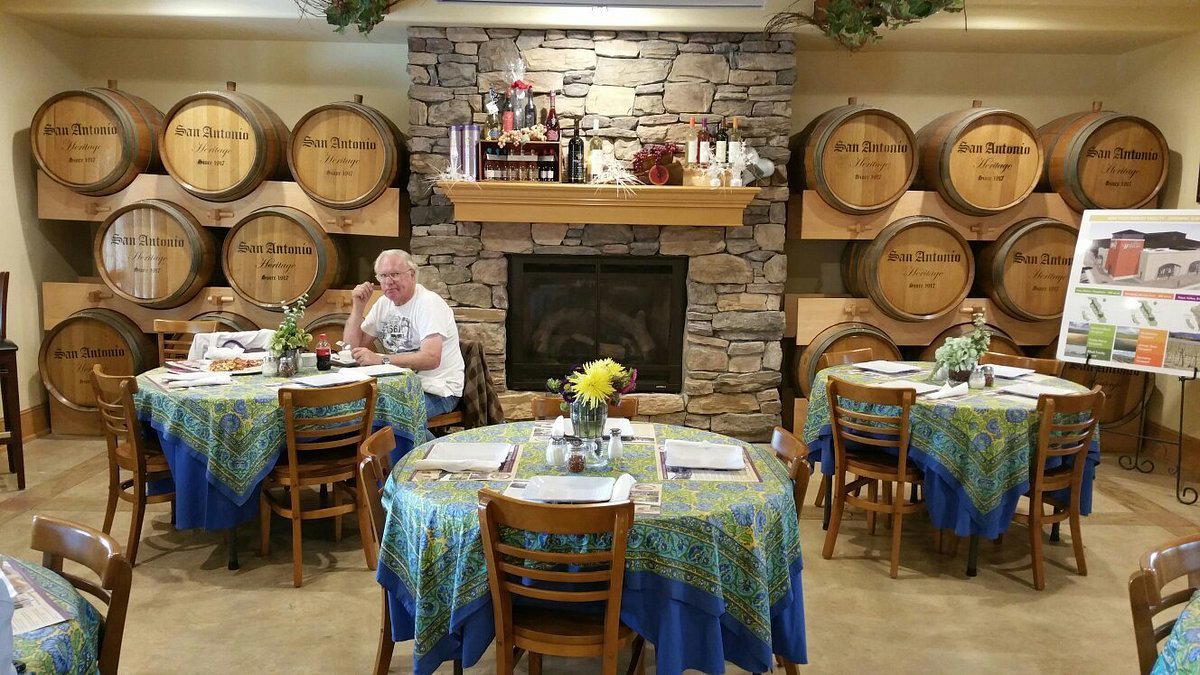
Details
- Lively
- Modern
- Trendy
- Cozy
- Date Night
- Group Dining
- Casual Hangout
- Special Occasion
- Terrace
- Standalone
- Craft Cocktails
- A La Carte
- Small Plates
- Cocktails
- House Made Sangria
- Wine
- Sherry
Current opening hours
- Monday
- 5–9 PM
- Tuesday
- 5–9 PM
- Wednesday
- 5–9 PM
- Thursday
- 5–9 PM
- Friday
- 5–10 PM
- Saturday
- 5–10 PM
- Sunday
- 5–9 PM
Hours can change for holidays and private events. Hours as of .
Warm and energetic, with a comfortable dining room, bar seating, patio, and a convivial atmosphere rooted in Spanish shared dining.