
Relais Chateaux Award
Our verdict
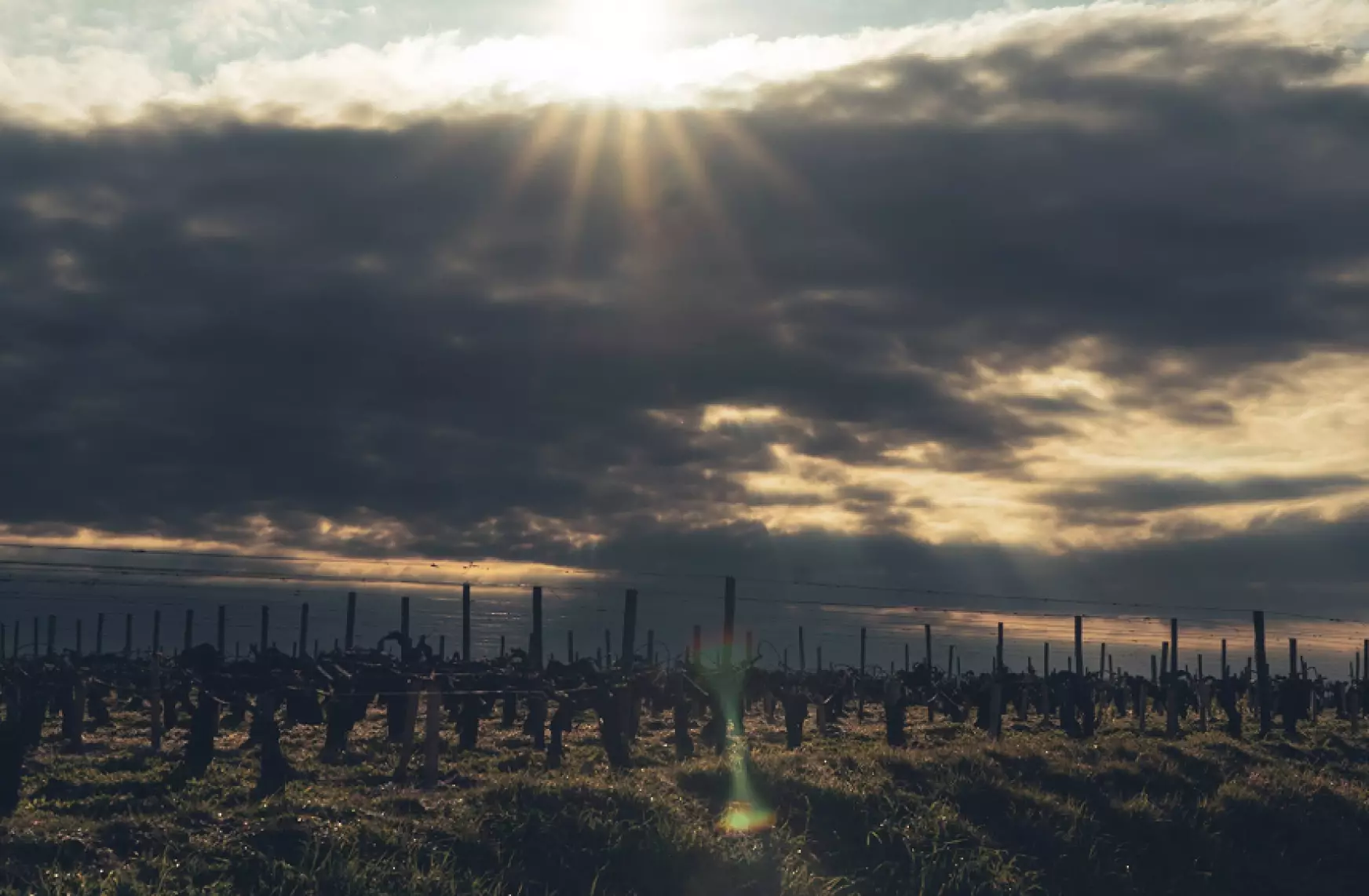
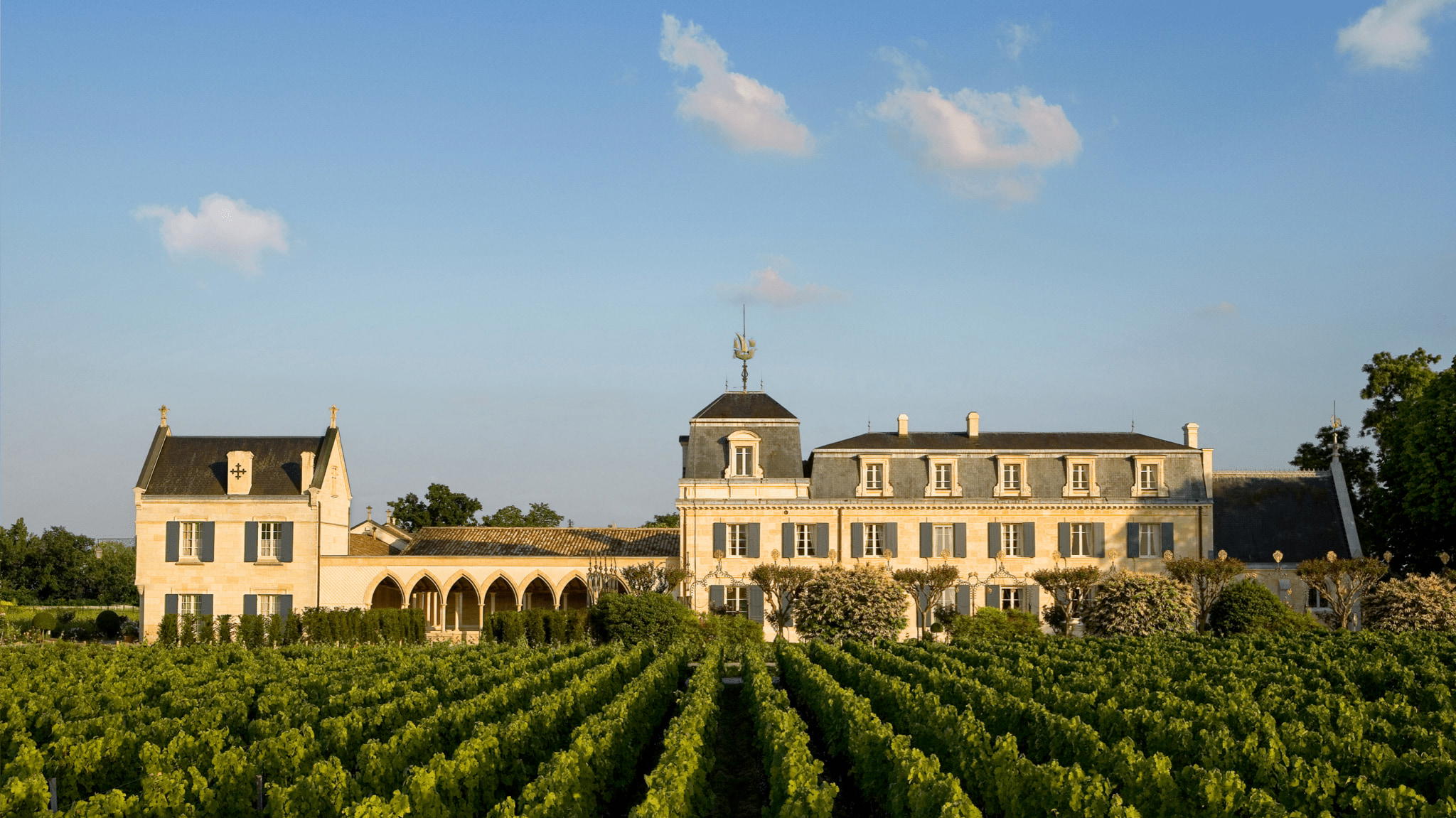
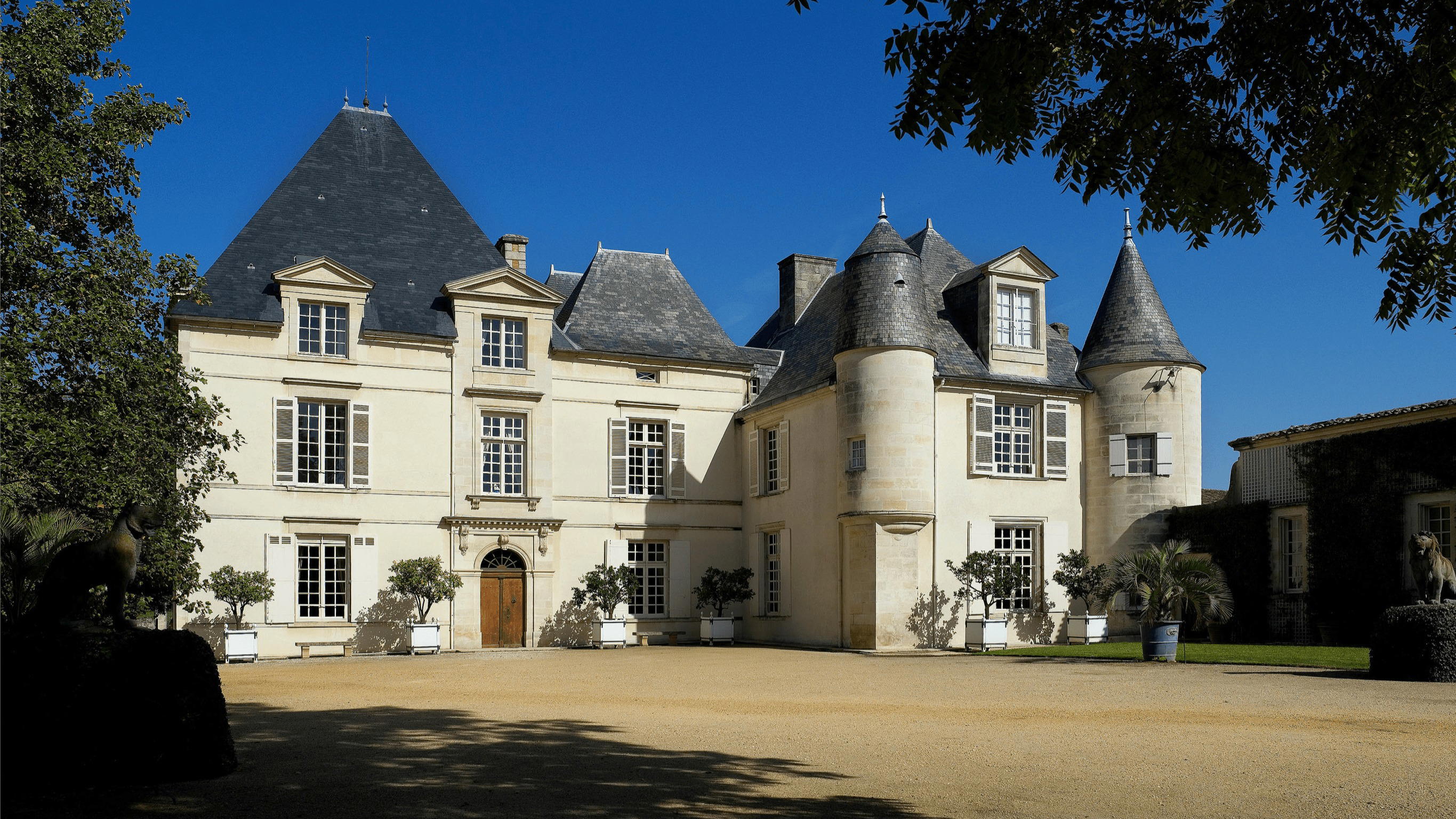
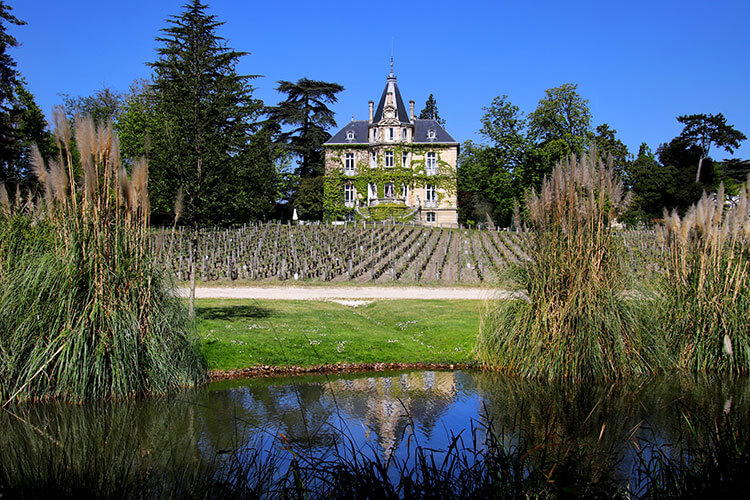
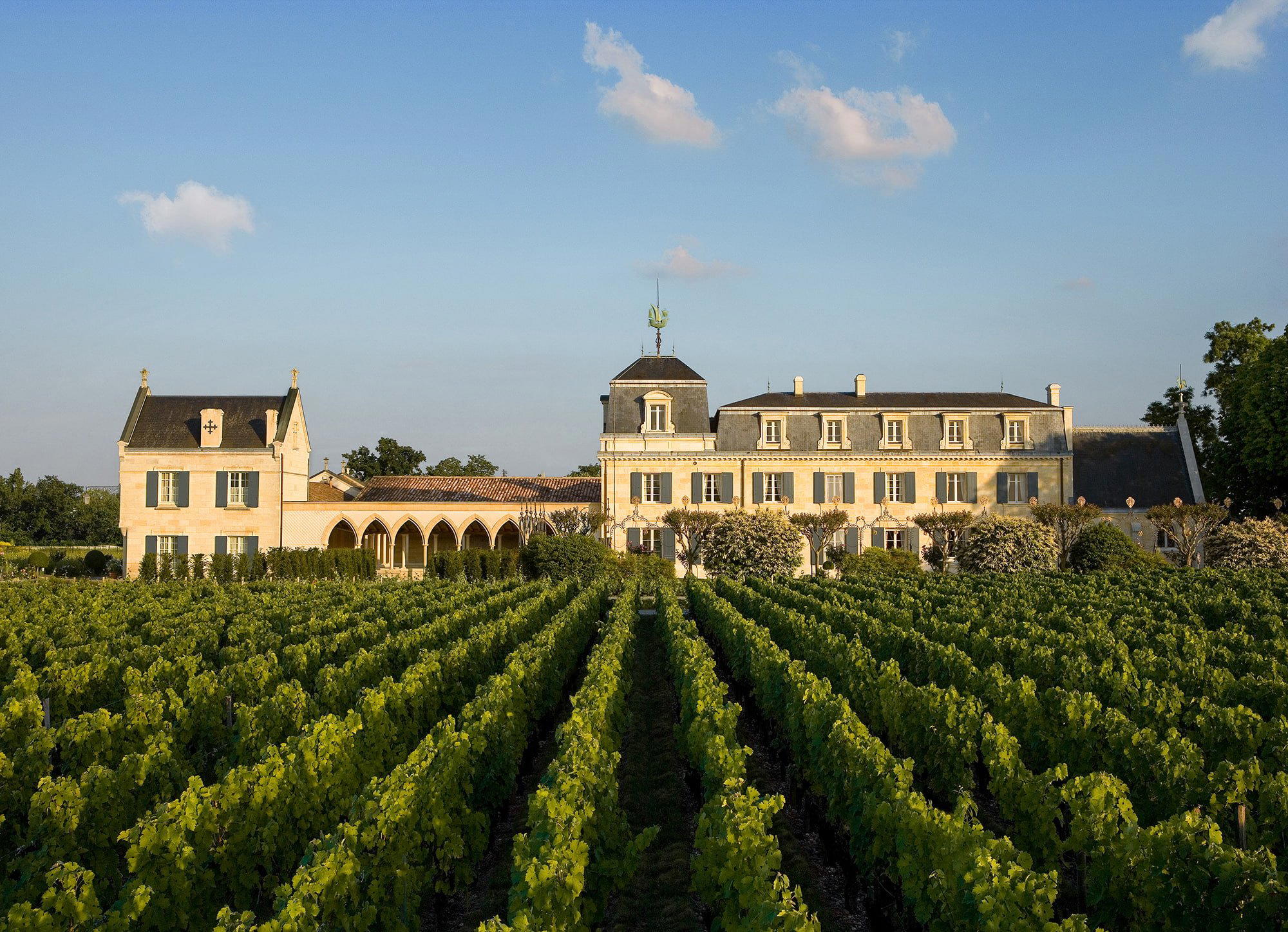
Orama reads Bouliac through its hillside setting: vineyard views, changing light, and a bistro register built around seasonal local ingredients. The draw is not ceremony but context, a cooking-classics address where Sunday brunch and produce-led plates make sense of Bordeaux’s right-bank edge.

Pearl is the En Primeur Club membership app, where members save venues, book tables and use the concierge.
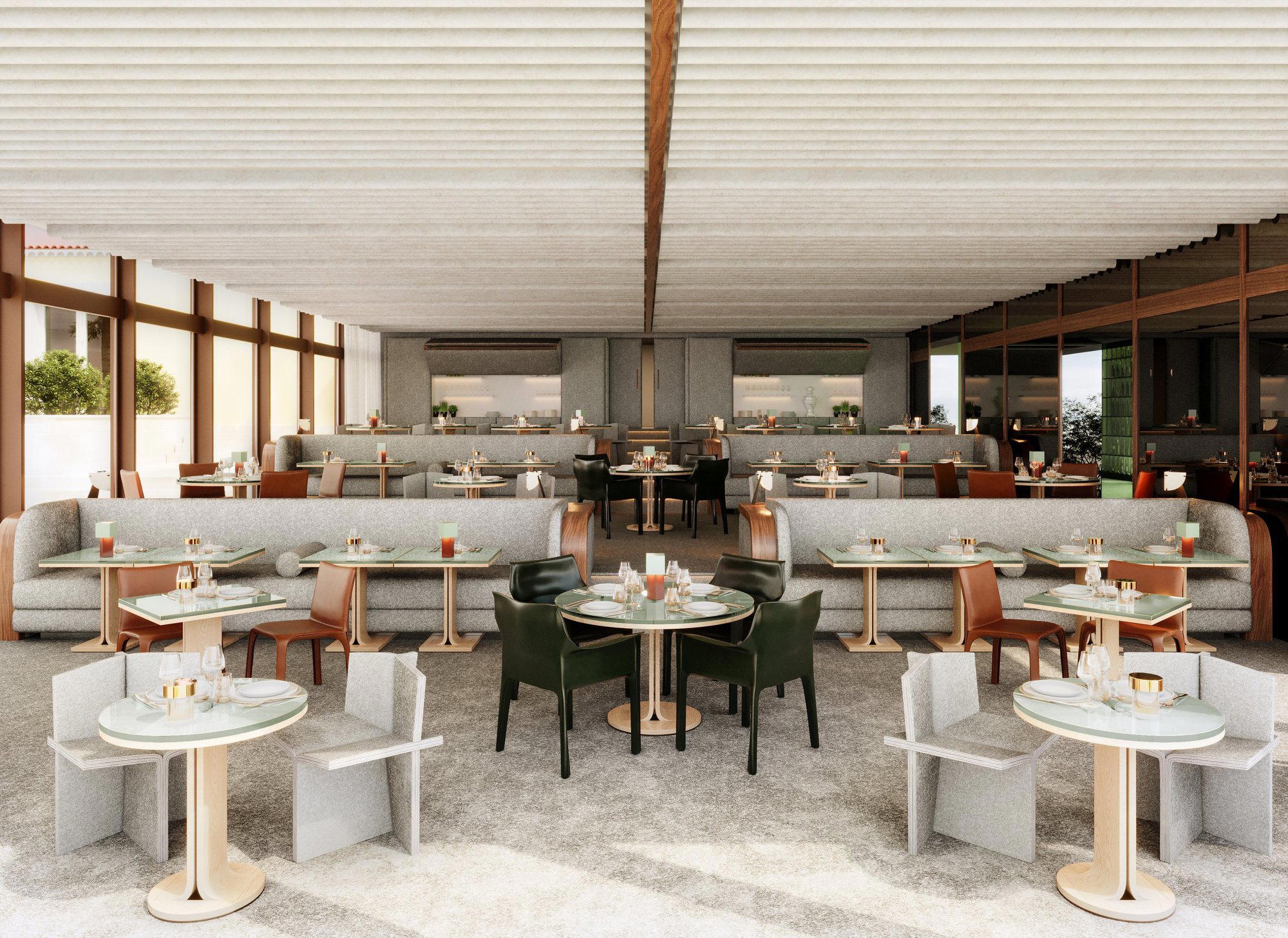
Approaching Bouliac, the city pace gives way to a quieter setting, and Orama is best understood through that change of rhythm. The venue sits in Bouliac rather than in the middle of a larger urban restaurant circuit, which gives the meal a more local frame. Its public classification is clear and modestly useful: Orama is listed for Cooking classics, a category that points readers toward familiar forms rather than experimental theatre.
That matters in a corner of France where “cooking classics” can mean different things depending on the room. In a busier city setting, the phrase may suggest a more urban polish. In Bouliac, it can feel more closely tied to a slower local meal. The safest way to read Orama is not as a chef-mythology address or a ranking chase, but as a Bouliac restaurant whose appeal rests on classic cooking and place.
Classic cooking gives the format its reason to be
The classic restaurant idea has always depended on proximity, judgment, and restraint. Its strength is not necessarily a long list of techniques, but the confidence to keep a plate direct, let familiar preparations do their work, and avoid overcomplicating the meal. Orama fits that broader model as a Bouliac address associated with Cooking classics. The category matters more than any unsupported claim about authorship; the pleasure is in a format that reads as approachable, local, and unforced.
Bouliac’s restaurant scene is small enough that each serious table carries a different assignment. Other Bouliac dining rooms may lean more formal, more casual, or more occasion-led, depending on the day and the diner’s purpose. Orama occupies a useful place within that mix: classic in register, grounded in Bouliac, and easier to understand through its setting and category than through borrowed prestige language.
That position is useful for travellers who are eating through the area rather than collecting dining rooms by status. A meal here tells a different story from a city-centre counter or a highly formal dining room. It places Bouliac into the itinerary as its own stop, where Cooking classics can remain relaxed without losing structure. For the wider local picture, Our full Bouliac restaurants guide gives the necessary map of how the village tables relate to one another.
A classic register sets the social temperature
Without relying on unsupported service details, the useful read on Orama is tonal rather than technical. It is not best framed as a hushed tasting-menu address unless the venue itself presents it that way. The public category points instead toward classic cooking in a Bouliac setting, which is a more practical guide for readers deciding whether the room matches their plans.
The Bouliac setting also changes the pace of a meal. Bouliac is close enough to larger regional itineraries to fold into a broader day, but it still offers a different perspective from a central dining crawl. That shift is part of the appeal for visitors comparing restaurant choices across the area. A city restaurant gives immediacy; a Bouliac restaurant gives a quieter local frame. Orama belongs to the second category, where the journey is part of the decision.
The comparison extends beyond Bouliac only in a general sense. Across France, contemporary classic cooking ranges from highly authored rooms to restaurants that keep familiar forms and a more restrained register. Orama should be placed closer to the latter on the basis of its Cooking classics classification. The useful distinction is scale of ambition: some rooms perform cuisine, while others make a persuasive case for familiar cooking through restraint.
How to place Orama in a Bouliac itinerary
Orama is strongest when treated as part of a Bouliac day rather than a standalone trophy booking. Bouliac rewards that approach: restaurant planning, overnight planning, drinks, local wine interests, and experiences can all sit within the same small geography. Travellers building the broader stay should cross-check Our full Bouliac hotels guide, Our full Bouliac bars guide, Our full Bouliac wineries guide, and Our full Bouliac experiences guide rather than treating dinner as the only anchor.
For readers comparing Cooking classics addresses in other places, the useful question is how much of the meal is shaped by its immediate surroundings and how much is simply a familiar category applied from outside. Orama’s relevance comes from being a Bouliac expression of that label. Rather than forcing named comparisons that are not needed here, it is better to read the restaurant against other Bouliac dining generically and ask whether the classic register fits the occasion.
The editorial read is simple: Orama is for diners who want Bouliac to shape the meal without turning the experience into a status exercise. Its value lies in the alignment between place, classic cooking, and ease, not in theatrical service or a chef-led mythology. In a regional itinerary that may already be heavy with wine interests and city restaurants, that quieter register can be the more revealing choice.
Frequently asked questions
Can I bring kids to Orama?
There is no specific public detail here that proves a children’s policy, so check Orama’s official channels before planning with kids. Its Bouliac setting and Cooking classics classification suggest an approachable restaurant format, but family arrangements should be confirmed directly.
What should I expect atmosphere-wise at Orama?
Expect a Bouliac restaurant associated with Cooking classics rather than an address defined here by unsupported chef, ranking, or tasting-menu claims. For the latest atmosphere and service details, check the venue’s own channels.
What distinctions does Orama have?
Orama is listed by Relais & Châteaux with the cuisine category Cooking classics.
What type of food is Orama known for?
Orama serves Cooking classics cuisine.
Where exactly is Orama?
Bouliac.
How hard is it to get a table at Orama?
No reservation format is listed in the provided record, so there is no basis for calling it difficult or easy to book. What is clear is that Orama is in Bouliac and is associated with Cooking classics. Check the venue's official channels for the latest details.
What's the standout thing about Orama?
The clearest supported draw is its Bouliac setting combined with a Cooking classics classification. That gives Orama a straightforward place in a local itinerary without needing unsupported claims about awards, chefs, prices, or rankings.
Fast Comparison
Comparable venues by cuisine and price in the same metro.
| Venue | Cuisine | Price | Awards |
|---|---|---|---|
| OramaThis venue (the venue you are viewing) | Modern French bistronomic restaurant | $50–100 | Relais Chateaux Award |
| Chocolaterie | Cooking classics | Not listed | Not listed |
Recognition history
Dated appearances from independent guides and award organizations, with the underlying list record or original source where available.
Relais Chateaux Award
Relais Chateaux
Continue exploring
More in Bouliac
Restaurants in Bouliac
All restaurants in Bouliac →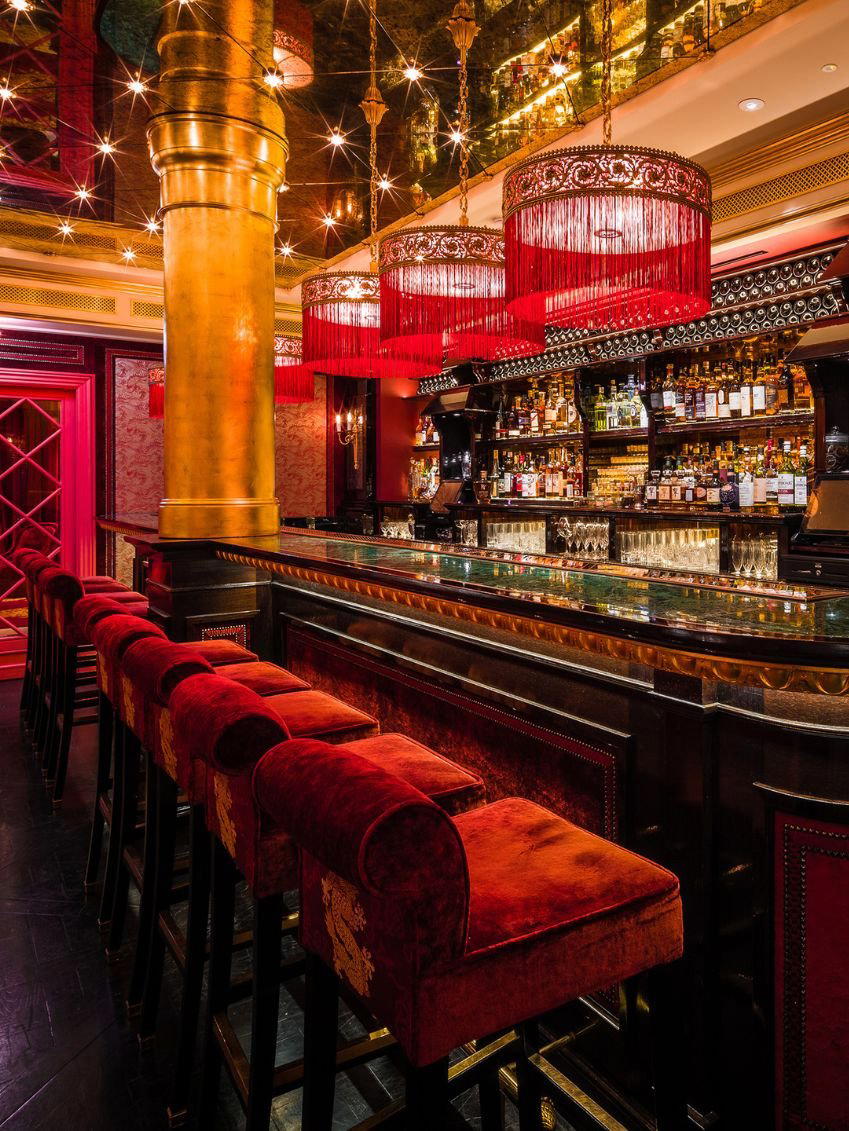
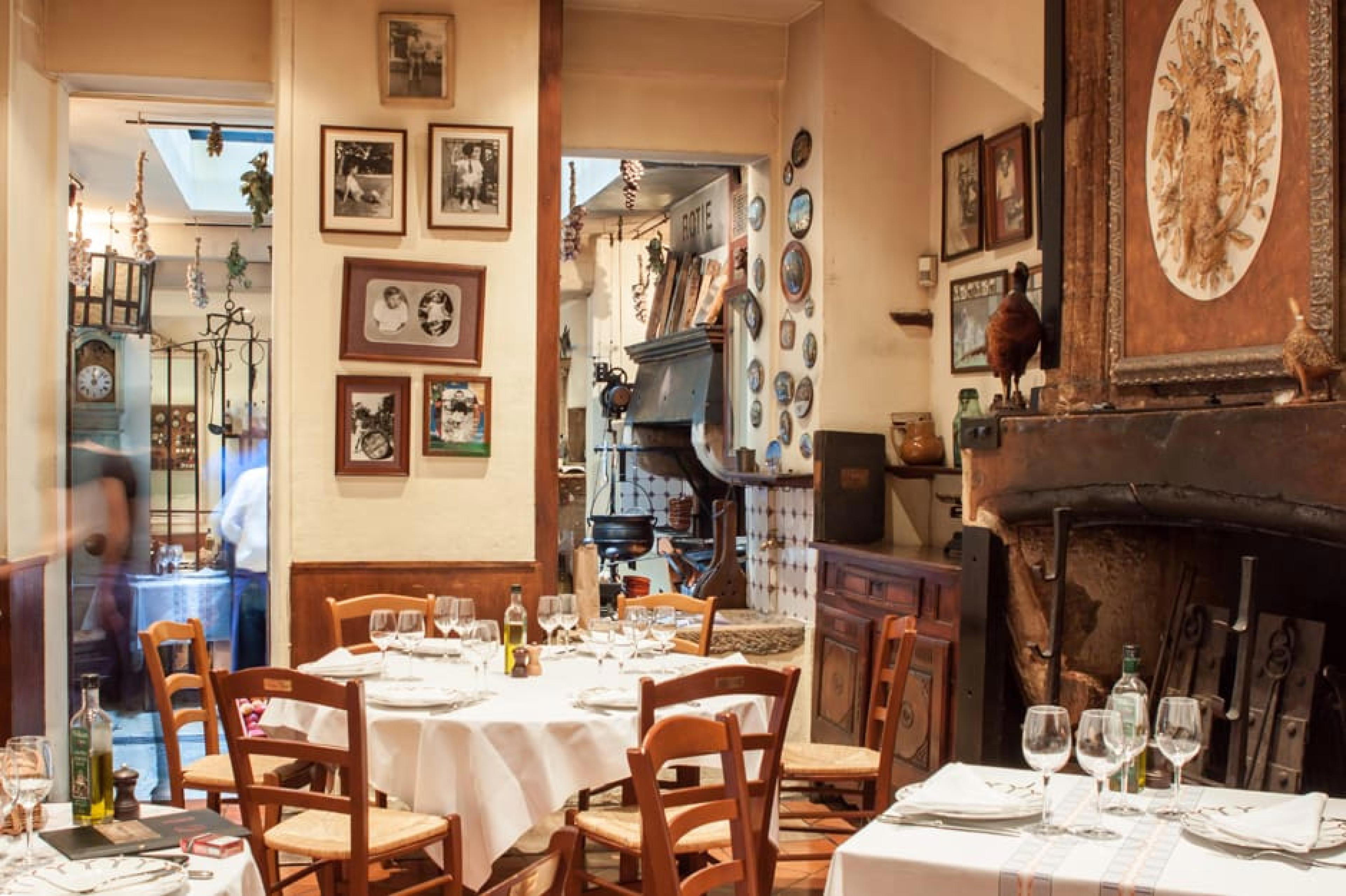
Bars in Bouliac
Browse all →
Hotels in Bouliac
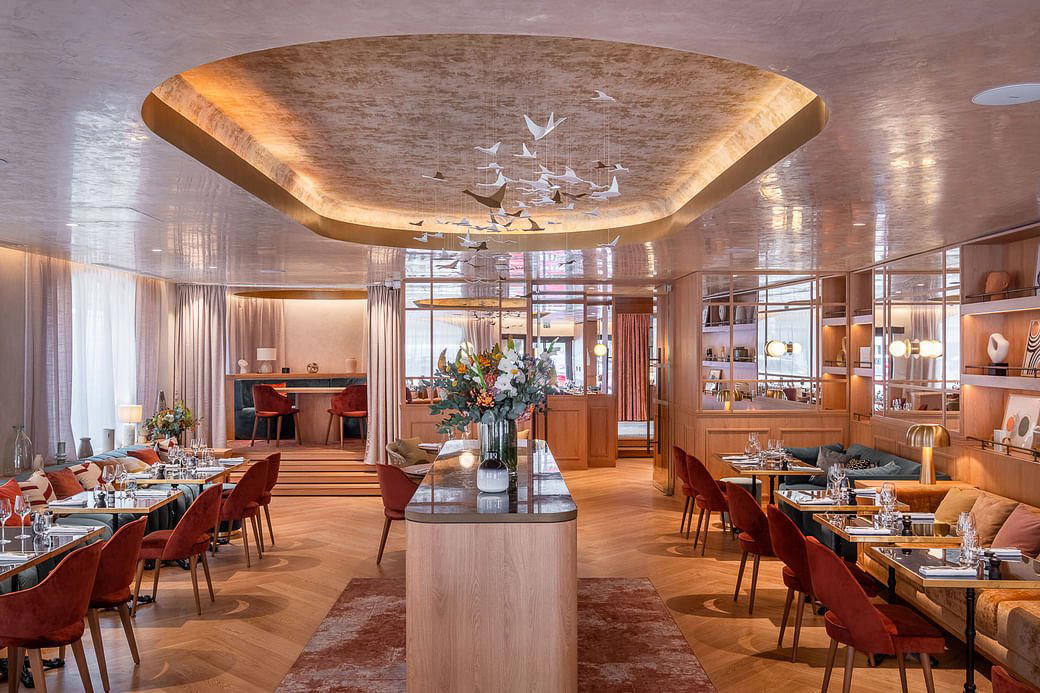
All hotels in Bouliac →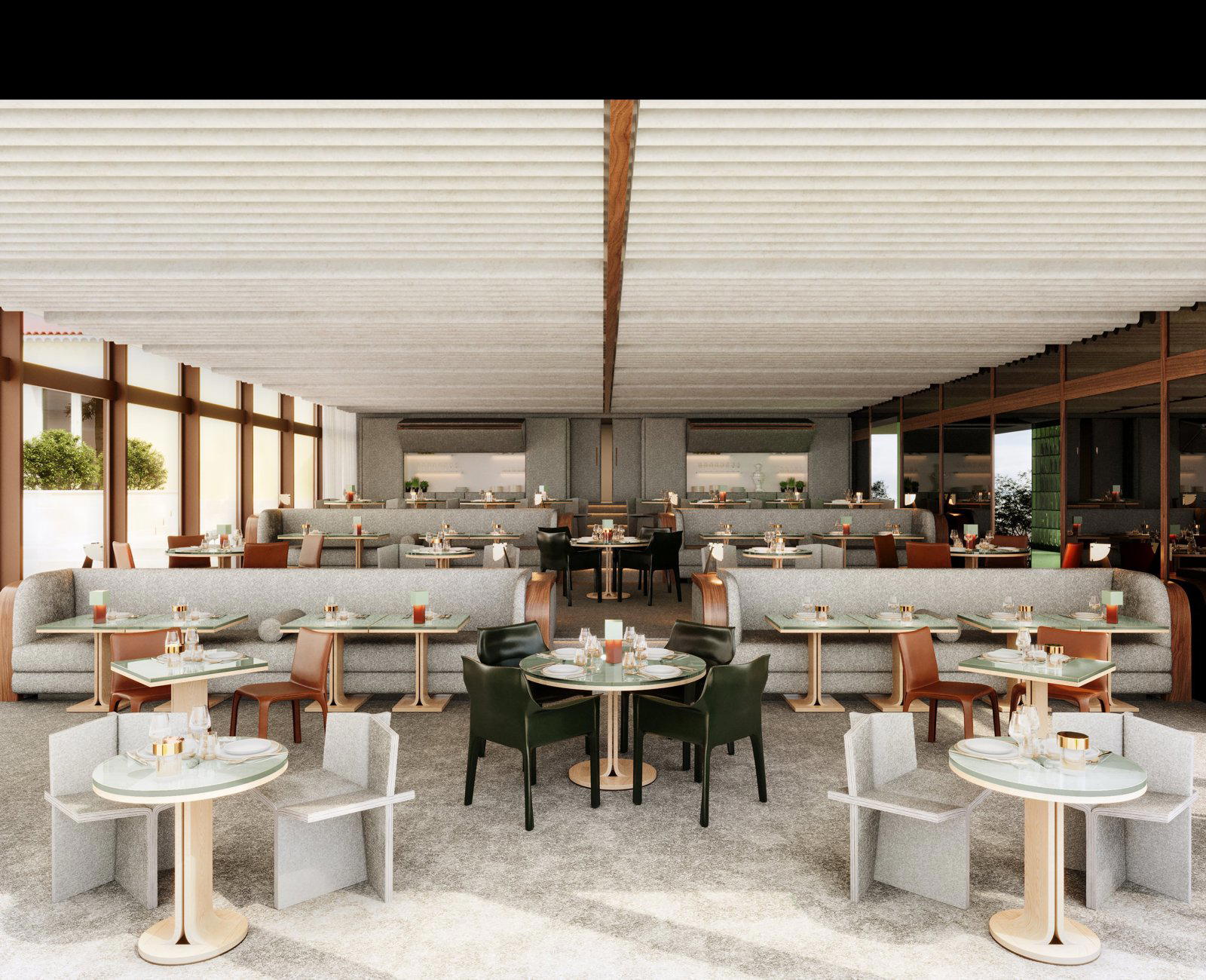
Details
- Scenic
- Elegant
- Romantic
- Modern
- Sophisticated
- Date Night
- Special Occasion
- Business Dinner
- Celebration
- Group Dining
- Panoramic View
- Hotel Restaurant
- Terrace
- Design Destination
- Extensive Wine List
- Local Sourcing
- Skyline
- Garden
- A La Carte
- Set Menu
- Wine
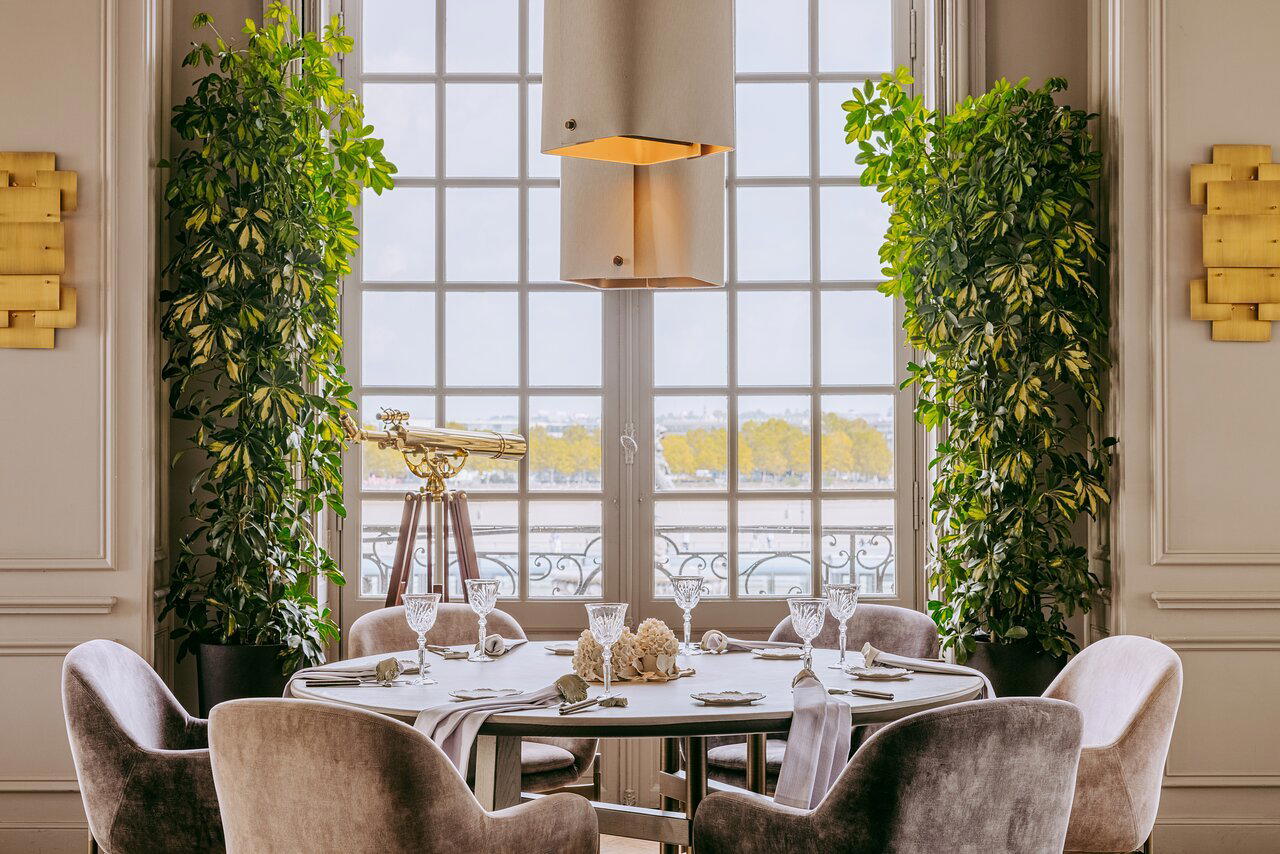
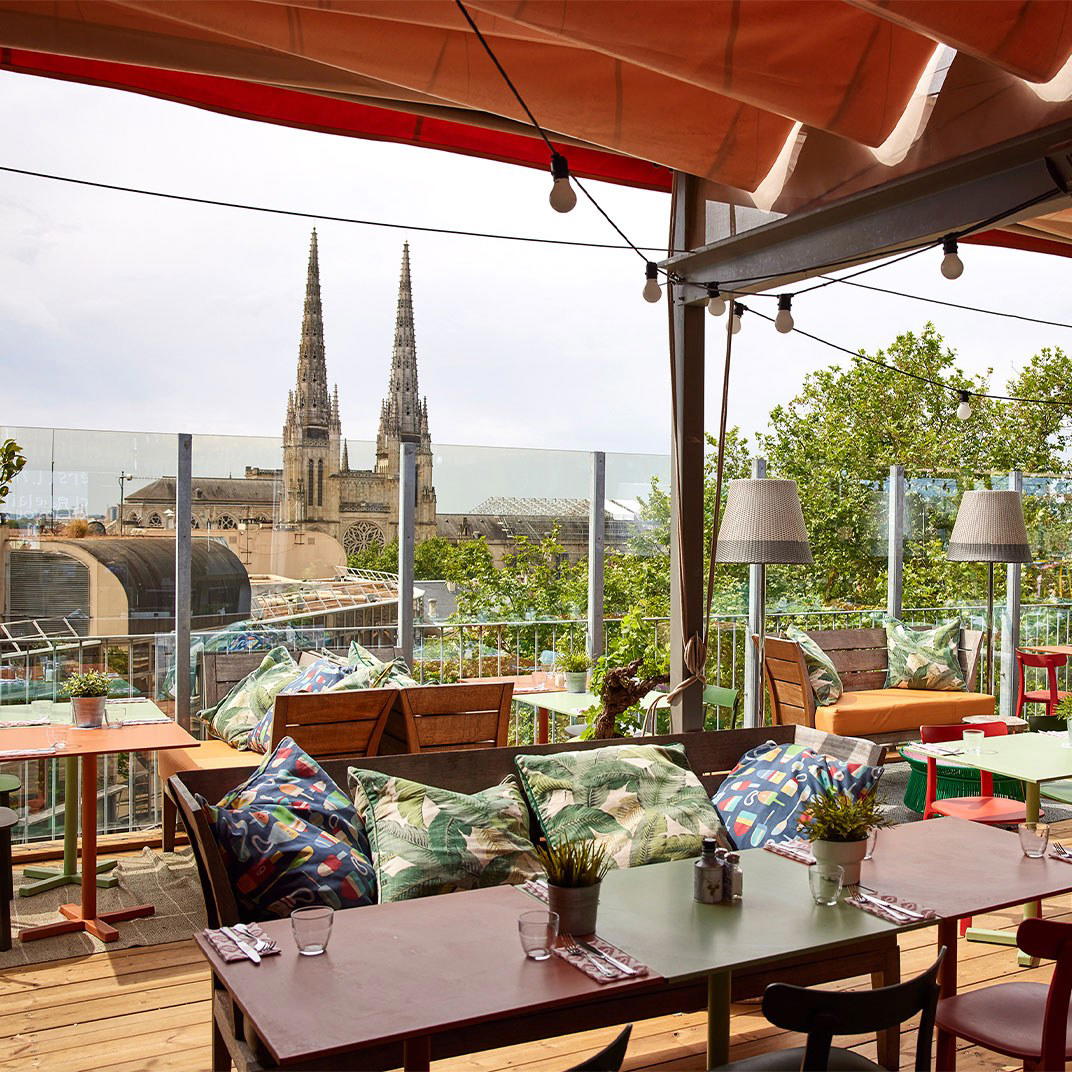
Refined yet relaxed bistronomic setting with contemporary design, soft lighting, and a calm, intimate atmosphere enhanced by wide views from the hotel’s hillside location.