Our verdict
New York New York Café sits at 20 Avenue André Ampère in Cabestany, a commune on the southern edge of Perpignan in the Pyrénées-Orientales. The name signals an American-inflected concept planted firmly in Catalan France, a pairing that raises questions worth investigating in a region where ingredient provenance and culinary identity run deep. Detailed menu and operational information is limited, making an advance call to the address the sensible first step before visiting.

Pearl is the En Primeur Club membership app, where members save venues, book tables and use the concierge.
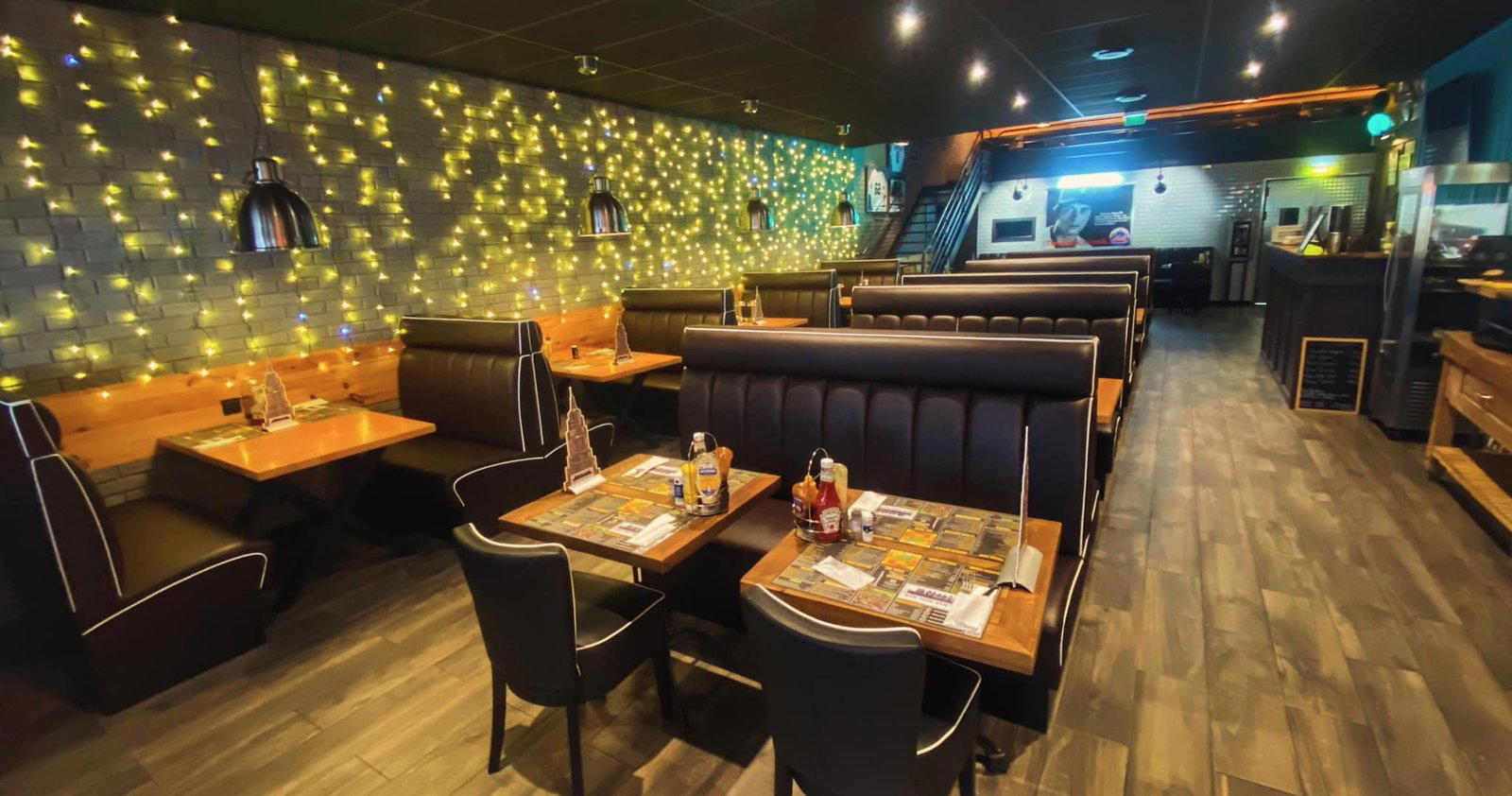
An American Name in Catalan Country
Cabestany sits just south of Perpignan, close enough to the Spanish border that the air carries a different register than anywhere else in metropolitan France. The Pyrénées-Orientales is Roussillon territory: a département shaped by Catalan identity, where the markets run on anchovies from Collioure, vegetables from the Têt valley plain, and wines from Maury and Banyuls that have their own appellation logic entirely separate from the Languedoc mainstream. Into this context, a café named New York New York lands as a deliberate counterpoint rather than a neutral choice. The name telegraphs an American reference point in a region that takes local sourcing seriously enough to frame it as cultural identity, not marketing language.
That tension between imported concept and local ingredient context is, in many French regional towns, exactly where interesting things happen. Cafés and brasseries that gesture toward American or international formats but operate inside French supply chains often end up doing something harder to categorize than their signage suggests. The question worth asking at any such address is not what the name promises but what arrives on the plate, and where it comes from.
Where Cabestany Sits in the Regional Dining Picture
The broader Occitanie and Roussillon dining scene positions itself at a remove from the Michelin-heavy circuits of Paris or the Côte d'Azur. Restaurants like Auberge du Vieux Puits in Fontjoncouse and Mirazur in Menton represent the institutional peak of southern French fine dining, with three Michelin stars and sourcing philosophies that treat the Mediterranean basin as both pantry and argument. AM par Alexandre Mazzia in Marseille operates in a similar register, working at the creative edge of southern French produce. These are the reference points that define what serious southern French sourcing looks like at the top of the price tier.
Cabestany itself is not a dining destination in that sense. It is a residential commune of around eight thousand people, functioning largely as an extension of greater Perpignan. Its food scene is local in the practical sense: neighbourhood restaurants and cafés serving a population that shops at the weekly markets, knows where the local produce comes from, and eats according to season because the supply chain in this part of France still works that way. A café operating here, whatever its international branding, draws from that same regional larder.
For context on what French fine dining looks like at its most institutionally recognised, Alléno Paris au Pavillon Ledoyen, Paul Bocuse - L'Auberge du Pont de Collonges, Troisgros - Le Bois sans Feuilles, and Auberge de l'Ill represent the established poles of the country's high-end tradition. What neighbourhood cafés in towns like Cabestany offer is something structurally different: daily cooking calibrated to local demand rather than destination dining, with ingredient decisions made by what the Tuesday morning market at Perpignan's Place de la République actually has available.
Ingredient Provenance in the Pyrénées-Orientales
The Pyrénées-Orientales is one of the few French départements where you can source meaningfully from three distinct geographical zones within an hour's radius. The coastal strip around Collioure and Banyuls-sur-Mer provides seafood, salt-packed anchovies, and the fortified wines that make this coastline distinct from the rest of the Mediterranean. The Têt and Tech valley plains, running west toward the Pyrenees, produce early-season vegetables that reach the Perpignan markets before much of the rest of France has moved out of winter storage. And the foothills themselves supply lamb, charcuterie, and aged cheeses from producers who sell locally rather than to export distributors.
Any café operating in Cabestany with a kitchen that pays attention to season will encounter this supply system whether it seeks it out or not. French regional café cooking at its functional leading is not a sourcing program but a practical relationship with what local wholesalers and market traders have on a given week. That is not a lesser version of the sourcing discipline you find at Bras in Laguiole or Flocons de Sel in Megève; it is a different mode of the same underlying logic.
Restaurants operating in comparable coastal-to-inland transitional zones elsewhere in France, like Christopher Coutanceau in La Rochelle and La Marine in Noirmoutier-en-l'île, have built reputations specifically on the proximity of their sourcing. The Roussillon coast operates on a smaller, less internationally documented scale, but the ingredient quality available to any kitchen working this territory is not in dispute among those who know the region.
Practical Considerations for a Visit
New York New York Café is located at 20 Avenue André Ampère, a main commercial artery in Cabestany accessible by car from Perpignan in under ten minutes, or by bus from the city centre. Current menu details, hours, and pricing are not available through published channels at the time of writing, which means the most reliable approach is a direct visit or a call ahead if contact details can be sourced locally. For visitors building a broader itinerary around southern French dining at its most ambitious, Assiette Champenoise in Reims, Georges Blanc in Vonnas, Au Crocodile in Strasbourg, and L'Oustau de Baumanière in Les Baux represent the institutional register at which French regional cooking has been formally recognised. New York New York Café operates in a different register entirely: neighbourhood, accessible, and embedded in a local economy rather than a destination-dining circuit. See our full Cabestany restaurants guide for additional options in the area.
For American reference points at the opposite end of the ambition spectrum, Le Bernardin in New York City and Atomix in New York City illustrate what the name's city of reference looks like at its most technically serious.
Frequently asked questions
Does New York New York Café work for a family meal?
The address at 20 Avenue André Ampère, a main commercial artery in Cabestany, suggests a street-level accessibility that suits a broad range of visitors including families. Cabestany itself is a residential commune rather than a destination dining quarter, which typically favours neighbourhood-friendly formats over formal dining rooms. For specific seating arrangements or children's options, contacting the venue directly is the most reliable approach.
What's the overall feel of New York New York Café?
The name signals an American café reference point dropped into Catalan country, a few minutes south of Perpignan on a commercial avenue. That positioning, on Avenue André Ampère in the 66330 postcode, puts it closer to a local, everyday venue than a destination restaurant. The contrast between the American-facing name and the Roussillon setting gives the place a specific identity within a region where most cafés stay firmly in French or Catalan register.
Is New York New York Café a good option for visitors arriving from across the Spanish border?
Cabestany sits just south of Perpignan, making it one of the first French communes reachable after crossing from Catalonia. New York New York Café at 20 Avenue André Ampère is accessible by car from the main Perpignan-area road network, placing it within practical range for travellers moving between the two countries. The café's American-named format occupies an unusual position in a region where French and Catalan dining traditions dominate.
What dish is New York New York Café famous for?
No specific signature dish is documented for New York New York Café. The Pyrénées-Orientales département offers producers across coastal, plains, and mountain zones, and cafés in the Cabestany area draw on that local supply. A visit or direct inquiry at 20 Avenue André Ampère will give the clearest picture of what the kitchen leads with.
What's the address for New York New York Café?
New York New York Café is located at 20 Av. André Ampère, 66330 Cabestany, France, Cabestany.
Comparable Spots, Quickly
Comparable venues nearby, for context on price, style, and recognition.
| Venue | Cuisine | Price | Awards | Notes |
|---|---|---|---|---|
| New York New York CaféThis venue (the venue you are viewing) | American Burgers & Grill | $10–20 | Not listed | Not listed |
| BBQ &GRILL MOBILE | American BBQ & Grill | Not listed | Not listed | Les Gémeaux |
| Signorvino Paris | Italian trattoria & wine bar | $30–50 | Gambero Rosso 2 Bottiglie | Latin Quarter |
| Guapo | Spanish Tapas | Not listed | Not listed | old town |
| Gonzague Burgers Saint-Etienne - Maison Gourmande | Gourmet French-Style Burgers | $20–30 | Not listed | centre-ville |
| Le Bec Verseur | French Cocktail Bar | $20–30 | Not listed | Quais de la Têt |
Continue exploring
More in Cabestany
Restaurants in Cabestany
All restaurants in Cabestany →

Details
- Lively
- Casual
- Casual Hangout
- Group Dining
- After Work
- Standalone
- Local Sourcing
- A La Carte
Current opening hours
- Monday
- Closed
- Tuesday
- 12–2 PM, 7:30–10 PM
- Wednesday
- 12–2 PM, 7:30–10 PM
- Thursday
- 12–2 PM, 7:30–10 PM
- Friday
- 12–2 PM, 7:30–10 PM
- Saturday
- 12–2 PM, 7:30–10 PM
- Sunday
- Closed
Hours can change for holidays and private events. Hours as of .
Lively and casual sports bar atmosphere with a lively energy.