Miso Oriental
Our verdict
Positioned on Venlo's central Markt square, Miso Oriental brings Asian cooking traditions to a Dutch city more often associated with French-leaning fine dining. The address places it directly in the civic heart of Limburg's largest city, making it an accessible reference point for visitors comparing Asian cuisine options against the region's broader restaurant scene.

Pearl is the En Primeur Club membership app, where members save venues, book tables and use the concierge.
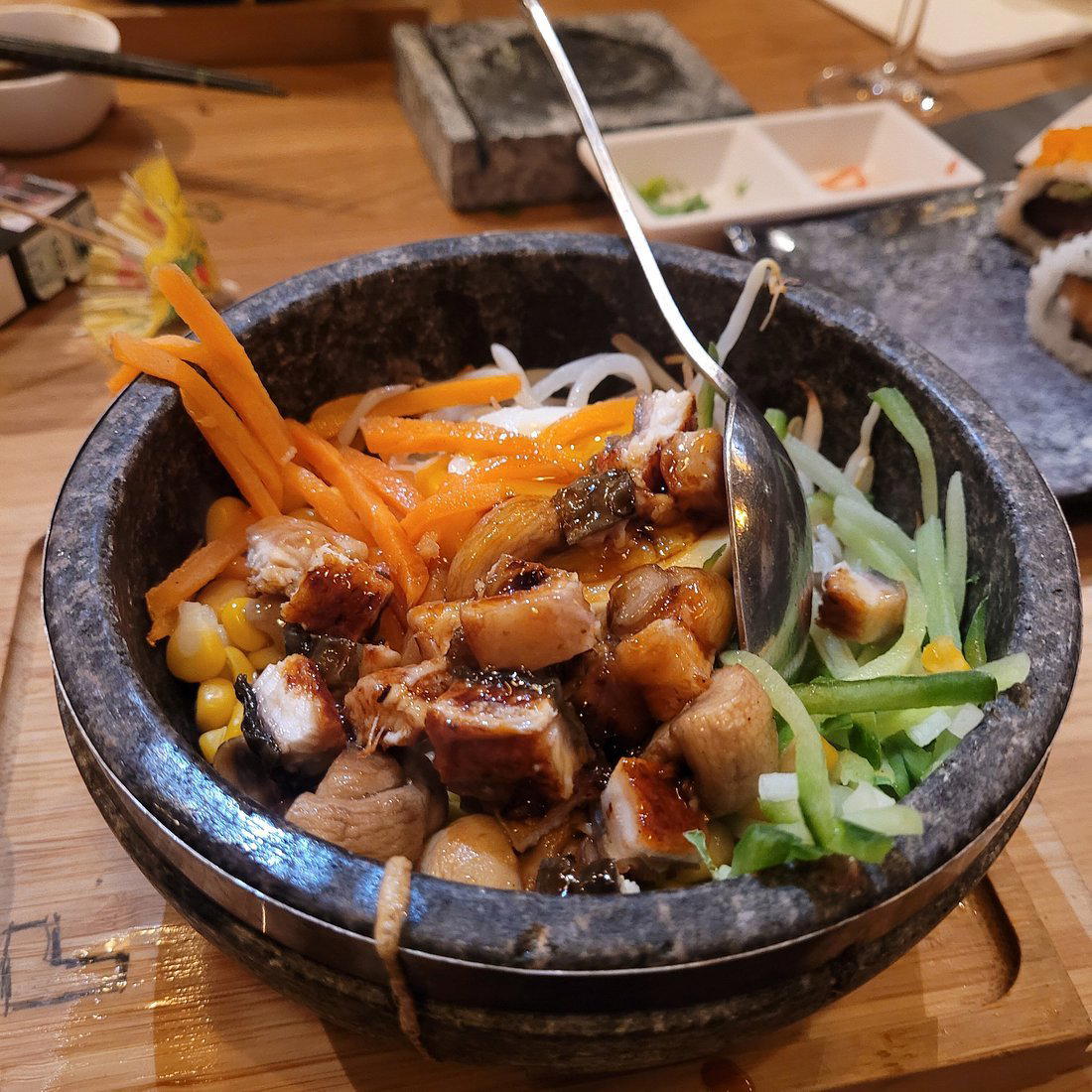
The menu
What to order
- Spicy tuna roll
- Ebi temaki
- Salmon maki
- Tuna sashimi
A Market Square Setting and What It Signals
Venlo's Markt is the kind of central square that European cities build their identity around: broad, flanked by historic facades, and animated by the rhythm of daily life rather than tourist choreography. Markt 14 places Miso Oriental at that civic address, which in a Dutch provincial city of this size carries genuine weight. The surrounding streets have accumulated a varied restaurant tier over the past decade, from the modern French formality of Valuas (€€€ · Modern French) to more casual addresses like Burgers & Beers and neighbourhood spots such as Chez L'Hêtre and Kwartelenmarkt 11 op 3. Within that mix, an Asian-inflected kitchen on the main square represents a distinct positioning choice, one that draws on a culinary tradition with its own sourcing logic and preparation philosophy.
Where the Food Comes From: The Sourcing Framework Behind Asian Cooking in Northern Europe
Asian restaurants operating in the Netherlands face a sourcing situation that defines what ends up on the plate, often more than any menu description suggests. The proximity of the Dutch port infrastructure, particularly Rotterdam's role as Europe's largest container port, means that certain pantry staples, dried goods, and fermented ingredients can reach kitchens in Limburg with relative efficiency compared to more landlocked European regions. What that infrastructure cannot easily solve is the short-shelf-life supply chain for the highly specific regional produce that differentiates, say, a Japanese miso supplier from a generic substitute.
This sourcing reality is what separates Asian kitchens in the Netherlands into two informal tiers. The first uses that logistical access to bring in authentic base ingredients, fermented pastes, specialist sauces, and dried components, while supplementing with Dutch seasonal produce for fresh elements. The second defaults to approximation, relying on mass-market Asian grocery supply without ingredient-level specificity. The name Miso Oriental carries an ingredient reference in its title, and miso itself is a useful lens here: the fermented soybean paste varies enormously by region, aging duration, and koji culture, with distinctions that matter as much to a careful kitchen as the difference between a generic wine vinegar and an aged sherry vinegar matters to a French preparation. Whether the kitchen treats that distinction seriously is the kind of detail that separates a casual pan-Asian offer from something with sharper focus.
For context on how sourcing ambition scales in Dutch fine dining, addresses like De Librije in Zwolle, Aan de Poel in Amstelveen, and Ciel Bleu in Amsterdam have all built identities partly on ingredient traceability and supplier relationships. That sourcing discipline is less common at the mid-market tier but not absent from it. Asian kitchens in the Netherlands that do commit at the ingredient level, tracking fermentation sources, using region-specific spice supply chains, or specifying fish provenance, tend to separate themselves from the broader pan-Asian category fairly quickly.
Venlo's Restaurant Scene in Regional Context
Limburg sits at the southeastern edge of the Netherlands, bordered by Belgium and Germany, and that geography has shaped its food culture in specific ways. The province has a longer tradition of French and Belgian culinary influence than much of the Dutch interior, which explains why addresses like Valuas represent the formal fine-dining upper bracket in Venlo rather than something more internationally diverse. Starred and near-starred Dutch kitchens in the region, including De Lindehof in Nuenen, De Treeswijkhoeve in Waalre, and Brut172 in Reijmerstok, demonstrate that the broader southern Netherlands has a serious cooking tradition without, historically, much Asian representation at a comparable level of ambition.
That gap is gradually narrowing across Dutch cities, and Venlo is no exception. For visitors arriving from Amsterdam or crossing from Germany, the availability of Asian dining options on the main market square of a mid-sized Limburg city reflects a broader shift in the Dutch provincial dining offer. Cities of Venlo's scale, around 100,000 residents, now sustain Asian kitchens that go beyond the standard Chinese-Indonesian combination format that defined earlier decades. Whether Miso Oriental operates in that more ambitious register or within the established category format is a distinction worth establishing before booking.
For comparison on how Asian cooking ambition scales at the highest Dutch and international levels, Atomix in New York City and Le Bernardin in New York City represent the kind of ingredient-sourcing rigour and preparation discipline that defines serious kitchens in this broader tradition, while domestically, De Nieuwe Winkel in Nijmegen, De Bokkedoorns in Overveen, De Groene Lantaarn in Staphorst, and De Lindenhof in Giethoorn show the range of kitchen ambition spread across the country. 't Nonnetje in Harderwijk adds further reference for how Dutch regional kitchens position themselves through sourcing discipline.
Planning a Visit
Miso Oriental occupies the address at Markt 14, 5911 HD Venlo, placing it in the pedestrian core of the city and within easy reach of Venlo railway station, which connects to Eindhoven, Nijmegen, and across the German border toward Düsseldorf. The Markt location means parking is leading approached via the surrounding city centre car parks rather than street-level spaces. For a broader picture of where Miso Oriental sits within the city's dining options, the full Venlo restaurants guide maps the scene across price points and cuisines.
Frequently asked questions
Is Miso Oriental a family-friendly restaurant?
Markt 14 sits in Venlo's pedestrian core, a square that draws a broad cross-section of the city rather than a strictly adult dining crowd. Asian cuisine formats, shared plates, noodle dishes, rice-based mains, tend to accommodate varied appetites across age groups. The central Markt location means the surrounding area is accessible and well-lit, which adds to the practicality of an early-evening visit with children.
What is the atmosphere like at Miso Oriental?
The address at Markt 14 puts the restaurant on Venlo's main civic square, where footfall and ambient energy follow the rhythms of the city rather than a tucked-away side street. In the Dutch provincial context, a Markt-facing position typically means natural light through a front facade, passing street life, and a tempo that shifts between a lunchtime crowd and a quieter evening setting.
Is Miso Oriental worth visiting from across the border in Germany or Belgium?
Venlo sits at the Dutch-German border, Düsseldorf is roughly 50 kilometres east, and draws cross-border visitors for its city centre market and retail offer. For a day trip that includes lunch or dinner, Miso Oriental's position on the Markt places it within a short walk of Venlo railway station, which has direct connections to Düsseldorf, Roermond, and Eindhoven. Whether a dedicated cross-border trip for this restaurant alone is warranted depends on specific menu appeal, which is best confirmed with the venue before travelling.
What's the signature dish at Miso Oriental?
No verified dish-level detail for Miso Oriental is available at time of writing, so naming a signature here would be speculation. What the name does signal is a miso-forward identity, which in Asian restaurant contexts across the Netherlands typically means Japanese or pan-Asian framing with fermented soy as a flavour anchor. Contacting the venue directly via the Markt 14 address is the most reliable route to current menu specifics.
Comparison Snapshot
Comparable venues nearby, for context on price, style, and recognition.
| Venue | Cuisine | Price | Awards | Notes |
|---|---|---|---|---|
| Miso OrientalThis venue (the venue you are viewing) | Japanese Sushi & Teppanyaki | $30–50 | Not listed | Not listed |
| Kwartelenmarkt 11 op 3 | French-Dutch Fine Dining with Local Flavors | $50–100 | Not listed | centrum |
| Chez L'Hêtre | French with International Influences | Not listed | Not listed | Parade |
| Burgers & Beers | American Burgers & Beers | $10–20 | Not listed | Venlo |
| Valuas | French Fine Dining | $100–150 | Michelin Plate · Star Wine List | Maas riverfront |
| BEAU | Japanese Sushi Fusion | Not listed | Not listed | Lawickse Allee |
Continue exploring
More in Venlo
Restaurants in Venlo
All restaurants in Venlo →
Bars in Venlo
Browse all →
Details
- Lively
- Modern
- Cozy
- Family
- Group Dining
- Casual Hangout
- Open Kitchen
- Craft Cocktails
- Street Scene
- A La Carte
- Vegetarian Friendly
Current opening hours
- Monday
- 12–10 PM
- Tuesday
- 12–10 PM
- Wednesday
- Closed
- Thursday
- 12–10 PM
- Friday
- 12–10 PM
- Saturday
- 12–10 PM
- Sunday
- 12–10 PM
Hours can change for holidays and private events. Hours as of .
Welcoming casual atmosphere with open kitchen, suitable for families and groups, though service and cleaning receive mixed feedback.