Medicine for Nightmares
Our verdict
Medicine for Nightmares sits in San Francisco’s Mission District context, where 24th Street carries the city’s layered Latino, literary, activist, and independent retail traditions. With no public awards, chef, price, or booking framework attached, the editorial value is less about conventional restaurant metrics and more about how the address fits a neighborhood culture built around small rooms, local audiences, and community programming.

Pearl is the En Primeur Club membership app, where members save venues, book tables and use the concierge.
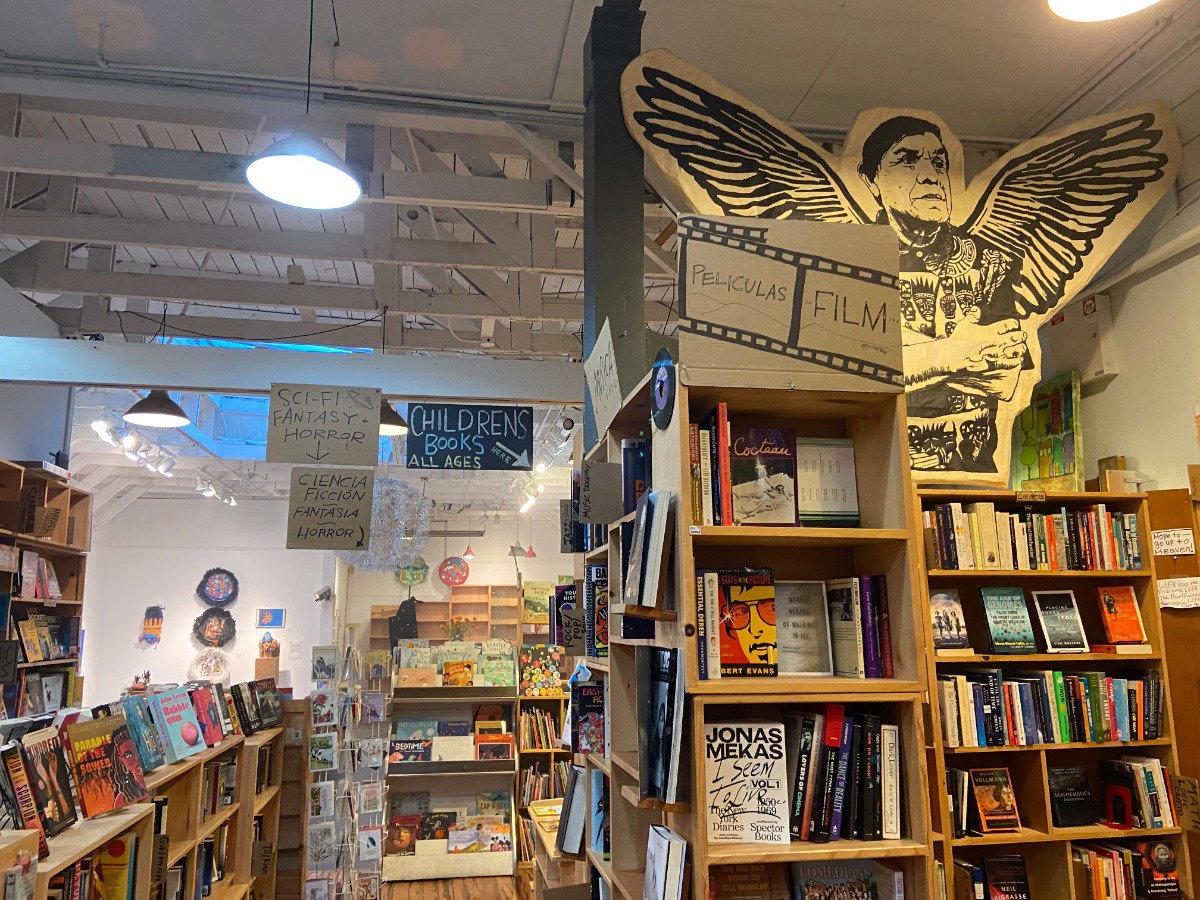
In San Francisco, Medicine for Nightmares announces itself through storefront rhythm rather than spectacle: the steady movement of city life, small businesses, conversations, and music drifting from doorways. The name reads less like a conventional hospitality promise than a cultural signal, and that matters in a city where small venues often carry more neighborhood meaning than their square footage suggests.
San Francisco has never been only a restaurant city. Food, politics, literature, nightlife, and memory overlap here in ways that make the usual category labels feel too narrow. A place in this city is judged not just by what it serves or sells, but by whether it understands public life: the after-work crowd, the students, the artists, the longtime residents, and the visitors who come looking for something more specific than a generic dining strip.
San Francisco culture shapes the room before any menu does
San Francisco’s dining and drinking culture often splits between reservation-driven tasting rooms and looser neighborhood formats where the room itself carries the argument. Medicine for Nightmares sits closer to the second camp. With no named chef, public price range, or formal service format attached in the provided record, it should not be read through the same lens as a high-production tasting counter or a hotel-backed bar. The more useful comparison is structural: small San Francisco addresses often trade in proximity, conversation, and cultural programming, not ceremony.
That distinction is central to understanding the appeal. The city’s premium conversation can over-focus on awards, tasting menus, and cellar depth, but San Francisco’s cultural appetite has always depended on informal rooms as well. The city has long supported gathering places where literature, music, food, and politics sit close together. In that tradition, a venue can matter because it gives people a reason to stay in the room, not because it fits a polished national template.
For readers building a broader San Francisco itinerary, the useful move is to treat this part of the city as a cultural sequence rather than a single-stop dining errand. Nearby planning often works better when restaurants, bars, bookstores, and neighborhood walks are grouped by mood and timing. EP Club’s wider city coverage can help frame those choices, from Our full San Francisco restaurants guide to Our full San Francisco bars guide, Our full San Francisco hotels guide, Our full San Francisco wineries guide, and Our full San Francisco experiences guide.
The address belongs to San Francisco's independent, cross-cultural tradition
The strongest context here is cultural rather than culinary. San Francisco’s independent venues have long operated as counterweights to the city’s corporate polish, especially in areas where community life, activist memory, and small creative businesses remain visible. That makes Medicine for Nightmares a different kind of entry in a city guide: it is not a chef-led restaurant profile with a public tasting-menu price or a bar with a published cocktail canon. It is better understood as part of the local infrastructure that lets a night develop without being overdesigned.
That also affects expectations. Travelers looking for a tightly scripted luxury format should calibrate elsewhere; San Francisco has plenty of rooms built for that. Here, the stronger reason to pay attention is the way the venue name points toward a more literary, community-facing side of the city. San Francisco’s hospitality scene needs both ends of the spectrum: the highly produced dining room and the local address that gives a city its after-dark texture.
Within EP Club’s broader map, that distinction is useful. A San Francisco day might move through casual, neighborhood-driven food, community-minded programming, or city-specific dining histories without needing every stop to perform the same role. Those contrasts are not substitutes for Medicine for Nightmares; they show how varied the city’s independent dining culture becomes once it is read beyond star ratings.
How to place it in a sharper itinerary
Medicine for Nightmares works well in planning terms when treated as part of a San Francisco sequence rather than the sole anchor of an evening. The absence of public price, hours, phone, website, chef, or detailed service-format information in the provided record means the practical read should stay conservative: confirm current operating details before building a tight schedule, and avoid assuming a formal reservation model, dress code, or dining format. In San Francisco, that kind of uncertainty is not unusual for smaller cultural venues, but it does matter for travelers trying to stack a precise night across multiple parts of the city.
The broader lesson travels well beyond the Bay Area. Independent, culturally specific rooms have different value signals from luxury dining rooms: they are judged by audience, local fit, programming, and repeat use. That is true across many kinds of casual, literary, music-driven, community-minded, and hybrid venues in other cities as well. Format tells only part of the story; cultural placement tells the rest.
For Medicine for Nightmares, the clean recommendation is to approach it through San Francisco’s street-level culture first. The draw is not a published hierarchy of kitchen names or a fixed luxury script. It is the chance to read a San Francisco venue through the city that surrounds it, where independent rooms still help define how people talk, gather, and spend an evening.
Frequently asked questions
How do I find Medicine for Nightmares?
Medicine for Nightmares is located in San Francisco.
Is Medicine for Nightmares reservation-only?
The public record for Medicine for Nightmares in San Francisco does not list a reservation policy. In practical terms, that points to checking the visit format before heading over rather than assuming a booking-only setup. Check the venue's official channels for the latest details.
What's the standout thing about Medicine for Nightmares?
The clearest draw is the venue’s San Francisco context: Medicine for Nightmares reads as an independent, community-facing place where the setting matters more than any unsupported dining-style claim.
Is Medicine for Nightmares allergy-friendly?
No cuisine type, chef, or service format is listed for Medicine for Nightmares in San Francisco, so there is no basis for a menu-level allergy call. The sensible approach is to confirm directly against the venue’s current setup.
Is Medicine for Nightmares child-friendly?
The public record for Medicine for Nightmares in San Francisco gives no age policy, so child-friendliness cannot be determined from the public record alone. The better read is to treat it as a neighborhood-style stop and verify fit before planning a family visit. Check the venue's official channels for the latest details.
Is Medicine for Nightmares better for a quiet night or a lively one?
Medicine for Nightmares is in San Francisco, a city where independent venues can vary widely by night and format. Without an hours listing or format notes, it is better to verify the current setup than assume either a quiet reservation room or a lively drop-in stop.
Reputation & Price
Comparable venues nearby, for context on price, style, and recognition.
| Venue | Cuisine | Price | Notes |
|---|---|---|---|
| Medicine for NightmaresThis venue (the venue you are viewing) | Dining | Not listed | Not listed |
| Street | New American with International Influences | Not listed | Russian Hill, New American with International Influences |
| Lao Table | Laotian & Thai Fusion | $30–50 | Financial District/South Beach, Laotian & Thai Fusion |
| Mersea | Coastal American Seafood | $20–30 | Treasure Island, Coastal American Seafood |
| Wise Sons - Square HQ | Jewish Deli | $10–20 | South Beach, Jewish Deli |
| Osha Thai Noodle Cafe | Thai Noodle Cafe | $20–30 | Tenderloin, Thai Noodle Cafe |
Continue exploring
More in San Francisco
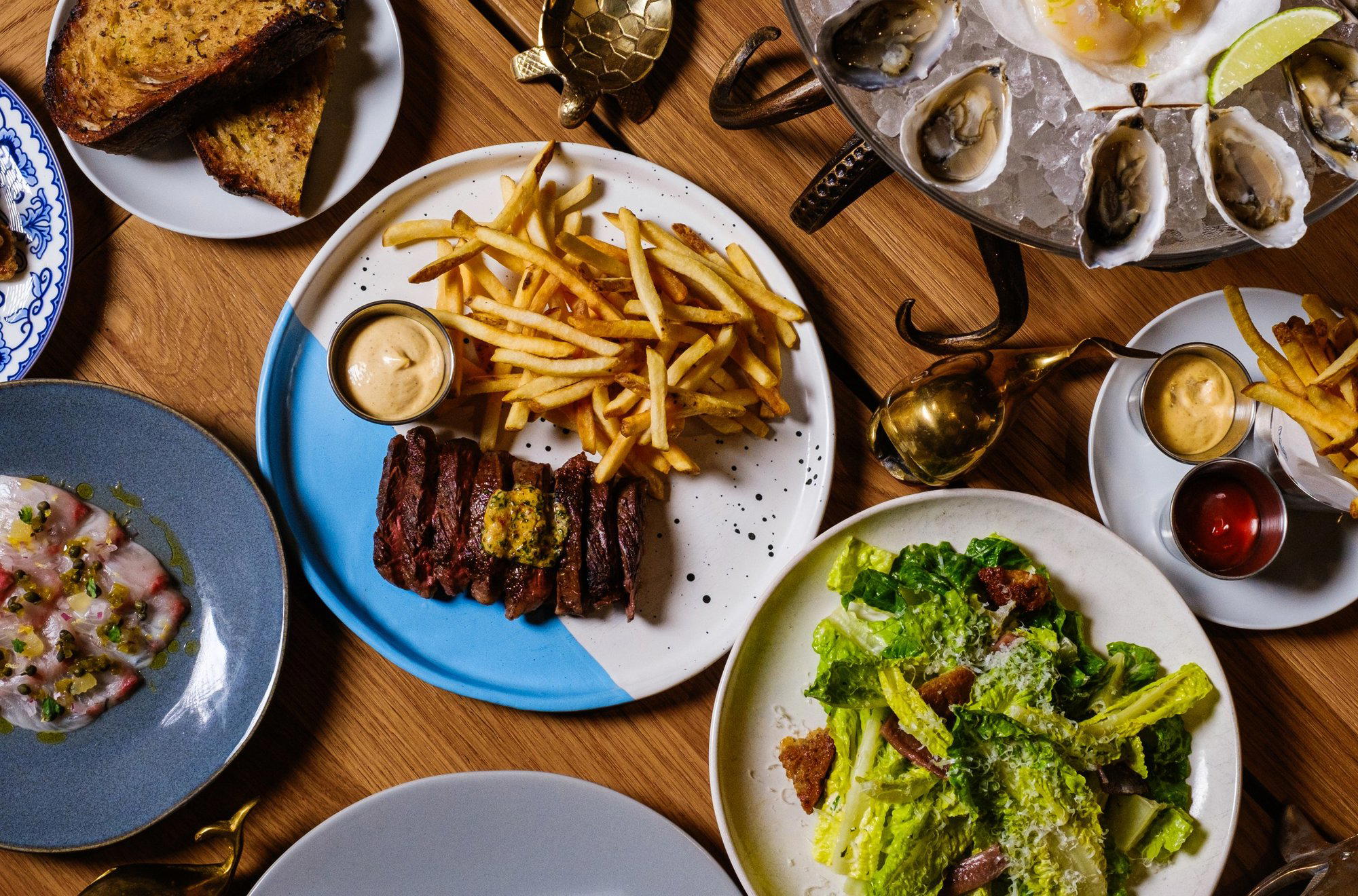
Restaurants in San Francisco
All restaurants in San Francisco →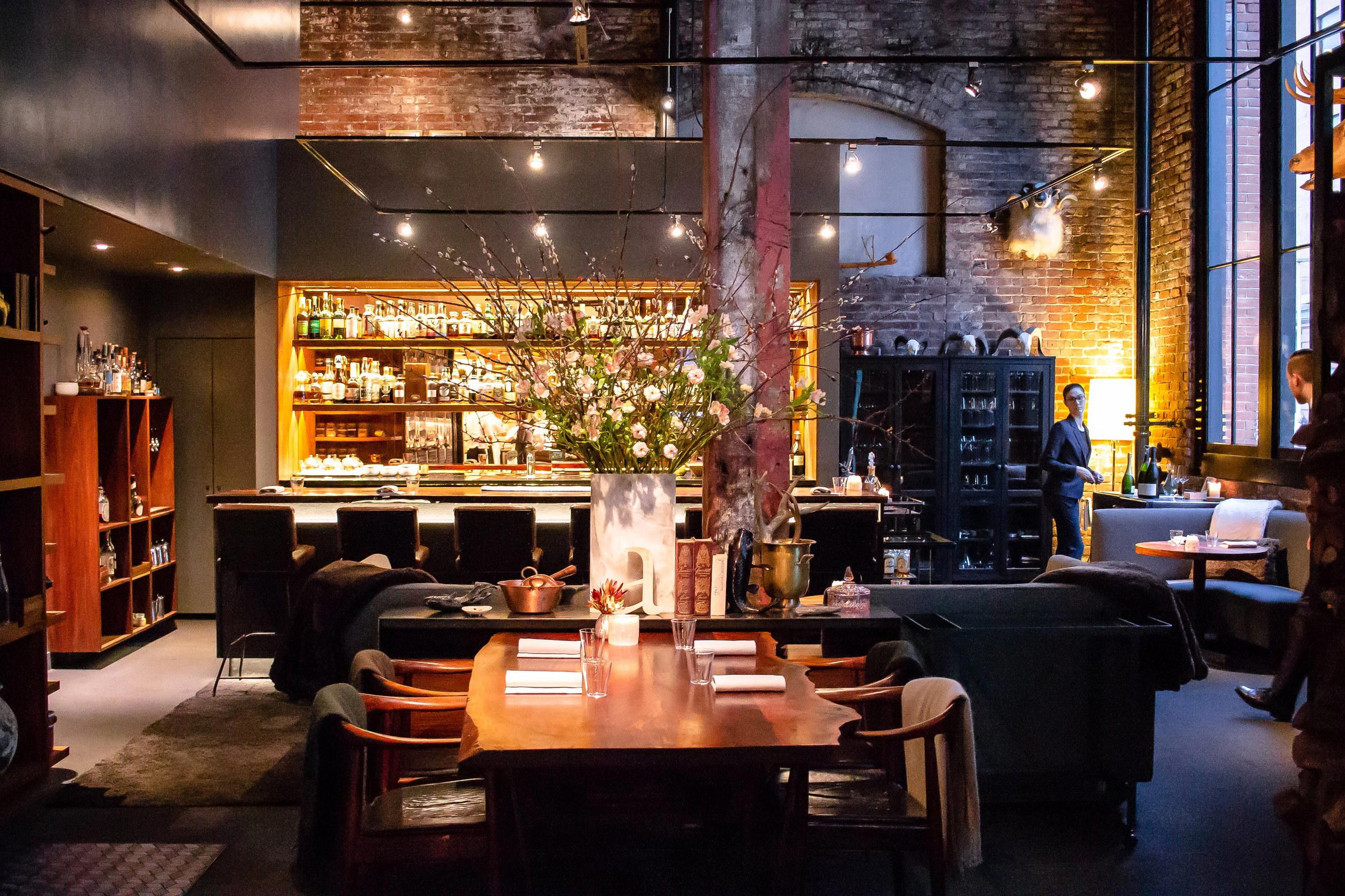
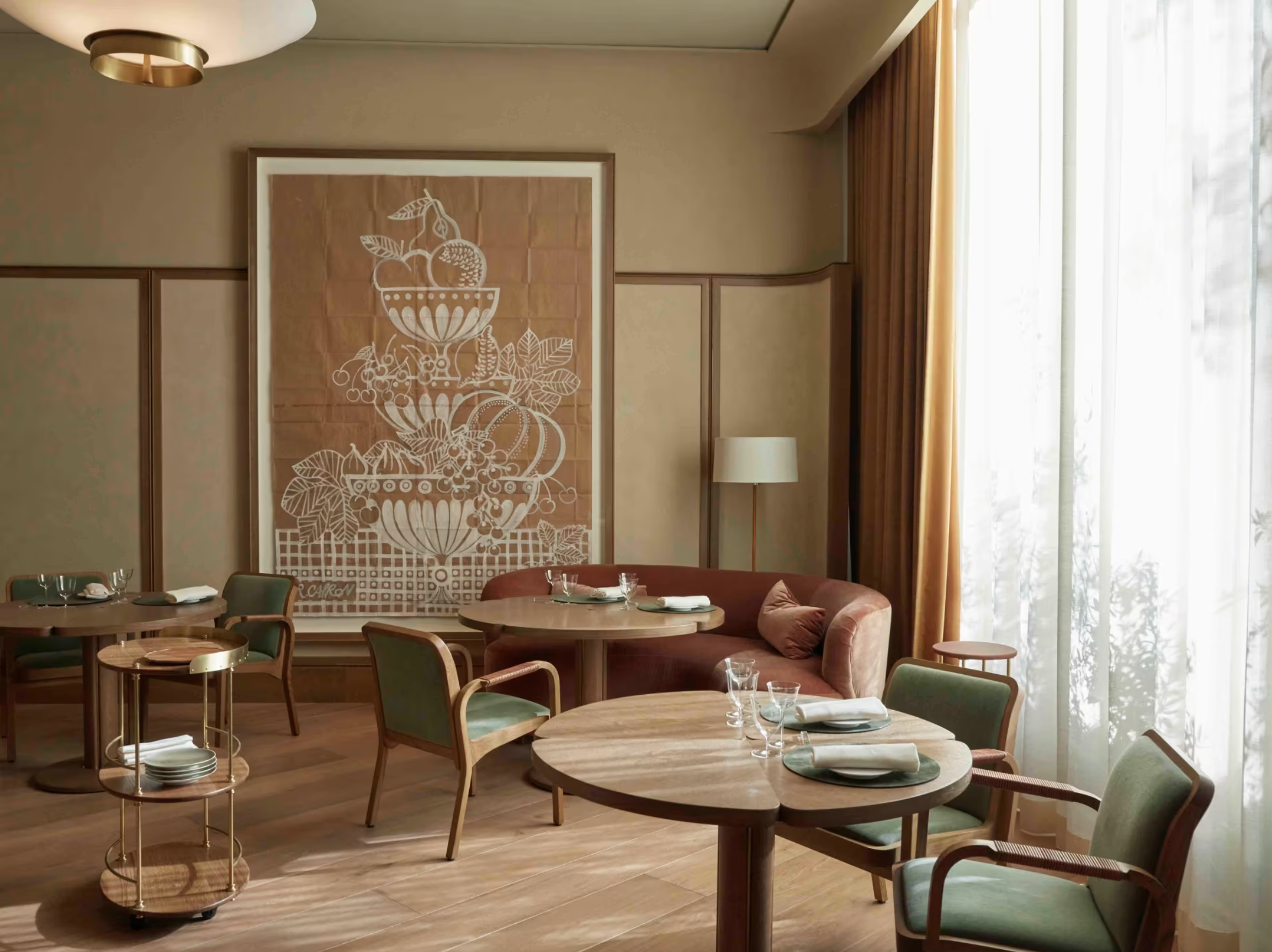
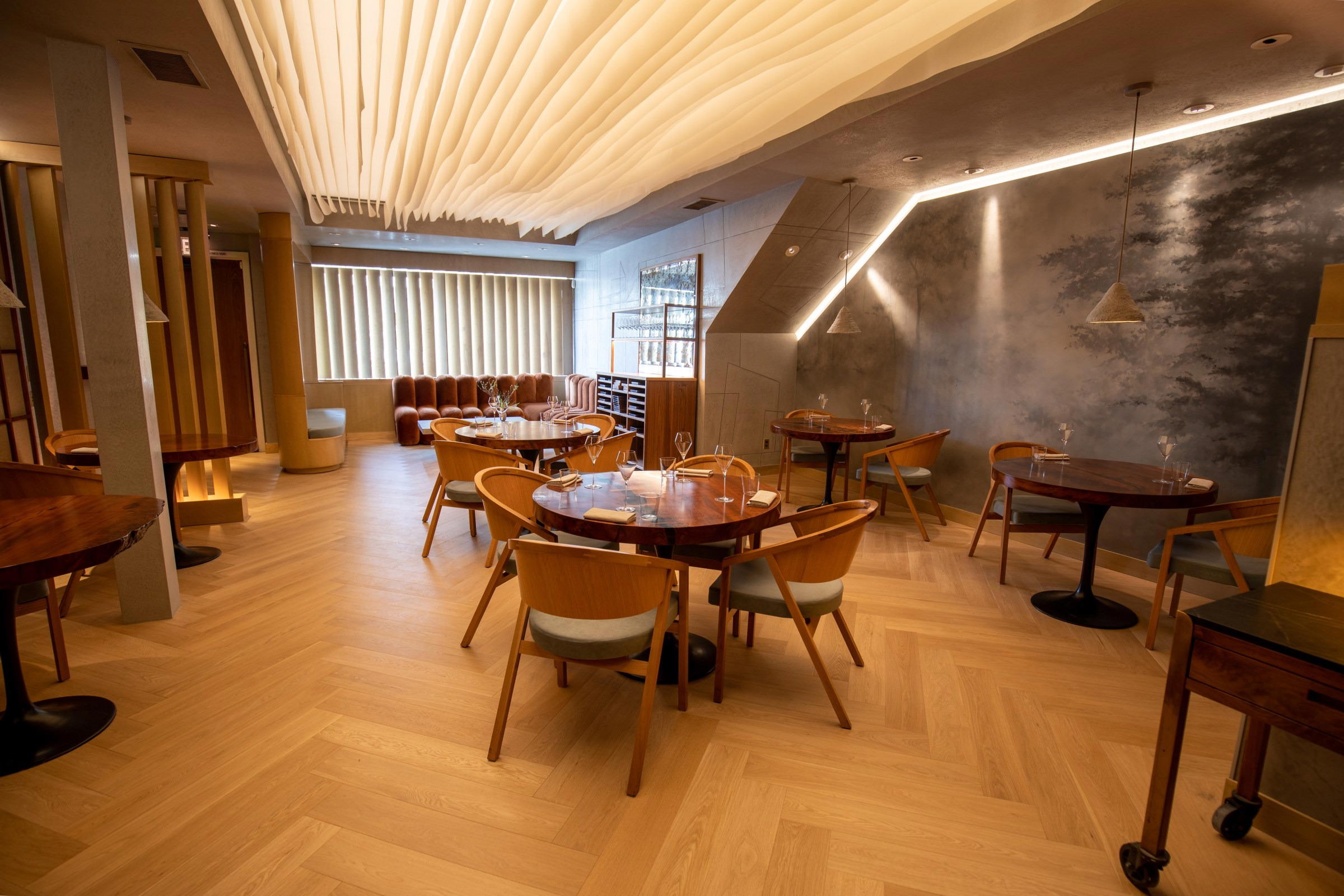
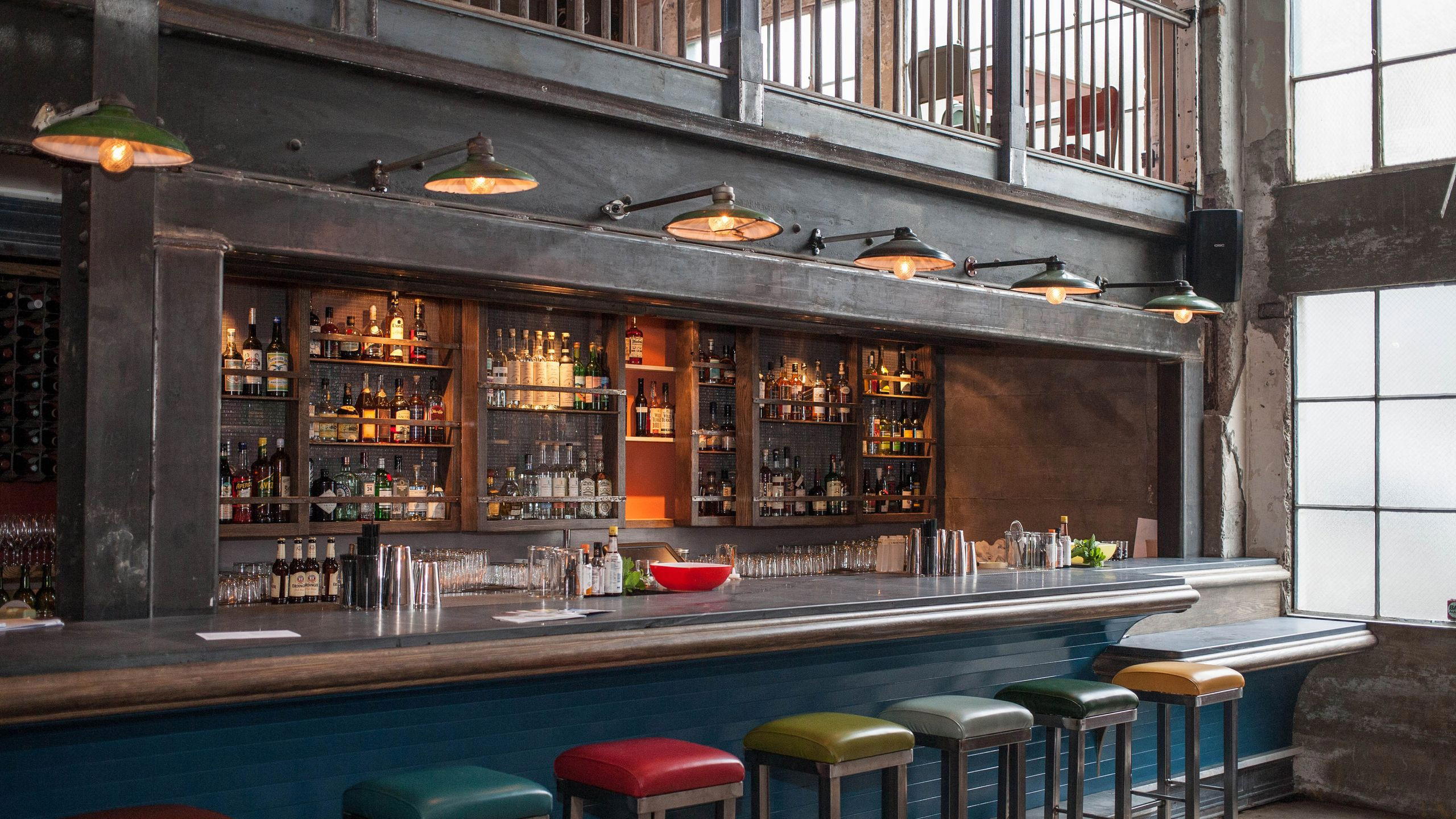
Bars in San Francisco
All bars in San Francisco →
Hotels in San Francisco
All hotels in San Francisco →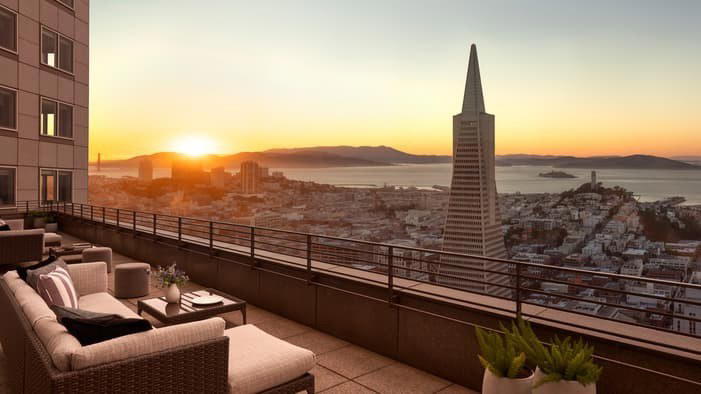

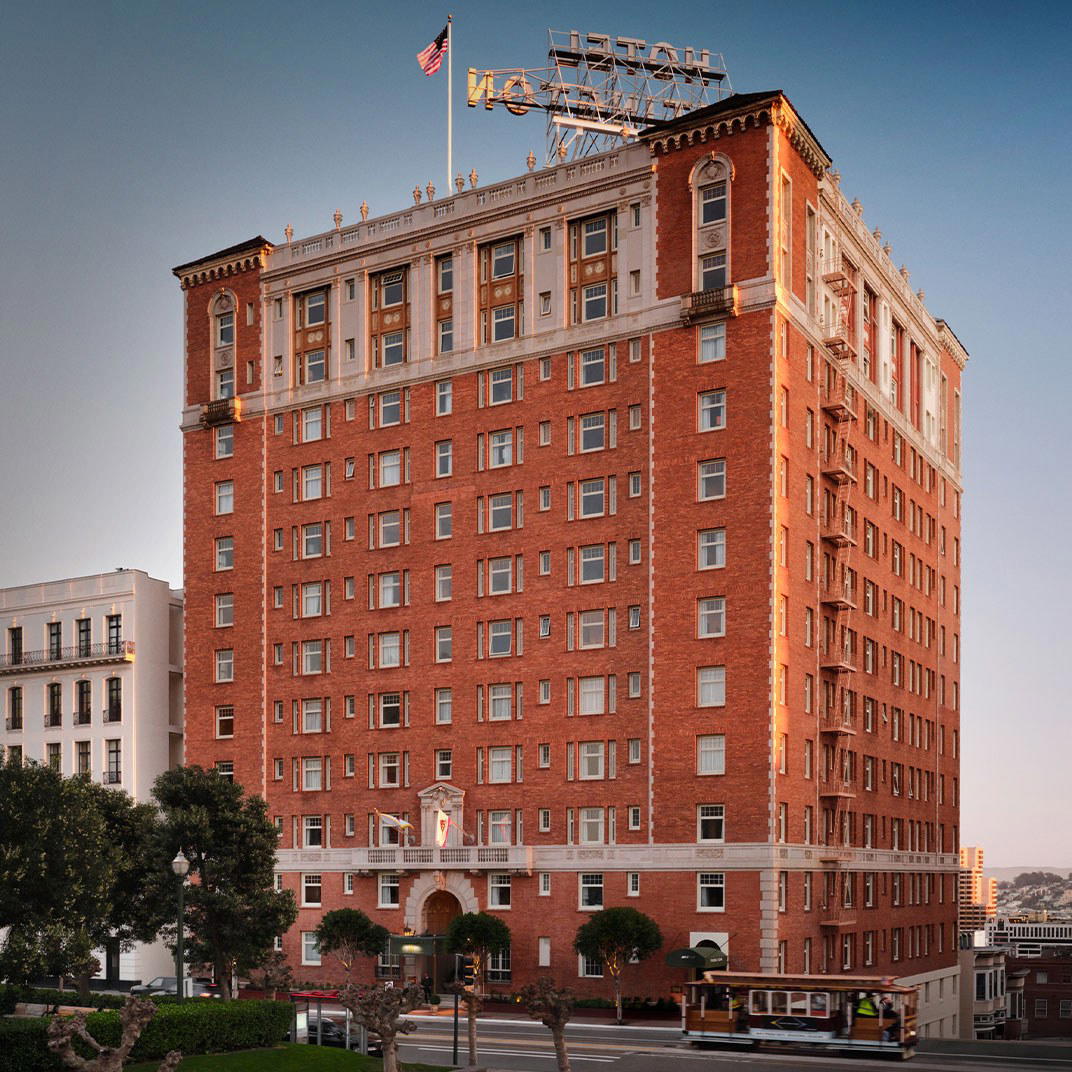
Wineries in San Francisco
All wineries in San Francisco →
Details
- Cozy
- Bohemian
- Lively
- Casual Hangout
- Solo
- After Work
- Late Night
- Live Music
- Design Destination
- Standalone
- Street Scene
A warm, intimate bookstore-gallery space with cozy, creative energy, shelves of books, rotating art exhibitions, and a relaxed community hangout feel rather than a formal restaurant atmosphere.