
Tabelog 100 #25
Our verdict
Matsuya Horumon Ten puts Tottori’s casual meat-and-drink culture into a small-format room built around tripe, stir-fried noodles, sake and shochu. Its selection for Tabelog 100 Yakiniku WEST 2025 gives it a rare regional signal, while the low listed price band keeps the appeal closer to an everyday local meal than a luxury yakiniku sitting.

Pearl is the En Primeur Club membership app — saves, bookings, and concierge access live there. Same editors, same standards.
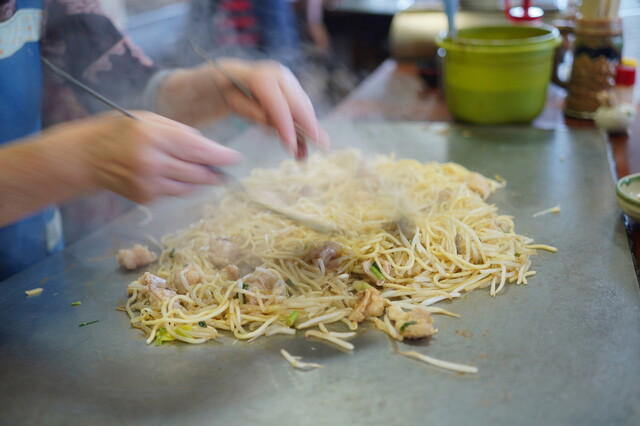
The menu
What to order
- Horumon yakisoba (offal stir‑fried noodles)
- Suramen (simple dashi ramen)
- Beef horumon grill
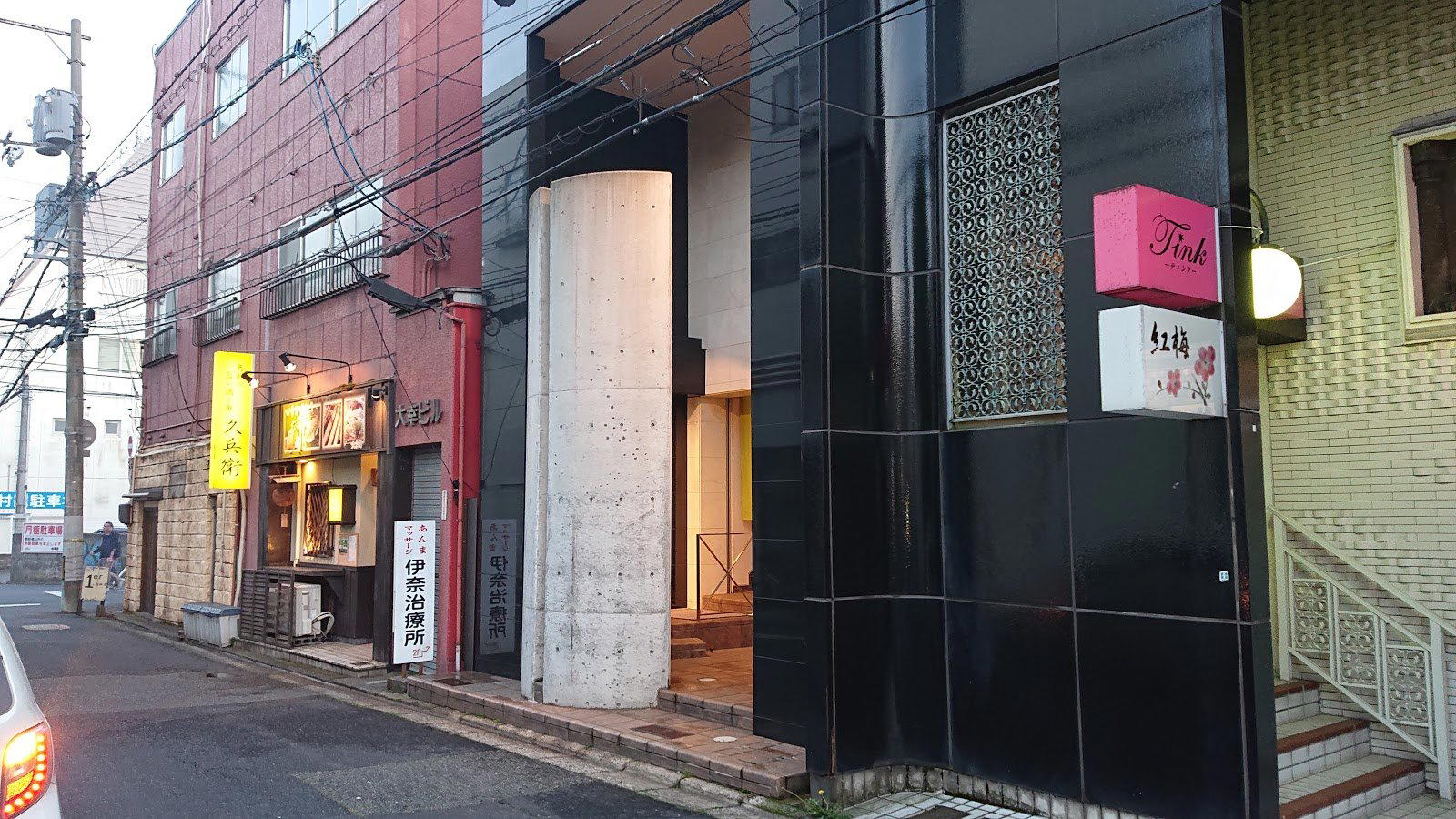
Matsuya Horumon Ten is not polished wagyu theatre. It reads like a house restaurant: compact, local, and built for people who know exactly what they want. In Tottori, where food talk often turns to crab, coastal cooking and regional drinking rooms, a horumon specialist changes the register: tripe, stir-fried noodles and izakaya drinking; less ceremony, more heat, chew and connection to working Japanese tavern culture.
Horumon is not a secondary category inside yakiniku. It has its own economy of texture and sourcing. Prime beef culture rewards marbling and provenance; horumon rewards freshness, cleaning, cut selection and timing over fire or pan. A kitchen dealing in tripe and related cuts has less room to hide behind luxury labels. The pleasure is structural: spring, char, fat, sauce, smoke, and the way a plate moves into a casual drink. Matsuya Horumon Ten belongs to that tradition, not the high-spend wagyu counter bracket.
Tripe, noodles and the lower-key side of Tottori meat culture
Tottori’s restaurant scene is easy to flatten into seafood shorthand, but inland appetite has its own grammar. Horumon shops and izakaya-style rooms mean small groups, shared plates, drinks with grip, and dishes needing no luxury framing. The listed categories, tripe, stir-fried noodles and izakaya, put the meal in that practical lane. This is not a tasting-menu proposition; the cooking style is tied to pace, local routine and direct appetite.
The ingredient angle is the point. Offal is a freshness test, not a prestige display. In Japan, horumon culture has long been tied to thrift, grill traditions and postwar urban drinking, while regional shops have sustained it through repetition rather than reinvention. Tottori gives the format a quieter stage than larger Japanese cities. For travellers, the reward is a reading of how a smaller city handles meat eating without big-city signals.
Recognition adds weight without changing the category. Tabelog Hyakumeiten recognition in 2025 places Matsuya Horumon Ten within a wider conversation around highly regarded everyday dining, and its Tabelog score of 3.71 signals serious local traction on a platform where decimal movement is hard-earned. These signals matter because this venue type rarely communicates through chef résumés or glossy dining-room design.
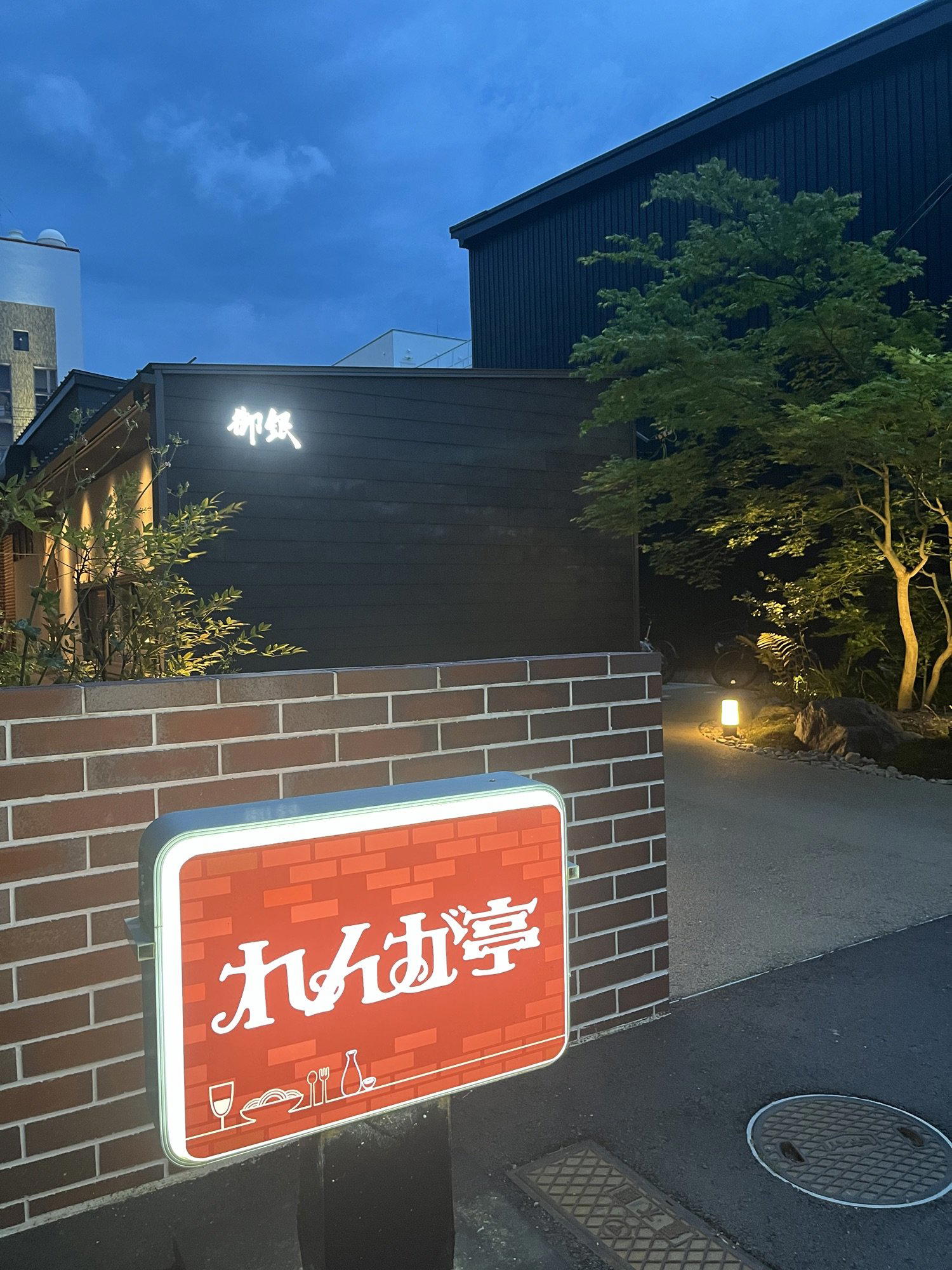
Compared with Tottori addresses such as Goen, Kaniyoshi, Mitsuki and れんが亭, the draw is narrower and more ingredient-specific. Matsuya Horumon Ten stays in an everyday bracket, with lunch and dinner both listed at JPY 1,000 to JPY 1,999. That helps travellers choose between a broad regional survey and a focused horumon stop.
A compact room that rewards small groups and direct ordering
The format supports the food. Rather than presenting itself as a destination dining room, Matsuya Horumon Ten reads as a neighbourhood-style place where the order matters more than the décor. It suits diners who are comfortable with direct, ingredient-led cooking and who understand that horumon is about texture as much as flavour.
That scale explains the drinking logic. The izakaya category fits the food: horumon wants drinks that cut fat, tolerate sauce and do not compete. The pleasure is not in a long beverage performance but in the way tripe, stir-fried noodles and tavern pacing build a meal that feels local rather than staged.
The price signal matters. Lunch and dinner are both listed at JPY 1,000 to JPY 1,999. Editorially, this is a low-entry, flexible meal, the kind of Tottori stop that can work as a focused dinner or as part of a larger day of eating without demanding destination-restaurant spending.
Logistics reinforce the local character. The restaurant is in Tottori, and travellers should confirm current access, payment details and any booking needs directly before arrival. The useful planning point is less about a landmark and more about intent: this is a specific horumon and noodle stop, not an all-purpose restaurant designed to cover every occasion.
Opening patterns and practical details should be checked close to the visit, especially for travellers building a tight itinerary. The main value is the in-room format: horumon, tripe, stir-fried noodles, izakaya rhythm and a price point tied to Tottori rather than destination-dining performance.
Where it fits in a Tottori itinerary
For a dining day in Tottori, this is the meat-and-tavern counterweight to crab, seafood and other regional cooking. It pairs well with a wider look at the city’s restaurant spread in Our full Tottori restaurants guide, especially for understanding how local eating moves between coastal ingredients and inland drinking food. Travellers building a broader stay can cross-reference Our full Tottori hotels guide, Our full Tottori bars guide, Our full Tottori wineries guide and Our full Tottori experiences guide rather than treating dinner as standalone.
Within Japan’s broader casual-dining map, the comparison is less cuisine similarity than format discipline. Other small-format dining rooms in Japan can share the same travel value: narrow focus, modest scale, and a clearer sense of place than a generic all-purpose restaurant. The relevant frame is not celebrity, design or luxury, but how a focused local specialist expresses everyday appetite through a limited category.
The reason to prioritise Matsuya Horumon Ten is not luxury. It is specificity. In a Tottori room, horumon becomes a lens on sourcing discipline, local drinking culture and restaurants that earn attention without dressing casual food in fine-dining language.
Frequently asked questions
Is Matsuya Horumon Ten suitable for children?
Matsuya Horumon Ten is a casual horumon and izakaya-style restaurant, so it may work best for diners who are comfortable with tripe, stir-fried noodles and shared tavern-style eating. Families should confirm current arrangements directly before visiting.
What's the vibe at Matsuya Horumon Ten?
It has the feel of a compact, low-key restaurant in Tottori. Tabelog Hyakumeiten recognition in 2025 and a Tabelog score of 3.71 point to a meat-first room with local traction rather than a formal dining setup.
How much does it cost to eat at Matsuya Horumon Ten?
Pricing at Matsuya Horumon Ten is listed as JPY 1,000 - JPY 1,999 for dinner and JPY 1,000 - JPY 1,999 for lunch.
What are the operating hours at Matsuya Horumon Ten?
Current operating hours for Matsuya Horumon Ten should be confirmed directly before visiting.
Comparable Spots, Quickly
Comparable venues by cuisine and price in the same metro.
| Venue | Cuisine | Price | Awards | Notes |
|---|---|---|---|---|
| Matsuya Horumon TenThis venue (the venue you are viewing) | Japanese Horumon & Stir‑Fried Noodles Izakaya | $10–20 | Tabelog 100 #25 | Not listed |
| れんが亭 | Yoshoku (Japanese Western) | $20–30 | Not listed | Tottori Station |
| Goen | Japanese Teppanyaki | Not listed | Tabelog 100 #86 | Suehiro Onsencho, Tottori City |
| Robata Kaba Koyama | Seafood Robata Izakaya | $20–30 | Not listed | Koyama |
| Mitsuki | Seasonal Japanese Omakase | $100–150 | Tabelog Bronze #277 | Suehiro Onsencho |
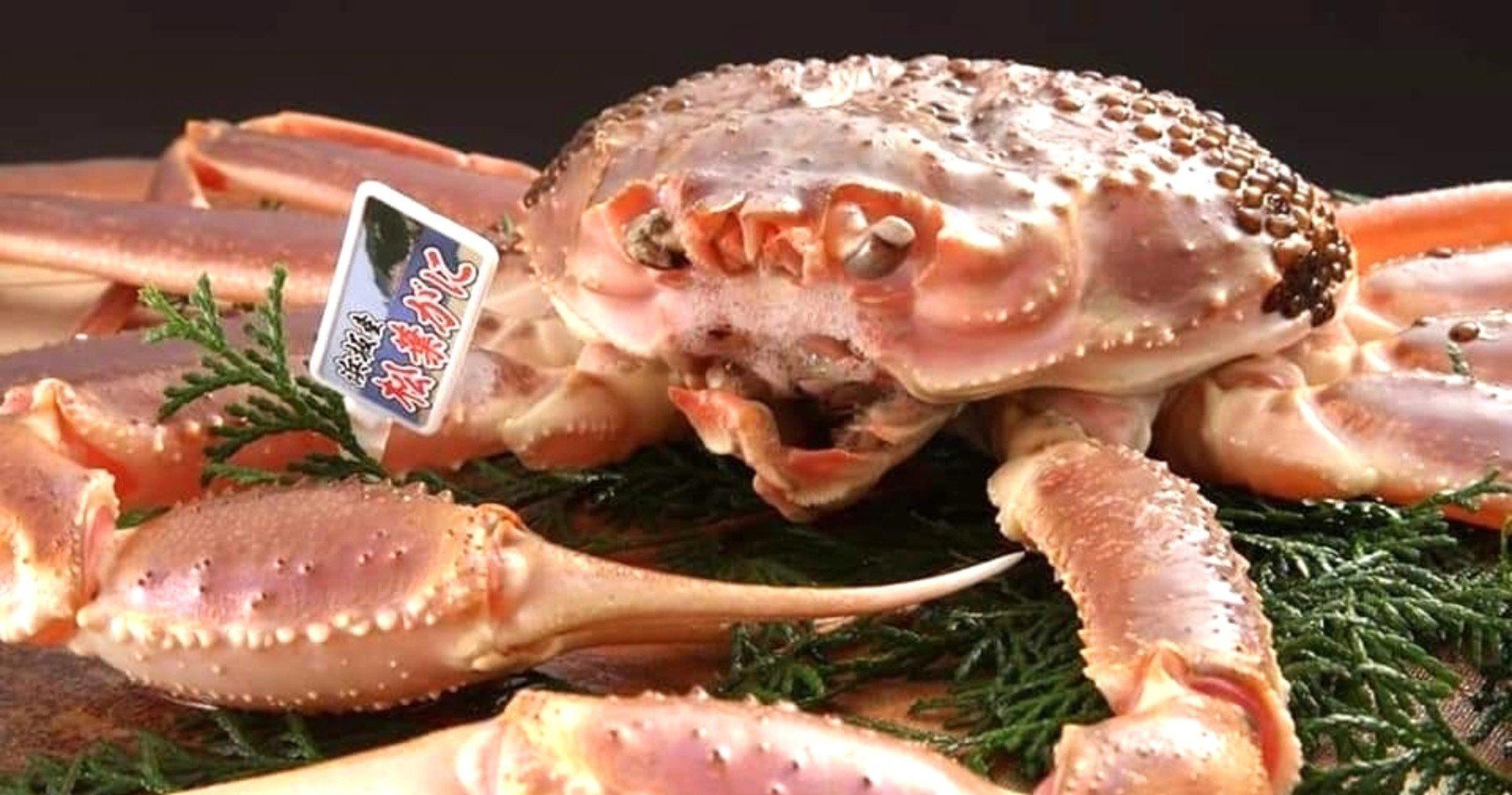
| Kaniyoshi | Matsuba Crab Kaiseki | $200–300 | Tabelog Bronze #162 | Suehiro Onsencho |
Recognition history
Dated appearances from independent guides and award organizations, with the underlying list record or original source where available.
Tabelog 100 #25 · No. 25
Tabelog · Tabelog 100 - Yakiniku - WEST - 2025
Continue exploring
More in Tottori
Details
- Lively
- Cozy
- Classic
- Casual Hangout
- Group Dining
- Solo
- Late Night
- After Work
- Standalone
- Open Kitchen
- Beer Program
- Sake Program
- A La Carte
- Counter Dining
- Beer
- Sake
Current opening hours
- Monday
- Closed
- Tuesday
- 5–9 PM
- Wednesday
- 11:30 AM–1:30 PM, 5–9 PM
- Thursday
- 11:30 AM–1:30 PM, 5–9 PM
- Friday
- 11:30 AM–1:30 PM, 5–9 PM
- Saturday
- 11:30 AM–1:30 PM, 5–9 PM
- Sunday
- Closed
Hours can change for holidays and private events. Last verified .
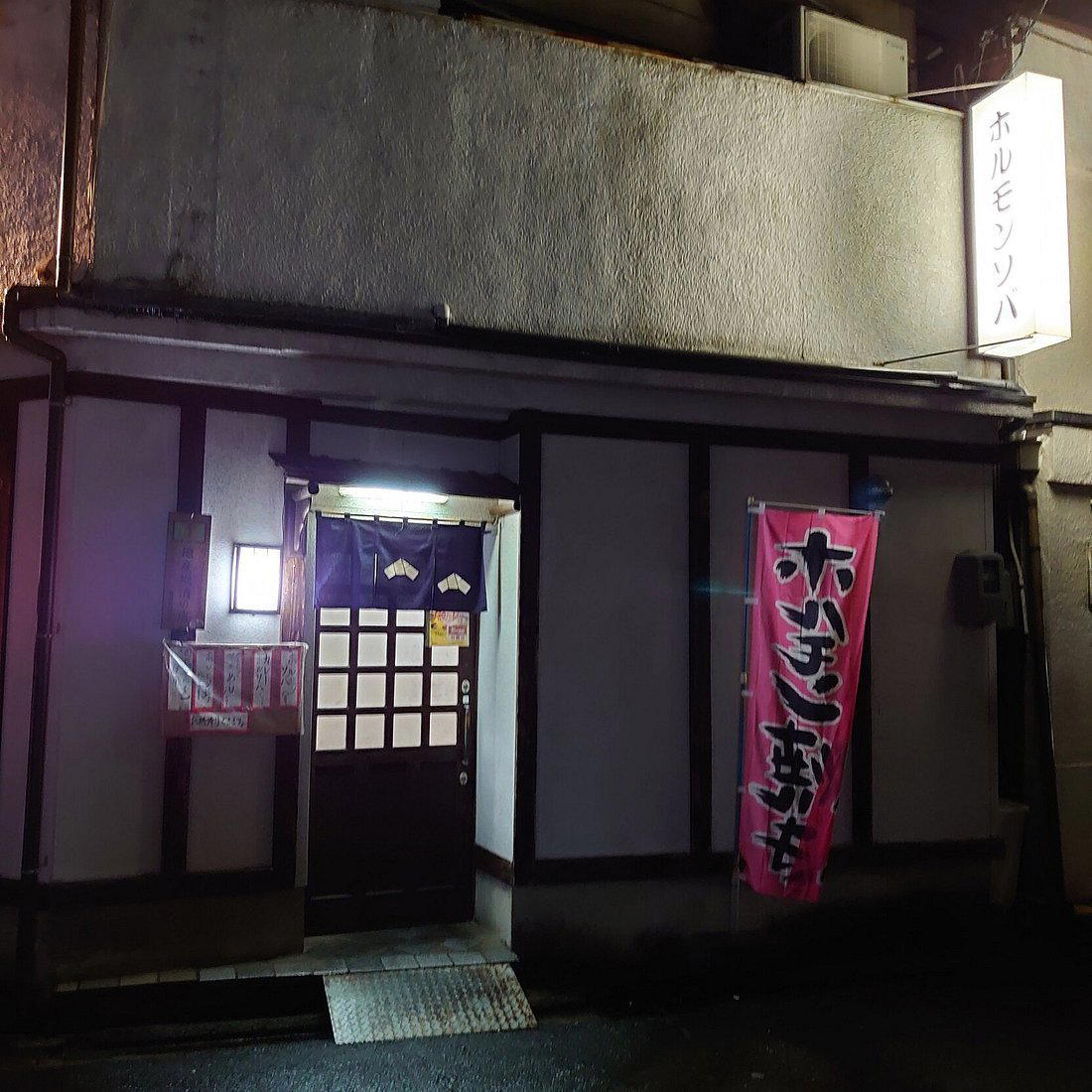
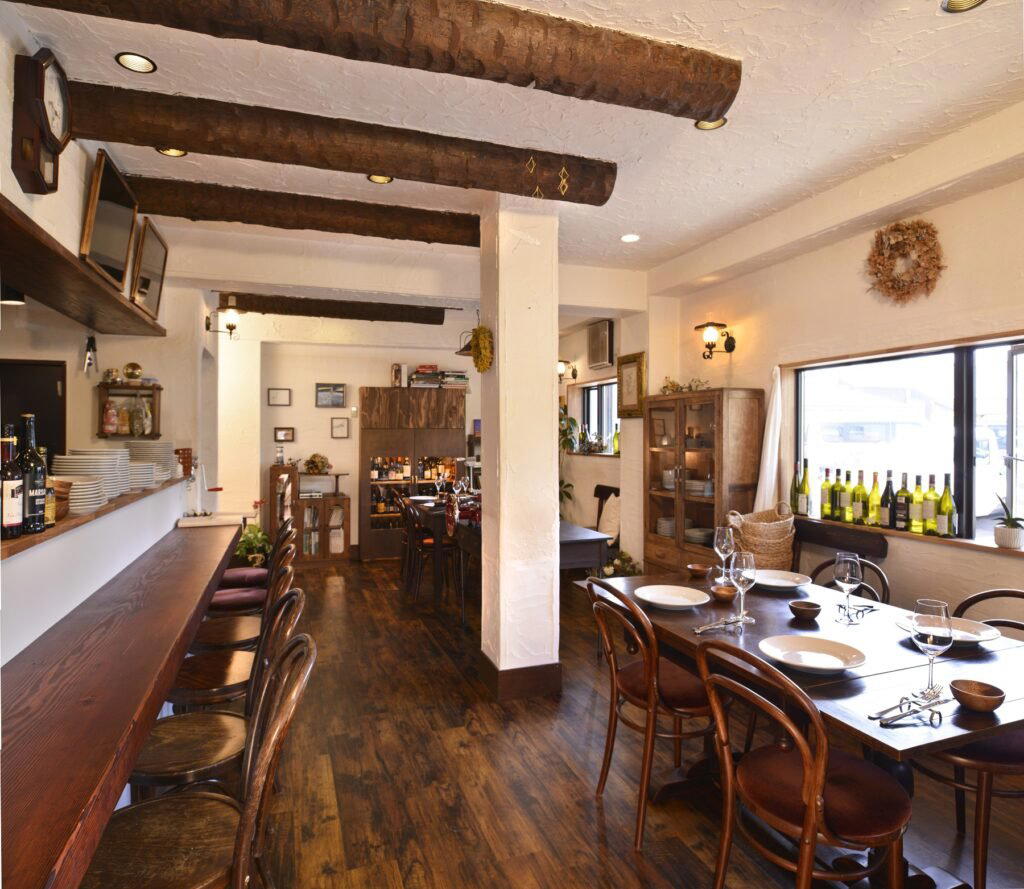
Casual, compact izakaya-style space with a retro, no-frills feel, counter seating, and a bustling atmosphere centered around sizzling offal and noodle dishes.