
Tabelog 100 #86
Our verdict
Goen places Tottori’s hormone soba and iron-plate cooking in a compact, adult-only setting rather than a polished destination-dining frame. Its 2025 Tabelog 100 selection for Steak / Teppanyaki WEST gives the room outside-Tokyo credibility, while the modest JPY 2,000–2,999 range keeps the focus on local appetite, offal culture, and late-evening conviviality.

Pearl is the En Primeur Club membership app — saves, bookings, and concierge access live there. Same editors, same standards.
The menu
What to order
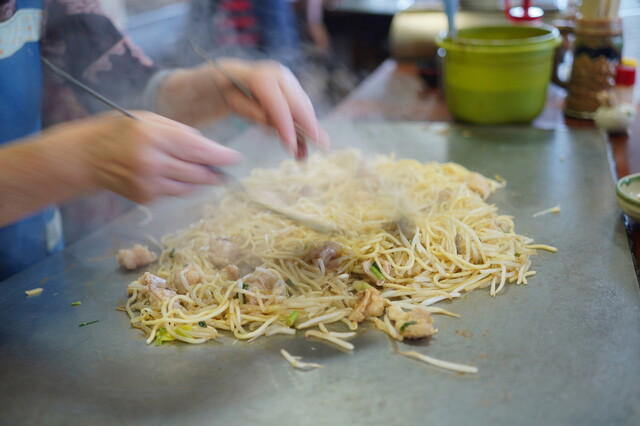
- Horumon Soba
- Tottori beef horumon noodles with special curry sauce
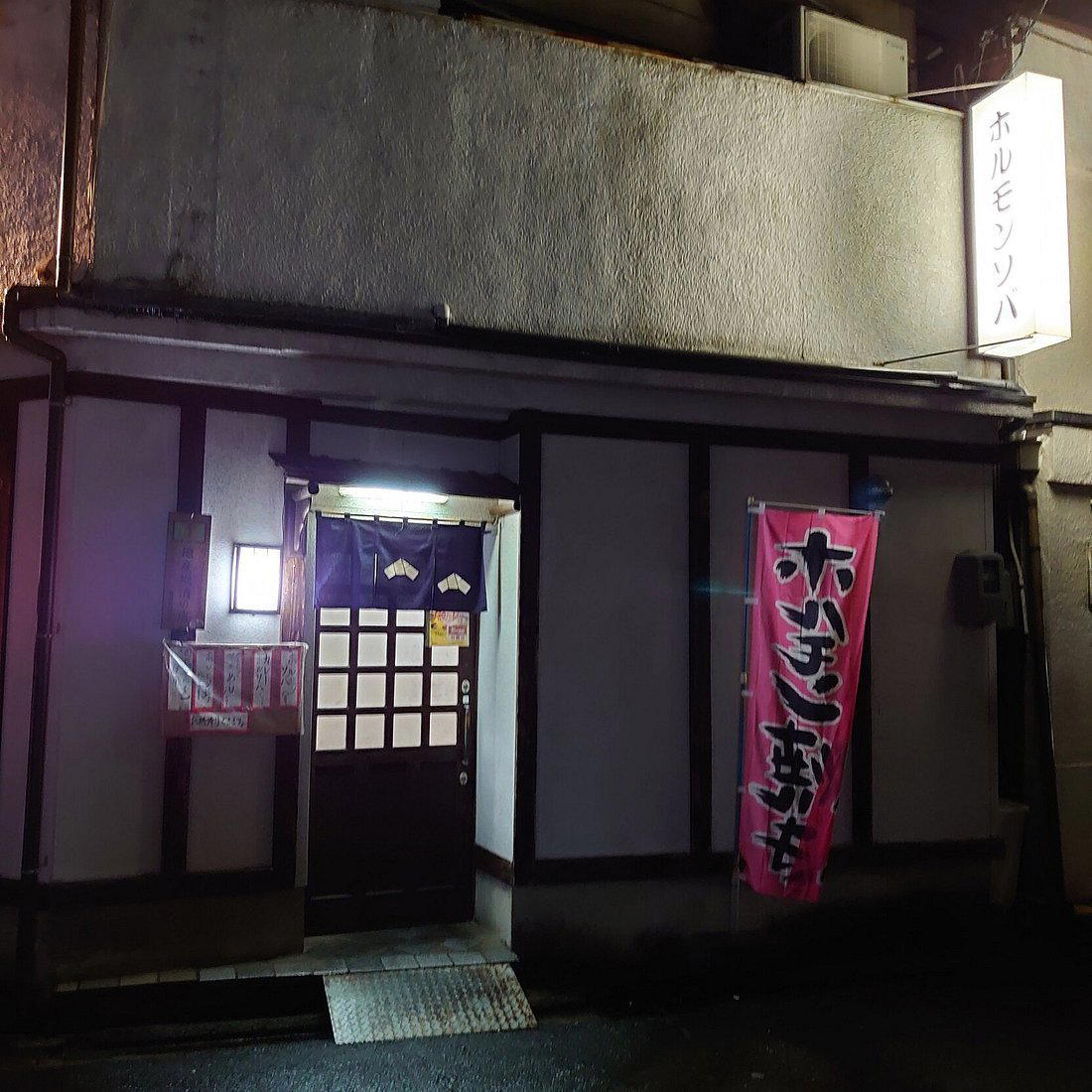
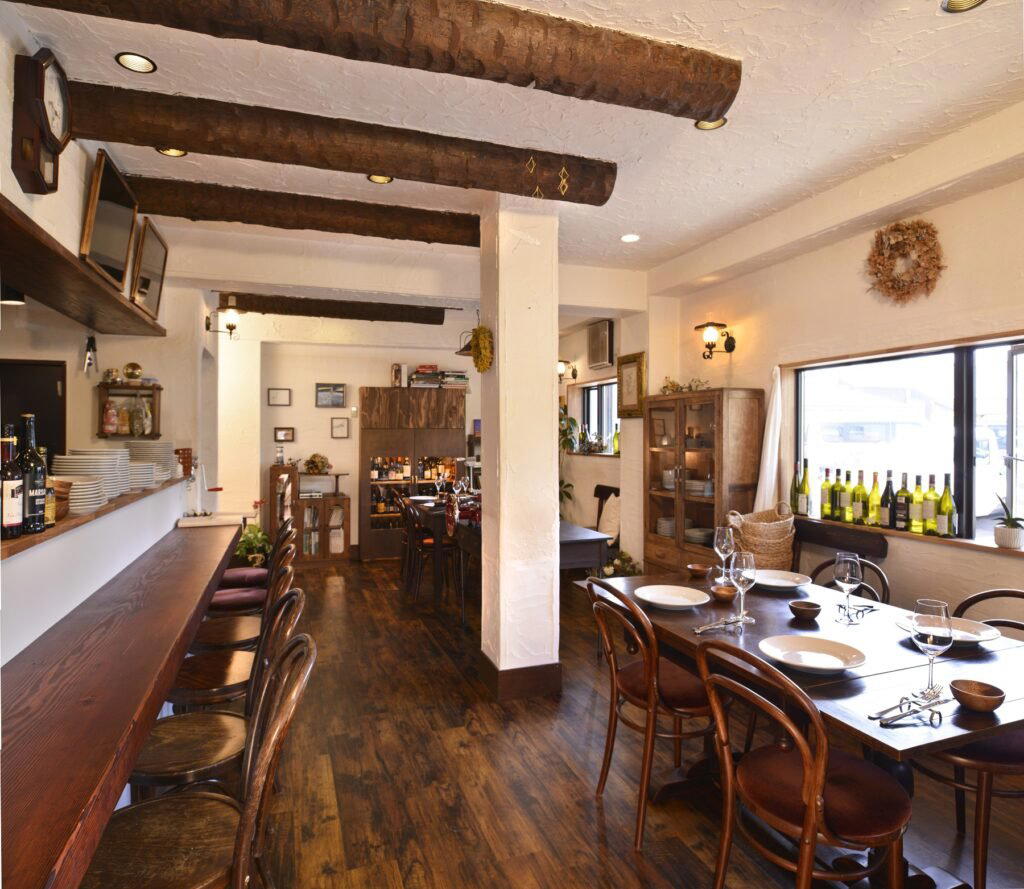
Approaching Goen means entering the small-restaurant register of Tottori rather than the ceremonial register of destination dining. The room is best understood through proximity, heat, timing, sauce, and local drinking habits rather than luxury signalling. In a prefectural capital better known to many travellers for dunes, crab, and access to the San’in coast, the more revealing meal can be something informal and regional, with the griddle and the table doing most of the work.
The useful context is not Kobe-beef theatre or hotel teppanyaki. It is western Japan’s everyday iron-plate culture, where meat, offal, vegetables, and regional seasoning can move easily between dinner and drinking food. Goen’s public category mix, teppanyaki, tripe, and regional cuisine, places it in that less formal lineage. Its 2025 Tabelog Hyakumeiten recognition gives the restaurant a credential in a field often dominated by higher-spend counters, but the appeal here sits closer to local specificity than expense.
Tottori's griddle culture ahead of steakhouse polish
Goen’s appeal is anchored in the direct language of the griddle. The restaurant sits within Japan’s broader tradition of informal iron-plate cooking, where heat, texture, seasoning, and alcohol-friendly formats matter as much as luxury ingredients. In Tottori, that approach fits naturally with regional dining: compact, practical, and built around dishes that make sense after work, with friends, or as a solo counter meal. The point is directness, tied to place through habit rather than spectacle.
Ingredient value, in this context, is less about naming a farm and more about what a regional kitchen chooses to emphasize. Tripe and other robust griddle-friendly ingredients ask a city to define quality beyond prime cuts. They reward trimming, cleaning, seasoning, and control over heat. Tottori’s dining identity often gets flattened into seafood shorthand, but restaurants like this show another local appetite: meat, innards, iron-plate cooking, and drinks in compact rooms where familiarity can shape the evening.
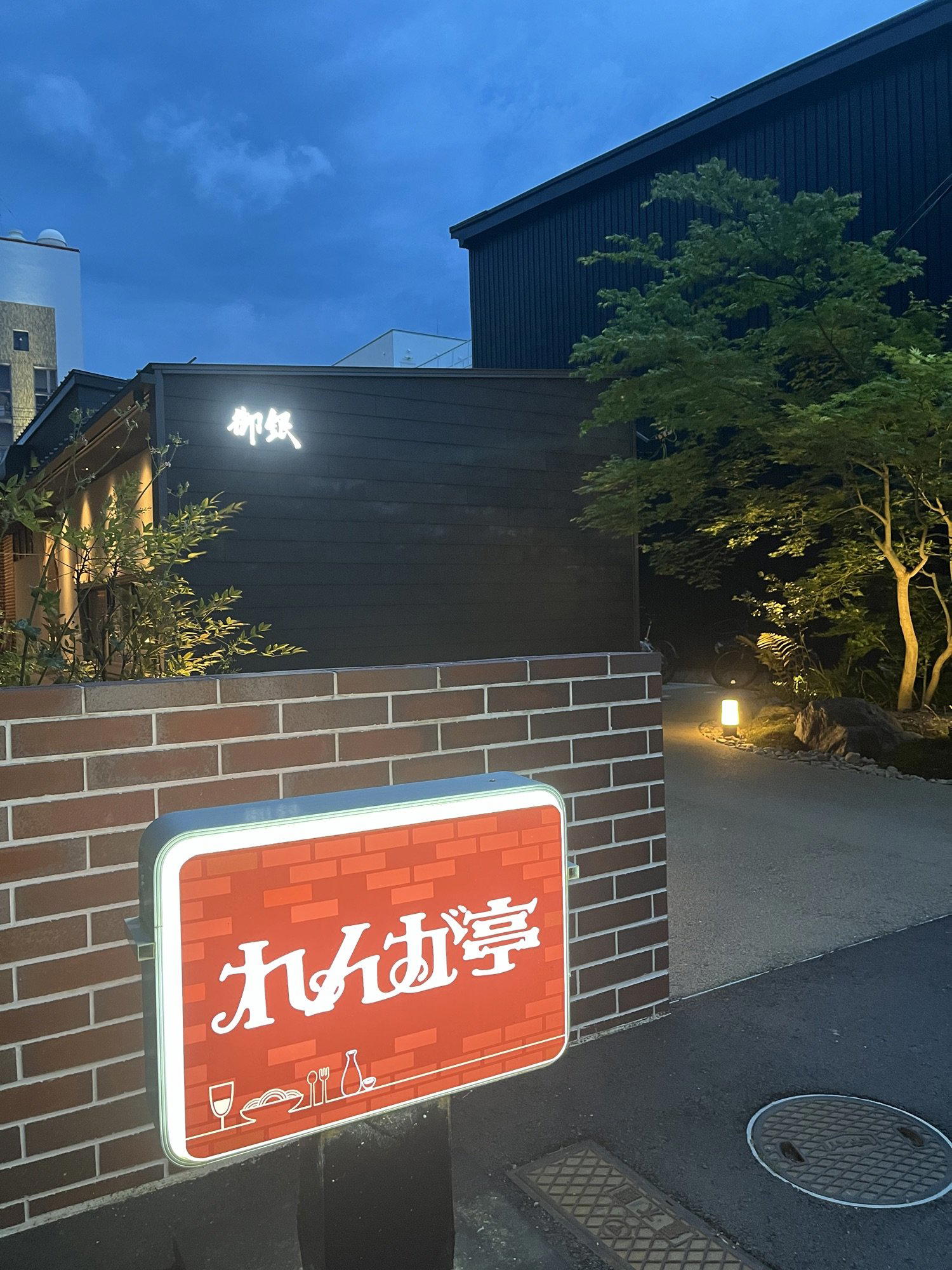
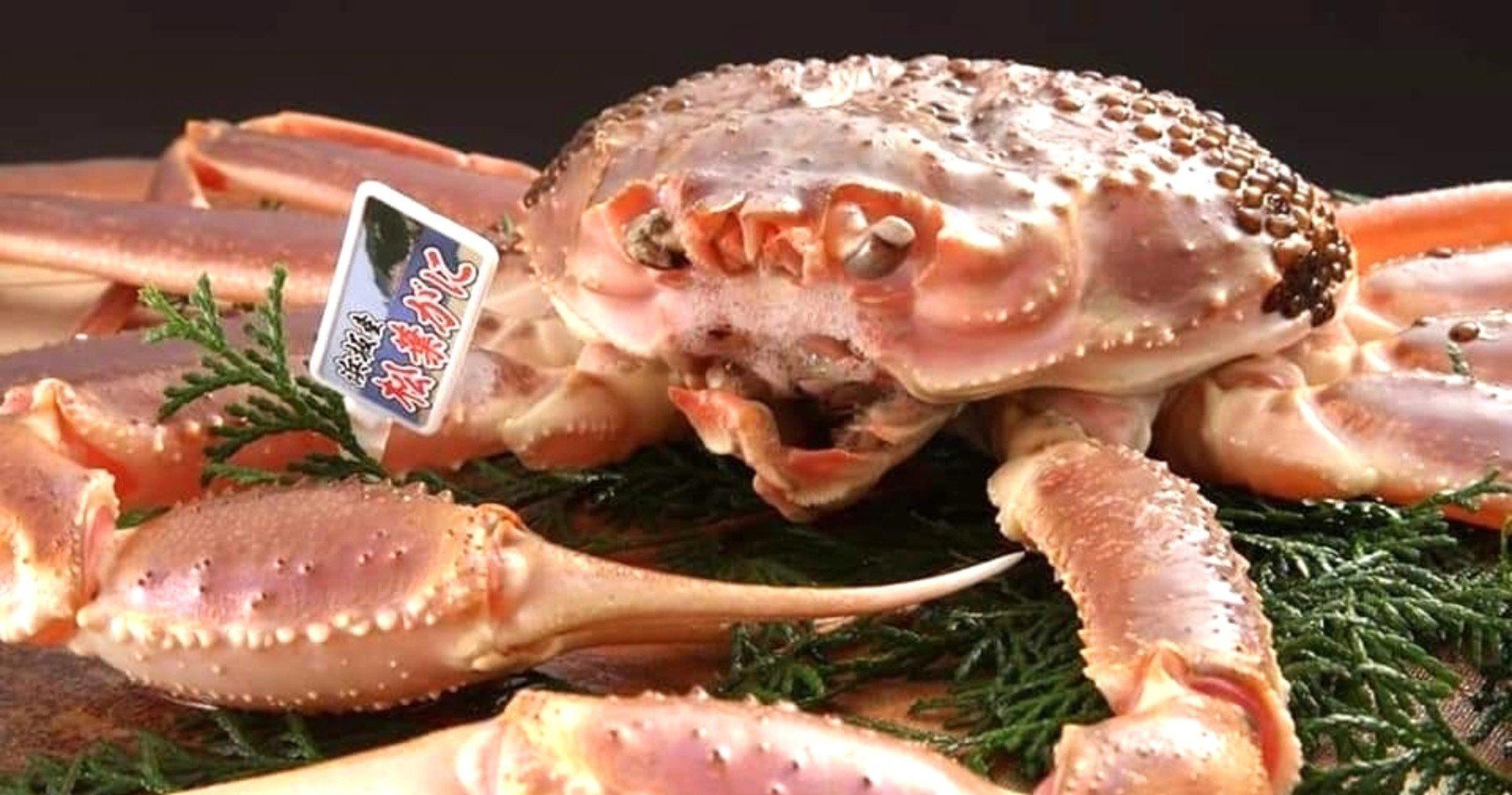
Within Tottori, that puts Goen near a cluster of restaurants that make the city more interesting than a transit stop. Matsuya Horumon Ten offers a comparison point for horumon culture, while Kaniyoshi points toward the seafood identity many visitors expect first. Mitsuki and れんが亭 help round out the city’s spread of casual regional dining, alongside other unnamed local rooms. Read together, the scene is not about one dominant cuisine; it is about small restaurants translating local produce, seafood, meat, and drinking culture into formats that fit daily life.
A compact adult room with award-list credibility
Recognition matters here because small local restaurants can be easy to underestimate from outside the region. A Tabelog score of 3.68 and inclusion in the 2025 Tabelog Hyakumeiten selection place Goen in a wider conversation, not only a Tottori one. That does not turn the room into a grand tasting-menu address. It makes the opposite case: informal regional cooking can hold enough consistency and character to be noticed beyond its immediate city.
The format also tells travellers what kind of evening to expect. Goen is better approached as a casual, local dining room than as a hushed counter built around imported beef and choreographed service. The better comparison is a regional drinking restaurant with a strong griddle identity, where the meal is likely to be informal, close in feeling, and shaped by the rhythm of the room rather than by ceremony.
For travellers building a broader Tottori itinerary, Goen works as a corrective to the idea that the city’s dining value lies only in seafood seasons. Use our full Tottori restaurants guide to see how it fits alongside the area’s other tables, then pair the meal with the practical side of the trip through our full Tottori hotels guide, our full Tottori bars guide, our full Tottori wineries guide, and our full Tottori experiences guide. The wider point is simple: Tottori rewards travellers who treat dinner as part of the region’s everyday culture, not just a stop between sightseeing and sleep.
How it compares beyond Tottori
Japan’s casual dining strength comes from specialization at modest scale. A griddle-focused room in Tottori, an informal beef address elsewhere in Japan, or an izakaya-grill format in a larger city may operate in different settings, but each shows how a narrow cooking grammar can define a meal. The same pattern appears outside obvious luxury categories, from cafes and curry counters to casual drinking rooms and comfort-food specialists. Outside Japan, Japanese drinking and comfort-food formats travel in many directions, though Goen remains rooted in the local grammar of teppanyaki, tripe, regional cooking, and Tottori’s own after-dark tempo.
Frequently asked questions
Is Goen good for families?
Goen is best approached as a casual Tottori dining room for teppanyaki, tripe, and regional cuisine. Travellers with children should confirm current entry policies directly with the restaurant before visiting.
What is the atmosphere like at Goen?
Goen has the feel of a compact, informal local restaurant rather than a formal steakhouse setting. Its 2025 Tabelog Hyakumeiten recognition adds weight to a room that remains direct and regional in character.
How much does it cost to eat at Goen?
Pricing at Goen is listed as JPY 2,000 - JPY 2,999.
What is Goen known for?
Goen is known in Tottori for teppanyaki, tripe, and regional cuisine, with a Tabelog score of 3.68 and 2025 Tabelog Hyakumeiten recognition.
Snapshot
Comparable venues by cuisine and price in the same metro.
| Venue | Cuisine | Price | Awards | Notes |
|---|---|---|---|---|
| GoenThis venue (the venue you are viewing) | Japanese Teppanyaki | Not listed | Tabelog 100 #86 | Not listed |
| Matsuya Horumon Ten | Japanese Horumon & Stir‑Fried Noodles Izakaya | $10–20 | Tabelog 100 #25 | .null |
| Robata Kaba Koyama | Seafood Robata Izakaya | $20–30 | Not listed | Koyama |
| Mitsuki | Seasonal Japanese Omakase | $100–150 | Tabelog Bronze #277 | Suehiro Onsencho |
| れんが亭 | Yoshoku (Japanese Western) | $20–30 | Not listed | Tottori Station |
| Kaniyoshi | Matsuba Crab Kaiseki | $200–300 | Tabelog Bronze #162 | Suehiro Onsencho |
Recognition history
Dated appearances from independent guides and award organizations, with the underlying list record or original source where available.
Tabelog 100 #86 · No. 86
Tabelog · Tabelog 100 - Steak / Teppanyaki - WEST - 2025
Continue exploring
More in Tottori
Details
- Cozy
- Classic
- Intimate
- Solo
- Group Dining
- Casual Hangout
- Late Night
- Standalone
- Sake Program
- Beer Program
- Local Sourcing
- A La Carte
- Sake
- Shochu
- Wine
A relaxed, down-to-earth teppanyaki space with counter and tatami seating that suits both solo diners and larger groups.