Mano Libera

Michelin Plate
Our verdict
Mano Libera belongs to the quieter South Miami dining orbit, away from the hotel-strip rhythm and closer to residential streets, neighborhood regulars, and ingredient-led cooking. The draw is not spectacle but scale: a restaurant suited to diners who care about where Miami’s independent tables fit between casual local staples and higher-priced contemporary rooms.

Pearl is the En Primeur Club membership app, where members save venues, book tables and use the concierge.
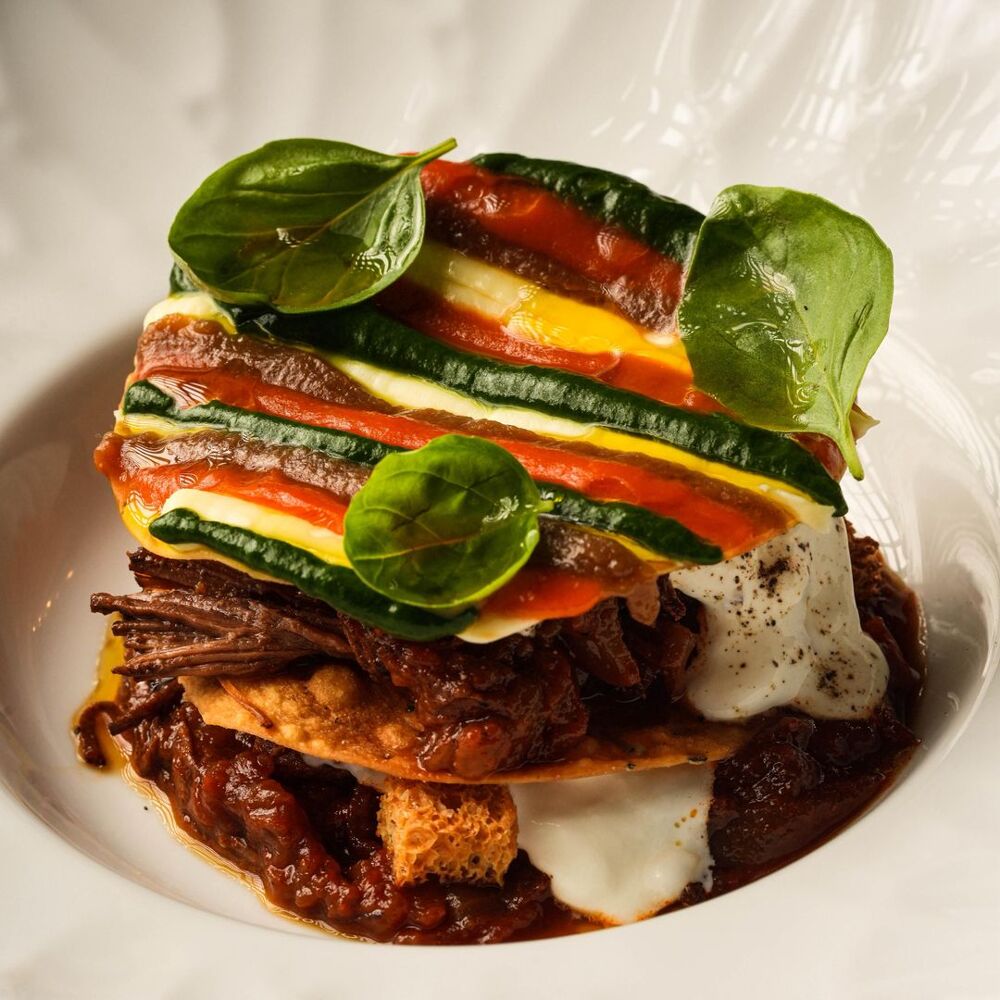
The menu
What to order
- Linguine alla Nerano
- Gnocchetto alla Genovese
- Handcrafted pastas
- Pastiera Napoletana
Miami changes the temperature of dining before the first plate arrives. The pace can drop away from the city’s busiest corridors into quieter streets, where evening lights and a more local rhythm give restaurants a different job from the high-volume rooms elsewhere in Miami. Mano Libera sits in that context: a Miami restaurant where the surrounding city matters because it shapes the meal’s expectations. This is a city where restaurants win repeat business through consistency, care, and a room that feels connected to regular diners rather than staged for travel photography.
That matters in Miami, a city often read through spectacle. The stronger countercurrent is smaller and less theatrical: independent dining rooms using the city’s energy without turning every menu into a postcard. Execution is the quiet test. A restaurant in this tier does not need to announce a manifesto; it needs to show whether the kitchen understands balance, restraint, and proportion. Mano Libera’s appeal is strongest for diners looking at Miami beyond resort dining, where the question is not how loudly a restaurant performs but how clearly the experience comes together.
Miami's quieter restaurant rhythm suits ingredient-led cooking
Miami has a different dining logic away from its most visible nightlife and hotel corridors. The audience can be more locally driven, the tempo less transient, and the room has to work across ordinary weeknights as well as planned dinners. That creates pressure of a useful kind. Restaurants here cannot rely only on novelty; they need a reason for locals to return and for visitors to make room in the itinerary.
Mano Libera belongs in that useful middle ground between casual anchors and more deliberate contemporary dining. In the comparison set, Big Cheese and Grown signal Miami’s everyday side, while Recoveco occupies a more considered lane. That spread explains the local dining field better than any single address can: Miami supports both familiar meals and more deliberate dining, but it tends to reward places that feel grounded rather than overproduced.
For travelers building a Miami food itinerary, the distinction is practical as well as editorial. A Miami dinner away from the most obvious visitor circuits reads differently from a night in a hotel dining room. It is less about a marquee lobby or skyline view and more about whether the restaurant makes sense of its room, its audience, and a city with multiple culinary identities moving at once. For broader planning, our full Miami restaurants guide gives the wider map, while our full Miami hotels guide, our full Miami bars guide, our full Miami wineries guide, and our full Miami experiences guide help place the meal inside a fuller trip.
The ingredient question is the real measure here
Miami gives restaurants a demanding dining environment, but it also exposes lazy cooking quickly. A year-round restaurant economy and a broad audience can either sharpen a kitchen or encourage easy shorthand. The better neighborhood restaurants resist the latter. They create clarity rather than excess: freshness where it matters, acidity in the right place, enough generosity without burying the plate.
With Mano Libera, the stronger editorial frame is not an unsupported chef biography or an inflated trophy count; it is the role the restaurant plays in a city increasingly split between destination dining and local dining. Mano Libera is recognized by Michelin with a MICHELIN Plate, but its appeal still depends on the basics: repeatable execution, balance, and a sense that the restaurant understands its audience and its limits. That is where the ingredient question becomes more than a menu note. It becomes the difference between a restaurant that feels generic and one that belongs in Miami.
The same lens helps compare Miami with other American dining cities without flattening them. Across the country, compact bar formats, casual counters, neighborhood dining rooms, and destination restaurants all show how tightly a restaurant’s credibility can depend on the relationship between product, format, and place. Mano Libera should be read through that same practical lens: not as a generic stop on a checklist, but as a Miami restaurant whose value rests on how convincingly the meal connects to its setting.
How to read Mano Libera against Miami's neighborhood tables
The useful comparison is not only with ambitious contemporary rooms. It is with the everyday restaurants that make Miami legible. Big Cheese and CRAFT South Miami show how familiar local formats remain important casual benchmarks, while Grown, Old Lisbon Restaurants - South Miami, and Recoveco sit in different registers of the city’s dining life. Together, those references make clear that Miami dining is not one lane; it moves between convenience, comfort, and more deliberate meals.
Placed among those references, Mano Libera is useful for readers who want a Miami dinner with neighborhood texture rather than a checklist address. The case for seeking it out rests on the Miami setting, the measured feel, and the broader shift toward restaurants where execution and restraint carry more weight than spectacle. In a city that can make dining feel overproduced, that is a meaningful lane.
Frequently asked questions
What part of town is Mano Libera in?
Mano Libera is located in Miami.
Is Mano Libera Michelin-listed?
Yes. Mano Libera is listed in the Michelin Guide and has received a MICHELIN Plate distinction.
Should I book Mano Libera in advance?
Yes, advance planning makes sense for Mano Libera in Miami, especially if the visit is timed around dinner. Miami tables can fill predictably, so booking ahead is the safer approach.
What makes Mano Libera worth seeking out?
Mano Libera is worth considering for its Miami setting, which suits a meal where the room and the cooking, not the scene, do the work.
Do they accommodate allergies at Mano Libera?
For any serious allergy, the safest approach is to flag it before arriving at Mano Libera in Miami. That gives the restaurant a chance to confirm what can and cannot be handled for the booking.
Comparison Snapshot
Comparable venues by cuisine and price in the same metro.
| Venue | Cuisine | Price | Awards | Notes |
|---|---|---|---|---|
| Mano LiberaThis venue (the venue you are viewing) | Modern Italian Fine Dining | $150–200 | Michelin Plate | Not listed |
| Big Cheese | Classic Italian Pizza and Pasta | $20–30 | Not listed | Not listed |
| Recoveco | Modern Seasonal Fine Dining | $50–100 | Michelin Plate · James Beard Award Semi Finalist | Contemporary |
| Grown | Organic American Fast-Casual | $20–30 | Not listed | Not listed |
Recognition history
Dated appearances from independent guides and award organizations, with the underlying list record or original source where available.
Michelin Plate
Michelin
Continue exploring
More in Miami
Restaurants in Miami
All restaurants in Miami →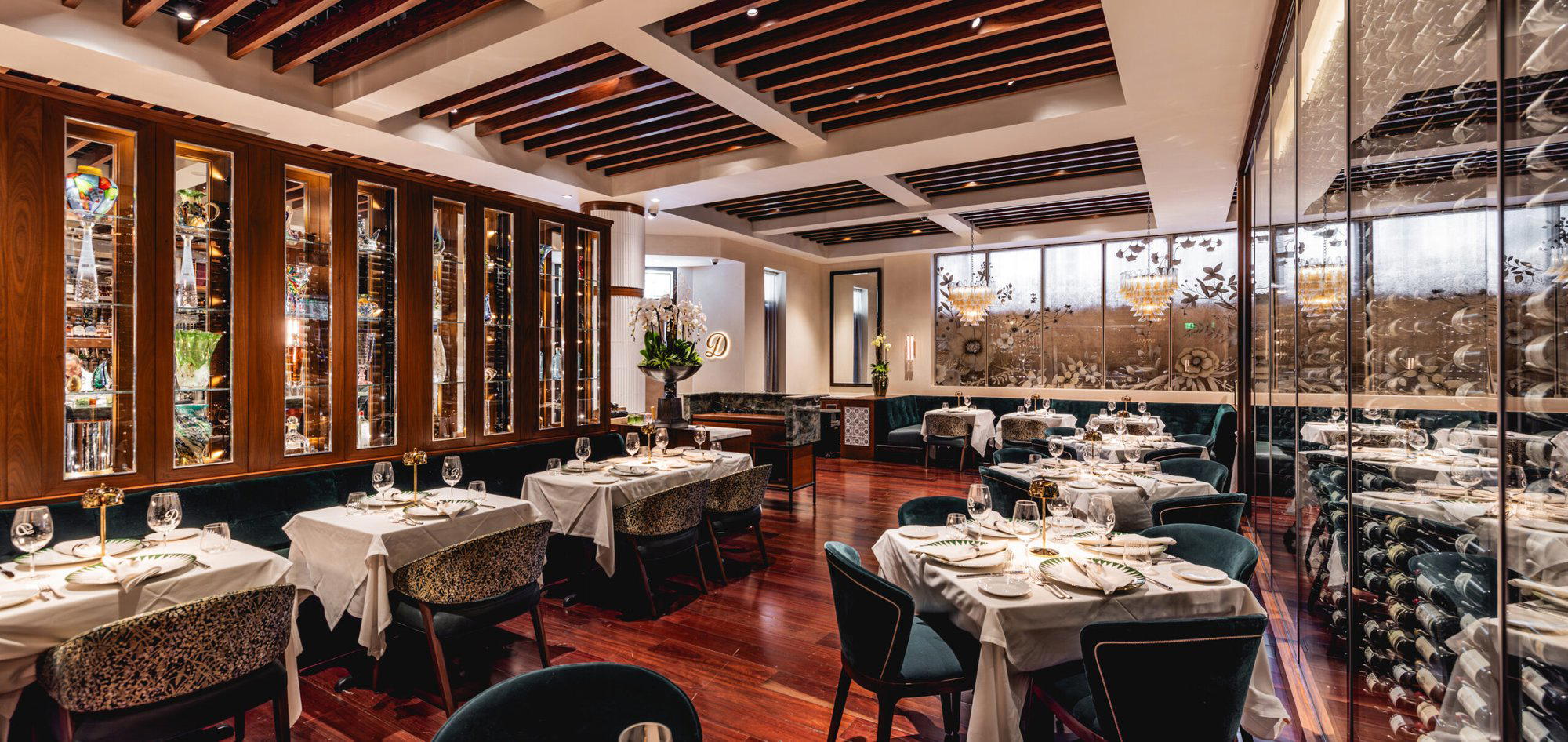
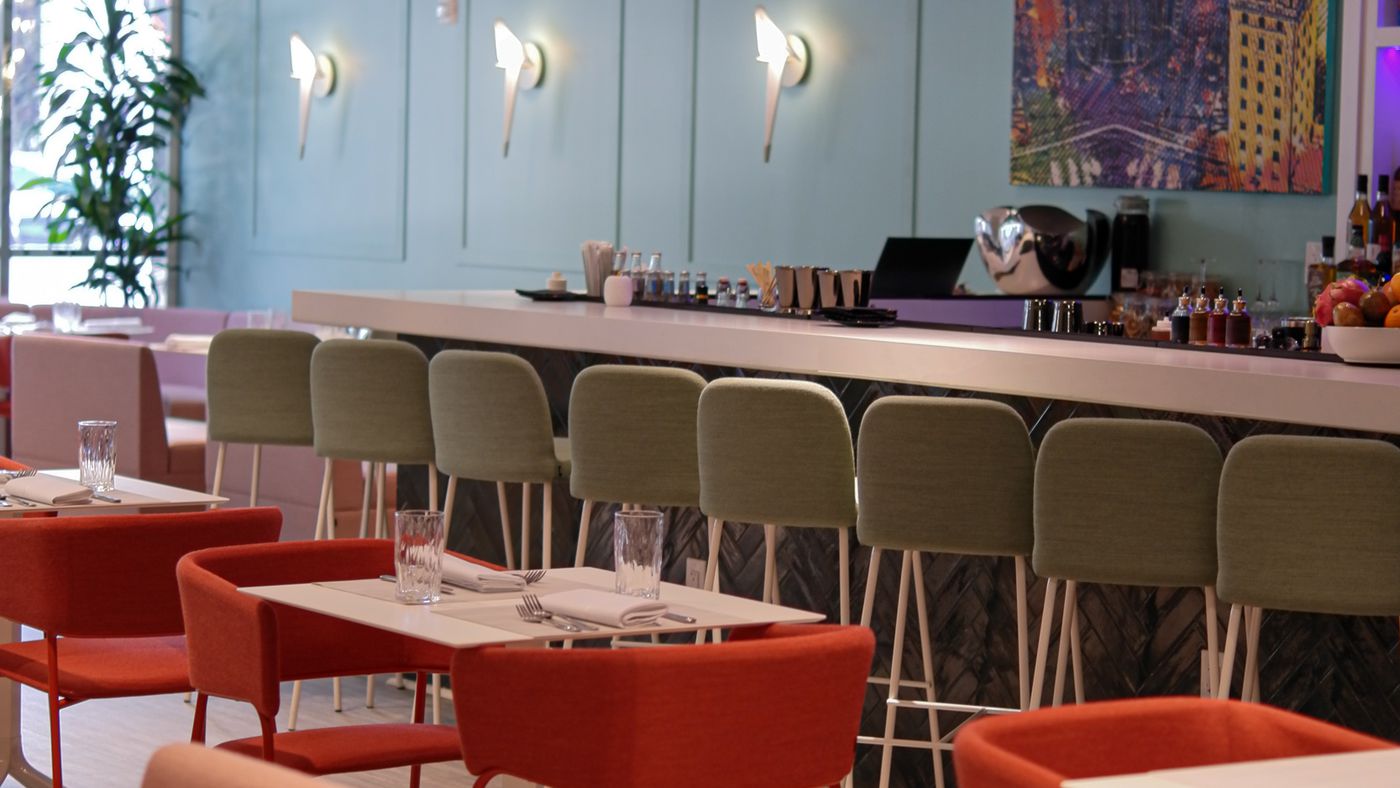
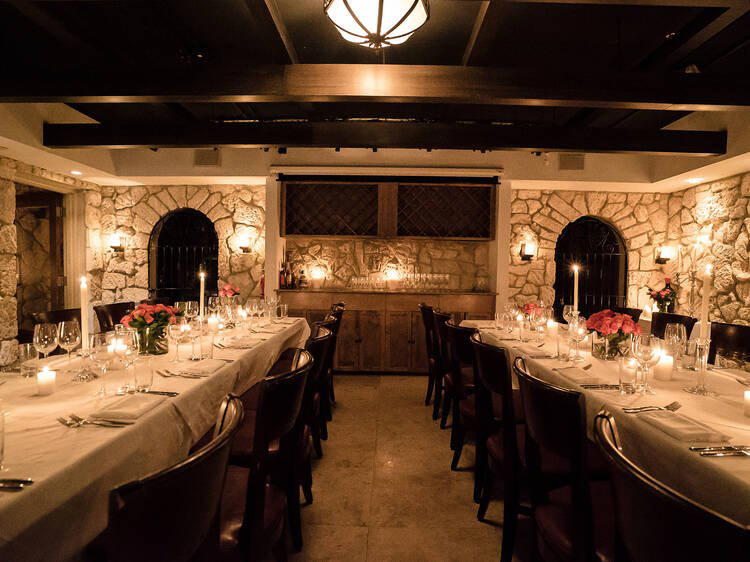
Bars in Miami
All bars in Miami →

Details
- Elegant
- Romantic
- Modern
- Cozy
- Sophisticated
- Date Night
- Special Occasion
- Business Dinner
- Group Dining
- Celebration
- Chefs Counter
- Design Destination
- Standalone
- Craft Cocktails
- Extensive Wine List
- Local Sourcing
- Tasting Menu
- A La Carte
- Wine
- Cocktails
- Vegetarian Friendly
Dim, intimate lighting with a sleek, contemporary dining room that feels polished yet warm, creating a refined but relaxed atmosphere suited to date nights and special-occasion dining.