Our verdict
Lotalie occupies a address on Place Edmond Michelet in Figeac, a market town in the Lot where proximity to some of southwest France's most productive agricultural terrain shapes what ends up on the plate. The restaurant sits within a dining scene that runs from traditional bistro cooking at La Cuisine du Marché through to modern tasting formats, giving visitors a clear spectrum of options at different price points.

Pearl is the En Primeur Club membership app, where members save venues, book tables and use the concierge.
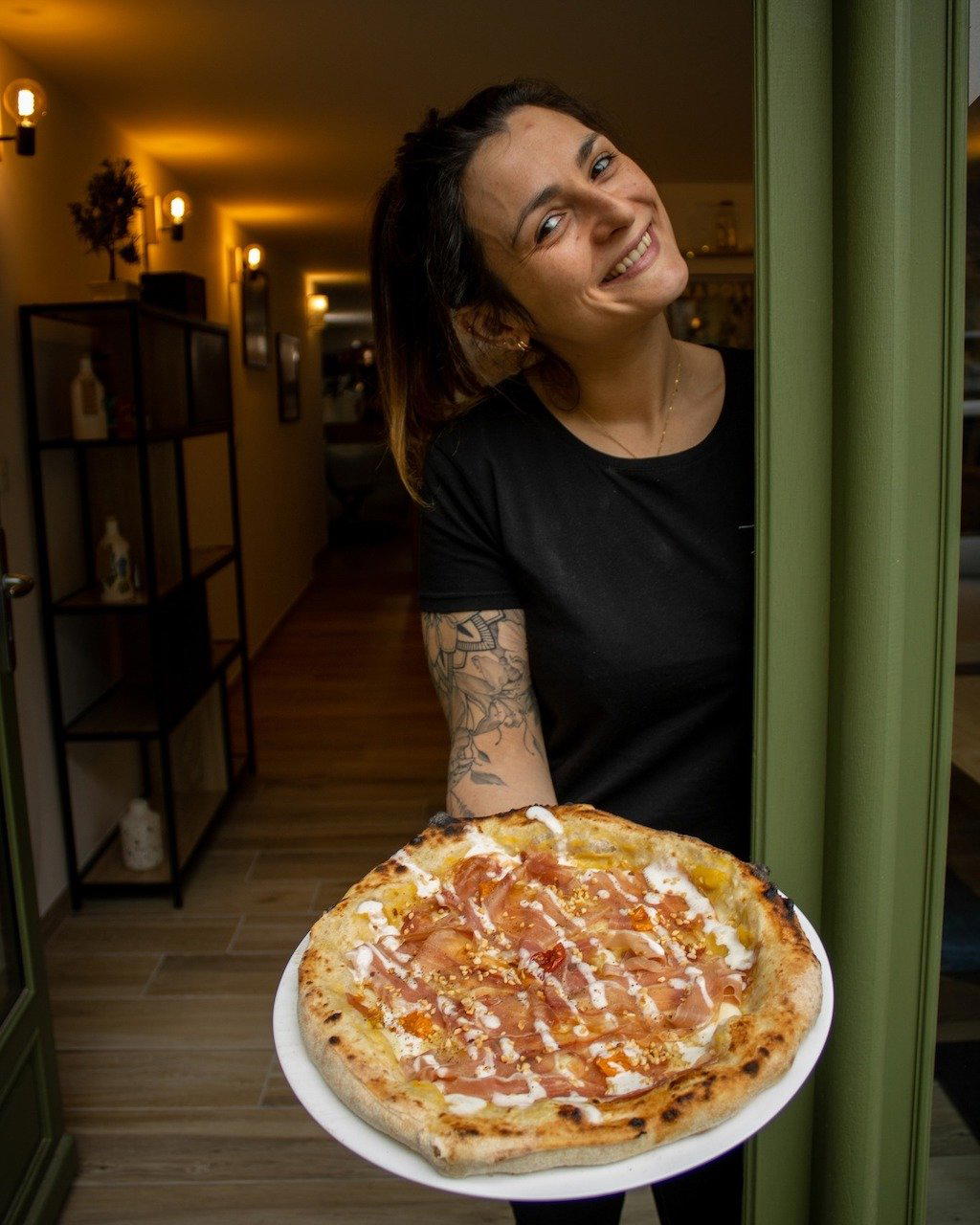
Where the Lot's Larder Meets the Plate
Figeac sits at the intersection of three distinct agricultural zones: the limestone causses to the south, the walnut and saffron country of the Célé valley to the east, and the fertile river plain of the Lot itself. That geography is not incidental to how the town eats. Across its restaurant scene, from the market-anchored cooking at La Cuisine du Marché (Traditional Cuisine) to the more ambitious plating at La Dînée du Viguier (Modern Cuisine), sourcing from the immediate region is less a marketing position than a structural reality: the supply is there, and cooks who ignore it are working against the grain of the place.
Lotalie, at 3 Place Edmond Michelet, enters that context. The square itself is one of Figeac's civic anchors, a few minutes from the medieval core around the Champollion museum, and the address carries the weight of a town that has learned to draw visitors with substance rather than spectacle. Approaching from the old town, the transition from narrow limestone alleys to the open square gives the restaurant setting an unhurried, civic quality that is hard to manufacture and harder to ignore.
Ingredient Sourcing in the Lot: What the Region Actually Produces
The Lot department is one of the less discussed but genuinely productive corners of French gastronomy. Rocamadour AOC goat's cheese, Cahors Malbec, Quercy lamb raised on the open causses, black truffles around Lalbenque, walnuts from the valleys: the list of protected and geographically specific products available within a short radius of Figeac is longer than most cities with more celebrated restaurant scenes. Compare this to the supply chains available to destination kitchens in more remote positions, such as Bras in Laguiole on the Aubrac plateau, where Michel and Sébastien Bras built a world-referenced kitchen around the specific flora of a high plateau, and the principle becomes clear: in this part of France, sourcing locally is not a constraint but an opportunity.
For smaller restaurants working in market towns like Figeac, the weekly market on Place Vival and the network of producers in the surrounding valleys represent a larder that changes with the season in ways that fixed menus cannot fully capture. Dishes built around Quercy lamb or Lot-et-Garonne stone fruit carry a specificity that is grounded in geography, not in menu copy. The contrast with La Racine et la Moelle (Modern Cuisine), which also operates in Figeac's mid-range modern tier, points to a shared regional logic: the ingredient base is the same across town; what differentiates kitchens is what they choose to do with it.
Figeac's Dining Spectrum: How Lotalie Fits
Figeac's restaurant scene is compact but not homogeneous. The town supports a range of formats from traditional bistro cooking through modern plating, with pricing that reflects a local economy rather than a tourist premium. La Monnaie adds another reference point in the town's offer, and taken together, these addresses suggest a dining culture that punches with more intention than the population size might imply.
That footfall shapes the economics of small-town restaurants across southwest France: enough through traffic to sustain ambition, but not enough to coast on volume. The kitchens that endure in this context tend to be the ones that give visitors a reason to choose them over the reflexive choices, and that reason is almost always grounded in what's on the plate rather than what's on the wall.
The Broader French Context: Regional Cooking Under Pressure
French regional cooking has been under a particular kind of pressure for two decades. The concentration of critical attention and travel budgets on Paris and a handful of destination restaurants, from Alléno Paris au Pavillon Ledoyen in Paris to Mirazur in Menton and Flocons de Sel in Megève, has left the middle tier of French regional cooking without a clear critical framework. The restaurants doing serious work in market towns like Figeac operate largely outside the award cycles that shape international travel decisions, which is not the same as operating below a standard.
The comparison is not unfair to make: the ingredient quality available in the Lot is structurally comparable to what supplies celebrated kitchens in the Aveyron or the Alsace, whether you look at Auberge de l'Ill in Illhaeusern or Troisgros - Le Bois sans Feuilles in Ouches. What those kitchens have, and what market-town restaurants in the Lot are still building toward, is the critical infrastructure of sustained attention. Restaurants in Figeac are working in that gap, and the gap is worth understanding before dismissing the town as a stopover.
For visitors who have tracked the sourcing-led trajectory of kitchens like AM par Alexandre Mazzia in Marseille or the long-running regional rigor of Auberge du Vieux Puits in Fontjoncouse, the Lot's smaller restaurants represent an early-stage version of the same logic: cook from the place you are in, and the place becomes legible through the food.
Planning a Visit
Lotalie is at 3 Place Edmond Michelet in Figeac's town centre, walkable from the main medieval quarter and the Place Vival market. Figeac is served by rail on the Toulouse-Aurillac line, with the station roughly ten minutes from the centre on foot. For visitors arriving by road from the north or west, the A20 autoroute connects to Figeac via the D840 through Gramat. Given the limited published data on booking methods, hours, and current pricing, contacting the restaurant directly or checking current listings before visiting is the practical approach, particularly for weekend dinners when the town draws more through traffic. The our full Figeac restaurants guide covers the wider scene, including the competitive context with La Cuisine du Marché and La Dînée du Viguier, and is a useful reference for building a broader itinerary around the town.
Frequently asked questions
What part of town is Lotalie in?
Lotalie is located at 3 Pl. Edmond Michelet, 46100 Figeac, France, Figeac.
Is Lotalie a good base for exploring Lot department food culture while staying in Figeac?
Figeac sits at a productive junction between the limestone causses, the Célé valley, and walnut and saffron country, making it one of the more ingredient-rich towns in the Lot department. Lotalie's address at 3 Place Edmond Michelet puts it walkable from the Place Vival market, where much of the region's AOC produce, Rocamadour cheese, Quercy lamb, local saffron, changes hands. For travellers eating their way through the Lot rather than routing everything through Cahors, Figeac is a practical and less-trafficked stop, and a restaurant embedded in its centre reflects that local supply chain more directly than highway-adjacent alternatives.
What's the must-try dish at Lotalie?
What the surrounding region provides is a reliable guide: Rocamadour AOC goat's cheese, Quercy lamb, saffron from the Célé valley, and Lot walnuts are the area's defining ingredients, and dishes built around them reflect what serious kitchens in Figeac tend to do well.
Is Lotalie reservation-only?
For a town-centre address in Figeac, particularly on market days around Place Vival, arriving without a reservation carries real risk during peak season. Contacting the venue directly ahead of any visit is advisable.
What's the signature at Lotalie?
The restaurant sits within a Figeac dining scene that draws on the Lot department's agricultural output, limestone causse produce, Cahors Malbec, and regional charcuterie traditions, so the kitchen's identity is likely shaped by that larder rather than by a single showpiece.
Can Lotalie adjust for dietary needs?
There is no documented policy on dietary accommodations for Lotalie. French regional restaurants in towns of Figeac's scale vary considerably in their flexibility, and the safest approach is to raise specific requirements when booking or on arrival, giving the kitchen time to plan around the day's sourced ingredients.
Side-by-Side Snapshot
Comparable venues nearby, for context on price, style, and recognition.
| Venue | Cuisine | Price | Awards | Notes |
|---|---|---|---|---|
| LotalieThis venue (the venue you are viewing) | Neapolitan-Style Pizza with Local Fusion | $10–20 | Not listed | Not listed |
| La Racine et la Moelle | Modern French Neo-Bistro | $30–50 | Michelin Plate | centre historique |
| La Monnaie | French Brasserie with Lot Terroir | $20–30 | Not listed | Vieux Figeac |
| La Dînée du Viguier | Modern French Bistronomique | $50–100 | Michelin Plate | centre-ville |
| La Cuisine du Marché | Traditional French with Mediterranean Spanish Influences | $30–50 | Michelin Plate | old town |
| Dadino Pizze | Neapolitan Pizzeria | $20–30 | Not listed | Historic Center |
Continue exploring
More in Figeac
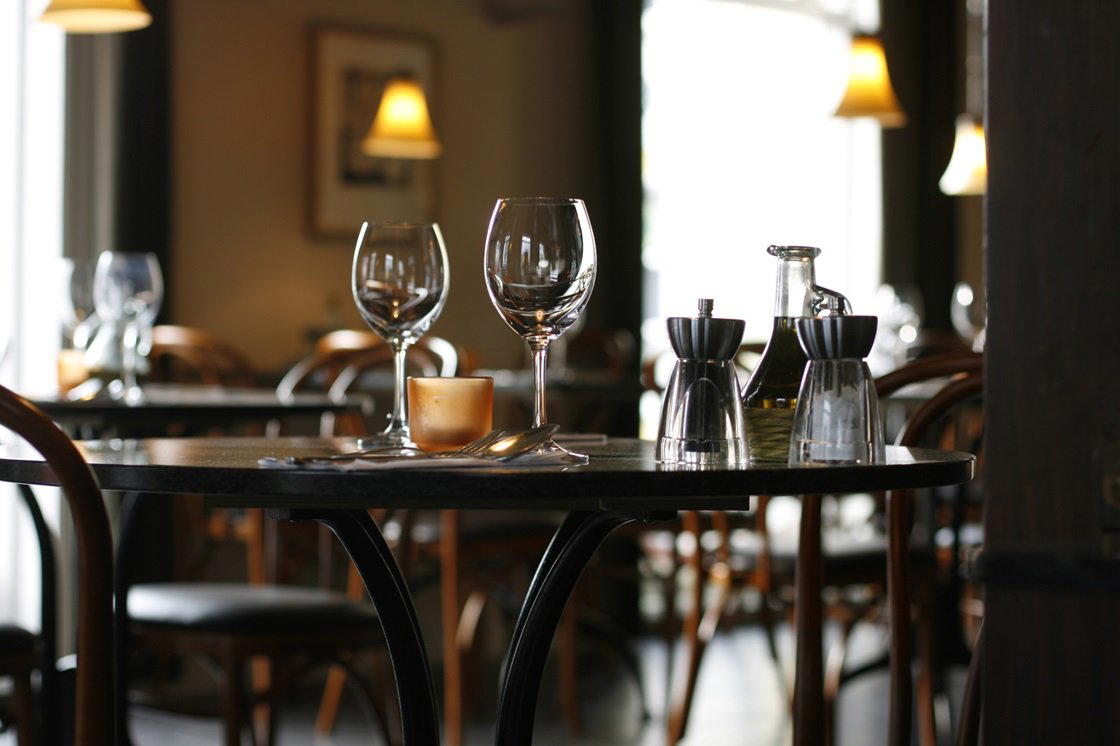
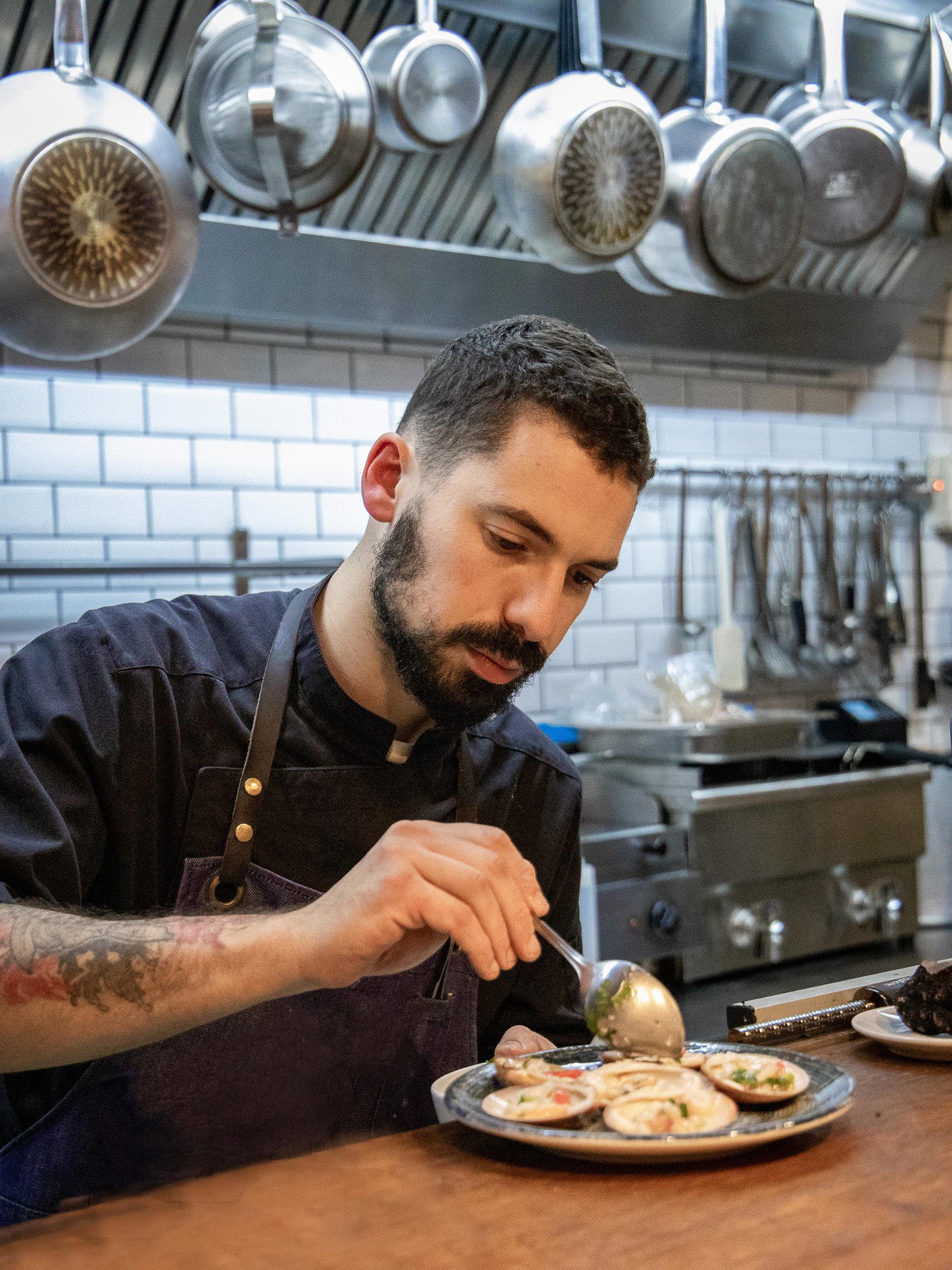
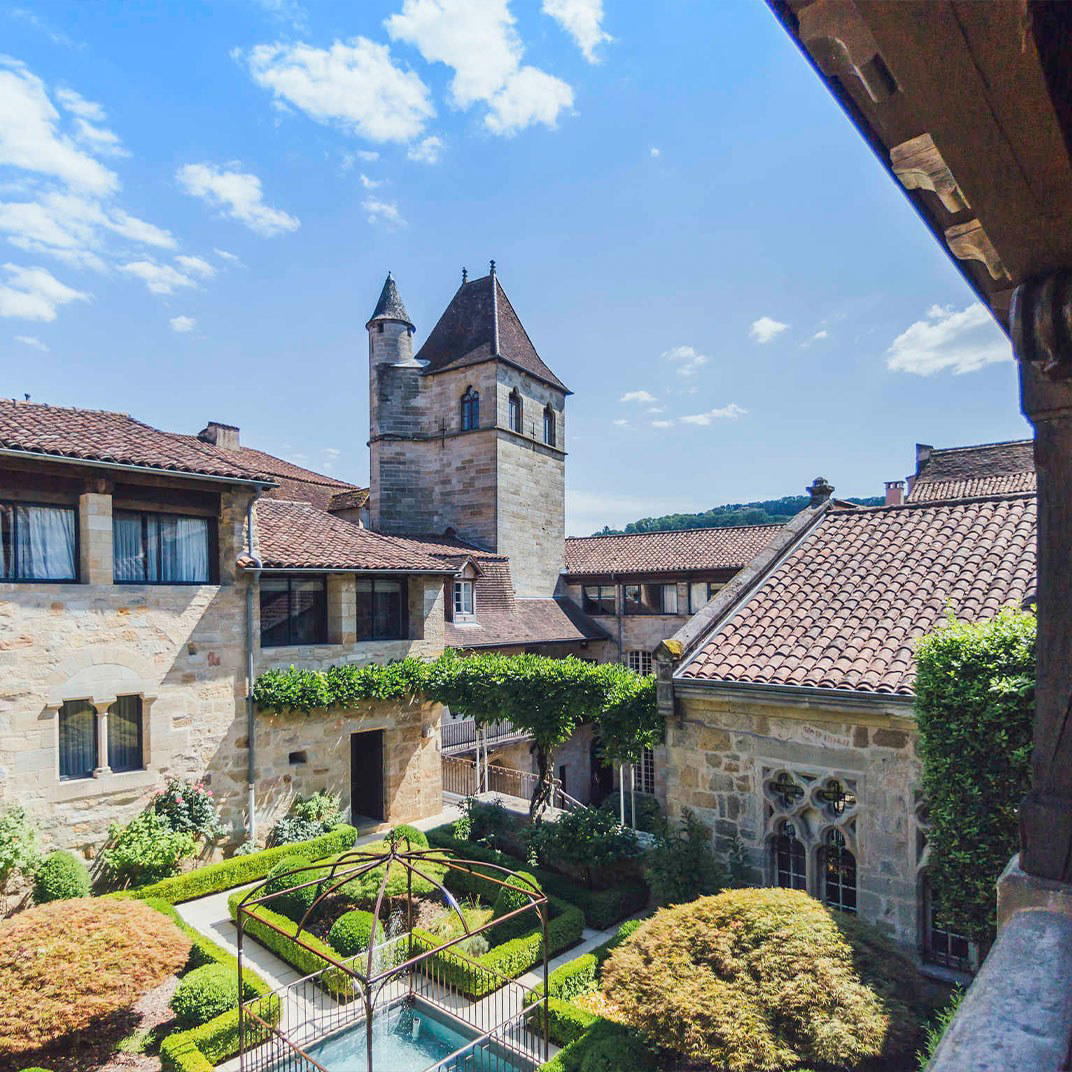
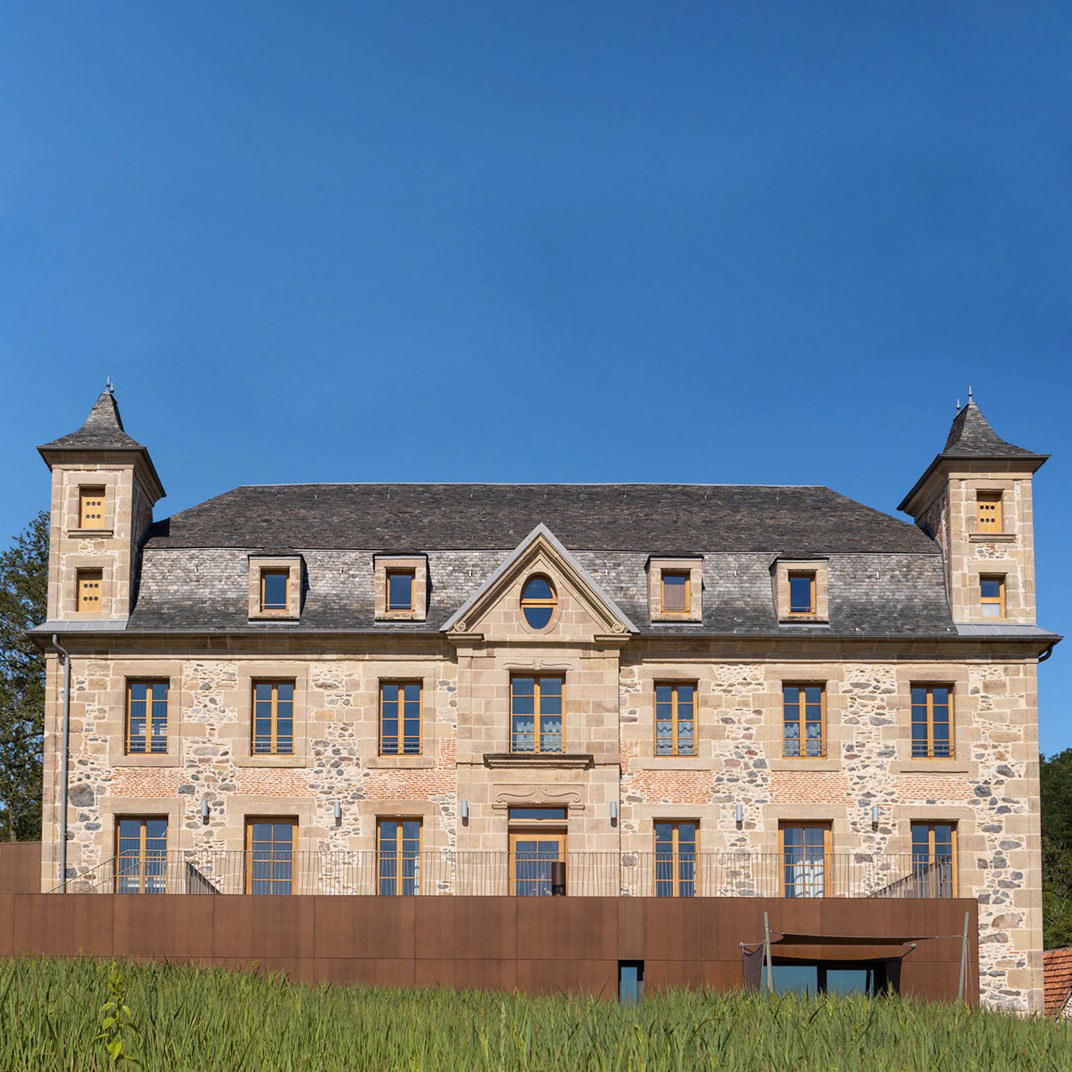
Details
- Cozy
- Rustic
- Casual Hangout
- Family
- Standalone
- Local Sourcing
- Street Scene
- A La Carte
- Vegetarian Friendly
Current opening hours
- Monday
- Closed
- Tuesday
- Closed
- Wednesday
- 11:30 AM–2 PM, 6:30–9:30 PM
- Thursday
- 11:30 AM–2 PM, 6:30–9:30 PM
- Friday
- 11:30 AM–2 PM, 6:30–9:30 PM
- Saturday
- 11:30 AM–2 PM, 6:30–9:30 PM
- Sunday
- 6:30–9:30 PM
Hours can change for holidays and private events. Hours as of .
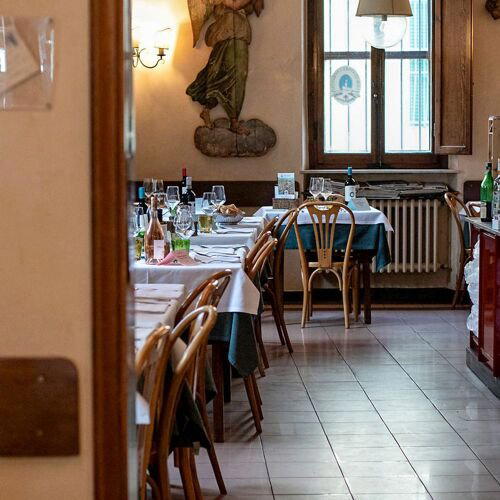
Warm Transalpine atmosphere with welcoming service in a small, cozy space.