La Table du Cardinal
Our verdict
In the medieval village of Montpezat-de-Quercy, La Table du Cardinal occupies a republican-era address that anchors one of Tarn-et-Garonne's quieter but serious dining scenes. The kitchen draws on the agricultural depth of the Quercy plateau, a region whose black truffles, walnuts, and free-range poultry have supplied French tables for centuries. For travellers routing through southwest France, it represents the kind of territory-rooted cooking that larger city restaurants spend considerable effort trying to replicate.

Pearl is the En Primeur Club membership app, where members save venues, book tables and use the concierge.

Stone Villages and What They Put on the Table
Montpezat-de-Quercy is the kind of medieval bastide that France's southwest keeps producing without apology: colonnaded market square, limestone facades worn to a warm ochre, and a population small enough that the church bell carries to every corner of the village. Rue de la République, where La Table du Cardinal sits at number 13, runs through the functional heart of the settlement rather than its postcard periphery. That address matters. Restaurants positioned on a town's main civic artery in rural France tend to serve a different social function than destination retreats: they feed the mayor and the baker on the same evening, which has a way of keeping kitchens honest.
The Quercy plateau that surrounds the village is not, by French agricultural standards, a quiet backwater. The region produces black truffles of genuine standing, walnuts protected under their own AOC designation, lamb grazed on limestone-scrub terrain that gives the meat a mineral quality distinct from lowland alternatives, and poultry whose free-range credentials predate any marketing moment. These are ingredients that establishments in Paris, Lyon, and Bordeaux pay a premium to source and name-check on their menus. Here, the distance between field and plate is considerably shorter.
Ingredient Sourcing as Regional Argument
Southwest France's culinary identity has long been argued through its raw materials rather than its technique. The Périgord tradition of duck confit and foie gras is inseparable from the specific breeds and feeding methods of the Dordogne farms that supply it. Laguiole, sixty kilometres to the northeast, is home to Bras, a kitchen that built a three-Michelin-star reputation partly on its relationship with Aubrac plateau herbs and wildflowers, a demonstration of how deeply ingredient geography can shape a restaurant's identity and competitive position. Tarn-et-Garonne, by contrast, has operated with less international profile despite comparable agricultural assets. The départment grows stone fruit, particularly its Chasselas de Moissac grapes, which carry a protected designation, and its market towns function as distribution points for produce that frequently ends up credited to neighbouring regions once it reaches city kitchens.
La Table du Cardinal operates in this context. A table set inside a village of this scale, in a region this agriculturally dense, carries an implicit sourcing advantage that restaurants in larger urban centres must actively construct through supplier relationships and delivery logistics. The Quercy black truffle season runs from December through February; the walnut harvest peaks in October; lamb from plateau flocks is at its leanest and most aromatic in early summer. A kitchen working within this geography has a seasonal calendar that is essentially written by the land rather than by menu committee.
For comparison, the trajectory of ingredient-forward cooking at France's most decorated tables, from Mirazur in Menton, which runs its own kitchen garden above the Mediterranean, to Flocons de Sel in Megève, where alpine altitude shapes the sourcing calendar, illustrates a consistent principle: at the highest level of French gastronomy, provenance has become inseparable from prestige. What distinguishes a village table in Quercy is that this provenance is structural rather than curated. You don't need to import terroir when you're already standing in it.
The Southwest French Table: What to Expect in This Register
Rural restaurant dining in this part of France follows patterns that differ meaningfully from their urban equivalents. The rhythm is slower and the portion logic is generally more generous. Menus in this category often rotate around a fixed-price format, two or three courses at lunch, a longer option at dinner, built around whatever the markets and farms are producing in a given week rather than a stable card designed for year-round consistency. The wine list, in a region that sits within easy reach of Cahors appellations to the north and Gaillac to the south, will typically anchor to local Malbec-based bottles alongside broader southwest selections.
This is not the cooking register of Alléno Paris au Pavillon Ledoyen or Assiette Champenoise. The ambition here is territorial and seasonal rather than conceptually innovative. Readers who came to Quercy following the trail of starred kitchens should understand that the region's culinary value lies elsewhere: in the density of good-faith cooking using exceptional local ingredients, served without the infrastructural cost of destination dining. That is a different proposition, and for a particular kind of traveller, one routing between Toulouse and the Dordogne, or spending a week in a rented farmhouse in the causse, it is precisely the right one.
Getting There and Planning Your Visit
Montpezat-de-Quercy sits in Tarn-et-Garonne, roughly 25 kilometres south of Cahors and 40 kilometres northeast of Montauban, which has a direct TGV connection to Paris Gare de Montparnasse. Driving is the practical approach for the final leg; the village is accessible from the A20 motorway but not directly served by regional rail. Visitors combining La Table du Cardinal with other serious tables in southwest France might route through Auberge du Vieux Puits in Fontjoncouse to the southeast, or use Toulouse as a hub for exploring the broader region. For the wider Tarn-et-Garonne and Quercy dining scene, see our full Montpezat-de-Quercy restaurants guide.
Frequently asked questions
Is La Table du Cardinal child-friendly?
Rural bastide restaurants in this part of southwest France typically operate at a pace that accommodates families more readily than city fine-dining rooms. The slower rhythm of the Montpezat-de-Quercy dining scene, with its emphasis on shared regional cooking rather than tightly choreographed tasting menus, generally makes for an easier environment for younger guests. Confirm directly with the restaurant before visiting, as service format and seating arrangements can vary seasonally.
What's the overall feel of La Table du Cardinal?
La Table du Cardinal sits at 13 Rue de la République in one of Tarn-et-Garonne's most intact medieval bastides, and the setting shapes the atmosphere before the food arrives. Expect the unhurried tempo that defines rural southwest French dining: longer meals, a closer relationship between kitchen and local produce, and a room that reads as rooted rather than designed. It is a very different register from the polished bistros of Toulouse or Cahors, and that contrast is the point.
How far is La Table du Cardinal from Cahors, and is it worth the drive from larger towns nearby?
Montpezat-de-Quercy sits roughly 25 kilometres south of Cahors and about 40 kilometres northeast of Montauban, which has direct TGV connections. For visitors already in the region exploring the bastide villages of Tarn-et-Garonne, La Table du Cardinal at 13 Rue de la République offers a reason to stop in Montpezat beyond the architecture. Combining a meal here with the colonnaded square and limestone streets of the village makes for a coherent half-day from either Cahors or Montauban.
What should I order at La Table du Cardinal?
Without a current menu on record, the regional context provides the most reliable guide. Southwest France's table is built around duck in its various preparations, Quercy lamb, walnuts, and the black truffles of the Périgord tradition when in season. A restaurant operating in Montpezat-de-Quercy is likely drawing on these same local producers and materials. check the venue's official channels for current dishes and any market-driven specials.
Fast Comparison
Comparable venues nearby, for context on price, style, and recognition.
| Venue | Cuisine | Price | Notes |
|---|---|---|---|
| La Table du CardinalThis venue (the venue you are viewing) | Authentic French Bistro | $30–50 | Not listed |
| Le Signal 2108 | Bistronomic French with Regional Alpine Specialties | $30–50 | Signal Mountain |
| Au Fil de l'Eau | Traditional French South-West Gastronomic | $20–30 | Quai du Docteur Lafforgue |
| L'Hémicycle | Seasonal French Bistro | $20–30 | Saint-Cyprien |
| Notes & Saveurs | French Bistro with Global Twists | $20–30 | Capitole / Arnaud Bernard / Carmes |
| La Monnaie | French Brasserie with Lot Terroir | $20–30 | Vieux Figeac |
Continue exploring
More in Montpezat De Quercy
Restaurants in Montpezat De Quercy
All restaurants in Montpezat De Quercy →

Hotels in Montpezat De Quercy
Browse all →

Details
- Elegant
- Cozy
- Rustic
- Intimate
- Classic
- Date Night
- Family
- Courtyard
- Historic Building
- Extensive Wine List
- Local Sourcing
- A La Carte
- Gluten Free Options
Current opening hours
- Monday
- Closed
- Tuesday
- Closed
- Wednesday
- 12–2 PM
- Thursday
- 12–2 PM
- Friday
- 12–2 PM, 7:30–9:30 PM
- Saturday
- 12–2 PM, 7:30–9:30 PM
- Sunday
- 12–2 PM
Hours can change for holidays and private events. Hours as of .
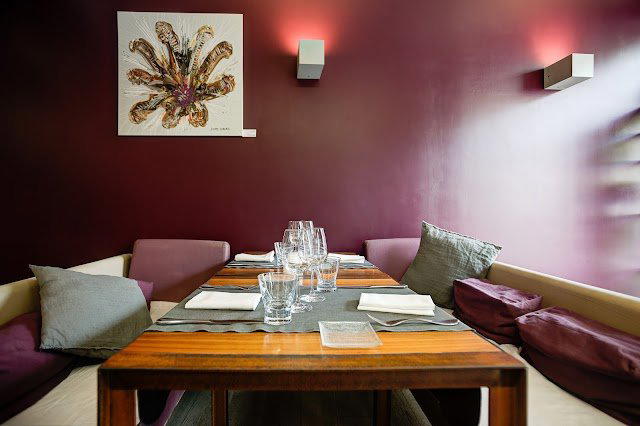
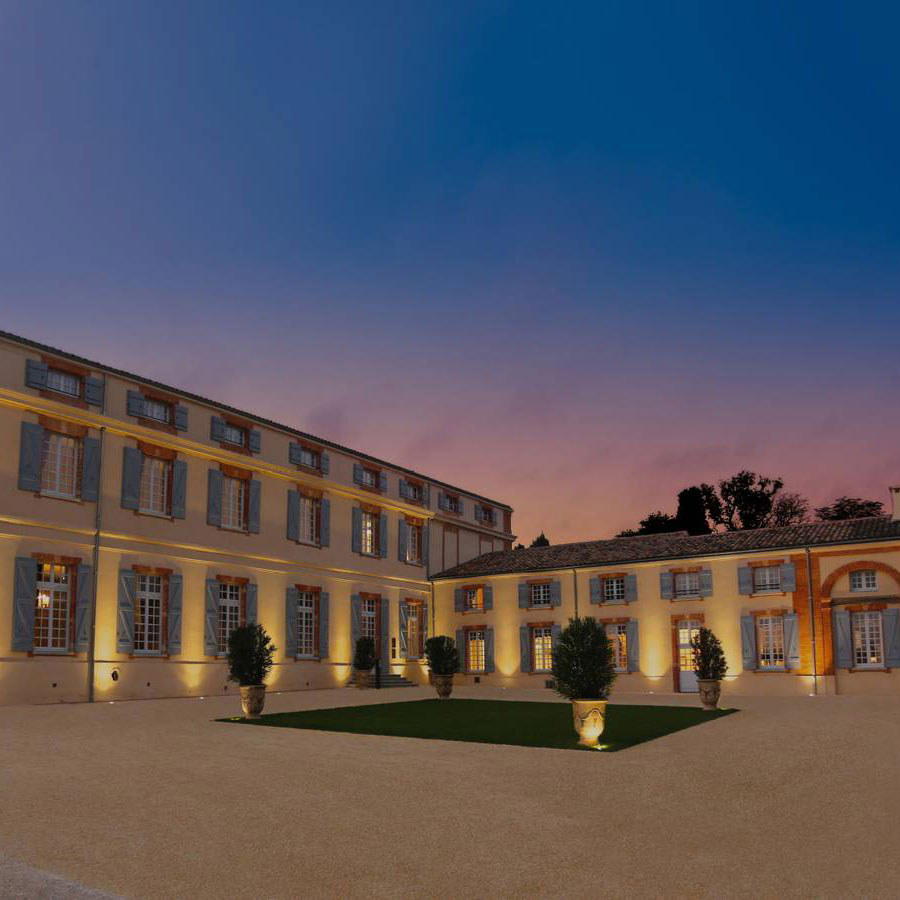
Discreetly elegant and homely atmosphere in an intimate room with courtyard views, decorated with great taste.