La Pap Restaurant

Michelin Plate
Our verdict
La Pap Restaurant occupies a restored historic building in the Pays de la Loire countryside, a quiet corner of Vendée where rural French dining still moves at its own pace. The kitchen leans on regional suppliers and local rhythms, framing lunch and dinner around ingredients that reflect the agricultural calendar of western France.

Pearl is the En Primeur Club membership app, where members save venues, book tables and use the concierge.
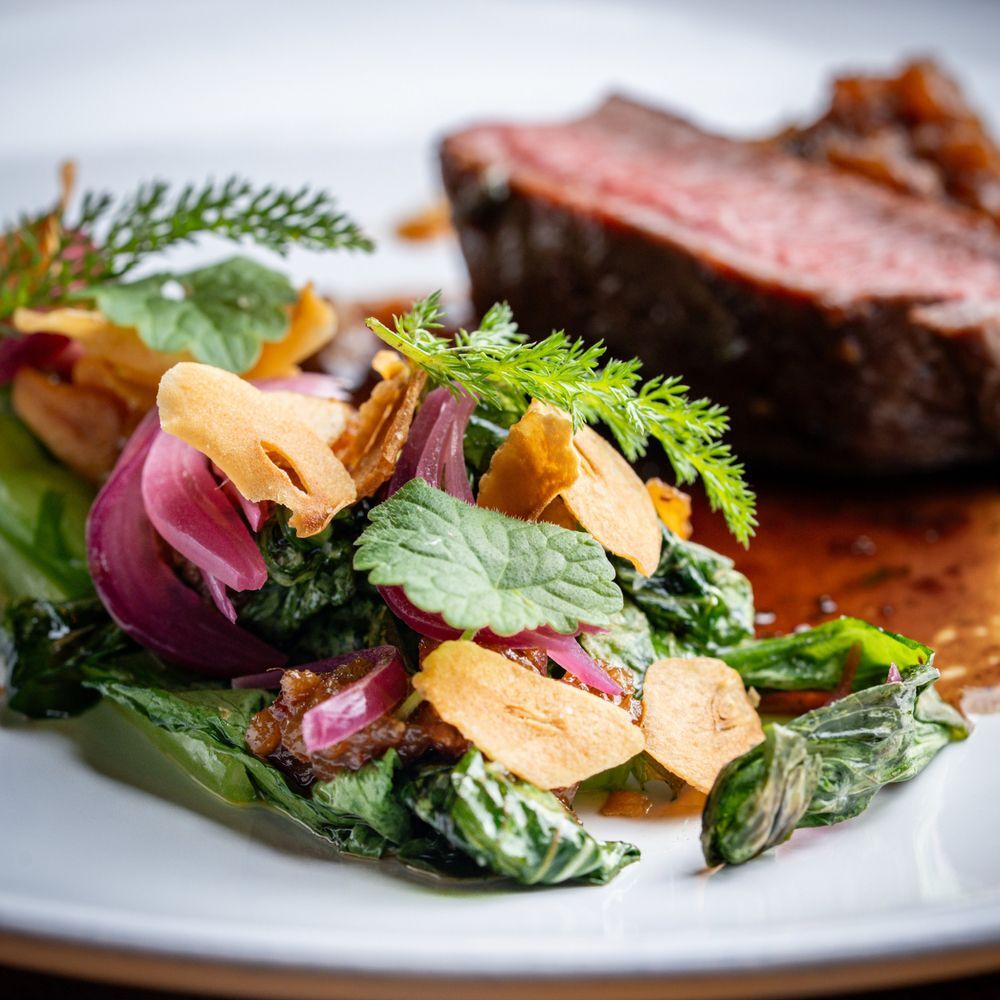
The menu
What to order
- Tempura oysters
- Pork secreto with clams
- Ceviche de sar (local white seabream)
- Skrei cod with seasonal garnish
The drive to Cugand-la-Bernardière passes through fields and low hedgerows, the kind of terrain where farm tracks outnumber main roads and villages announce themselves with a cluster of stone houses rather than signage. La Pap Restaurant sits in a rehabilitated historic structure at 1 rue des Jardins, a conversion that retains the proportions and stonework of its agricultural past while opening the interior to accommodate diners. The building's age and rural setting establish a frame: this is not a dining room positioned for quick turnover or heavy tourist traffic, but one that answers to the tempo of the surrounding Vendée countryside.
French Pays de la Loire dining outside the larger cities, Nantes, Angers, splits into two models. One centres on high-volume brasseries and crêperies serving standardised menus for family groups and regional travellers. The other, smaller tier favours producer-driven kitchens that work directly with growers, cheesemakers, and fishermen along the Atlantic coast. La Pap aligns with the latter model, where menus shift according to what arrives from suppliers rather than what a centralised distributor stocks. The region's agricultural identity, dairy from the bocage, vegetables from the alluvial plains, shellfish from the Vendée coast, provides a framework for kitchens willing to anchor their repertoire in seasonality and local procurement. That approach requires tighter supplier relationships and more frequent menu adjustments, but it also yields dishes that reflect the terroir of western France with greater precision.
The Supplier Network and Seasonal Rhythm
Vendée agriculture is diverse but not acclaimed in the same breath as Provence or Burgundy. Wheat, maize, and livestock dominate the plains; the coast supplies mussels, oysters, and sea bass; dairy cooperatives produce mogettes (white beans), butter, and fresh cream. A kitchen here that commits to local sourcing must coordinate with small-scale producers whose volumes fluctuate with weather and harvest cycles. Spring brings asparagus, artichokes, and lamb; summer yields courgette flowers, tomatoes, and soft cheeses; autumn delivers game, root vegetables, and apples; winter narrows the palette to preserved goods, aged cheeses, and brassicas. Menus that track this calendar read differently week to week, a rhythm that suits diners who return regularly but frustrates those expecting a fixed signature dish.
The advantage of this model is flavour integrity. Vegetables cut the morning of service, fish landed within twenty-four hours, and cheeses aged by a local affineur carry a directness that industrial supply chains erase. The disadvantage is unpredictability: a dish that appeared in May may not return until the following year, and substitutions happen without advance notice. For diners accustomed to urban restaurants where the menu is a contract, this can feel unsettling. For those who value immediacy and terroir expression, it is the entire point.
The Dining Room and Service Context
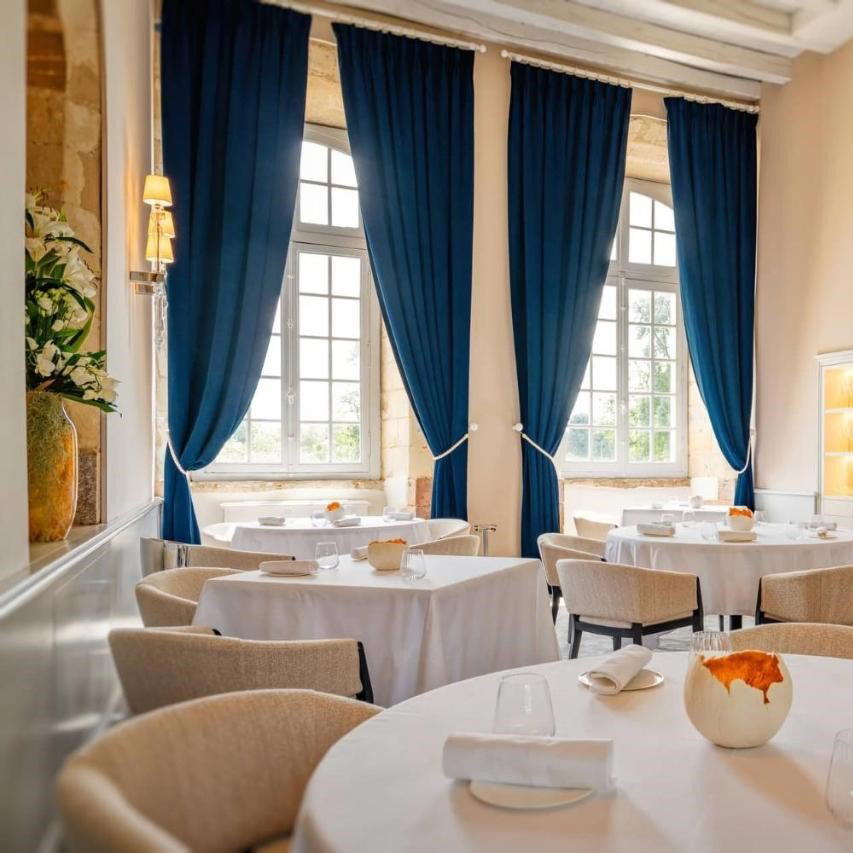
The interior preserves the building's stone walls and timber beams, with minimal intervention beyond lighting and seating. Tables are spaced for conversation rather than density, and the room holds enough natural light during daylight hours to avoid the theatrical dimness common to converted barns. Service pacing reflects the rural setting: courses arrive without haste, and staff assume diners have allocated time for a full meal rather than a quick stop. This format suits weekend lunches and evening reservations, less so hurried midweek visits.
French rural dining at this tier typically operates without the formal service choreography of Michelin-starred tables in Paris or Lyon. Courses arrive in sequence, but without the synchronized plate placement or lengthy dish recitations. Staff knowledge of ingredients and suppliers tends to be strong, who raised the pork, which farm supplied the carrots, but delivered in conversational rather than scripted form. For diners who prioritize substance over ceremony, this registers as authentic; for those who equate formality with quality, it may feel underdone.
Location and Accessibility
Cugand-la-Bernardière lies roughly thirty kilometres south of Nantes, a drive that takes forty minutes on departmental roads. Public transport options are limited; the village has no rail link, and bus service from Nantes runs infrequently. Most diners arrive by car. The restaurant's address at 1 rue des Jardins places it on a quiet residential street, with parking available on-site or along the road. The setting is quieter than the restaurant clusters in Nantes or Angers, where foot traffic and adjacent venues create a different atmosphere. Here, the meal is the primary reason for the trip, not a stop within a broader itinerary.
For context, diners exploring the broader Vendée and Pays de la Loire dining landscape will find a range of approaches. In Nantes, venues like .... Et la Fourmi offer a different format, while further afield, kitchens such as 114, Faubourg in Paris and 1387 in Strasbourg demonstrate how producer-led sourcing scales in urban settings. Additional French examples include [S] Corner in Courchevel, 1217 in Bagnols, 14 Avenue in La Baule, 16âme in Le Monêtier-les-Bains, 1860 Le Palais in Marseille, 1899 in Tourgeville, 1920 in Megève, and 2'Moiselles in Metz. Further international comparisons include Jōdo Saké Bar in Los Angeles and Onigiri Time in Pasadena. For a fuller view of the area's dining options, consult our full Cugand La Bernardiere restaurants guide, alongside hotels, bars, wineries, and experiences in the region.
La Pap Restaurant works as a destination for diners who value ingredient transparency and seasonal discipline over fixed menus and urban convenience. The rural location and producer-focused kitchen place it firmly within a tradition that prioritizes local agriculture and unhurried service, a model that thrives in France's quieter départements but requires commitment from diners willing to drive for the meal.
Frequently asked questions
Can I bring kids to La Pap Restaurant?
The stone-and-timber dining room at 1 rue des Jardins accommodates families, with table spacing that allows for varied groups. The rural location and departmental-road access mean most diners arrive by car, which simplifies logistics for families traveling with children from Nantes or surrounding Vendée communes.
Is La Pap Restaurant formal or casual?
The rehabilitated stone structure and exposed beams set a relaxed rural tone rather than a formal dining atmosphere. Minimal design intervention and the Vendée countryside setting suggest casual dress codes align with the building's agricultural heritage and the region's working-landscape character.
Does La Pap Restaurant have a Michelin star or similar recognition?
La Pap Restaurant has received recognition including: Dans une bâtisse ancienne réhabilitée....
Where is La Pap Restaurant in Cugand La Bernardiere?
La Pap Restaurant is located at 1 rue des Jardins, Cugand-la-Bernardière, Pays de la Loire, 85610, FRA, Cugand La Bernardiere.
What's the best way to book La Pap Restaurant?
Phone and website details are not publicly listed for La Pap Restaurant. Visitors planning the forty-minute drive from Nantes should secure reservations by contacting the venue directly at 1 rue des Jardins, Cugand-la-Bernardière, or inquire through local tourism offices in Pays de la Loire for current booking protocols.
Fast Comparison
Comparable venues by cuisine and price in the same metro.
| Venue | Cuisine | Price | Awards |
|---|---|---|---|
| La Pap RestaurantThis venue (the venue you are viewing) | Modern seasonal French fine dining | $50–100 | Michelin Plate |
| Villa Saint-Antoine | Modern French Brasserie | Not listed | Michelin Plate |
Recognition history
Dated appearances from independent guides and award organizations, with the underlying list record or original source where available.
Michelin Plate
Michelin
Continue exploring
More in La Bernardière
Restaurants in La Bernardière
All restaurants in La Bernardière →
Bars in La Bernardière
Browse all →
Hotels in La Bernardière
Browse all →

Details
- Elegant
- Rustic
- Cozy
- Romantic
- Intimate
- Date Night
- Special Occasion
- Celebration
- Business Dinner
- Group Dining
- Standalone
- Design Destination
- Extensive Wine List
- Local Sourcing
- Farm To Table
- Sustainable Seafood
- Tasting Menu
- A La Carte
- Set Menu
- Wine
- Vegetarian Friendly
Refined yet warm atmosphere in a converted barn, mixing rustic materials with elegant, minimalist decor and soft, intimate lighting for a calm, discreet dining experience.