Domaine Poiron Dabin

Falstaff Winery - Listed
Domaine Poiron Dabin gives Château-Thébaud a grounded, terroir-led tasting stop: family-run, cellar-based, and tied to the granite slopes that shape Muscadet Sèvre et Maine. The estate’s range moves beyond Melon de Bourgogne into a broad set of varieties, with sustainability credentials and a direct, educational style that suits travelers who want Loire wine without ceremony.

Pearl is the En Primeur Club membership app — saves, bookings, and concierge access live there. Same editors, same standards.
- Address
- 4 Chantegrolles, 44690 Château-Thébaud, France
- Phone
- +33 2 40 06 56 42
- Hours
- Mon–Sat 9 am–12 pm, 2–6 pmSun Closed
- Website
- poiron-dabin.com
- Directions
- Get directions

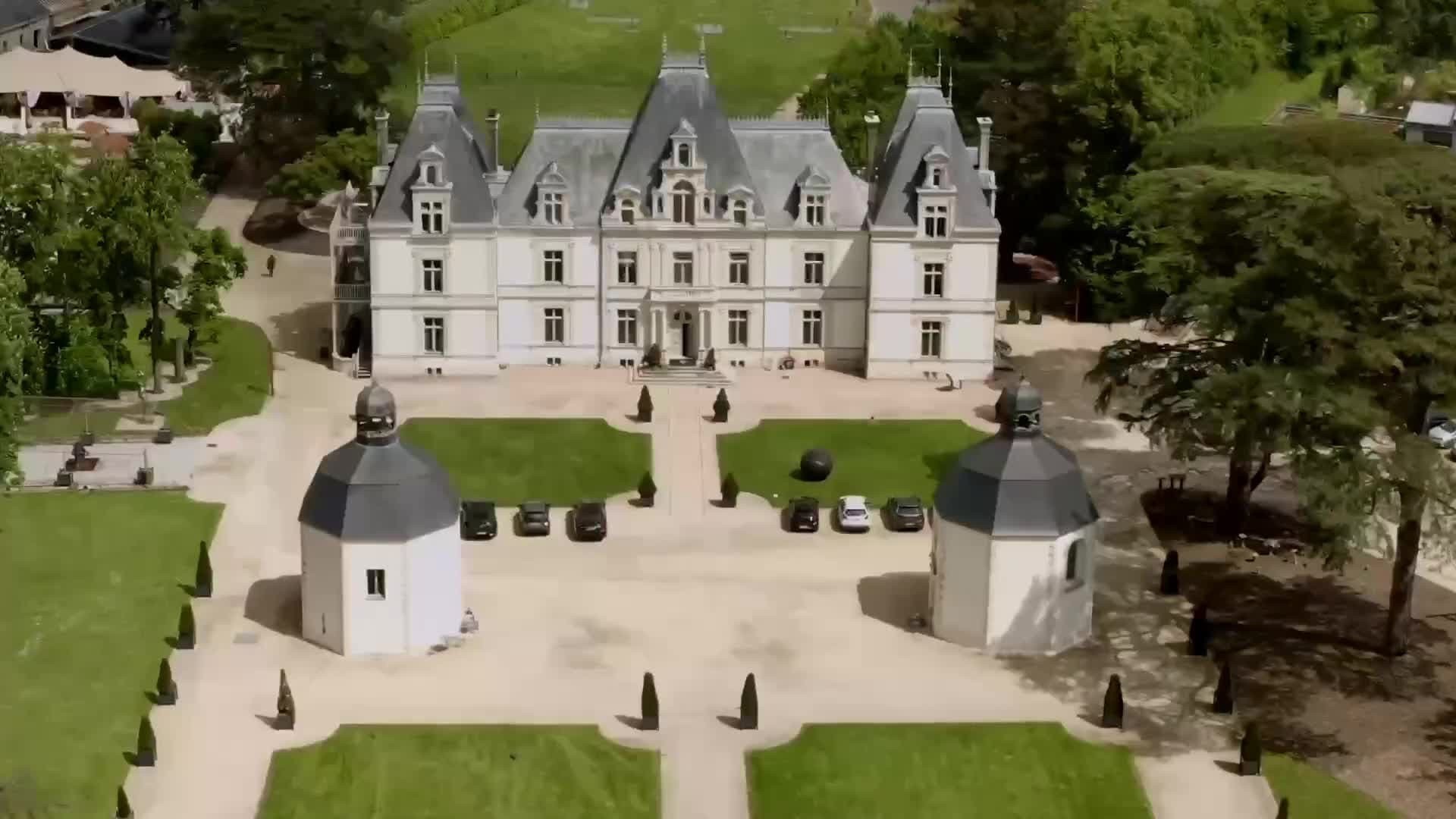
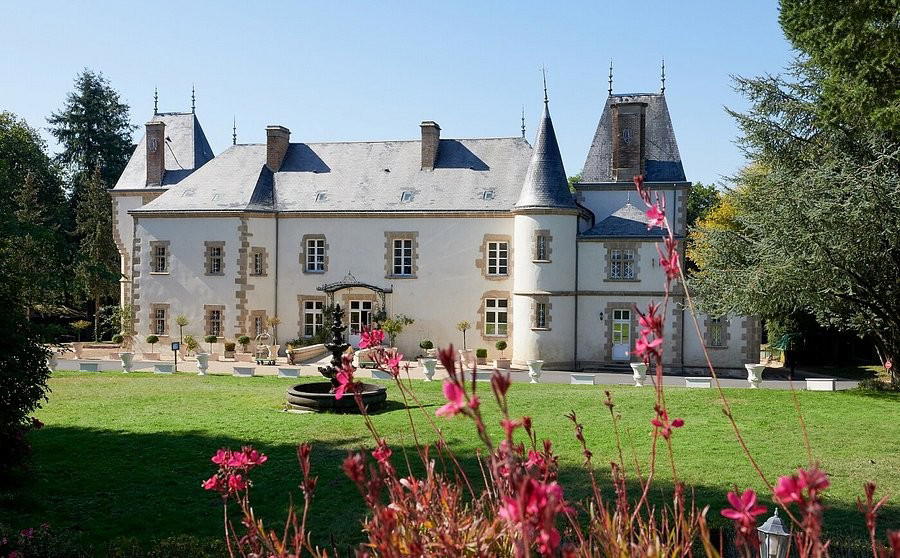
Domaine Poiron Dabin is a family-run Loire estate in Château-Thébaud where the appeal is grounded in place rather than spectacle. The experience centers on a welcoming, educational tasting in a traditional cellar setting, surrounded by the granite hillside vineyards of Château-Thébaud. For visitors, the focus is terroir, originality, and a close connection to the estate’s landscape, with the cellar acting less as a stage set and more as a direct point of contact between the wine, the family estate, and the slopes around it.
What can be stated clearly is that Domaine Poiron Dabin is positioned as a cellar-based Loire stop with a family-estate feel and a strong sense of local granite terroir. It is best understood as a place where the meaning of the visit comes from context: the hill, the cellar, the explanation, and the opportunity to taste with the surrounding landscape in mind. That makes it a useful address for travelers who prefer a simple, place-led wine experience over a more polished or performative format.
Granite hillside vineyards and Loire terroir
The most reliable way to understand Domaine Poiron Dabin is through its setting in Château-Thébaud. The estate is associated with granite hillside vineyards, and the tasting experience is framed around explaining that terroir in a direct, educational way. Rather than leaning on claims about specific cuvées or production methods, the draw is the chance to connect the tasting to the place where it is made, and to consider how the granite hillside identity shapes the way the estate presents itself to visitors.
This sense of place matters because it gives the tasting a clear center of gravity. The visit is not described as a broad survey of the Loire, nor as a destination built around luxury design, food pairings, or elaborate presentation. Its strength is more focused: Château-Thébaud, granite, hillside vineyards, a traditional cellar, and a family-run estate explaining its own ground. For some travelers, that narrower focus is exactly the point, because it keeps attention on the relationship between wine and landscape rather than on distractions around the tasting.
This makes the visit well suited to travelers who want a grounded Loire cellar experience: family-run, approachable, and rooted in the vineyard landscape. The emphasis is on originality and local character, not on a luxury hospitality format or a highly staged tasting room. In that sense, Domaine Poiron Dabin reads as a stop for people who want to learn by being in the place itself, where the cellar and the surrounding granite hillside vineyards provide the framework for understanding what is being poured.
A cellar visit built around explanation, not spectacle
The description points to a welcoming and educational atmosphere. Tastings take place in a traditional cellar setting, which gives the visit a practical, estate-level character. It is not necessary to invent extra services or formats to describe the appeal: the core experience is the combination of family estate, cellar setting, and granite hillside surroundings. Those elements are enough to define the visit, especially for travelers who value clarity, proximity, and a sense that the tasting is connected to the working identity of the domaine.
The word “educational” is important here because it suggests that the tasting is not only about sampling wine, but also about receiving an explanation of the estate and its terroir. That kind of visit can be especially rewarding in a region where the landscape itself is part of the story. In a traditional cellar, the explanation can feel grounded and immediate, because the setting reinforces the idea that the wine is being presented within its own environment rather than in a detached showroom.
Pricing is listed at $8 per person. Taken alongside the family-run character and the traditional cellar setting, that listed price supports the impression of a direct, accessible visit. The value of the experience should therefore be understood less in terms of added extras and more in terms of access to a focused estate tasting in Château-Thébaud, with the granite hillside vineyards and local terroir kept at the center of the conversation.
How to place it within a Château-Thébaud wine day
Domaine Poiron Dabin works as a focused Château-Thébaud stop for travelers interested in Loire tastings, cellar settings, and granite terroir. Since only limited information is available, it is best approached as a direct estate visit rather than a fully scripted hospitality experience. That means expectations should be aligned with what is actually described: a welcoming, educational tasting, a traditional cellar, a family-run domaine, and a strong connection to the surrounding vineyard landscape.
For the rest of a Château-Thébaud itinerary, compare other local options generically according to your schedule and transport needs. Domaine Poiron Dabin remains the relevant named reference here: a family-run Loire estate in Château-Thébaud with tastings in a traditional cellar setting and a price of $8 per person. Within a wine day, it can serve as the kind of stop that gives shape to the local context, especially if your goal is to understand how a specific estate presents its own granite hillside terroir in a direct and approachable way.
Recognition history
Dated appearances from independent guides and award organizations, with the underlying list record or original source where available.
Falstaff Winery - Listed
Falstaff
Continue exploring
More in Château-Thébaud
Wineries in Château-Thébaud
Browse all →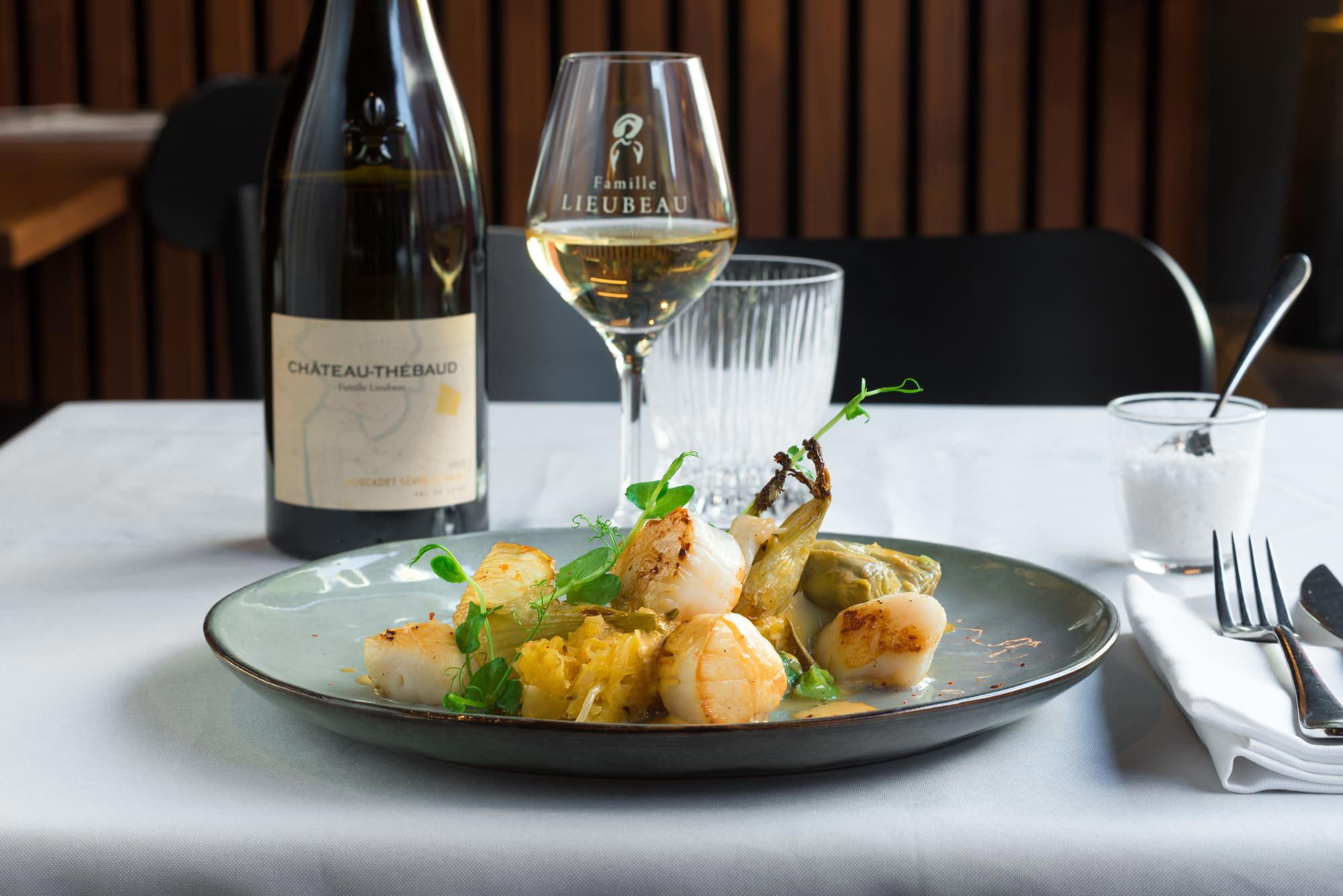
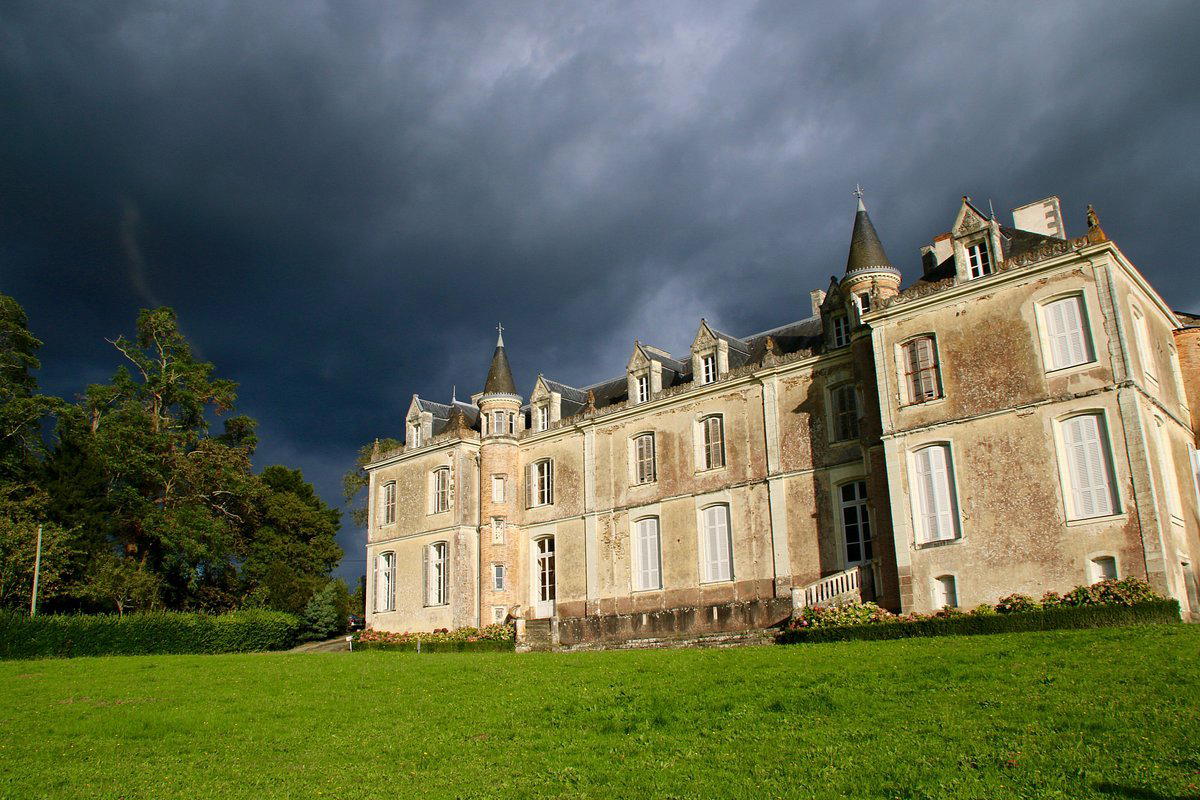
Bars in Château-Thébaud
Browse all →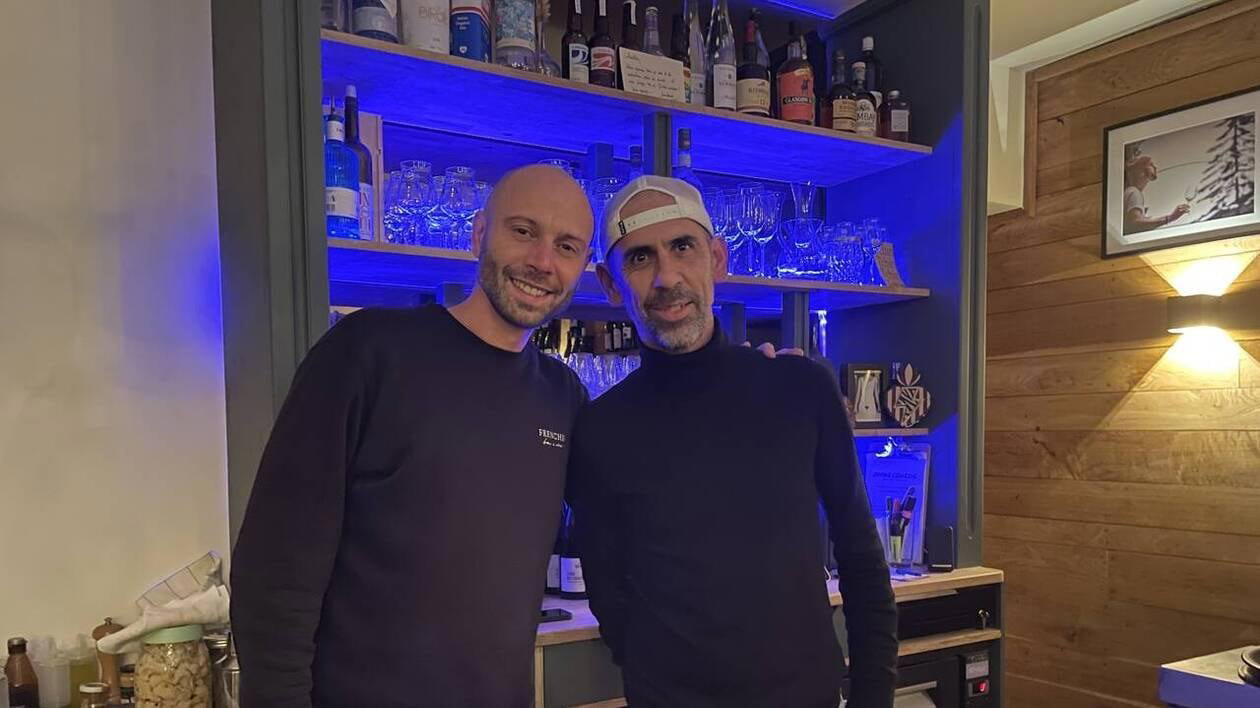
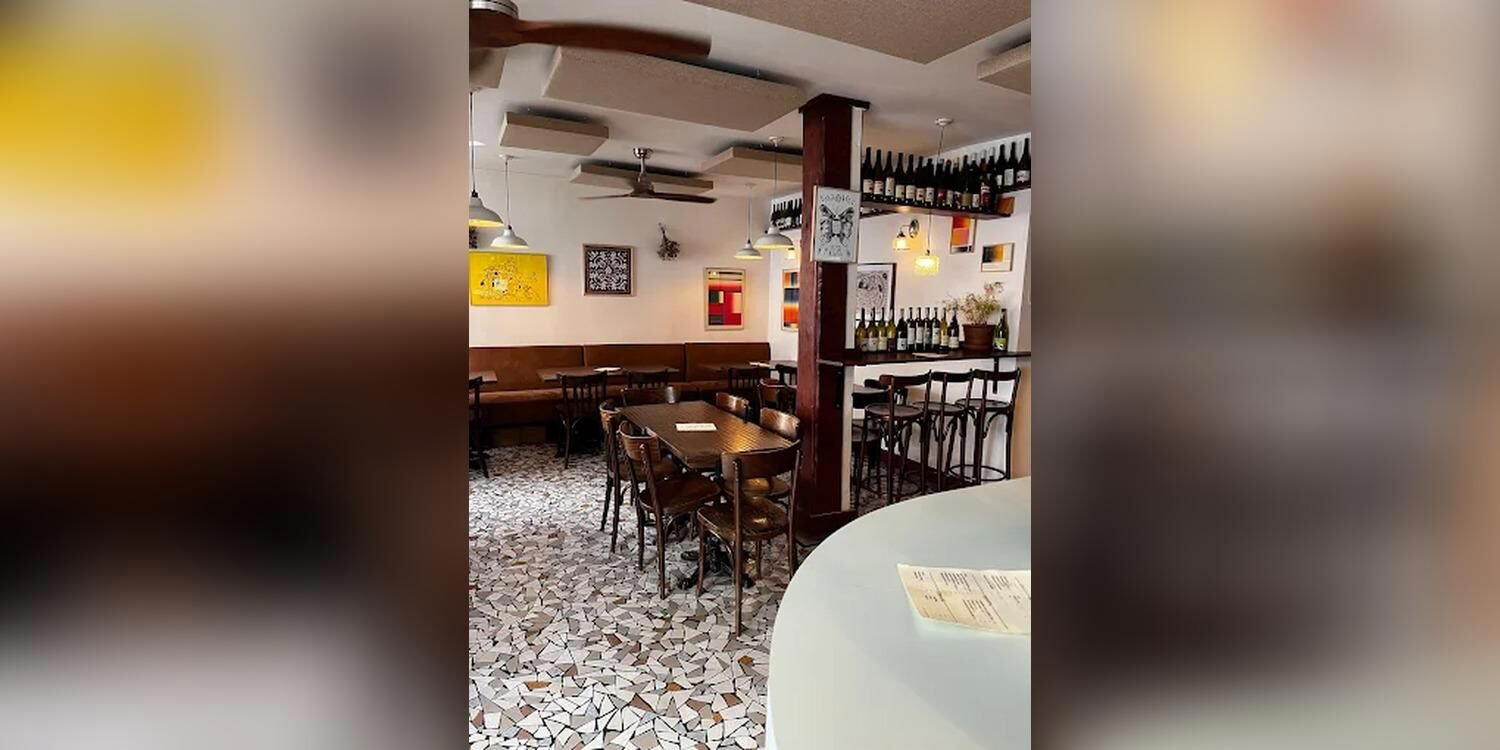
Restaurants in Château-Thébaud
Browse all →
Details
- Scenic
- Rustic
- Classic
- Romantic
- Group Outing
- Wine Education
- Romantic Getaway
- Special Occasion
- Solo Exploration
- Estate Grounds
- Vineyard Tour
- Cave Tasting
- Private Tasting
- Sustainable
- Vineyard
- French
- English
Current opening hours
- Monday
- 9 am–12 pm, 2–6 pm
- Tuesday
- 9 am–12 pm, 2–6 pm
- Wednesday
- 9 am–12 pm, 2–6 pm
- Thursday
- 9 am–12 pm, 2–6 pm
- Friday
- 9 am–12 pm, 2–6 pm
- Saturday
- 9 am–12 pm, 2–6 pm
- Sunday
- Closed
Hours can change for holidays and private events. Last verified .
Family-run Loire estate with a welcoming, educational feel, where tastings take place in a traditional cellar setting surrounded by the granite hillside vineyards of Château-Thébaud, emphasizing terroir, originality, and a close connection to nature.