Chéreau Carré

Falstaff Winery - Listed
Chéreau Carré gives Muscadet Sèvre-et-Maine a serious, soil-led reading rather than a simple aperitif frame. The Saint Fiacre Sur Maine estate works with Melon de Bourgogne, old vines, schist and orthogneiss sites, lees aging, and guided cellar tastings that suit drinkers interested in why this corner of the Loire can age with more authority than its reputation suggests.

Pearl is the En Primeur Club membership app — saves, bookings, and concierge access live there. Same editors, same standards.
- Address
- Saint-Fiacre-sur-Maine, Center-Val de Loire, Frankreich
- Directions
- Get directions

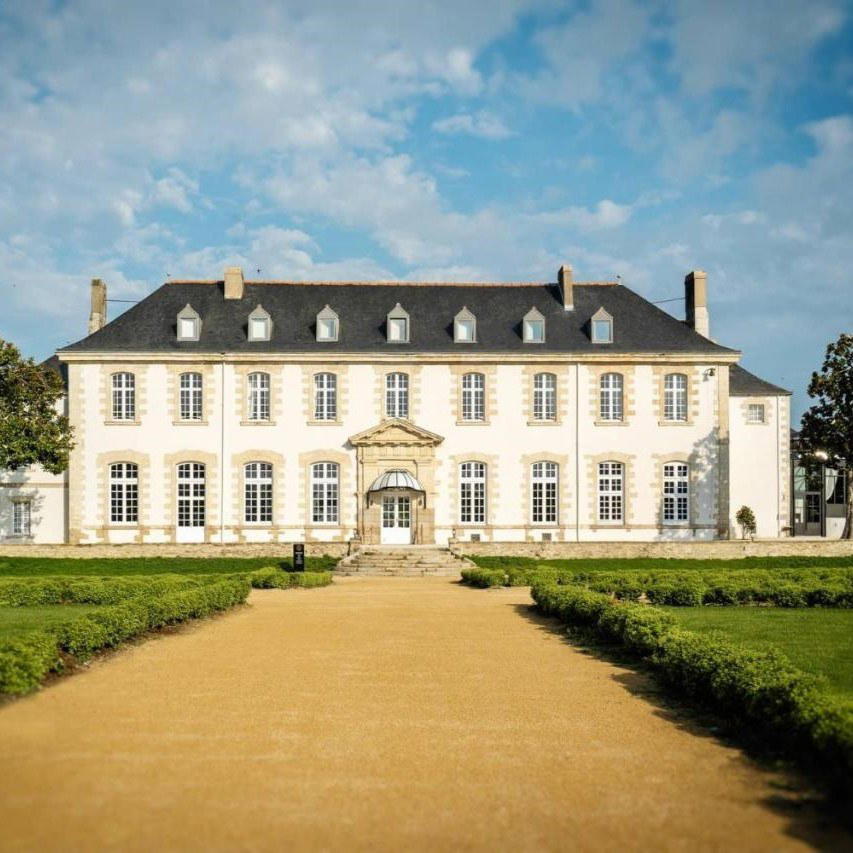
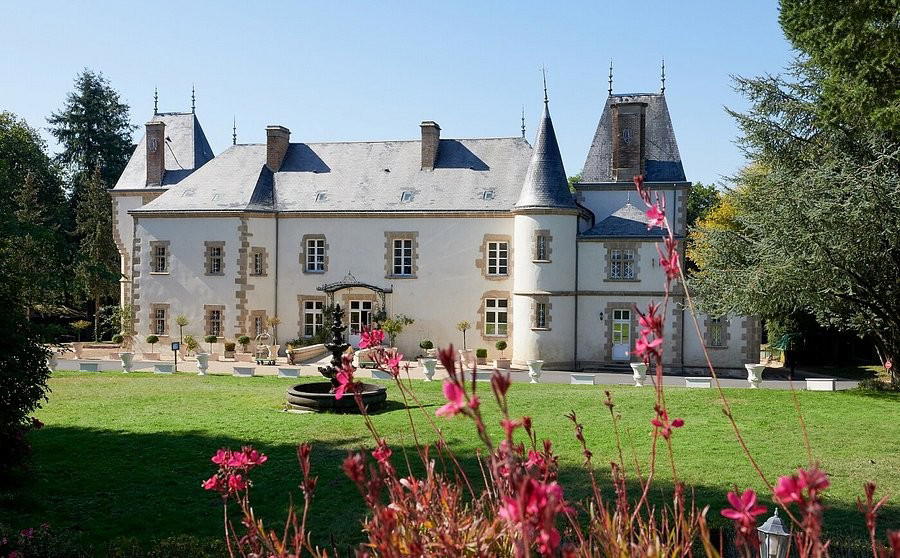
Approaching a Muscadet cellar in Saint Fiacre Sur Maine, the cues are quieter than in France’s grander wine regions: river air, vineyard edges, old stone, and working-cellar rhythm rather than trophy architecture. That restraint matters. Muscadet Sèvre-et-Maine argues through soil, lees, acidity, and time in bottle, not spectacle. Chéreau Carré belongs to the serious end of the appellation, where the cellar experience becomes a way of reading place.
The estate does more than make dry white wine from Melon de Bourgogne. The larger story is Muscadet’s decades-long escape from its old shorthand as a bracing seafood pour. In Sèvre-et-Maine, schist, gneiss, shale, and orthogneiss shape markedly different wines, and the Crus Communaux system has sharpened that conversation. This estate’s old-vine and single-site work sits inside that movement, with family history dating to 1953 and a cellar culture closely tied to sur lie aging.
Schist, lees, and the serious side of Muscadet
Muscadet’s great virtue is its refusal to behave like a showy wine. Depth arrives through texture, salinity, and persistence, especially when lees aging is patient. Bernard Chéreau senior is credited in the estate’s history with early adoption of sur lie aging, which became part of appellation regulation in 1977. That places the domaine inside one of the technical shifts that changed how the region’s wines were judged.
Chéreau Carré works across four vineyard estates: Chasseloir, Château de l’Oiselinière, Château de la Chesnaie, and Domaine du Bois Bruley. For visitors, the useful distinction is geological rather than romantic. Chasseloir and La Cantrie bring schist; l’Oiselinière adds orthogneiss; the broader holdings include shale and gneiss. These are not decorative tasting-sheet terms. In Muscadet, soil helps explain why one bottle feels linear and stony while another carries more breadth.
The old-vine work gives that discussion weight. Comte Leloup du Château de Chasseloir is drawn from vines described as more than 100 years old on schist, and made only in strong vintages. Le Clos du Château l’Oiselinière comes from 80-year-old vines on an orthogneiss dome, while Terrasses de la Cantrie is tied to Monnières-Saint-Fiacre and a terraced schist hillside. These cuvées make the case for Muscadet as a wine of sites, not merely a category.
Lees aging is the other lens. Crus Communaux wines require extended lees time, and the estate also uses bottle aging before release for certain cuvées. Structurally, the style is built for patience: dry white wine with acidity to hold, lees contact for texture, and a mineral frame that stays precise. Wine Advocate has awarded 90 points to Comte Leloup, a useful external signal for readers who want recognition without turning the visit into a score chase.
A cellar visit built around education rather than performance
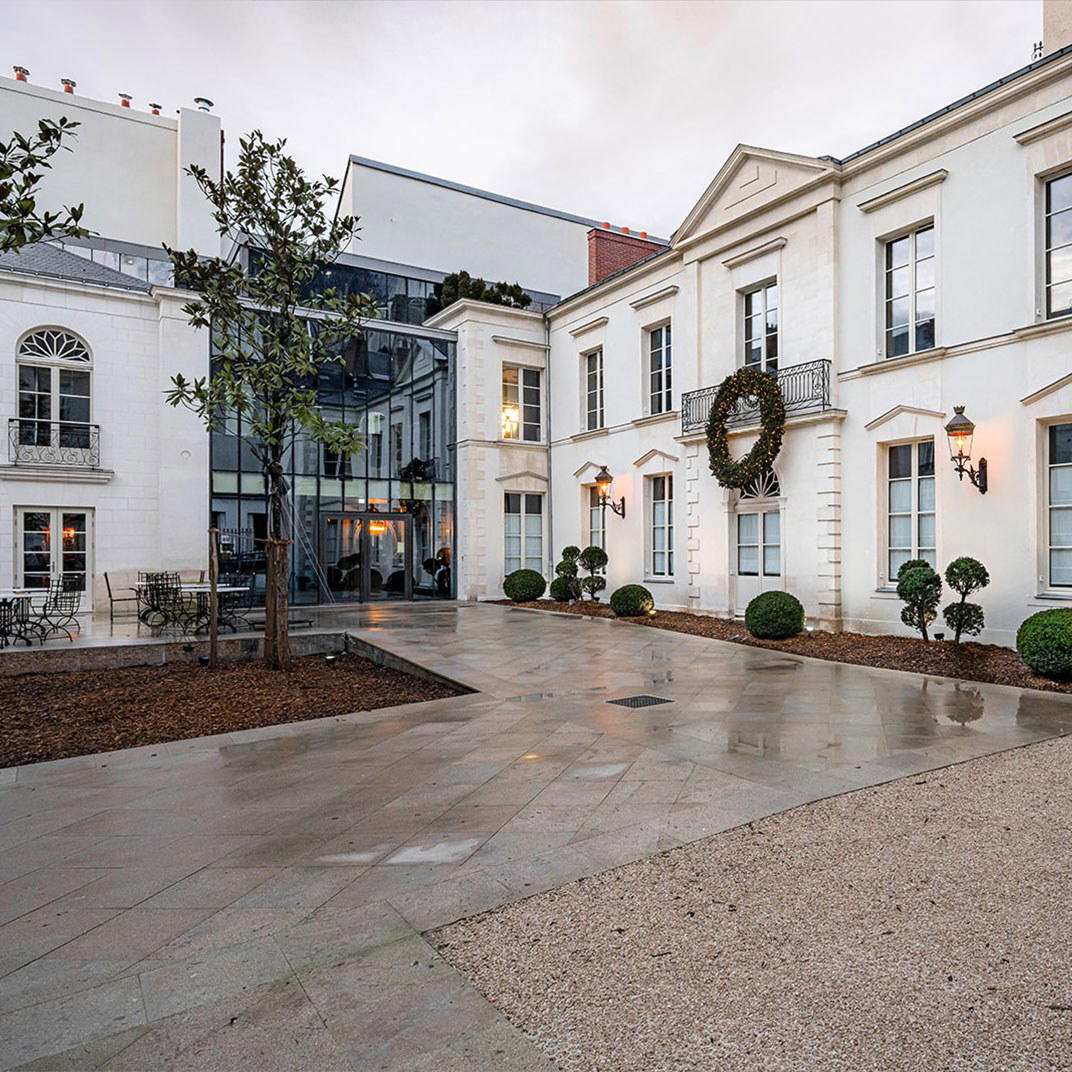
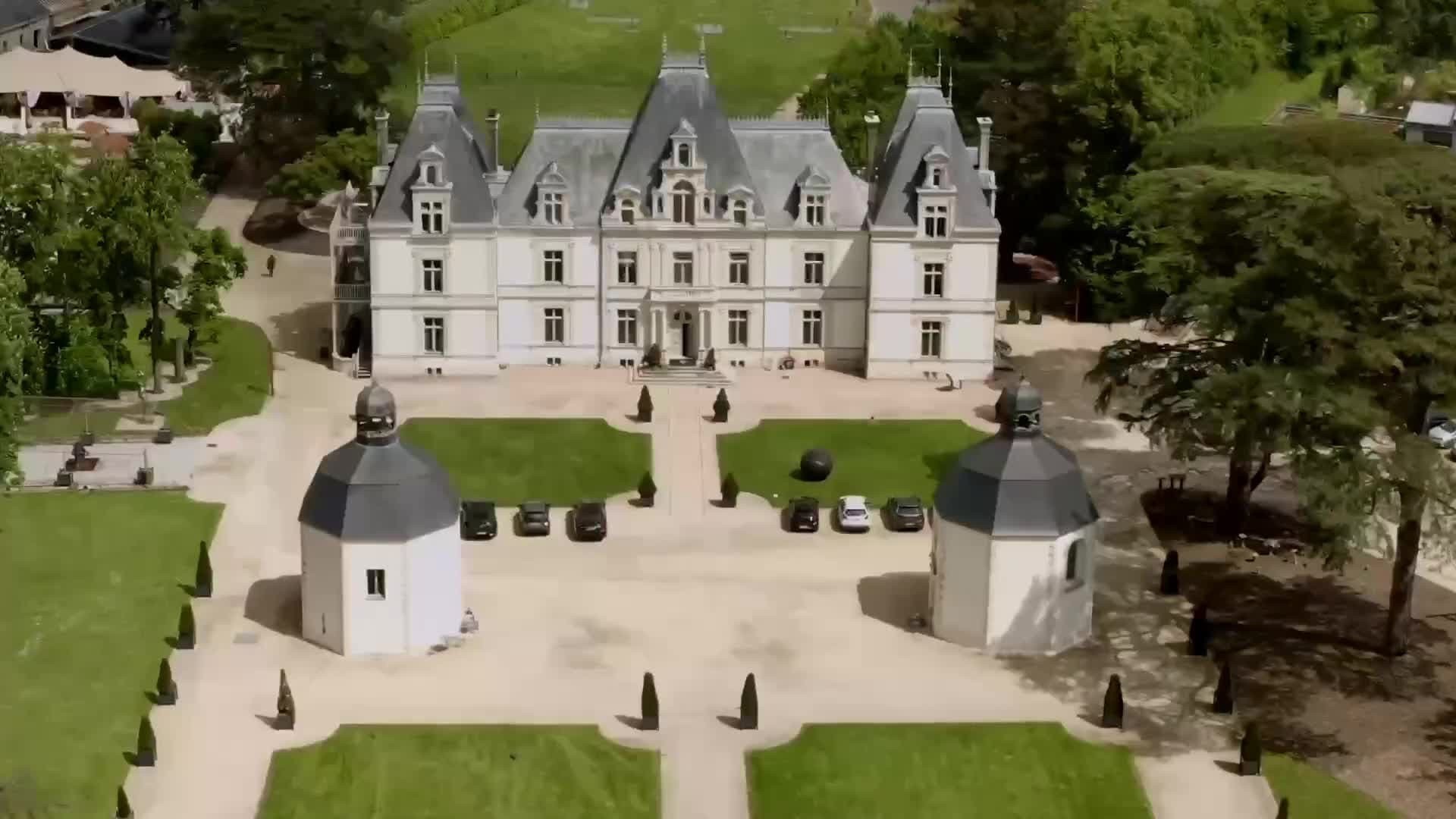
The format suits people who prefer guided vineyard and cellar explanation to a bar-style tasting flight. Chéreau Carré offers guided and cellar tastings, with a quiet, rustic atmosphere and family-run tone. It is not built around food pairings or restaurant-format hospitality; the appeal is an appellation lesson, with estate grounds, cellar context, and a chance to connect named sites to wines in the glass.
The production choices give experienced drinkers substance. Fruit is estate-grown, Melon de Bourgogne remains central, and broader plantings include Folle Blanche, Chardonnay, Sauvignon, and Merlot. Indigenous yeasts, hand-harvesting, concrete tanks, and a gravity-fed cellar at Chasseloir point toward control and preservation rather than overt manipulation. That does not make the wines austere by default; it anchors the house style in clarity of site.
Louise Chéreau adds a generational layer without turning the story into a personality profile. Her Vices & Vertus project expands beyond classic Muscadet, including Orgueil, a bottle-fermented sparkling Muscadet, and Katharos, a zero-sulfur natural wine made from 40-year-old Melon de Bourgogne vines at Chasseloir. In a region often discussed through tradition, those bottles show how younger Loire producers can test form while staying close to local material.
For planning in Saint Fiacre Sur Maine, local wine context is more useful than a generic itinerary. Nearby winery research can start with Château du Coing-de-Saint-Fiacre and Domaine Gadais Père & Fils, then widen through our full Saint Fiacre Sur Maine wineries guide. Visitors building a stay can also use our full Saint Fiacre Sur Maine restaurants guide, our full Saint Fiacre Sur Maine hotels guide, our full Saint Fiacre Sur Maine bars guide, and our full Saint Fiacre Sur Maine experiences guide.
How it fits into a wider French wine trip
Chéreau Carré is a counterpoint to regions where prestige is signaled through grand cru hierarchies, château hospitality, or high-tariff tasting rooms. Its value is intellectual and regional: seeing how a coastal Loire appellation can produce age-worthy, site-specific white wines from a grape that rarely gets the attention given to Chardonnay, Chenin Blanc, or Riesling. It rewards travelers who know the outlines of French wine and want the quieter chapters.
Across France, similar terroir-first thinking appears in different forms. Champagne travelers might compare regional discipline through A. Margaine in Villers-Marmery or Agrapart & Fils in Avize; southern itineraries can look to Abbaye de Fontfroide in Narbonne, Abbotts & Delaunay in Marseillette, Advini in Saint Felix De Lodez, and Alain Brumont in Castelnau Riviere Basse. For a cross-border lens on small-production cellar culture, useful contrasts include »der Steiner« Hans Steiner in Podersdorf am See and & Handwein in Mannheim.
The practical read is simple: this is a guided, reservation-recommended winery visit for people who want to understand Muscadet through land and cellar work. It is casual in dress, quiet in tone, group-friendly, and better treated as a focused wine-education stop than a hospitality spectacle. The strongest reason to go is the chance to connect old vines, schist, orthogneiss, lees aging, and the Crus Communaux conversation where those ideas are made tangible.
Recognition history
Dated appearances from independent guides and award organizations, with the underlying list record or original source where available.
Falstaff Winery - Listed
Falstaff
Continue exploring
More in Saint Fiacre Sur Maine
Wineries in Saint Fiacre Sur Maine
Browse all →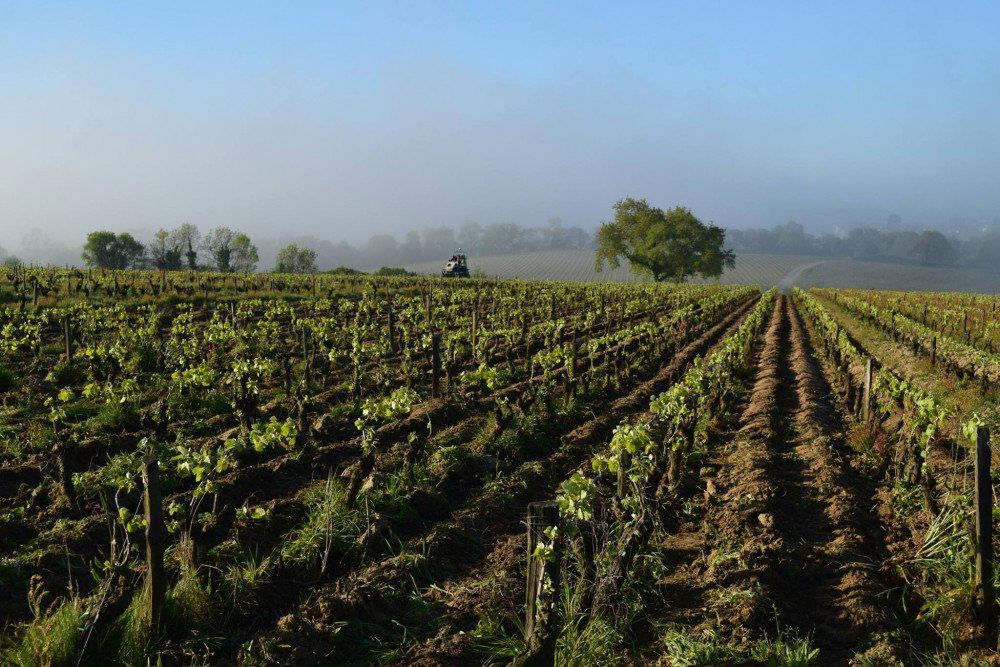
Bars in Saint Fiacre Sur Maine
Browse all →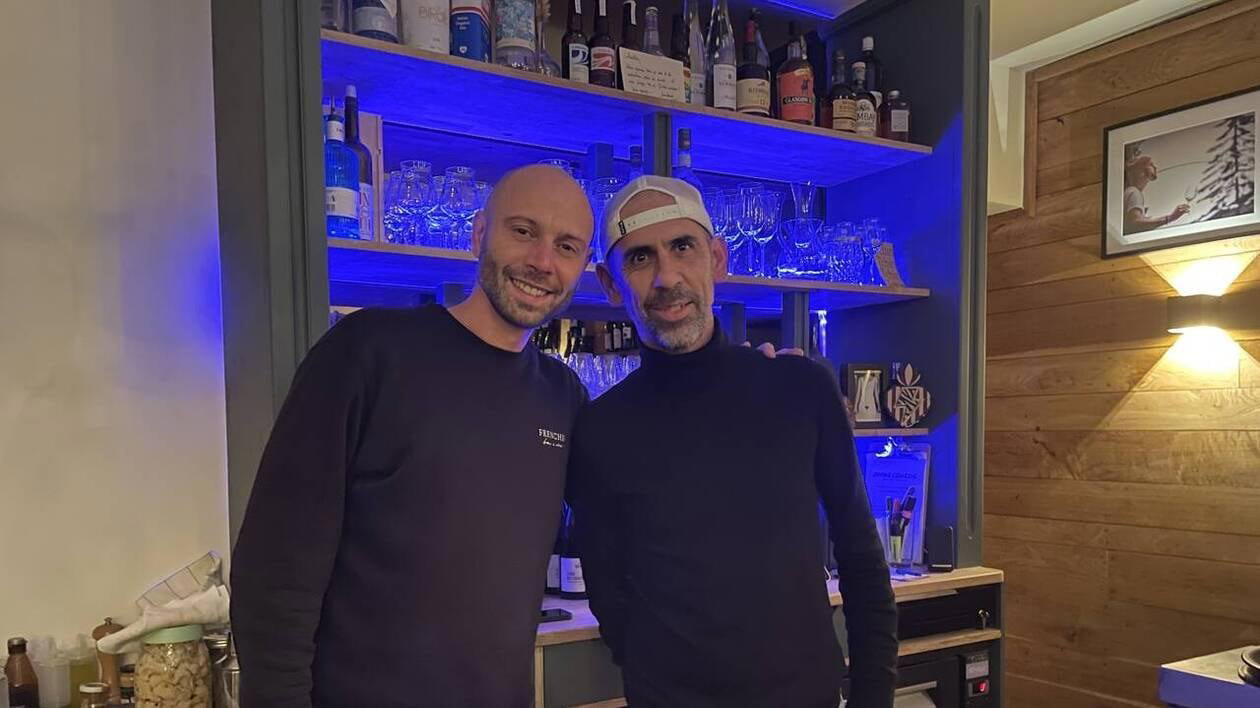
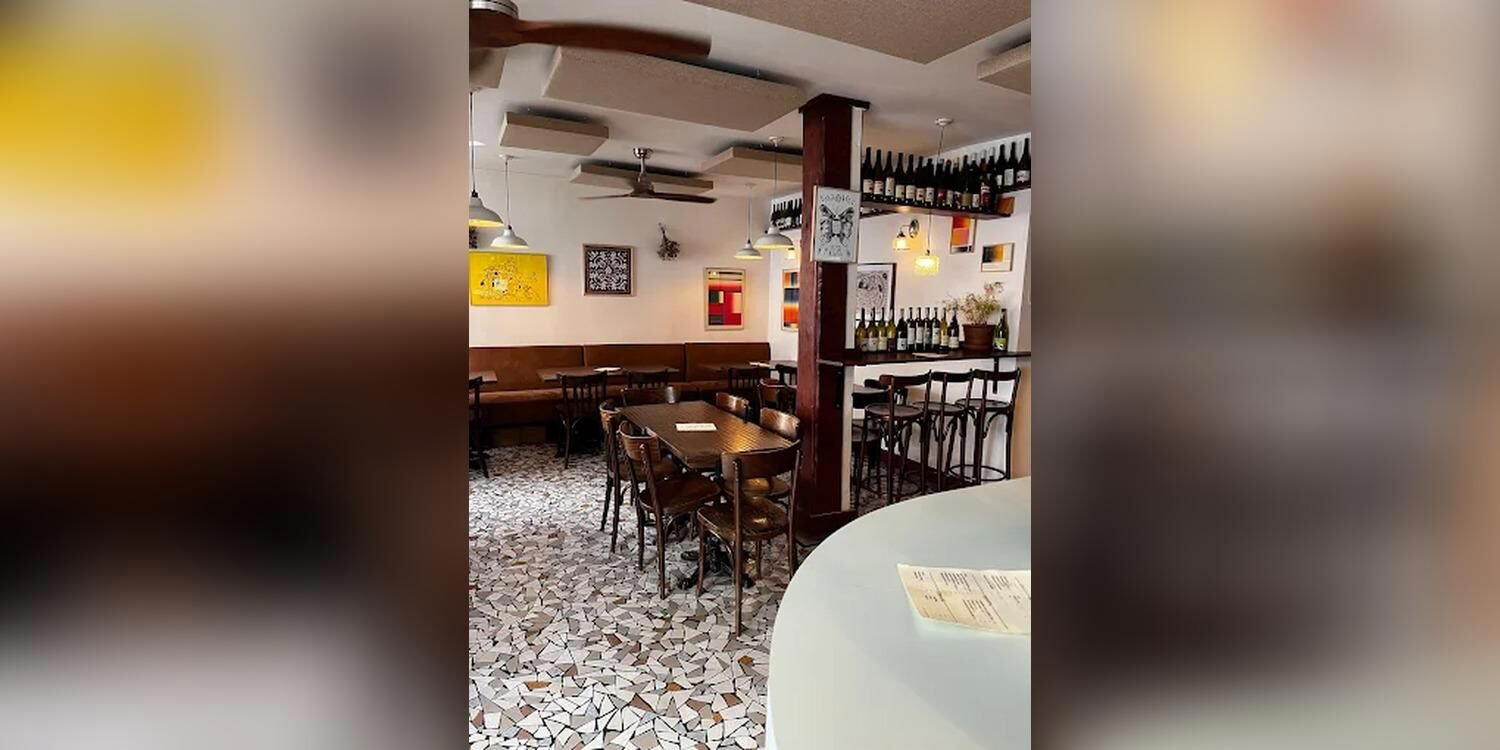
Restaurants in Saint Fiacre Sur Maine
Browse all →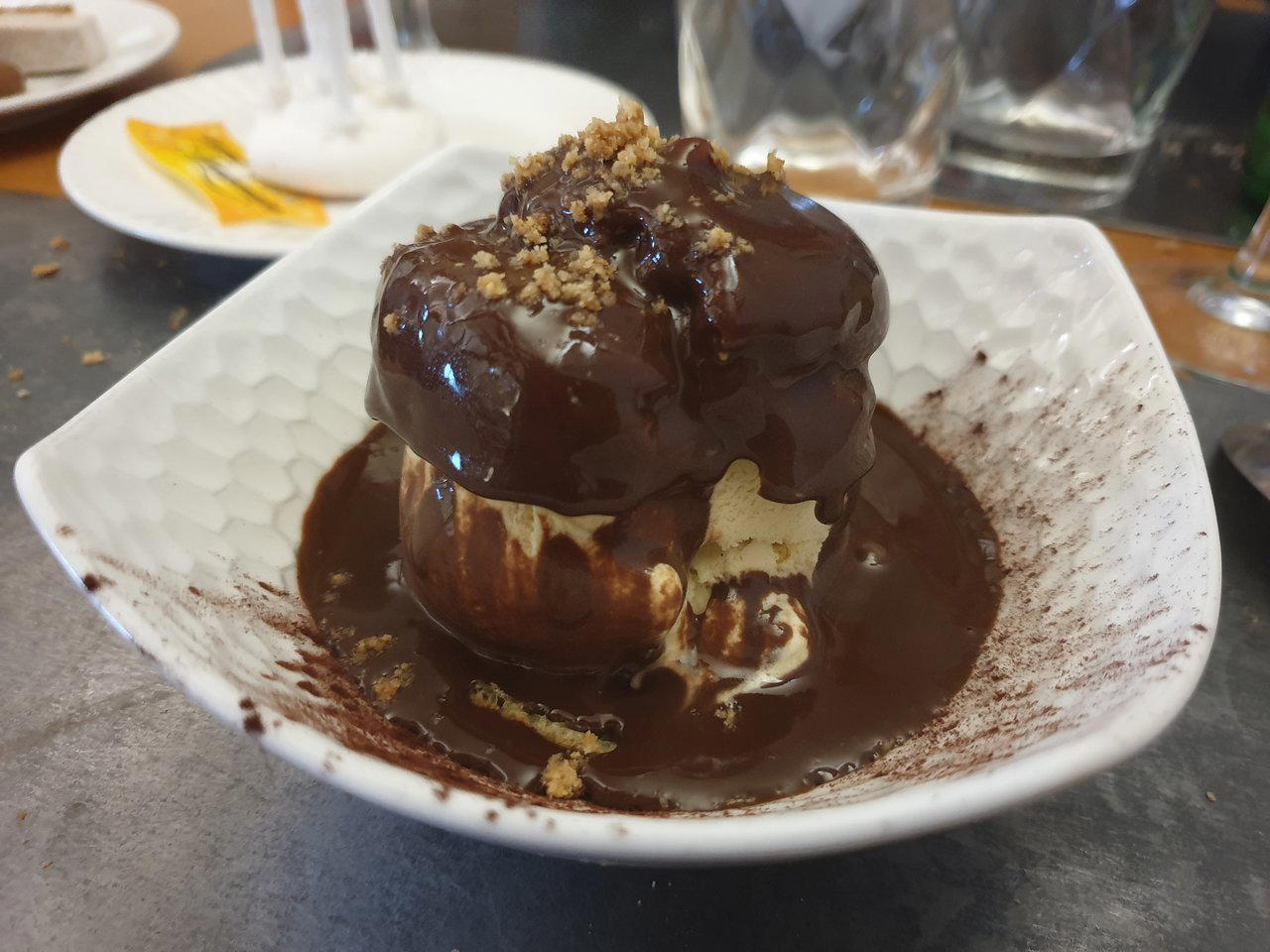
Details
- Classic
- Quiet
- Rustic
- Sophisticated
- Wine Education
- Group Outing
- Special Occasion
- Estate Grounds
- Historic Building
- Private Tasting
- Vineyard
- Waterfront
- Melon De Bourgogne
- Folle Blanche
- Chardonnay
- Sauvignon
- Merlot
- Still White
- Still Rosé
- Sparkling
- Guided Tasting
- Cellar Tasting
Terroir-driven and traditional, with a family-run, quality-focused cellar experience centered on schist terroirs, old vines, and lees aging.