La Ferme Sainte-Cécile

A Michelin Plate-recognised table in Moustiers-Sainte-Marie, La Ferme Sainte-Cécile sits within the Parc naturel régional du Verdon and holds. At the €€ price point, it represents one of the more accessible entries into modern cuisine in a village better known for its faïence tradition than its restaurant scene. Booking ahead is advisable given the setting's draw during peak Gorges du Verdon season.
Pearl is the En Primeur Club membership app — saves, bookings, and concierge access live there. Same editors, same standards.
- Address
- Parc naturel régional du Verdon, Route des Gorges du, 04360 Moustiers-Sainte-Marie, France
- Phone
- +33 4 92 74 64 18
- Website
- ferme-ste-cecile.com
- Directions
- Get directions
 Saves & bookings on Pearl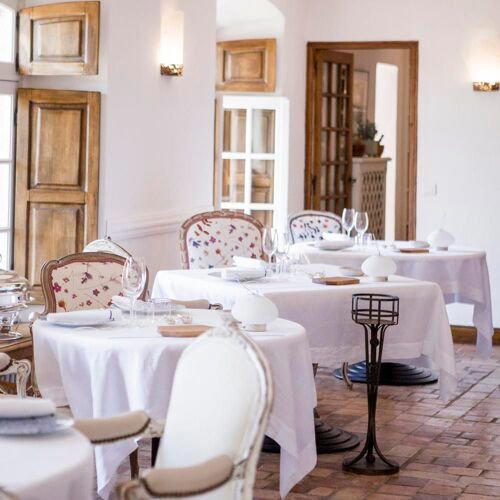
Where the Verdon Plateau Meets the Table
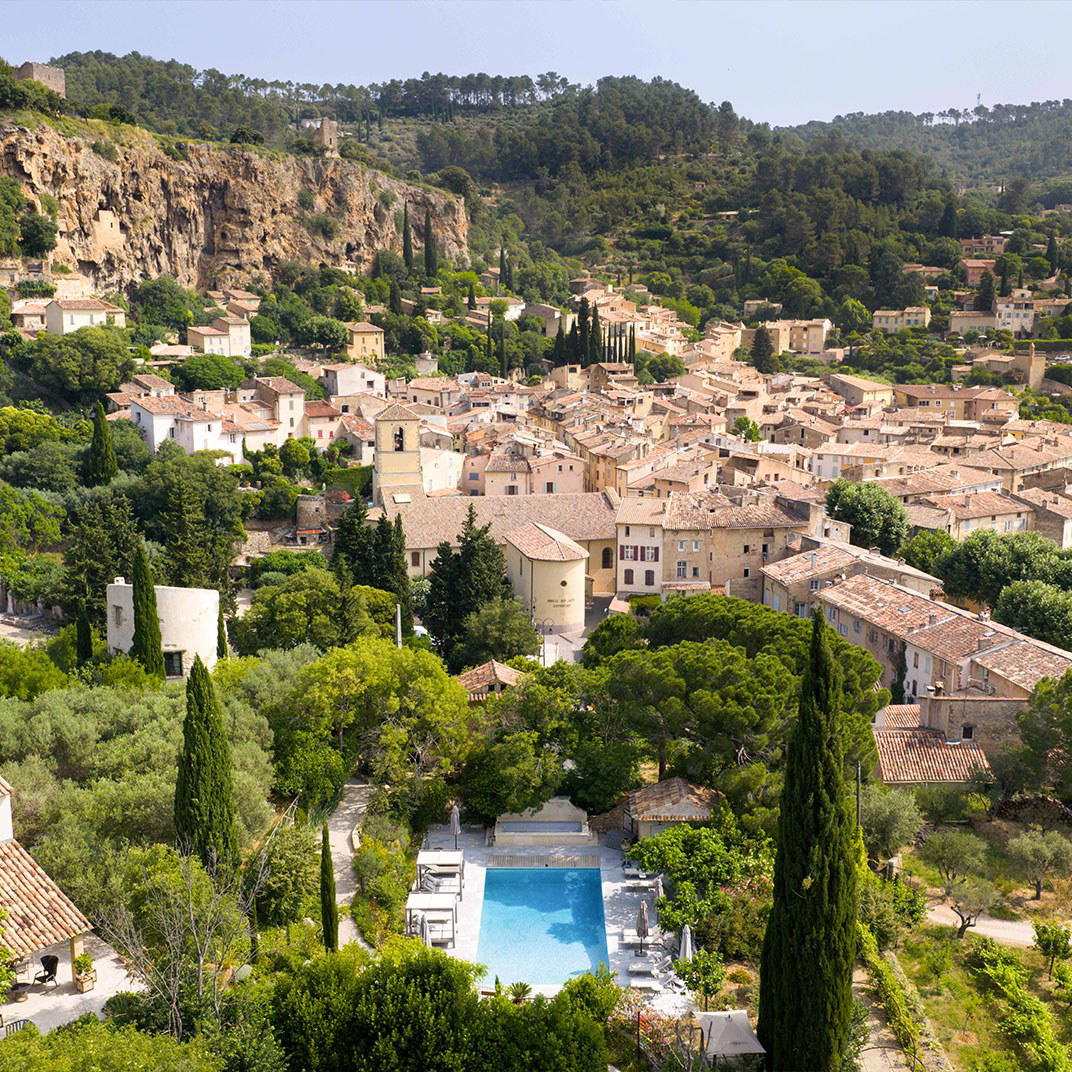
Approach Moustiers-Sainte-Marie along the Route des Gorges du Verdon and the village reveals itself in stages: the limestone cliffs first, then the star suspended on its chain above the ravine, then the tight medieval lanes that drop toward the Maire torrent. La Ferme Sainte-Cécile sits within this geography, inside the Parc naturel régional du Verdon, framed by the kind of landscape that makes the question of what arrives on the plate feel inseparable from where you are. It is a setting that places particular pressure on any kitchen serving Modern Provençal French: the environment is too specific, too loaded with Provençal agricultural memory, to permit generic cooking.
That specificity is not distinctive to this address. Provence's most serious restaurant addresses have long argued that terroir is as much a culinary fact as a viticultural one. At the higher end of the spectrum, Mirazur in Menton has made garden-to-table provenance its central argument. Further afield, Bras in Laguiole built its entire identity around the Aubrac plateau. La Ferme Sainte-Cécile operates at a different price tier and with a different set of institutional resources, but it occupies territory where the same logic applies: the region asks to be tasted.
Modern Cuisine in a Provençal Frame
The modern cuisine designation in France covers a wide range of approaches, from the highly technical laboratories of Alléno Paris au Pavillon Ledoyen to mountain-rooted kitchens like Flocons de Sel in Megève, where altitude and seasonality set the terms. In the Verdon context, modern cuisine tends to mean something more grounded: a kitchen that takes regional produce seriously without treating classical Provençal cooking as a museum piece. The herb-dry hills around Moustiers produce thyme, lavender, and wild fennel with a concentration that greenhouse cultivation cannot replicate. Lamb from the Plateau de Valensole, olive oils pressed in the Var, and stone fruit from the Durance valley form the raw material of any honest table in this part of France.
La Ferme Sainte-Cécile has held Michelin Plate recognition in 2024 and 2025. The Plate designation, often misread as a consolation for starred venues, carries a specific meaning in the Guide's own framework: it recognises good cooking, used selectively for addresses that meet quality thresholds without reaching the starred tier. In Moustiers-Sainte-Marie, a village of fewer than 800 permanent residents, sustained Michelin recognition across consecutive years is a material signal. The Guide's inspectors return; they are satisfied enough to list it again. That consistency matters more than any single year's inclusion.
The €€€ price positioning places La Ferme Sainte-Cécile in a notably accessible bracket relative to the region's Michelin-recognised competition. To put the gap in perspective: three-star Provençal-adjacent tables such as Mirazur operate at €€€€, a tier that requires a different kind of trip planning. At €€, this address functions as a serious option for travellers who want cooking that holds up to scrutiny without allocating the budget typical of France's prestige dining circuit.
The Cultural Weight of Eating in Moustiers
Moustiers-Sainte-Marie is one of the so-called Les Plus Beaux Villages de France, a designation that brings seasonal visitor pressure from May through September and a specific kind of guest: people who have driven the Gorges du Verdon, who have probably stopped at the faïence workshops, and who arrive at dinner with a particular appetite for place. That context shapes what a restaurant here needs to do. The meal is rarely the only reason someone comes to Moustiers; it is part of a larger encounter with a particular corner of inland Provence.
The faïence tradition itself offers a useful parallel for the culinary conversation. Moustiers became one of France's great earthenware centres in the seventeenth century, drawing on local clay and Italian technique to produce something distinctly regional. The logic of artisanal production shaped by place applies equally to the better tables here. Cooking that draws on Verdon-area producers makes a similar argument: craft rooted in specific material conditions, not imported formulas.
France's broader range of destination restaurants sustained by landscape and local produce includes addresses across different price tiers. Auberge de l'Ill in Illhaeusern built its multi-generational reputation on Alsatian terroir. Troisgros - Le Bois sans Feuilles in Ouches relocated specifically to deepen its connection to regional producers. The model of a kitchen anchored to its geography is among French gastronomy's most durable traditions, from Paul Bocuse - L'Auberge du Pont de Collonges in Collonges-au-Mont-d'Or to contemporary interpreters like AM par Alexandre Mazzia in Marseille. The restaurant operates well below those reference points in price and institutional recognition, but it sits within the same cultural argument.
Competitive Position in the Village
Within Moustiers-Sainte-Marie itself, one discussed address at the higher end is La Bastide de Moustiers (Provençal), which operates in Alain Ducasse's broader hospitality network and commands the Provençal-luxury positioning. The restaurant occupies different terrain: the Michelin Plate places it in a quality register, but its price point and farmhouse framing appeal to a guest who wants serious cooking without the formal register of a Ducasse property. The two are not direct competitors in the conventional sense; they serve overlapping but distinct visitor profiles.
. Inflated ratings at tourist-heavy locations are a known pattern; maintaining 4.8 across several hundred reviews suggests consistent kitchen performance rather than a single viral moment.
Planning Your Visit
The restaurant sits on the Route des Gorges du Verdon within the Parc naturel régional du Verdon, placing it on the natural circuit for visitors approaching Moustiers from the south after the gorge road. Peak season runs from late June through August, when the Gorges du Verdon draws its heaviest traffic and tables in the village fill well in advance. Booking ahead during this window is advisable. The €€ price tier keeps it within reach for most visitors who have already budgeted for the area's accommodation costs, which tend to run higher during the summer months given demand. For context on where this fits in the broader local offering, see our full Moustiers-Sainte-Marie restaurants guide, and for overnight planning, our Moustiers-Sainte-Marie hotels guide covers the full range of options in and around the village. The area's drinking and wine culture is mapped in our bars guide, our wineries guide, and our experiences guide for Moustiers-Sainte-Marie.
Pricing, Compared
Comparable venues nearby, for context on price, style, and recognition.
| Venue | Cuisine | Price | Awards | Notes |
|---|---|---|---|---|
| La Ferme Sainte-CécileThis venue — the venue you are viewing | Modern Cuisine | $$$ | Michelin Plate | Not listed |
| La Bastide de Moustiers | Not listed | $$$$ | Michelin 1 Star | Moustiers-Sainte-Marie, Provençal Fine Dining |
| Clovis | Not listed | $$$ | Michelin Plate | Tourrettes-sur-Loup, Provençal French Bistro |
| Domitia - Maison de Cuisinier | Beaumettes, Modern French Bistro | $$$ | Michelin Plate | Not listed |
| L'Amélyss | Grenoble center, Modern French Bistro | $$$ | Michelin Plate | Not listed |
| Insitio | Vaugines, Modern Provençal Bistro | $$$ | Michelin Plate | Not listed |
Recognition history
Dated appearances from independent guides and award organizations, with the underlying list record or original source where available.
Michelin Plate
Michelin
Michelin Plate
Michelin
Continue exploring
More in Moustiers-Sainte-Marie
Restaurants in Moustiers-Sainte-Marie
Browse all →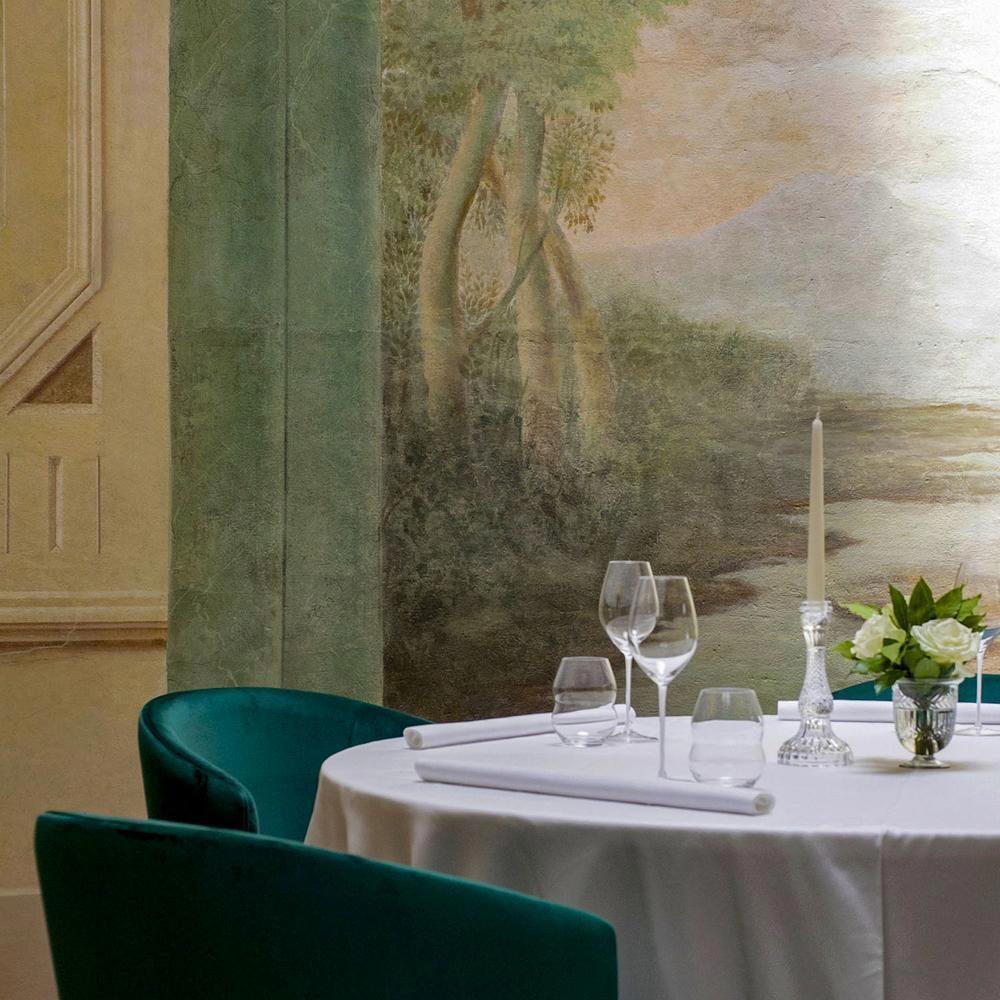
Bars in Moustiers-Sainte-Marie
Browse all →
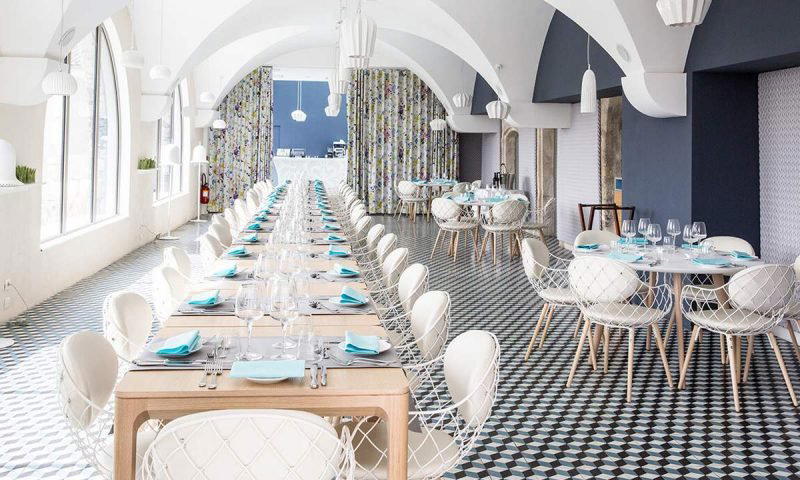
Hotels in Moustiers-Sainte-Marie
Browse all →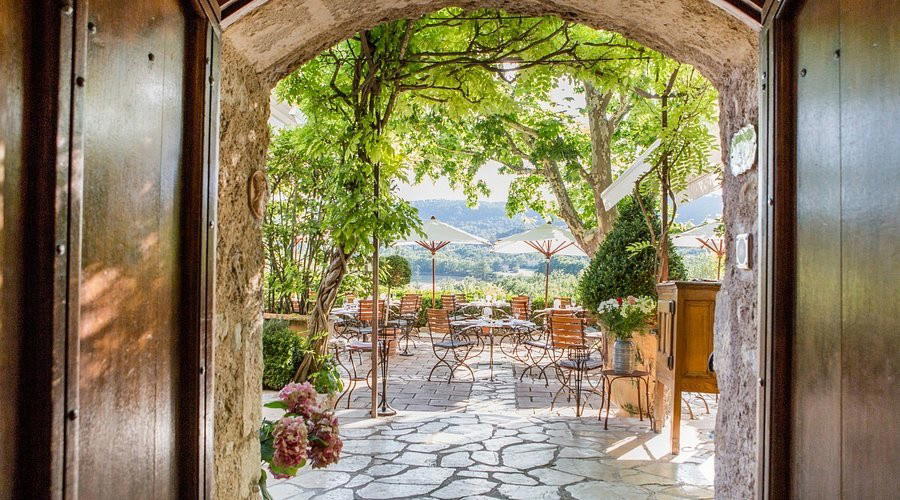
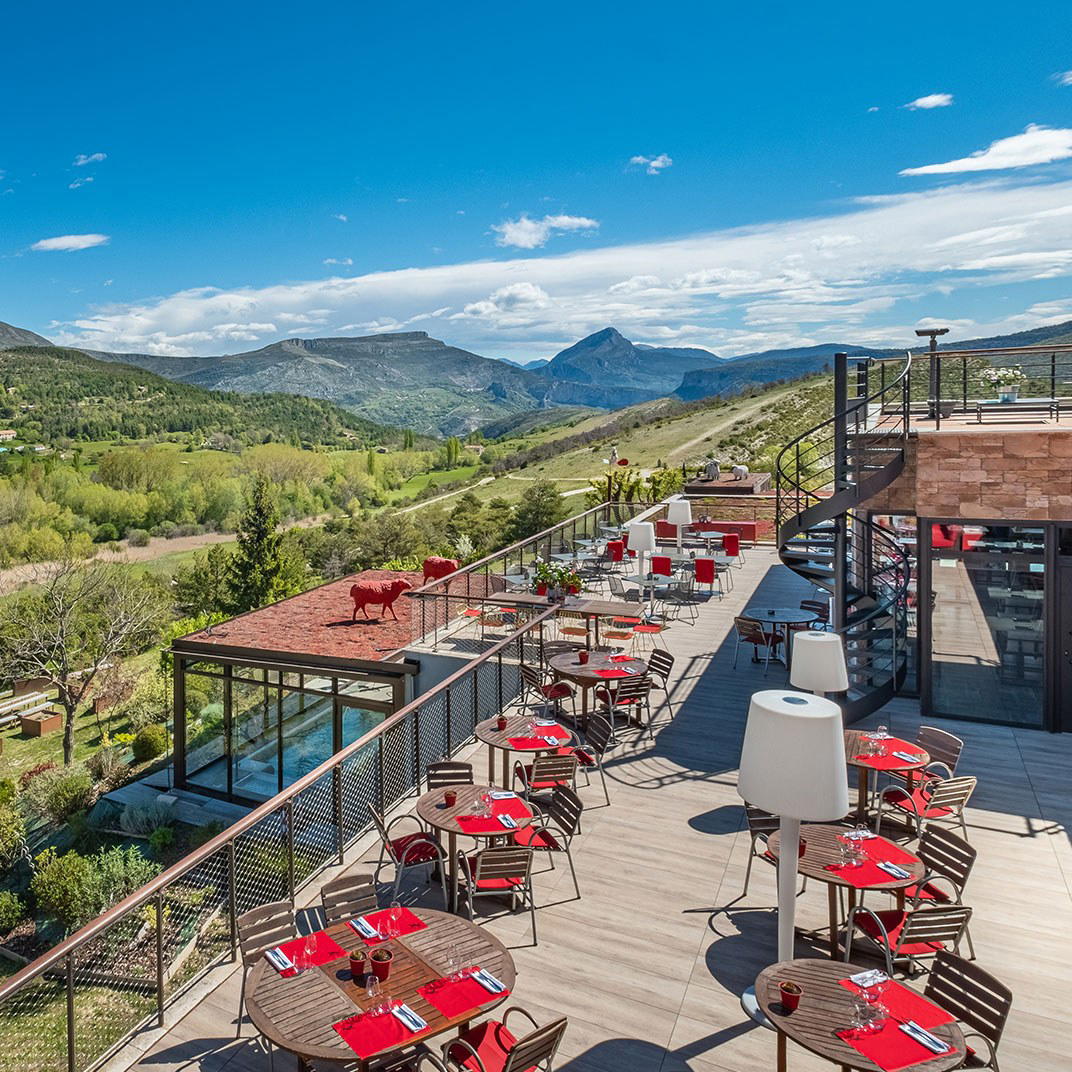
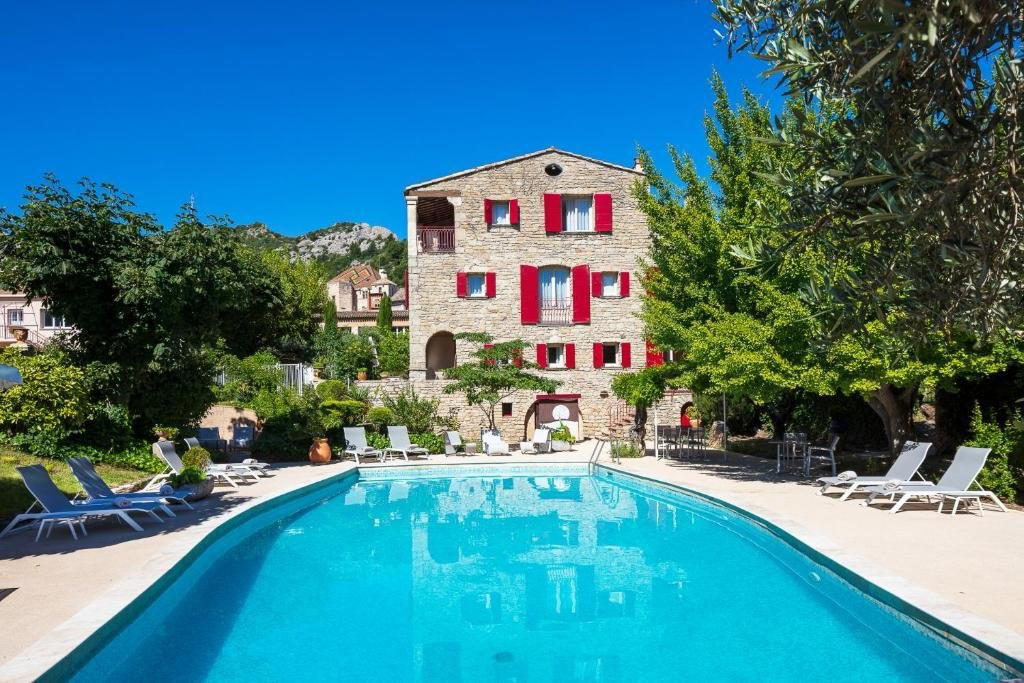
Wineries in Moustiers-Sainte-Marie
Browse all →
At a Glance
- Rustic
- Elegant
- Cozy
- Scenic
- Intimate
- Date Night
- Special Occasion
- Terrace
- Historic Building
- Extensive Wine List
- Local Sourcing
- Farm To Table
- Garden
- Mountain
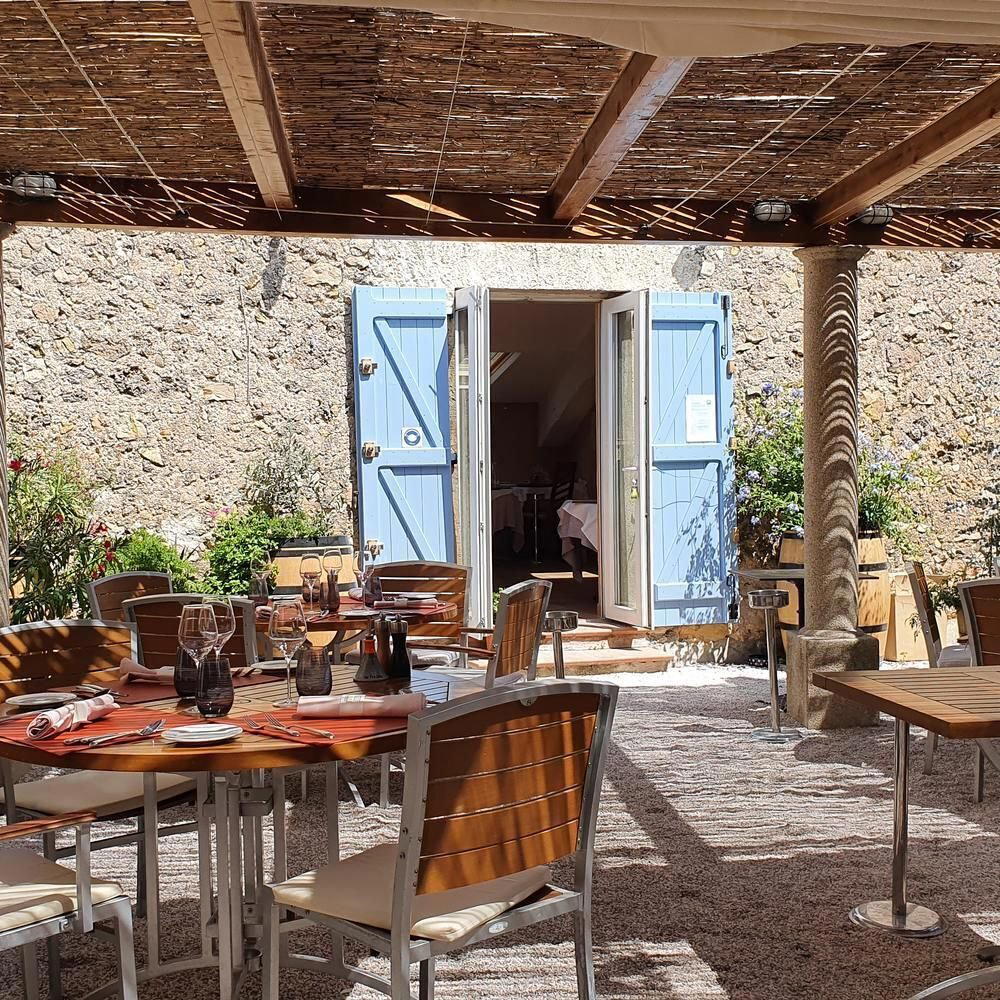
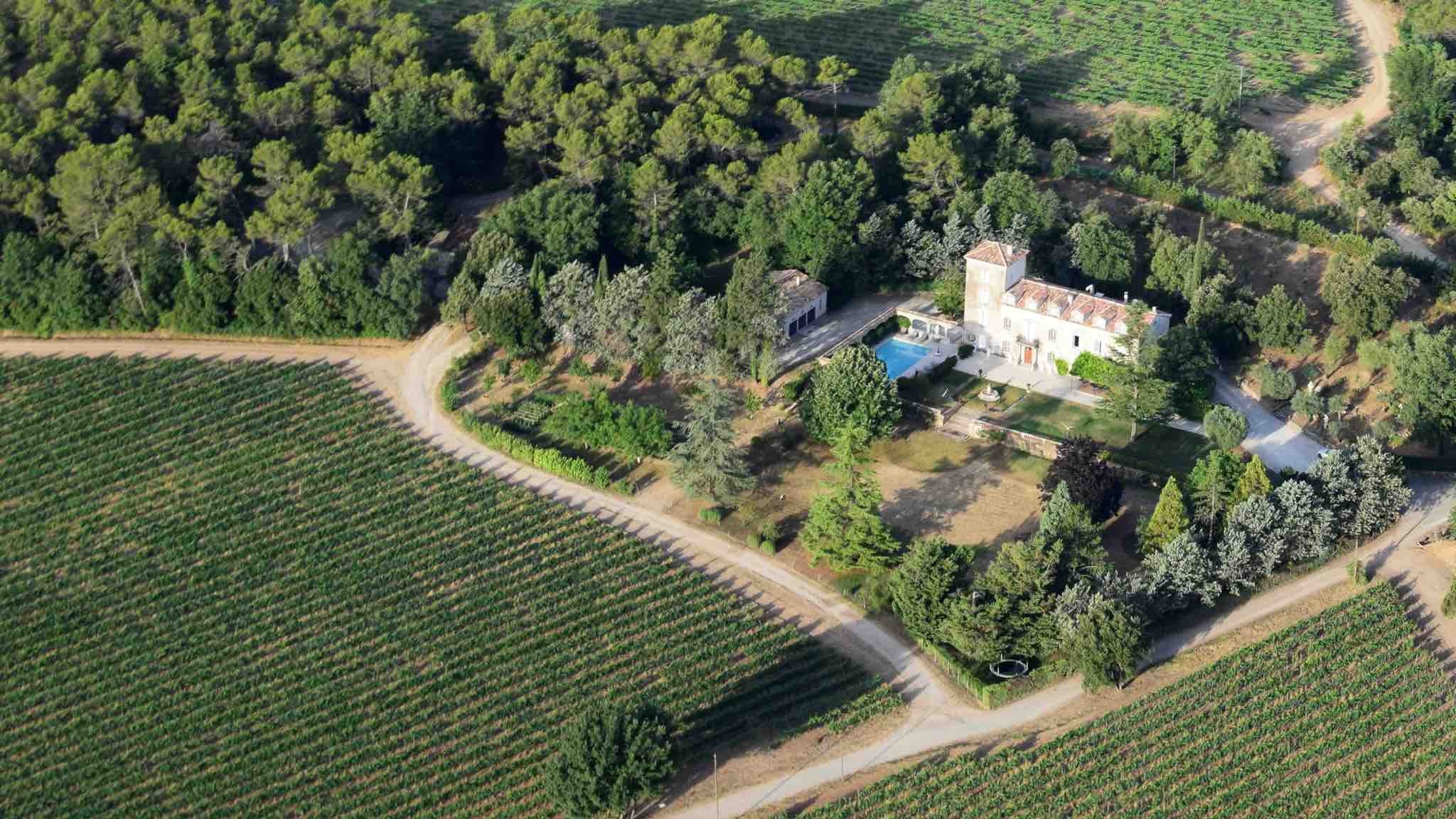
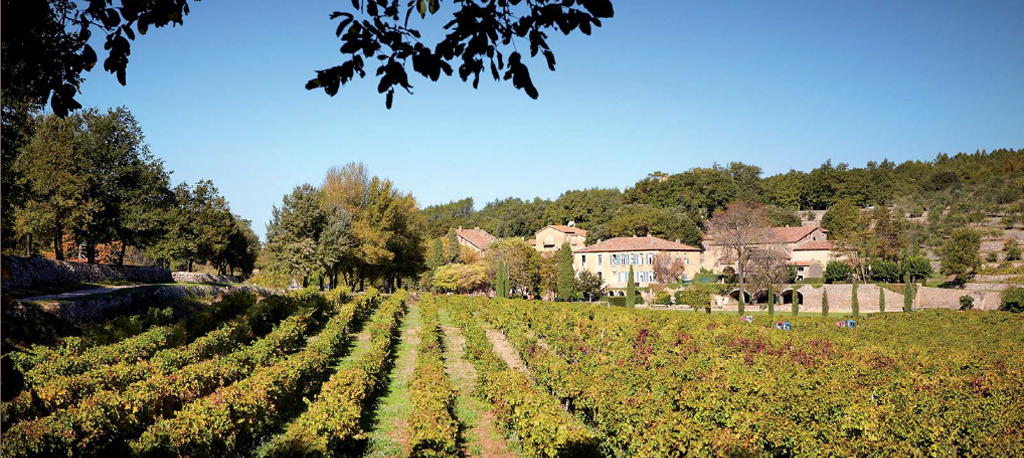
Relaxed and peaceful atmosphere in a restored 18th-century farmhouse with shaded terrace under lime trees, cozy interior, and natural surroundings.