
Tabelog 100 #95
Our verdict
Kuukai Bou belongs to Kagawa’s serious udon culture: low-priced, high-throughput, and judged on noodle texture rather than ceremony. Its Tabelog 100 Udon Kagawa 2024 selection, 140-seat scale, take-out service, and early daytime schedule place it in the practical end of Takamatsu dining, where a bowl under JPY 999 can carry more local meaning than a long tasting menu.

Pearl is the En Primeur Club membership app, where members save venues, book tables and use the concierge.
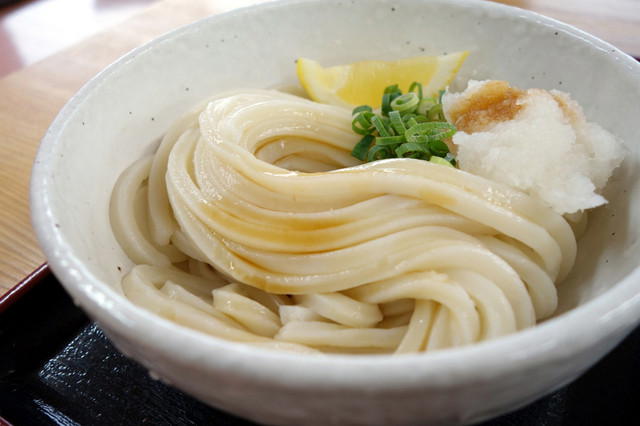
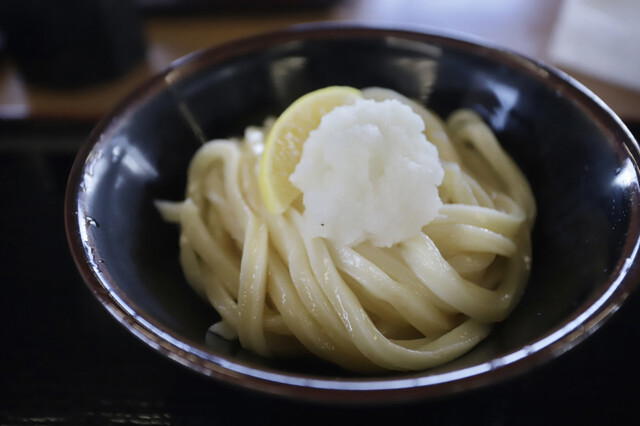
Approaching udon in Kagawa is not a white-tablecloth exercise. The rhythm is daylight, quick decisions, steam, trays, families, solo diners, and a prefecture that treats wheat noodles as daily infrastructure. Kuukai Bou fits that grammar: a Takamatsu udon restaurant recognized for a format where the noodle itself has to justify the attention.
Kagawa’s Sanuki udon culture rests on a narrow, demanding set of variables: flour, water, salt, kneading, resting, cutting, boiling, and timing between pot and bowl. That sounds simple until the comparison set appears. In Takamatsu, other udon specialists show how many ways the same regional staple can be interpreted without leaving the category. Differences rarely come through luxury cues. They sit in elasticity, broth restraint, tempura timing, service flow, and whether the meal feels built for commuters, pilgrims, or families.
Sanuki udon judged by grain, water, and pace
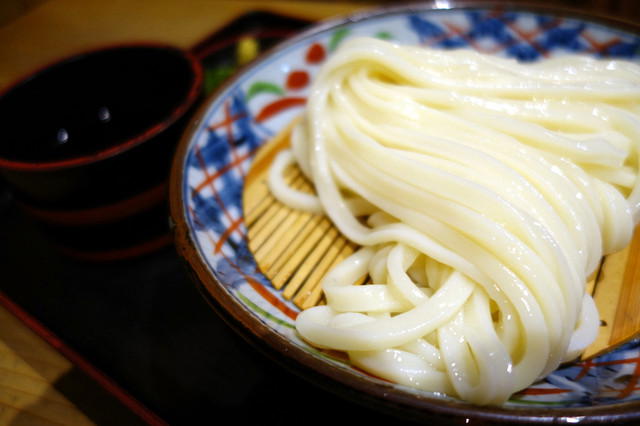
The ingredient story starts with regional tradition rather than a named farm or producer. Sanuki udon’s reputation depends on wheat noodle structure: a firm bite, clean pull, and resilience through hot broth or chilled service. Kagawa has made that texture a civic benchmark. Kuukai Bou’s selection for Tabelog 100 Udon Kagawa 2024 puts it inside a crowded prefectural conversation rather than above it; the list matters because Kagawa’s udon field is unusually deep, and a casual price point does not mean casual standards.
That price point is part of the argument. With listed pricing at - JPY 999, the restaurant sits with everyday udon counters, not destination tasting rooms. Nearby comparison venues reinforce the range: Ikegami Seimensho, Matsubara, Oka Seimensho, and Inamoku are also part of the region’s udon conversation, while Honkaku Teuchi Moriya offers another point of comparison. In this category, small differences can signal format, portioning, queue culture, or side-dish behavior, but low spend should not be confused with low scrutiny. Kagawa diners are exacting because the dish is familiar.
The useful lens is sourcing in the broadest culinary sense: what happens when a region treats its base ingredient as identity. Udon is not merely wheat noodles in broth; in Kagawa it is a local test of handling. Flour quality matters, but so does the cook’s ability to turn inexpensive inputs into texture that survives speed. This is why a Tabelog score of 3.65 in an udon-heavy prefecture carries more signal than the same number might in a thinner category. Recognition here is earned against specialists, not generalists.
An everyday udon format without the luxury theater
Kuukai Bou’s appeal is not built around luxury theater. Many acclaimed noodle shops operate on compression: direct service, visible turnover, and a line that becomes mythology. A practical udon setting shifts emphasis toward accessibility and throughput. The experience is better read as public food than as a chef’s counter performance.
The Takamatsu location places it within a city where udon is part of ordinary dining rather than a special-occasion pursuit. Takamatsu can support quick comparisons between udon shops and casual local cooking, including other unnamed dining rooms. Visitors often underestimate how much of the prefecture’s noodle culture is tied to daytime routines, short food runs, and repeat visits rather than late dinners.
The format also clarifies the planning logic. Udon in Kagawa often works as breakfast, lunch, or a road-trip stop rather than an evening centerpiece. Think in daylight and appetite windows, then build the rest of a Takamatsu day around it. For broader planning, Our full Takamatsu restaurants guide gives the city’s dining context, while Our full Takamatsu hotels guide, Our full Takamatsu bars guide, Our full Takamatsu wineries guide, and Our full Takamatsu experiences guide map the rest of the trip around that daytime food rhythm.
How to read it against Takamatsu's wider table
Takamatsu rewards diners who separate significance from polish. A recognized noodle shop at a low listed price can tell as much about contemporary Japanese dining as a reservation-only counter. Convenience is not compromise; it is part of the form. The serious question is whether the operation can keep noodle and broth cadence consistent while serving a broad audience.
Within Kagawa’s udon field, Kuukai Bou reads as a low-spend specialist with verified recognition rather than a luxury destination. That distinction sets expectations. Travelers seeking ceremony may prefer a more formal room; those trying to understand Sanuki udon as daily life should notice places that absorb ordinary dining patterns without turning the meal into an event.
The wider Japanese casual-dining map is useful for contrast. Other casual specialists across Japan may depend on very different ingredient logics. Udon’s logic is more severe: the staple is cheap, the format familiar, and the margin for distinction narrow. That is why Kagawa’s noodle culture has unusual critical density.
For travelers moving beyond Shikoku, comparisons sharpen the point further. Other casual-specialist venues can lean on novelty, atmosphere, or category surprise. Kagawa udon is less about novelty than repeatable craft. Kuukai Bou’s appeal is strongest for diners who want that lesson in an everyday Takamatsu setting, with enough recognition to confirm that the bowl belongs in the prefecture’s serious udon conversation.
Frequently asked questions
When can I go to Kuukai Bou?
Current opening hours are not provided here. Check Kuukai Bou’s official channels or call +81-87-879-1403 before going.
What price level is Kuukai Bou?
Pricing at Kuukai Bou is listed as - JPY 999.
Where is Kuukai Bou in Takamatsu?
Takamatsu.
What's Kuukai Bou best at?
Kuukai Bou is selected for the Tabelog 100 Udon list in Kagawa for 2024, which gives it clear credential status in Takamatsu. The setup is practical rather than formal, with pricing listed under JPY 999.
Is Kuukai Bou allergy-friendly?
The public record provided here does not list an allergy menu or specialist accommodation. Diners with allergies should check the venue's official channels at +81-87-879-1403 before going in Takamatsu.
Side-by-Side Snapshot
Comparable venues by cuisine and price in the same metro.
| Venue | Cuisine | Price | Awards | Notes |
|---|---|---|---|---|
| Kuukai BouThis venue (the venue you are viewing) | Sanuki udon | $1–10 | Tabelog 100 #95 | Not listed |
| Menya Shichifuku Honten | Sanuki udon shop | $1–10 | Tabelog 100 #71 | Takamatsu |
| Teuchi Udon Masuya | Traditional Sanuki Udon | $1–10 | Tabelog 100 #55 | Takamatsu |
| Udon Honjin Yamada Ya Sanuki honten | Sanuki Udon | $1–10 | Tabelog 100 #50 | Takamatsu |
| Kona Ya | Self-service Sanuki udon & soba | $1–10 | Tabelog 100 #81 | Takamatsu |
| Honkaku Teuchi Udon Menmusubi | Traditional Sanuki Udon | $1–10 | Tabelog 100 #58 | Takamatsu |
Recognition history
Dated appearances from independent guides and award organizations, with the underlying list record or original source where available.
Tabelog 100 #95 · No. 95
Tabelog · Tabelog 100 - Udon - KAGAWA - 2024
Continue exploring
More in Takamatsu
Restaurants in Takamatsu
All restaurants in Takamatsu →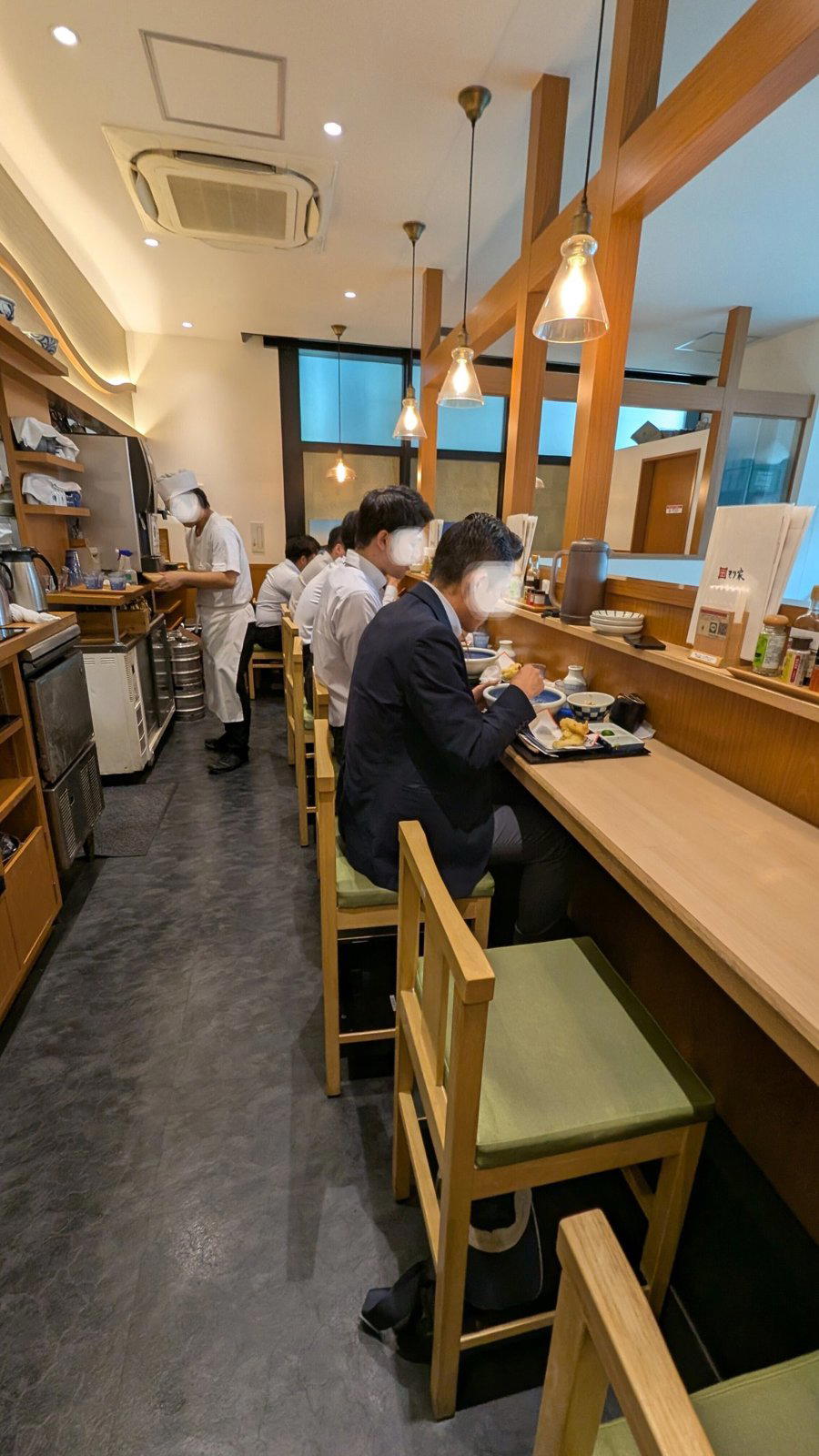
Bars in Takamatsu
Browse all →

Details
- Family
- Solo
- Group Dining
- Casual Hangout
- Standalone
- Local Sourcing
- A La Carte
- Counter Dining
Current opening hours
- Monday
- 6:30 AM–3 PM
- Tuesday
- 6:30 AM–3 PM
- Wednesday
- 6:30 AM–3 PM
- Thursday
- 6:30 AM–3 PM
- Friday
- 6:30 AM–3 PM
- Saturday
- 6:30 AM–3 PM
- Sunday
- 6:30 AM–3 PM
Hours can change for holidays and private events. Hours as of .