
Michelin Plate
Our verdict
Kureiji sits on Rua Guarará in São Paulo's Jardins district, marked by a large street-facing window that frames the dining room from the pavement. The restaurant operates in a residential neighbourhood where ingredient-focused venues have carved out a niche among the city's more traditional churrascarias and Italian trattorias. places it in São Paulo's contemporary dining scene, where chef-driven menus and visible kitchens have become defining traits.

Pearl is the En Primeur Club membership app, where members save venues, book tables and use the concierge.
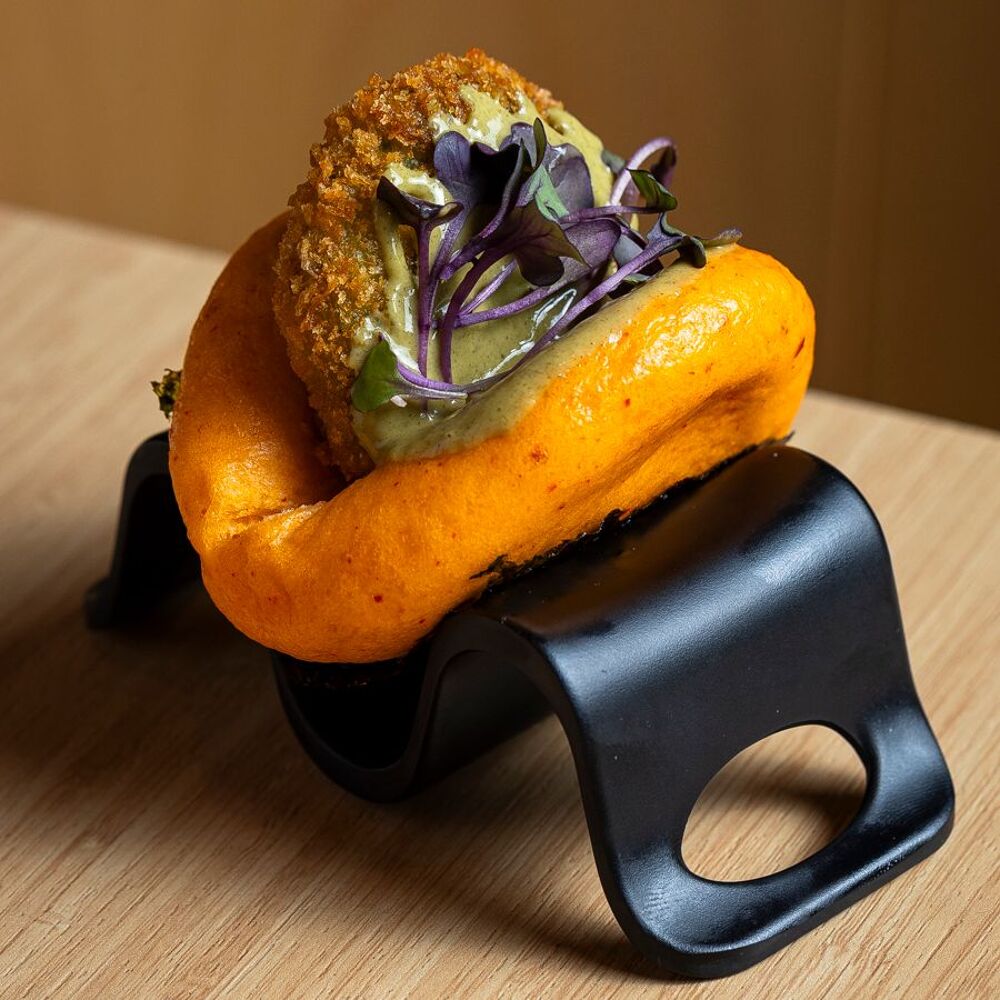
Rua Guarará runs through the Jardins neighbourhood of São Paulo, a residential district lined with mid-century apartment blocks and a growing number of restaurants that favour natural wine lists and open kitchens. Kureiji occupies a street-level space behind a large window, a format that has become common in São Paulo's contemporary dining scene, where visibility from the street signals a shift away from the enclosed, formal dining rooms that dominated the city's restaurant culture for decades. The district itself sits between Avenida Paulista and the Pinheiros River, walkable from the Jardins-Paulista metro station and surrounded by independent bottle shops, izakayas, and single-varietal coffee counters that cater to São Paulo's growing appetite for specialist food and drink.
São Paulo's dining landscape has historically leaned on Italian immigration and Brazilian churrasco traditions, but over the past decade a parallel tier of ingredient-led restaurants has emerged. These venues tend to share a few traits: they source produce from named farms in the interior of São Paulo state or from coastal suppliers in Santa Catarina; they rotate menus seasonally; and they often adopt counter or open-kitchen formats that make the sourcing story visible to diners. Kureiji fits that broader category, though without a publicly listed chef or detailed menu information, its exact position within that tier is harder to define. The large window that dominates the façade suggests a contemporary format rather than a traditional Japanese or Brazilian setup, and the name, translating to 'crazy' in Japanese, hints at a fusion or modern approach rather than strict adherence to a single culinary tradition.
What the Façade and Format Signal
The large window at Kureiji serves both a practical and a symbolic function. Practically, it floods the dining room with natural light during lunch service and creates a visible connection between the street and the kitchen. Symbolically, it aligns the restaurant with São Paulo's shift toward transparency in food preparation, a move that gained traction after high-profile openings such as A Casa do Porco, which built its reputation on visible butchery and ingredient traceability. While Kureiji lacks the public accolades and chef biography that define A Casa do Porco, the window format and Jardins location place it in a similar conversational space, where diners expect to see where their food comes from and how it is handled.
São Paulo's contemporary dining tier has diversified in recent years. At the high end, omakase counters such as Goya Zushi operate in the $$$ bracket with tasting menus and advance reservations. At the accessible end, neighbourhood spots like TonTon offer French-inspired cooking at a single dollar sign. Kureiji sits somewhere in that spectrum, though without published pricing or menu detail, its exact tier remains unclear. The Jardins address and window format suggest a mid-tier positioning, above the casual izakayas that cluster near Vila Madalena, but below the reservation-only counters in Pinheiros and Itaim Bibi.
Ingredient Culture in São Paulo
São Paulo's ingredient-focused restaurants often source from a consistent set of suppliers: organic farms in the Serra da Mantiqueira mountain range, which supplies leafy greens and herbs; coastal fisheries in Guarujá and Ubatuba for line-caught fish; and pork producers in the interior who raise heritage breeds on pasture. The leading examples of this approach, A Casa do Porco, A Figueira Rubaiyat, and A Baianeira, make their sourcing explicit on menus and wine lists, naming farms and producers alongside each dish. Kureiji's name and Jardins location suggest it participates in this movement, though without a published menu or chef statement, the specifics of its sourcing remain opaque.
What is clear from the broader São Paulo context is that ingredient transparency has become a competitive signal. Restaurants that can name their suppliers and rotate menus seasonally tend to command higher prices and attract diners who prioritise traceability over tradition. The window at Kureiji, and the implied visibility it creates, positions the restaurant within that logic, even if the details of its supply chain are not publicly available.
For travellers navigating São Paulo's dining scene, Kureiji offers a neighbourhood option in Jardins, a district that balances residential calm with walkable access to metro lines and cultural sites. The Jardins-Paulista station is a short walk south, and the area is less congested than the nightlife-heavy zones of Vila Madalena or Pinheiros. The lack of a published website or phone number complicates advance planning, and diners should expect to rely on walk-in availability or local knowledge to secure a table. For a fuller picture of São Paulo's dining options, consult our full São Paulo restaurants guide, which covers the city's range from high-end omakase to neighbourhood grills.
Comparative context is limited by the absence of public data on Kureiji's chef, menu, or awards. However, the restaurant's Jardins location and window format place it in dialogue with São Paulo's ingredient-led dining movement, a segment of the city's restaurant culture that values sourcing transparency, seasonal rotation, and visible preparation over the enclosed formality of traditional São Paulo dining. Whether Kureiji executes that philosophy at the level of its more acclaimed peers remains a question leading answered by a visit, but the structural signals, location, façade, name, suggest it aims for that tier.
Frequently asked questions
Does Kureiji work for a family meal?
The large window at Rua Guarará 190 creates a bright, open dining room that accommodates various party sizes during lunch service. Without published hours or booking policies, confirm table availability and seating configurations directly with the venue before arriving with children.
What kind of setting is Kureiji?
The dining room centers on a floor-to-ceiling window that fills the space with daylight, particularly during midday service. The façade and natural-light focus suggest a contemporary format aligned with ingredient-driven cooking, a format shared by several Jardins neighbors.
What's Kureiji known for in terms of accolades?
Kureiji has received recognition including: Behind its striking façade, dominated by a large window....
What's Kureiji's location?
Kureiji is located at Rua Guarará, 190, São Paulo, São Paulo, 01425-001, BRA, São Paulo.
Do they take walk-ins at Kureiji?
Given the ingredient-centric approach common to São Paulo's Jardins dining quarter, advance contact is advisable, especially for weekend lunch slots when natural light peaks.
What's the signature at Kureiji?
No specific dish or menu format is documented. The venue's connection to São Paulo's Serra da Mantiqueira supply network and its window-focused architecture point toward seasonal, ingredient-led preparations rather than a standing signature plate.
Quick Comparison
Comparable venues by cuisine and price in the same metro.
| Venue | Cuisine | Price | Awards |
|---|---|---|---|
| KureijiThis venue (the venue you are viewing) | Modern Japanese-Brazilian Author Cuisine | $50–100 | Michelin Plate |
| TonTon | French-Brazilian Fusion Bistro | $30–50 | Michelin Bib Gourmand |
| Goya Zushi | Traditional Japanese Omakase | Not listed | Michelin Plate |
| Grotta Cucina | Modern Italian in a cave-inspired setting | $30–50 | Michelin Plate |
| Veridiana | Neapolitan Pizza | $30–50 | 50 Top Pizza Latin America #12 |
| Veridiana Pizzaria - Jardins | Neapolitan Pizza | $30–50 | 50 Top Pizza Latin America #12 |
Recognition history
Dated appearances from independent guides and award organizations, with the underlying list record or original source where available.
Michelin Plate
Michelin
Continue exploring
More in São Paulo
Restaurants in São Paulo
All restaurants in São Paulo →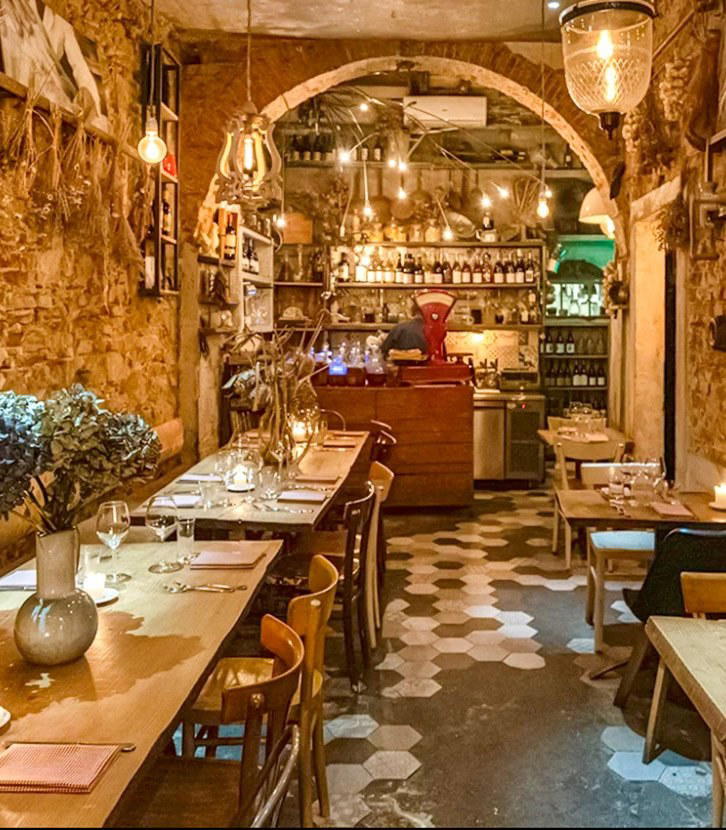




Details
- Modern
- Trendy
- Cozy
- Elegant
- Intimate
- Date Night
- Business Dinner
- Celebration
- Special Occasion
- Group Dining
- Standalone
- Design Destination
- Open Kitchen
- Craft Cocktails
- Local Sourcing
- A La Carte
- Tasting Menu
- Cocktails
- Wine
- Pescatarian Friendly
Current opening hours
- Monday
- Closed
- Tuesday
- 12–3 PM, 6:30–11 PM
- Wednesday
- 12–3 PM, 6:30–11 PM
- Thursday
- 12–3 PM, 6:30–11 PM
- Friday
- 12–3 PM, 6:30–11:30 PM
- Saturday
- 12–3:30 PM, 6:30–11:30 PM
- Sunday
- Closed
Hours can change for holidays and private events. Hours as of .
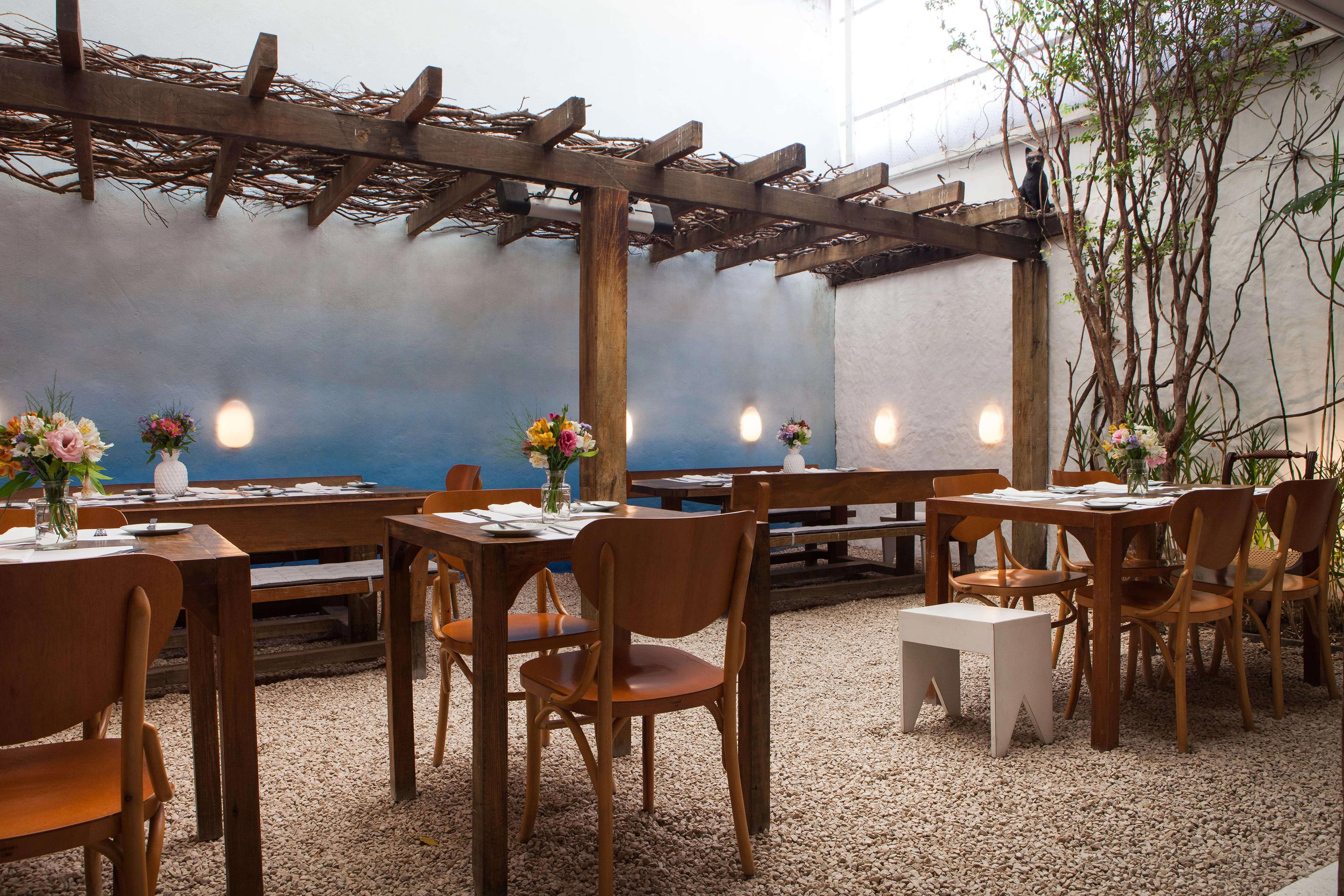
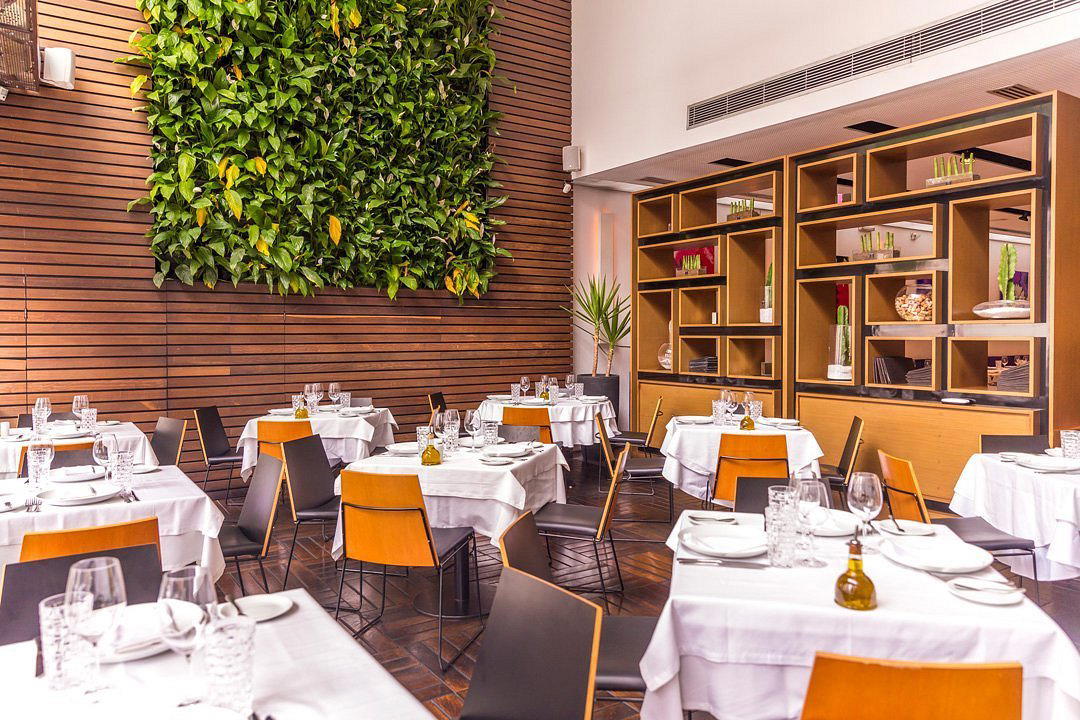
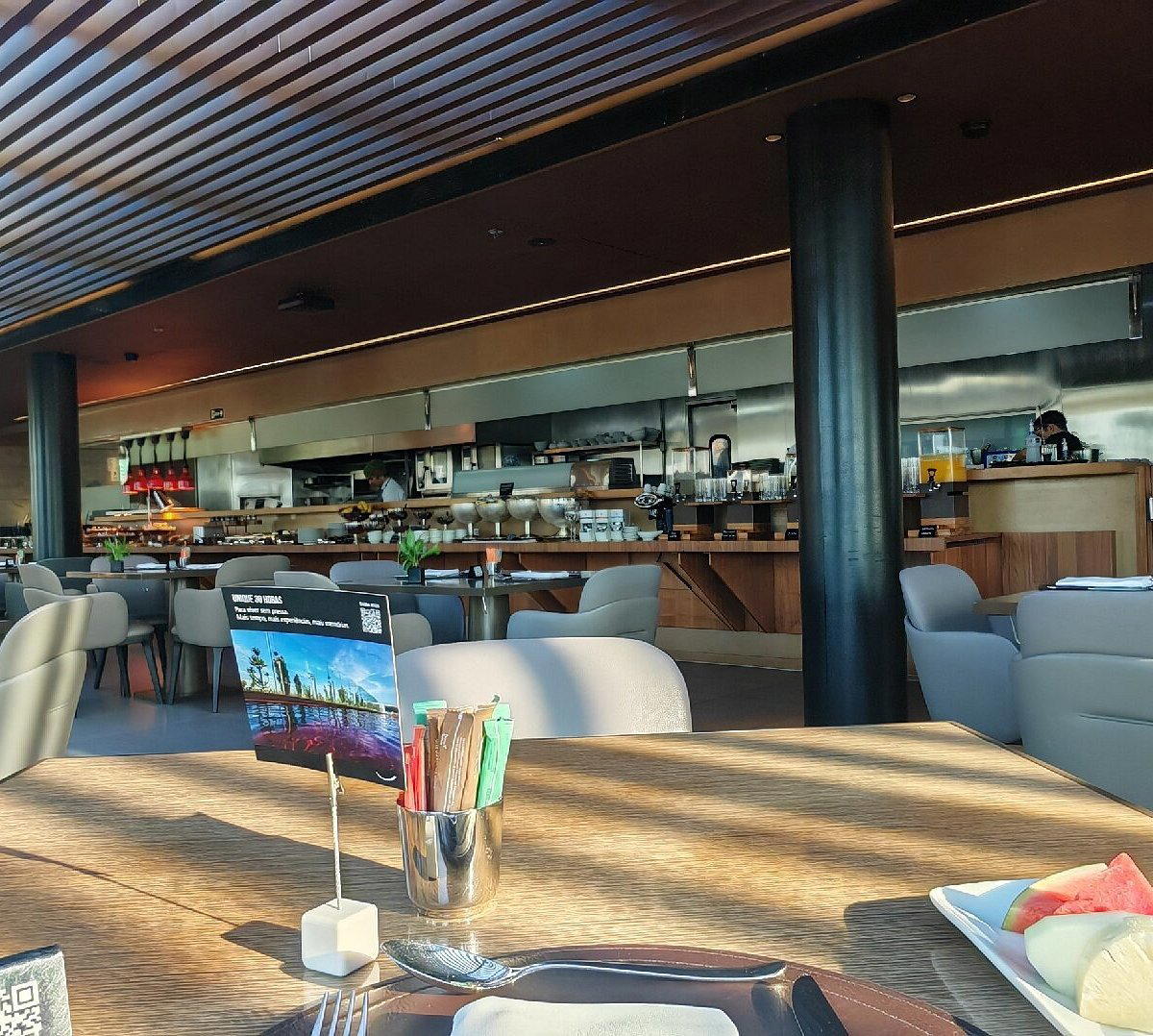
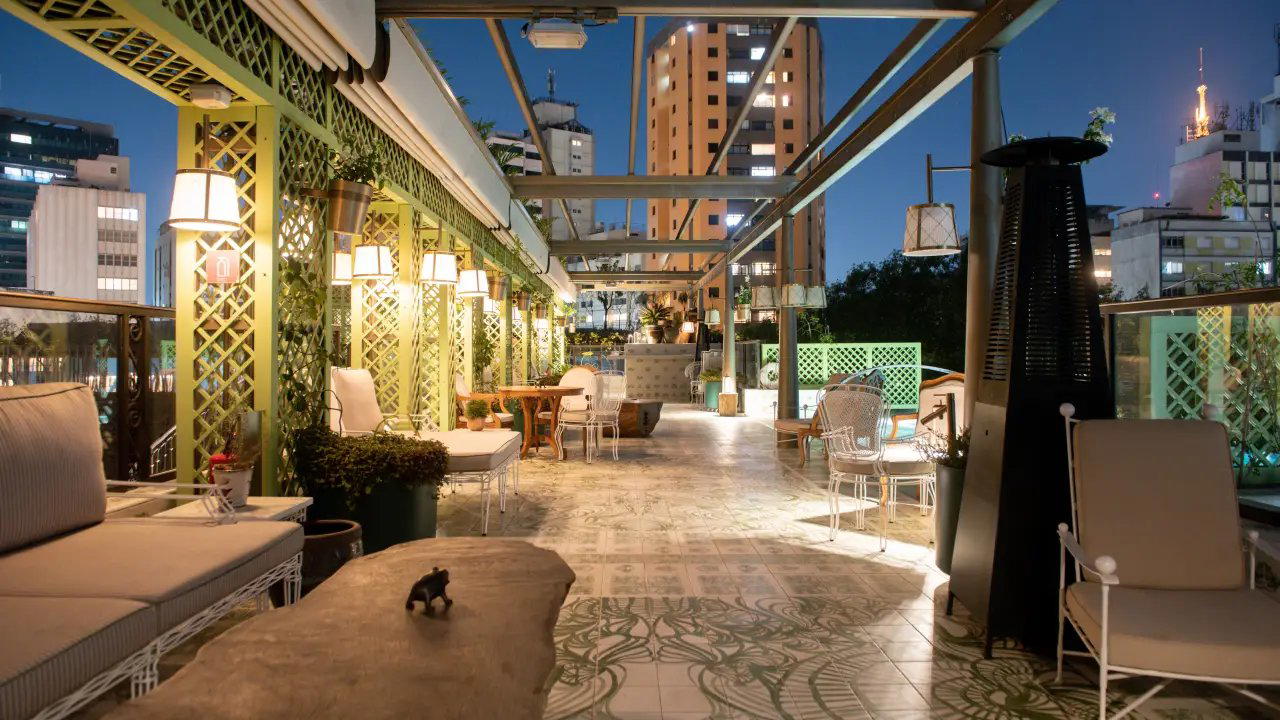
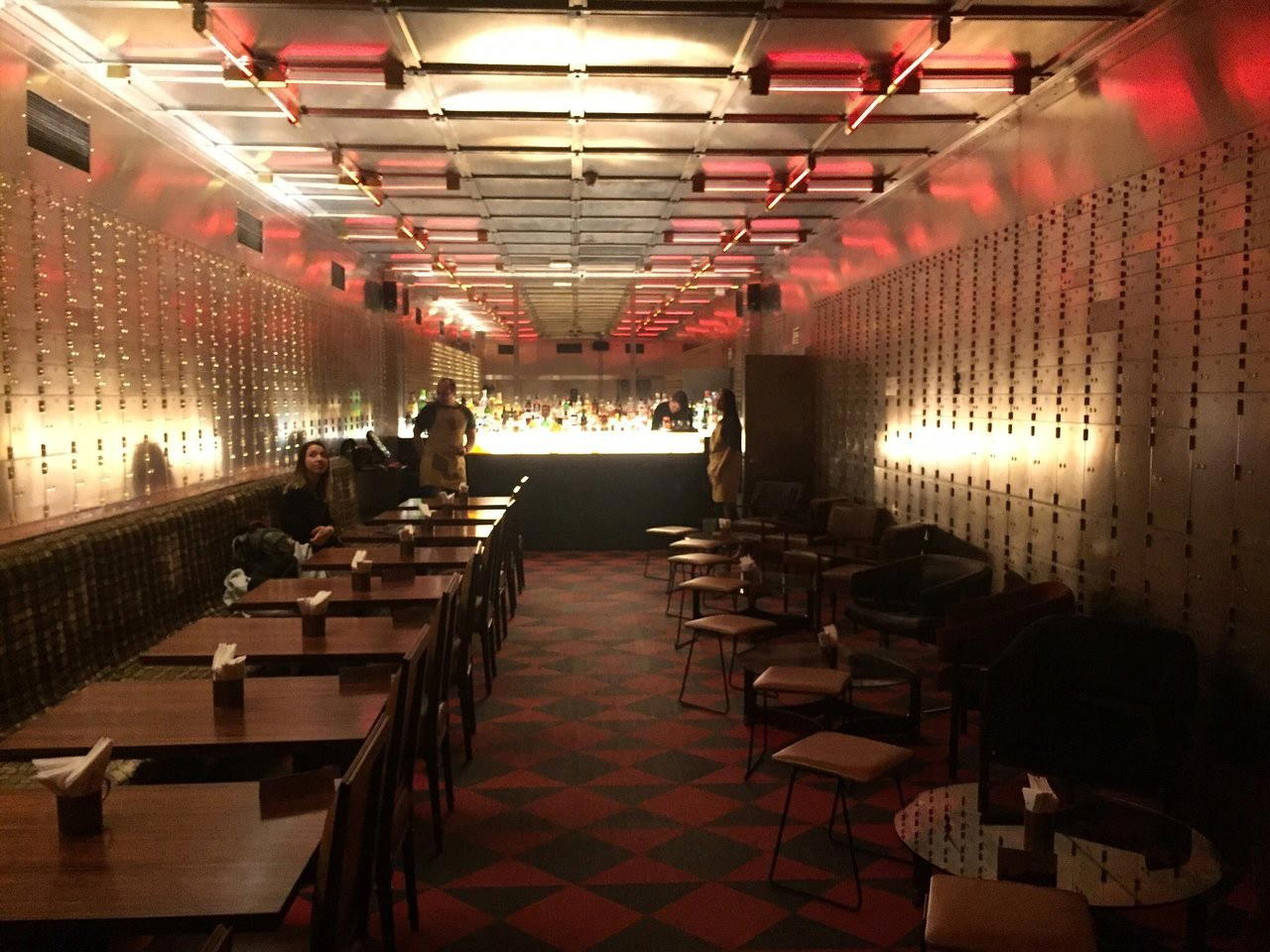
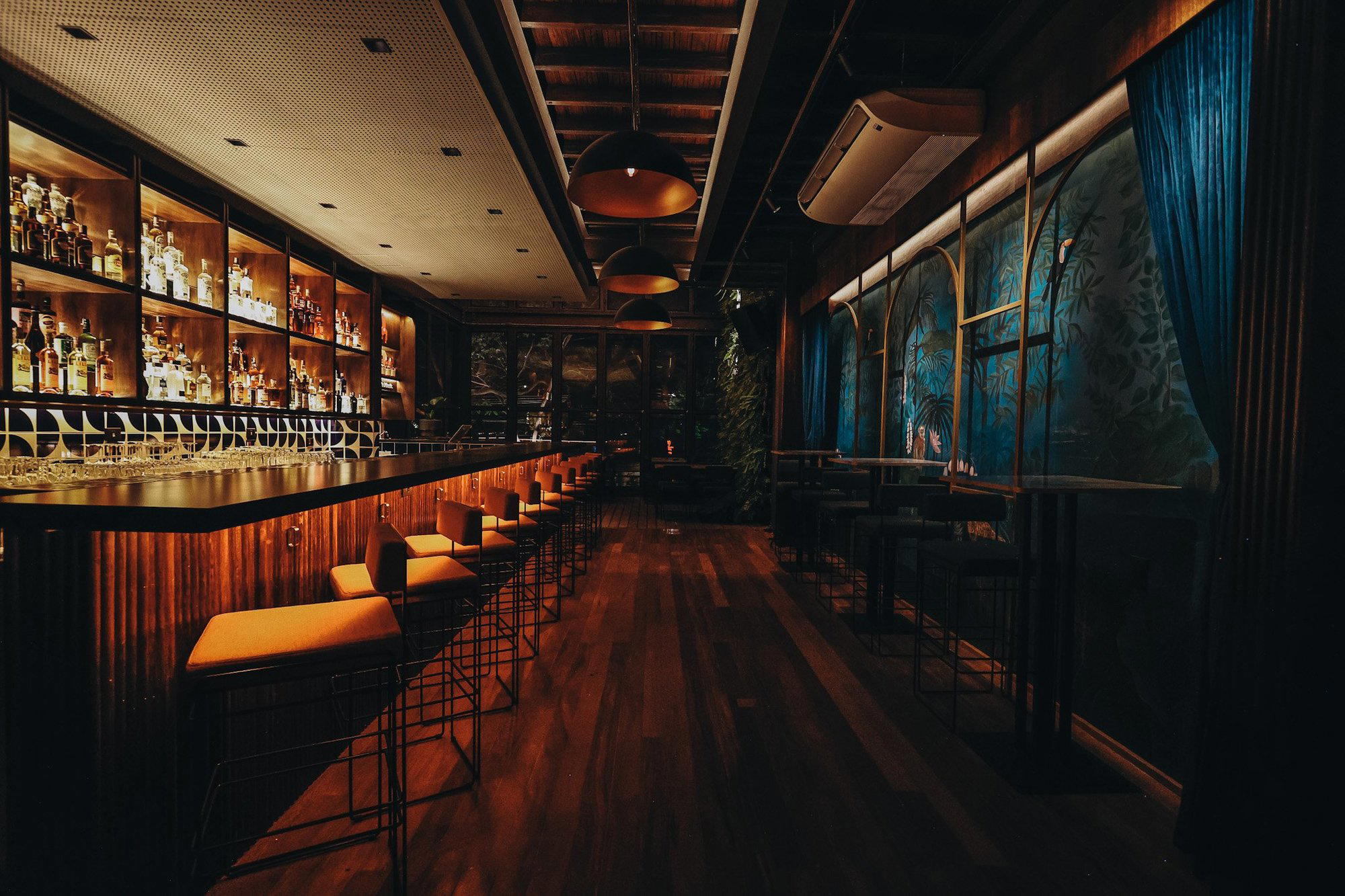
Refined yet relaxed, with contemporary design, polished details, and a comfortable, low-key atmosphere suited to lingering over a multi-course meal.