Kim’s Ramen
Our verdict
Ramen in Bishkek: A Category Finding Its Footing Central Asia's dining capitals have spent the past decade absorbing culinary influences from every direction: Korean barbecue joints, Turkish kebab counters, Russian-inflected cafes, and a growing...

Pearl is the En Primeur Club membership app, where members save venues, book tables and use the concierge.
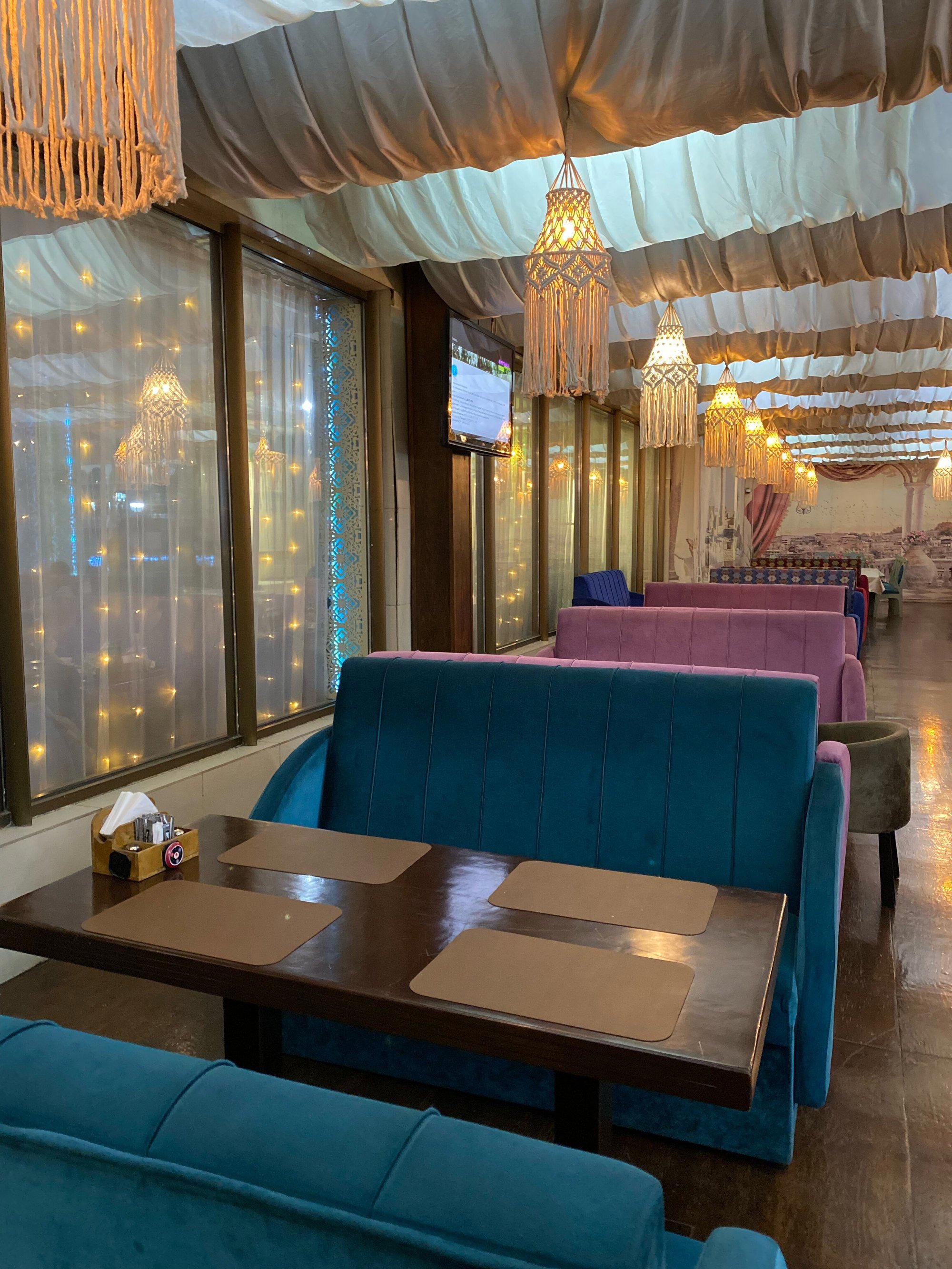
The menu
What to order
- Ramen
- Пибимпаб
- Удон
Ramen in Bishkek: A Category Finding Its Footing
Central Asia's dining capitals have spent the past decade absorbing culinary influences from every direction: Korean barbecue joints, Turkish kebab counters, Russian-inflected cafes, and a growing tier of internationally oriented restaurants like Кростини / Crostini in Bishkek. Ramen sits at an interesting intersection in this context. The dish is, by definition, a study in sourcing: the quality of the broth depends on the bones, the fat, the aromatics, and the time given to extraction. In cities where Japanese ingredient supply chains are thin, ramen shops either compromise on those fundamentals or build alternative sourcing logic around what is locally available. That negotiation shapes what ends up in the bowl more than any recipe does.
Kim's Ramen occupies this space in Bishkek. The city's dining scene is documented more fully in our full Бишкек restaurants guide, which maps the broader range of options across neighbourhoods and price tiers. Within that picture, ramen remains a niche category, and Kim's is one of the names that comes up when locals discuss where to find it.
The Ingredient Question in Landlocked Cooking
Bishkek is roughly 3,000 kilometres from any coastline, which matters for a dish whose most labour-intensive variants depend on kombu, katsuobushi, and tonkotsu-grade pork bones. The further a kitchen sits from those supply chains, the more it has to adapt. In practice, this means one of two things: either the kitchen leans on imported dry goods and accepts the cost and inconsistency that comes with that, or it pivots toward a broth architecture that can be built from what the local meat and vegetable markets offer reliably.
Kyrgyzstan has genuine strengths in its land-sourced larder. Highland lamb, mountain-grazed beef, and root vegetables from the Chuy Valley provide a base that some kitchens in the region have used creatively. Whether Kim's Ramen works within that local-sourcing logic or maintains a more orthodox Japanese ingredient approach is a question that warrants asking directly when you visit, the answer will tell you a great deal about what kind of bowl to expect. In Kyrgyz regional cooking, broth-based dishes are a deep tradition; the crossover potential between that tradition and Japanese ramen technique is one of the more interesting culinary conversations happening quietly in Bishkek's kitchen scene. Contrast this with the tightly controlled sourcing programs at places like Arpège in Paris or the marine-focused ingredient philosophy at Aponiente in El Puerto de Santa María, where ingredient provenance is the central editorial argument of the menu. At Kim's, the interest lies in how a kitchen works within genuine supply constraints rather than curated abundance.
Where Kim's Fits in the Bishkek Dining Pattern
Bishkek's restaurant scene is less stratified by price than cities like Hong Kong, where Amber and 8 1/2 Otto e Mezzo Bombana anchor a formally tiered fine-dining market. In Bishkek, the differentiation tends to run along cuisine type and neighbourhood rather than prix-fixe versus à la carte formality. Ramen shops in this city operate in the casual-to-mid tier, where the gap between an adequate bowl and a considered one is often a matter of broth time and noodle freshness rather than imported luxury ingredients.
Peer venues in Bishkek include КЁН БОГ КУН, which represents another strand of East Asian culinary influence in the city. Outside the capital, Cafe Dastorkon in Karakol illustrates how regional Kyrgyz cooking develops its own identity away from the urban dining mix. Together, these venues sketch a picture of a country whose food culture is in active negotiation between its nomadic heritage and a range of incoming influences.
The contrast with fully globalised fine-dining operations is instructive: Le Bernardin in New York City or Alain Ducasse at Louis XV in Monte Carlo operate with sourcing budgets and logistics infrastructure that simply do not exist in Central Asia. What venues like Kim's Ramen have instead is proximity to a distinct regional ingredient base and the latitude that comes from a dining public still forming its expectations around the category.
Planning a Visit
Phone and website contact information are similarly unconfirmed, which means the most reliable way to plan is to ask locally or check recent social posts before you go. In a city where dining infrastructure is still developing its online presence, direct enquiry often yields faster results than any booking platform.
For broader context on how to structure eating and drinking time in the city across multiple cuisines and price points, our full Бишкек restaurants guide is the logical starting point. Readers with an appetite for how ramen and Asian-influenced dining has developed in other cities with strong culinary identities may also find the profiles of Atomix in New York City and Lazy Bear in San Francisco useful for comparative context, though those venues operate in categorically different market conditions. Further afield, Alinea in Chicago, Atelier Crenn in San Francisco, Emeril's in New Orleans, Alléno Paris au Pavillon Ledoyen, Aqua in Wolfsburg, and Arzak in San Sebastián each represent the kind of sourcing rigour and kitchen identity that defines a category in its city, a useful benchmark for thinking about what that process looks like at the early stages, which is where Bishkek's ramen scene sits now.
Frequently asked questions
How do I find Kim’s Ramen?
Kim’s Ramen is located at Бишкек, Бишкек.
What's the best thing to order at Kim's Ramen?
What the broader Bishkek context makes clear is that landlocked kitchens at this latitude tend to build broth depth through pork and chicken bones rather than dashi-based stocks, since kombu and katsuobushi are logistically difficult to source. If the kitchen follows that pattern, broth-forward bowls are likely where the cooking shows its strengths.
How hard is it to get a table at Kim’s Ramen?
Reservations are recommended for Kim’s Ramen in Бишкек. Confirm current policy via the venue's official channels.
How hard is it to get a table at Kim's Ramen?
Ramen restaurants in cities where the format is still establishing itself, Bishkek is one of the few Central Asian capitals with dedicated ramen venues, tend to operate on a walk-in basis rather than advance bookings. Arriving during off-peak hours is a reasonable precaution until contact details are confirmed.
Comparable Spots, Quickly
| Venue | Cuisine | Price |
|---|---|---|
| Kim’s RamenThis venue (the venue you are viewing) | Korean Ramen & Noodles | $1–10 |
| КЁН БОГ КУН | Korean Seafood | $1–10 |
| Кростини / Crostini | Mediterranean with Italian Influences | $10–20 |
| Cafe Dastorkon | Authentic Kyrgyz and Central Asian | Not listed |
Continue exploring
More in Bishkek
Restaurants in Bishkek
All restaurants in Bishkek →
Details
- Casual Hangout
- A La Carte