
Michelin Plate
Our verdict
A 12-seat omakase counter in Porto's Bonfim district, where chef Rubén Mesquita combines fish from Matosinhos auction with imported Japanese staples. Daily menus reflect seasonal availability and the chef's regular sourcing trips to Japan, delivered in a puristic format with light contemporary touches.

Pearl is the En Primeur Club membership app, where members save venues, book tables and use the concierge.
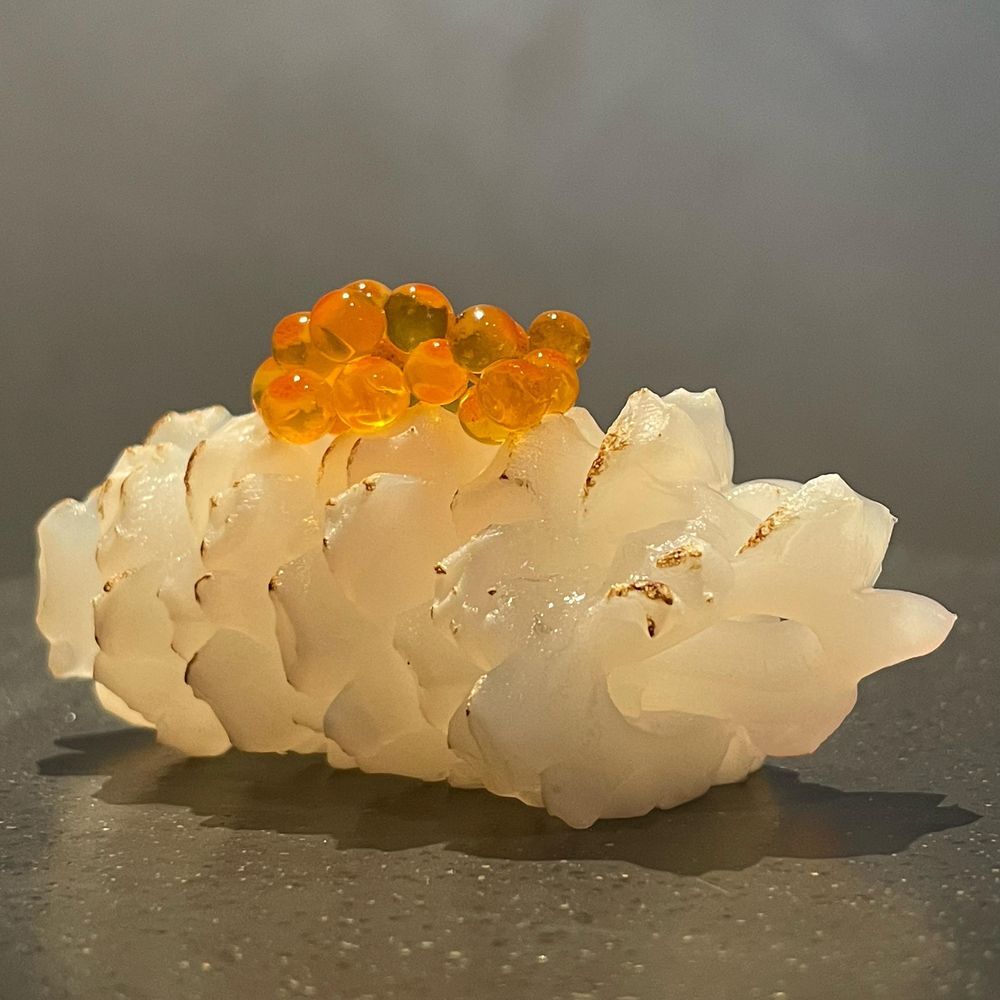
The menu
What to order
- Daily-changing omakase menu based on Atlantic fish
- Seasonal sashimi and nigiri selection
The approach to Izakaya Japanese Cuisine runs through the residential calm of Bonfim, a district north-east of Porto's central axis where residential streets outnumber tourist traffic. The neighbourhood sits outside the Ribeira-to-Cedofeita corridor that holds most of the city's fine-dining density, and the restaurant occupies a modest shopfront on Rua do Barão De São Cosme. Inside, the space holds 12 diners per service, split between a short counter and a handful of tables, and operates a single daily omakase menu that chef Rubén Mesquita builds around whatever the Matosinhos fish auction delivered that morning and which imported ingredients arrived from Japan.
Mesquita travels to Japan several times a year to source products and refine technique, and that practice shows in the menu's adherence to classical omakase structure. The format is purist: sushi and sashimi courses arrive in traditional sequence, nigiri rice is seasoned to classic proportions, and fish preparation leans on ageing protocols rather than fusion embellishment. The contemporary element sits in the way Mesquita layers local Atlantic catch, bream, turbot, monkfish, and whatever else clears Matosinhos auction that day, with imported tuna, uni, and shellfish. Some fish are matured in-house to concentrate flavour, a step that adds texture and depth but stays within the bounds of classical Japanese technique rather than pushing into progressive reinterpretation.
The Matosinhos-to-counter supply line
Porto's omakase scene is smaller and younger than Lisbon's, and ingredient sourcing marks one of the clearest dividing lines. Where larger operations in the capital import a higher percentage of their fish from Tokyo's Toyosu market, Izakaya Japanese Cuisine anchors its menu in the Matosinhos lota, the auction house that sits 20 minutes north-west of the city centre and supplies much of Porto's restaurant trade. The auction operates daily, and the chef's reliance on its morning haul means the menu shifts with Atlantic seasonality rather than following a fixed blueprint. That sourcing model places the restaurant closer to Portugal's broader ingredient-driven dining tradition than to the import-heavy model of some Japanese fine-dining formats, and it creates a menu rhythm tied to local tides and seasonal migration patterns.
The imported ingredients, primarily tuna grades, sea urchin, and specialty items like Japanese cucumber or yuzu, function as accent notes rather than foundations. The balance tilts toward local fish, and the chef's trips to Japan serve less to source ingredients in bulk and more to deepen technical knowledge, study ageing methods, and build relationships with suppliers who can ship specific items when Matosinhos cannot provide them. That approach keeps the menu rooted in Atlantic availability while maintaining the precision and pacing of a classical omakase experience.
Format, pricing, and the 12-seat limit
The 12-seat cap shapes everything. With only one service cycle per evening and no à la carte option, the kitchen can dedicate full attention to sequencing and timing, and the chef can adjust portions and pacing based on the group seated that night. The counter seats offer the clearest view of preparation, but the tables receive the same menu and the same service rhythm. The fixed-menu model also means pricing sits at the higher end of Porto's Japanese dining spectrum, though still below what equivalent omakase formats command in Lisbon or international hubs like Los Angeles.
Reservations are essential. The small capacity and single-service format mean walk-ins face near-certain rejection, and advance booking windows can stretch several weeks during high season. The restaurant does not maintain a formal waitlist, so securing a table requires direct contact well ahead of the intended visit. The lack of a public phone number or online reservation system means booking coordination happens through alternative channels, a setup that reflects the venue's small scale and limited front-of-house infrastructure.
Bonfim's location relative to Porto's main dining clusters adds a layer of logistical planning. The neighbourhood sits outside easy walking range of the Ribeira waterfront or the Cedofeita gallery district, and public transport from central hotels requires a tram or rideshare. The upside is a quieter context: streets are residential, foot traffic thins after dark, and the dining experience unfolds without the ambient noise and tourist density that define venues closer to São Bento station or the Douro riverfront.
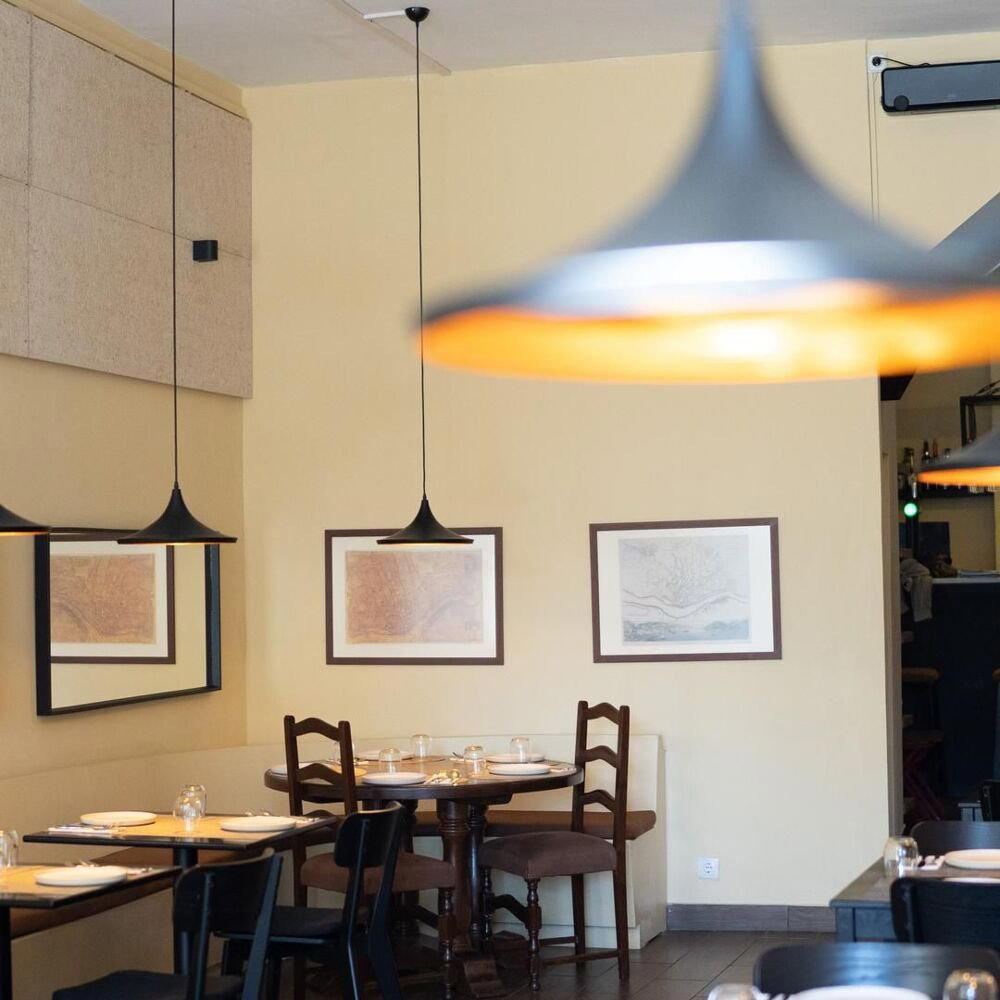
The room itself is small and spare, with minimal decoration and a focus on the counter and table setups. The aesthetic leans toward functional simplicity rather than designed atmosphere, and the chef's presence at the counter provides the primary visual anchor. For diners used to the polished interiors and theatrical presentation of high-end omakase spaces in larger cities, the format here reads as stripped-down and ingredient-focused, with fewer supplementary courses and a tighter run time.
Porto's Japanese dining category has grown steadily over the past five years, but the omakase segment remains narrow. Euskalduna Studio operates at a higher price tier with progressive technique, while neighbourhood spots like Pátio 44 and Café Santiago anchor the traditional end of the spectrum. Izakaya Japanese Cuisine sits between those poles: classically trained, locally sourced, and formatted around the omakase ritual without the multi-course elaboration or international ingredient lists of top-tier Lisbon counters. The Matosinhos supply line, the chef's Japan travel discipline, and the 12-seat cap together define a model that prioritizes fish quality and preparation transparency over scale or theatrical staging.
For context on how Porto's broader dining landscape accommodates both traditional and contemporary formats, see A Cozinha do Martinho and 1638 Restaurant & Wine Bar. Those venues operate in different categories but share the same ingredient-first discipline that shapes Izakaya's omakase framework.
Frequently asked questions
Does Izakaya Japanese Cuisine work for a family meal?
The 12-seat omakase format in Porto's Bonfim quarter is built for adults comfortable with chef-selected progression and no à la carte fallback. Chef Rubén Mesquita's daily menu centres on Matosinhos fish and aged cuts, with no adaptation for children's palates. Groups looking for flexibility will find the single-service structure restrictive.
Is Izakaya Japanese Cuisine better for a quiet night or a lively one?
With only 12 diners per service split between counter and tables, the pace follows the kitchen, not the room. Bonfim's residential calm carries into the dining space. The omakase cadence and focus on purism demand attention rather than conversation.
Where is Izakaya Japanese Cuisine located?
Izakaya Japanese Cuisine is located at Rua do Barão De São Cosme 96, Porto, 4000 500, PRT, Porto.
Do they take walk-ins at Izakaya Japanese Cuisine?
The 12-seat cap and single omakase service per evening make advance booking essential. No contact details are published in standard directories, so expect to secure a spot through third-party platforms or direct inquiry if you locate the Rua do Barão de São Cosme address. Walk-ins face single-digit availability at most.
What do critics highlight about Izakaya Japanese Cuisine?
Recognition centres on chef Rubén Mesquita's Japan-purist approach and his use of Matosinhos lota fish, some aged in-house, alongside imported cuts. The 12-cover omakase structure and Bonfim location, co-founder Pedro Ribeiro's home neighbourhood, distinguish it within Porto's smaller omakase scene. Daily menu turnover reflects the chef's seasonal sourcing trips to Japan.
How Izakaya Japanese Cuisine Porto compares with similar nearby venues.
| Venue | Cuisine | Price | Awards |
|---|---|---|---|
| Izakaya Japanese CuisineThis venue (the venue you are viewing) | Intimate Omakase-Style Japanese Izakaya | $50–100 | Michelin Plate |
| Atrevo | Modern Portuguese ingredient-driven fine dining | $50–100 | Michelin Plate |
| Euskalduna Studio | Modern Fusion Tasting Menu | $100–150 | 1 Michelin Star · La Liste Top Restaurants |
| Pátio 44 | Contemporary Portuguese | $30–50 | Michelin Bib Gourmand |
| Casa Guedes Tradicional | Traditional Portuguese Sandwiches | $1–10 | Not listed |
| Café Santiago | Traditional Portuguese Café - Francesinha Specialist | $10–20 | Not listed |
Recognition history
Dated appearances from independent guides and award organizations, with the underlying list record or original source where available.
Michelin Plate
Michelin
Continue exploring
More in Porto
Restaurants in Porto
All restaurants in Porto →
Bars in Porto
All bars in Porto →

Details
- Intimate
- Cozy
- Modern
- Elegant
- Date Night
- Special Occasion
- Solo
- After Work
- Chefs Counter
- Open Kitchen
- Design Destination
- Standalone
- Sake Program
- Beer Program
- Local Sourcing
- Sustainable Seafood
- Omakase
- Tasting Menu
- Counter Dining
- Sake
- Beer
- Tea
- Pescatarian Friendly
Current opening hours
- Monday
- Closed
- Tuesday
- 7:30–11:30 PM
- Wednesday
- 7:30–11:30 PM
- Thursday
- 7:30–11:30 PM
- Friday
- 7:30–11:30 PM
- Saturday
- 7:30–11:30 PM
- Sunday
- Closed
Hours can change for holidays and private events. Hours as of .
An intimate 12-seat dining room with a minimalist Japanese aesthetic, calm and home-like atmosphere, subdued lighting, and attentive but relaxed service that makes it feel more like a small Japanese tavern than a typical restaurant.