ISSEI Copenhagen
Our verdict
Bar at ISSEI Copenhagen belongs to the hotel-bar side of Copenhagen drinking culture, set inside ISSEI Copenhagen at Hammerichsgade 1 rather than in the city’s older cocktail-room circuit. With, its useful signal is location: a central, on-site bar suited to guests comparing convenience, hotel polish, and Copenhagen’s broader cocktail scene.

Pearl is the En Primeur Club membership app, where members save venues, book tables and use the concierge.
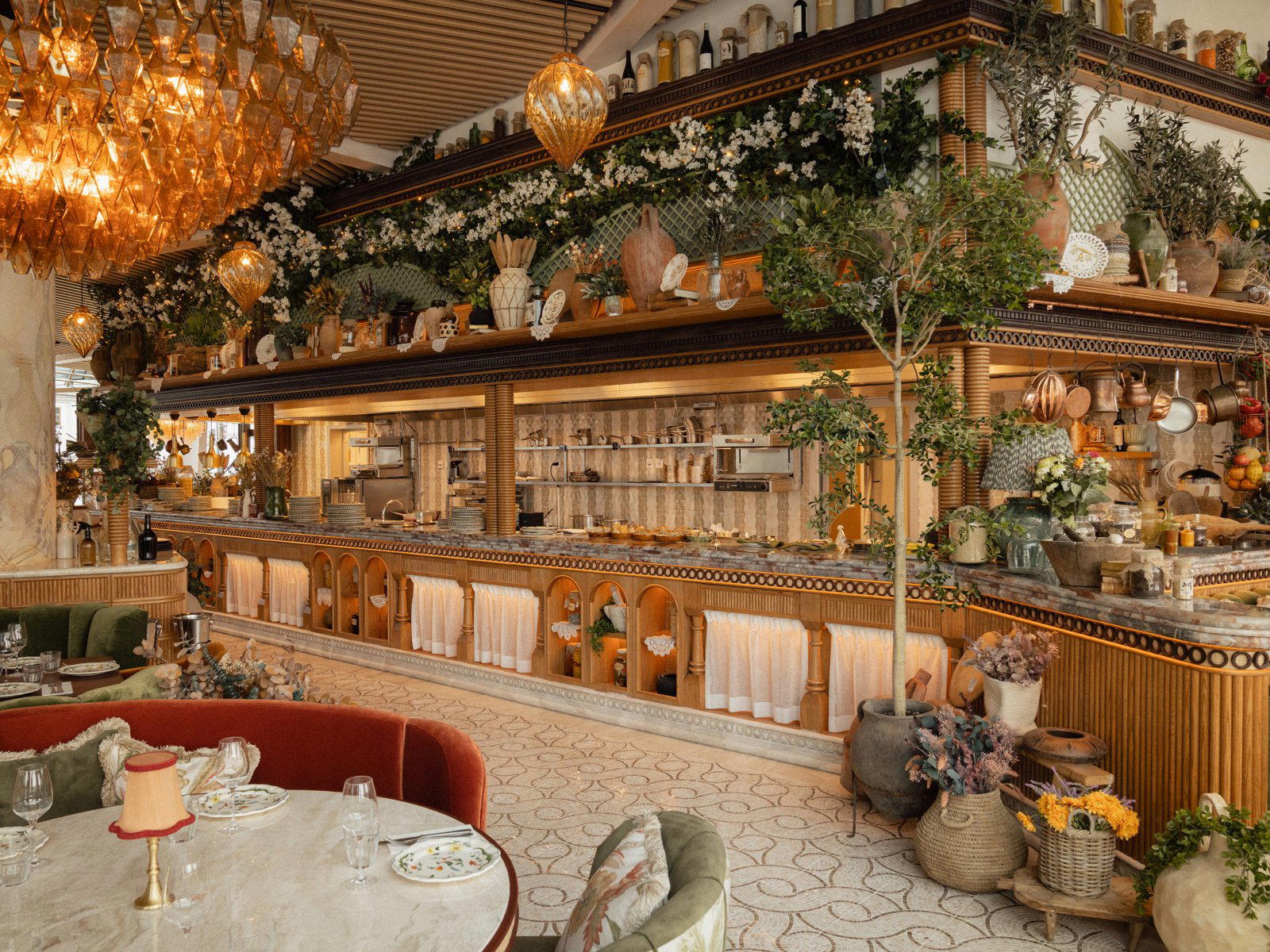
Inside the hotel-bar lane of Copenhagen drinking
Approaching Hammerichsgade 1 puts the bar in a particular Copenhagen frame before a drink is ordered. This is not the low-lit townhouse grammar associated with Ruby, nor the beer-led British-pub register of Charlie’s Bar. Bar at ISSEI Copenhagen sits inside ISSEI Copenhagen, which immediately places it in the city’s hotel-bar lane: a setting where the first question is less about late-night mythology and more about how a drinks programme supports dinner, arrival, business travel, and a central evening in Copenhagen.
That distinction matters because Copenhagen’s drinking culture has matured into several parallel tracks. There are destination cocktail rooms, vinyl-adjacent bars, craft beer specialists, wine bars with natural-leaning lists, and hotel bars built for guests who want a composed room without making a second reservation across town. For a reader, that absence is not a flaw to be disguised. It defines how to judge the venue: by location, convenience, and fit within a Copenhagen evening, rather than by trophy credentials or a published cocktail canon.
The cocktail programme, with the limits stated clearly
The assigned lens here is the cocktail programme, but the reliable record does not provide a menu, drink names, house techniques, bartender biography, or spirits list. That means the responsible editorial position is to avoid invented tasting notes and read the format through context. A bar attached to a restaurant or hotel in central Copenhagen usually has to do several jobs at once: aperitif before dinner, short-stay nightcap, a drink for guests who do not want to cross town, and a social room that works even when the main dining room is not the focus.
In Copenhagen, that multi-use brief separates hotel bars from specialist cocktail counters. At Bird, for example, the editorial conversation is shaped by the bar’s own identity within the city’s modern drinks scene. At an on-site bar such as Bar at ISSEI Copenhagen, the interesting question is how much autonomy the drinks list is given inside the larger hospitality frame. The answer will tell more about the bar’s seriousness than a decorative menu title ever could.
Copenhagen drinkers have become alert to technique, but technique alone is not the point. Clarification, fermentation, fat-washing, Nordic botanicals, and savoury serves have all entered the broader conversation across serious cocktail cities. The stronger programmes use those tools to make the drink clearer, colder, drier, more aromatic, or easier to pair with food. The weaker ones use them as theatre.
Where it sits among Copenhagen peers
Copenhagen’s bar map rewards specificity. Ruby occupies the polished cocktail-house side of the city. Charlie’s Bar represents a beer tradition that resists fashionable reinvention. Bird speaks to a newer, music-conscious drinking culture. The bar at 71 Nyhavn Hotel shows how waterfront hotels can fold drinks into a heritage setting. Bar at ISSEI Copenhagen is better read against that last peer group: bars where location and hospitality rhythm matter as much as independent bar identity.
No Michelin, World’s 50 Best Bars, local award, or review score is attached to the venue data supplied and no price range is published. That makes it unfair to position it against Copenhagen’s most accolade-heavy cocktail addresses or to imply a luxury tier from thin evidence. The safer conclusion is more useful: this is a central Copenhagen hotel bar at Hammerichsgade 1, and its value depends on what the reader needs from the evening. If the plan requires a destination bar with a public reputation built on awards, choose from known cocktail specialists. If the plan needs a controlled, on-site drinking stop before or after dinner at ISSEI Copenhagen, this address has the logistical advantage.
For a wider reading of the city, Our full Copenhagen restaurants guide gives the dining context that often determines whether a hotel bar makes sense. Copenhagen evenings are rarely only about one reservation. A bar can function as the buffer between an early table and a late train, or between a hotel check-in and dinner. In that role, the deciding factors are centrality, ease, and how confidently staff can steer a guest through a first drink.
The Copenhagen context: why hotel bars matter again
Hotel bars were once judged as secondary rooms, useful but rarely central to a city’s drinking identity. That has changed in many capitals. As independent cocktail bars became harder to book and more concept-heavy, hotel bars regained ground by offering flexibility: walk-in possibility, professional service cadence, and a room that can absorb different kinds of guests without forcing everyone into a single subculture. Copenhagen, with its compact centre and high expectation for design-led hospitality, is well suited to that shift.
Hammerichsgade places the bar in a practical zone for visitors moving between hotels, cultural venues, central shopping streets, and dinner reservations. This is not a remote bar demanding a dedicated detour. It is a central Copenhagen option tied to an on-site hospitality setting, which changes the calculus for travellers who are managing timing rather than collecting bar trophies.
Denmark’s broader drinking scene also helps explain why a reader should not judge every bar by cocktail awards alone. Outside Copenhagen, strong regional addresses serve different purposes: Visselulles Vinbar in Sønderborg speaks to the wine-bar side of Danish drinking, Bardok in Aarhus belongs to a different urban rhythm, No 43 in Hørsholm reflects a suburban bar-and-restaurant pattern, and Hugos No. 19 in Køge shows how local drinking rooms can matter outside the capital. Bar at ISSEI Copenhagen should be read through its own function: a central, on-site bar in Denmark’s main visitor city.
How to use the room
The cleanest way to approach Bar at ISSEI Copenhagen is to treat it as part of the evening’s architecture. For a pre-dinner drink, arrive with enough time to ask how the list is organised rather than ordering by default. If staying at or dining within ISSEI Copenhagen, the bar can reduce the friction that often comes with moving between venues in a busy city.
That planning note is not incidental. Bars with incomplete public data can be excellent in practice, but the traveller has less to verify in advance. No seat count is listed, so capacity cannot be assumed. No dress code is listed, so the sensible approach is the Copenhagen middle ground: clean, composed, and adaptable to a hotel dining room rather than nightclub dressing. No price range is listed, so the first-round order should establish the level before settling in for a longer session.
Readers comparing Copenhagen with cocktail cities abroad should also calibrate expectations. A bar such as Café La Trova in Miami is bound up with Cuban-American performance and cantinero tradition. Jewel of the South in New Orleans draws from a city where cocktail history is part of civic identity. Superbueno in New York City belongs to New York’s high-energy contemporary bar conversation. Copenhagen’s hotel-bar appeal is quieter and more operational: precision, timing, and a room that fits around dinner rather than swallowing the night.
Editorial verdict
Bar at ISSEI Copenhagen is a context-led recommendation rather than an awards-led one. That makes it better suited to readers who value central convenience and a hotel-bar setting than to those searching for a credentialed cocktail destination with a published list of signatures.
The defining question is not whether the bar can compete with Copenhagen’s established cocktail rooms on reputation. The question is whether it serves the evening intelligently: a first drink before dinner, a nightcap without another transfer, or a calm central stop in a city where the serious drinking options can otherwise require more planning.
FAQs
Frequently asked questions
What's the atmosphere like at Bar at ISSEI Copenhagen?
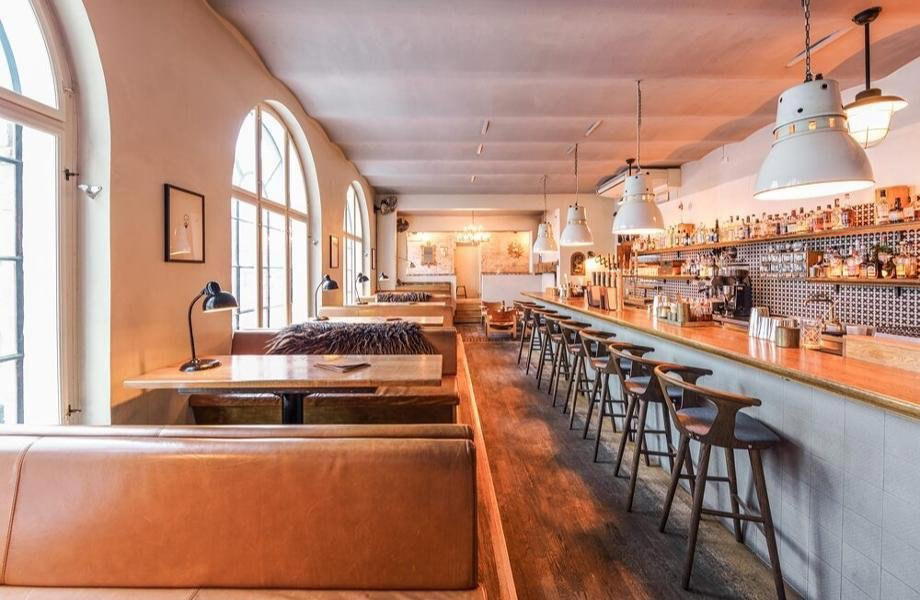
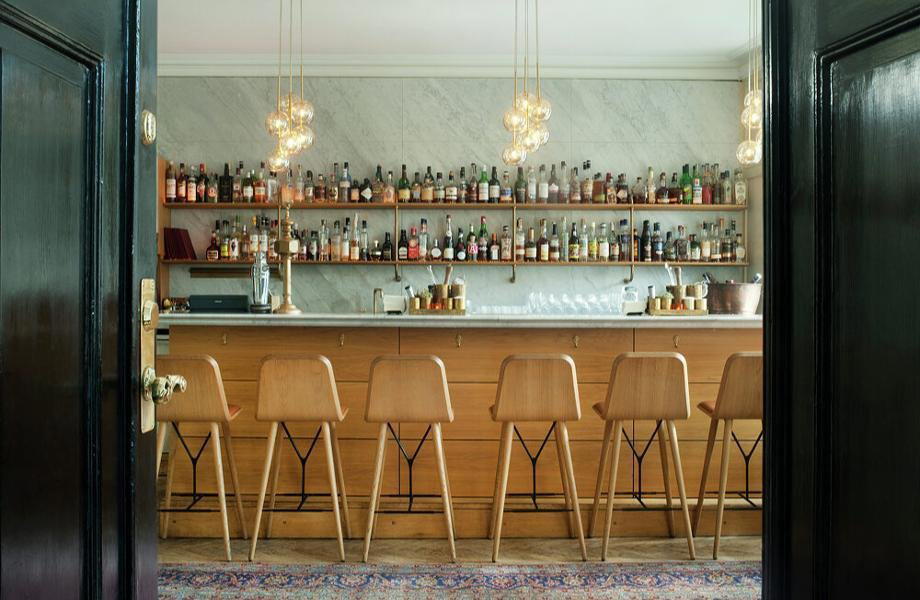
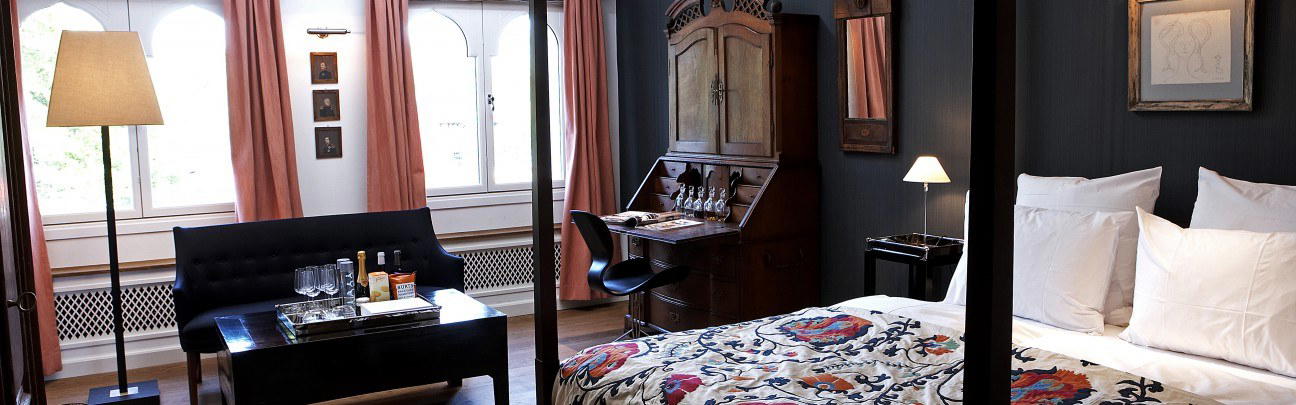
The atmosphere reads as an on-site hotel bar rather than a standalone cocktail room, because the venue sits inside ISSEI Copenhagen at Hammerichsgade 1, 1611 København. In Copenhagen terms, that usually means a practical stop for a drink before dinner, with the city-centre setting doing much of the work.
Where is Bar at ISSEI Copenhagen in Copenhagen?
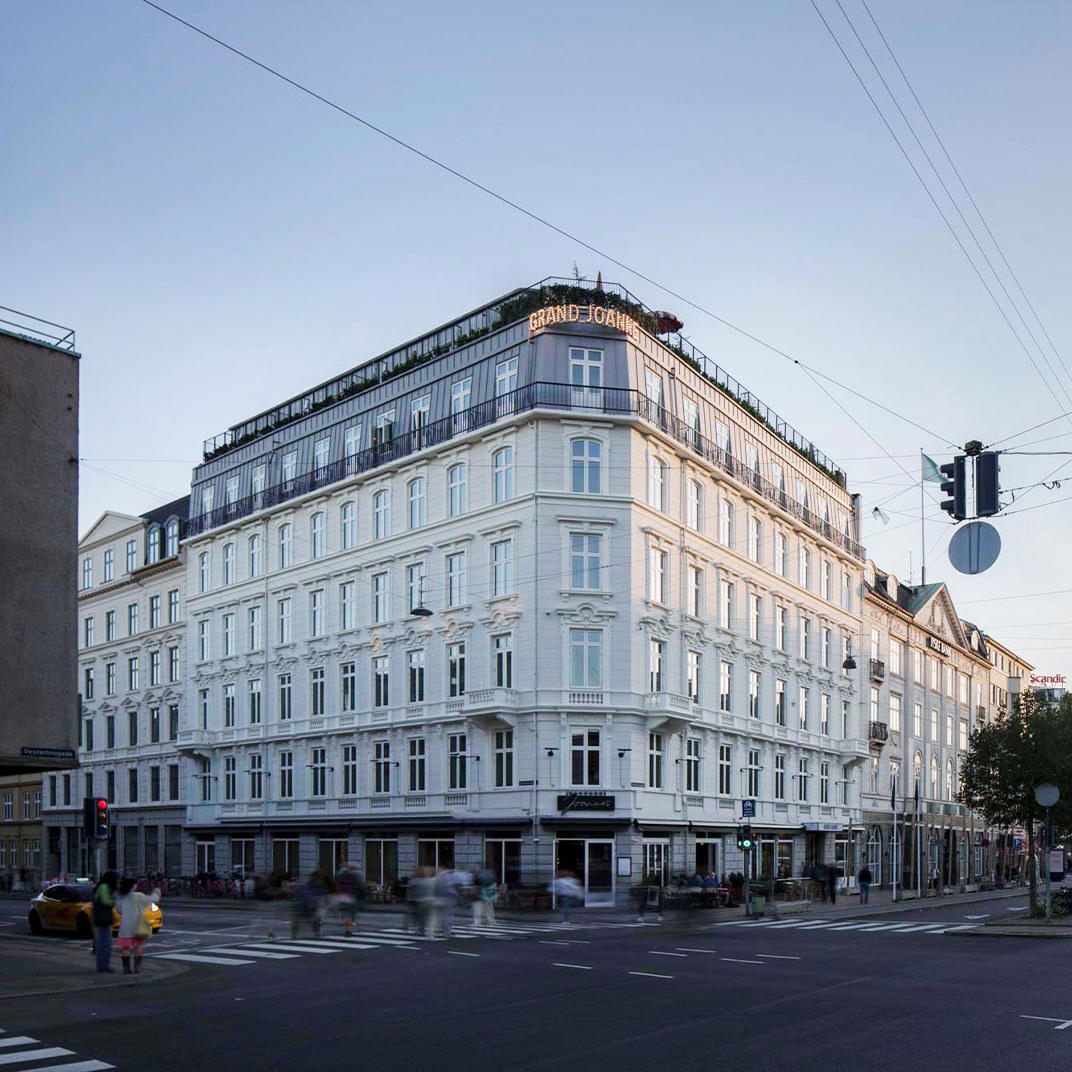
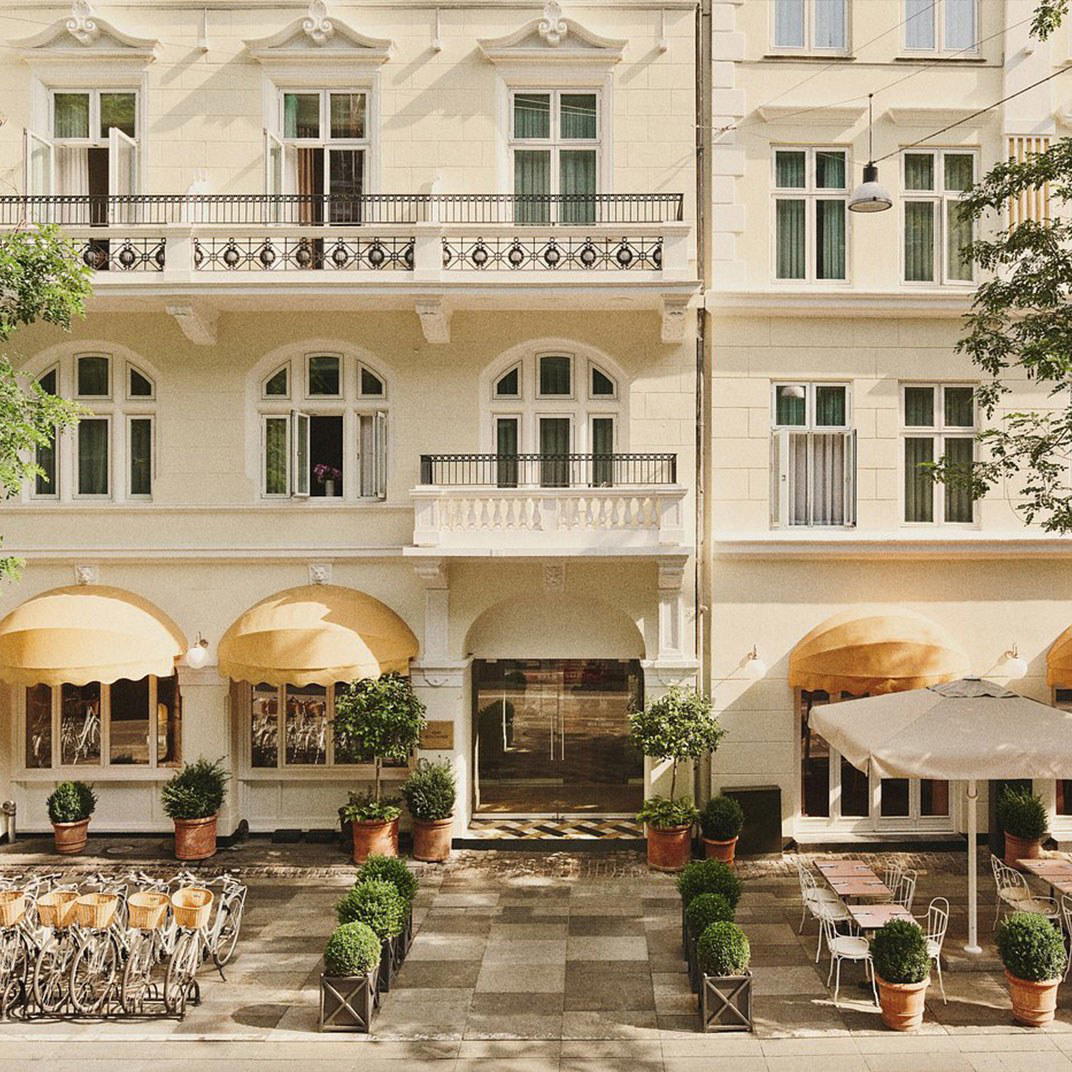
Bar at ISSEI Copenhagen is located at Hammerichsgade 1, 1611 København (on-site bar within ISSEI Copenhagen at Hammerichsgade 1, 1611 København), Copenhagen.
Is Bar at ISSEI Copenhagen a good pre-dinner stop in central Copenhagen?
Yes, if the plan is to begin the evening in the city centre at Hammerichsgade 1 before moving on to dinner. The venue’s address inside ISSEI Copenhagen makes it a practical pre-dinner stop for anyone already staying or dining in central Copenhagen.
What should I try at Bar at ISSEI Copenhagen?
The clearest anchor here is the location inside ISSEI Copenhagen in central Copenhagen, so the bar is best used as part of an evening at the hotel.
What's the defining thing about Bar at ISSEI Copenhagen?
Its defining feature is simple: it is an on-site bar within ISSEI Copenhagen at Hammerichsgade 1, 1611 København. That places it in the hotel-bar category, with Copenhagen as the frame rather than a standalone awards profile or chef-driven identity.
Continue exploring
More in Copenhagen
Restaurants in Copenhagen
All restaurants in Copenhagen →
Bars in Copenhagen
All bars in Copenhagen →

Details
- Modern
- Sophisticated
- Elegant
- Date Night
- Special Occasion
- Celebration
- Chefs Counter
- Hotel Restaurant
- Design Destination
- Historic Building
- Craft Cocktails
- Tasting Menu
- Cocktails
Current opening hours
- Monday
- 5:30–10 PM
- Tuesday
- 5:30–10 PM
- Wednesday
- 5:30–10 PM
- Thursday
- 5:30–10 PM
- Friday
- 5:30–10:30 PM
- Saturday
- 5:30–10:30 PM
- Sunday
- 5:30–10 PM
Hours can change for holidays and private events. Hours as of .
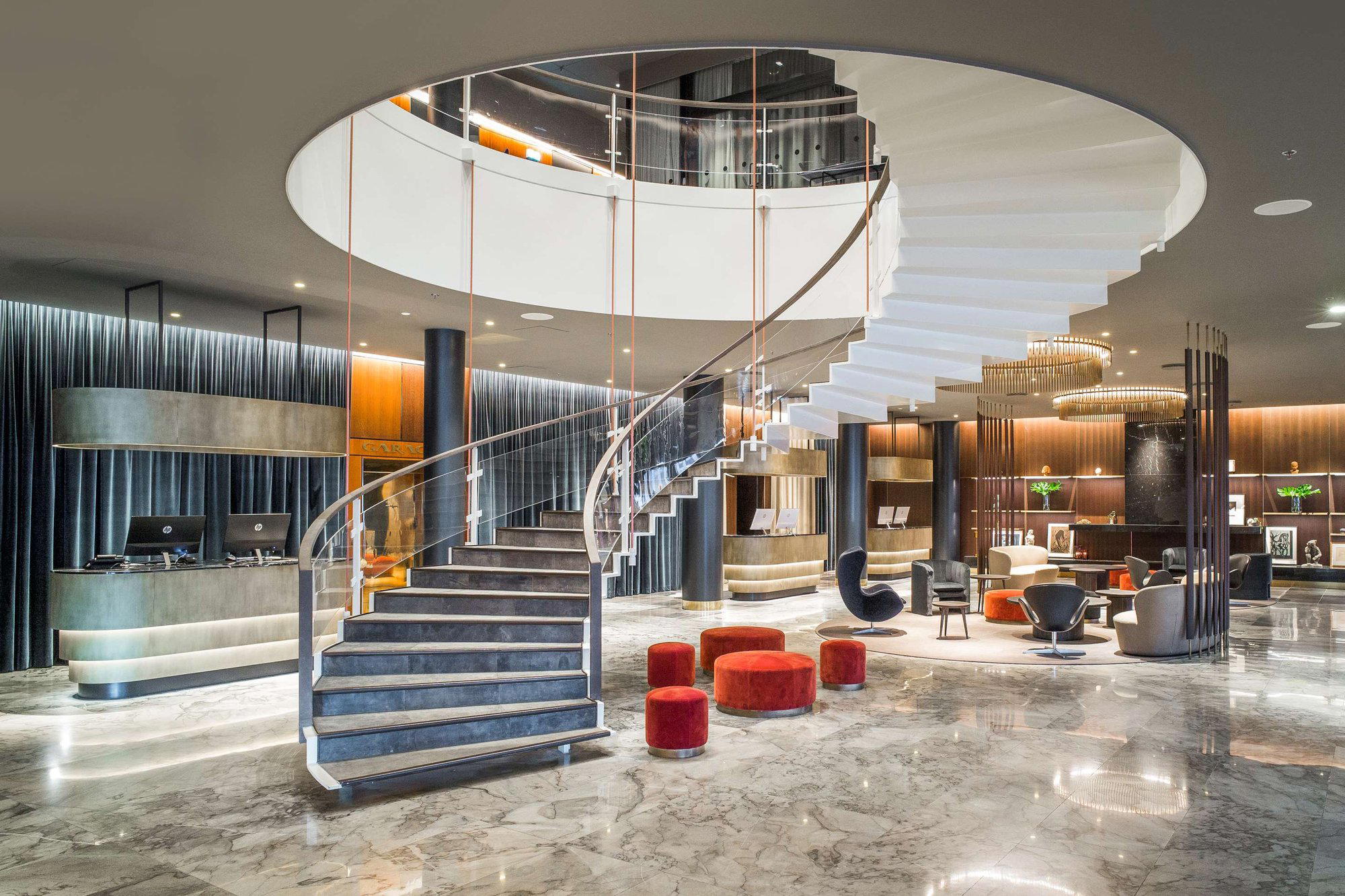
Modern, atmospheric hotel-restaurant setting in Arne Jacobsen’s modernist landmark, suited to intimate dinners and special celebrations.