Host

A short walk from La Rochelle's covered market, Host operates on a simple but deliberate premise: market proximity as menu logic. The lunch format draws directly from daily produce, while the evening tasting menu steps up to premium ingredients treated with precision. The result is cooking that prioritises flavour definition over spectacle, in a room that matches that register exactly.
Pearl is the En Primeur Club membership app — saves, bookings, and concierge access live there. Same editors, same standards.
- Address
- 33 rue des Dames
- Phone
- +33 5 46 29 97 28
- Website
- host-restaurant.fr
- Directions
- Get directions
 Saves & bookings on Pearl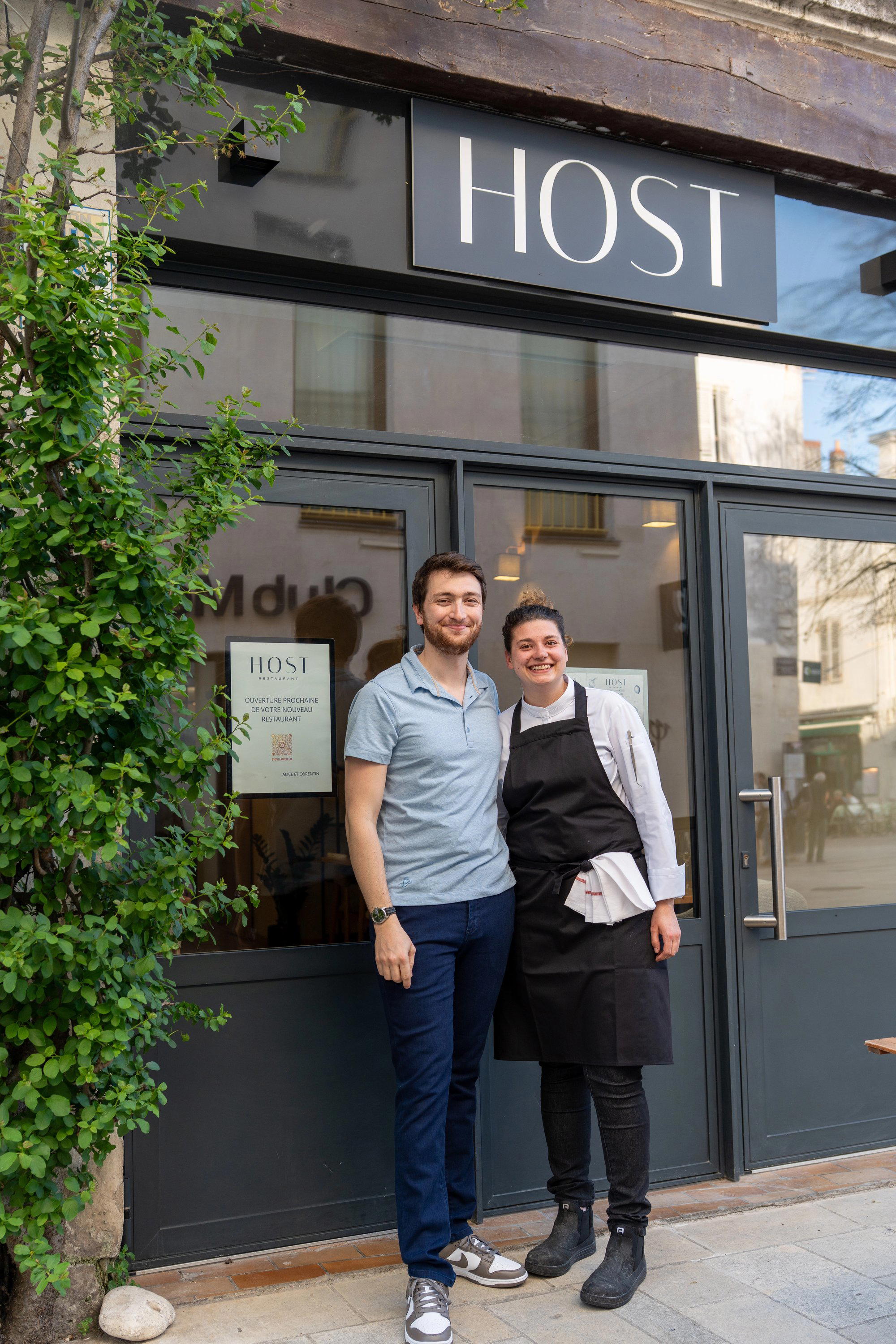
Where the Market Ends and the Kitchen Begins
Rue des Dames sits close enough to La Rochelle's central market that the geography itself becomes a dining argument. In a port city where fish arrives early and the Atlantic sets the seasonal rhythm, restaurants close to primary supply tend to cook differently from those that don't. Host is one of those restaurants. The address at number 33 is deliberate, the market is not a decorative reference point but an operational one, and that relationship shapes what arrives on the plate.
The room is contemporary and spare. Host is a focused, ingredient-led restaurant run by Alice Roger and her partner, whose time in the United Kingdom left an imprint on both the aesthetic and the spirit of welcome. The fit-out reads simple, warm, and unclinical. It's the kind of room where the food is asked to do most of the talking, which is a reasonable ask given what comes out of the kitchen.
Two Formats, One Underlying Logic
French restaurants that maintain a dual structure, one format for lunch and a more ambitious one for dinner, separate accessibility from ambition without abandoning either. Host runs exactly this kind of split. Lunchtime menus take their cue directly from the market, shifting with availability and season, keeping the price of entry low enough to attract the kind of repeat custom that sharpens a kitchen's instincts. The evening tasting menu operates at a different register, bringing in premium ingredients and giving the kitchen room to build dishes with more structural complexity.
This dual-format model is common among serious independent restaurants in French provincial cities, where daytime revenue helps fund the evening programme. What matters editorially is whether the two halves feel coherent rather than disconnected. At Host, the connective tissue appears to be flavour precision: dishes are built around clear, well-defined tastes rather than layered technique for its own sake. That sensibility holds across both formats.
Ingredient Sourcing as Editorial Position
In La Rochelle, sourcing is practical rather than promotional. The Atlantic coast produces some of France's most sought-after seafood, and the Charente-Maritime hinterland adds a further argument for local supply, from the salt marshes of the Île de Ré to the butter and dairy traditions of the region. Restaurants that choose to work with market-sourced ingredients here are making a claim about quality by proximity, a shorter supply chain from water or field to plate.
Host's kitchen takes that proximity seriously. The dishes reflect an interest in contrast and layering within clean flavour profiles: bluefin tuna paired with beetroot and sorrel reads as a study in acidity and weight. The dessert combining coffee, tonka bean, hazelnut, and Peruvian chocolate introduces a tension between local register and imported ingredient, which suits a restaurant that otherwise leans close to home. The sourcing logic is not purist, in other words; it's pragmatic and flavour-led.
That kind of pragmatism sets Host apart from the more ideologically rigid farm-to-table positioning that has become a genre convention in itself. The kitchen appears to source locally where local is leading, and reach further when the dish demands it. Among La Rochelle's mid-range restaurant tier, that approach keeps the cooking from becoming parochial.
Host in La Rochelle's Broader Restaurant Context
La Rochelle's restaurant scene covers a wider range than its size might suggest. At the summit of the market, Christopher Coutanceau operates at a level that competes with destination addresses across France, a three-Michelin-star seafood house that sets the ceiling for the city. Below that, a cluster of independently minded modern and fusion restaurants including Impressions, L'Astrolabe, and Annette hold the middle ground. Arco rounds out a scene that punches well above a coastal city of its population.
Host operates within that mid-tier cluster while carving a specific niche: the market-adjacent, ingredient-first, small-room format that rewards regulars and surprises first-time visitors. Its closest peer in spirit is not necessarily any single La Rochelle address but a type of French restaurant that is increasingly valued precisely because it doesn't try to be everything. The format is restrained, the welcome is genuine, and the ambition is appropriately scaled to the room.
La Rochelle's independent restaurant culture sits within broader French provincial cooking, but the proximity to Atlantic supply means that the raw material available to any serious kitchen here is difficult to match inland. The handful of addresses working directly with that supply chain are among the more interesting meals you can have on France's west coast, at any price point. Host, operating close to the market at a format that runs from lunch through to a tasting menu in the evening, positions itself to take full advantage of what the city's geography offers.
Those exploring France's wider restaurant map alongside a La Rochelle visit might draw connections to kitchens as different as Mirazur in Menton or Bras in Laguiole, both of which ground their cooking in landscape-level sourcing logic, albeit at a different scale and price tier. Closer to Host's register, the independently minded French addresses at Flocons de Sel in Megève or the multigenerational seriousness of Auberge de l'Ill in Illhaeusern speak to the breadth of what French provincial cooking can produce when the kitchen has a clear point of view and access to excellent primary ingredients. Even internationally, the ingredient-led philosophy at Le Bernardin in New York City demonstrates how proximity to a strong sourcing identity can anchor a restaurant's entire identity across decades.
Planning a Visit
Host is located at 33 rue des Dames, a short walk from La Rochelle's covered market in the city centre. The dual-format structure means the restaurant works differently depending on when you visit: lunch is the more casual entry point, market-driven and lighter in ambition, while the tasting menu in the evening is the fuller expression of what the kitchen is doing. Given the small size of the room, booking ahead is advisable for both services, and particularly so for evening sittings. The welcome described by those familiar with the restaurant reflects the founders' background in the UK hospitality world: direct, warm, and without the formality that can make smaller French restaurants feel intimidating to visitors arriving without a working knowledge of local dining customs.
In Context: Similar Options
Comparable venues nearby, for context on price, style, and recognition.
| Venue | Cuisine | Price | Awards | Notes |
|---|---|---|---|---|
| HostThis venue — the venue you are viewing | Modern French Bistronomic | $$ | Michelin Plate | Not listed |
| Les Flots | Modern French Seafood | $$$$ | Michelin Plate | Vieux Port |
| Prao | Modern French Bistro with Local Seasonal Focus | $$$ | Not listed | Saint-Nicolas |
| Opaline | Modern French Gastropub | $$$ | Michelin Plate | null |
| Bon Temps | Contemporary French Brasserie | $$$ | Not listed | Vieux Port |
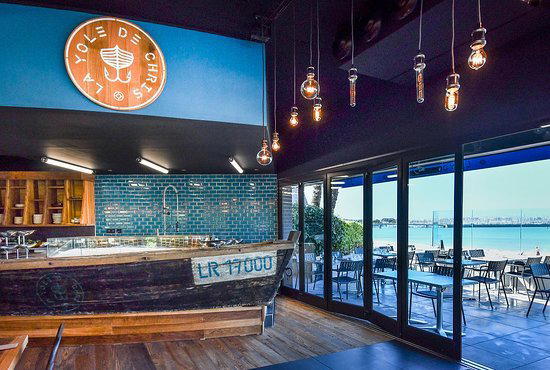
| La Yole de Chris | French Seafood Bistro | $$$ | Michelin Plate | Plage de la Concurrence |
Recognition history
Dated appearances from independent guides and award organizations, with the underlying list record or original source where available.
Michelin Plate
Michelin
Continue exploring
More in La Rochelle
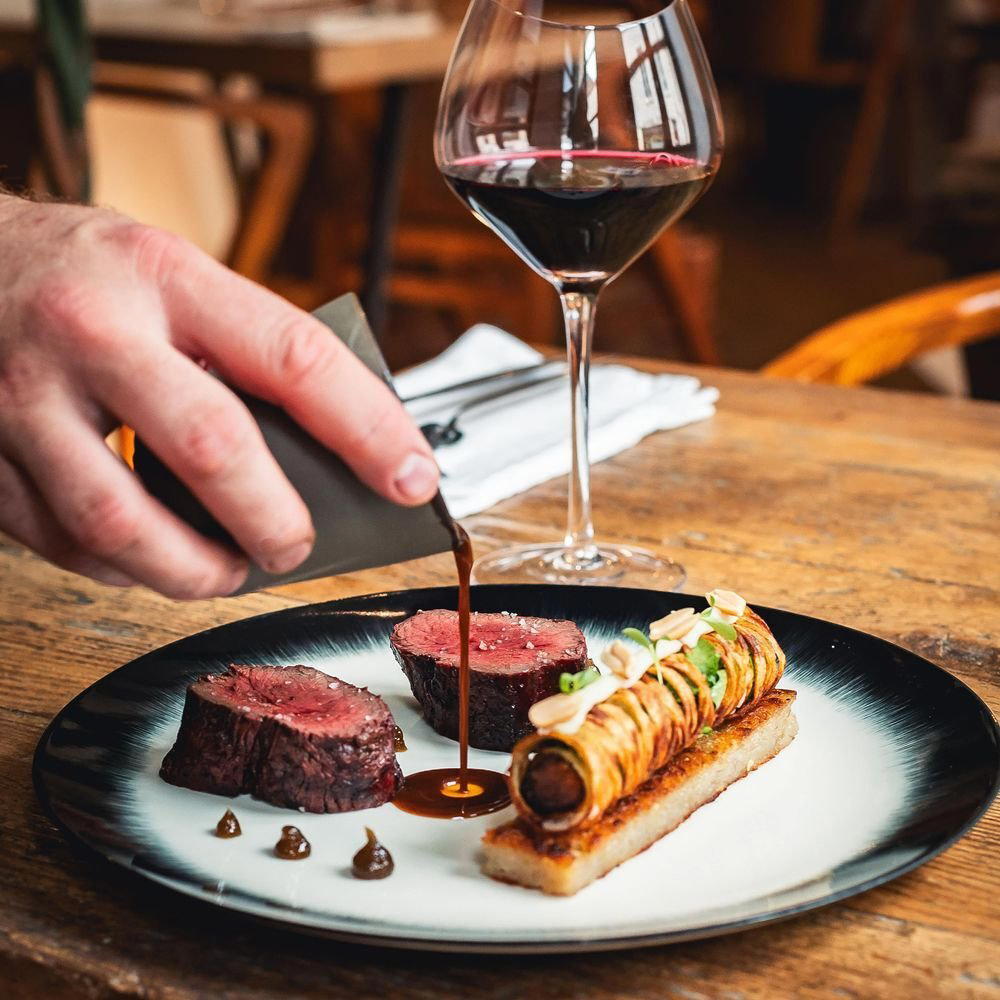
Restaurants in La Rochelle
Browse all →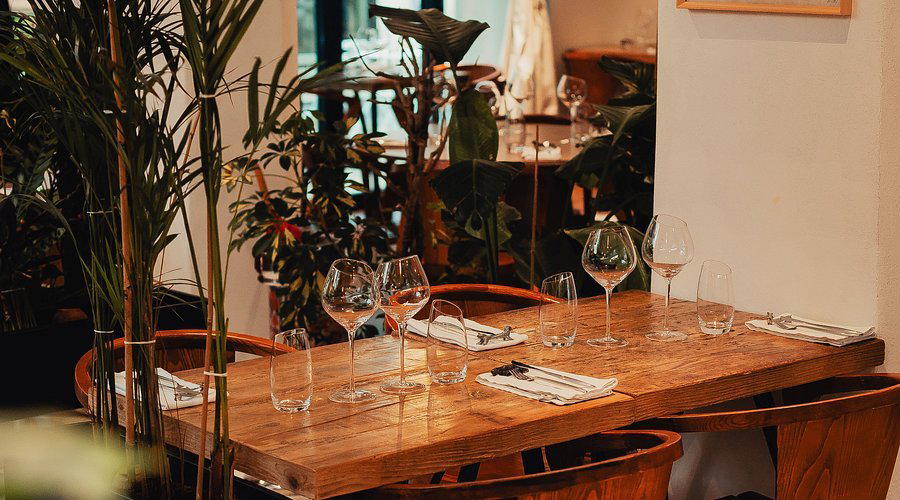
Bars in La Rochelle
Browse all →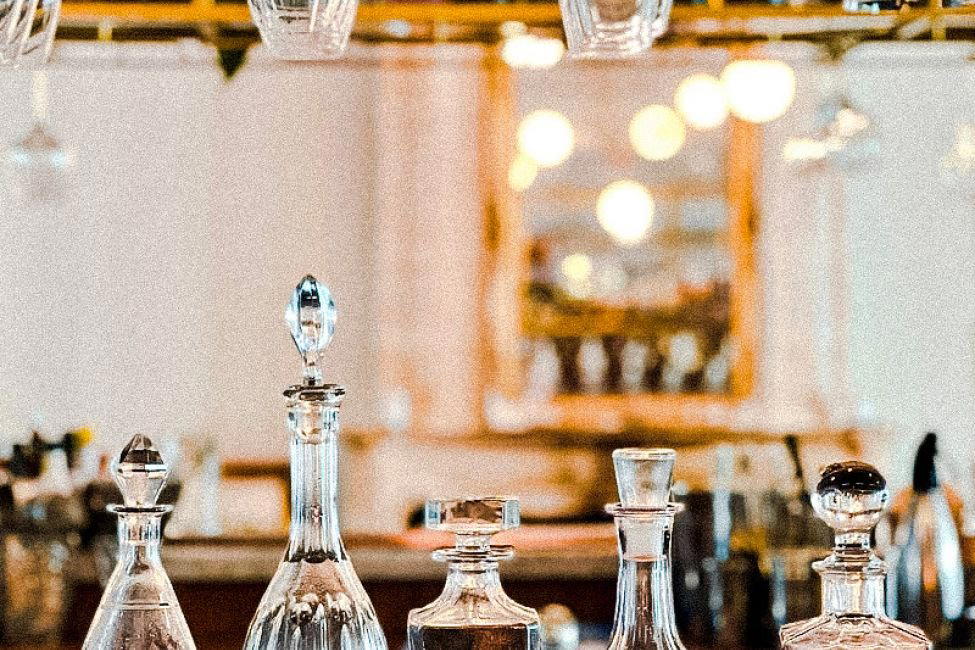
At a Glance
- Cozy
- Elegant
- Modern
- Intimate
- Date Night
- Special Occasion
- Family
- Open Kitchen
- Extensive Wine List
- Local Sourcing
- Street Scene
Current opening hours
- Monday
- Closed
- Tuesday
- 12–1:45 PM, 7:30–10 PM
- Wednesday
- 12–1:45 PM, 7:30–9:30 PM
- Thursday
- 12–1:45 PM, 7:30–9:30 PM
- Friday
- 12–1:45 PM, 7:30–9:30 PM
- Saturday
- 12–1:45 PM, 7:30–9:30 PM
- Sunday
- Closed
Hours can change for holidays and private events. Last verified .
Warm, unpretentious, and cozy atmosphere with a simple contemporary setting, praised for its welcoming and relaxed vibe.