Hog Island Oyster Co.


Michelin Plate
Our verdict
Hog Island Oyster Co. at the Ferry Building puts Tomales Bay's sustainably farmed bivalves within reach of the city, without the drive to Marin. Holding a 2025 Michelin Plate and a spot on the Opinionated About Dining Casual North America list, it draws consistent lines from locals and visitors alike for raw oysters, Manila clam chowder, and Bay-facing views.

Pearl is the En Primeur Club membership app, where members save venues, book tables and use the concierge.
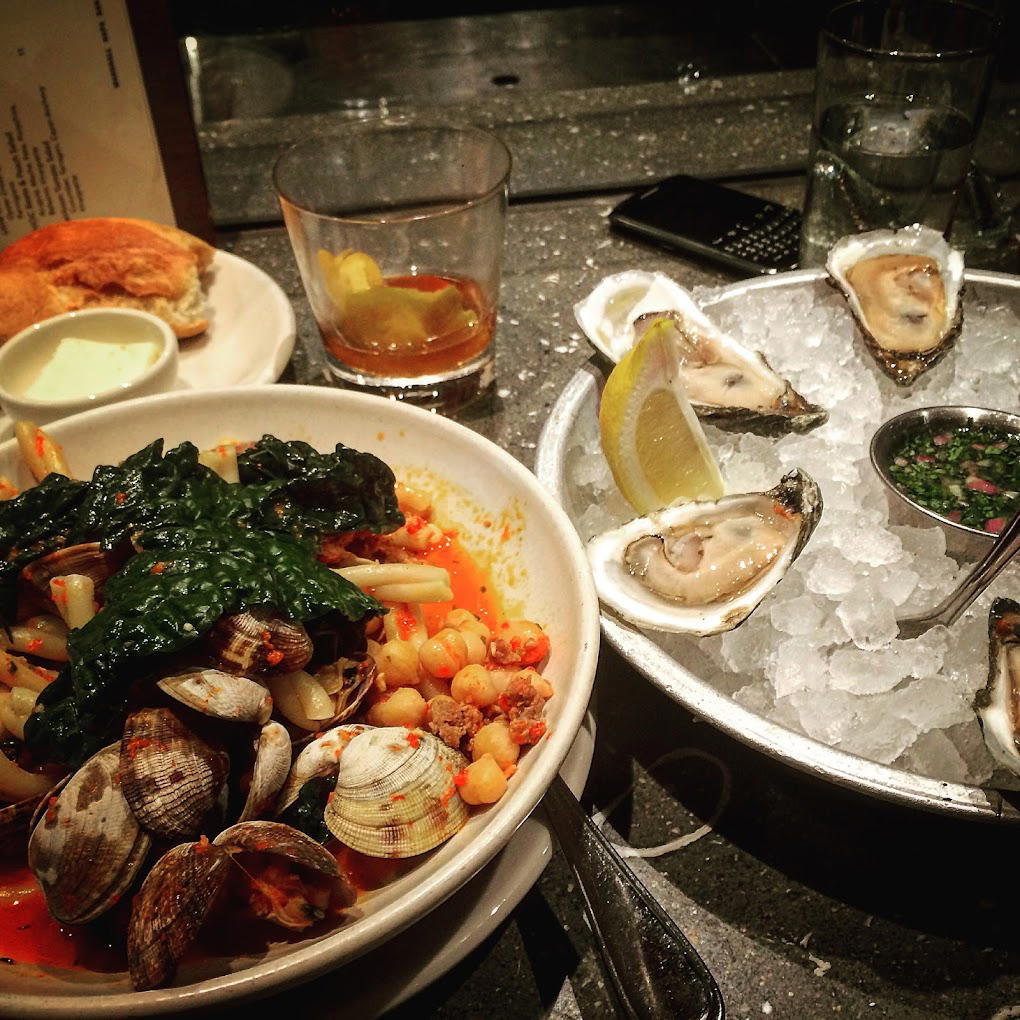
The menu
What to order
- Clam Chowder
- Grilled Oysters
- Rustic Seafood Stew
Where the Bay Comes to You
The approach to Hog Island Oyster Co. inside the Ferry Building tells you something about how San Francisco eats at its most honest. The building itself, running along the Embarcadero with the Bay at its back, has long operated as a kind of culinary clearinghouse for Northern California's agricultural and coastal producers. Hog Island occupies that logic literally: the oysters on the raw bar here travel from Tomales Bay in Marin County, where the farm has operated since 1983, and arrive in the city without losing the cold, mineral character that defines West Coast bivalve farming at its most careful. The lines that form outside, sometimes running past adjacent market stalls, are not a product of hype. They reflect what consistent quality looks like when it meets a format that removes every unnecessary layer between farm and plate.
Critical Reception and What It Signals
It appears on the Opinionated About Dining Casual in North America list, ranked 529th in 2024 and recommended in the 2023 edition. The Michelin Plate places it alongside casual-format venues that deliver on cooking fundamentals without the ceremony of a starred table. The OAD casual ranking situates it within a North America-wide reckoning of the category, where competition includes dedicated raw bar programs from New York to Los Angeles.
For context, San Francisco's tasting-menu end of the spectrum includes addresses like Atelier Crenn (three Michelin stars), Benu (three Michelin stars), and Quince (three Michelin stars), all operating in the $$$$ bracket with multi-hour formats and seasonal tasting progressions. Lazy Bear and Saison occupy comparable territory with two Michelin stars each. Hog Island operates in an entirely different register, priced at $$$ and built around produce-forward simplicity rather than technique-forward transformation. The awards don't compete with those tables; they confirm that Hog Island is doing something different well, and being assessed on its own terms.
Nationally, the raw bar category produces its own critical benchmarks. Le Bernardin in New York City and Providence in Los Angeles represent the seafood-focused fine dining tier, while Fishing with Dynamite in Los Angeles operates closer to Hog Island's casual-with-intent format. The OAD ranking placing Hog Island at 529 in that casual North America field is a defensible signal of category quality, not just local popularity.
The Menu, Placed in Context
California's coastal dining identity has, for decades, been shaped by the proximity of its producers to its kitchens. The oyster farming tradition around Tomales Bay and Drakes Bay represents one of the West Coast's most consistent applications of that principle: cold, nutrient-rich Pacific waters producing bivalves with a sweetness and salinity that differ markedly from Gulf or East Coast equivalents. The oysters served at Hog Island's Ferry Building counter are the farm's own product, which is not the norm across the raw bar category, where most operations source from multiple farms and present a rotating selection. That vertical integration, from water to service, gives the operation a coherence that shows in the product's consistency.
The accompaniments, lemon, Tabasco, and mignonette, are present in their standard forms and require no elaboration. What matters is that the oysters hold up without them, a bar that a surprising number of raw bars in the same price tier do not consistently clear. Beyond the raw bar, the menu extends into cooked seafood formats that draw on the same sourcing discipline: crudo using sustainably caught sea bass, a seafood stew carrying prawns, clams, and mussels, and the Manila clam chowder, a consistent seller that has become the table's default order for anyone eating beyond a half-dozen raw.
The clam chowder deserves specific mention because it represents a departure from the cream-heavy San Francisco sourdough-bowl format that dominates the tourist trade along Fisherman's Wharf. Rustic in construction and shellfish-forward, it functions as a proxy for the kitchen's broader approach: ingredient quality doing the work rather than technique obscuring it. That orientation aligns Hog Island with a tier of casual seafood operations more common along the Maine coast or in parts of coastal France than in a West Coast city where cooking ambition often tips toward transformation.
Location and the Ferry Building Effect
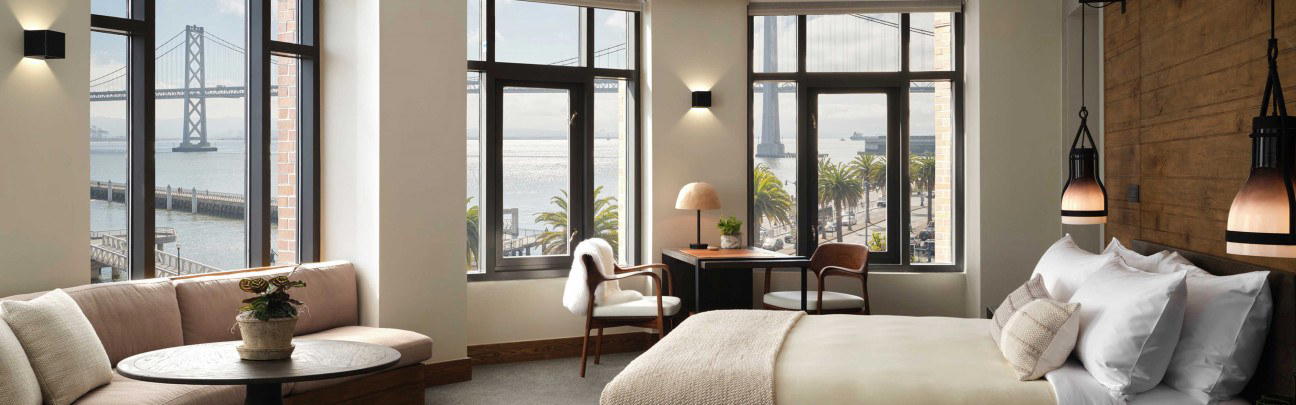
Ferry Building's identity as a premium food market has been firmly established since its 2003 renovation, and the Saturday farmers market that lines its exterior draws one of the most produce-literate crowds in California. Hog Island's placement within that ecosystem is coherent: the building's vendors, from Acme Bread to Cowgirl Creamery, operate on the same farm-direct premise, and the foot traffic that moves through the space treats the building as a destination rather than a transit hub. The Bay views from Hog Island's patio and dining room are a practical reality of the location, not a marketing contrivance. Sitting on that patio with a view across to Treasure Island and the Bay Bridge represents a specific San Francisco experience that the address, rather than the kitchen, supplies.
For visitors building a day around the Ferry Building, the immediate neighborhood connects to the broader Embarcadero waterfront, which runs north toward the piers and south toward the Bay Bridge. The surrounding SoMa and Financial District streets offer direct connections to most of San Francisco's central hotels. Those planning longer stays in the city will find the full lodging range covered in our San Francisco hotels guide, and bar programming worth considering alongside dinner options in our San Francisco bars guide.
How Hog Island Sits in the Wider San Francisco Dining Picture
San Francisco's restaurant map is dense at both ends of the price spectrum. At the high end, the city punches above its size: few American cities of equivalent population carry as many Michelin-starred addresses per square mile. Hog Island operates in the casual tier of that same ecosystem but draws on the same Northern California producer network that supplies the city's most discussed tasting menus. The oysters arriving at a $$$$ counter in SoMa and the oysters arriving at Hog Island's raw bar may come from different farms, but they share a regional identity rooted in the same cold Pacific inlets. That continuity is worth noting for visitors building an itinerary that spans both ends of the price register.
Addresses worth considering alongside Hog Island in a broader San Francisco food itinerary include Single Thread Farm in Healdsburg and The French Laundry in Napa for those extending into wine country, and Alinea in Chicago, Atomix in New York City, or Emeril's in New Orleans as reference points for how the casual-to-fine-dining spectrum resolves in other American cities. For the full scope of what San Francisco's restaurant scene offers across formats, price points, and neighborhoods, our full San Francisco restaurants guide maps the field in detail. Wine-focused itineraries through the Bay Area and beyond are covered in our San Francisco wineries guide, and curated activities in our San Francisco experiences guide.
Know Before You Go
- Address: Ferry Building, #11, San Francisco, CA 94111
- Price range: $$$ (mid-range; raw bar platters and cooked seafood dishes)
- Cuisine: Raw bar, seafood; farm-direct oysters from Tomales Bay, Marin County
- Timing: Expect lines, particularly on weekends and during the Saturday farmers market. Weekday mornings and early lunches are the lower-volume windows.
- Getting there: The Ferry Building sits at the foot of Market Street on the Embarcadero, accessible by BART (Embarcadero station) and Muni. Street parking is limited; the building's own water-transit connections make it one of the few San Francisco dining addresses also reachable by ferry.
Frequently asked questions
How much does it cost to eat at Hog Island Oyster Co.?
Pricing at Hog Island Oyster Co. is listed as $$$.
Who is the chef connected to Hog Island Oyster Co.?
The chef associated with Hog Island Oyster Co. is Various.
What's the best thing to order at Hog Island Oyster Co.?
Start with the raw oysters: farm-direct sourcing from Hog Island's Tomales Bay operation means the product arrives with a consistency that multi-supplier raw bars rarely match. The Manila clam chowder is the menu's most-ordered dish and earns that status. Beyond bivalves, the seafood stew, prawns, clams, mussels, and crudo of sustainably caught sea bass round out the meal without straying from the coastal focus that earned the restaurant a 2025 Michelin Plate.
Is Hog Island Oyster Co. focused on a specific cuisine style?
Hog Island Oyster Co.
Where do I go for Hog Island Oyster Co.?
Hog Island Oyster Co. is located at Ferry Building, #11, San Francisco, CA 94111, San Francisco.
Quick Comparison
A small set of peers for context, based on recorded venue fields.
| Venue | Cuisine | Price | Awards | Notes |
|---|---|---|---|---|
| Hog Island Oyster Co.This venue (the venue you are viewing) | Oyster Bar & Fresh Seafood | $50–100 | Michelin Plate | Not listed |
| Lazy Bear | Modern American Tasting Menu | Not listed | 2 Michelin Stars · World's 50 Best #25 | Progressive American, Contemporary |
| Benu | Modern Asian Fusion Fine Dining | $150–200 | 3 Michelin Stars · World's 50 Best #33 | French - Chinese, Asian |
| Atelier Crenn | Contemporary French Fine Dining | $300–500 | 3 Michelin Stars · World's 50 Best #44 | Modern French, Contemporary |
| Quince | Modern French Fine Dining | $300–500 | 3 Michelin Stars · World's 50 Best #48 | Italian, Contemporary |
| Saison | Modern French-Italian | Not listed | Michelin Plate | Progressive American, Californian |
Recognition history
Dated appearances from independent guides and award organizations, with the underlying list record or original source where available.
Michelin Plate
Michelin · 2026 Michelin Plate
Opinionated About Dining Casual in North America Ranked #130
Opinionated About Dining
Full recognition history (6 entries)
Michelin Plate
Michelin
Michelin Plate
Michelin
Opinionated About Dining Casual in North America Ranked #529
Opinionated About Dining
Opinionated About Dining Casual in North America Recommended
Opinionated About Dining
Continue exploring
More in San Francisco
Restaurants in San Francisco
All restaurants in San Francisco →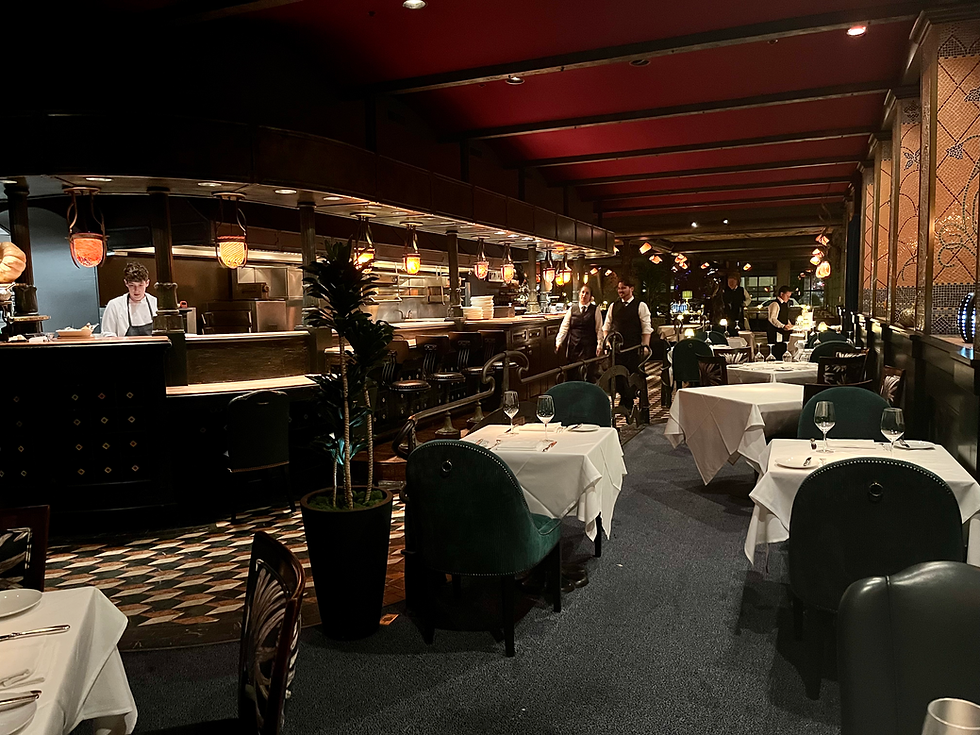
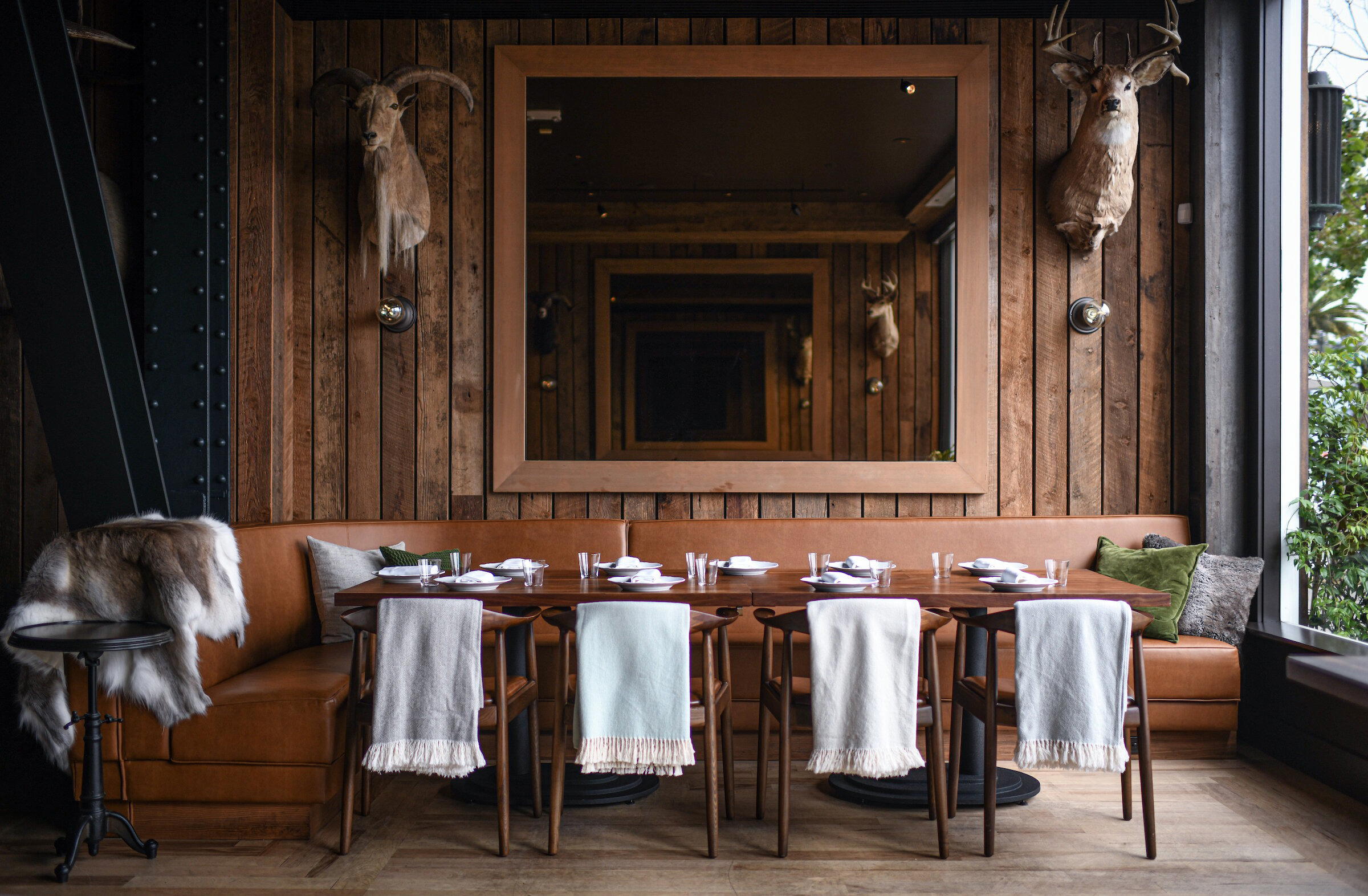
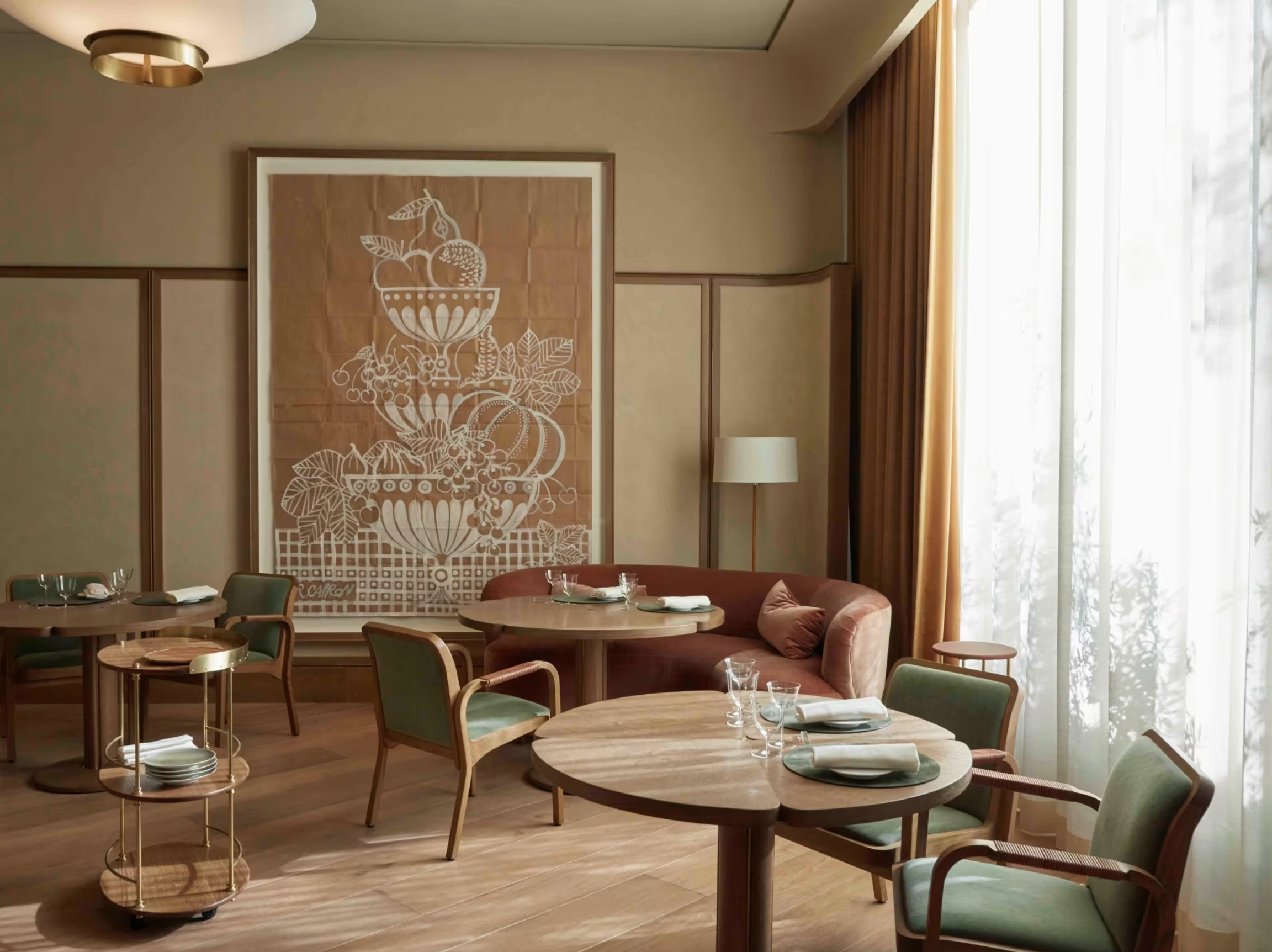
Bars in San Francisco
All bars in San Francisco →

Details
- Lively
- Rustic
- Scenic
- Casual Hangout
- Group Dining
- Waterfront
- Open Kitchen
- Local Sourcing
- Sustainable Seafood
- Waterfront
- A La Carte
- Small Plates
- Gluten Free Options
Current opening hours
- Monday
- 11:30 AM–8 PM
- Tuesday
- 11:30 AM–8 PM
- Wednesday
- 11:30 AM–8 PM
- Thursday
- 11:30 AM–8 PM
- Friday
- 11 AM–8 PM
- Saturday
- 11 AM–8 PM
- Sunday
- 11 AM–8 PM
Hours can change for holidays and private events. Hours as of .
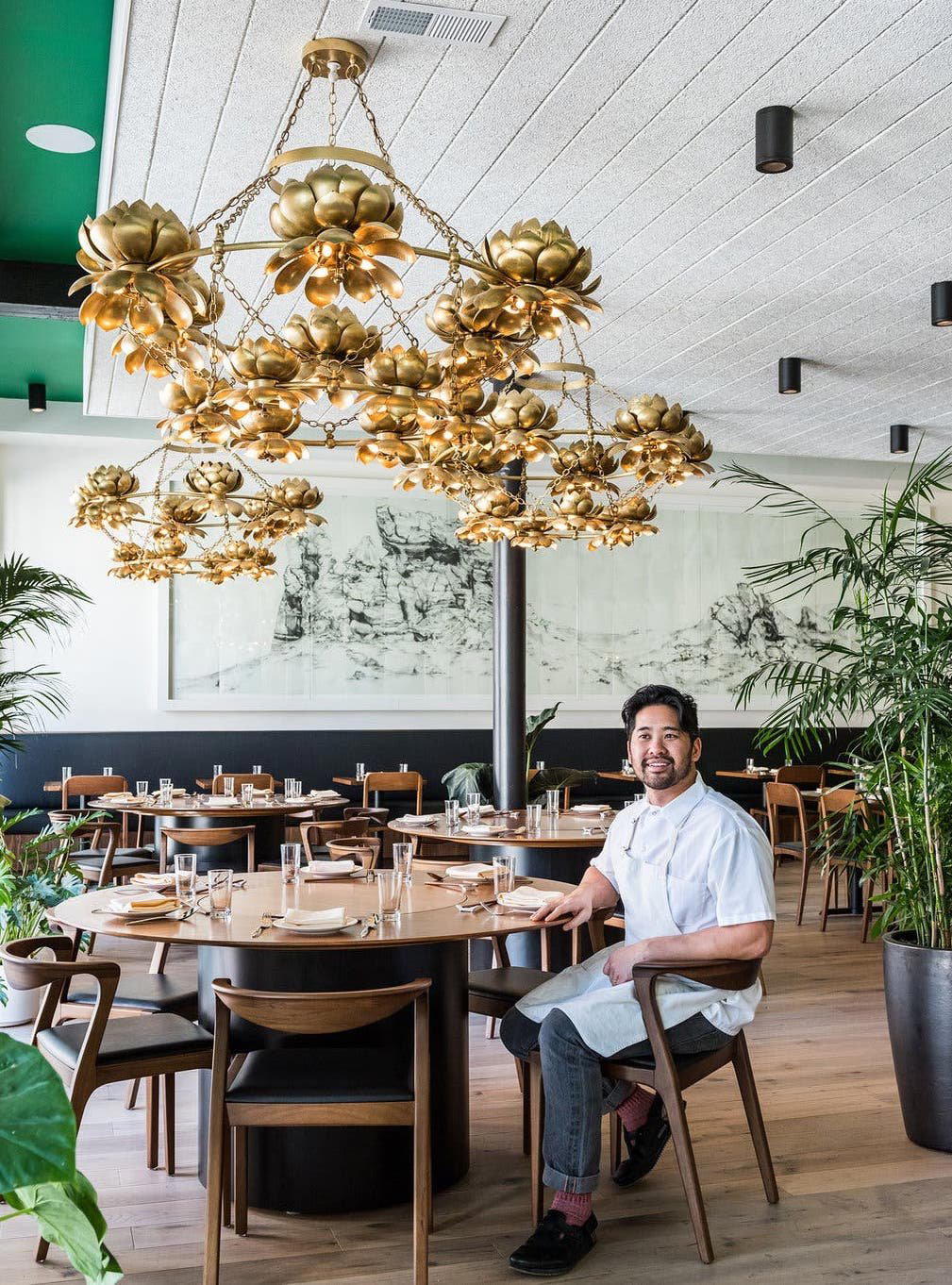
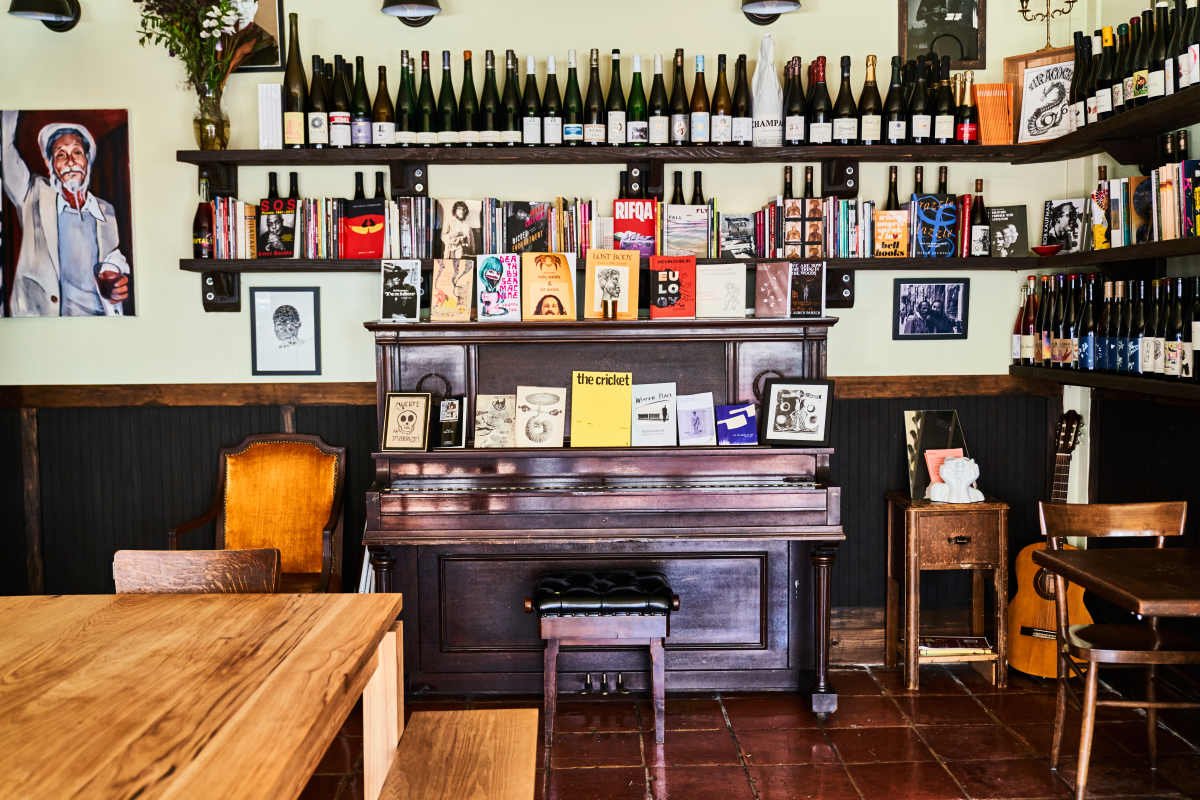
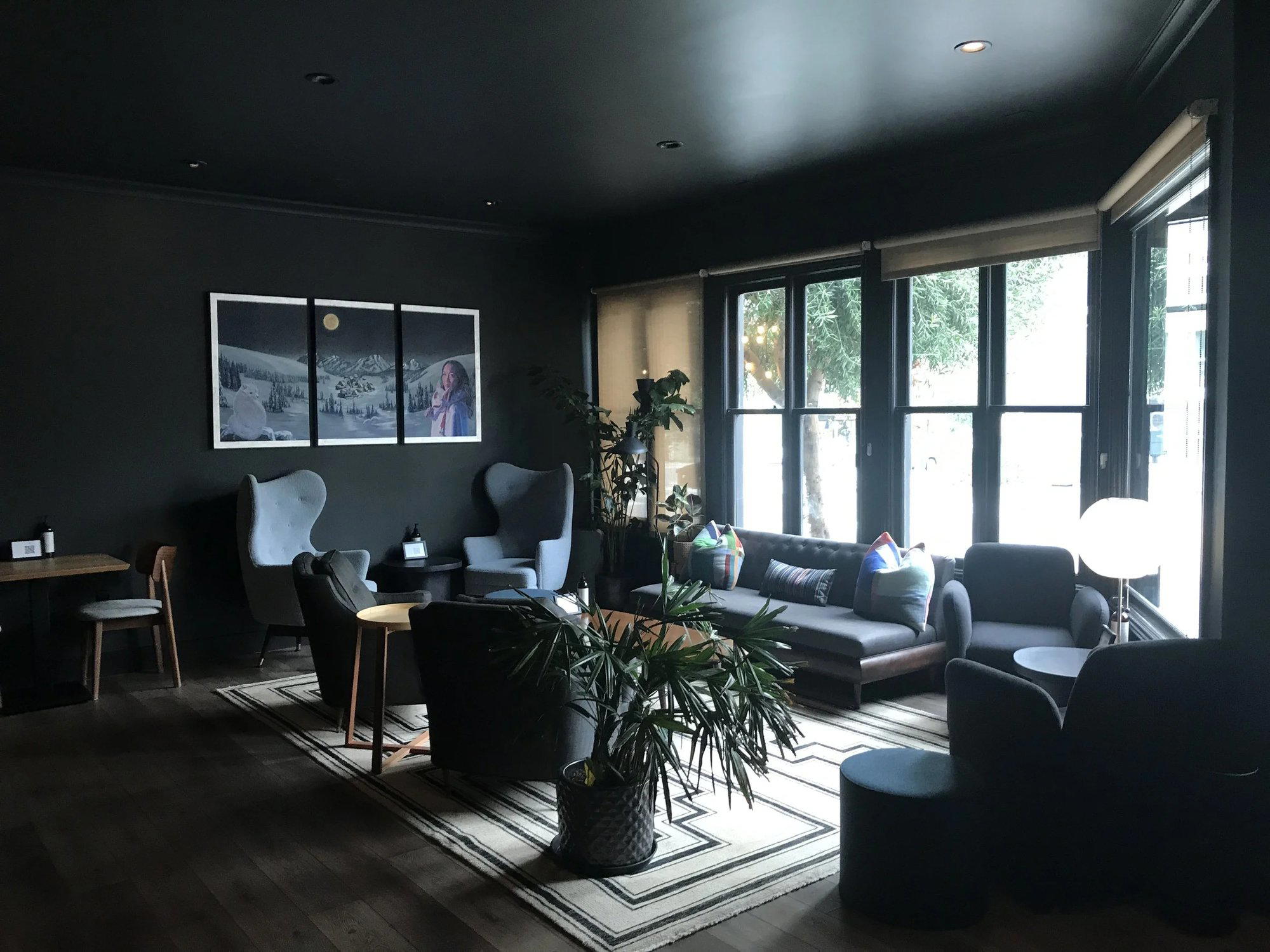
Buzzy, communal atmosphere with rustic wooden tables, bench seating, open layout overlooking the bustling market and bay.