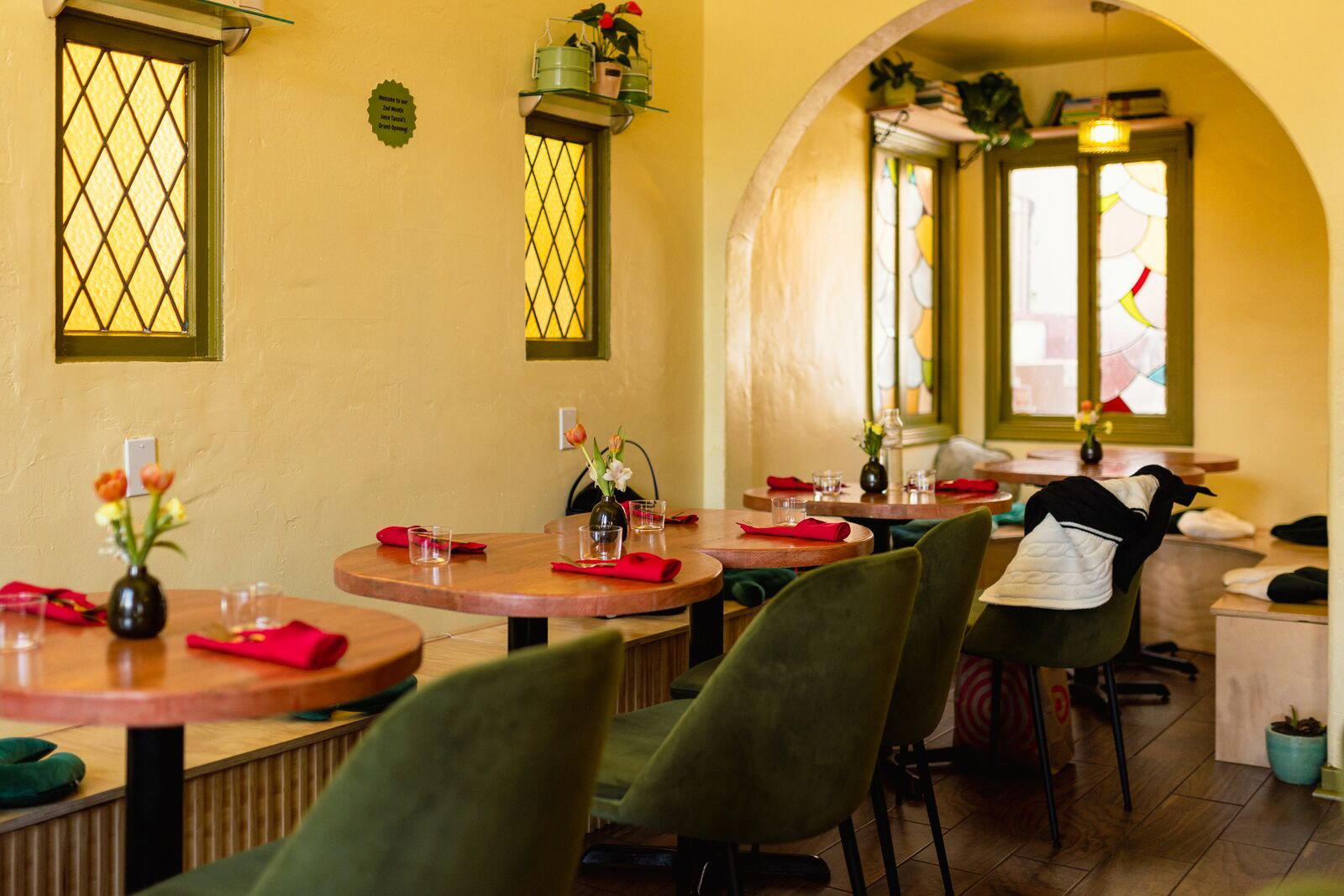
Heyday
Our verdict
Heyday sits in Berkeley’s ingredient-first dining culture, where farmers’ market habits and East Bay informality shape the way restaurants are judged. The useful frame is not awards or chef mythology, but how a Berkeley table fits into a city that expects produce, seasonality, and neighborhood ease to carry real weight.
- Address
- 1808 San Pablo Ave, Berkeley, CA, United States
- Website
- heyday.thethirdplace.is

Berkeley gives restaurants a rhythm that is less ceremonial, more everyday, with dining rooms often folded into the practical life of the city. That setting matters for Heyday because Berkeley’s strongest food identity has long been built around sourcing rather than spectacle. In this part of the East Bay, a restaurant earns attention by making ingredient choices legible on the plate, not by dressing them in ceremony.
Berkeley’s modern dining culture was shaped by the Bay Area’s farm-to-table movement, but the city has never treated that phrase as decoration. The local expectation is sharper: vegetables should taste tied to season, seafood and meat should be handled with restraint, and menus should feel responsive rather than fixed in amber. A restaurant operating here enters a demanding civic conversation about where food comes from, how much technique it needs, and when simplicity is a discipline rather than a shortcut.
Berkeley's produce-led standard is the real context
The ingredient-sourcing angle is especially important in Berkeley because the city’s diners are unusually fluent in the language of farmers’ markets, co-ops, bakeries, and small producers. That fluency changes the stakes. A tomato, a bitter green, a grain, or a piece of fish cannot hide behind plating grammar for long; the room will judge whether the kitchen understood the product before it touched the pan.
That expectation also explains why Berkeley restaurants can feel less status-driven than dining rooms across the bay. Recognition matters when it exists, but local credibility often comes from consistency, seasonality, and a clear relationship to Northern California’s larder. Heyday belongs in that broader Berkeley reading: a place to assess through sourcing logic, menu restraint, and neighborhood fit rather than through celebrity-chef shorthand.
The useful comparison is within Berkeley’s own range of dining moods, not a manufactured hierarchy. The city can move from daytime comfort to regional warmth, precise cooking, and more relaxed neighborhood meals without making formality the test. That range is the point: Berkeley rewards specificity, but it rarely requires ceremony to make the argument.
Berkeley favors restaurants with neighborhood utility
Berkeley is not a city that depends on grand arrival moments. It is a practical dining town, and that tends to favor restaurants with a useful sense of hospitality: approachable pacing, a room that can serve locals more than occasion-only diners, and food that does not need a long explanation before the first bite. For an ingredient-led restaurant, that is an advantage. The focus can stay on product and preparation rather than theater.
In 2026, the stronger Bay Area restaurant trend is not maximal tasting-menu escalation; it is tighter formats, clearer sourcing, and rooms that justify the bill without asking diners to treat dinner as a performance. Berkeley is well suited to that shift. The city’s dining audience has the patience for seasonality and the skepticism to punish empty farm-to-table language. Heyday should be read through that lens: its relevance depends on whether the cooking reflects Berkeley’s produce culture with enough discipline to feel current.
For planning the wider trip, the city works better when restaurants are grouped by neighborhood and purpose rather than treated as isolated stops. Our full Berkeley restaurants guide is the useful starting point, while our full Berkeley hotels guide, our full Berkeley bars guide, our full Berkeley wineries guide, and our full Berkeley experiences guide help place dinner inside the rest of the itinerary.
The broader West Coast thread is casual food with serious sourcing
Heyday also fits a larger West Coast pattern: restaurants and counter-service formats using informal settings to carry serious sourcing ideas. That thread shows up across the region in rooms where precise preparation, local products, and everyday hospitality matter more than elaborate ceremony. Berkeley is especially comfortable with that balance because the city has long treated casualness and seriousness as compatible rather than opposed.
The editorial case for Heyday is therefore measured rather than inflated. Berkeley does not need another restaurant described through vague charm; it needs places that can make local sourcing feel precise, useful, and rooted in the city. On the information available, the smart way to approach this table is as part of Berkeley’s ingredient-first tradition, with attention on what the kitchen does with the season rather than on borrowed status markers.
Frequently asked questions
Is Heyday okay with children?
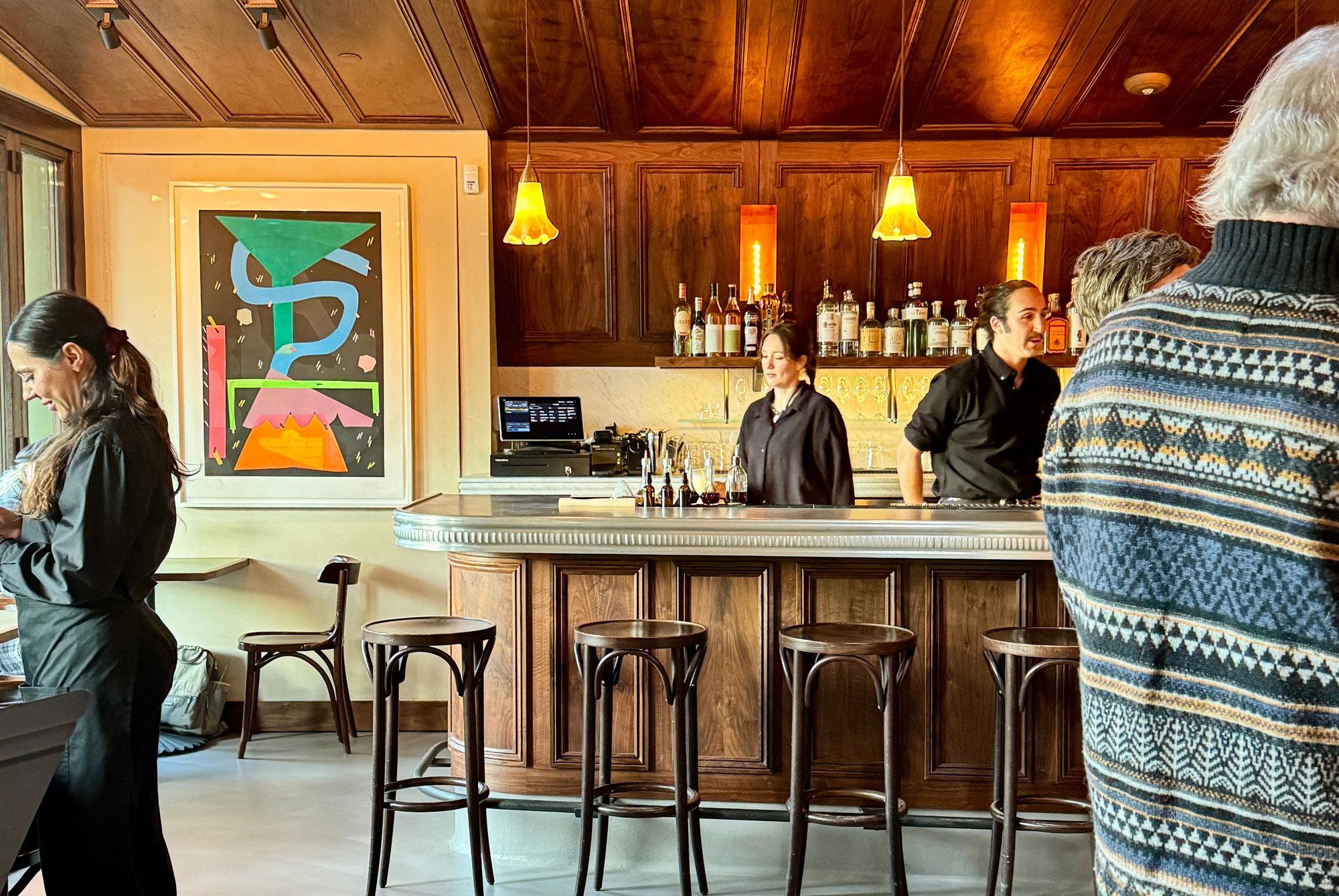
Heyday is in Berkeley, a setting that suits neighborhood dining rather than formal service. That makes it a practical option for families looking for an easy meal in the city.
What's the vibe at Heyday?
The vibe leans casual and local, shaped by its Berkeley setting. It fits the kind of everyday dining environment that serves nearby residents as much as destination diners.
What's Heyday's location?
Berkeley.
What's the best way to book Heyday?
The simplest approach is to plan around Heyday’s Berkeley location. If current booking details are not listed, an in-person check is the most direct way to sort timing.
What is Heyday known for?
Heyday is known as a Berkeley restaurant in a city that values practical neighborhood dining. Its main draw is its place within Berkeley’s ingredient-minded restaurant culture rather than a long list of formal dining credentials.
Comparable Venues Nearby
Comparable venues nearby, for context on price, style, and recognition.
| Venue | Cuisine | Price | Notes |
|---|---|---|---|
| HeydayThis venue — the venue you are viewing | Dining | Not listed | Not listed |
| Spoon Korean Bistro | Korean Comfort Food | $20–30 | Southwest Berkeley |
| HS Lordships | American Seafood | Not listed | Marina |
| Everett & Jones Barbeque | Classic Bay Area Barbecue | $20–30 | West Berkeley |
| Noodles Fresh | Regional Chinese Noodles | $10–20 | Downtown |
| Creekwood Restaurant | California-Italian | $30–50 | South |
Continue exploring