Our verdict
Grand Panglima Resto sits on Jl. Panglima Polim in the Dandangan district of Kediri, East Java, operating within a city whose food culture draws on deep Javanese culinary traditions. For visitors tracing Indonesia's regional dining beyond the better-documented circuits of Bali and Yogyakarta, Kediri's local restaurant scene offers a less mediated encounter with the province's produce and cooking methods.

Pearl is the En Primeur Club membership app — saves, bookings, and concierge access live there. Same editors, same standards.
The menu
What to order
- Steamed squid and shrimp dumplings
- Fried calamari with oat topping
- Crab soup
- Peking duck
- Dim sum
Kediri's Dining Scene and Where Grand Panglima Resto Fits
East Java's food culture operates on its own register, distinct from the sweeter profiles of Central Java or the internationally oriented kitchens of Bali. Kediri, positioned roughly midway between Surabaya and the volcanic interior of the province, has a culinary identity shaped by its agricultural surrounds: sugarcane, tofu production (the city is among East Java's recognized tofu centres), and access to the produce flows of the Brantas River basin. Restaurants in this tier of the city typically draw on that local supply chain, presenting Javanese dishes that reflect proximity to the source rather than distance from it. Grand Panglima Resto, at Jl. Panglima Polim No. 25 in the Dandangan subdistrict, operates within that tradition. See our full Kediri restaurants guide for broader context on where the city sits in Indonesia's regional dining map.
Ingredient Sourcing in the Javanese Context
The argument for eating in a city like Kediri rather than consuming its cuisine through the lens of Bali's fine-dining adaptations is fundamentally about proximity. Venues such as Locavore NXT in Ubud have built internationally recognised programs around Indonesian ingredient sourcing, but they operate at a conceptual remove from the production zones. Kediri-based restaurants sit closer to the supply. East Java's agricultural belt provides tempeh, tahu (tofu), various river fish, and the strong herb profiles — galangal, kencur, turmeric, daun salam — that define Javanese cooking. Where a restaurant in this geography sources well, the cooking reflects it directly: shorter transit means fresher aromatics and tofu that hasn't lost texture in transit.
This is the practical argument for mid-city Javanese dining that rarely gets made in destination travel writing, which tends to cluster attention on Bali's resort strip or Jakarta's premium restaurant corridors. Compare, for instance, the sourcing philosophy visible in Bali's better-regarded venues like Bikini Restaurant Bali in Badung or Jungle Fish Bali in Gianyar with what a city like Kediri offers: the latter has geography on its side, even if it lacks the brand infrastructure of the former.
The Dandangan Setting
The Dandangan district sits within Kediri's urban core, and the address on Jl. Panglima Polim places Grand Panglima Resto in a residential-commercial mix typical of smaller East Javanese cities. This is not the kind of setting that foregrounds architectural spectacle or theatrical design. Kediri's restaurant culture at this level tends toward function over form: the room serves the meal, and the meal reflects the neighbourhood. Approaching a venue like this, what registers first is the texture of the street itself, the warung traffic, the motor noise, the smell of charcoal or frying tempe from adjacent stalls, rather than any curated arrival sequence. That context is part of what you are eating when you eat here.
For visitors more familiar with the polished environments of August in Jakarta or the studied minimalism of Kita in Kecamatan Menteng, the shift in register is significant. This is provincial Indonesian dining in its working form, and it rewards visitors who adjust their expectations accordingly. The comparison is not unfavorable, it is simply a different mode of encounter with the cuisine.
East Java's Regional Food Traditions
East Javanese cooking is generally spicier and less sweet than its Central Javanese counterpart, with greater emphasis on fermented soy products and a tradition of gulai and rawon that distinguishes it within the broader archipelago. Rawon, the black beef soup coloured and flavoured by kluwek (pangium edule seeds), is among the region's most recognised dishes and one that loses almost nothing in a direct local preparation compared to what fine-dining adaptations deliver. Venues in Kediri that cook within this tradition are participating in a culinary lineage that preexists any current restaurant trend by several centuries.
This positions the Kediri dining scene differently from, say, the internationally oriented hotpot formats at Hai Di Lao in Central Jakarta or Chongqing Liuyishou in South Jakarta, which operate within imported frameworks. What Kediri's better local restaurants offer is something that cannot be imported: the cooking of a specific place, using that place's ingredients, in the manner of its people. The analogy to Gudeg Yu Djum in Yogyakarta is instructive, a venue whose authority derives entirely from tradition and local specificity rather than from any external validation framework.
Planning a Visit
Grand Panglima Resto is located at Jl. Panglima Polim No. 25, Dandangan, Kecamatan Kota, Kediri, East Java 64129. Kediri is accessible by train from Surabaya (approximately three hours on the commuter rail network) and by bus from Malang and Yogyakarta. The city has a small airport, Kediri Airport (KDI), with limited domestic connections. For visitors arriving from Bali or Jakarta, Kediri is typically a leg within a broader East Java itinerary rather than a standalone destination.
Given the address type and district character, walk-in dining is consistent with the operational norms of comparable Kediri establishments, but confirming current hours on arrival or through local inquiry is advisable. Visitors to Indonesia's mid-city restaurant tier, where digital booking infrastructure is less standardised than in Bali or Jakarta, generally do better arriving early in the dinner window than attempting advance reservation through third-party platforms.
Kediri sits outside the main currents of Indonesian food tourism, which concentrate heavily on Bali, Yogyakarta, and Jakarta. That position is both a limitation and a characteristic, the city's dining culture has developed without significant pressure to perform for international audiences, which in the context of ingredient-driven Javanese cooking is an advantage worth weighing. For further reference on Indonesian dining across different city tiers and registers, see also Kunyit Restaurant in Bandung and Agreya Coffee Bogor.
Frequently asked questions
Is Grand Panglima Resto suitable for children?
The Dandangan address on Jl. Panglima Polim sits in a residential-commercial pocket of Kediri's urban core, which typically means an informal, family-oriented atmosphere common to East Javanese warung-style and mid-range restaurants. Kediri's dining culture broadly accommodates multigenerational groups, so children are generally a normal part of the room.
What kind of setting is Grand Panglima Resto?
Grand Panglima Resto occupies a residential-commercial strip in Dandangan, one of Kediri's central districts in Kecamatan Kota. The Jl. Panglima Polim address places it within everyday neighbourhood fabric rather than a tourist corridor or hotel dining room. Expect the grounded, unpretentious format that defines the better local restaurants across East Java's secondary cities.
How does Grand Panglima Resto reflect East Javanese food traditions compared to restaurants in Surabaya or Bali?
Kediri sits within East Java's culinary tradition, which runs spicier and less sweet than Central Javanese cooking, with a stronger emphasis on fermented soy products — a profile that gets diluted or reframed in Surabaya's more cosmopolitan restaurant scene and Bali's internationally oriented kitchens. Eating at a neighbourhood address like Jl. Panglima Polim in Dandangan keeps that regional specificity intact rather than adapting it for outside audiences. Grand Panglima Resto, positioned in Kediri's urban core, operates closer to that source tradition than restaurants catering primarily to tourists or expatriates.
How do I find Grand Panglima Resto?
Grand Panglima Resto is located at Jl. Panglima Polim No.25, Dandangan, Kec. Kota, Kota Kediri, Jawa Timur 64129, Indonesia, Kediri.
Can I walk in to Grand Panglima Resto?
No reservation or booking policy data is publicly documented for Grand Panglima Resto at Jl. Panglima Polim No. 25, Dandangan, Kediri. Walk-in culture is common across East Java's local restaurant scene, particularly outside peak meal hours, but availability during busy periods is unpredictable. Arriving at off-peak times or contacting the venue in advance is the practical approach.
Comparison Snapshot
Comparable venues nearby, for context on price, style, and recognition.
| Venue | Cuisine | Price | Notes |
|---|---|---|---|
| Grand Panglima RestoThis venue — the venue you are viewing | Chinese Dim Sum & Asian Cuisine | Not listed | Not listed |
| Kahyangan Resto | Authentic Indonesian with Javanese Influences | $10–20 | Citraland |
| The Duck King Plaza Ambarrukmo Jogja | Chinese Duck Specialist | Not listed | Sleman |
| TRI DATU RESTOURANT | Indonesian Warung | $10–20 | Baturiti |
| Bubur Aguan | Chinese Chicken Porridge | $1–10 | Mangga Besar |
| Shaburi & Kintan Buffet Ambarrukmo Plaza Yogyakarta | Japanese Shabu-Shabu & Yakiniku Buffet | $10–20 | Depok |
Continue exploring
More in Kediri
Restaurants in Kediri
All restaurants in Kediri →
Details
- Elegant
- Lively
- Cozy
- Group Dining
- Family
- Celebration
- Special Occasion
- Business Dinner
- Private Dining
- Open Kitchen
- A La Carte
- Family Style
- Buffet
- Halal
- Vegetarian Friendly
Current opening hours
- Monday
- 10 AM–10 PM
- Tuesday
- 10 AM–10 PM
- Wednesday
- 10 AM–10 PM
- Thursday
- 10 AM–10 PM
- Friday
- 10 AM–10 PM
- Saturday
- 10 AM–10 PM
- Sunday
- 7:30 AM–10 PM
Hours can change for holidays and private events. Last verified .
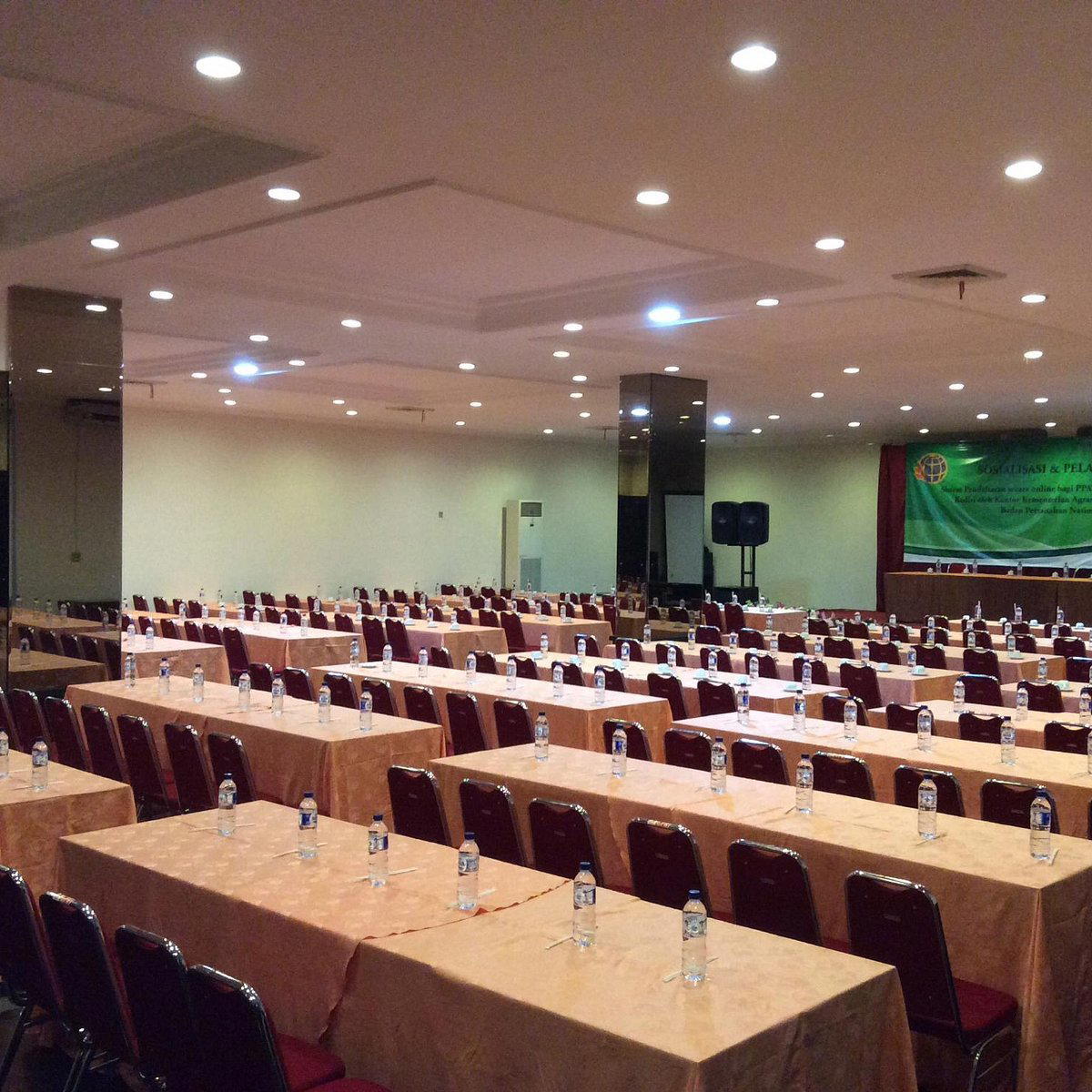
Airy and informal with elegant Chinese restaurant aesthetics; features karaoke rooms and modern renovated interiors creating a lively yet comfortable dining environment.