Grains de sel
Our verdict
The name alone signals intent — grains of salt, the cook's most elemental tool — and the address places it squarely within a town that earns its living from precision craft rather than tourism.

Pearl is the En Primeur Club membership app — saves, bookings, and concierge access live there. Same editors, same standards.
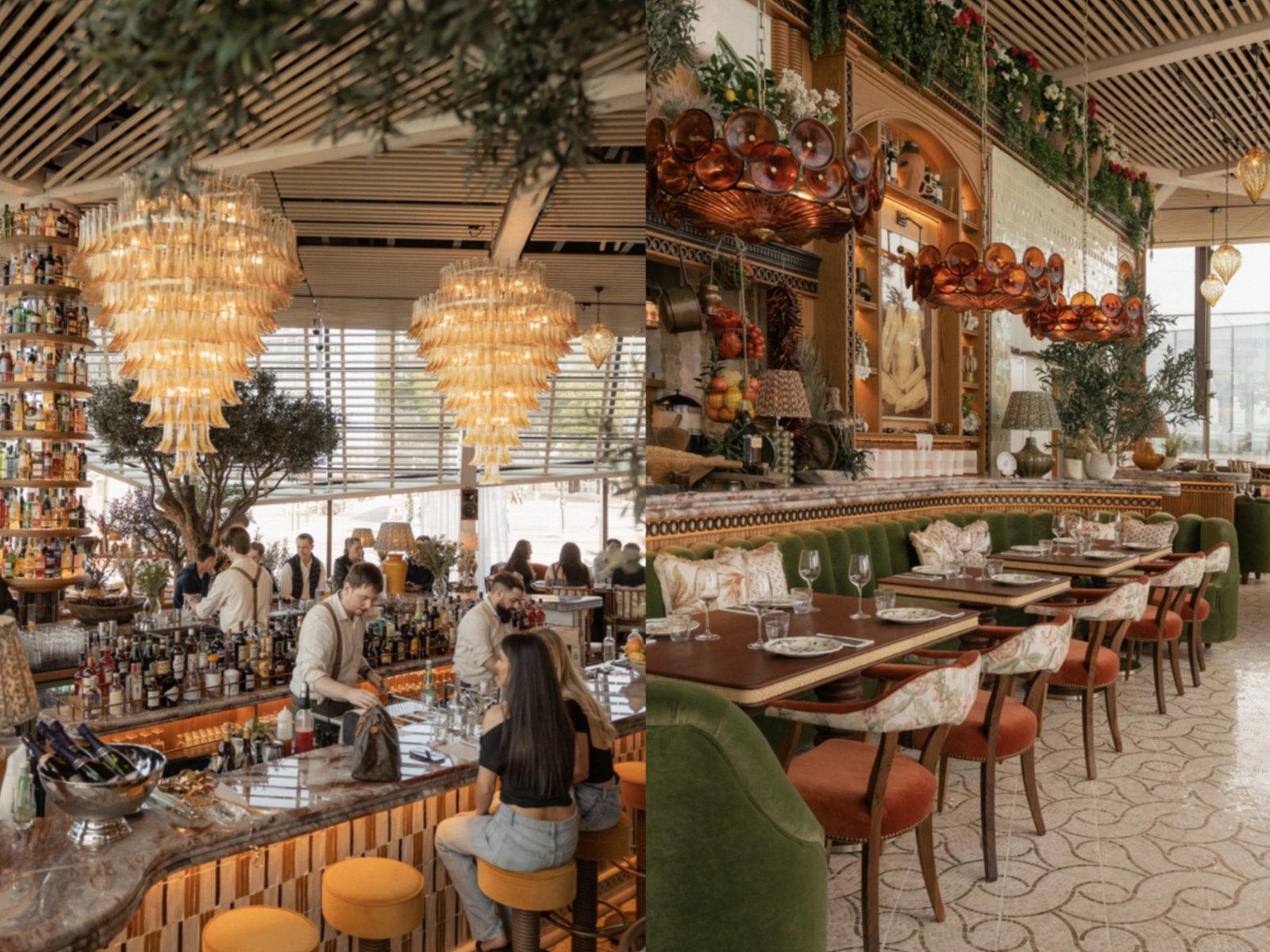
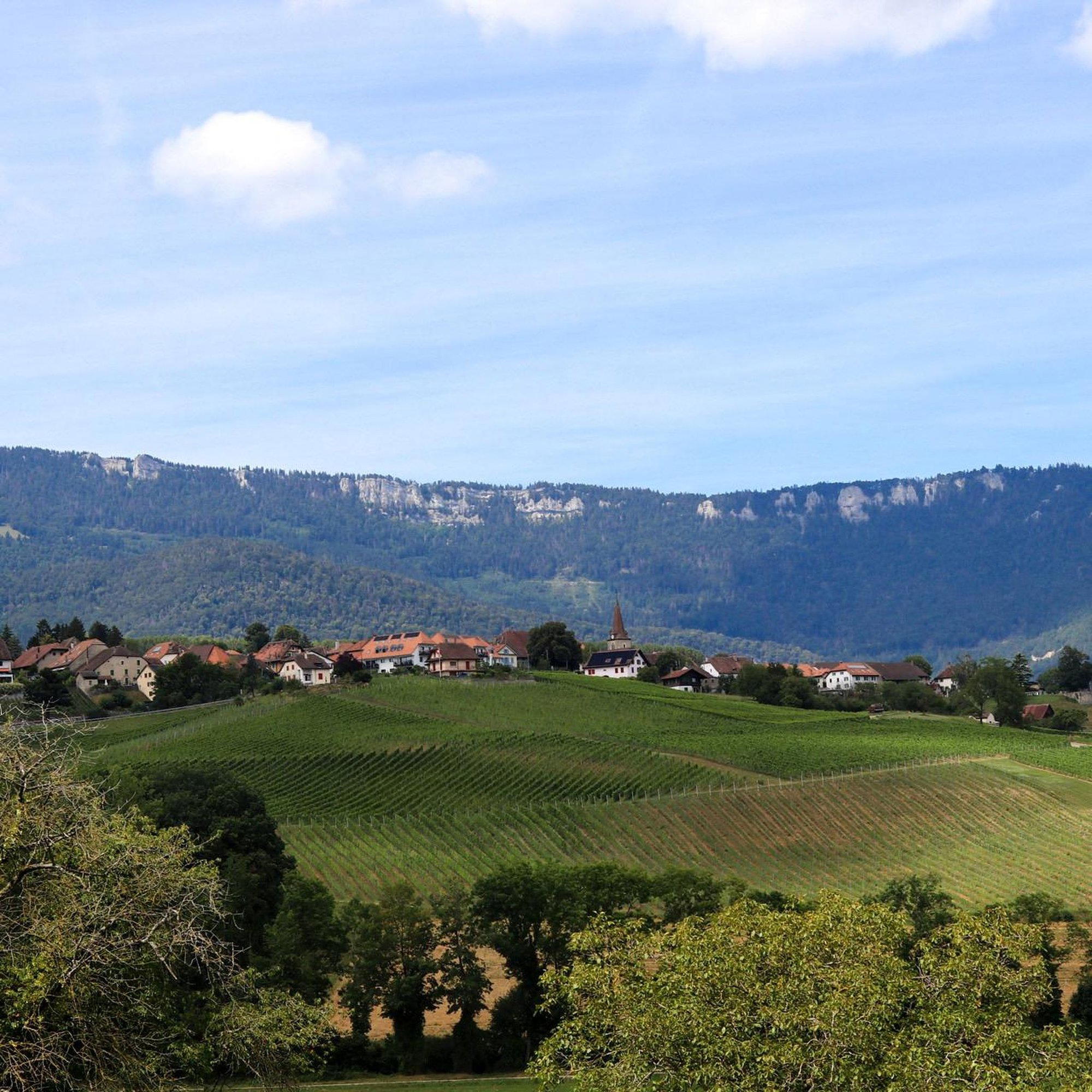
The logic of sourcing shifts when a restaurant is embedded in a small agricultural community rather than a metropolitan supply chain. This is the structural advantage that smaller Swiss mountain restaurants hold over their city counterparts, and it is the frame through which Grains de sel is leading read. For comparison, the celebrated Schloss Schauenstein in Fürstenau built much of its identity around its garden and regional Graubünden sourcing — a model that works precisely because geographic remoteness enforces local dependency. Approaching the restaurant, you are in a town where the architecture is functional rather than decorative, where the surrounding hills carry pasture rather than vineyard, and where the light in winter drops early and hard. The environment itself frames expectations: this is not a destination conceived around spectacle or luxury signals, but around the coherence of a table that belongs to its place.
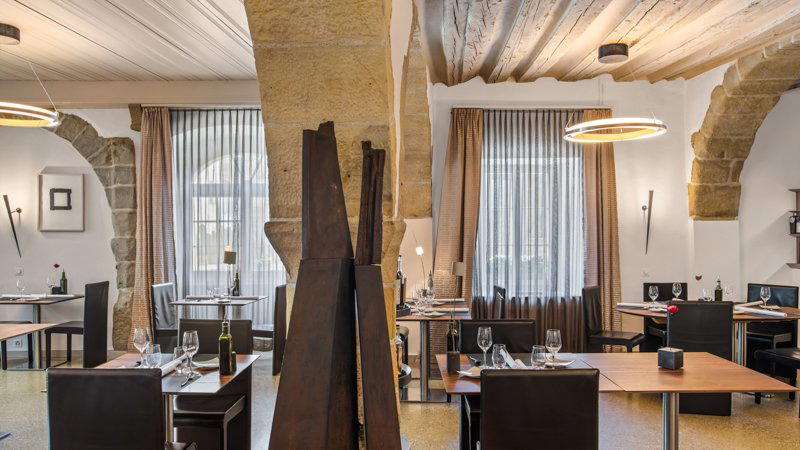
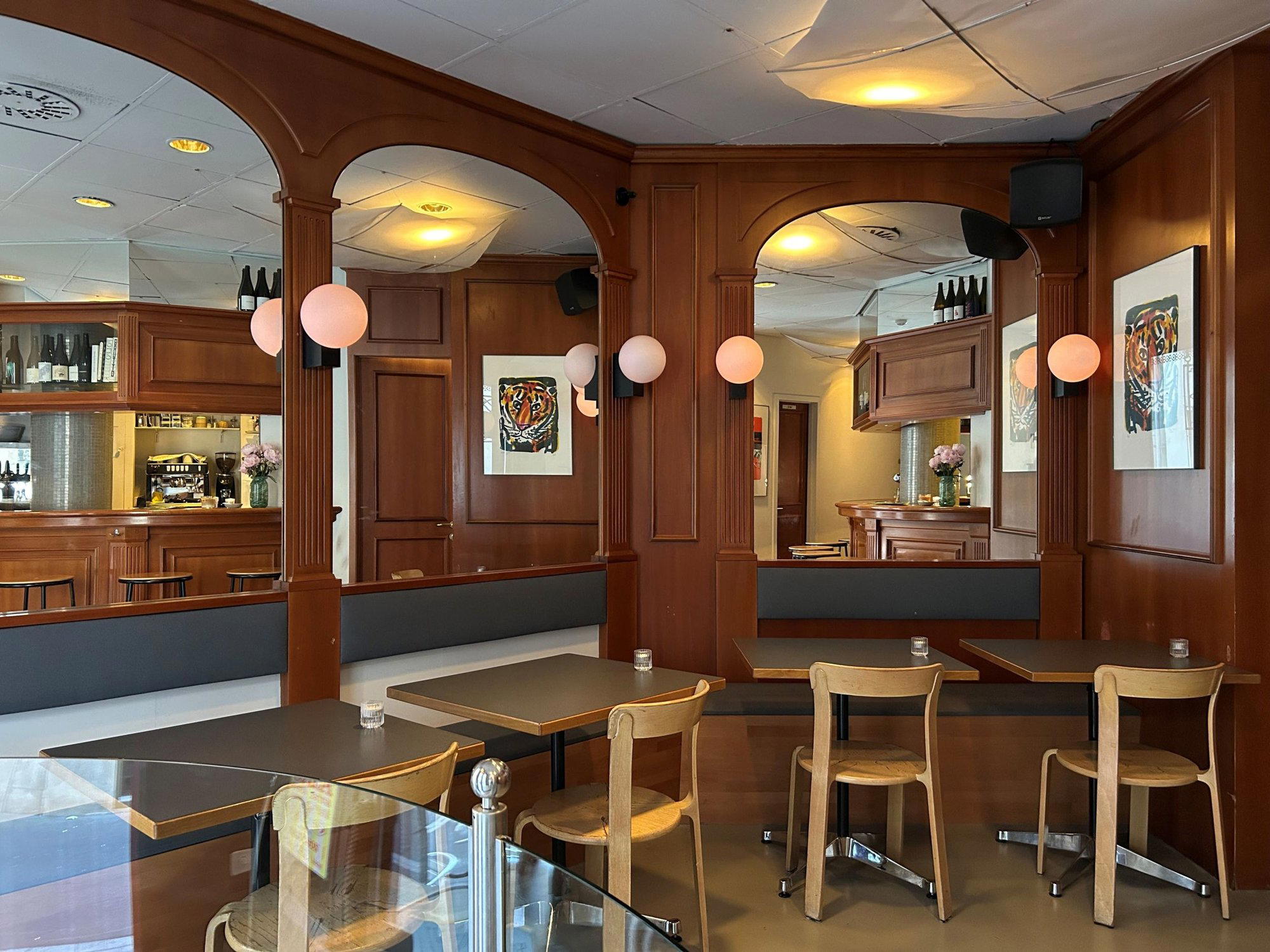
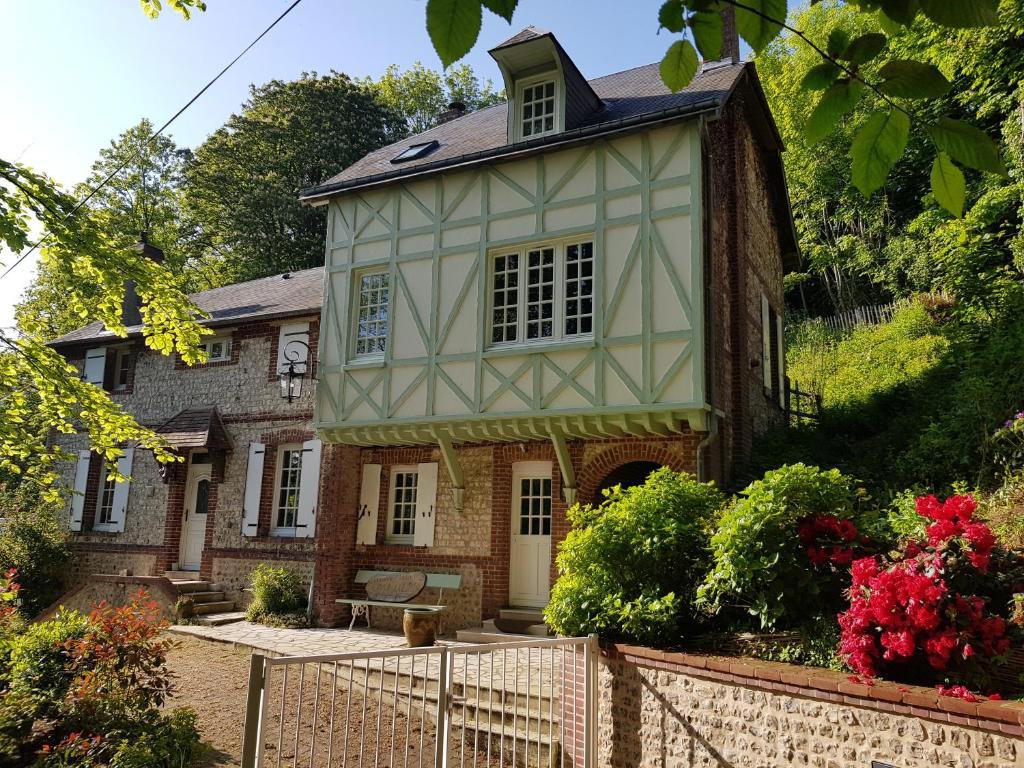
Inside, the physical environment of a restaurant at this address in this town would typically reflect the wider regional character of the Vaud highlands: practical construction, alpine material logic, a warmth that comes from necessity rather than from interior design conceits.
Where Grains de sel Sits in the Swiss Restaurant Picture
The Swiss fine dining map is dense with award-weighted restaurants — Hotel de Ville Crissier in Crissier, Cheval Blanc by Peter Knogl in Basel, Memories in Bad Ragaz, all operating within established luxury infrastructure. Grains de sel operates outside that circuit. Instead, Grains de sel belongs to a different and arguably more interesting category: the independently run regional table that serves its immediate community first, and outside visitors second.
This positioning matters for the travelling diner. Restaurants in this category are not designed around the arriving guest's expectations; they are designed around what the kitchen knows, what the local producers can supply, and what the community that eats there regularly will return for. The result is often a more honest read on a region's actual food culture than anything available at a hotel dining room or destination restaurant built for the international circuit. For an equivalent dynamic in a different Swiss context, Maison Wenger in Le Noirmont offers a useful reference point: another Jura Arc address that built credibility through regional rootedness rather than urban visibility.
The Ingredient Logic of the Jura Arc
The Vaud highlands produce raw material that travels well into serious cooking. Montagne-grazed cattle, shorter growing seasons, and the altitude's effect on herb and vegetable character give highland kitchens a distinct pantry compared with the lowland French-Swiss cuisine practiced at places like La Table du Lausanne Palace.
A kitchen that takes its sourcing seriously in this context works with the constraints of seasonality more directly than an urban kitchen with access to a full wholesale network. Winter menus lean on root vegetables, preserved ingredients, and dairy. Spring brings the short, intense window of highland herbs and early greens. For those building a regional itinerary, Colonnade in Lucerne, Einstein Gourmet in Sankt Gallen, and Magdalena in Schwyz represent other Swiss addresses outside the major city centres where regional cooking takes precedence over hotel-dining conventions.
For the wider Swiss restaurant picture, see Le Bernardin in New York City or Atomix in New York City for context on how ingredient-driven sourcing narratives have evolved in different markets. Closer to home, 7132 Silver in Vals, Da Vittorio in St. Moritz, and La Brezza in Ascona illustrate how Swiss mountain settings interact differently with luxury dining formats. Geneva's L'Atelier Robuchon rounds out the French-Swiss end of the national picture.
Frequently asked questions
Is Grains de sel good for families?
Sainte-Croix is a small Swiss town rather than a tourist-circuit city, and Grains de sel sits on Rue Centrale 16 at the community's centre — suggesting a neighbourhood restaurant that serves the local population rather than a venue built around large-group turnover. Families visiting the Vaud highlands are likely welcome, though the cooking focus appears to favour diners engaged with ingredient-led cuisine. Confirming directly with the restaurant before arrival is advisable, particularly for younger children.
What's the vibe at Grains de sel?
Grains de sel occupies a central address in a town whose identity is shaped by precision watchmaking and the quieter rhythms of the Jura Arc. That context shapes the room: expect something more considered than casual, without the formality of a Michelin-weighted urban dining room. Switzerland's Vaud highlands produce serious dairy and agricultural raw material, and a restaurant that names itself after salt — the foundational seasoning — signals a kitchen focused on what's on the plate over theatrical presentation.
Is Grains de sel the only fine dining option in Sainte-Croix?
Sainte-Croix is a town of modest scale in the Vaud highlands, and its restaurant offering reflects that — serious destination dining in this part of Switzerland is concentrated in venues like Hotel de Ville in Crissier or Cheval Blanc in Basel, both significantly further afield. Grains de sel at Rue Centrale 16 occupies a distinct position as the address in the town centre most associated with ingredient-led cooking, making it the reference point for anyone travelling specifically to eat well in the Jura Arc foothills rather than passing through on the way to a larger Swiss city.
What's the best thing to order at Grains de sel?
Given the restaurant's position in the Vaud highlands, where the Vallée de Joux and broader Jura Arc supply strong dairy and regional produce, the kitchen likely draws on that local supply chain. Asking the team on arrival what is freshest or most representative of the current season is the most reliable approach.
What's Grains de sel's location?
Grains de sel is located at Rue Centrale 16, 1450 Sainte-Croix, Switzerland, Sainte Croix.
What's the best way to book Grains de sel?
No website or phone number is currently listed in public records for Grains de sel at Rue Centrale 16, 1450 Sainte-Croix. For a restaurant of this scale in a small Swiss town, arriving in person to enquire or checking local Swiss directory services such as local.ch is the most practical route to securing a reservation. Sainte-Croix is reachable by train via Yverdon-les-Bains, so coordinating travel and a booking enquiry on the same day is feasible.
At-a-Glance Comparison
Comparable venues nearby, for context on price, style, and recognition.
| Venue | Cuisine | Price | Notes |
|---|---|---|---|
| Grains de selThis venue — the venue you are viewing | Swiss Bistronomique with Local Seasonal Focus | Not listed | Not listed |
| Viertel-Kreis | Creative Swiss Neighbourhood Bistro | $50–100 | Freidorf |
| Stoller | Traditional Swiss | $50–100 | Aussersihl |
| Obstmühle | Swiss Market-Fresh Cuisine | Not listed | Schwyz |
| SIGN eat & drink | Swiss Fusion | Not listed | Wallisellen |
| Com'ça | Modern Swiss Seasonal | $50–100 | Bulle |
Continue exploring
More in Sainte Croix
Restaurants in Sainte Croix
All restaurants in Sainte Croix →
Bars in Sainte Croix
Browse all →
Hotels in Sainte Croix
Browse all →

Details
- Intimate
- Cozy
- Elegant
- Date Night
- Special Occasion
- Historic Building
- Local Sourcing
- A La Carte
- Allergy Accommodating
Current opening hours
- Monday
- Closed
- Tuesday
- Closed
- Wednesday
- Closed
- Thursday
- 6–11 PM
- Friday
- 6 PM–12 AM
- Saturday
- 6 PM–12 AM
- Sunday
- 11 AM–4 PM
Hours can change for holidays and private events. Last verified .
Warm, cozy, and relaxed atmosphere in an intimate historic setting with professional and attentive service.