Gom Shabu Shabu
Shabu shabu is one of the more ritualized formats in Japanese hot-pot cooking, and Gom Shabu Shabu brings that tradition to Lawrenceville-Suwanee Road in Gwinnett County. The meal is built around tableside broth, thinly sliced proteins, and a pacing that rewards attention rather than speed. For a suburb where Korean and Japanese influences run deep through the dining scene, it fits naturally into the area's broader East Asian culinary current.
Pearl is the En Primeur Club membership app — saves, bookings, and concierge access live there. Same editors, same standards.
- Address
- 3131 Lawrenceville-Suwanee Rd, Suwanee, GA 30024
- Phone
- +16787658083
- Website
- gomshabusuwanee.com
- Directions
- Get directions
 Saves & bookings on Pearl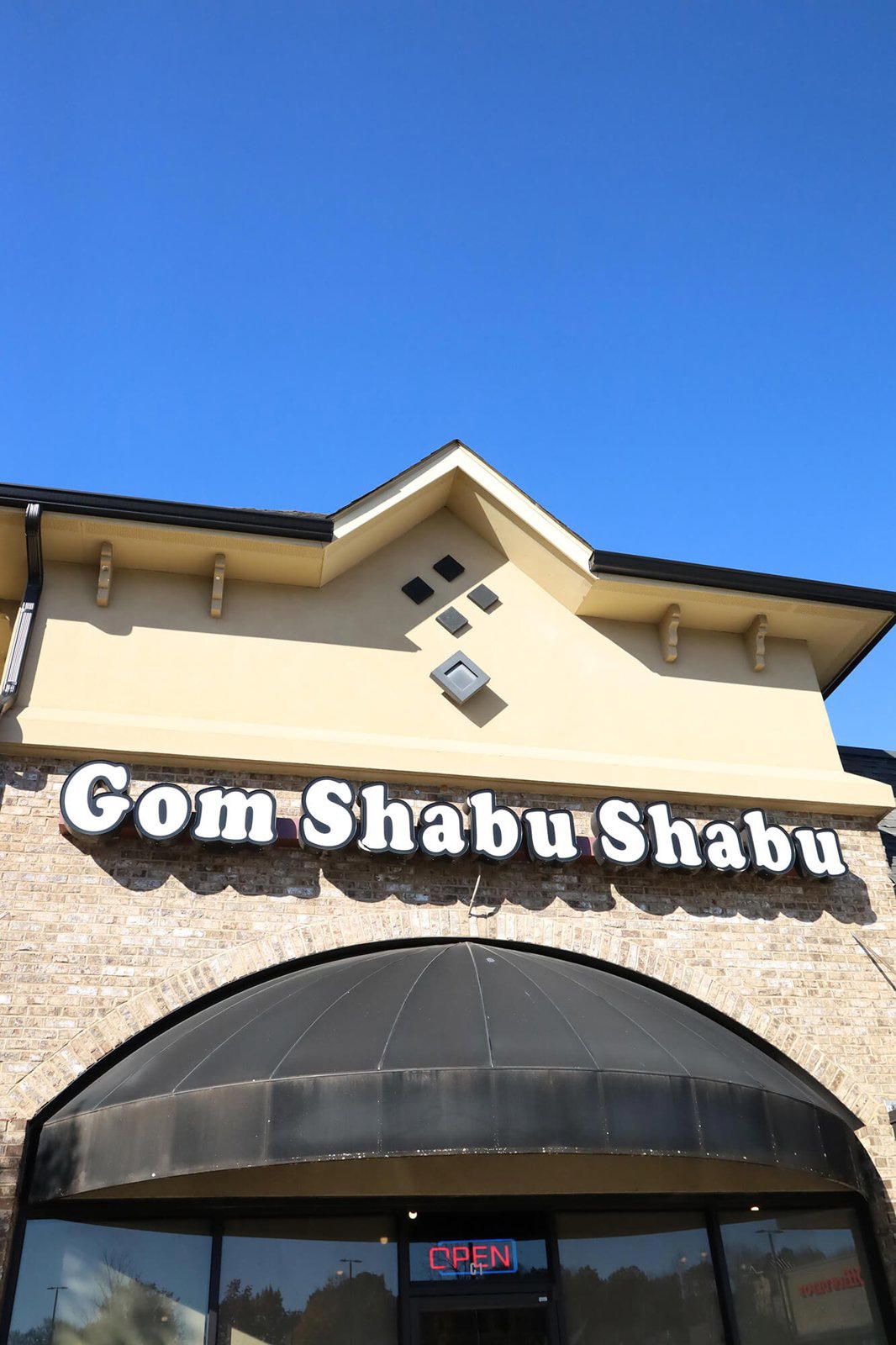
The Ritual Before the First Bite
Shabu shabu arrived in Japan in the mid-twentieth century, adapted from Chinese hot-pot traditions, and it carries with it a set of conventions that are as much about the act of eating as the food itself. The name is onomatopoeic: the sound of thinly sliced meat swished through simmering broth. That sound, and the rhythm it implies, is essentially the grammar of the meal. At Gom Shabu Shabu, located at 3131 Lawrenceville-Suwanee Rd in Suwanee, Georgia, that grammar is the organizing principle of the dining experience. It serves Korean Shabu Shabu Hot Pot at about $25 per person.
Gwinnett County has developed among the more concentrated corridors of East Asian dining in the American Southeast. Korean BBQ anchors much of it, but hot-pot formats, ramen counters, and Japanese izakayas have filled in around that core. Shabu shabu occupies a particular register within this ecosystem: slower, more deliberate, and more dependent on the diner's participation than most formats. You are not simply receiving a dish. You are cooking it, in a broth you have chosen, at a pace you control.
How the Meal Moves
The structure of a shabu shabu meal differs from the fire-and-eat cadence of Korean BBQ. There is no open flame to manage, no char to chase. The broth simmers at a controlled temperature, and the task is to move ingredients through it with enough attention to avoid overcooking proteins that are often sliced thin enough to be translucent. This is not a meal that rewards distraction.
Typically, the session opens with the broth arriving at the table already heated, followed by platters of raw ingredients: protein, vegetables, tofu, mushrooms, and noodles or rice to close the meal. Dipping sauces, usually a sesame-based goma dare and a citrus-forward ponzu, serve as the primary seasoning agents since the broth itself is often kept relatively neutral, a dashi or kombu base that accumulates depth as the meal progresses. By the midpoint of a table's meal, that broth has become something worth drinking on its own.
The pacing is the point. Shabu shabu is not designed to be fast. Groups that approach it with the same speed they might bring to ramen or a quick Korean lunch will find themselves rushing past what the format actually offers. The meal rewards conversation, incremental cooking decisions, and the kind of shared attention that comes from sitting around a central pot.
Suwanee's East Asian Dining Context
Suwanee and the surrounding Gwinnett corridor represent a dining environment shaped by one of the largest Korean-American communities on the East Coast. That demographic concentration has produced a restaurant scene that runs deeper than surface-level popularity: you find specialists, regional Korean styles, and formats, such as shabu shabu, that in other American cities remain largely confined to Korean or Japanese enclaves in major urban centers.
Within Suwanee's dining spread, Gom Shabu Shabu sits alongside venues that cover the range of the area's culinary diversity. Kukga Topokki Suwanee handles the Korean street food register. Bukharaa Indian Restaurant covers South Asian, while Frontera Mex-Mex Grill and Ippolito's pull from Latin and Italian traditions. Shabu shabu occupies a niche within that map that no other venue in the immediate area covers in the same format.
The Attention Economy of Hot Pot
One reason shabu shabu remains less common in American suburbs than Korean BBQ is that it demands more from the diner without delivering the dramatic visual payoff of open-flame grilling. The theatrics are subtler: the gradual clouding of the broth, the exact moment a slice of beef changes from pink to just cooked, the decision of when to add noodles to a pot that is now carrying the flavor of everything that preceded them. These are small decisions, but they accumulate into a meal that feels authorial in a way that ordering off a printed menu does not.
This format sits at the opposite end of the experience spectrum from the tasting-menu formalism of places like Le Bernardin in New York City, The French Laundry in Napa, or Atomix in New York City, where the kitchen controls every variable of the diner's experience. It is also distinct from the chef-driven narrative formats at venues such as Lazy Bear in San Francisco, Smyth in Chicago, or Single Thread Farm in Healdsburg. Shabu shabu inverts the agency: the kitchen prepares the components; the table finishes the cooking. That reversal is the format's central characteristic, and it is either appealing or it is not, depending on whether the diner wants to participate or simply be served.
Other participatory dining traditions in the American fine dining canon, seen at venues like Blue Hill at Stone Barns in Tarrytown or Providence in Los Angeles, keep the kitchen firmly in control of the final product. Shabu shabu makes no such promise. The experience at the table is genuinely variable based on decisions made during the meal.
What to Know Before You Go
Gom Shabu Shabu is located at 3131 Lawrenceville-Suwanee Rd in Suwanee, Georgia 30024. The address places it within the dense commercial corridor that runs through Gwinnett County, accessible by car and situated near other dining options in the area. Specific hours, phone contact, and online booking information are not included here. Walk-in availability tends to vary by day of week and time of day at restaurants in this category.
The shabu shabu format generally suits groups of two to four better than solo dining, since the shared pot and communal pacing are central to the experience. Solo diners can participate, but the rhythm of the meal is built around table-level decisions, and those are easier to make with company.
Cuisine and Credentials
Comparable venues nearby, for context on price, style, and recognition.
| Venue | Cuisine | Price | Notes |
|---|---|---|---|
| Gom Shabu ShabuThis venue — the venue you are viewing | Korean Shabu Shabu Hot Pot | $$ | Not listed |
| Bukharaa Indian Restaurant | Authentic Punjabi Indian | $$ | Suwanee |
| Ippolito's | Classic Italian Trattoria | $$ | Suwanee Town Center |
| Frontera Mex-Mex Grill | Mexican Tex-Mex Grill | $$ | Suwanee |
| Kukga Topokki Suwanee- 국대 떡볶이. 국가대표 떡볶이. Korean Street Food | Korean Street Food | $ | Suwanee |
| The Stone Grill - Korean BBQ and Grill | Authentic Korean BBQ | $$ | Duluth |



At a Glance
- Trendy
- Cozy
- Group Dining
- Family
- Casual Hangout
- Open Kitchen
- Sake Program
Current opening hours
- Monday
- 11 AM–9 PM
- Tuesday
- 11 AM–9 PM
- Wednesday
- 11 AM–9 PM
- Thursday
- 11 AM–9 PM
- Friday
- 11 AM–9 PM
- Saturday
- 11 AM–9 PM
- Sunday
- 11 AM–9 PM
Hours can change for holidays and private events. Last verified .
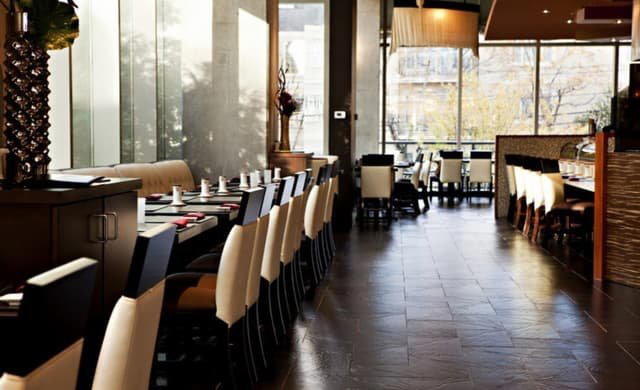
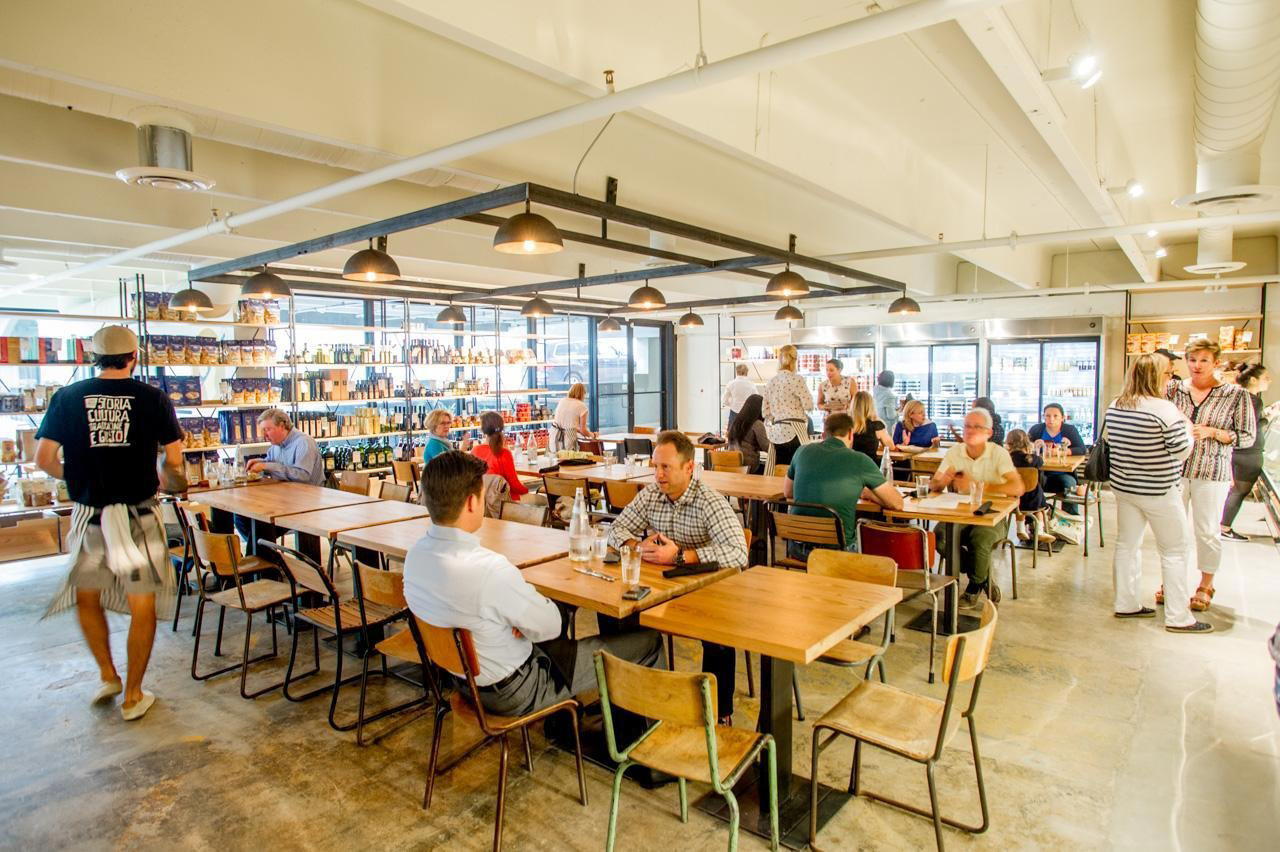
Warm, trendy, and cozy atmosphere ideal for friends, families, and university students.