El Mosqui


Macarfi 7.5 Food Rating · Guía Repsol 1 Sol
Our verdict
El Mosqui belongs to the serious end of Cabo de Palos dining: a coastal restaurant read through local fish, rice culture, and the Mar Menor–Mediterranean border rather than imported luxury cues. Its 1 Sol recognition in Guía Repsol 2026 places it among Spain’s regionally grounded addresses where sourcing, timing, and restraint carry the argument.

Pearl is the En Primeur Club membership app, where members save venues, book tables and use the concierge.
The menu
What to order
- Caldero de Arroz
- Paella Marinera
- Fritura de Pescado
- Crunchy Squid Ink Bread with Red Tuna
- Tartar de Lubina
- Paparajotes
Cabo de Palos is a place where lunch can still feel tied to the working rhythm of the coast. The town’s setting gives the table its own kind of discipline: proximity, season, and a direct relationship with the shoreline matter more here than spectacle. In that setting, El Mosqui reads less as a destination built for theatre than as part of a local dining tradition where the experience has to feel rooted in place.
That distinction matters because Spain’s restaurant hierarchy can over-reward urban tasting-menu drama. Along this stretch of the coast, the more persuasive meals often come from places that understand the cadence of a coastal town and the expectations of diners who have come for a serious midday stop. A 1 Sol distinction in Guía Repsol 2026 gives El Mosqui a national signal, but the stronger editorial point is local: Cabo de Palos dining is judged by how convincingly it handles its setting, not by how loudly it announces ambition.
Cabo de Palos gives the cooking its logic
The ingredient story in Cabo de Palos is tied to place without needing to be overexplained. Few Spanish coastal towns carry such an immediate sense of maritime identity, and that gives local dining a language built around freshness, restraint, and timing. When a restaurant in this town gains serious recognition, it is usually because it respects that geography rather than trying to disguise it.
El Mosqui sits in that context. The restaurant’s reputation belongs to a coastal lane, where regional habits and the rhythm of the day carry the weight that a long tasting menu might carry in Madrid or Barcelona. The point is not rarity for its own sake. It is the confidence to let local availability, regional preference, and a clear sense of place set the pace. For travellers comparing Spain’s regional dining scenes, that makes Cabo de Palos a useful counterpoint to the capital’s polish and the country’s technique-led prestige.
Guía Repsol’s 1 Sol category is particularly relevant here because the guide has long been more fluent in Spain’s regional restaurant grammar than many international lists. A Sol does not turn a coastal dining room into a luxury product by itself; it indicates that the cooking has moved beyond simple holiday-port convenience. In Cabo de Palos, that recognition points toward a kitchen operating with enough discipline to be read alongside broader Spanish dining, while staying anchored to its immediate coast.
The room belongs to lunch, not theatre
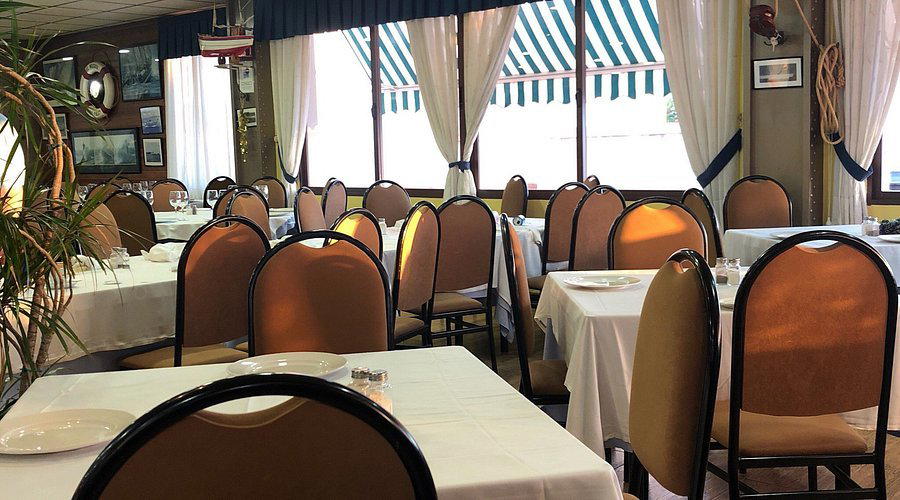
The stronger read on El Mosqui is as a daytime coastal meal rather than a late-night performance. Cabo de Palos is not built like a metropolitan dining district; it is a cape town with a compact local rhythm and a clear pull toward the water. The restaurant scene follows that tempo. Meals are less about chasing novelty and more about deciding where the day’s main table should be, especially when the plan is to eat in a way that feels specific to the town.
That format also changes how to judge the experience. The right comparison is not a white-tablecloth temple in a major city, but the Spanish coastal restaurant tradition where families, regulars, and gastronomic travellers overlap. The room has to absorb different uses: a long lunch after time on the coast, a serious meal built around local appetite, or a regional stop for diners following Guía Repsol addresses through Spain. The award matters because it separates the restaurant from ordinary seaside convenience, but the value of the meal remains tied to the town’s dining culture.
For a wider Spanish frame, compare the regional spread rather than forcing false equivalence. Capital-city dining rooms sit inside one kind of market, while coastal and island restaurants answer different pressures from sea, tourism, and season. Inland Spain tells another story again, with its own rhythms, produce expectations, and dining habits. El Mosqui’s case is narrower and clearer: the coast is not a backdrop; it is the organising principle.
How to place El Mosqui in a Cabo de Palos itinerary
For travellers building a Cabo de Palos day, the restaurant makes the most sense as the anchor meal rather than a quick add-on. This is a town where dining, time by the water, and unhurried wandering naturally compete for the same daylight hours, so the smarter plan is to treat the meal as the centre of the schedule and keep the rest loose. The practical read is simple: this is not a restaurant to reduce to a box-ticking stop on the way elsewhere.
The surrounding decision set is compact but varied. Use the full Cabo De Palos restaurants guide to map the local table options, then pair the meal with the wider trip structure through the full Cabo De Palos hotels guide, the full Cabo De Palos bars guide, the full Cabo De Palos wineries guide, and the full Cabo De Palos experiences guide. The dining argument here is regional rather than cosmopolitan, which is exactly why it belongs on a serious Spain itinerary.
International comparisons are less useful than category comparisons, but they can clarify the point. Some venues ask diners to understand format first: a narrow brief, a defined rhythm, and a reason for existing beyond general hospitality. El Mosqui works the same way in a different register: read the format, respect the local logic, and do not expect a generic resort restaurant. Its interest lies in how Cabo de Palos eats when the coast is allowed to set the terms.
Frequently asked questions
Is El Mosqui a family-friendly restaurant?
El Mosqui can make sense as a practical daytime stop for families in Cabo de Palos.
What is the atmosphere like at El Mosqui?
The atmosphere is best understood as a coastal Cabo de Palos dining room rather than a formal metropolitan scene. Expect the appeal to come from its local setting and regional rhythm.
Where exactly is El Mosqui?
Cabo De Palos.
What is El Mosqui known for?
El Mosqui carries a Guía Repsol 1 Sol for 2026, which is the clearest marker attached to the restaurant. It is also identified as a Cabo de Palos address within the town’s coastal dining circuit.
Can El Mosqui handle vegetarian requests?
Check the venue's official channels for the latest details.
Comparison Snapshot
Comparable venues by cuisine and price in the same metro.
| Venue | Cuisine | Price | Awards |
|---|---|---|---|
| El MosquiThis venue (the venue you are viewing) | Mediterranean seafood & Caldero rice | $30–50 | Macarfi 7.5 Food Rating · Guía Repsol 1 Sol |
Recognition history
Dated appearances from independent guides and award organizations, with the underlying list record or original source where available.
Guía Repsol 1 Sol
Guía Repsol
Macarfi 7.5 Food Rating
Macarfi
Continue exploring
More in Cabo De Palos
Restaurants in Cabo De Palos
All restaurants in Cabo De Palos →
Bars in Cabo De Palos
Browse all →
Details
- Scenic
- Cozy
- Trendy
- Quiet
- Group Dining
- Family
- Casual Hangout
- Solo
- Celebration
- Waterfront
- Terrace
- Standalone
- Beer Program
- Local Sourcing
- Waterfront
- A La Carte
- Small Plates
- Set Menu
- Beer
- Wine
- Cocktails
- Coffee
- Vegetarian Friendly
- Gluten Free Options
- Pescatarian Friendly
Current opening hours
- Monday
- 9 AM–4 PM
- Tuesday
- Closed
- Wednesday
- 9 AM–4 PM
- Thursday
- 9 AM–4 PM
- Friday
- 9 AM–4 PM
- Saturday
- 9 AM–4 PM
- Sunday
- 9 AM–4 PM
Hours can change for holidays and private events. Hours as of .