El Mesón De Doña Filo

El Mesón De Doña Filo gives rural Madrid dining a serious address in Colmenar del Arroyo, with a 2026 Guía Repsol 1 Sol placing it beyond casual village-restaurant territory. The point is provenance: cooking that reads through nearby fields, game country, market produce, and Castilian habits rather than urban tasting-menu theatre.
Pearl is the En Primeur Club membership app — saves, bookings, and concierge access live there. Same editors, same standards.
- Address
- C. de San Juan, 3, 28213 Colmenar del Arroyo, Madrid, Spain
- Directions
- Get directions
 Saves & bookings on Pearl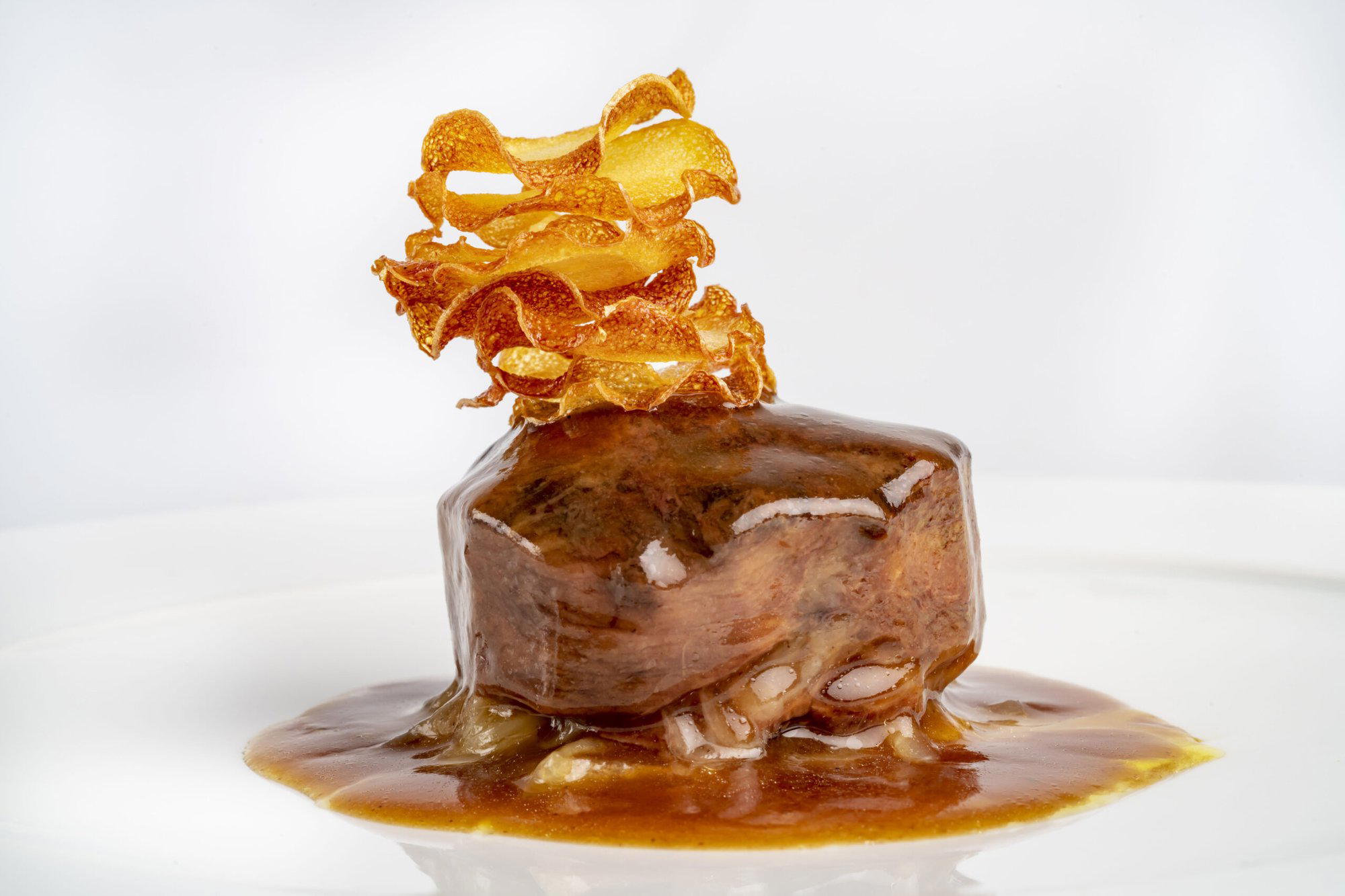
Dining in Colmenar del Arroyo moves differently from Madrid’s restaurant grid: fewer neon signals, more stone, quieter streets, and a clearer sense that the meal belongs to the surrounding country. El Mesón De Doña Filo matters because it translates the Sierra Oeste pantry into a restaurant serious enough to earn 1 Sol in the Guía Repsol Soles 2026, yet grounded enough for a small town rather than a capital-city dining room.
Rural Madrid restaurants depend on whether local product is decoration or structure. The stronger ones do not attach a regional label to familiar plates; sourcing dictates rhythm, weight, and generosity. Around Colmenar del Arroyo, that means inland Spain: seasonal rather than uniform vegetables, meats suited to longer cooking or open-fire logic, and depth over technical display. This is the frame for reading El Mesón De Doña Filo.
Country produce, not city theatrics, sets the terms
Madrid’s high-end conversation is dominated by the capital, where tasting menus, design statements, and international technique compete for attention. The countryside asks another question: can local sourcing feel contemporary without losing origin? A 1 Sol recognition from Guía Repsol places this address in Spain’s serious dining conversation, but its category is more interesting: destination rural restaurants where the pull is not spectacle, but a tighter relationship between kitchen and territory.
For travellers who know Spain through major-city counters and hotel dining rooms, the appeal is not imported luxury cues. It is a restaurant giving agricultural Madrid a polished voice. In the region’s outer towns, product-led cooking is not a metropolitan trend; it is the historical base material. The modern test is restraint: preserve place while meeting expectations that come with national guide recognition.
Compared with out-of-metro peers, its position clarifies. Charolés sits closer to traditional cuisine at a different price tier, while Montia and Restaurante Montia pull toward modern Spanish cooking in a more explicitly contemporary register. La Casa de Manolo Franco signals another route through contemporary cooking outside Madrid proper. El Mesón De Doña Filo sits in that broader ring of serious regional dining, where the journey from the capital is part of the argument: leave the city, and the meal speaks with a less mediated accent.
For a wider Spain itinerary, the comparison travels. 1860 Tradición in Elciego shows regional identity sharpened through wine-country tradition, while 1881 per Sagardi in Barcelona works from an urban waterfront context. 2 Estaciones in València and 365 in Pollença point to coastal and island versions of the same question: where does the food come from, and how much does the room let that origin remain legible?
A small-town address with national-guide gravity
Guía Repsol’s Soles carry weight in Spain because they are built around Spanish dining culture rather than imported glamour. A 1 Sol does not turn a rural restaurant into a luxury object; it marks consistency, personality, and craft that justify attention beyond local habit. In Colmenar del Arroyo, that changes the calculus: not just a meal while passing through, but a reason to understand the town within Madrid’s broader food geography.
Ingredient sourcing is also where rural restaurants can outperform more famous city rooms. Shorter culinary distance does not guarantee better cooking, but it creates clarity. When a kitchen works close to its agricultural setting, dishes can carry season, terrain, and local appetite without heavy explanation. Confidence comes from editing, not excess. That is the standard for judging this address.
Spain’s regional restaurants are strongest when they resist two temptations: nostalgia for its own sake and metropolitan mimicry. The first makes tradition museum food; the second dilutes what made the location worth visiting. The better middle path is controlled modernity: cleaner technique, sharper pacing, and enough comfort to keep produce central. The restaurant belongs in that conversation because its recognition and location point to a restaurant working from place rather than against it.
Travellers building around Madrid can use Colmenar del Arroyo as counterpoint, not substitute. For the broader city edit, start with our full Colmenar Del Arroyo restaurants guide, then widen the trip with our full Colmenar Del Arroyo hotels guide, our full Colmenar Del Arroyo bars guide, our full Colmenar Del Arroyo wineries guide, and our full Colmenar Del Arroyo experiences guide. The town is part of a regional route where food, wine, and countryside work together.
Who should make the detour
This is the more interesting choice for travellers who care about Spanish cooking outside the capital’s performance economy. If the priority is a city-room tasting menu with maximal choreography, Madrid proper has more obvious candidates. If the priority is a meal that makes sense because of where it is cooked, Colmenar del Arroyo becomes advantage rather than compromise.
The national context helps calibrate expectations. B de J in Madrid gives a capital-city reference point, while 12 Tapas in Castilleja de la Cuesta, 144. in Vitoria-Gasteiz, and 1742 in Ibiza show how different Spanish dining rooms negotiate place, tourism, and regional appetite. Further afield, 1890 La Bodeguita in Las Palmas de Gran Canaria, 1928 in Canfranc-Estación, and 5 Gustos in Valladolid reinforce the same lesson: Spain’s serious restaurant culture is not confined to major urban centres.
The stronger reading of the restaurant is as a sourcing-led rural restaurant with guide-level credibility, not a postcard version of village Spain. That is why it belongs on a considered Madrid-region itinerary: a slower, more territorial counterweight to the capital, with enough recognition to reassure diners that the detour has substance.
For travellers moving beyond Spain, the contrast is instructive. Jōdo Saké Bar in Los Angeles and Onigiri Time in Pasadena operate in a different cultural register, yet raise a related question about specificity: how clearly can a dining room express a place, product chain, or culinary idea without overexplaining itself? In Colmenar del Arroyo, the answer is quieter and more Castilian. That is its strength.
In Context: Similar Options
Comparable venues by cuisine and price in the same metro.
| Venue | Cuisine | Price | Notes |
|---|---|---|---|
| El Mesón De Doña FiloThis venue — the venue you are viewing | Traditional Madrid cuisine tasting menu | $$$ | Not listed |
| El Urogallo Majadahonda | Traditional Spanish & Mediterranean | $$$ | Majadahonda |
| Juana La Loca | Modern Spanish Pintxos | $$$ | Recoletos |
| Café de Oriente | Modern Spanish Bistro with French Influences | $$$ | Ciudad Universitaria |
| Maché Restaurant | Modern Spanish Tapas | $$$ | Barrio de las Letras |
| Brotes | Healthy Spanish Fusion | $$$ | Castellana |
Recognition history
Dated appearances from independent guides and award organizations, with the underlying list record or original source where available.
Guía Repsol 1 Sol
Guía Repsol
Continue exploring
More in Colmenar Del Arroyo
Restaurants in Colmenar Del Arroyo
Browse all →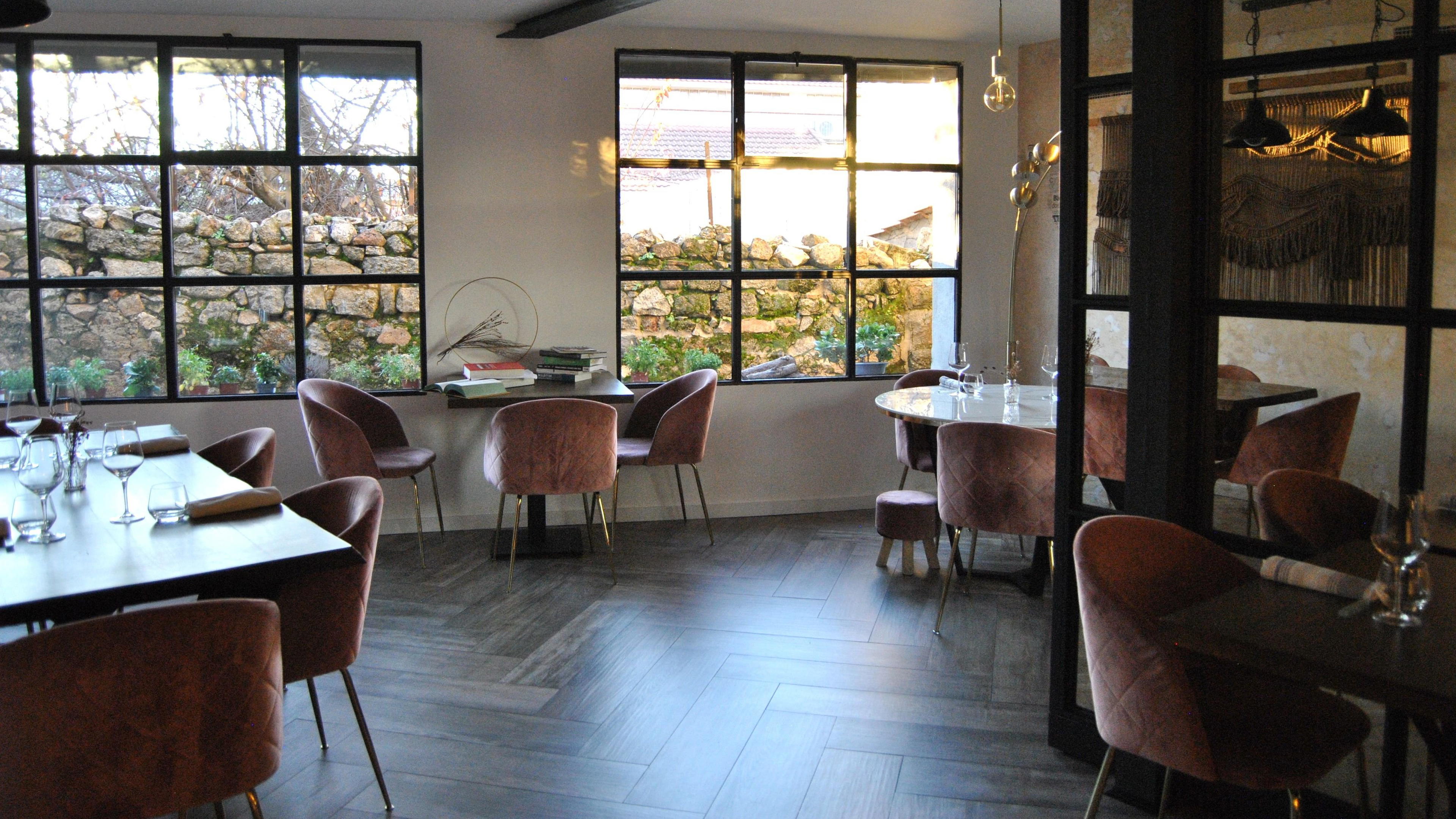
Bars in Colmenar Del Arroyo
Browse all →

At a Glance
- Cozy
- Rustic
- Intimate
- Classic
- Special Occasion
- Date Night
- Celebration
- Family
- Solo
- Standalone
- Historic Building
- Extensive Wine List
- Local Sourcing
Current opening hours
- Monday
- Closed
- Tuesday
- Closed
- Wednesday
- Closed
- Thursday
- Closed
- Friday
- 1:30–4 PM, 9–11 PM
- Saturday
- 1:30–4 PM, 9–11 PM
- Sunday
- 1:30–4 PM
Hours can change for holidays and private events. Last verified .
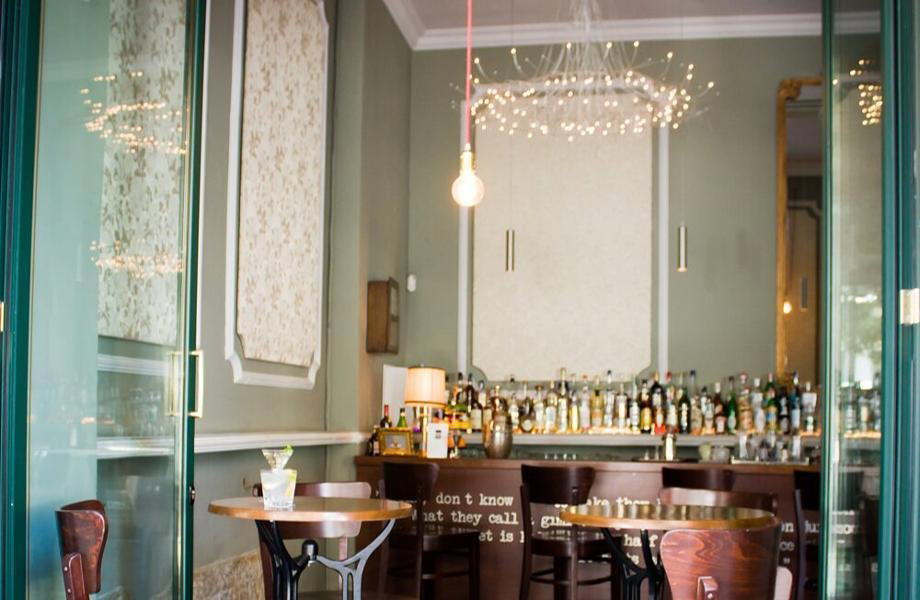
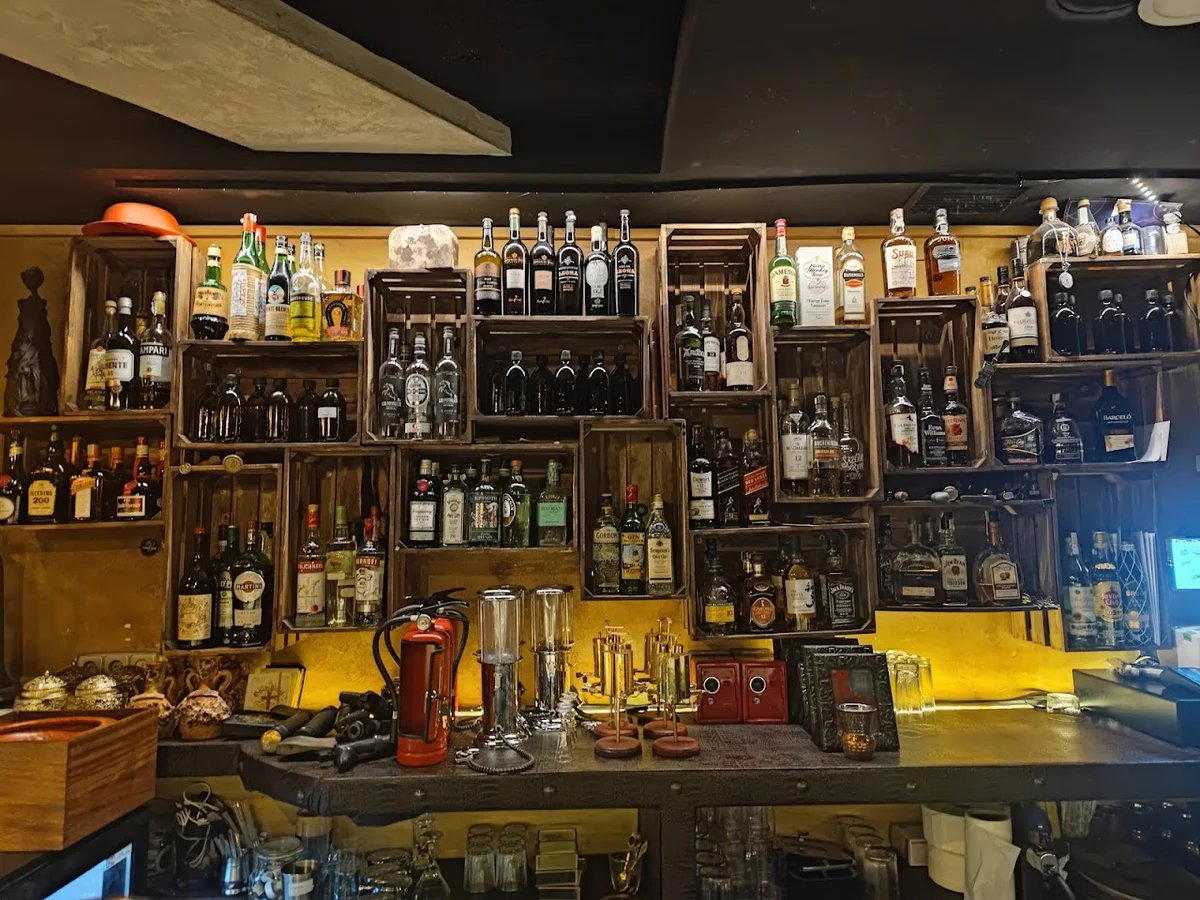
Small and cozy dining room with a village rustic‑meets-upscale feel, informal but carefully tended service, and a relaxed, intimate atmosphere suited to lingering weekend meals.