

Guía Repsol 1 Sol · Macarfi 7.9 Food Rating
Our verdict
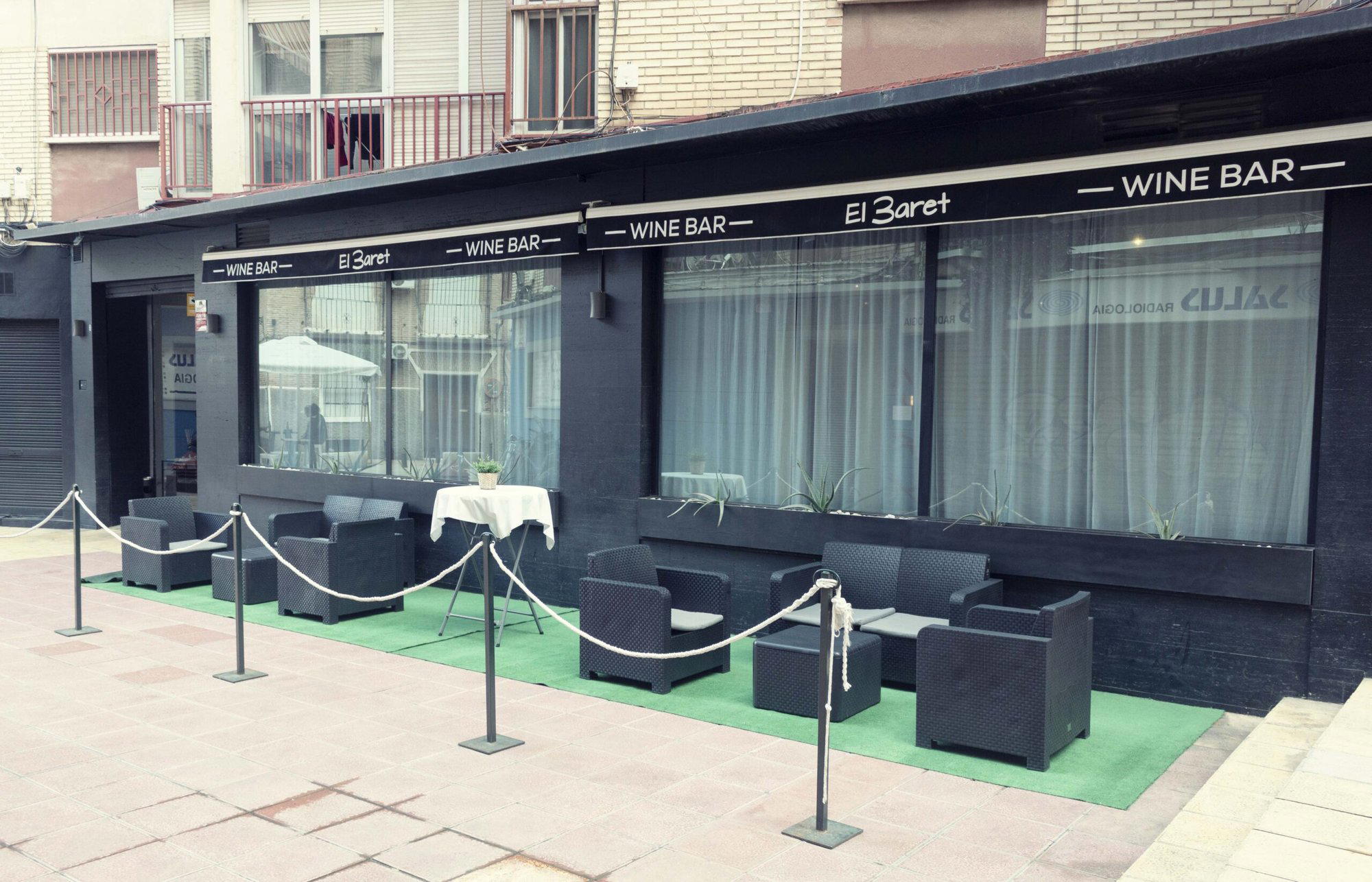
Murcia’s serious wine-bar culture has shifted toward shorter menus, produce-led plates, and cellars that make lunch feel deliberate rather than incidental. El Baret Wine Bar fits that movement, carrying a Guía Repsol 1 Sol for 2026 and reading as a compact argument for regional ingredients, Spanish drinking habits, and the city’s midday rhythm.

Pearl is the En Primeur Club membership app, where members save venues, book tables and use the concierge.
The menu
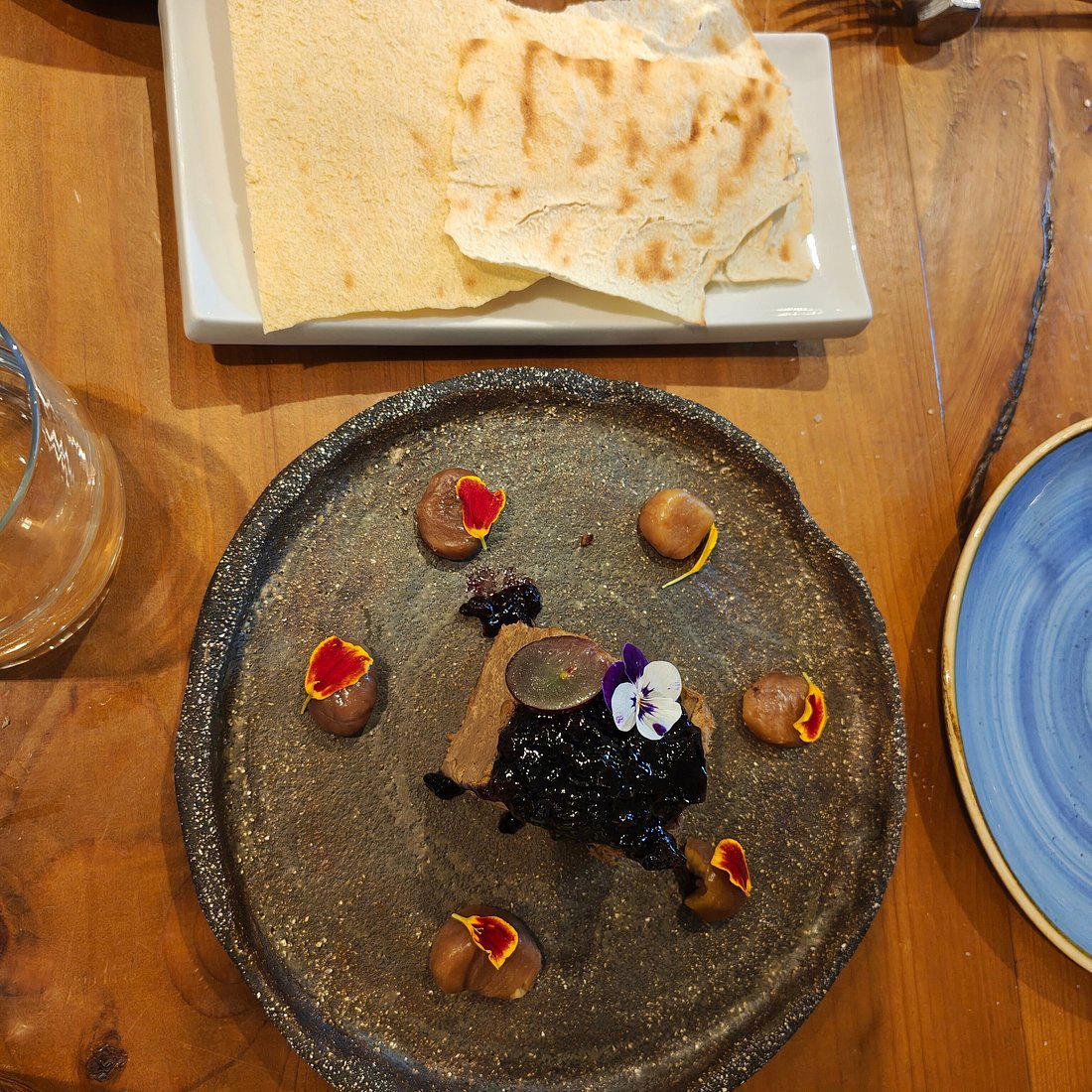
What to order
- Arroz del Señoret con Corvina
- Arroz de Costillejas
- Tataki de Salmón
- Vitello Tonnato
- Arroz de manitas
- Caballitos
Approach a Murcian wine bar at lunch and the city gives away its priorities quickly: shutters half-drawn against the heat, tables filling before the afternoon pause, and a tempo built around conversation rather than turnover. El Baret Wine Bar belongs to that Iberian register, where the glass is not an accessory to the plate but part of the meal’s structure. Its 2026 Guía Repsol 1 Sol places it in a serious national conversation, yet the more useful way to read the address is through Murcia itself, a region where market vegetables, rice culture, cured seafood, citrus, and inland-meets-coast cooking give small-format restaurants unusually strong raw material.
Murcia is often flattened into beach-adjacent shorthand, but the city’s dining identity is more agricultural than resort-driven. The huerta, the irrigated farmland around the Segura, has long shaped local cooking: artichokes, peppers, tomatoes, beans, stone fruit, and greens arrive with a directness that makes overworked technique feel unnecessary. A wine bar in this context carries a different burden from one in Madrid or Barcelona. It has to justify itself against tavern tradition, not only against contemporary tasting-menu culture. The better examples treat wine as a way to sharpen regional produce rather than soften it with luxury signals.
Murcia's wine-bar format works when the produce leads
The ingredient question matters here because Murcia’s stronger kitchens rarely need theatrical sourcing language. The region already supplies a vocabulary: vegetables from the huerta, salt and preserved fish from the coast, rice from the broader Levantean orbit, and wines from nearby appellations that can handle both briny and earthy cooking. In that setting, a wine bar becomes compelling when it can keep the plate concise and let acidity, oil, salt, and texture do the work. The 1 Sol recognition signals that El Baret Wine Bar is being judged above casual-bar level, but the category still depends on restraint. A heavy hand would miss the point.
That puts it in a different lane from Murcia’s more explicitly modern restaurants. Almo de Juan Guillamón and Demo frame local product through a more composed restaurant grammar, while other Murcia dining rooms read closer to regional continuity. A wine bar sits between those poles. It can be looser than a dégustation room and more selective than a tavern, provided the buying and the cooking stay disciplined.
The comparison also explains why Murcia rewards lunch better than late-night grazing. The city’s serious meals often happen in the middle of the day, when produce-driven cooking has a clearer role and wine service can stretch without turning into bar theatre. In that sense, El Baret Wine Bar is part of a broader Spanish shift: the small restaurant with a sharp cellar, a compact kitchen, and enough editorial discipline to avoid becoming a generic tapas stop.
A cellar-led meal without the usual big-city performance
Spain’s wine-bar boom has produced two opposing habits. One chases natural-wine shorthand and design cues; the other uses the format to make regional eating more precise. Murcia is better suited to the second. The agricultural base is too strong for imported affectation, and the city does not need to mimic Barcelona’s counter culture or Madrid’s bottle-shop dining rooms. The convincing version here is quieter: a lunch table, a bottle or several glasses, and plates that make sense with the climate and the market.
El Baret Wine Bar’s recognition by Guía Repsol matters because Repsol tends to read Spanish dining through national context rather than international spectacle. A 1 Sol in Murcia does not mean the same thing as a luxury tasting-menu accolade; it suggests a restaurant operating with enough consistency, product intelligence, and identity to merit a detour within its category. For travellers, that distinction is useful. The venue is not competing with high-ceremony rooms; it is part of a more practical Spanish pleasure, eating well at lunch with wine doing real work.
That makes the room’s value less about rarity and more about fit. Murcia’s heat, its agricultural confidence, and its tradition of midday eating all suit a wine-bar restaurant that keeps the experience compact. The city’s dining map has enough range to support different decisions: other Murcia dining rooms for a broader gastronomic frame, more casual addresses for a different register, and the wider Murcia restaurants guide for comparing styles before committing a meal slot.
How to place it in a Murcia itinerary
The smartest way to use a wine bar in Murcia is not as a fallback between monuments. It belongs in the centre of the day, paired with a slower afternoon and a plan that respects the local cadence. Travellers building a fuller city stay can match it with Murcia hotels, then widen the trip through Murcia bars, Murcia wineries, and Murcia experiences. The point is not to over-schedule. Murcia rewards meals that leave room for heat, walking, and an unhurried second glass.
For a broader Spanish comparison, the useful question is how different cities translate informality into serious eating. Murcia offers its own answer through addresses such as El Baret Wine Bar, Almo de Juan Guillamón, Demo, Hispano 1926, Keki, and Polea, alongside other unnamed dining rooms. The same principle applies beyond the city: drink-led formats only work when the food has its own logic, and when the surrounding food culture gives the glass something meaningful to answer.
The case for El Baret Wine Bar is therefore specific rather than inflated. It is a Murcia lunch address with national recognition, a wine-bar format, and a regional pantry that gives the kitchen a natural advantage. In a city where the strongest meals often come from clarity rather than ceremony, that is enough reason to take it seriously.
Frequently asked questions
Is El Baret Wine Bar okay with children?
El Baret Wine Bar is best understood as a wine-bar restaurant in Murcia. Families should confirm current service details directly with the venue before planning a visit.
What is the atmosphere like at El Baret Wine Bar?
Expect a focused wine-bar setting in Murcia. The 1 Sol from Guía Repsol 2026 gives it formal recognition, but the format remains closer to a compact, serious dining address than a staged dining room.
Is El Baret Wine Bar open every day?
Opening days and service times for El Baret Wine Bar should be confirmed directly with the venue before visiting.
What part of town is El Baret Wine Bar in?
Murcia.
Snapshot
Nearby venues at a similar price tier for orientation.
| Venue | Cuisine | Price | Awards | Notes |
|---|---|---|---|---|
| El Baret Wine BarThis venue (the venue you are viewing) | Spanish Wine Bar & Rice Restaurant | $50–100 | Guía Repsol 1 Sol · Macarfi 7.9 Food Rating | Not listed |
| Almo de Juan Guillamón | Modern Mediterranean | $50–100 | 1 Michelin Star · Guía Repsol 2 Soles | Modern Cuisine |
| Polea | Modern Spanish Tasting Menu | $50–100 | Michelin Plate · Guía Repsol 1 Sol | Contemporary |
| Demo | Contemporary Spanish Mediterranean | $50–100 | Michelin Plate · Macarfi 7.7 Food Rating | Farm to table |
| Hispano 1926 | Traditional Spanish Cuisine | $30–50 | Guía Repsol 1 Sol | Not listed |
| Keki | Modern Mediterranean with Asian Influences | $20–30 | Michelin Plate · Macarfi 7.2 Food Rating | Modern Cuisine |
Recognition history
Dated appearances from independent guides and award organizations, with the underlying list record or original source where available.
Guía Repsol 1 Sol
Guía Repsol
Macarfi 7.9 Food Rating
Macarfi
Continue exploring
More in Murcia
Restaurants in Murcia
All restaurants in Murcia →
Bars in Murcia
All bars in Murcia →
Hotels in Murcia
All hotels in Murcia →


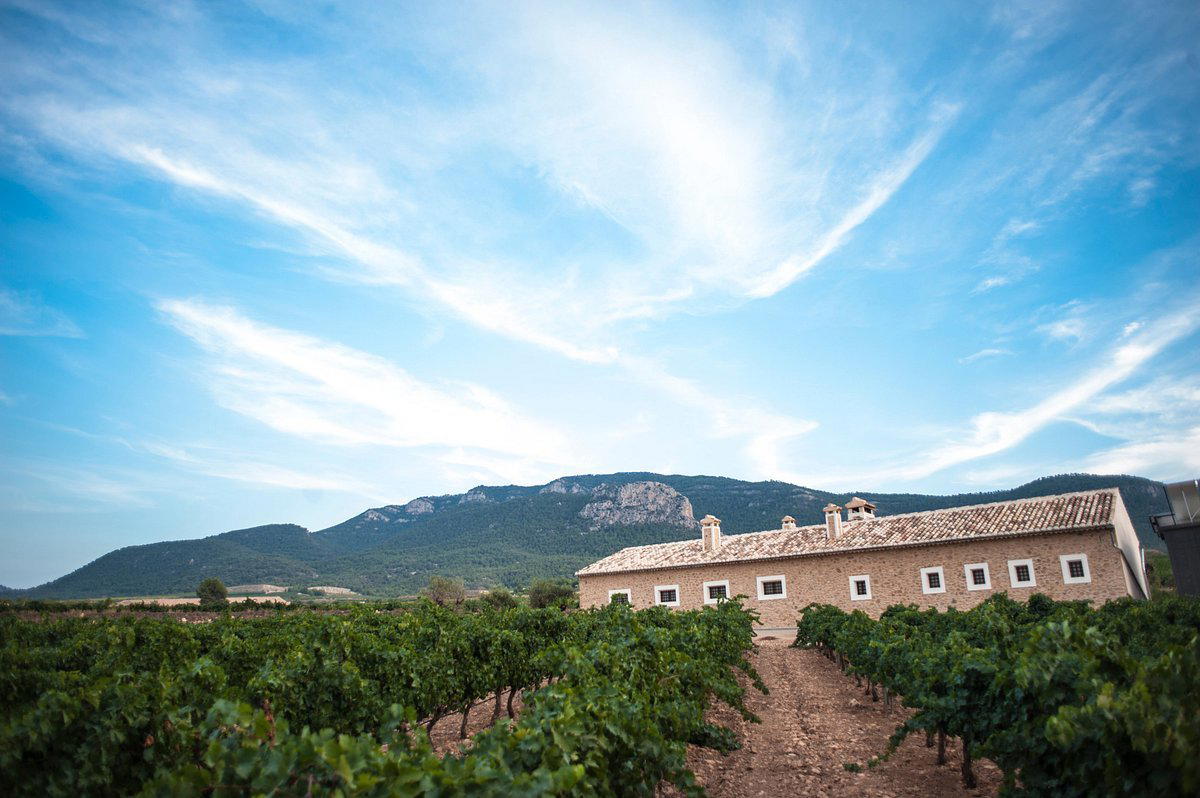
El Baret Wine Bar
The wine
- Wine program
- Deep wine list
- Extensive wine list
- Sommelier-led
- Craft cocktails
Details
- Cozy
- Trendy
- Intimate
- Quiet
- Date Night
- Special Occasion
- Celebration
- Group Dining
- Solo
- After Work
- Open Kitchen
- Terrace
- Standalone
- Private Dining
- Extensive Wine List
- Sommelier Led
- Craft Cocktails
- Local Sourcing
- A La Carte
- Small Plates
- Wine
- Cocktails
- Beer
- Coffee
- Vegetarian Friendly
Current opening hours
- Monday
- 1:30–4:30 PM
- Tuesday
- 1:30–4:30 PM
- Wednesday
- 1:30–4:30 PM
- Thursday
- 1:30–4:30 PM
- Friday
- 1:30–4:30 PM
- Saturday
- 1:30–4:30 PM
- Sunday
- Closed
Hours can change for holidays and private events. Hours as of .
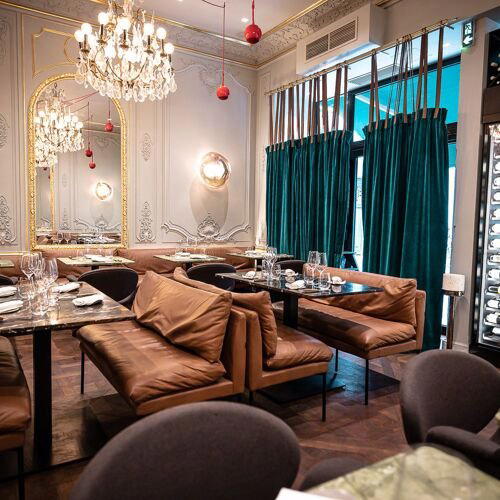
An intimate, cosy and quietly trendy space with an open kitchen, relaxed but refined atmosphere, and warm, highly personal hospitality that feels suited to unhurried meals and special evenings rather than noisy crowds.