
Guía Repsol 1 Sol
Our verdict
Hispano 1926 sits in central Murcia with a 2026 Guía Repsol 1 Sol, placing it in the city’s serious dining tier rather than the casual tapas circuit. The draw is Murcia’s ingredient culture: orchard vegetables, rice traditions, coastal supply lines and a dining rhythm that treats lunch as a main event.

Pearl is the En Primeur Club membership app, where members save venues, book tables and use the concierge.
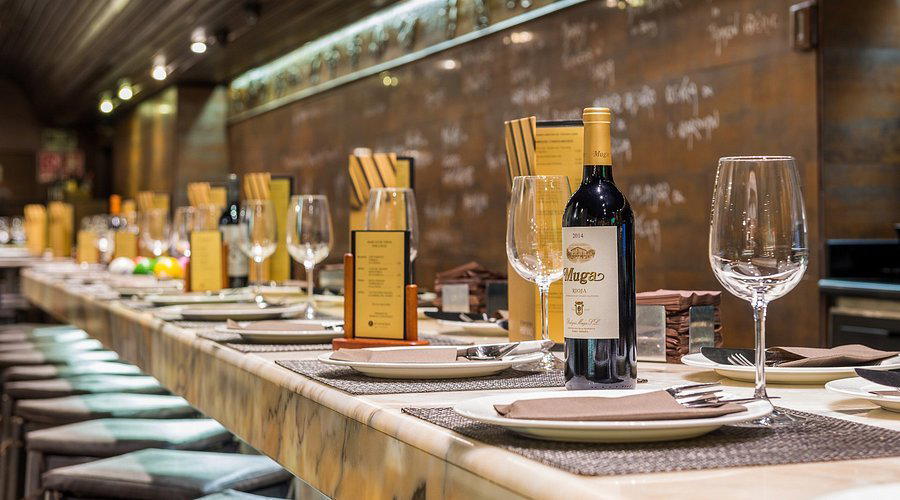
The menu
What to order
- Cocido
Murcia announces itself through stone streets, church bells, shopfront shade and the slow build toward lunch rather than dinner. Hispano 1926 belongs to that older urban rhythm: a restaurant for seated meals in a city where the surrounding huerta, nearby coast and inland traditions still shape how serious kitchens think. Its 2026 Guía Repsol 1 Sol matters because Murcia’s dining identity is not built on spectacle; recognition here tends to reward clarity, product handling and a sense of place.
The useful frame is sourcing, not showmanship. Murcia has one of Spain’s defining agricultural cultures, with the Segura valley long associated with vegetables, citrus, rice and preserves. Restaurants at this level are often judged by how well they translate that supply into a contemporary dining room without sanding off regional character. In that context, Hispano 1926 reads as part of a local conversation about produce-first cooking rather than a restaurant chasing a generic tasting-menu template.
Murcia's pantry is the real reference point
Murcian cooking is often reduced from outside to marinera, zarangollo and rice, but the city’s better dining rooms work from a broader larder. The huerta brings artichokes, peppers, tomatoes, beans and citrus into the kitchen; the Mar Menor and Mediterranean coast widen the range toward fish and shellfish; inland habits keep game, lamb and embutidos in the conversation. A restaurant with Repsol recognition in Murcia has to make sense inside that triangle: field, coast and interior.
That is where the city differs from larger Spanish dining capitals. Madrid can absorb imported formats and luxury cues; Barcelona has long experience turning market culture into design-forward restaurants. Murcia’s sharper address is usually more grounded. The question is less whether a room can feel international and more whether it can make local ingredients feel current without losing their agricultural accent.
Within Murcia, comparisons help clarify the tier. Demo signals one lane in the city’s contemporary dining conversation, while Alborada sits closer to regional continuity. Other Murcia dining rooms point toward technique, pacing and plating discipline. Hispano 1926 is more useful when read against that spread: not simply old-school, not purely avant-garde, but part of the middle ground where ingredient identity carries the argument.
A restaurant in the Repsol tier
The Guía Repsol 1 Sol for 2026 gives the restaurant a national reference point without turning it into a trophy address. Repsol’s Spanish guide has particular weight outside the Michelin orbit because it often captures regional kitchens that matter locally before they become part of a wider travel itinerary. In Murcia, that distinction is valuable: the city has serious restaurants, but it does not have the volume of high-recognition dining that pushes every reservation into theatre.
For travellers, the distinction changes expectations. This is not a quick snack stop between photographs, and it is not a blank luxury room that could be moved to any capital. It sits in the category of restaurants where the city’s eating habits matter: a strong lunch culture, unhurried services and a preference for meals that allow produce and rice traditions to carry weight. The reader does not need a heavily public chef narrative to understand the appeal; the useful focus is the table and the regional system behind it.
The wider Murcia map is compact but increasingly varied. Traditional addresses, modern formats and produce-led restaurants now sit within easy comparison, which makes a single award signal more meaningful. Anyone building a city itinerary should place this meal alongside other Murcia dining rooms and the broader selection in our full Murcia restaurants guide, rather than treating it as an isolated booking.
How to read the experience
The smart way to approach Hispano 1926 is to read the room through Murcia’s dining calendar and appetite. Lunch has weight here, particularly on weekends and Sundays, and that local pattern is useful when planning. Dinner, when available, is better approached as a deliberate reservation rather than a tourist-all-hours fallback. The point is to let the meal sit inside Murcia’s rhythm instead of forcing it into a rushed itinerary.
Formality should be judged by recognition and setting, not by assumptions about Spanish hospitality. A Repsol Sol usually implies a more composed meal than a casual bar crawl, but Murcia is not a city that requires performative dressing for every serious table. The better expectation is polished, adult and comfortable: suitable for a considered lunch or dinner where timing and conversation matter.
For a wider itinerary, the restaurant works well as the dining anchor around which to build the city rather than as a late add-on. Pair it with hotel planning through our full Murcia hotels guide, pre- or post-dinner drinking via our full Murcia bars guide, regional bottles through our full Murcia wineries guide and cultural pacing from our full Murcia experiences guide. Travellers comparing Spanish regional dining beyond Murcia can also look at other dining rooms across Spain in more general terms. For a useful contrast outside Spain’s regional format, tightly focused Japanese formats show how restaurants can build identity from a narrower product grammar.
The verdict is simple: Hispano 1926 is strongest for travellers who want Murcia to taste like Murcia, but with enough polish to justify building a meal into the day. The Repsol Sol supplies the trust signal; the city’s orchard-and-coast pantry supplies the reason to care.
Frequently asked questions
Would Hispano 1926 be comfortable with kids?
Hispano 1926 may be workable for families who are comfortable with a more serious dining room. The Guía Repsol 1 Sol 2026 suggests a more considered meal than a casual drop-in spot.
Is Hispano 1926 formal or casual?
It sits closer to formal than casual, helped by its Guía Repsol 1 Sol 2026 status in Murcia. Expect a planned reservation rather than an offhand stop.
When can I go to Hispano 1926?
Check directly with Hispano 1926 for current opening days and service times before planning a visit.
Where exactly is Hispano 1926?
Murcia.
What's the standout thing about Hispano 1926?
The clearest point of distinction is the Guía Repsol 1 Sol 2026, which gives Hispano 1926 a national reference in Murcia.
At-a-Glance Comparison
Comparable venues by cuisine and price in the same metro.
| Venue | Cuisine | Price | Awards | Notes |
|---|---|---|---|---|
| Hispano 1926This venue (the venue you are viewing) | Traditional Spanish Cuisine | $30–50 | Guía Repsol 1 Sol | Not listed |
| Demo | Contemporary Spanish Mediterranean | $50–100 | Michelin Plate · Macarfi 7.7 Food Rating | Farm to table |
| Keki | Modern Mediterranean with Asian Influences | $20–30 | Michelin Plate · Macarfi 7.2 Food Rating | Modern Cuisine |
| Local de Ensayo | Contemporary Spanish Fine Dining | $50–100 | Michelin Plate · Guía Repsol 2 Soles | Creative |
| Frases | Modern Murcian Fine Dining | Not listed | 1 Michelin Star · Guía Repsol 1 Sol | Contemporary |
| Alborada | Traditional Spanish Mediterranean | $50–100 | Michelin Plate · Macarfi 7.6 Food Rating | Traditional Cuisine |
Recognition history
Dated appearances from independent guides and award organizations, with the underlying list record or original source where available.
Guía Repsol 1 Sol
Guía Repsol
Continue exploring
More in Murcia
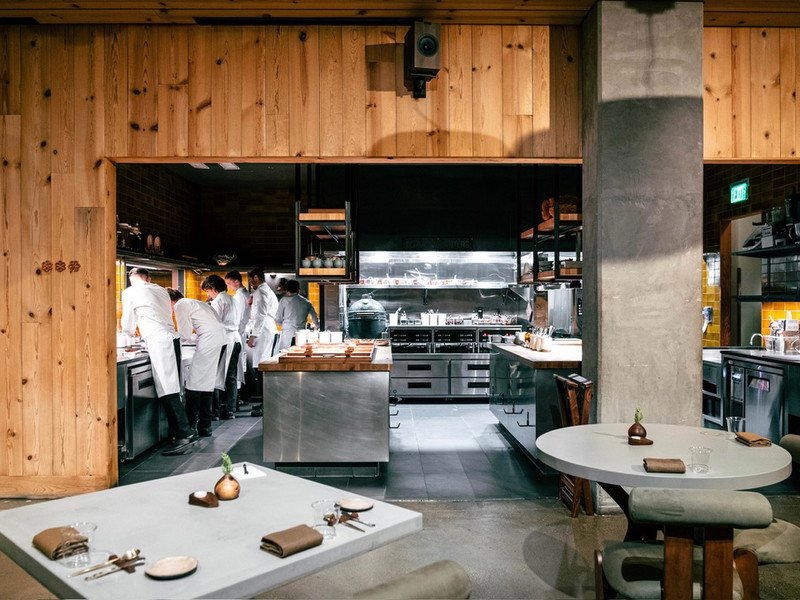
Restaurants in Murcia
All restaurants in Murcia →
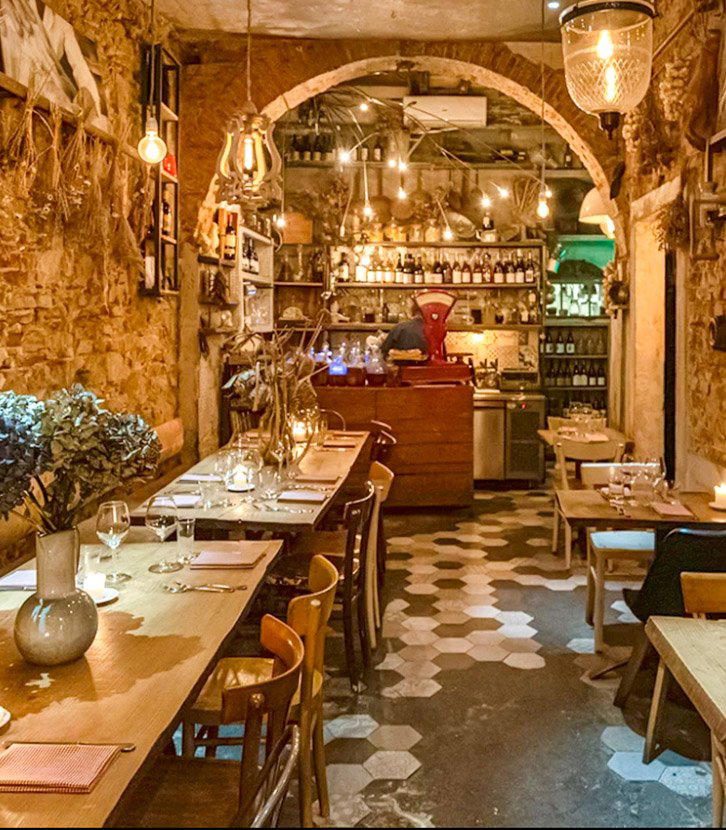
Bars in Murcia
All bars in Murcia →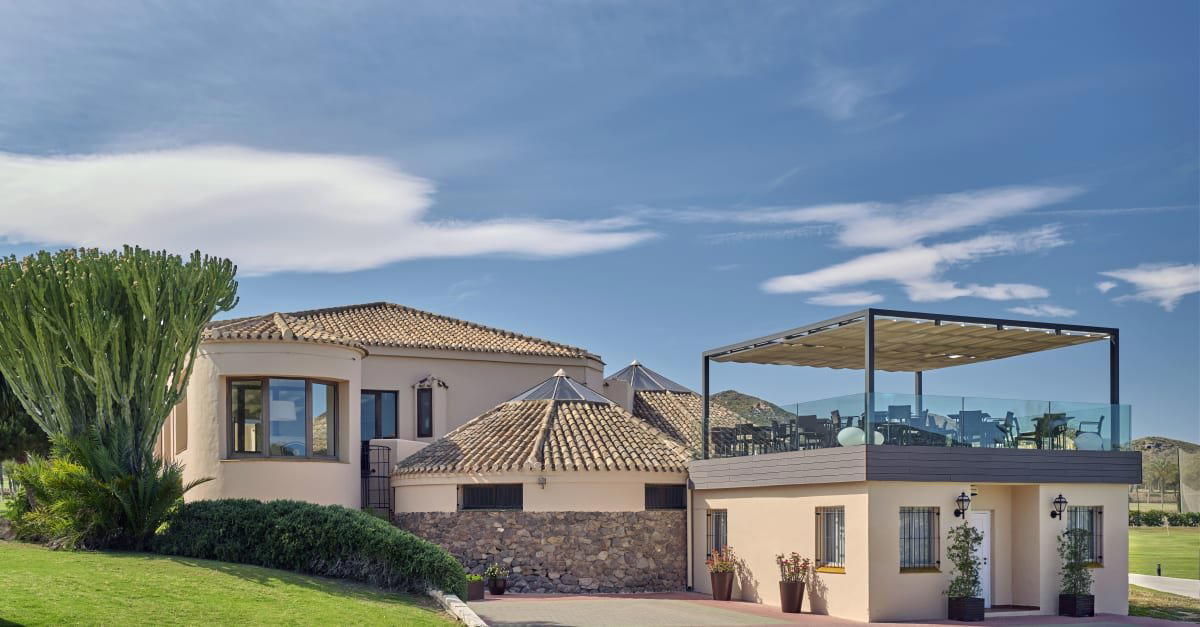
Hotels in Murcia
All hotels in Murcia →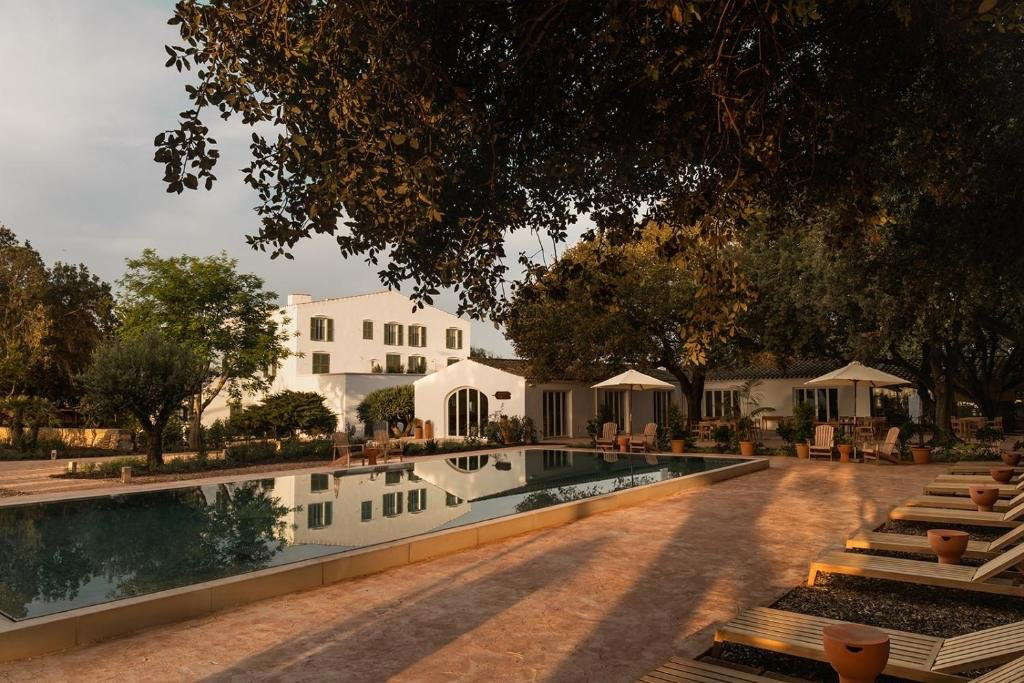


Details
- Classic
- Elegant
- Well Known
- Cozy
- Business Dinner
- Family
- Celebration
- Special Occasion
- Group Dining
- Historic Building
- Standalone
- Beer Program
- Local Sourcing
- Street Scene
- A La Carte
- Wine
- Beer
Current opening hours
- Monday
- 1:30–5:30 PM, 8:30–11:30 PM
- Tuesday
- 1:30–5:30 PM
- Wednesday
- Closed
- Thursday
- 1:30–5:30 PM, 8:30–11:30 PM
- Friday
- 1:30–5:30 PM, 8:30–11:30 PM
- Saturday
- 1:30–5:30 PM, 8:30–11:30 PM
- Sunday
- 1:30–5:30 PM
Hours can change for holidays and private events. Hours as of .
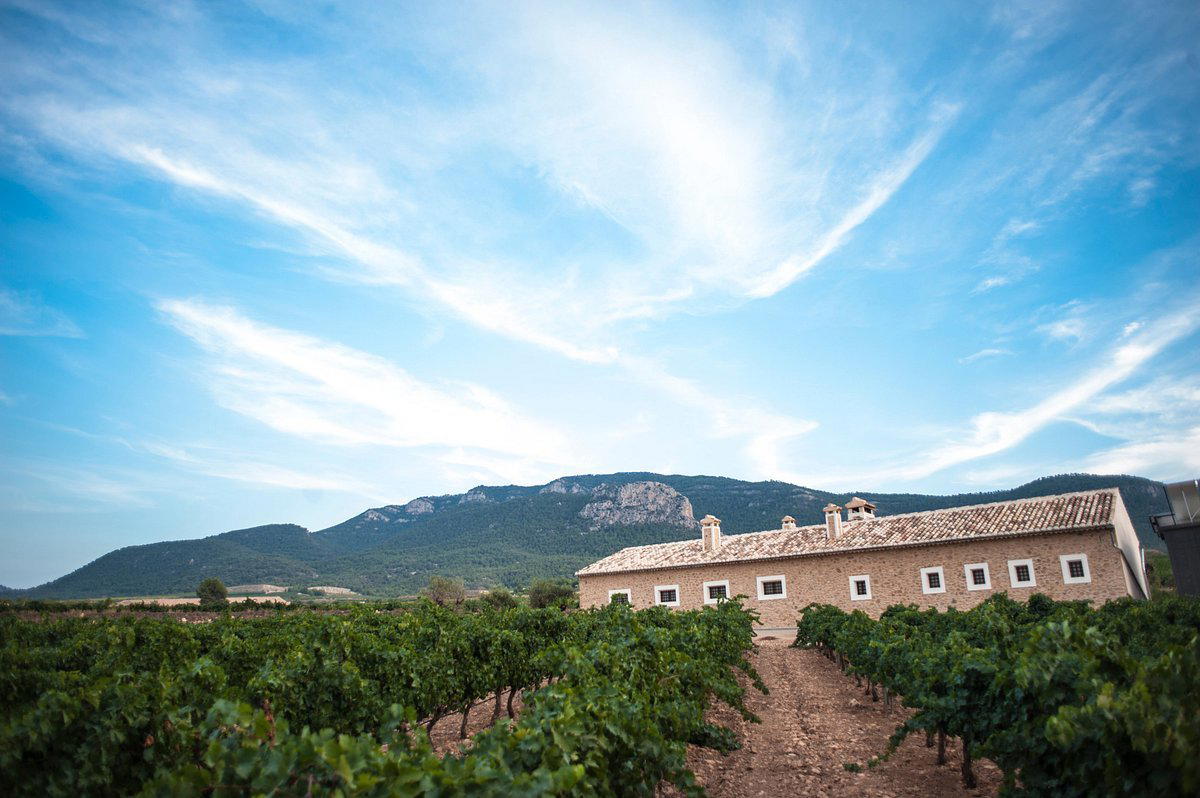
A fine-dining room with a classic, elegant feel and a historic, institution-like atmosphere rooted in Murcia's culinary memory.