Our verdict
Dragon Restaurant (龍都酒樓) occupies a lane address off Zhongshan North Road Section 1, placing it inside one of Taipei's most layered dining corridors. The format and menu architecture speak to a tradition of Cantonese-influenced banquet cooking that has defined mid-century Chinese restaurant culture across Taiwan. For visitors tracing that lineage through the 中山區 neighbourhood, it represents a considered stop.

Pearl is the En Primeur Club membership app, where members save venues, book tables and use the concierge.
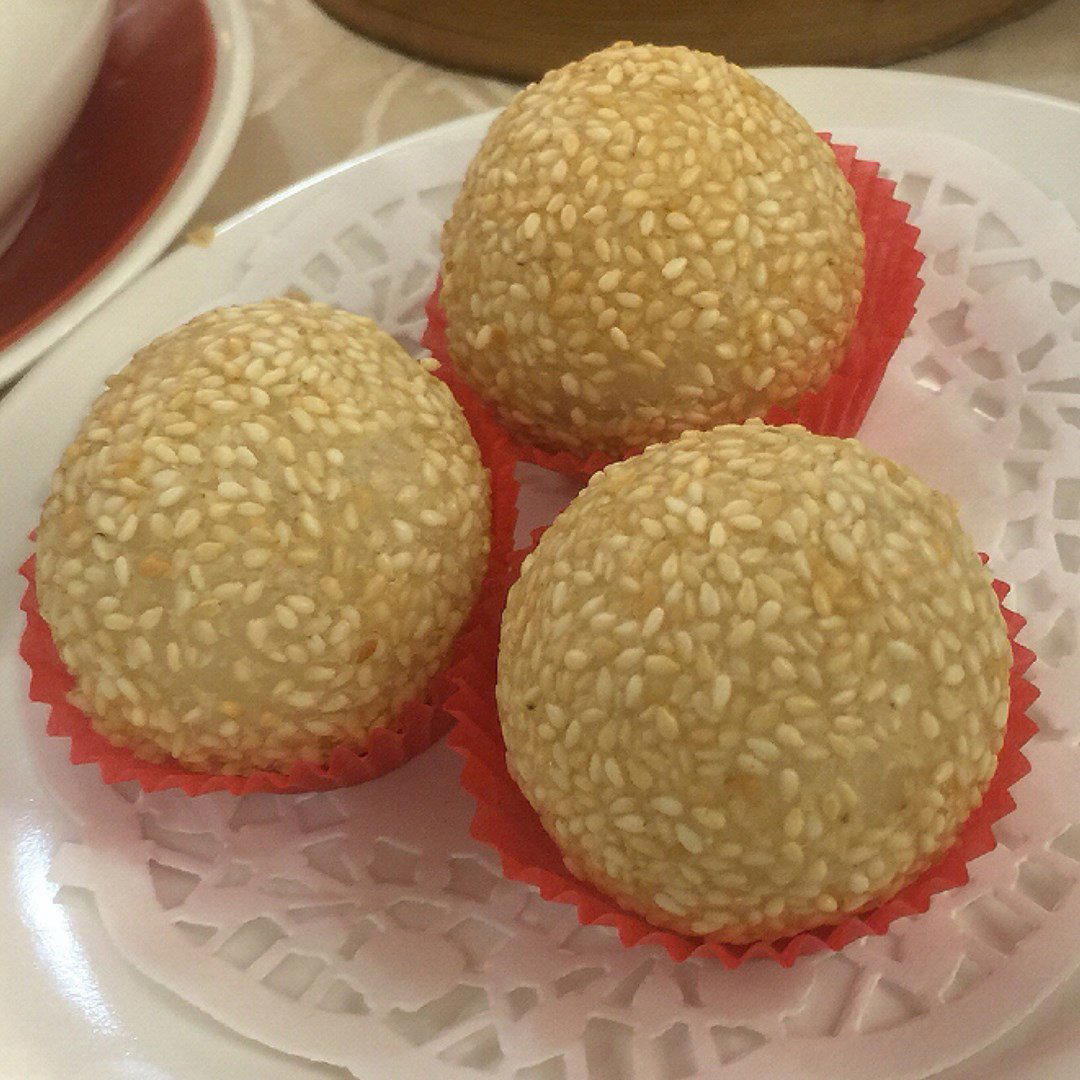
The menu
What to order
- Peking duck
- Roast duck
- Cantonese duck congee
- Stir-fried pork tendons in XO sauce
- Crispy barbecued pork
A Lane Address Inside Taipei's Most Layered Dining Corridor
There is a particular category of Taipei restaurant that does not announce itself from the main road. The lane-entry format, common across 中山區 and especially along the side streets feeding Zhongshan North Road Section 1, tends to signal something specific: longevity over trend, a local clientele, and a menu shaped more by what a kitchen has always done well than by whatever dining movement is currently in circulation. Dragon Restaurant (龍都酒樓), at 中山北路一段105巷18-1號, sits in exactly that category. The address places it inside a block that has accumulated dining history over decades, where the physical approach, down a lane, away from the boulevard traffic, already frames expectations before you reach the door.
Menu Architecture: What the Kitchen Chooses to Say
Cantonese-influenced banquet cooking has a structural logic that differs from tasting-menu or à la carte formats in ways that matter to how you experience a meal. The format is relational: dishes arrive to share, portions are sized for the table rather than the individual, and the sequence traditionally moves from lighter preparations toward richer braised and roasted courses. In restaurants that have practiced this tradition over many years, the menu itself becomes a document, reflecting which techniques the kitchen trusts, which ingredients it sources consistently, and where it is willing to meet contemporary preferences versus where it holds its ground.
At the tier this address occupies in the 中山區 neighbourhood, a restaurant of this type typically anchors its menu around Cantonese-heritage preparations: roasted proteins, steamed fish timed precisely to weight, dim sum formats if the operation supports breakfast or lunch service, and long-braised dishes where stock quality is the differentiating variable. The menu in this tradition does not need to be long to be serious. A tightly list of fifteen to twenty items executed at a consistent level will outperform an expansive menu where the kitchen is spread thin. What to watch for, when ordering, is the internal coherence of the selection, whether the cold starters, the seafood courses, and the braised finales feel like they belong to the same culinary argument, or whether they have been assembled to cover price points without a clear editorial hand. For reference on how Cantonese cooking at the serious end of the Taiwan market looks today, 粵菜廳 Canton Court and 晶華軒 Silks House represent the upper benchmark in Taipei, both operating inside hotel infrastructure that supports premium sourcing and brigade-scale kitchen teams. Dragon Restaurant operates at a different register, neighbourhood-anchored rather than hotel-backed, which sets different expectations but does not lower the standard of scrutiny.
Where Dragon Restaurant Sits in the 中山區 Dining Pattern
中山區 has evolved across several distinct dining registers simultaneously. The hotel corridor along Zhongshan North Road supports formal Cantonese and Taiwanese banquet operations with international sourcing. The side streets and lanes host a different conversation: family-run operations, regional specialists, and the kind of restaurant where the room has not changed much in twenty years because the regulars have not asked it to. This is not stasis, in many cases, it is a deliberate resistance to the cosmetic renovation cycle that has homogenised parts of the neighbourhood's newer dining stock.
For a broader orientation across the district's dining character, the full 中山區 restaurants guide maps the range from lane-entry neighbourhood houses to the banquet-format operators that anchor larger occasions. Dragon Restaurant's address positions it toward the neighbourhood-embedded end of that spectrum. Nearby, 八方雲集 林森北店 represents a contrasting format, high-volume, accessible, built for fast throughput, that illustrates how varied the dining modes are even within a few blocks of one another.
The comparison is useful because it clarifies what Dragon Restaurant is not. A lane-entry address with a Chinese character name and no current web presence typically signals an operation sustained by word of mouth and repeat custom rather than by marketing infrastructure. That is a meaningful trust signal of its own kind: kitchens that have not needed to invest in visibility have usually been busy enough without it.
Taiwan's Cantonese Restaurant Tradition in Context
Cantonese restaurant culture arrived in Taiwan through several distinct migration waves across the twentieth century, and what remains across Taipei's 中山區 is a layered set of references: formal dim sum houses, roast-focused operations, and the banquet-format restaurants that structured business entertaining and family celebrations for generations. The tradition interacts with local Taiwanese ingredients and preferences in ways that have produced a Taiwan-specific variant, lighter seasoning in some registers, local seafood sourced from Taiwan's surrounding waters, and price structures calibrated to a market where premium Cantonese cooking competes with both Taiwanese beef noodle culture and the newer generation of tasting-menu restaurants.
That newer generation, represented at the Taiwan level by operations like JL Studio in Taichung and logy in Taipei, both with Michelin recognition, has shifted expectations in one part of the market without displacing the banquet-format tradition in another. For celebratory dining, family gatherings, and the kind of multi-course shared meals that define Chinese hospitality structure, the banquet-format restaurant remains the primary format across much of Taiwan. Dragon Restaurant addresses that tradition directly, which means it is being compared to peers in its own category, not to omakase counters or tasting-menu formats operating on entirely different terms.
Planning Your Visit
The address at 中山北路一段105巷18-1號 is a lane entrance off a major arterial road in central 中山區, accessible on foot from the Zhongshan MRT station in under ten minutes. Neighbourhood restaurants in this format often maintain reservation books for weekend evenings without requiring online infrastructure. Timing a visit toward a weekday lunch, when Cantonese-format restaurants in Taipei tend to be less pressured, may also offer a more considered experience of the menu than peak weekend dinner service. For comparable reference points on dining formats in the surrounding area, 典華旗艦館 represents the large-format banquet end of the 中山區 market, useful context for calibrating what occasion scale each format is designed to serve.
Frequently asked questions
Would 龍都酒樓 Dragon Restaurant be comfortable with kids?
Cantonese banquet-format restaurants in 中山區 generally run toward family dining by design, with shared dishes and a table-centric service structure that suits mixed-age groups. Dragon Restaurant's lane address off Zhongshan North Road suggests a neighbourhood rather than formal hotel setting, which typically means a more relaxed atmosphere for families.
What part of town is 龍都酒樓 Dragon Restaurant (龍都酒樓) in?
龍都酒樓 Dragon Restaurant (龍都酒樓) is located at 中山北路一段105巷18-1號, 中山區, 臺北市 104, 中山區.
How far ahead should I plan for 龍都酒樓 Dragon Restaurant (龍都酒樓)?
Reservations are recommended for 龍都酒樓 Dragon Restaurant (龍都酒樓) in 中山區. Confirm current policy via the venue's official channels.
What's the overall feel of 龍都酒樓 Dragon Restaurant?
The venue occupies a lane-entry address at 中山北路一段105巷18-1號, which places it away from the main-road hotel corridor and closer to the quieter residential-commercial mix that defines much of central 中山區. That format usually means the focus stays on the food rather than spectacle. Expect the communal, structured pace of Cantonese banquet service rather than a contemporary open-kitchen format.
Recognition, Side-by-Side
| Venue | Cuisine | Price | Awards |
|---|---|---|---|
| 龍都酒樓 Dragon Restaurant (龍都酒樓)This venue (the venue you are viewing) | Cantonese Chinese | Not listed | Not listed |
| 八方雲集 林森北店 | Casual Taiwanese Dumpling House | $1–10 | Not listed |
| 典華旗艦館 | Chinese Seafood Buffet | $30–50 | Not listed |
| 晶華軒 Silks House | Refined Cantonese | $50–100 | 1 Michelin Star · World's 50 Best #64 |
| 粵菜廳 Canton Court | Cantonese Chinese | $50–100 | Not listed |
Continue exploring
More in Taipei
Restaurants in Taipei
All restaurants in Taipei →
Bars in Taipei
All bars in Taipei →
Hotels in Taipei
All hotels in Taipei →
Wineries in Taipei
Browse all →
Details
- Classic
- Cozy
- Well Known
- Group Dining
- Family
- Business Dinner
- Celebration
- Standalone
- A La Carte
Traditional Cantonese dining room with simple furnishings and an emphasis on food and friendly service; reviews also describe a nostalgic Hong Kong-style atmosphere.