Our verdict
Cocina Vidente sits in Mérida’s Barrio de la Ermita, a neighborhood that keeps the city’s domestic Yucatecan rhythms close to the surface. The draw is cultural context rather than trophy dining: a way to read Mérida through corn, smoke, recado, sour orange, market produce, and the slower cadence of a historic barrio.

Pearl is the En Primeur Club membership app, where members save venues, book tables and use the concierge.
The menu
What to order
- Catch of the day with green mole, sautéed corn, and greens
- Black onion Campeche shrimp
- Fresh local fish with coconut and saffron
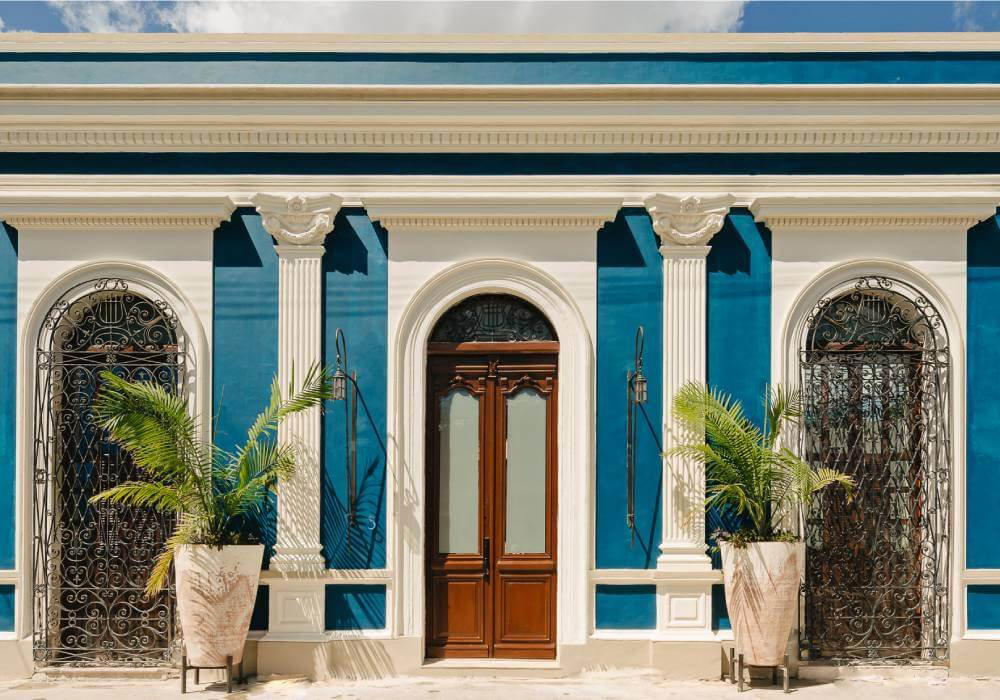
Approaching Mérida, the city changes register. The urban rhythm gives way to quieter streets, painted facades, and the domestic tempo that still shapes much of the city’s cooking culture. Cocina Vidente belongs to that Mérida context: not a generic travel-dining shorthand, and not the folkloric reduction of a place to a few familiar dishes. The more useful lens is everyday regional food culture, where family memory, local habits, market rhythms, and layered histories can carry as much meaning as any single plate.
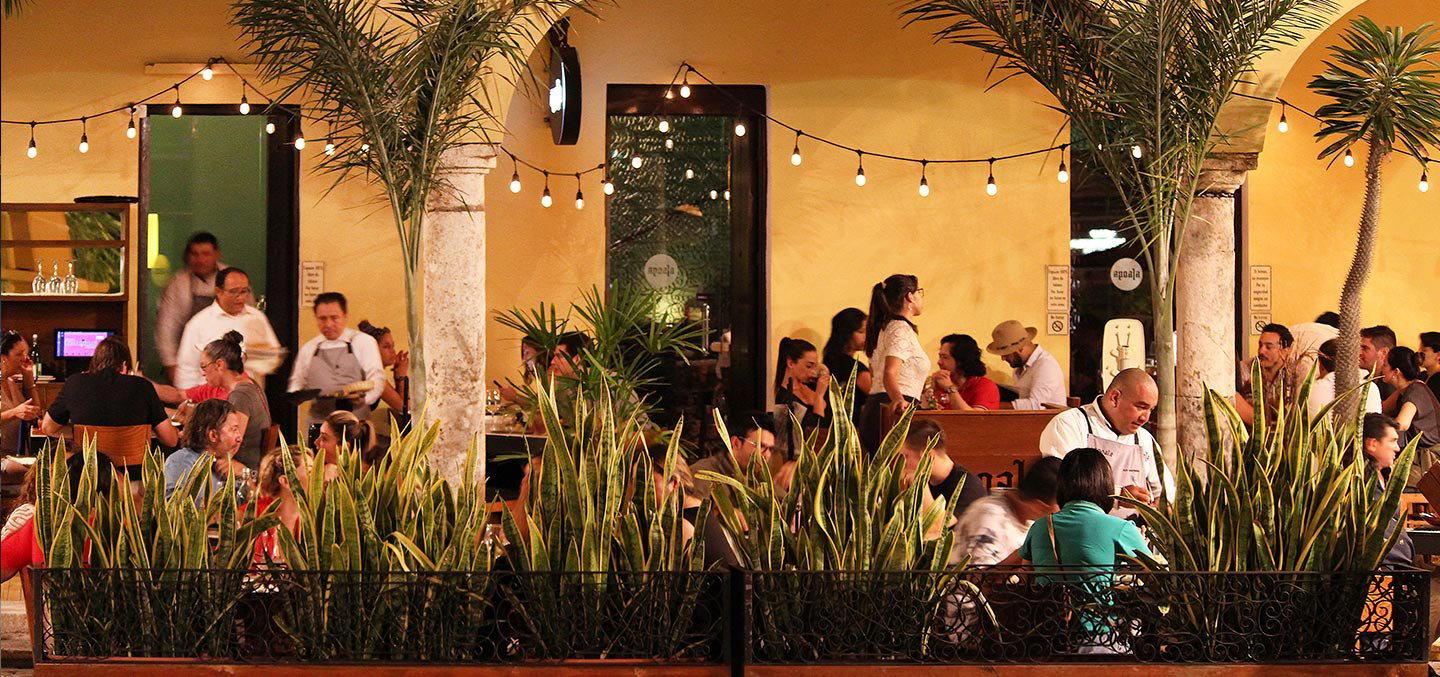
Mérida’s restaurant scene now splits into several clear lanes. Taquerias such as Taqueria La Lupita keep the city’s casual grammar intact; long-running regional rooms such as La Chaya Maya serve the reference points many visitors arrive seeking; contemporary kitchens such as Nol and Apoala make a more urban argument about Mexican cooking. Cocina Vidente sits closer to the cultural-reading lane than the spectacle lane, useful for travelers who want Mérida’s food to explain place rather than simply decorate an evening.
Yucatecan food culture, read through Mérida
Mérida’s cuisine is often described through continuity before luxury. Local technique, household knowledge, market culture, and the pacing of daily meals matter more than imported signals or theatrical presentation. That is why context is central in Mérida: a restaurant’s value is measured against the city’s broader food life, informal counters, family traditions, and established dining rooms as much as against formal restaurant categories.
For visitors building a broader map of the city, Cocina Vidente should be considered alongside other Mérida dining rooms that show different parts of the same conversation. Some point toward inheritance-led cooking; others keep the emphasis on regional identity; others represent the more composed, contemporary end of the spectrum. The distinction matters because Mérida rewards repetition: one meal rarely explains the city, but several meals in different formats start to show how its food culture moves between home, market, taqueria, casual dining, and contemporary ambition.
The limited public context around Cocina Vidente changes how to read it. This is not a venue to frame only through rankings or personality-driven mythology. Its stronger editorial use is geographic and cultural: a dining stop in Mérida that helps place the traveler inside a city where domestic architecture, regional memory, and food culture still carry weight.
Where it fits in a Mérida dining itinerary
Mérida has become a serious food city without losing the habits that made it compelling in the first place. A day can still move from casual morning food to a more deliberate lunch and then into dinner at a dining room with a clearer point of view. Cocina Vidente fits into the middle of that itinerary, better used as part of a layered reading of the city than as a trophy reservation around which to build a trip.
That makes planning important. Travelers with only one night in town may prefer a widely recognized regional reference point or a more formal contemporary room. Those staying longer should treat Cocina Vidente as part of the city’s texture, pairing a meal here with time in Mérida rather than treating the address as a standalone pin. For a wider edit, use Our full Mérida restaurants guide, then cross-check the wider trip through Our full Mérida hotels guide, Our full Mérida bars guide, Our full Mérida wineries guide, and Our full Mérida experiences guide.
The wider Mexican circuit helps clarify Mérida’s difference. Resort dining elsewhere in Mexico often speaks to leisure and production value; coastal destinations lean into travel patterns shaped by the sea; larger metropolitan restaurant scenes operate within broader urban dining economies. Mérida is more intimate and more regionally specific. Even a simple meal can carry a strong sense of where it is.
The right expectation
Cocina Vidente is better approached as a cultural waypoint than as a checklist restaurant. The setting in Mérida and the city’s deep regional food language are the reasons to pay attention.
For travelers extending the trip beyond Mérida, the contrast can be instructive. Other destinations may belong to more activity-led travel formats or larger city dining circuits, where context changes the meaning of a meal. In Mérida, the point is not scale. The point is specificity: the city’s food culture has its own vocabulary, and Mérida gives that vocabulary a setting with historical weight.
Frequently asked questions
Where is Cocina Vidente located?
Cocina Vidente is located in Mérida.
Do I need a reservation for Cocina Vidente?
Plan ahead if the meal matters, especially at Cocina Vidente in Mérida. In a city where popular dining rooms can fill quickly, arriving without a plan is a gamble.
What has Cocina Vidente built its reputation on?
Its identity is tied to Mérida, which places it inside one of Mexico’s distinctive dining conversations. The location matters here because it signals a place rooted in the city rather than a generic commercial strip.
How does Cocina Vidente handle allergies?
Allergy conversations should happen before service, especially in a Mérida dining room where preparations and ingredients may vary. At Cocina Vidente in Mérida, the safest approach is to state restrictions clearly before ordering.
Is Cocina Vidente child-friendly?
Cocina Vidente reads as a proper dining room in Mérida, so it suits children who can handle a restaurant meal. For younger diners, the pace and format matter more than the address alone.
What kind of setting is Cocina Vidente?
It is a Mérida dining room, so the setting is urban and city-led rather than resort-like. That location gives it a more local feel than a destination built around spectacle.
Cost and Credentials
Comparable venues by cuisine and price in the same metro.
| Venue | Cuisine | Price | Awards |
|---|---|---|---|
| Cocina VidenteThis venue (the venue you are viewing) | Modern Mexican with French techniques in a historic hotel courtyard | $30–50 | Not listed |
| Taqueria La Lupita | Yucatecan Taqueria | $1–10 | Not listed |
| La Chaya Maya | Traditional Yucatecan | $10–20 | Not listed |
| Nol | Modern French with Japanese Influences | $200–300 | 1 Michelin Star · The Best Chef One Knife |
| Apoala | Mexican Fusion with Oaxacan and Yucatecan Influences | $20–30 | Not listed |
| Manjar Blanco | Authentic Yucatecan Mexican | $10–20 | Not listed |
Continue exploring
More in Mérida
Restaurants in Mérida
All restaurants in Mérida →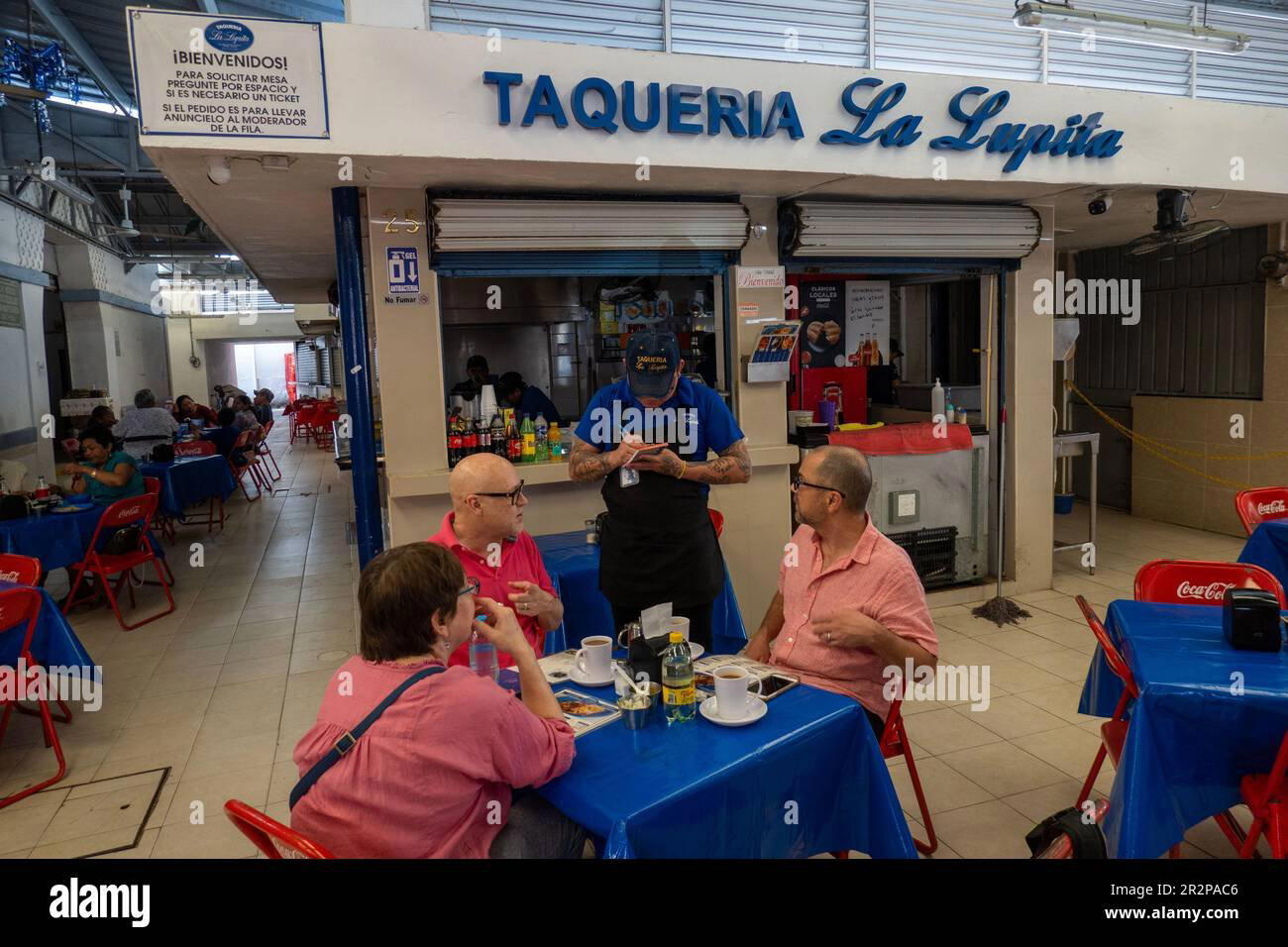
Bars in Mérida
All bars in Mérida →
Details
- Elegant
- Cozy
- Romantic
- Intimate
- Modern
- Date Night
- Special Occasion
- Celebration
- Group Dining
- Brunch
- Courtyard
- Historic Building
- Design Destination
- Hotel Restaurant
- Craft Cocktails
- Extensive Wine List
- Local Sourcing
- Street Scene
- A La Carte
- Tasting Menu
- Craft Cocktails
- Wine
- Mezcal
- Vegetarian Friendly
- Gluten Free Options
Current opening hours
- Monday
- 8 AM–10 PM
- Tuesday
- 8 AM–10 PM
- Wednesday
- 8 AM–10 PM
- Thursday
- 8 AM–10 PM
- Friday
- 8 AM–10 PM
- Saturday
- 8 AM–10 PM
- Sunday
- 8 AM–10 PM
Hours can change for holidays and private events. Hours as of .
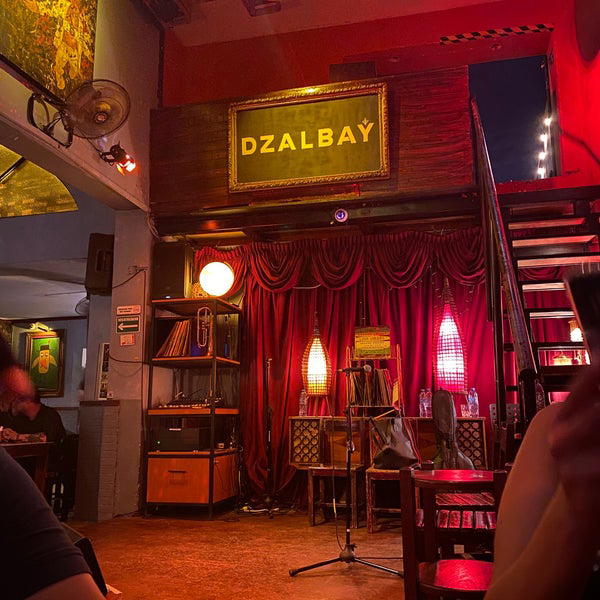
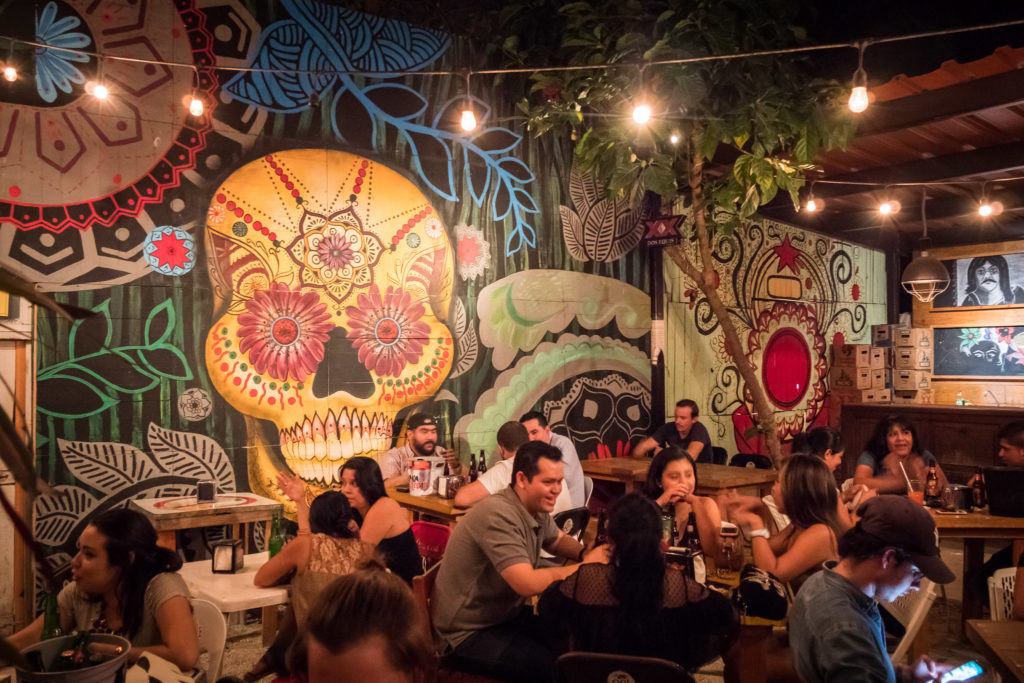
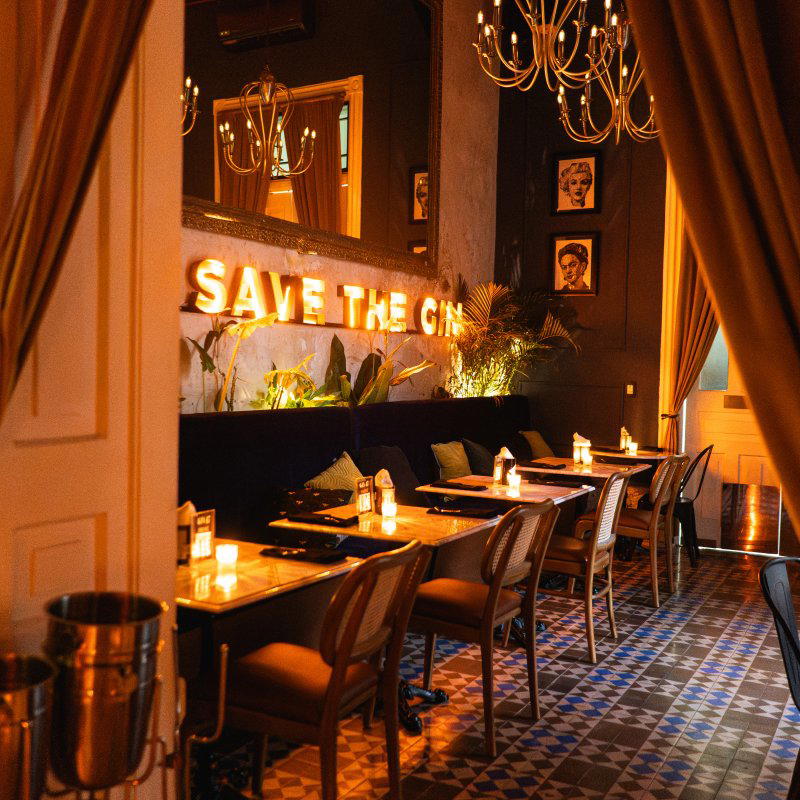
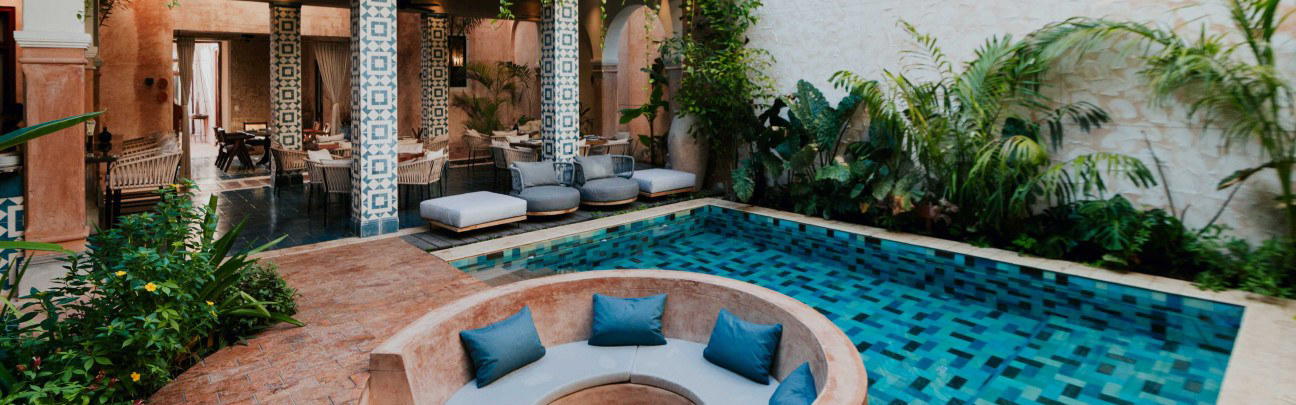
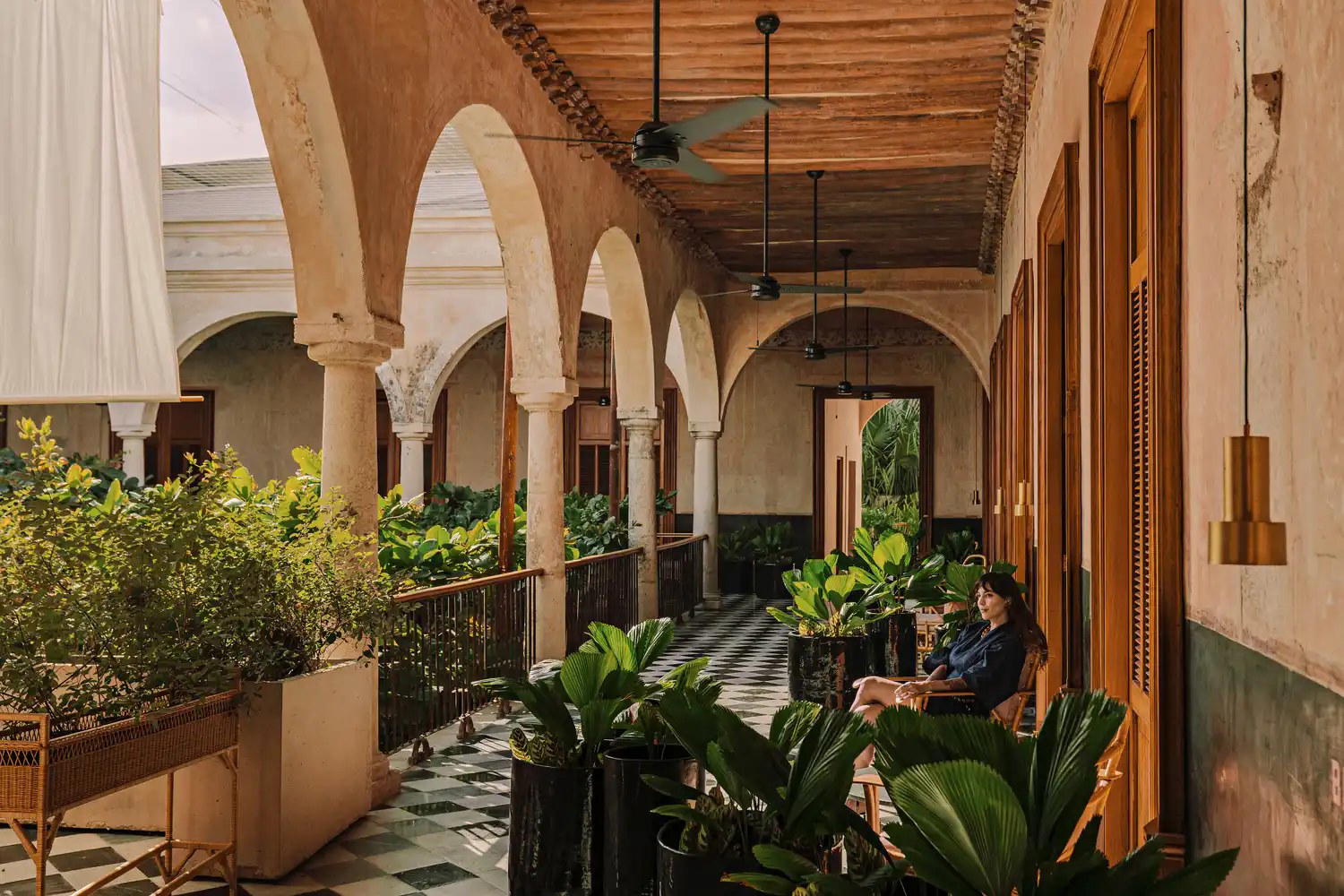
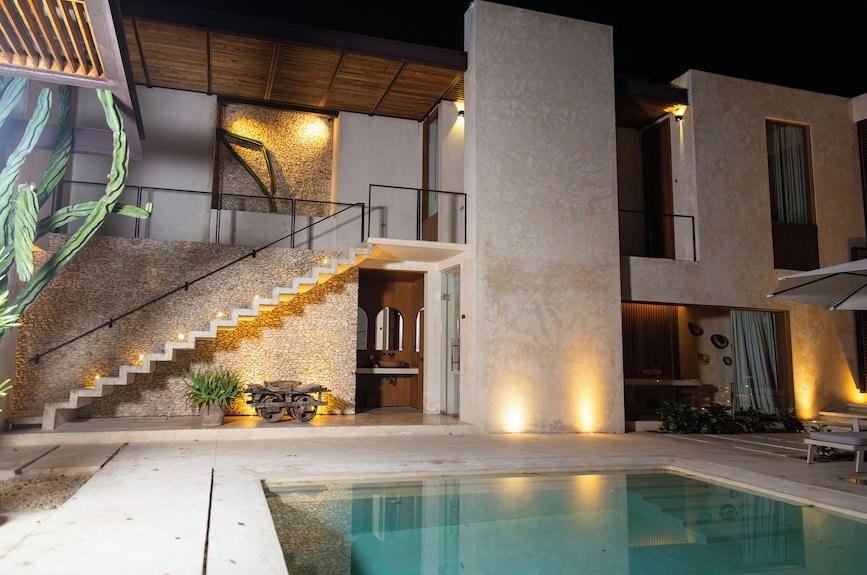
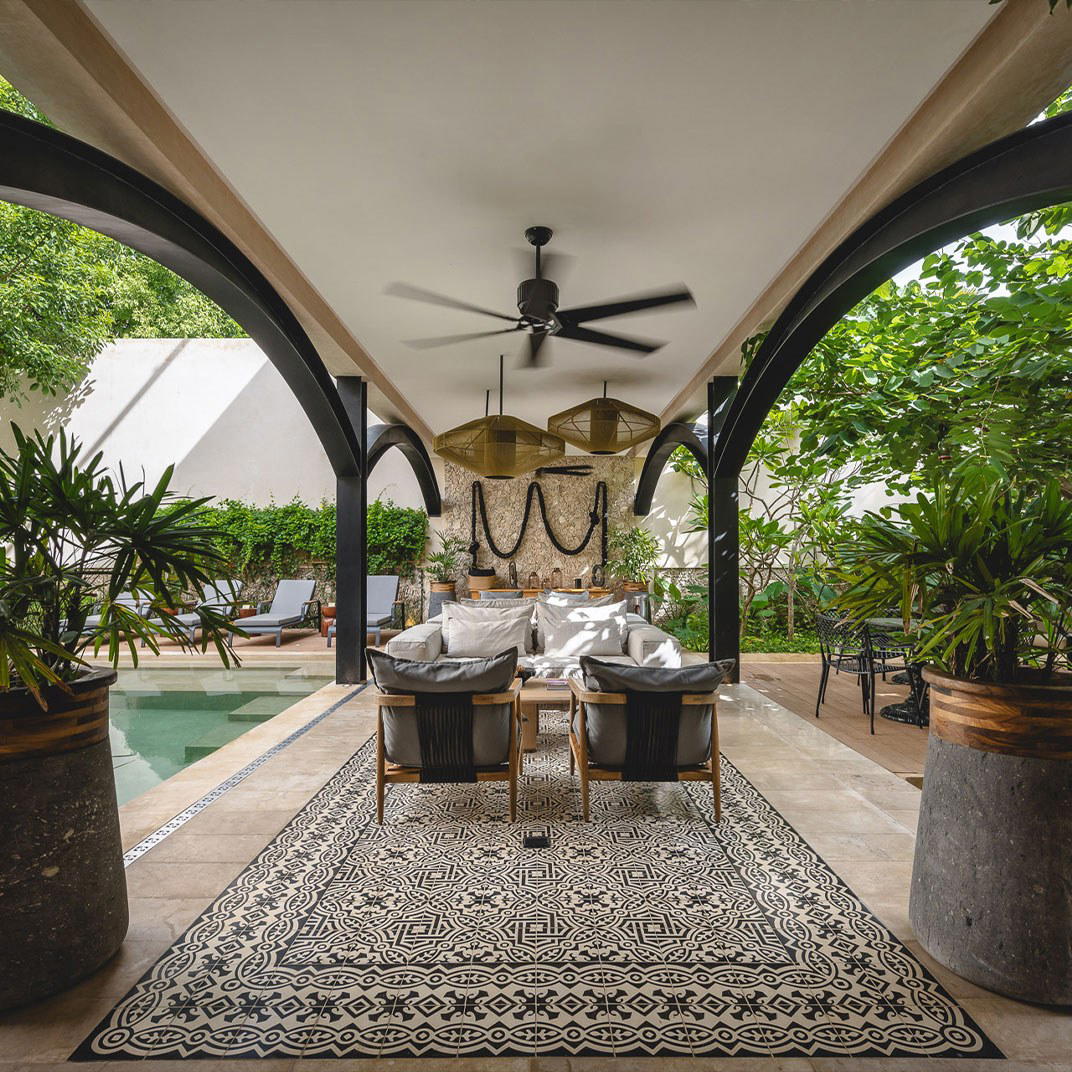
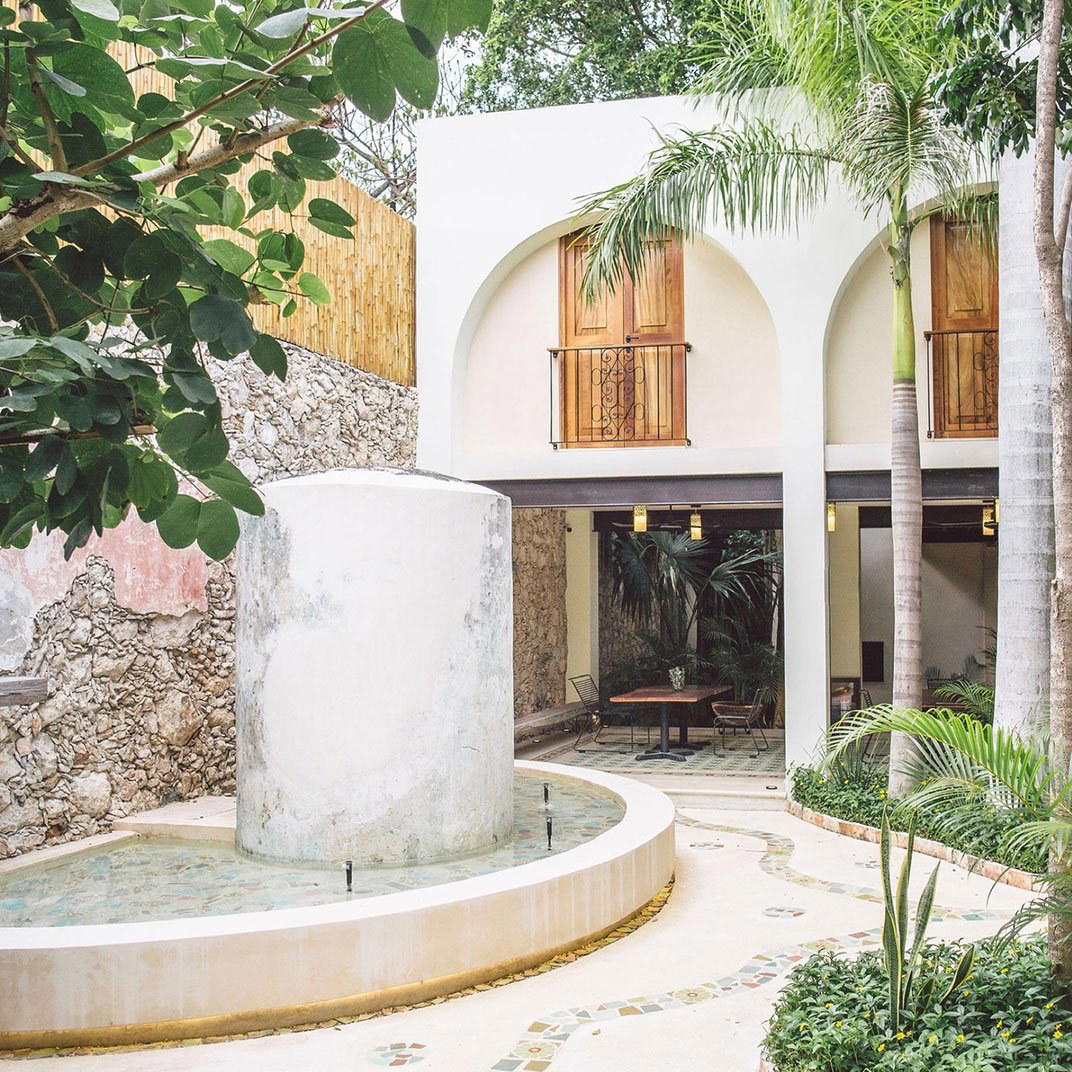
Set within a delicately restored historic building, the restaurant centers on an open-air courtyard with soft breezes, warm lighting, and elegant yet relaxed décor that blends original colonial features with contemporary design, creating an intimate and sophisticated atmosphere ideal for lingering meals.