
Michelin Bib Gourmand
Our verdict
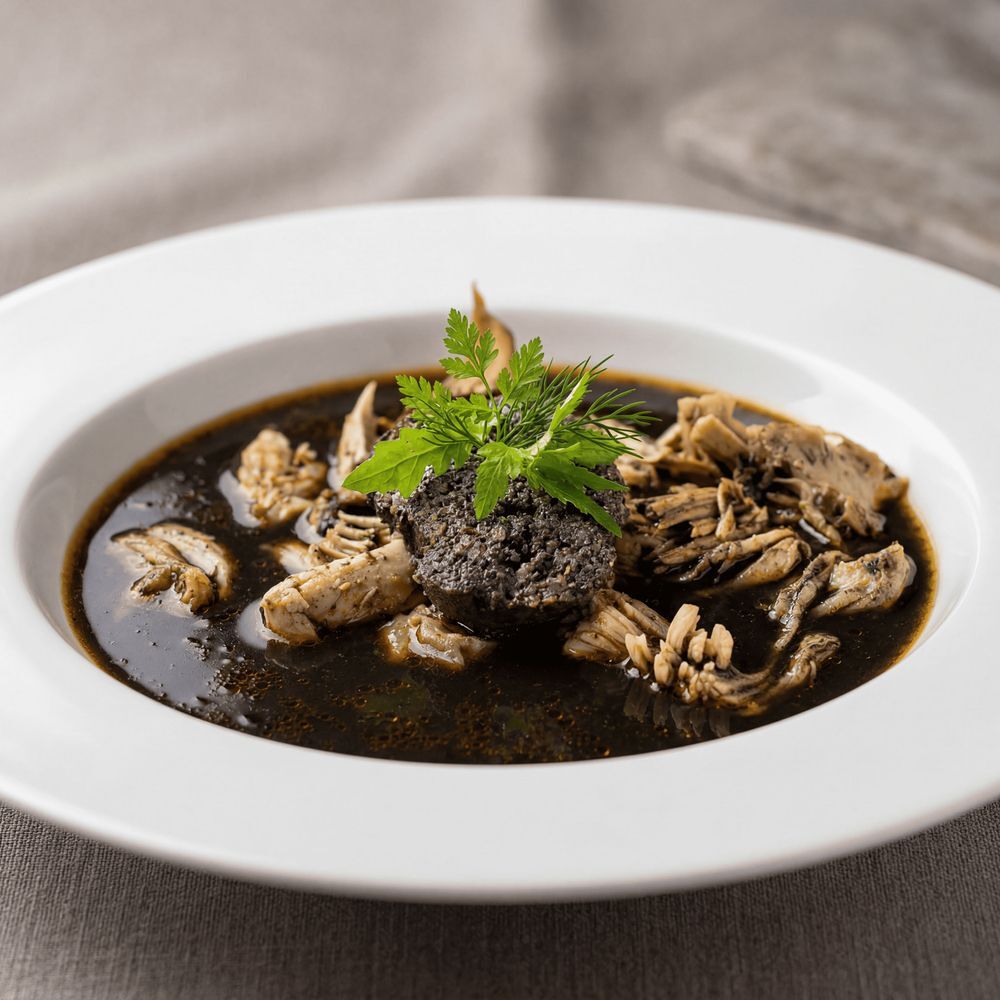
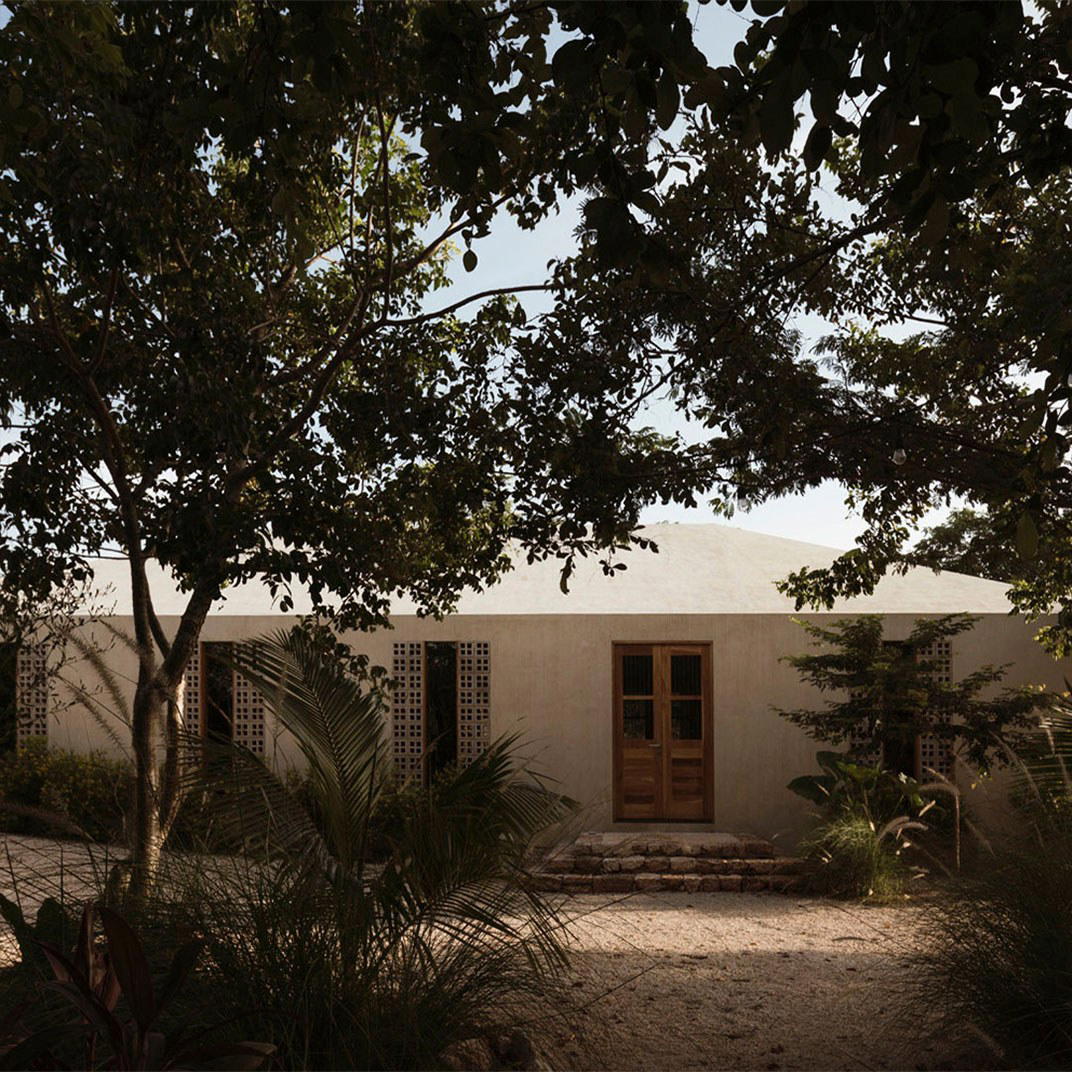
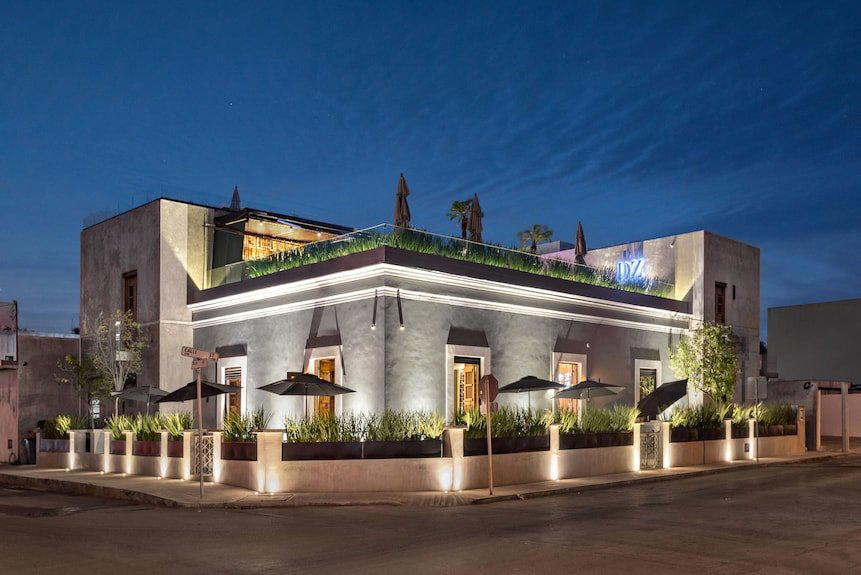
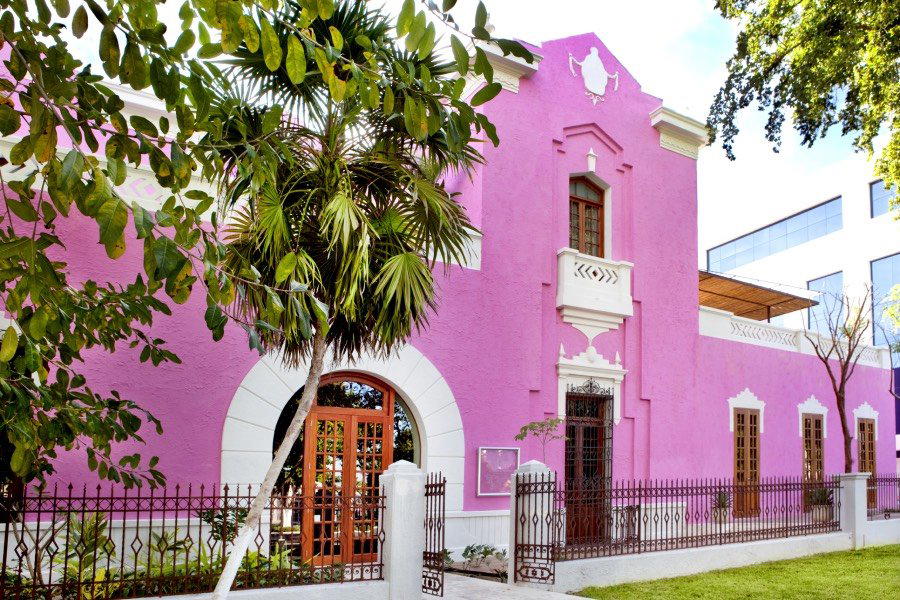
Pueblo Pibil operates inside a converted 18th-century mansion in Tixkokob, where the traditional Yucatecan method of underground pit-roasting—pibil—defines the format. The kitchen sources locally and centers the menu around slow-cooked proteins wrapped in banana leaf, cooked over stone and embers. The setting and technique align with the town's quieter, heritage-focused dining identity.

Pearl is the En Primeur Club membership app, where members save venues, book tables and use the concierge.
The menu
What to order
- Cochinita pibil
- Relleno negro
- Queso relleno
- Mondongo a la andaluza
- Frijol con puerco
Tixkokob sits 40 kilometers northeast of Mérida, a craft town known for hammock weaving and a slower pace than the state capital. The dining scene here skews local and traditional, with few restaurants operating at a scale or format visible beyond the Yucatán Peninsula. Pueblo Pibil occupies a converted 18th-century mansion on the corner of Calle 21 and Calle 28, where colonial stonework and original wooden beams frame a kitchen built around one of the peninsula's oldest cooking methods: underground pit-roasting. The restaurant's name references the technique, pibil, and the format centers on meats and vegetables slow-cooked in banana leaf over embers and volcanic stone. The town's distance from Mérida and limited tourist infrastructure mean the dining room draws a mix of Yucatecan families, hammock buyers making day trips, and occasional travelers seeking heritage cooking outside resort corridors. The mansion setting provides high ceilings, tiled floors, and open-air courtyard seating, though air circulation depends on natural wind rather than mechanical systems. Service runs informal, with staff explaining the day's proteins and preparation times rather than presenting printed menus. For a fuller picture of Tixkokob's dining and lodging options, see our full Tixkokob restaurants guide and our full Tixkokob hotels guide.
Underground Cooking and Regional Sourcing
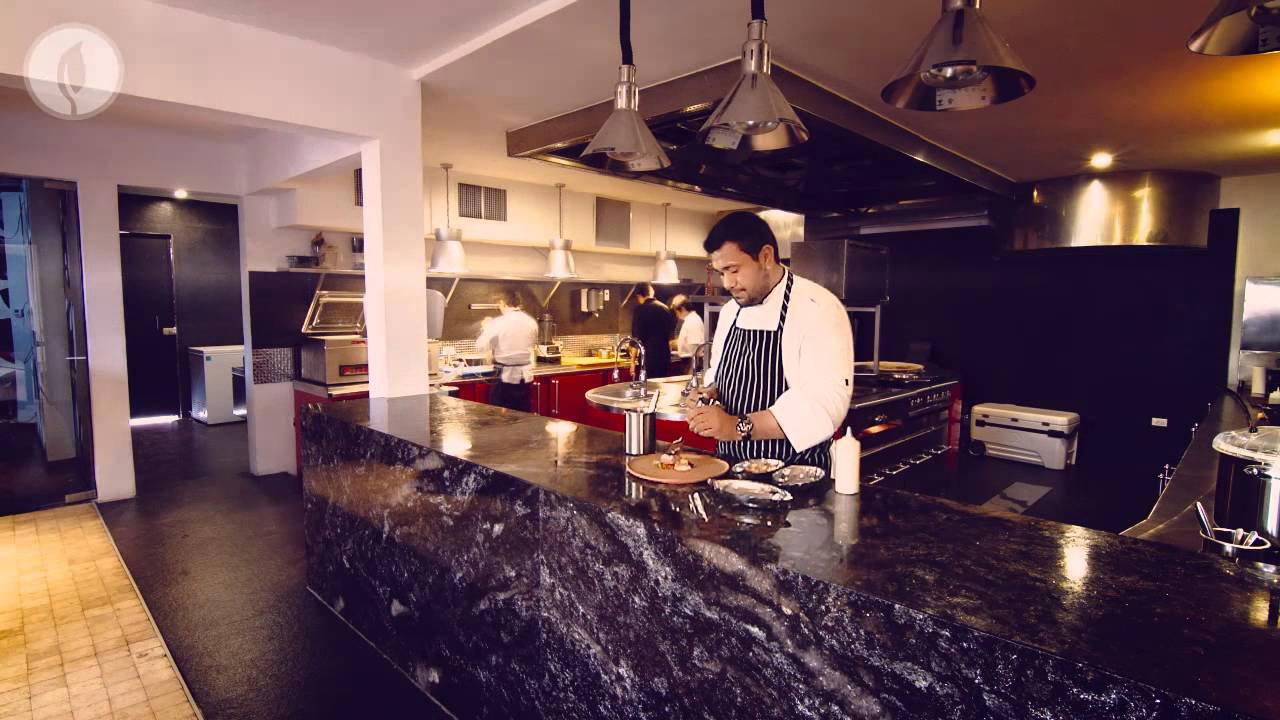
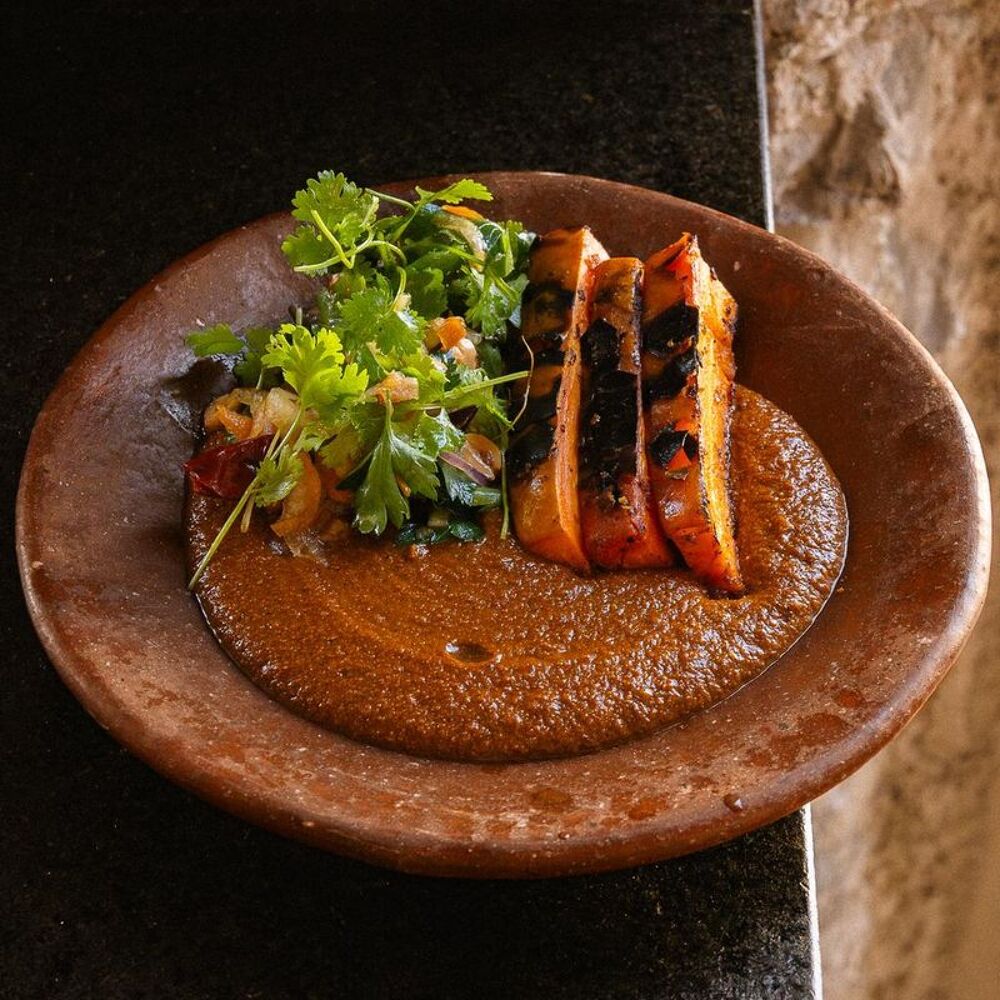
Pibil refers to the Mayan practice of digging a pit, lining it with volcanic stone, heating the stone with hardwood, and slow-cooking wrapped proteins and tubers for hours. The technique predates colonial contact and remains common in rural Yucatán, particularly for ceremonial meals and weekend gatherings. At Pueblo Pibil, the kitchen builds each service around what can be sourced that morning from Tixkokob's central market and nearby farms: pork shoulder, chicken thighs, local squash, and seasonal root vegetables. Proteins are rubbed with recado rojo, a paste made from achiote seed, sour orange, garlic, and dried chiles, then wrapped in banana leaf and lowered into the pit around dawn. By midday, the meat pulls apart without resistance, and the banana leaf imparts a vegetal sweetness that tempers the smokiness. The kitchen does not operate a printed menu; instead, staff describe what emerged from the pit that day and quote approximate portion sizes. Sides include handmade tortillas, pickled red onion, habanero salsa, and black beans cooked with epazote. The approach resembles formats at Kuuk and Micaela Mar & Leña, though both operate in Mérida with tasting-menu structures and higher check averages. Pueblo Pibil's model is closer to neighborhood cocina económica, accessible, ingredient-led, and tied to daily market availability, than to curated heritage dining. The absence of a la carte pricing or advance reservations reflects the kitchen's dependence on what the pit can accommodate each morning.
Mansion Setting and Courtyard Layout
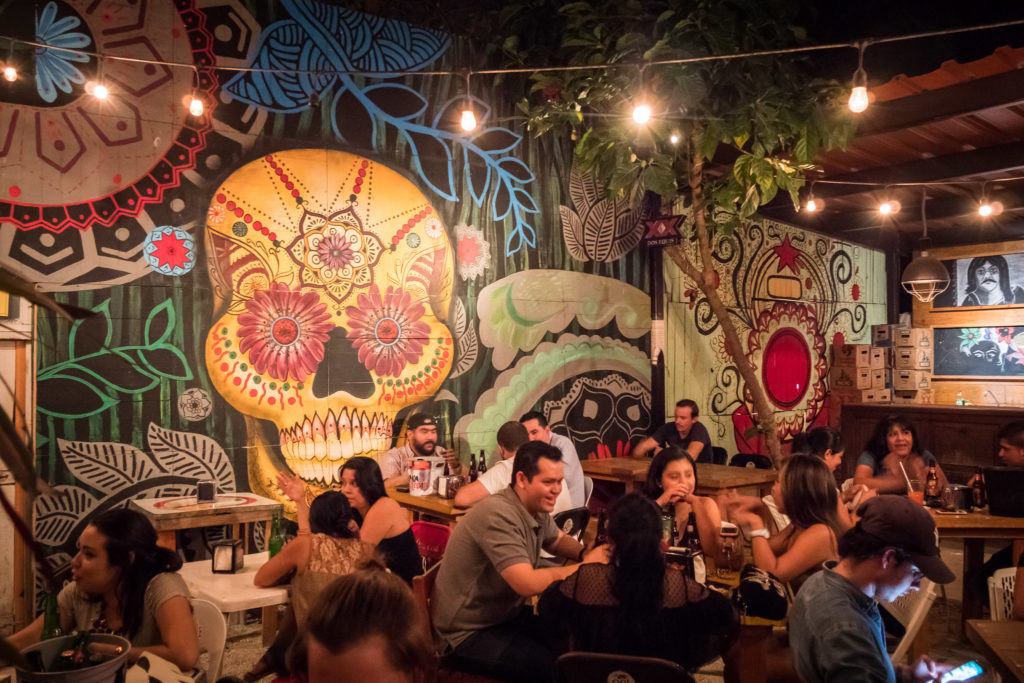
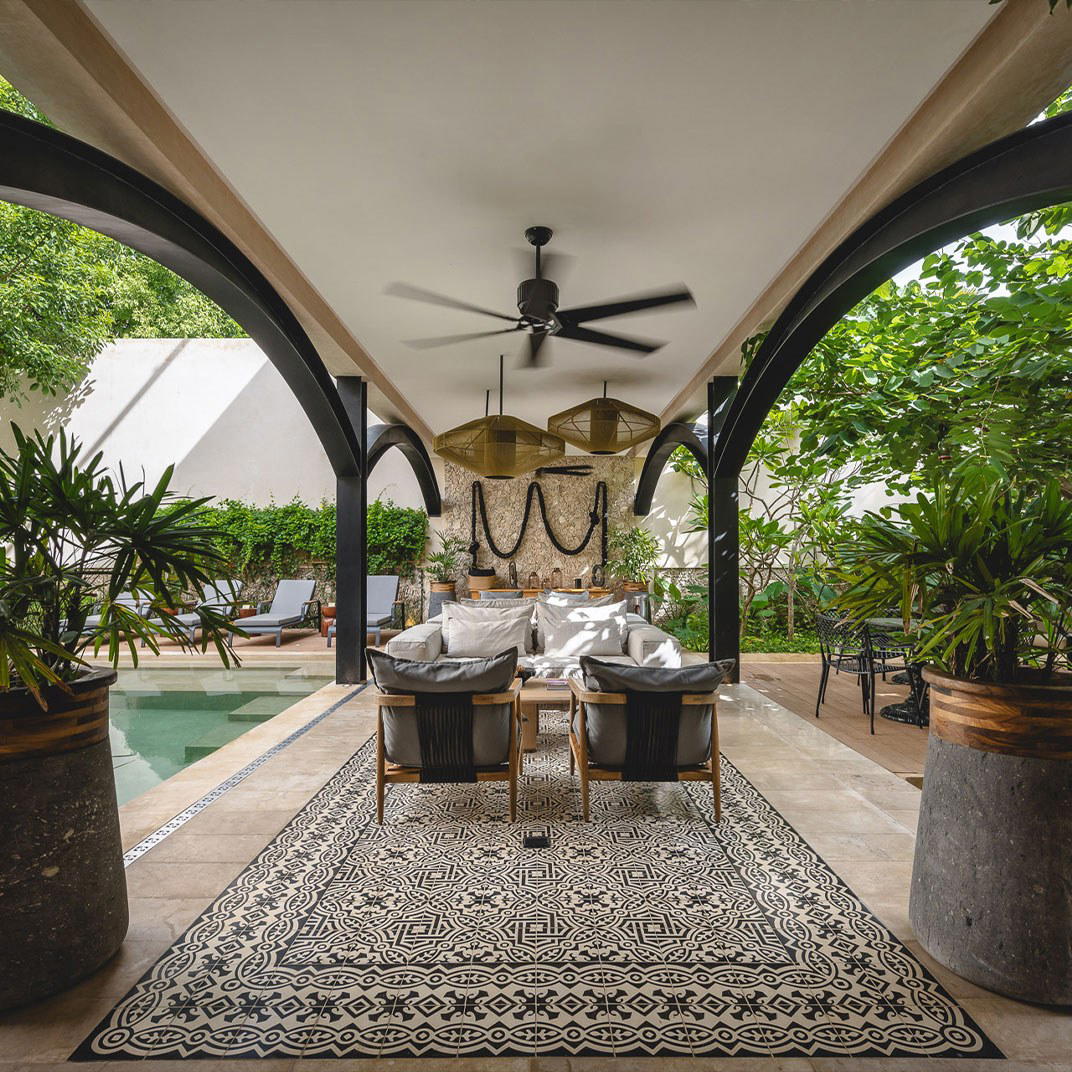
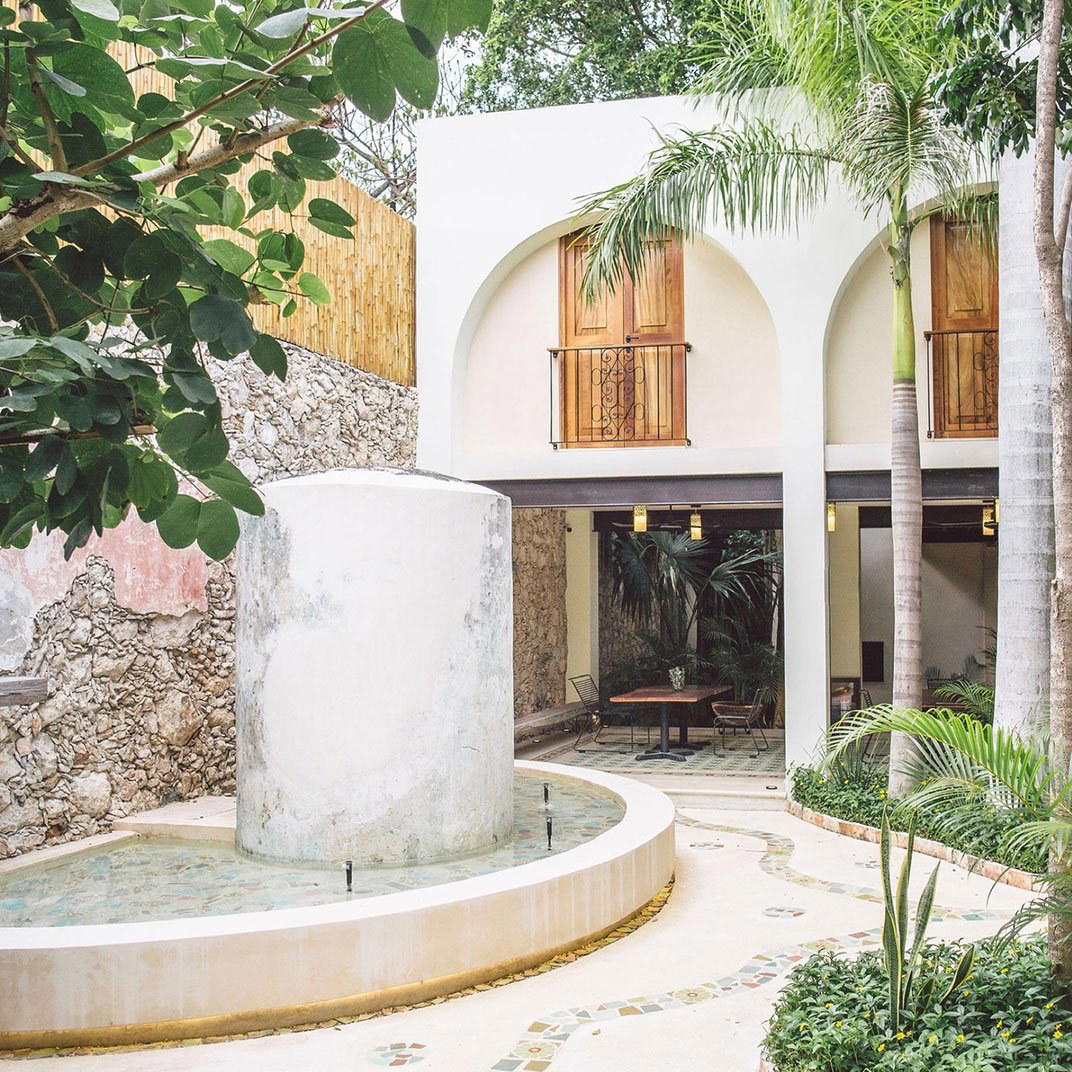
The 18th-century building retains its original floor plan: a central courtyard surrounded by high-walled rooms that once served as storage and living quarters. The dining area occupies the courtyard and two adjacent rooms, with wooden tables and metal chairs arranged under a mix of covered and open-air zones. Stonework shows age, mortar gaps, uneven surfaces, water stains, but structural integrity remains sound. The kitchen operates in a rear wing, visible through an open doorway where smoke rises from the pit. Walls are painted in faded yellows and blues, and potted plants line the perimeter. Noise carries easily; conversations from neighboring tables blend with street sounds and the clatter of plates. The atmosphere reads informal and communal, with families sharing large platters and children moving freely between tables. Lighting comes from natural daylight and a few overhead bulbs; evening service is rare and depends on demand. The courtyard can seat roughly 40 people, though exact capacity fluctuates based on table configuration. For those exploring broader Yucatecan dining, our full Tixkokob restaurants guide provides additional context on the town's limited but ingredient-focused options.
Planning and Arrival
Tixkokob has no formal lodging infrastructure beyond one or two budget guesthouses, so most visitors arrive as day-trippers from Mérida or en route between the capital and coastal towns. The drive from Mérida takes 40 to 50 minutes via Highway 176, with the final stretch passing through low-density residential blocks and small-scale craft workshops. Street parking near the restaurant is unmetered and typically available. Public colectivos (shared vans) run from Mérida's Noreste terminal to Tixkokob's plaza, departing every 30 to 60 minutes during daylight hours; the fare is under 30 pesos. From the plaza, Pueblo Pibil sits a five-minute walk west. The kitchen begins serving around midday, once the pit-roasted proteins are ready, and continues until the day's preparation is exhausted, usually mid-afternoon. Arrival before 1:00 PM increases the likelihood of a full selection. The restaurant does not accept advance bookings or operate a telephone line; seating is first-come, first-served. Check averages are not publicly listed, though the format and town context suggest pricing well below Mérida's heritage-dining tier. Payment is cash-only. For visitors combining Tixkokob with other Yucatecan stops, our full Tixkokob bars guide and our full Tixkokob experiences guide offer additional planning detail.
Pueblo Pibil operates as a venue rather than a destination, but its commitment to underground cooking and daily-market sourcing provides a look at ingredient-led Yucatecan tradition outside the tourist corridor. The mansion setting and informal service align with the town's quieter identity, and the pit-roasting format delivers texture and flavor that benefit from morning arrival and modest expectations around polish. For travelers prioritizing technique and regional sourcing over refined dining-room service, the format holds. Those seeking comparable heritage cooking in more structured environments should consider Kuuk or Nectar, both of which operate tasting-menu formats with advance reservations. Additional Yucatecan and Mexican dining options appear in our guides to 4 Fuegos, Acre, and Adamá.
Frequently asked questions
Is Pueblo Pibil okay with children?
The open courtyard layout and communal pit-cooking format work well for families. The venue occupies an 18th-century mansion in Tixkokob with high-walled rooms surrounding the central yard, offering space for movement and informal seating.
How would you describe the vibe at Pueblo Pibil?
Rustic and workshop-driven. The cooking happens in a stone-lined pit in the courtyard, and the original mansion bones, bare walls, colonial proportions, frame the experience. Expect communal tables, ambient wood smoke, and little ceremony.
What awards or recognition does Pueblo Pibil have?
Pueblo Pibil has received recognition including: Nestled in Tixkokob in a converted 18th-century mansion, Pueblo Pibil is a....
What's the address for Pueblo Pibil?
Pueblo Pibil is located at C. 21 & 28, N ° 180, Centro, Tixkokob, Yucatan, 97470, MEX, Tixkokob.
How far ahead should I plan for Pueblo Pibil?
Because Tixkokob has minimal lodging infrastructure and Pueblo Pibil operates without a public phone or website, coordinate arrival windows through your Mérida hotel concierge or a local guide at least a week ahead. Most visitors arrive as day-trippers or en route between destinations.
What is Pueblo Pibil known for?
Mayan pit cooking: proteins wrapped in banana leaf, lowered into a stone-lined underground oven heated with hardwood coals, then slow-roasted for hours. The technique, pibil, predates Spanish contact and defines the menu at this converted mansion in Tixkokob.
Can Pueblo Pibil accommodate dietary restrictions?
The format centers on slow-roasted meat cooked underground, so vegetarian and vegan options depend on advance notice and the day's prep cycle. Without a listed phone number or website, relay requests through the intermediary who arranges your visit.
Comparable venues by cuisine and price in the same metro.
| Venue | Cuisine | Price | Awards |
|---|---|---|---|
| Pueblo PibilThis venue (the venue you are viewing) | Traditional Yucatecan | $20–30 | Michelin Bib Gourmand |
| Nectar | Modern Yucatecan Fine Dining | Not listed | Michelin Plate |
| Kuuk | Modern Yucatecan Fine Dining | $50–100 | Star Wine List · Wine Spectator Best of Award of Excellence |
| Micaela Mar & Leña | Modern Mexican Seafood & Grill | Not listed | Michelin Plate · Star Wine List |
Recognition history
Dated appearances from independent guides and award organizations, with the underlying list record or original source where available.
Michelin Bib Gourmand
Michelin
Continue exploring
More in Tixkokob
Restaurants in Tixkokob
All restaurants in Tixkokob →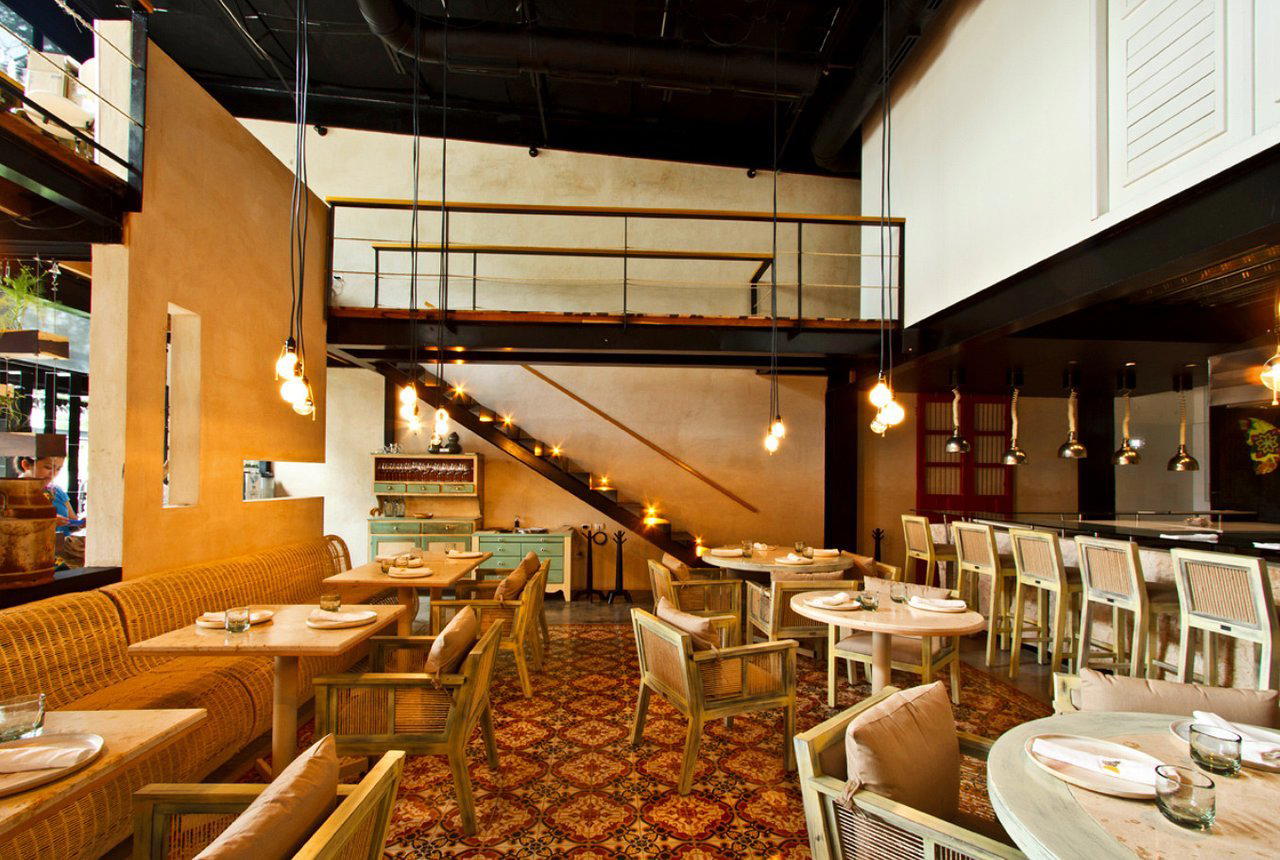
Bars in Tixkokob
Browse all →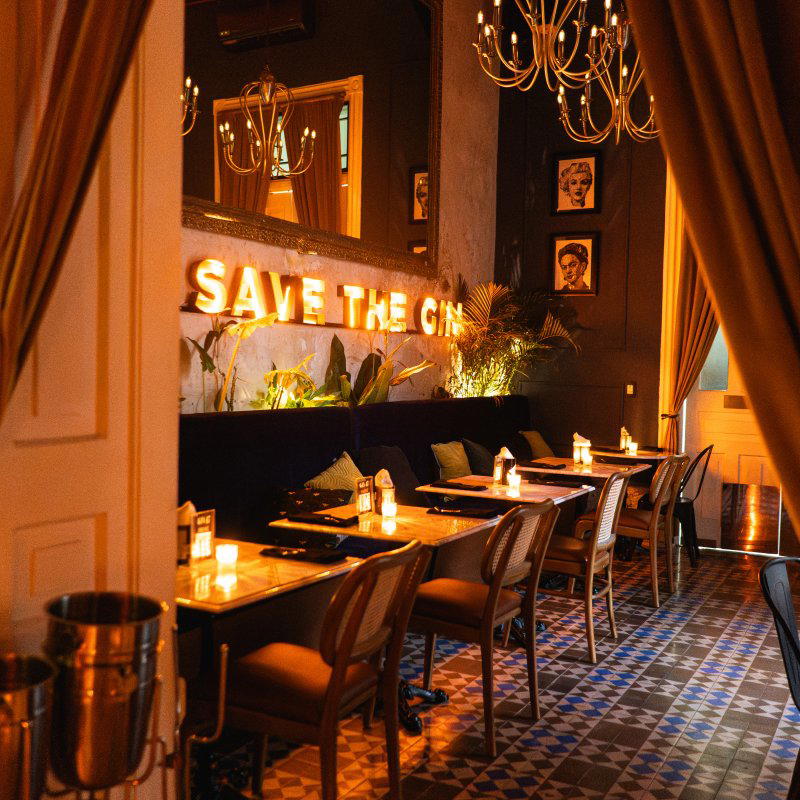
Details
- Cozy
- Rustic
- Classic
- Family
- Celebration
- Group Dining
- Casual Hangout
- Historic Building
- Standalone
- Beer Program
- Local Sourcing
- A La Carte
- Beer
An elegant but cozy setting in a converted historic mansion, with a traditional, authentic atmosphere centered on pit-cooked Yucatecan food.