
Michelin Plate
Our verdict
Nol belongs to Mérida’s contemporary Yucatecan conversation rather than the city’s postcard version of regional cooking. Its Santa Lucía Park setting places it in the colonial center’s dining circuit, where local ingredients, heritage recipes, and polished rooms now compete for attention with long-running cantinas and market-led kitchens.

Pearl is the En Primeur Club membership app, where members save venues, book tables and use the concierge.
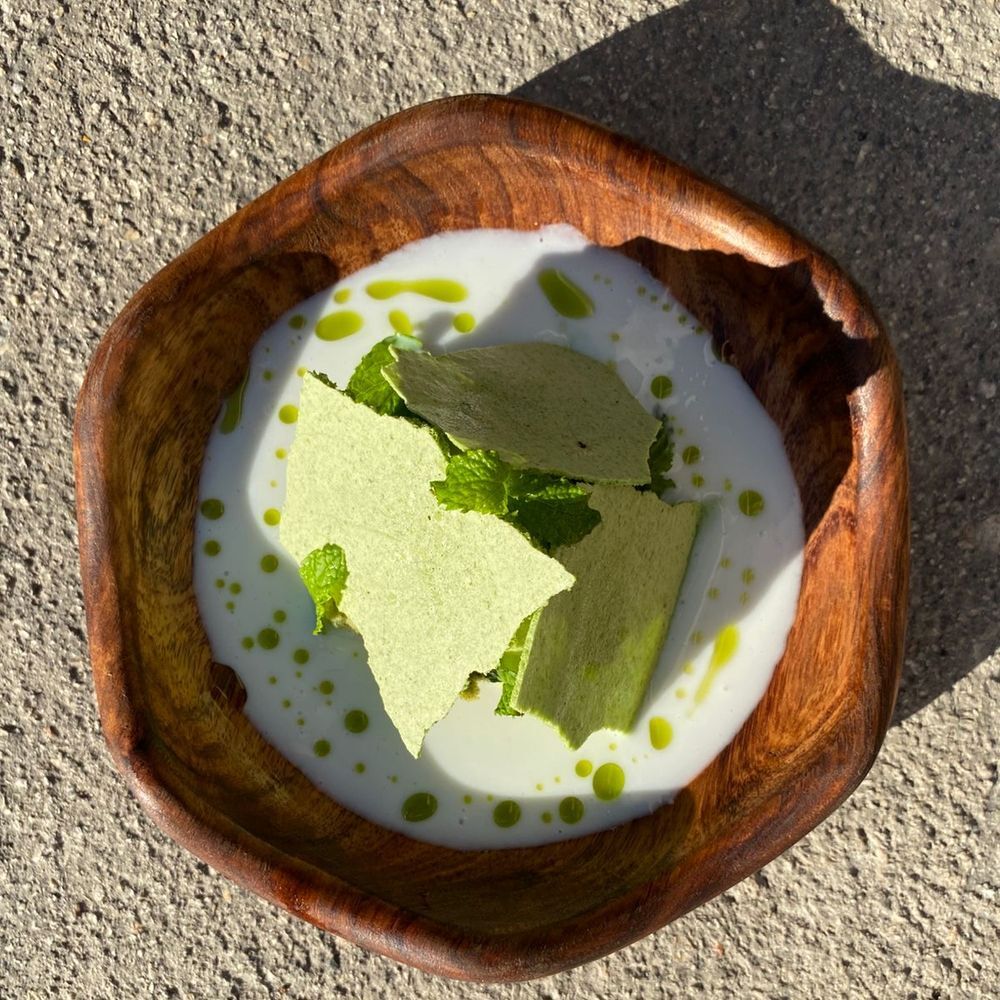
Mérida gives Nol one of Mexico’s clearest dining stages: evening foot traffic, hotel guests, and the steady movement of visitors crossing through the city. Nol sits in that broader circuit, which matters because Mérida’s serious restaurants increasingly work in public view. The city is no longer defined only by familiar meals served as fixed heritage markers. The sharper question now is how contemporary dining rooms handle local context without flattening it into tourist shorthand.
That question is ingredient-led before it is stylistic. In Mérida, the difference between a generic visitor-facing menu and a more serious one often comes down to sourcing discipline: which preparations are treated as living techniques, which products are allowed to remain local rather than decorative, and how much pressure a room puts on tradition to look contemporary. Nol is best approached through that lens rather than through unsupported labels or spectacle.
Mérida places Nol inside the city's modern dining conversation
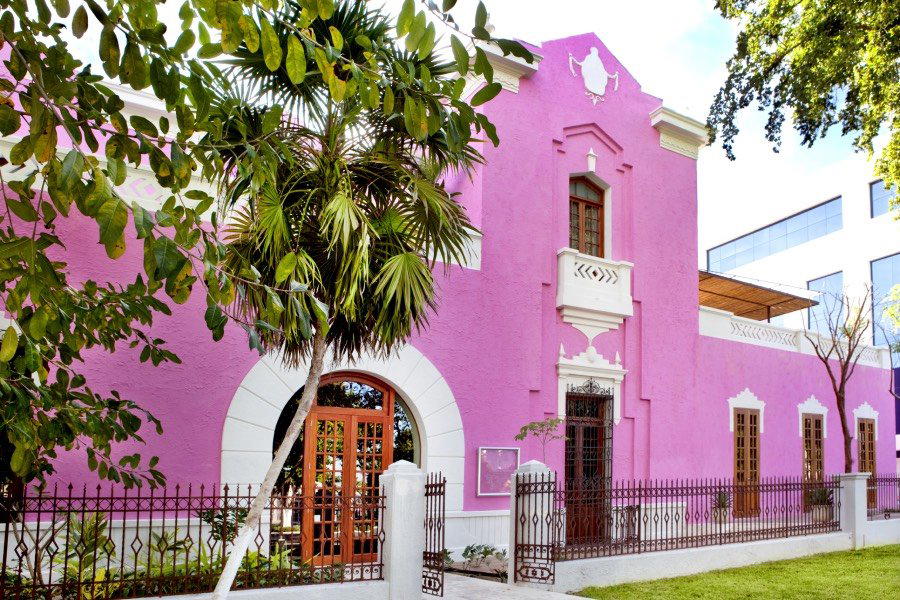
The Mérida setting puts Nol in a visible part of the city rather than in a destination-only dining room. That gives the restaurant a useful tension. It has to speak to travelers moving through the city, but it also operates in a place where local food culture is not an imported theme. Mérida diners can measure a kitchen against family versions, everyday counters, long-running restaurants, and newer contemporary formats within a compact restaurant scene.
That competitive set is unusually compressed. Apoala helped normalize a polished regional conversation in the city, while Huniik represents a more controlled, contemporary end of Mérida dining. La Chaya Maya and Manjar Blanco, by contrast, sit closer to the recognizable heritage-facing grammar: accessible, familiar, and built around the kinds of meals many visitors arrive already wanting. Nol belongs between those poles, useful for readers looking at Mérida as a food city rather than a checklist of dishes.
Ingredient sourcing is the correct lens here because the city’s food culture is unusually place-specific. Local products, established techniques, and the expectations of diners who know the region give restaurants a vocabulary that does not need imported luxury cues. A restaurant in this category earns attention when it treats local context as the structure of the meal, not as garnish. That is also where Mérida differs from resort Mexico. In the capital of Yucatán, regional identity is not just a branding exercise; it is the baseline from which restaurants have to argue their point.
The stronger read is local pantry first, polished room second
Nol’s appeal is not in chasing the formal codes of a larger-city fine-dining room. Mérida has those ambitions in pockets, but the city’s more convincing restaurants tend to work from proximity: local products, established preparations, and the social rhythm of a hot city that eats late and lingers when the weather allows. The Mérida setting reinforces that rhythm. A meal here belongs to the city’s evening pattern, with the surrounding restaurant culture acting as part of the room’s context rather than a decorative backdrop.
For comparison, other Mérida dining rooms point toward the region’s deeper domestic and traditional influences, where technique and memory can carry as much weight as dining-room polish. Newer restaurants in the city keep widening the field, from contemporary formats to more personal interpretations of place. Nol should be read inside that broader shift: Mérida is building a dining culture where the source of the ingredient matters as much as the plating decision.
That distinction helps separate the city from coastal resort dining elsewhere in Mexico. Resort restaurants often operate with setting and leisure as dominant cues. Mérida asks for a different reading. The surrounding peninsula matters, but the city’s deeper grammar comes from urban routines, local expectations, and the long negotiation between inherited and contemporary ways of eating. Nol’s place in Mérida makes that negotiation legible.
How to fit it into a Mérida itinerary
Nol makes the most sense as part of a Mérida dining plan, especially for travelers comparing established restaurants and contemporary rooms across the city. Use Our full Mérida restaurants guide to map it against nearby dining rooms, then build the rest of the stay around the city’s slower evening tempo. The same geography pairs naturally with Our full Mérida hotels guide for lodging in the city, Our full Mérida bars guide for after-dinner plans, and Our full Mérida experiences guide when the food itinerary needs context beyond restaurants.
The more ambitious way to plan Mérida is to compare it with the rest of Mexico rather than treating it as an isolated weekend. Other dining rooms across the country reflect different urban and regional pressures: coastal hospitality, capital-city dining, and polished suburban formats. Even more casual or experience-led formats sharpen the comparison by showing how format, migration, and audience change what a restaurant is expected to deliver.
For Mérida specifically, the verdict is practical: choose Nol when the evening calls for a contemporary read on the city rather than a purely traditional meal. The stronger argument is not spectacle, but placement. In a city where food identity is already dense, a restaurant in Mérida has to justify itself through sourcing choices, restraint, and a clear relationship to local products. That is the point to watch.
Wine-focused travelers should temper expectations around the city’s restaurant-first culture and use Our full Mérida wineries guide for any dedicated bottle-led planning.
Frequently asked questions
Would Nol be comfortable with kids?
Its Mérida location makes Nol workable for a family meal in the city. The room’s suitability for children depends more on the service style than on the location itself.
What kind of setting is Nol?
Nol is in Mérida, so the setting is urban rather than secluded. That puts it within the city’s active dining scene and makes it a practical choice for an evening meal.
Has Nol won any awards?
Nol is listed in the Michelin Guide with a MICHELIN Plate distinction.
Where is Nol located?
Mérida.
Do they take walk-ins at Nol?
A walk-in policy is not listed for Nol. In Mérida, it reads as a place where planned dining makes more sense than assuming a table will be free.
What do critics highlight about Nol?
The strongest editorial note is its place in Mérida’s dining conversation. Nol has also received Michelin Guide recognition with a MICHELIN Plate distinction.
Do they accommodate allergies at Nol?
Allergy handling is a kitchen-level question, so the safest approach is to raise dietary restrictions directly with the restaurant. Nol’s Mérida location makes it practical to plan that conversation before dining.
Comparable Spots, Quickly
Nearby venues at a similar price tier for orientation.
| Venue | Cuisine | Price | Awards | Notes |
|---|---|---|---|---|
| Nol | Modern French with Japanese Influences | $200–300 | 1 Michelin Star · The Best Chef One Knife | Not listed |
| La Chaya Maya | Traditional Yucatecan | $10–20 | Not listed | Mexican Cuisine |
| Apoala | Mexican Fusion with Oaxacan and Yucatecan Influences | $20–30 | Not listed | Not listed |
| Manjar Blanco | Authentic Yucatecan Mexican | $10–20 | Not listed | Mexican Fusion |
| Huniik | Modern Yucatán Cuisine | $150–200 | 1 Michelin Star · World's 50 Best #32 | Mexican Yucatecan |
| Micaela Mar & Leña | Modern Mexican Seafood & Grill | Not listed | Michelin Plate · Star Wine List | Mexican |
Recognition history
Dated appearances from independent guides and award organizations, with the underlying list record or original source where available.
Michelin Plate
Michelin

Continue exploring
More in Mérida
Restaurants in Mérida
All restaurants in Mérida →
Bars in Mérida
All bars in Mérida →
Details
- Cozy
- Elegant
- Romantic
- Intimate
- Date Night
- Special Occasion
- Business Dinner
- Group Dining
- Standalone
- Design Destination
- Craft Cocktails
- Street Scene
- A La Carte
- Tasting Menu
- Cocktails
- Wine
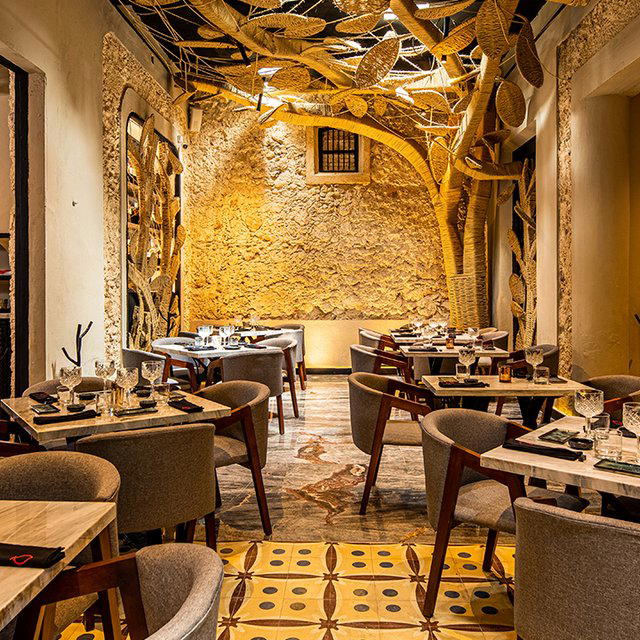
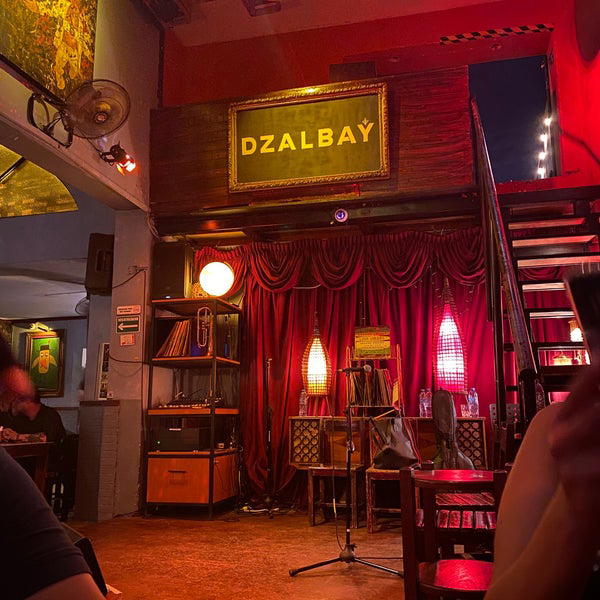
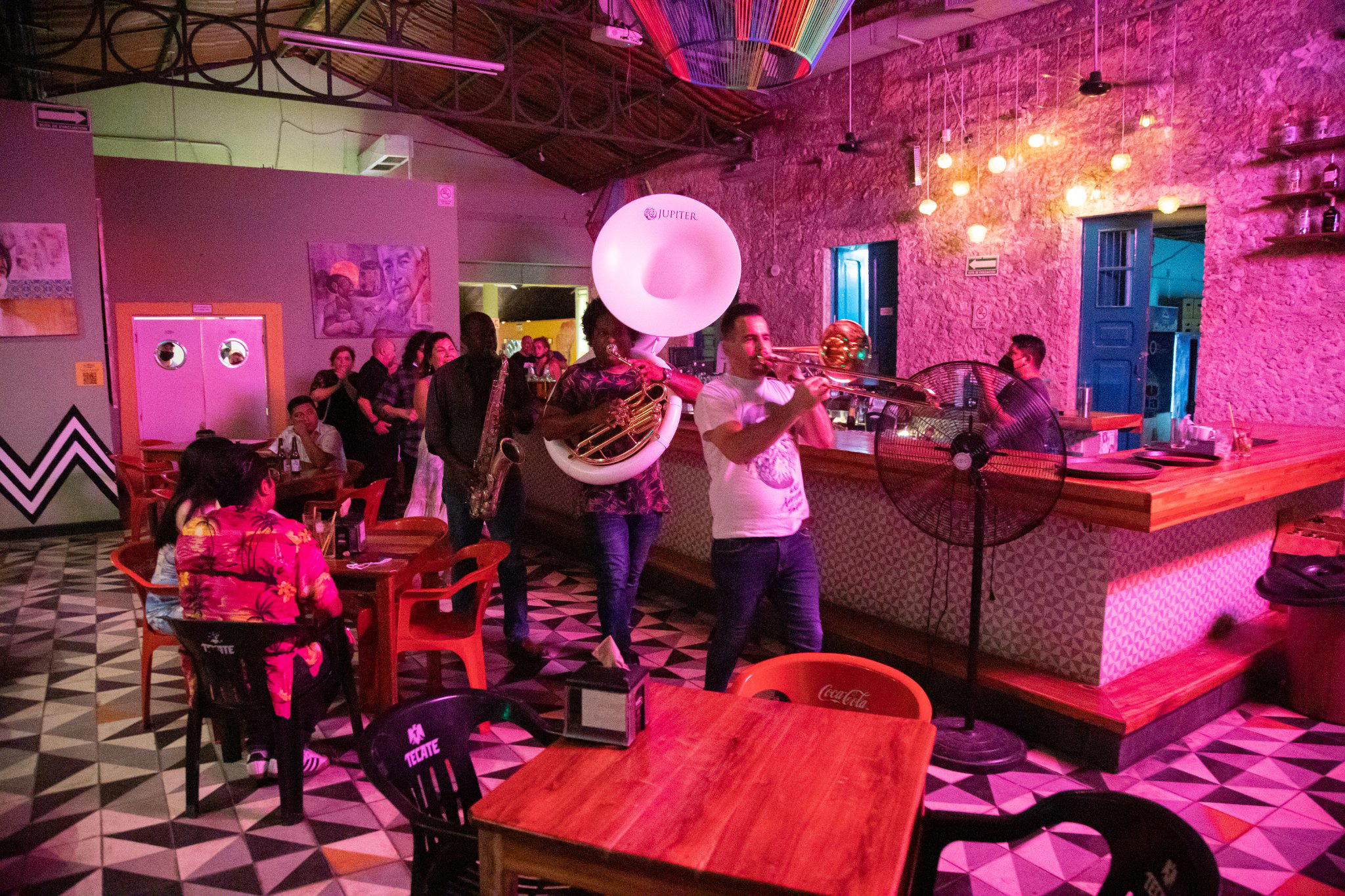
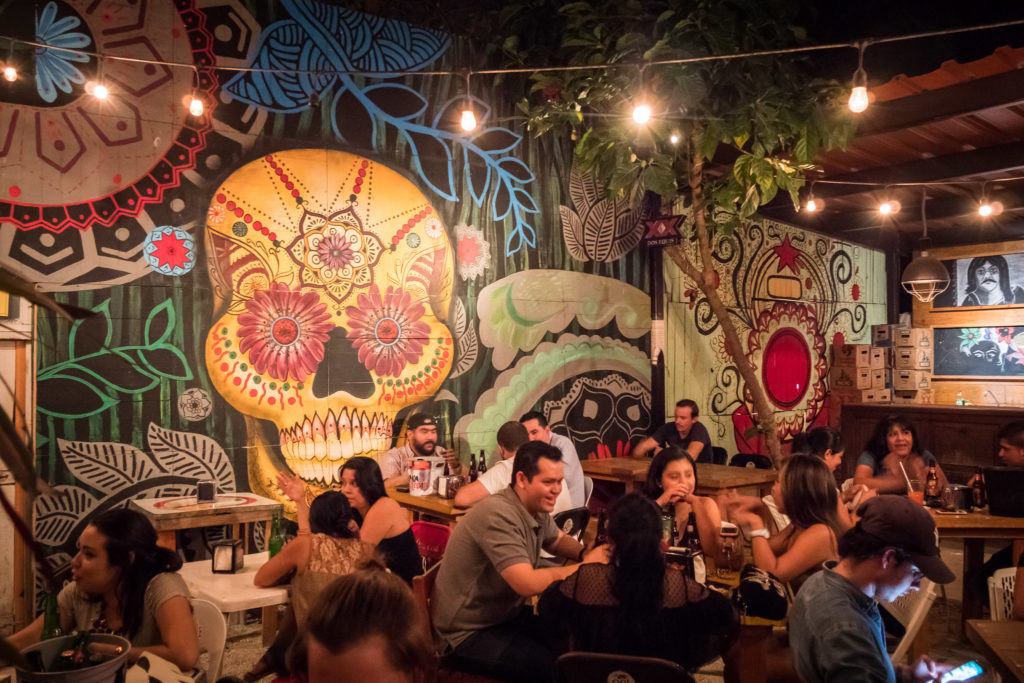
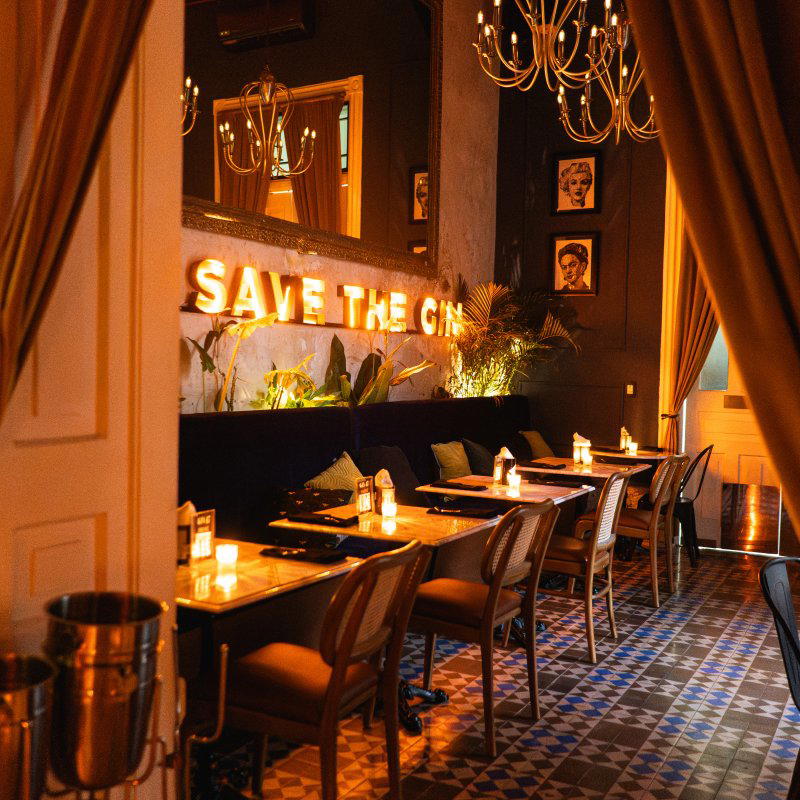
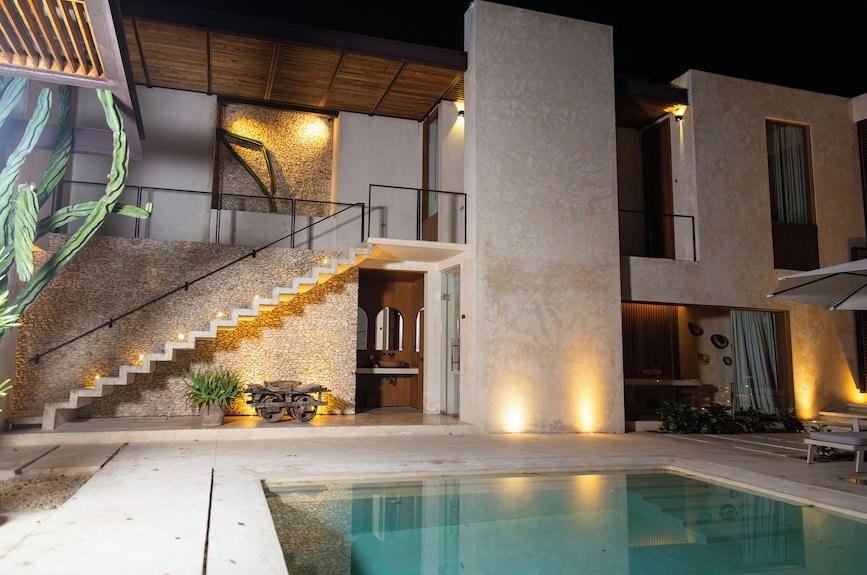
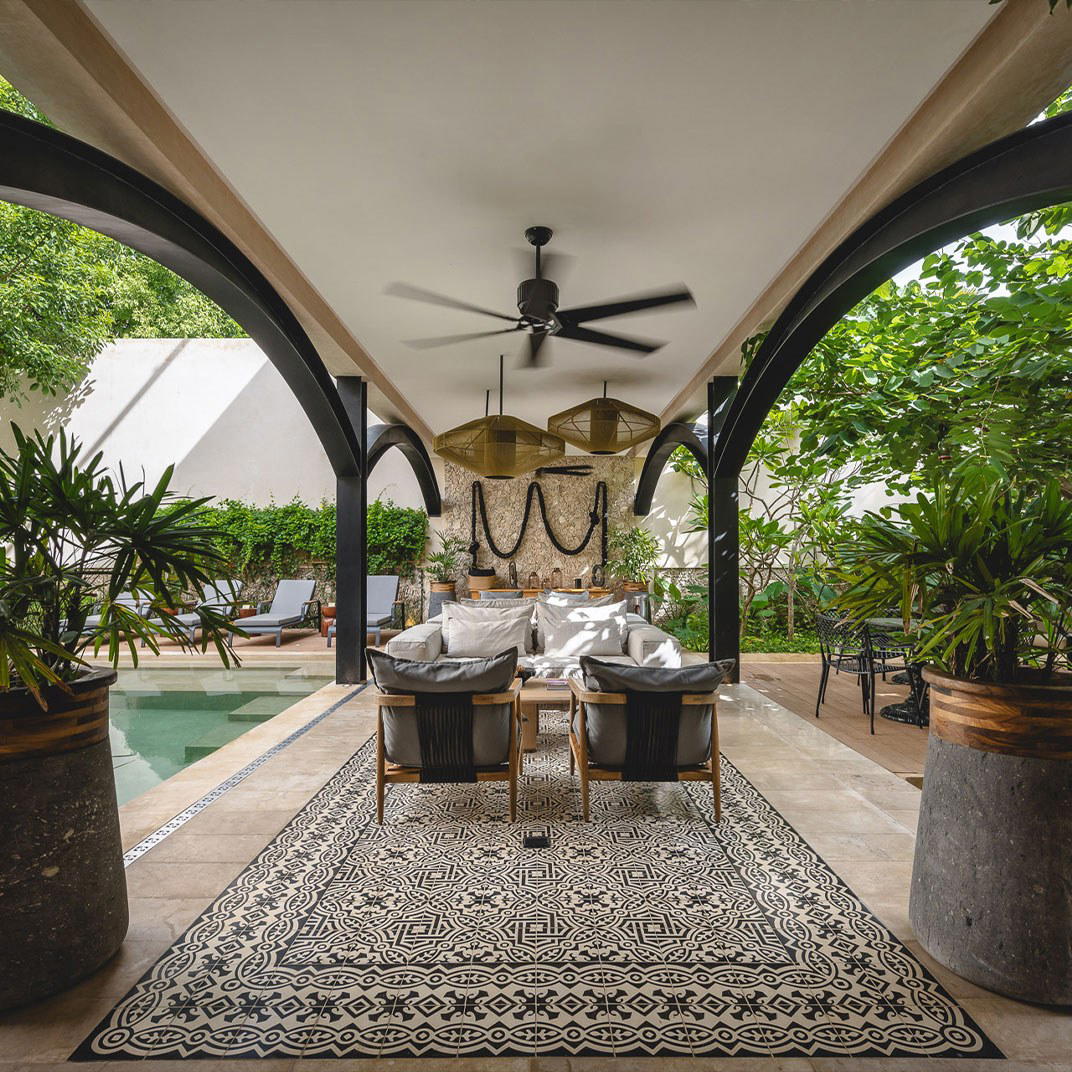
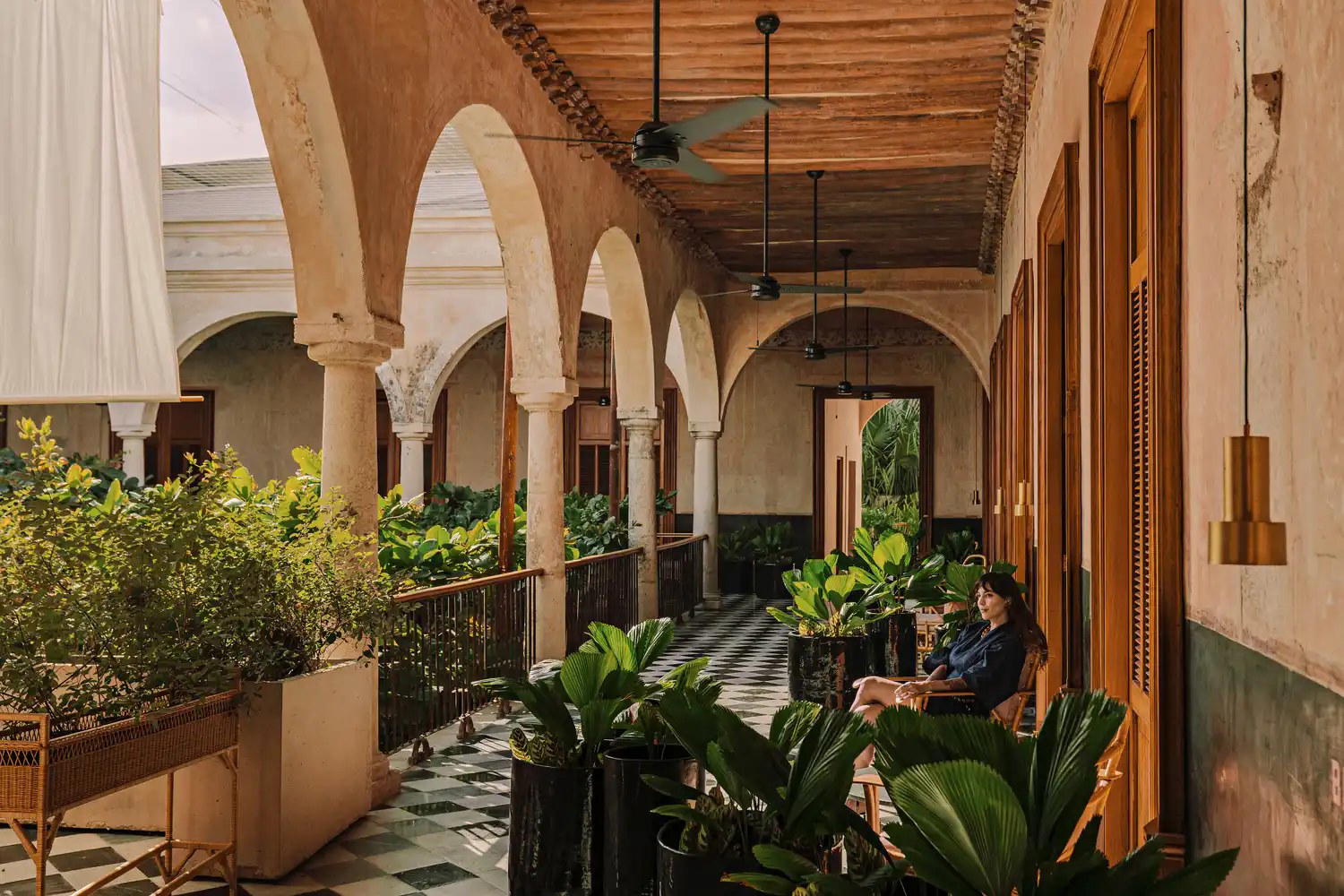
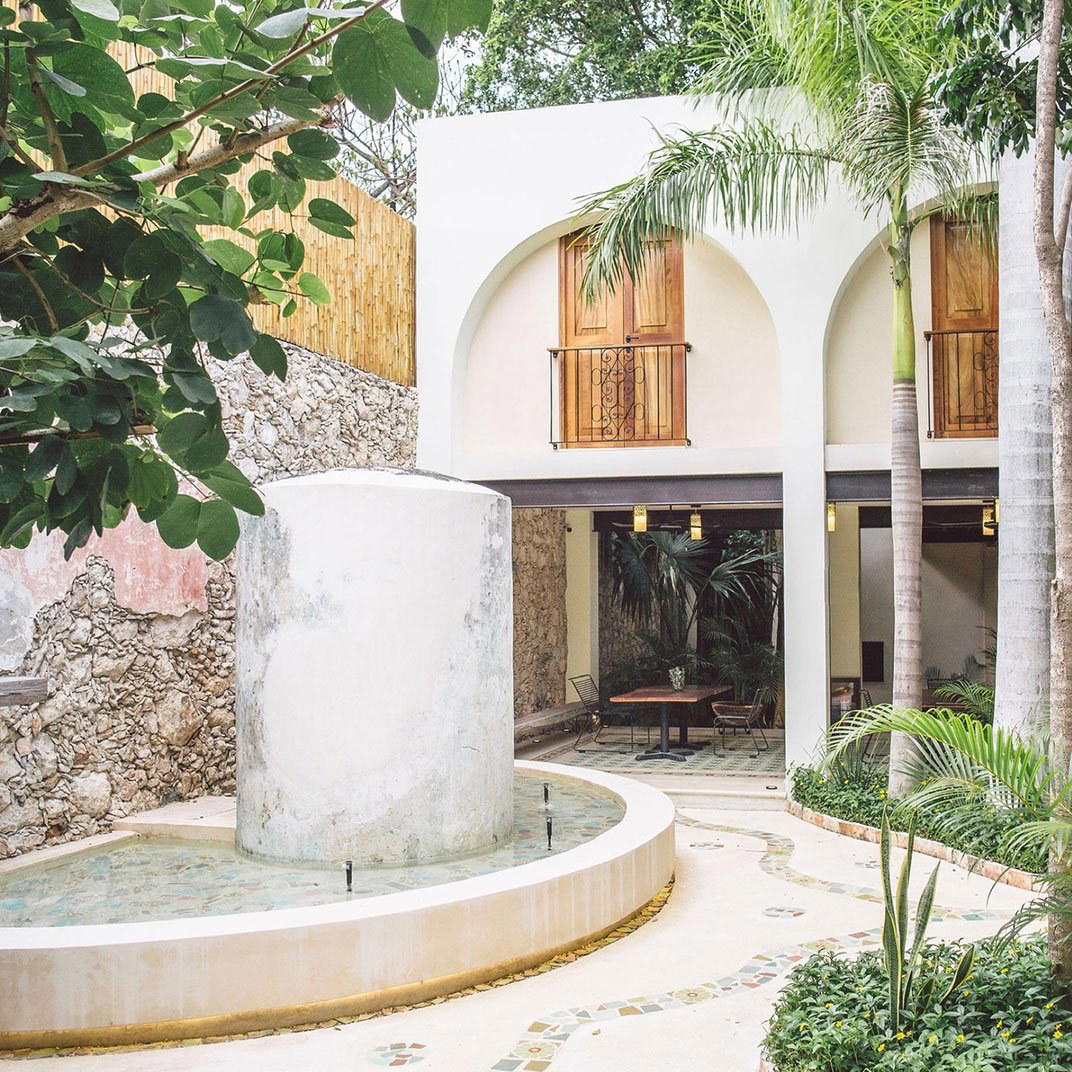
Warm wood wainscoting, tile floors, and soft lighting create an old-world, cozy atmosphere that feels intimate yet relaxed, more like a refined neighborhood dining room than a formal fine-dining room.