Our verdict
Chozo belongs to Corralejo’s ingredient-led dining conversation: Atlantic fish, island produce, and the practical appetite of a resort town that has learned to serve both beach traffic and serious eaters. With no public awards, chef credit, price band, or booking format attached, the useful read is contextual: judge it against Corralejo’s stronger local tables by sourcing clarity, pacing, and how closely the cooking stays tied to Fuerteventura.

Pearl is the En Primeur Club membership app, where members save venues, book tables and use the concierge.
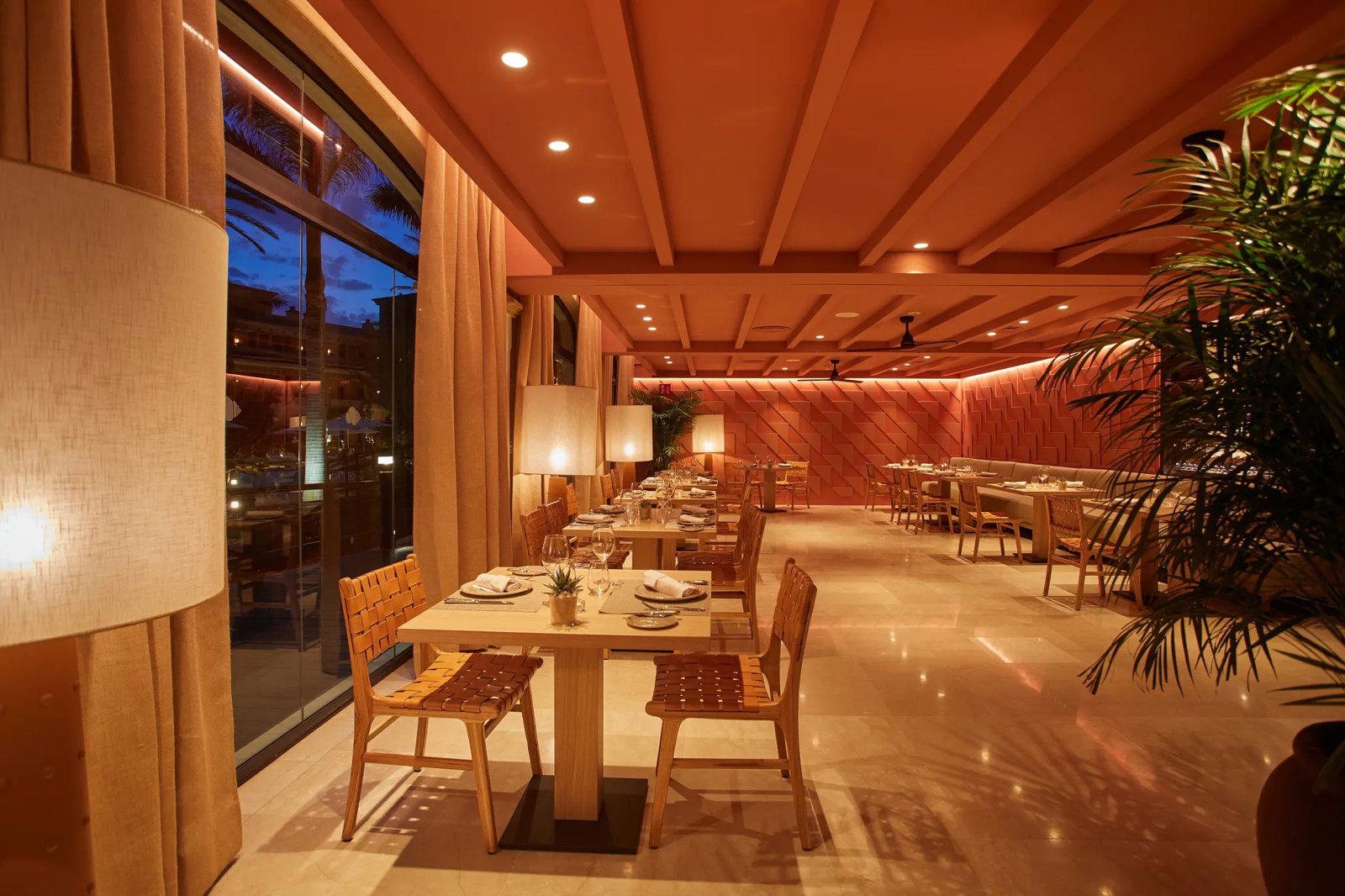
Approaching the north coast of Fuerteventura, Corralejo reads first as light and movement: sand carried by the trade winds, ferry traffic toward Lanzarote, surf schools moving through town, and restaurants working around a clientele that changes by the week. In that setting, Chozo sits inside a dining culture where ingredient sourcing matters more than decorative ambition. The island gives restaurants a clear brief: Atlantic fish, goat’s cheese, tomatoes, potatoes, aloe, grains, and produce shaped by dry soil and salt air. The stronger kitchens in Corralejo tend to respect that brief rather than bury it under generic resort cooking.
That is the useful frame for reading Chozo. Corralejo has enough transient dining that a restaurant does not need ceremony to be serious; it needs discipline.
Corralejo dining is strongest when the island stays visible
Fuerteventura’s food identity is not built on abundance in the mainland sense. It is built on adaptation. The island’s arid climate makes every local ingredient feel more intentional, from goat dairy to tomatoes and small-production pantry goods. Fish and seafood carry the Atlantic side of the equation, while Canarian staples give structure to menus that might otherwise drift into interchangeable coastal fare. Restaurants that understand this do not have to announce locality in capital letters. It shows up in restraint, in fewer imported flourishes, and in dishes that make sense after a day of wind, salt, and sun.
Chozo’s position in Corralejo is therefore less about trophy signals than about whether it participates in that island logic. Nearby dining options pull the town in different directions: Himitsu gives Corralejo a more cosmopolitan reference point, Market Café speaks to the town’s daytime and casual rhythm, Nebbiolo Ristorante brings another European register, and Ólio adds another local comparison for diners mapping the town beyond beachfront convenience. Chozo belongs in that practical comparison: not as a monument, but as part of the argument over what Corralejo dining should feel like when it takes the island seriously.
For a wider read on the town, Our full Corralejo restaurants guide gives the restaurant context alongside the area’s broader food circuit. Corralejo is also a place where the meal rarely exists in isolation: hotels, bars, wineries, and activities shape how people eat. Planning around Our full Corralejo hotels guide, Our full Corralejo bars guide, Our full Corralejo wineries guide, and Our full Corralejo experiences guide gives a clearer sense of whether dinner should be casual, celebratory, or simply well-timed after a beach day.
The better test is sourcing, not ceremony
In resort towns, the warning signs are familiar: menus stretched across too many cuisines, seafood that is served in any coastal postcode, and presentation doing the work that sourcing should do. Chozo’s editorial promise, insofar as it can be judged from its place in Corralejo, is tied to the opposite approach. The restaurant is most interesting when considered through ingredient discipline: local produce where possible, Atlantic logic where relevant, and Canarian references that feel cooked rather than performed.
This is also where Corralejo differs from larger restaurant circuits. A capital-city table operates within an ecosystem of specialists, while a major port-city address has a different relationship to scale and dining expectations. Smaller regional restaurants show how setting changes expectations before a menu is even opened. Corralejo’s version is leaner, windier, and more exposed to holiday traffic; consistency matters because the town gives restaurants fewer hiding places.
The international comparison is useful only to a point. Urban dining rooms elsewhere are often built around different appetites and product chains. Corralejo’s strength is narrower: food that belongs to an Atlantic island and does not pretend otherwise. Chozo should be approached with that expectation, not with the checklist used for tasting-menu capitals.
How to read Chozo before committing a meal
The practical decision is simple: diners looking for a named chef narrative, a published price structure, or a clearly signposted luxury format will not find those signals in the details supplied here. That does not disqualify the restaurant; it shifts the evaluation. In Corralejo, a meal earns its place by ingredient quality, pacing, and whether the cooking feels connected to Fuerteventura rather than to a generic holiday template. Families and relaxed groups may find that kind of restaurant easier to work into a trip than a formal destination table, while diners chasing ceremony should compare the town’s more polished options before choosing.
Chozo is best read as part of Corralejo’s local-food question: what does it mean to eat well on a dry Atlantic island shaped by tourism, fishing, and trade winds? The answer is rarely theatrical. It is usually found in menus that keep the island in view and avoid confusing variety with depth.
Frequently asked questions
Is Chozo okay with children?
Chozo is in Corralejo, where mixed-age dining is common. With no child policy listed in the venue details, families should treat it as a standard restaurant booking and check in advance if they need specific seating.
Is Chozo formal or casual?
Chozo reads as casual rather than formal, based on its Corralejo setting and the format details supplied here. The available information does not establish a dress-up dining room, so check the venue's official channels for the latest details.
Where is Chozo in Corralejo?
Corralejo.
Do I need a reservation for Chozo?
Those details are not published. In Corralejo, planning ahead is sensible during busy holiday periods. Check the venue's official channels for the latest details.
What do critics highlight about Chozo?
Editorially, Chozo is best read through fit rather than ceremony: it is a Corralejo restaurant whose supplied details do not establish a named chef narrative or luxury format. That makes it a place to judge on setting and execution, not only on trophy credentials. Check the venue's official channels for the latest details.
Quick Comparison
Comparable venues by cuisine and price in the same metro.
| Venue | Cuisine | Price | Awards | Notes |
|---|---|---|---|---|
| ChozoThis venue (the venue you are viewing) | Modern Canarian / Spanish | Not listed | Not listed | Not listed |
| Himitsu | Traditional Japanese Sushi Bar | $50–100 | Michelin Plate | Not listed |
| Nebbiolo Ristorante | Italian Trattoria | Not listed | Not listed | Not listed |
| Ólio | Modern Italian Seafood Fine Dining | $100–150 | 1 Michelin Star | Not listed |
| Kamezí | Modern Canarian Fine Dining | $100–150 | 1 Michelin Star · Guía Repsol 1 Sol | Creative |
Continue exploring
More in Corralejo
Restaurants in Corralejo
All restaurants in Corralejo →
Bars in Corralejo
All bars in Corralejo →
Hotels in Corralejo
All hotels in Corralejo →
Wineries in Corralejo
Browse all →
Details
- Scenic
- Elegant
- Quiet
- Cozy
- Date Night
- Group Dining
- Special Occasion
- Hotel Restaurant
- Standalone
- Extensive Wine List
- Local Sourcing
- A La Carte
- Wine
- Vegetarian Friendly
- Gluten Free Options
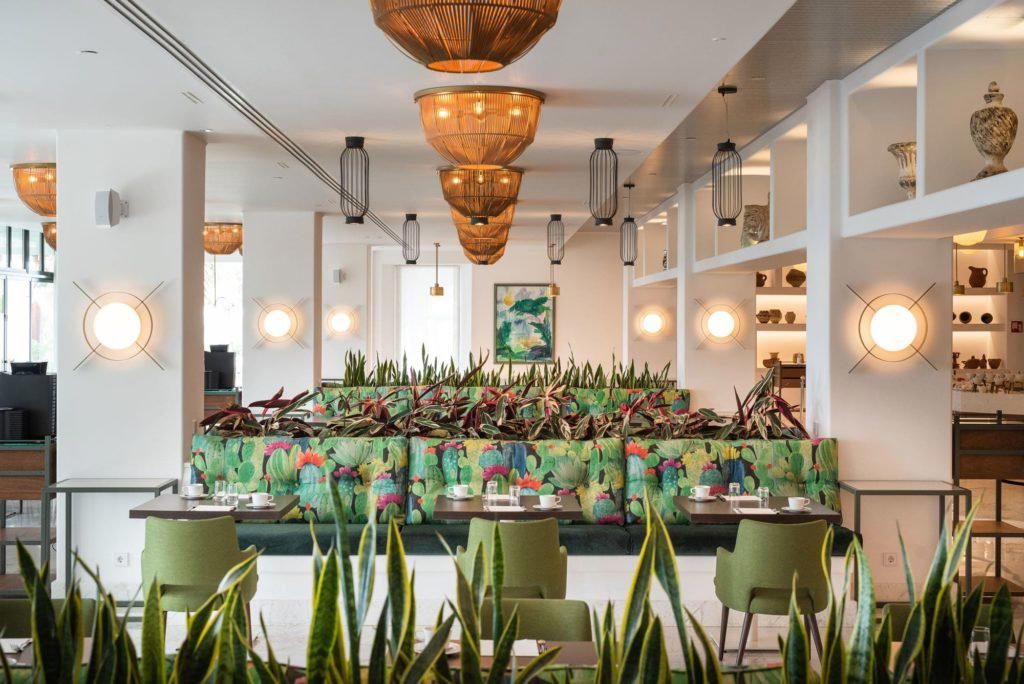
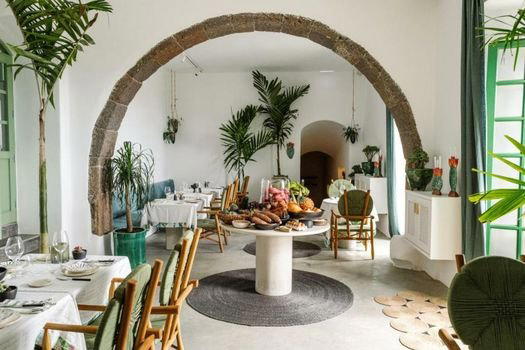
A blend of traditional and modern elements with a polished resort dining atmosphere.