Our verdict
Chinserie Restaurant belongs to Guangzhou’s modern central-city dining circuit, where Cantonese sourcing discipline matters as much as room design or service polish. With a Zhujiang East Road address in the city’s commercial core, it fits the higher-intent end of a market shaped by seafood, seasonal produce, and banquet traditions rather than imported luxury cues alone.

Pearl is the En Primeur Club membership app, where members save venues, book tables and use the concierge.
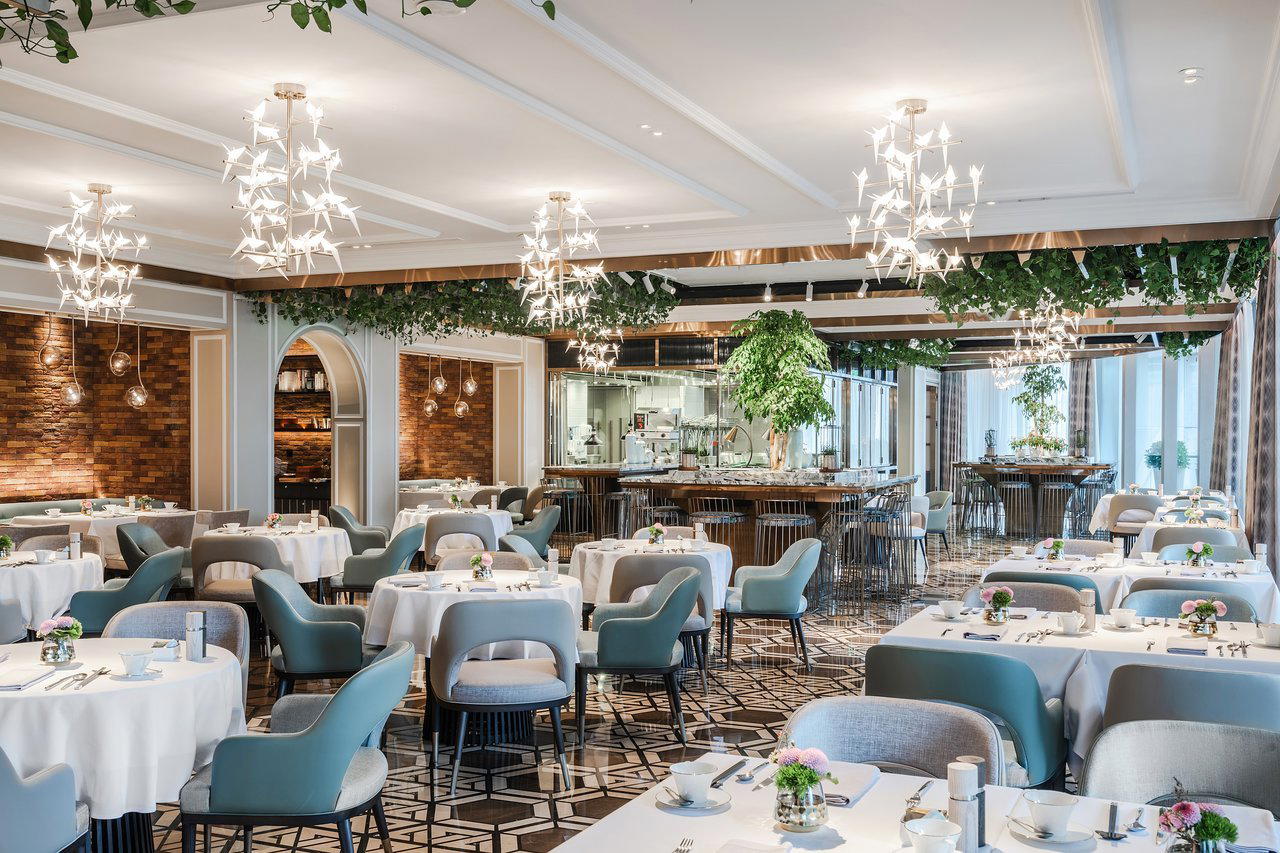
Approaching Guangzhou feels less like an old food quarter than a statement of contemporary capital: glass towers, hotel lobbies, office traffic, and dining rooms designed for clients who judge a meal by sourcing, pacing, and discretion. In that setting, Chinserie Restaurant reads as part of a newer city dining pattern. The drama is not the lane-side clay pot or the breakfast trolley; it is the controlled urban room where expectations around freshness, temperature, and ingredient hierarchy are translated for a polished Guangzhou audience.
That distinction matters in Guangzhou. The city’s serious dining culture has always been ingredient-led, but not in the Nordic-foraging sense or the chef-as-author mode common in Western tasting menus. Local cooking prizes seafood, clear broths, precise steaming, wok timing, and the ability to make expensive produce taste clean rather than overworked. A restaurant in this city is judged against that inheritance even when the room feels contemporary. The question is not whether the cooking looks modern; it is whether the kitchen understands why restraint carries status in Guangzhou food.
Guangzhou dining is moving from banquet scale to ingredient control
Guangzhou’s premium restaurant scene now splits into several lanes. Long-running local dining rooms carry the weight of local memory, while polished city restaurants speak to the banquet-and-business culture that defines much of the region. At the higher-spend end, comparison venues such as The Penthouse show how dining can become a room and status proposition as much as a menu proposition. Chinserie Restaurant sits in that Guangzhou conversation rather than in the street-food or casual supper category.
The ingredient-sourcing angle is the useful way to read it. Guangzhou diners are unusually fluent in the difference between freshness and luxury: a simply handled fish, a soup built on clarity, or a vegetable served at the right point in the season can carry more authority than decorative plating. That is why city restaurants cannot rely on design alone. They have to signal procurement discipline, kitchen timing, and respect for produce, especially in a city where diners can compare a formal dining room with family-run specialists, rooms such as Guo Fan Jia Yan, and lower-price local counters such as Wei Shi Jia.
For readers mapping the city, the useful comparison is not only one cooking style versus another. It is old Guangzhou versus new Guangzhou. Ersha No.1 and other mid-to-upper formats show how varied Guangzhou dining has developed its own rhythm, while many city restaurants tend to favor convenience, polished rooms, and menus built for mixed groups. The city shapes the meal: less nostalgia, more control; fewer rough edges, more expectation that service and sourcing align.
The Guangzhou context rewards restraint over theatre
Guangzhou’s dining reputation rests on a practical idea: ingredients should arrive in the kitchen in good condition and leave it without being buried. That principle is why the city remains a serious place for refined food even as newer rooms borrow international service grammar. In a market this ingredient-sensitive, heavy sauces, excessive garnish, or spectacle can feel less persuasive than a kitchen that knows when to stop.
Chinserie Restaurant should be understood through that lens. With no public chef-led narrative or awards profile attached here, the editorial weight falls on category and city: a Guangzhou restaurant operating in a city where diners bring high expectations for technique, seafood handling, and seasonal purchasing. That is a demanding competitive set. Other Guangzhou restaurants are not only competing for tourists; they are competing for local clients who know the difference between a premium room and a kitchen with genuine procurement judgment.
For broader planning, it helps to place this stop among different Guangzhou registers. Other Guangzhou dining rooms point to the city’s international and non-local options, while the strongest local addresses show why tradition remains the reference point. For a wider scan, use Our full Guangzhou restaurants guide, then layer in Our full Guangzhou hotels guide, Our full Guangzhou bars guide, Our full Guangzhou wineries guide, and Our full Guangzhou experiences guide for the full city circuit.
How to read it against China's regional dining map
China’s premium dining culture is intensely regional, and Guangzhou’s strength is not interchangeable with the rest of the country. Other cities reward heat, layering, hotel polish, coastal traditions, softer regional cadences, or more ceremonial dining registers. Guangzhou’s place in that map is shaped by produce, timing, and a preference for clarity rather than excess.
Seen against that map, Guangzhou’s city dining rooms are at their strongest when they do not imitate formality or spectacle from elsewhere. Their authority comes from produce, timing, and the local habit of making refinement look almost plain. That is the frame in which Chinserie Restaurant makes sense: not as a personality-driven destination, but as a Guangzhou address inside a city where ingredient intelligence remains the real test.
For travelers linking China with a wider Pacific dining itinerary, the comparison can extend beyond the mainland. Overseas venues show how Asian food formats shift when transplanted into more casual-specialist cultures. Guangzhou is different: the premium signal is less about format novelty and more about whether the kitchen respects the market, the season, and the local demand for clean execution.
Frequently asked questions
Is Chinserie Restaurant okay with children?
Chinserie Restaurant’s Guangzhou setting places it in a city dining context rather than a casual family strip. That usually suits children who can handle a quieter meal service, but families should plan ahead for seating and timing.
Is Chinserie Restaurant formal or casual?
The Guangzhou setting points to a more formal city dining room than a drop-in casual spot. Expect a setting that works better for a composed dinner than a spontaneous snack stop.
How do I find Chinserie Restaurant?
Chinserie Restaurant is located in Guangzhou.
Can I walk in to Chinserie Restaurant?
Walk-ins may be possible, but a Guangzhou restaurant is the kind of place where advance planning is the safer move. That is especially true for dinner service in the city’s busiest dining periods.
What has Chinserie Restaurant built its reputation on?
Its reputation is tied to Guangzhou itself, where diners value precision, ingredient quality, and restrained cooking over heavy presentation. The restaurant sits inside that local standard.
Is Chinserie Restaurant allergy-friendly?
There is no published chef or menu detail here to judge its allergy handling, so the practical step is to speak directly with the restaurant before booking. In Guangzhou dining, ingredient-focused kitchens can often adapt, but cross-contact needs to be checked case by case.
Quick Comparison
Comparable venues by cuisine and price in the same metro.
| Venue | Cuisine | Price | Awards | Notes |
|---|---|---|---|---|
| Chinserie Restaurant | Authentic Hunanese Cuisine | $50–100 | Michelin Plate | Not listed |
| Ting Hotpot | Authentic Hunanese Cuisine | $50–100 | Michelin Plate | Not listed |
| Wei Shi Jia | Cantonese Bib Gourmand | Not listed | Michelin Bib Gourmand | Cantonese |
| Ersha No.1 | Modern Cantonese with Lingnan flair | $50–100 | Michelin Plate | Cantonese |
| The Penthouse | Cantonese Fine Dining | Not listed | Michelin Plate · Black Pearl 1 Diamond | Cantonese |
| Guo Fan Jia Yan | Authentic Hunanese Cuisine | $50–100 | Michelin Plate | Hunanese |
Continue exploring
More in Guangzhou
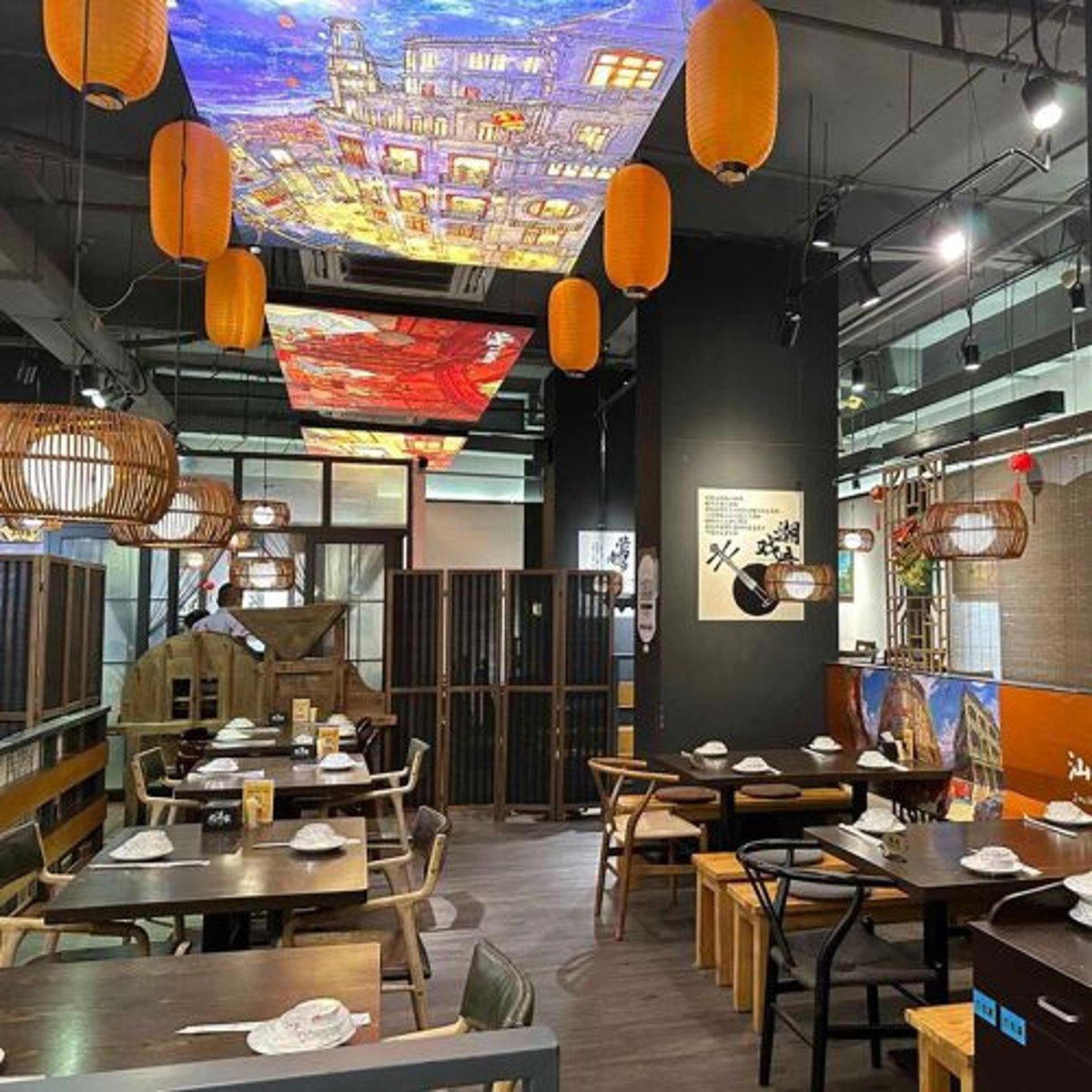
Restaurants in Guangzhou
All restaurants in Guangzhou →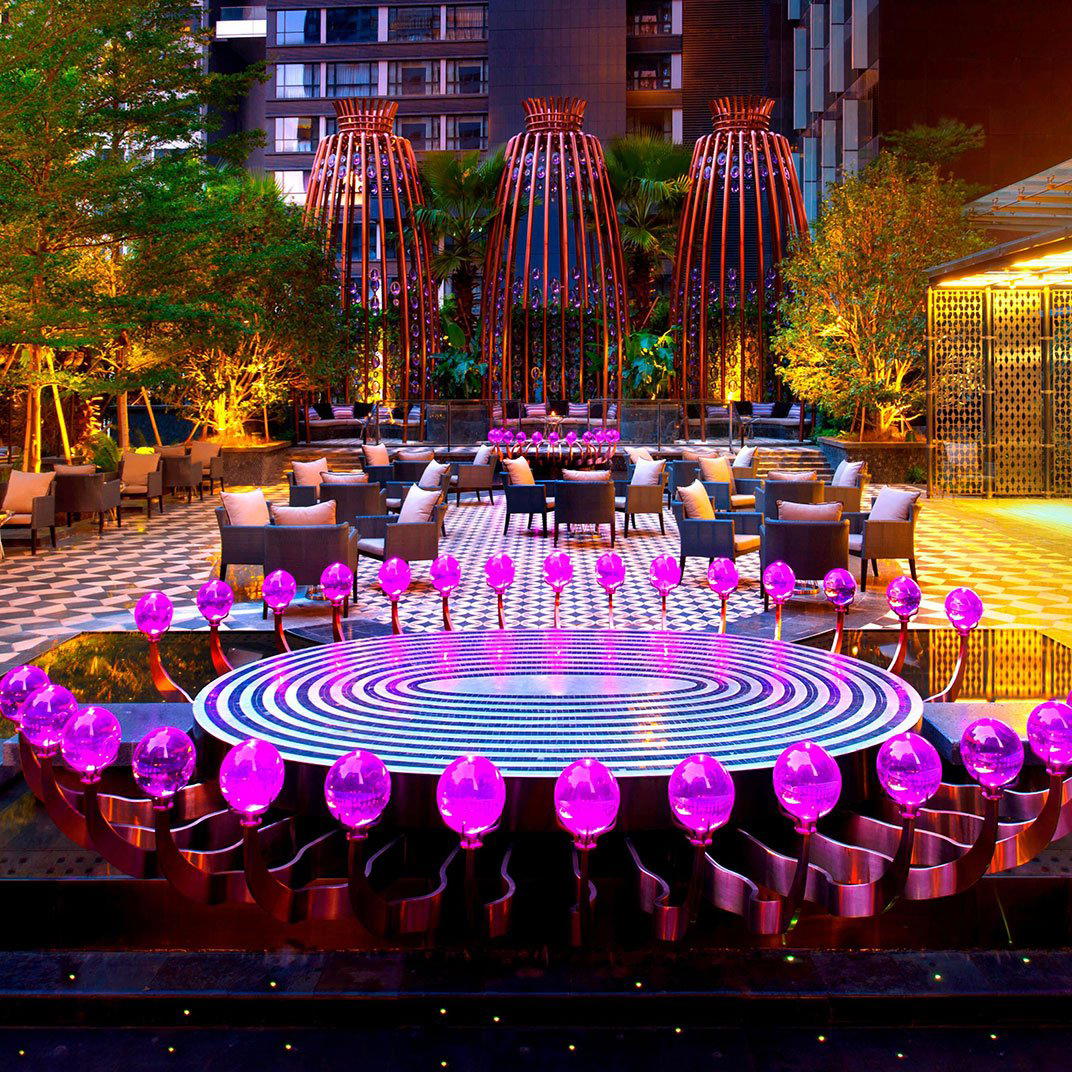
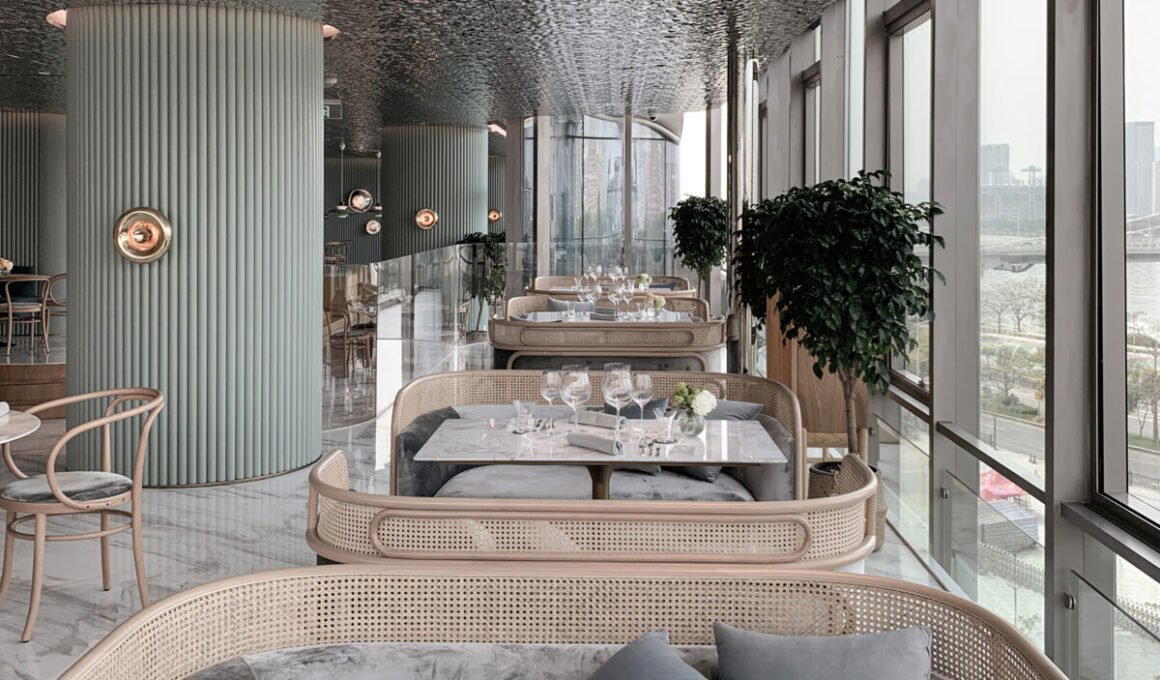
Bars in Guangzhou
All bars in Guangzhou →
Details
- Modern
- Elegant
- Sophisticated
- Scenic
- Business Dinner
- Group Dining
- Family
- After Work
- Celebration
- Special Occasion
- Hotel Restaurant
- Panoramic View
- Design Destination
- Private Dining
- Skyline
- A La Carte
- Buffet
- Wine
- Cocktails
- Juice Bar
- Vegetarian Friendly
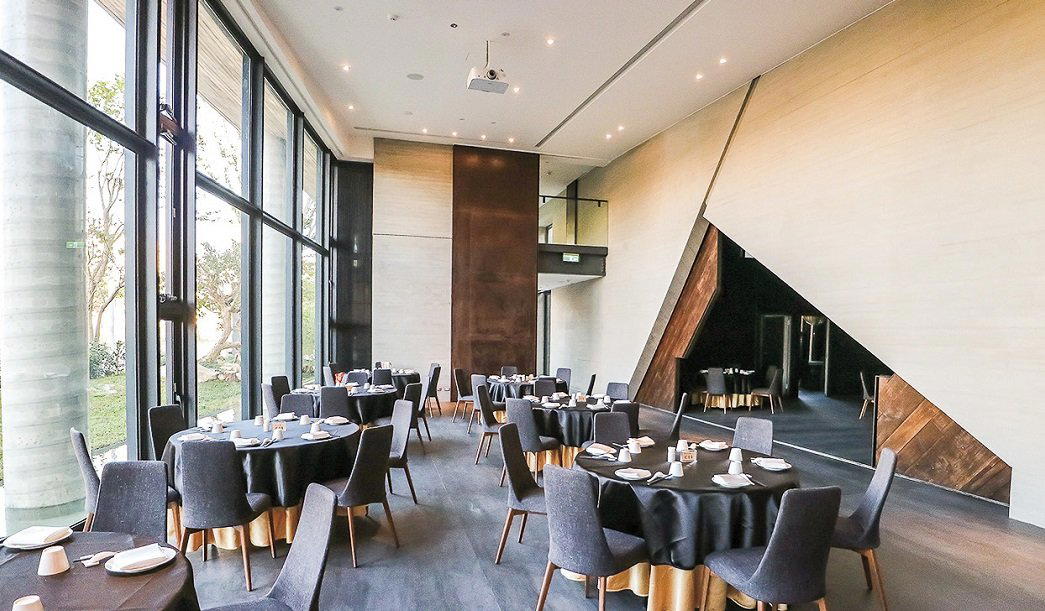
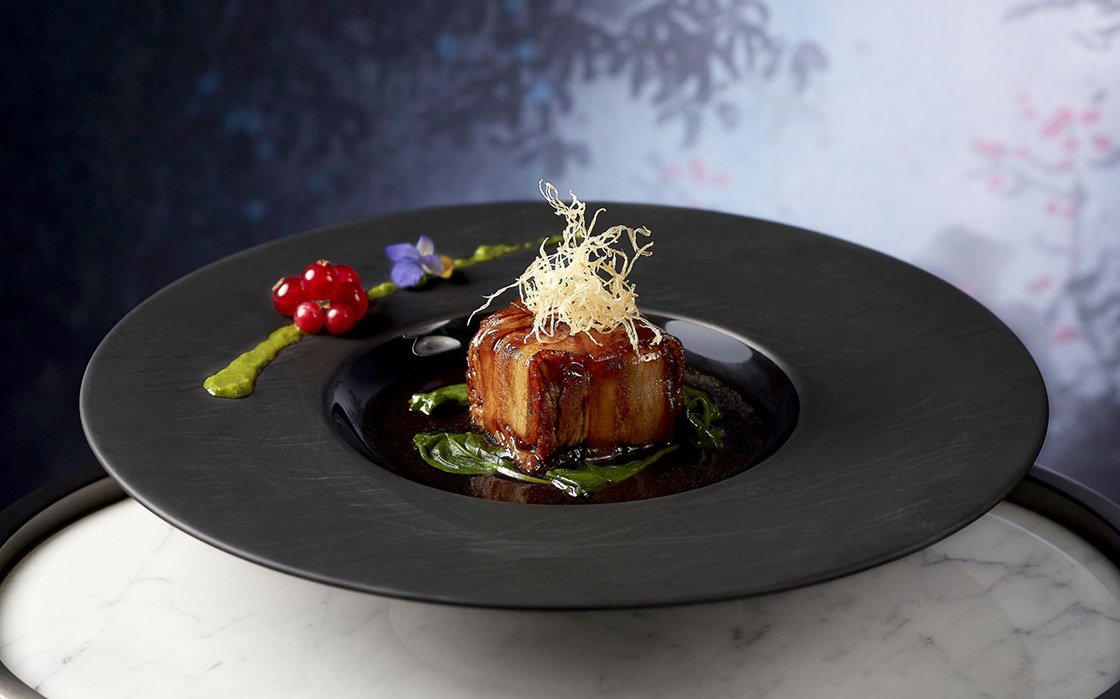
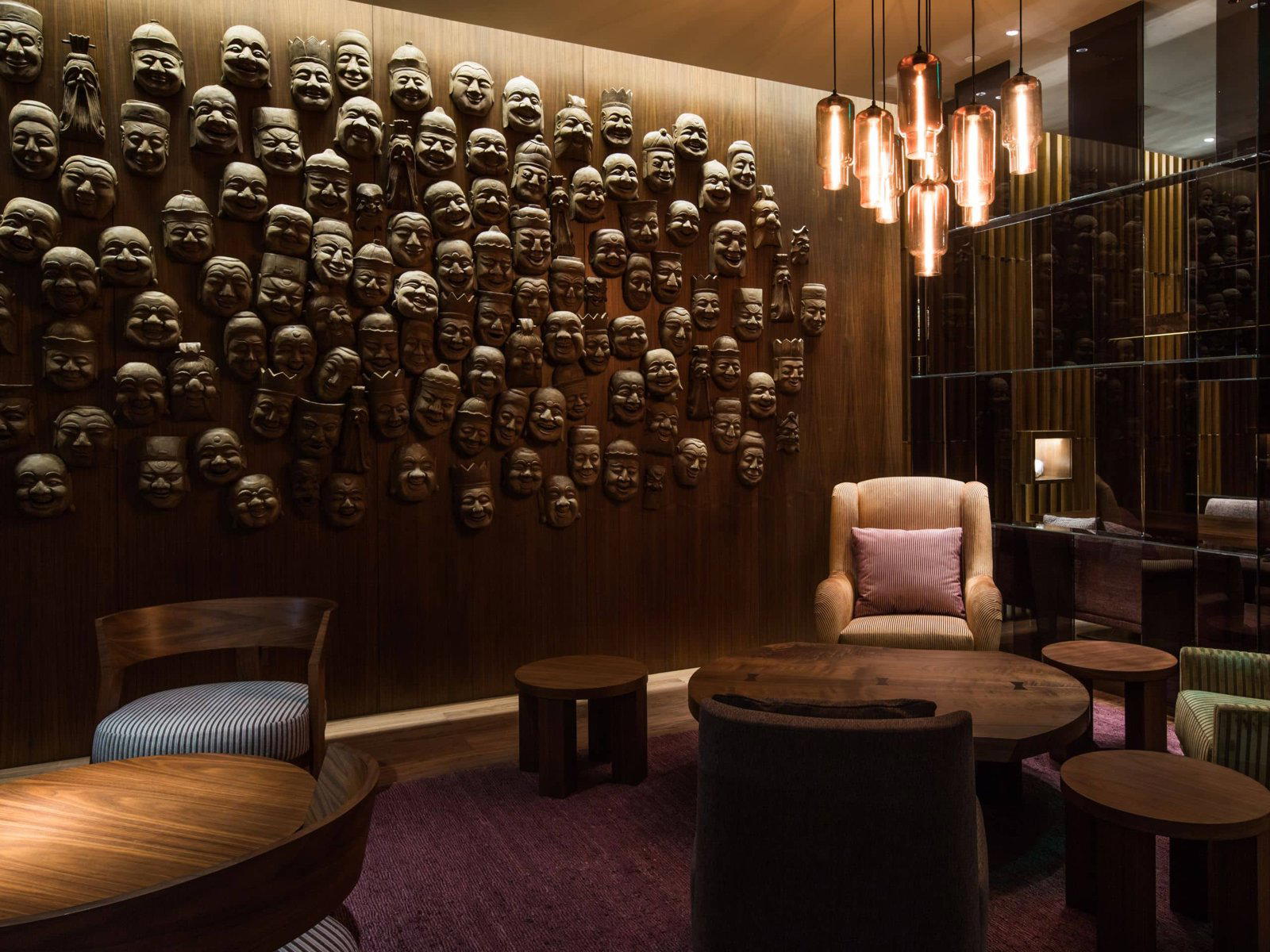
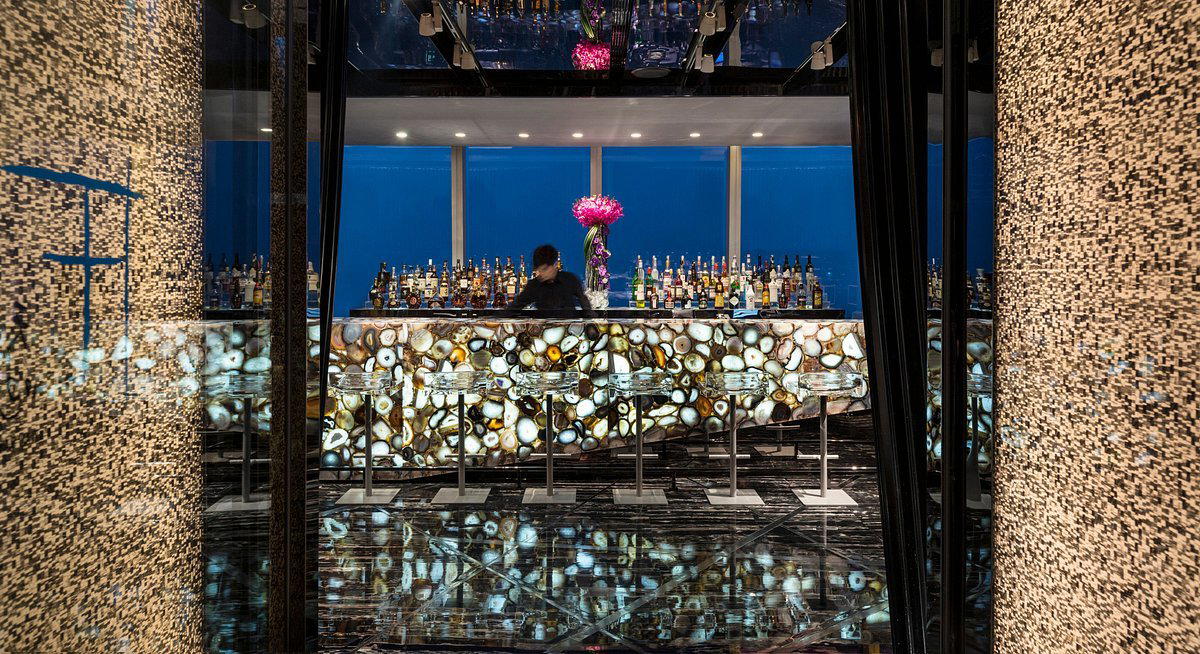
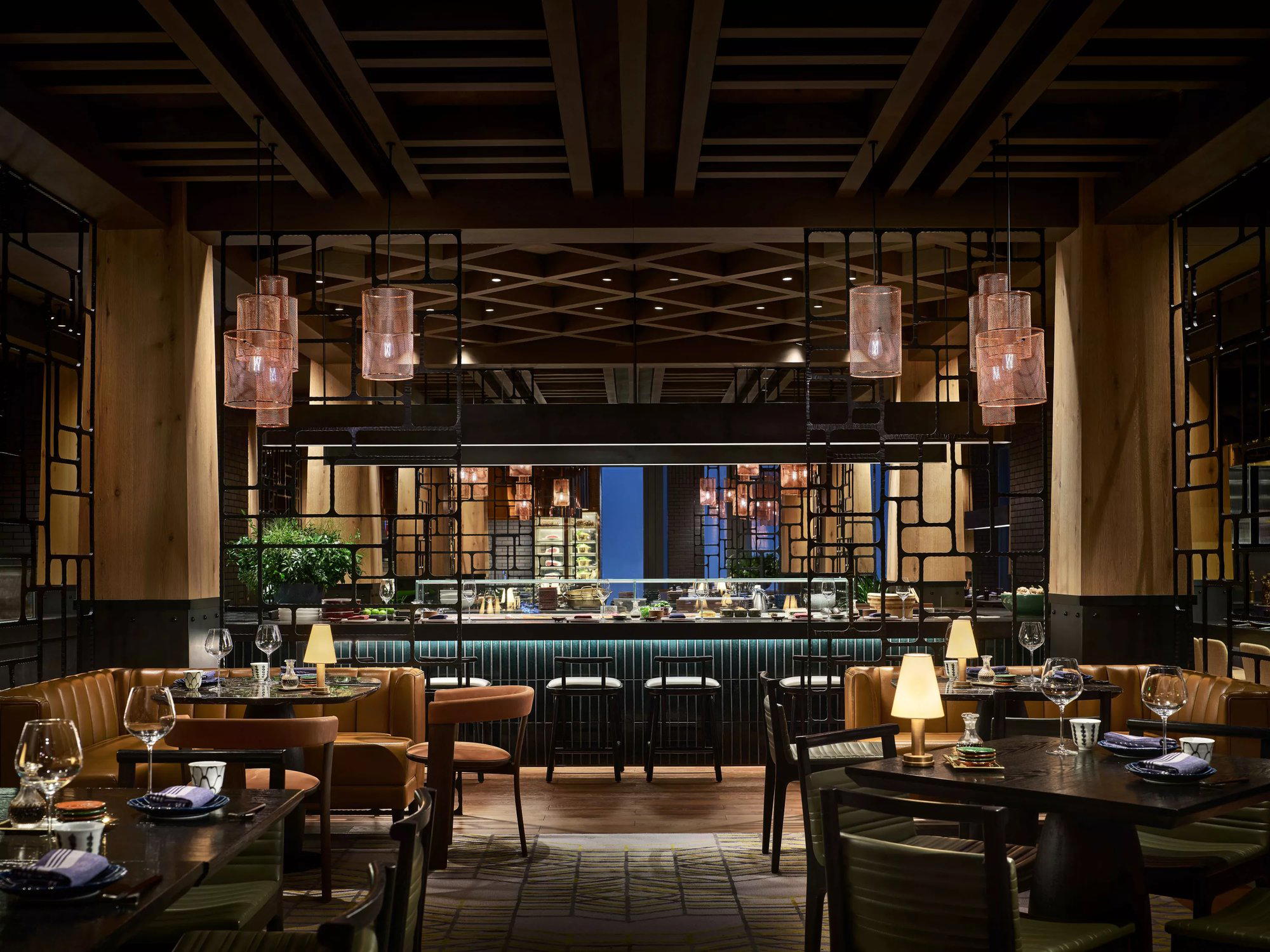
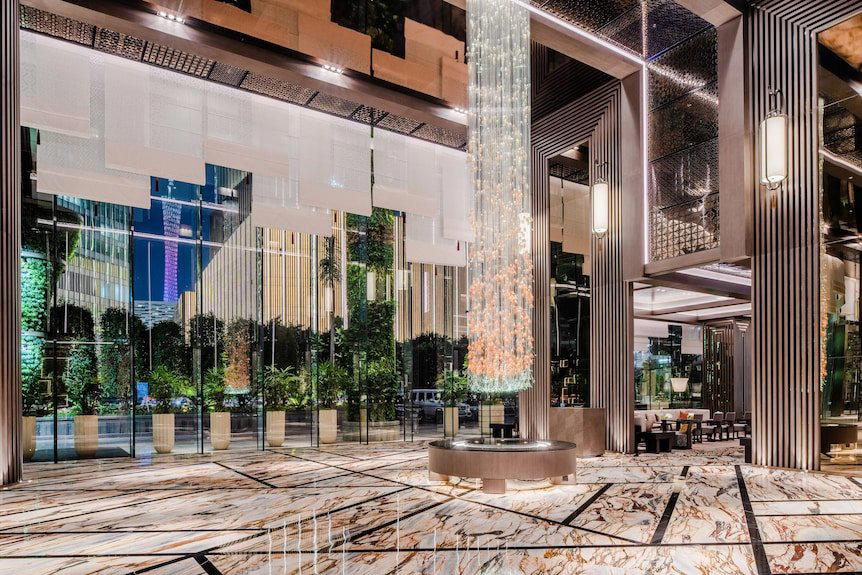
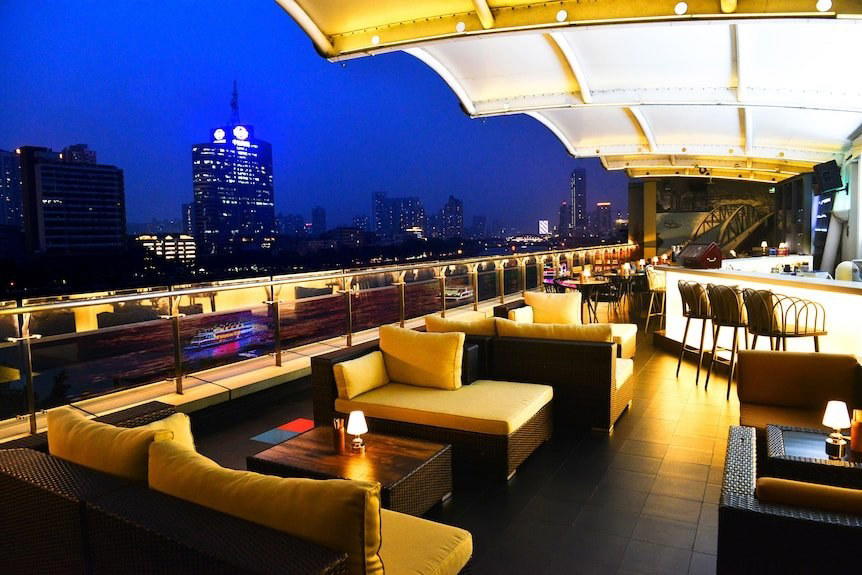
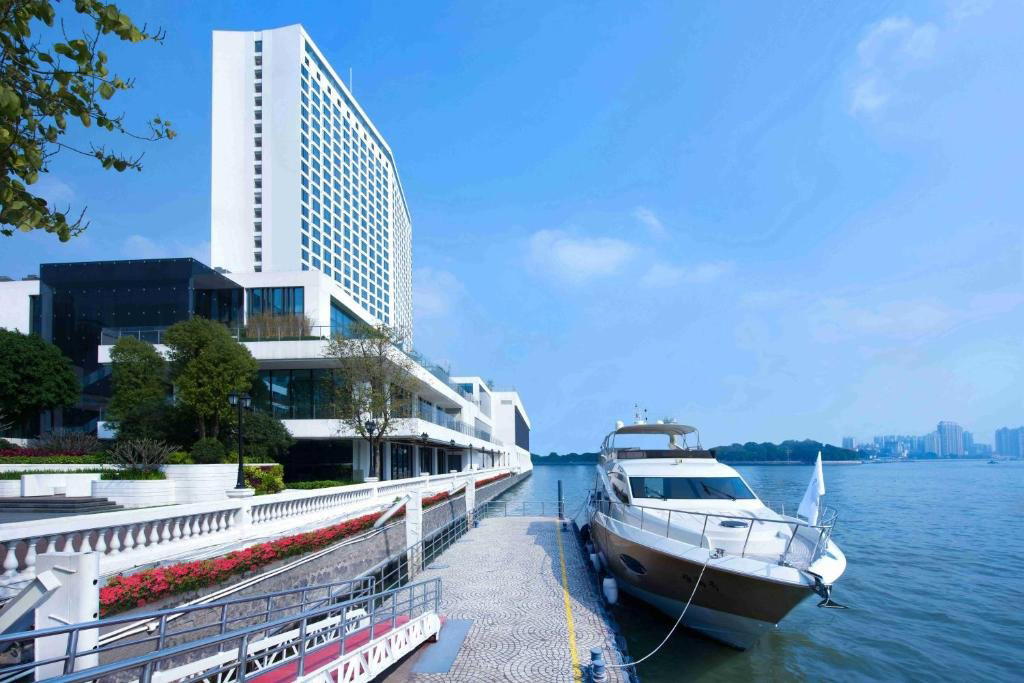
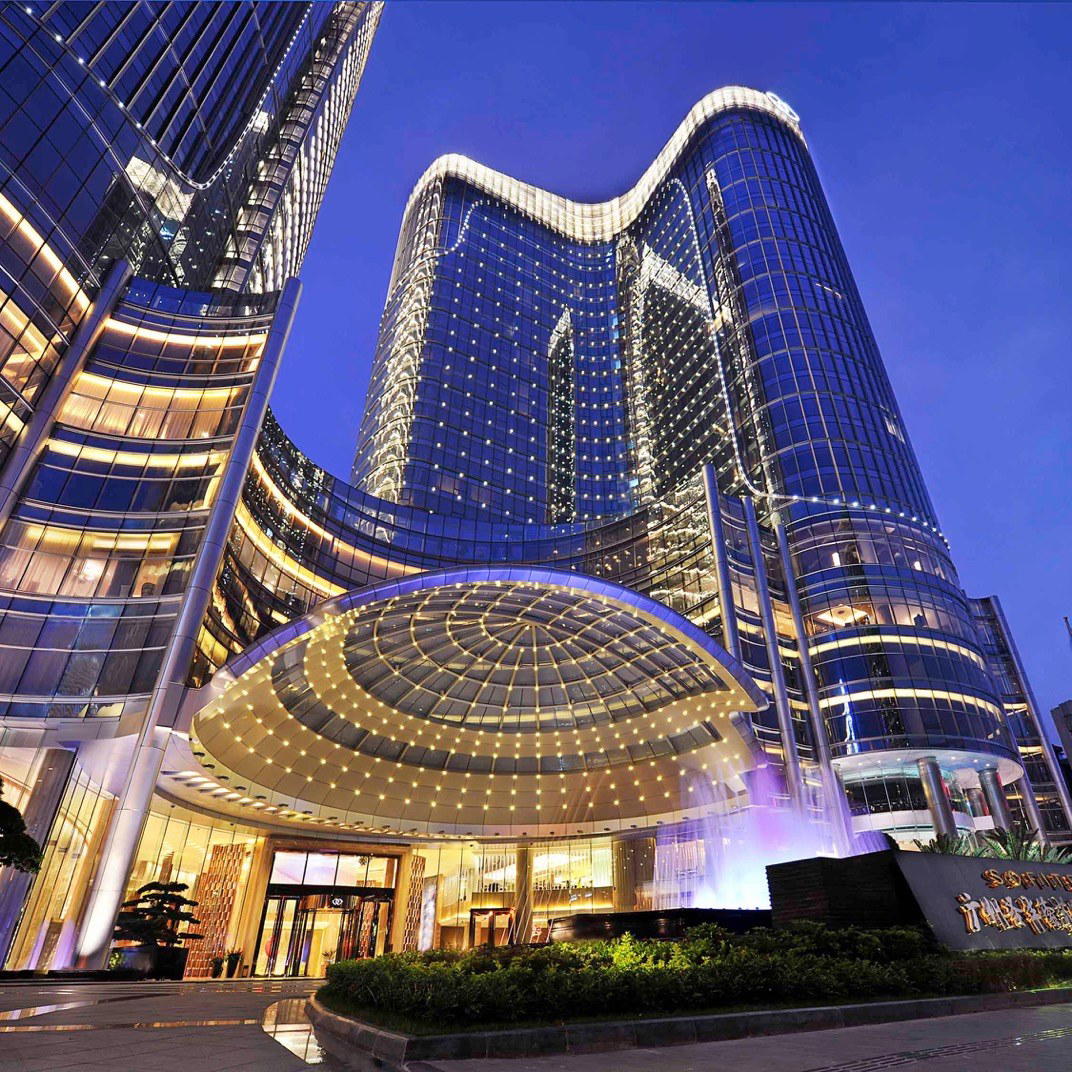
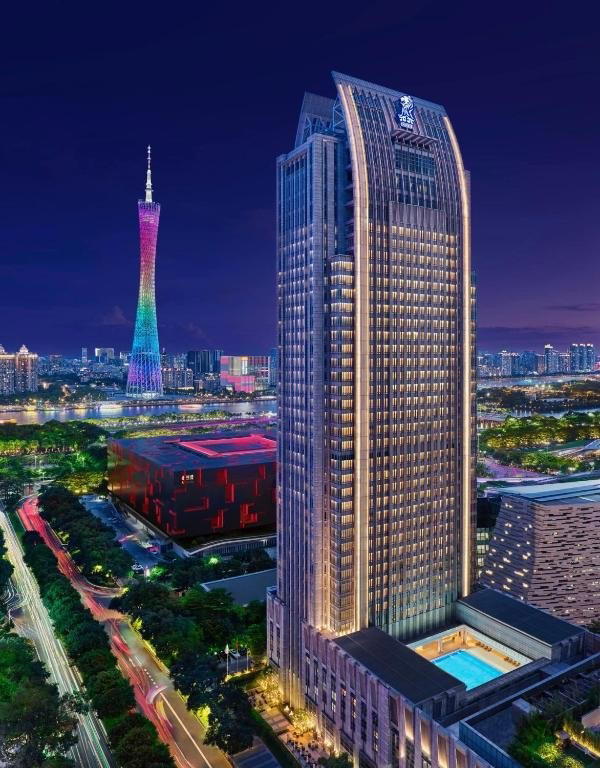
A polished hotel-restaurant setting with contemporary décor and large windows framing city views, combining refined presentation with a relaxed, family‑friendly atmosphere suitable for both business and leisure meals.