Cafe Maure sits outside central Larache in the village of Dchier, a setting that shifts the restaurant conversation away from polished city dining and toward the agricultural edge of Morocco’s Atlantic north. With no public awards, chef credit, menu format, or price band to anchor expectations, the case for going rests on place: rural proximity, local supply logic, and a slower counterpoint to Morocco’s destination-restaurant circuit.
Pearl is the En Primeur Club membership app — saves, bookings, and concierge access live there. Same editors, same standards.
- Address
- NR 260, HOUMAT ELJEDIANE CENTRE SAHEL, Larache (village of Dchier)
- Directions
- Get directions
 Saves & bookings on Pearl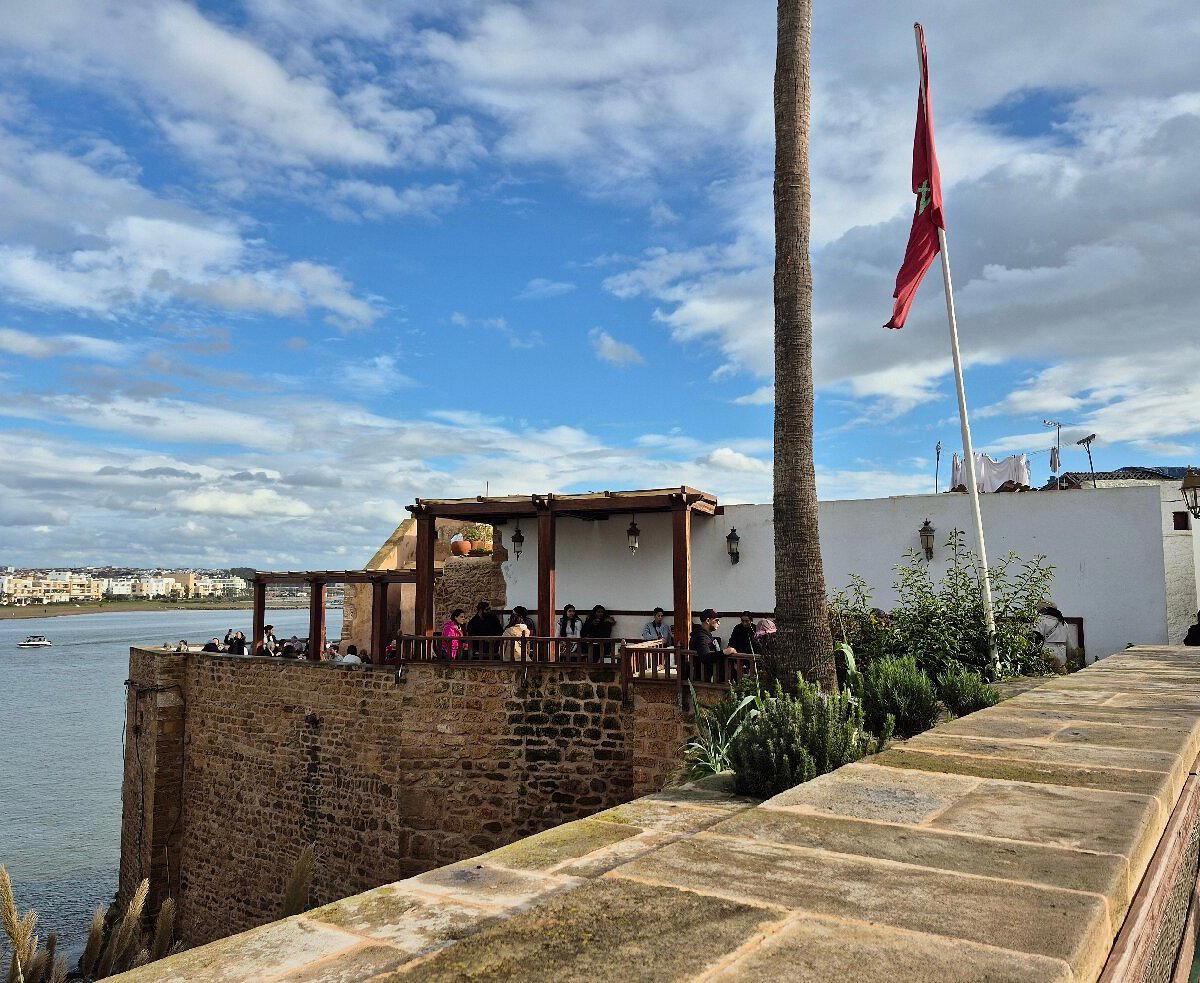
The approach to Cafe Maure puts Larache’s restaurant culture in a different register from Morocco’s better-documented urban dining rooms. This is not the shorthand of larger heritage cities or the design-led resort rhythm of better-known leisure destinations. The venue places the focus on Larache, where everyday food routines and local habits can matter more than the polished language of national roundups.
That location matters more than any decorative claim. In Larache, a café or restaurant can draw its identity from proximity, daily custom, and a customer base that does not need a tasting-menu script to understand what it wants from a meal. Cafe Maure belongs to that lower-theatre, higher-context category. The useful lens is not chef celebrity or a long public dossier, but the way a Larache setting changes what a meal is expected to do.
Larache's village-edge dining has a different supply logic
Morocco’s restaurant map is often read through a few city narratives: larger destinations for international polish, heritage cooking, coastal appetite, or scale. Larache sits apart from that circuit. Its food identity is best approached through the practical pace of a smaller city rather than through imported luxury vocabulary. A place in Larache sharpens that distinction, because the question becomes less about spectacle and more about how a local address fits into the day.
Cafe Maure should be judged within that context. That can be a strength for travellers who are comparing scene types rather than chasing a scripted restaurant category. The experience points toward local rhythm: informal expectations, simple use, and a venue likely understood through day-to-day habits rather than choreographed occasion dining. Nothing in the public footprint supports claims about signature dishes, chef-led technique, or tasting menus, so the editorial value sits in the setting and its relationship to Larache.
For readers building a wider Morocco itinerary, this is the opposite end of the spectrum from more visible destination addresses in larger or more tourism-facing cities. Those places sit closer to the visible hospitality economy. Cafe Maure reads instead as a local Larache stop, useful for understanding how a city can feel when the performance layer is stripped back.
What the limited public format says
Cafe Maure does not present itself through a heavily documented public restaurant dossier. That does not make it lesser; it changes the basis for evaluation. Highly publicized restaurants ask to be measured against peers with comparable credentials. Local cafés ask a different question: does the setting make sense, does the place feel rooted in the area, and does the meal fit the day rather than dominate it?
In Larache, that distinction is useful. The city is not framed here as a place saturated with internationally visible dining, which means visitors should resist applying larger-city criteria too quickly. The stronger comparison is between categories: central-city restaurants with more formal tourist infrastructure versus Larache addresses that depend on local traffic, everyday hospitality, and a more direct relationship with their setting. Cafe Maure sits in the latter camp, and that makes place the central editorial point. Even without a listed menu, its geography places it within Larache’s local dining picture rather than the imported grammar of luxury dining.
Travellers planning around Larache should treat the meal as part of a broader local day rather than as a stand-alone destination dinner. Pairing it with the city’s general character makes more sense than forcing it into a high-ceremony evening. For broader planning, Our full Larache restaurants guide gives the restaurant context, while Our full Larache hotels guide, Our full Larache bars guide, Our full Larache wineries guide, and Our full Larache experiences guide help frame the wider trip. The inclusion of distant comparators only underlines the point: format, city, and local use define expectations as much as any cuisine label does.
How to read Cafe Maure before going
The useful expectation is modest, specific, and place-led. Cafe Maure is not documented as a reservations-driven room, a chef’s counter, a wine-focused restaurant, or a highly formal address. Its appeal is narrower and more grounded: a Larache café that gives a traveller a view into eating outside Morocco’s heavily packaged dining routes. For a visitor who wants a polished room with published menus, formal service language, and predictable pricing, the fit may be uncertain. For a visitor interested in how Larache’s local food culture works around daily custom, the address has a clearer purpose.
At a Glance
- Scenic
- Elegant
- Classic
- Romantic
- Date Night
- Casual Hangout
- After Work
- Group Dining
- Waterfront
- Design Destination
- Hotel Restaurant
- Standalone
- Local Sourcing
- Waterfront
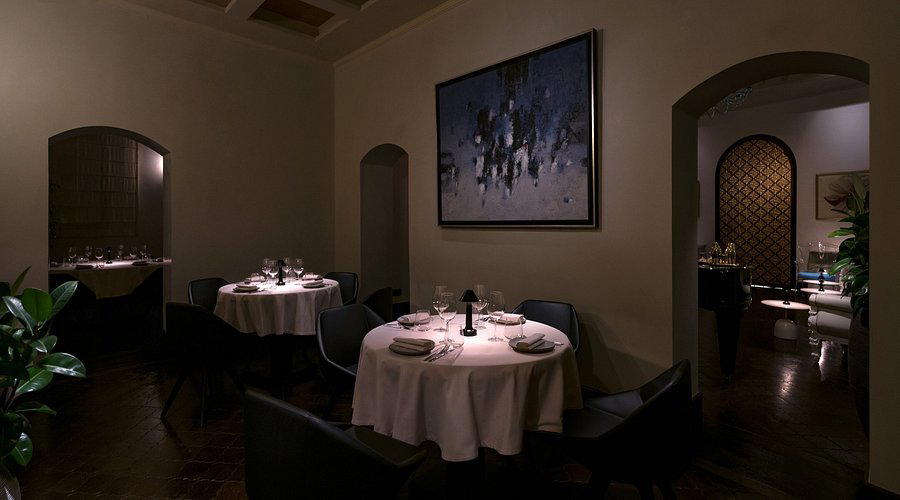
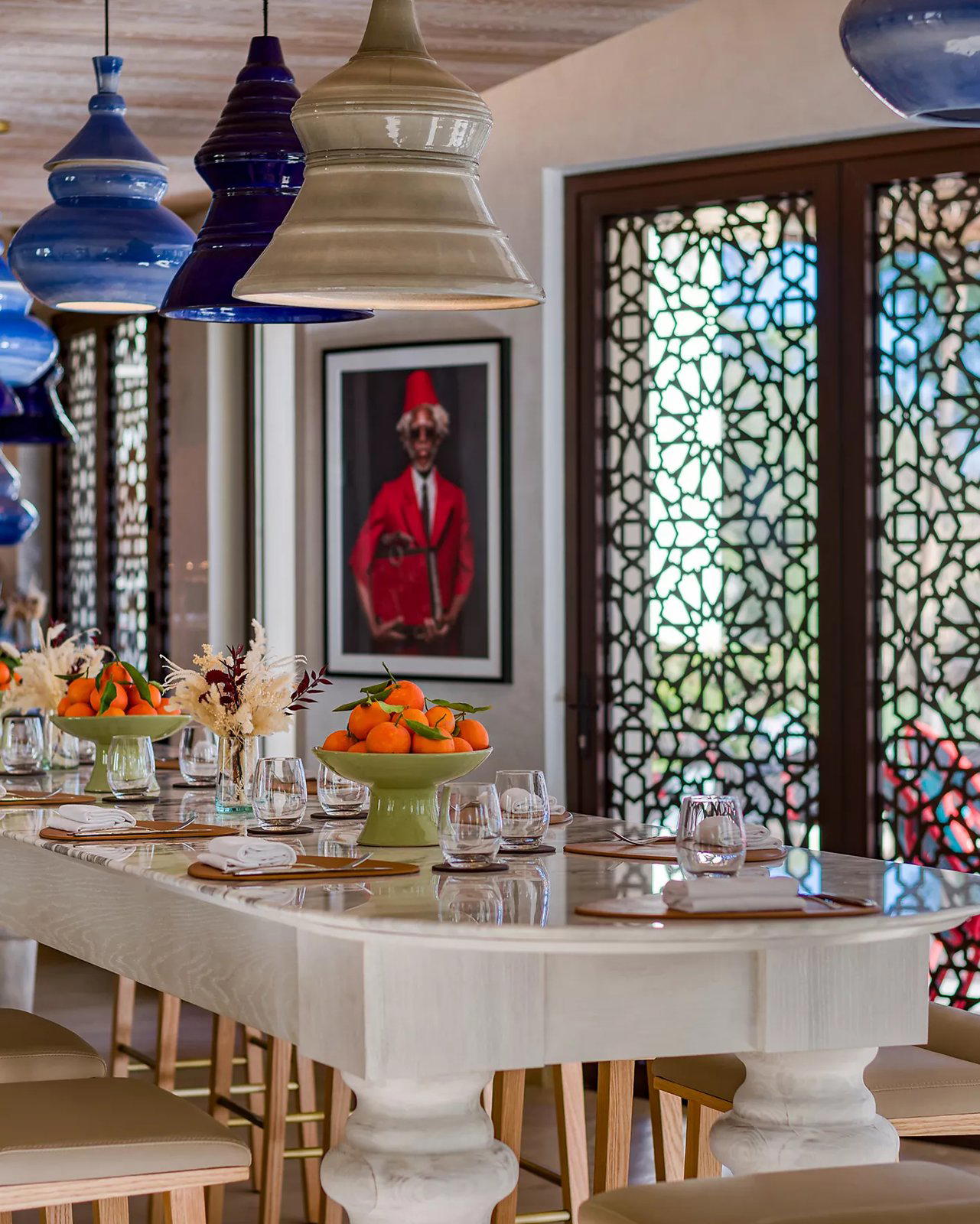
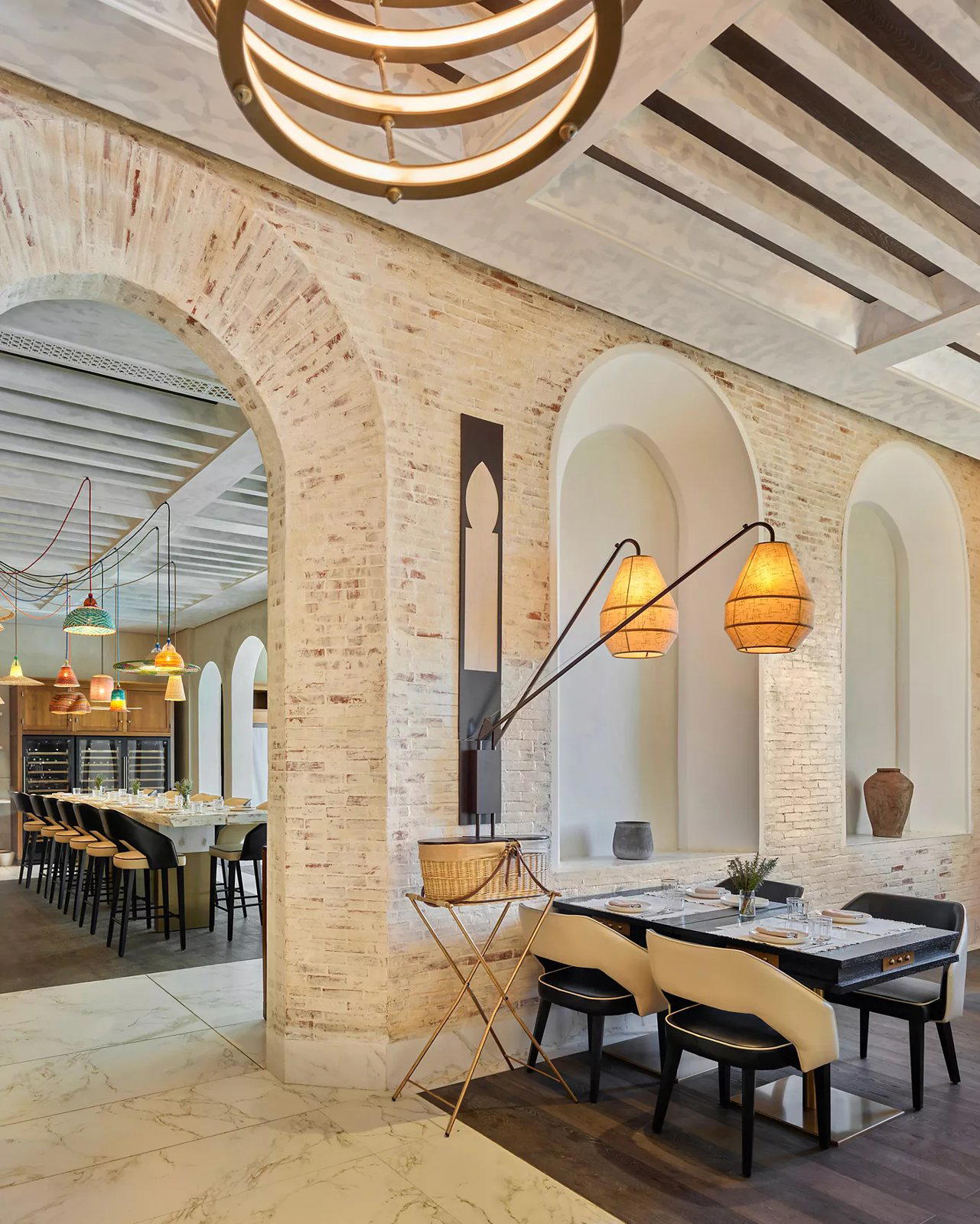
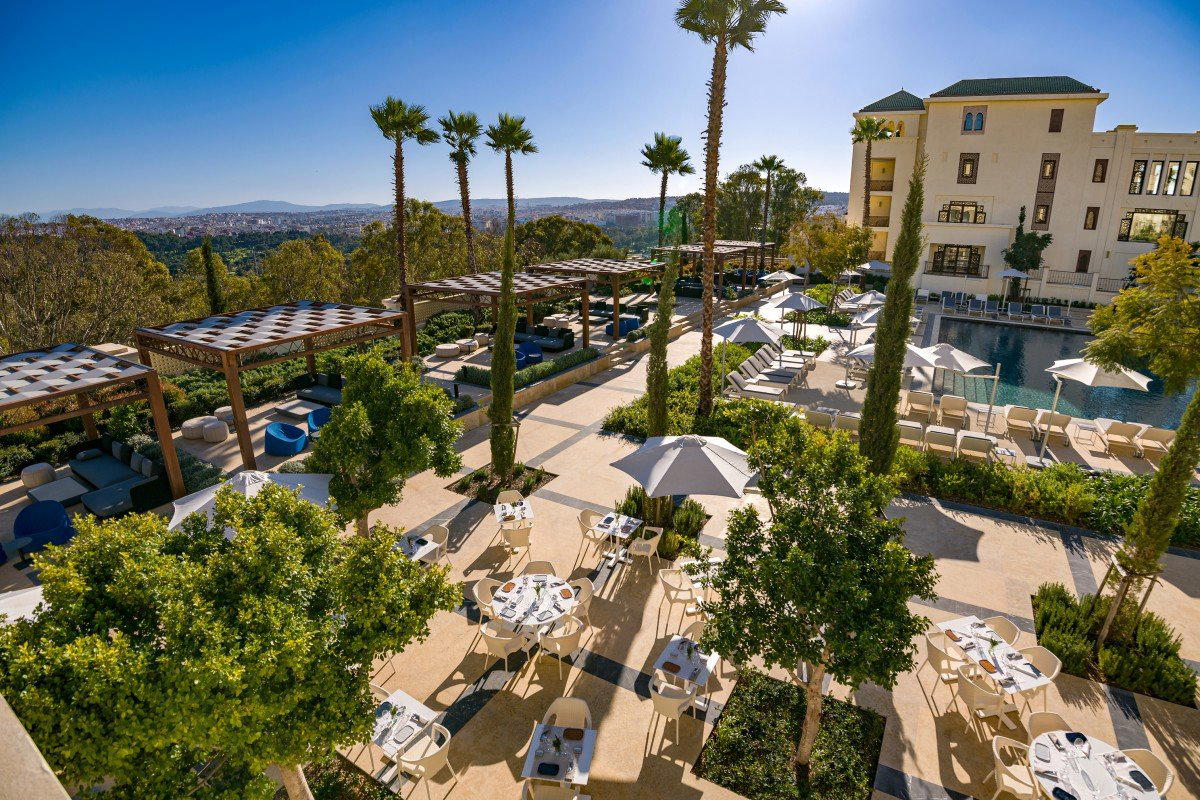
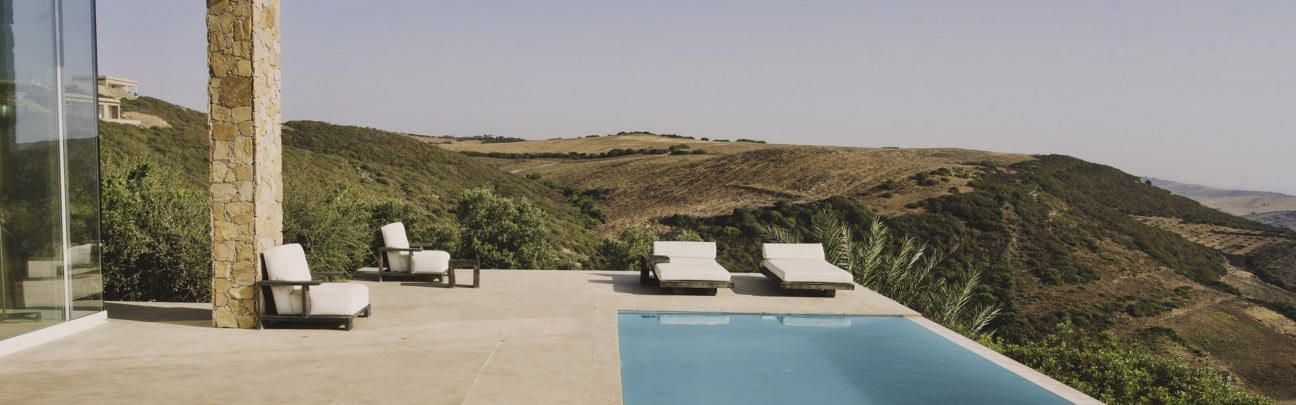
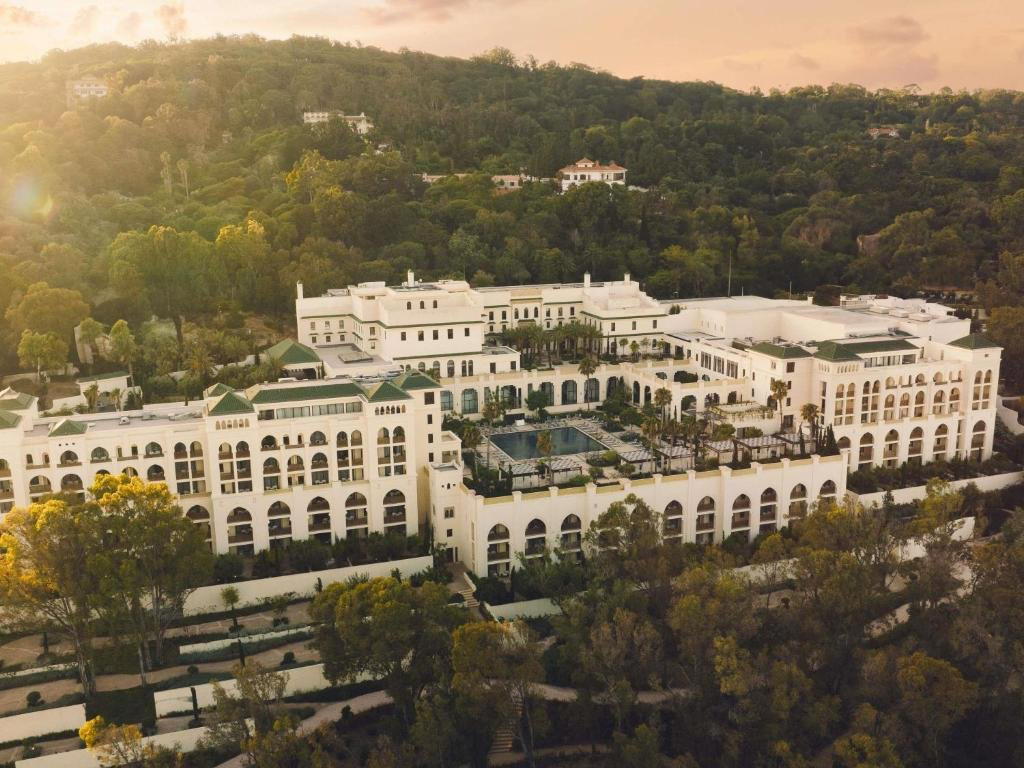
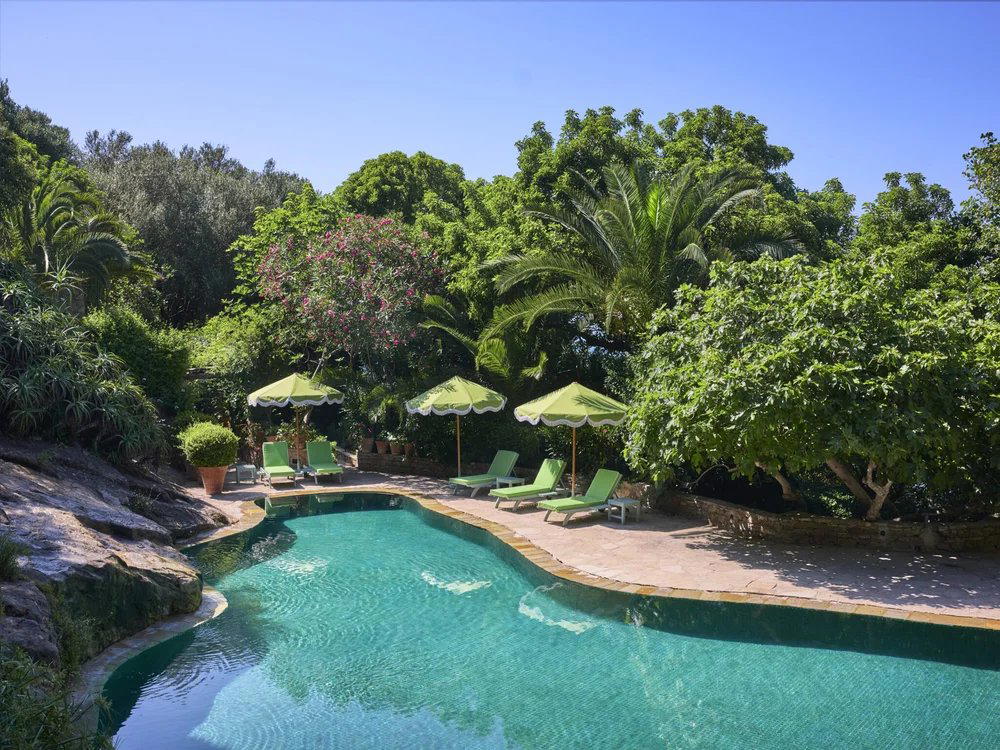
A quiet, elegant setting that blends traditional Moroccan café spirit with contemporary design, surrounded by dunes and ocean views and intended for relaxed, romantic moments immersed in local village life.
Know Before You Go
- Reservations
- Essential
- Dress code
- Casual
- Getting there
- NR 260, HOUMAT ELJEDIANE CENTRE SAHEL, Larache (village of Dchier)