

Falstaff Wine Bar - Listed · White Guide Sweden Restaurants - Very Fine Level
Our verdict
Nästgårds Bua sits on Biblioteksgatan in central Östersund, operating within a Swedish regional dining tradition that takes Jämtland's larder, game, freshwater fish, foraged produce, and cold-climate dairy, as its primary reference point. In a city that has quietly built a reputation for ingredient-driven cooking, this address represents the kind of locally anchored approach that defines the more serious end of the scene.

Pearl is the En Primeur Club membership app, where members save venues, book tables and use the concierge.
The menu
What to order
- Fisktaco med rabarber, jalapeno & koriander
- Tartar på nöt med sardell, krusbär & hårdost
- Torsk med palsternacka, hollandaise & äpple
- Messmörsglass med rabarber & miso
Biblioteksgatan and the Jämtland Ingredient Argument
Walk along Biblioteksgatan on a winter evening and the street reads like much of provincial Sweden: low-lit, unhurried, the kind of block where the cold does more to set the mood than any interior designer could. Östersund sits at the edge of Storsjön, Sweden's largest inland lake outside the main population centres, and the landscape that surrounds it, birch forests, mountain plateaux, rivers threading through Jämtland county, has historically fed the region long before restaurants became the conduit. Nästgårds Bua, at number 6C on that street, occupies a position inside a dining culture that has been quietly making the argument for Nordic interior produce for years.
That argument matters more now than it did a decade ago. As Frantzén in Stockholm and Vollmers in Malmö consolidated the case for Swedish fine dining on an international stage, the conversation around sourcing shifted. Chefs across the country began leaning harder on regional specificity rather than generic Nordic tropes, moss and birch bark as aesthetic, rather than actual provenance. In Östersund, that specificity is harder to fake. The supply chain is genuinely local. Jämtland reindeer, char from cold-water tributaries, moose, cloudberries, and cold-climate root vegetables are not marketing copy here; they are what the region actually produces.
What the Jämtland Larder Means in Practice
Sweden's interior regions operate on a different ingredient calendar than the coasts. The growing season runs shorter, the foraging windows are compressed, and game hunting, regulated by county, shapes the protein availability through autumn and into winter. For any kitchen working seriously within this geography, the menu is partly written by ecological season rather than chef preference alone. This is a constraint that serious practitioners in the region treat as a creative framework rather than a limitation.
Östersund earned UNESCO Creative City of Gastronomy status in 2010, one of a small number of Swedish cities to carry that designation, which formalised what local producers and restaurateurs had been building across preceding years. That recognition didn't manufacture a food culture; it acknowledged one that was already rooted in the county's agricultural and foraging traditions. The designation placed Östersund in company with cities like Bergen and Enköping on the Nordic side of the UNESCO network, and it remains the reference point against which the city's dining ambitions are measured.
Within that context, an address like Nästgårds Bua operates in a city where ingredient sourcing is a shared value across the serious end of the restaurant scene rather than a differentiating claim. Peers such as Jazzköket have worked the same regional-produce logic, and the cumulative effect is a dining culture more coherent than its size would suggest. For comparison, VYN in Simrishamn and ÄNG in Tvååker demonstrate how Swedish restaurants outside the major cities have built serious reputations by anchoring menus to immediate geography rather than competing on metropolitan terms.
The Scene Beyond the Capital Corridor
Sweden's restaurant conversation has historically defaulted to Stockholm and, increasingly, Malmö and Gothenburg. The corridor between those cities carries most of the Michelin infrastructure: Signum in Mölnlycke, 28+ in Gothenburg, and PM & Vänner in Växjö sit within that southern half of the country, as do Knystaforsen in Rydöbruk and Lilla Bjers in Visby. Further north, the pattern shifts. Camp Ripan in Kiruna works within an even more extreme sub-Arctic supply context. Östersund sits between these poles, north enough to carry genuine Jämtland character, south enough to maintain year-round accessibility for visitors travelling by train from Stockholm, roughly three hours on the direct service.
That accessibility matters for how the city's restaurants pitch themselves. Östersund is not a destination that requires significant logistical planning by Swedish standards, which means its dining scene draws a mix of regional regulars, travelling professionals working the county's public sector and university infrastructure, and visitors arriving specifically for the gastronomy or the outdoor season. The summer months around Storsjön and the winter ski period bring different audience profiles, which in turn shapes the commercial rhythm of restaurants across the city.
For visitors considering the broader Swedish provincial dining circuit, addresses like Enoteket in Norrköping, Adrian Restaurang in Borås, John's Place in Varberg, and Brasserie Park in Jönköping collectively demonstrate that the country's most interesting cooking is no longer concentrated in three postcodes. Östersund fits inside that dispersal, and Nästgårds Bua is part of the address book that makes the city worth including on a serious Sweden itinerary.
Planning Your Visit
Nästgårds Bua is located at Biblioteksgatan 6C in central Östersund, walkable from the main square and the lakefront. For visitors arriving by train, Östersund Central station sits within comfortable walking distance of the restaurant district. Booking ahead is advisable during peak periods, the summer tourist season and winter ski weeks around Åre, roughly 100 kilometres to the west, both generate demand spikes across city restaurants. For a fuller picture of where Nästgårds Bua sits within the city's dining options, our full Östersund restaurants guide maps the scene in detail. Internationally, the ingredient-sourcing rigour that defines serious Swedish regional cooking finds its closest non-Nordic parallels in the hyper-local frameworks of restaurants like Le Bernardin in New York City for product-led discipline, or the produce-first philosophy visible at Atomix in New York City.
Frequently asked questions
Is Nästgårds Bua suitable for children?
Östersund operates as a mid-to-serious dining city, its UNESCO Creative City of Gastronomy status since 2010 signals a food culture built around ingredient focus and considered cooking rather than casual throughput. That context places Nästgårds Bua, at Biblioteksgatan 6C, more naturally in an adult or older-child setting. Younger children accustomed to patient, slower-paced meals will find it more workable than those who are not.
What is the atmosphere like at Nästgårds Bua?
Biblioteksgatan in Östersund runs low-lit and unhurried on winter evenings, and Nästgårds Bua reads in the same register, the kind of provincial Swedish seriousness that prioritises what's on the plate over any performative energy. Östersund's identity as a UNESCO Creative City of Gastronomy since 2010 has shaped a local dining culture that leans ingredient-forward and deliberate rather than metropolitan and showy. Expect a room that suits conversation.
How does Nästgårds Bua relate to Östersund's reputation as a UNESCO Creative City of Gastronomy?
Östersund has held UNESCO Creative City of Gastronomy status since 2010, placing it in a formal global network alongside cities recognised for food-culture depth rather than just restaurant density. Nästgårds Bua sits at Biblioteksgatan 6C within that ecosystem, meaning it operates in a city where regional ingredient sourcing and Jämtland's foraging traditions carry institutional weight. For visitors using the UNESCO designation as a travel filter, Östersund is one of the few Swedish cities that qualifies, and Nästgårds Bua is part of the dining infrastructure that distinction describes.
What should I order at Nästgårds Bua?
Specific dish recommendations require verified current menu data, which is not available here. As a practical orientation: Östersund's position in Jämtland means any kitchen working this address has access to a compressed but high-yield foraging and hunting calendar, wild proteins, preserved ingredients, and short-season produce that differ markedly from coastal Swedish menus. Asking staff what is current or locally sourced on the day of your visit is the most reliable approach.
Where exactly is Nästgårds Bua?
Nästgårds Bua is located at Biblioteksgatan 6C, 831 30 Östersund, Sweden, Östersund.
Recognition history
Dated appearances from independent guides and award organizations, with the underlying list record or original source where available.
Falstaff Wine Bar - Listed
Falstaff
White Guide Sweden Restaurants - Very Fine Level
White Guide
Bua
The wine
- Wine program
- Deep wine list
- Extensive wine list
- Natural wine
- Craft cocktails
- Zero-proof drinks
- Beer program
Details
- Cozy
- Lively
- Intimate
- Rustic
- Trendy
- Date Night
- Casual Hangout
- Group Dining
- After Work
- Special Occasion
- Standalone
- Wine Cellar
- Extensive Wine List
- Natural Wine
- Beer Program
- Craft Cocktails
- Zero Proof
- Farm To Table
- Local Sourcing
- Natural Wine
- Sustainable Seafood
- Small Plates
- Tasting Menu
- A La Carte
- Wine
- Cocktails
- Beer
- Non Alcoholic
- Vegetarian Friendly
- Vegan Options
- Pescatarian Friendly
- Allergy Accommodating
Current opening hours
- Monday
- Closed
- Tuesday
- 4–10 PM
- Wednesday
- 4–10 PM
- Thursday
- 4–10 PM
- Friday
- 4 PM–12 AM
- Saturday
- 4 PM–12 AM
- Sunday
- Closed
Hours can change for holidays and private events. Last verified .
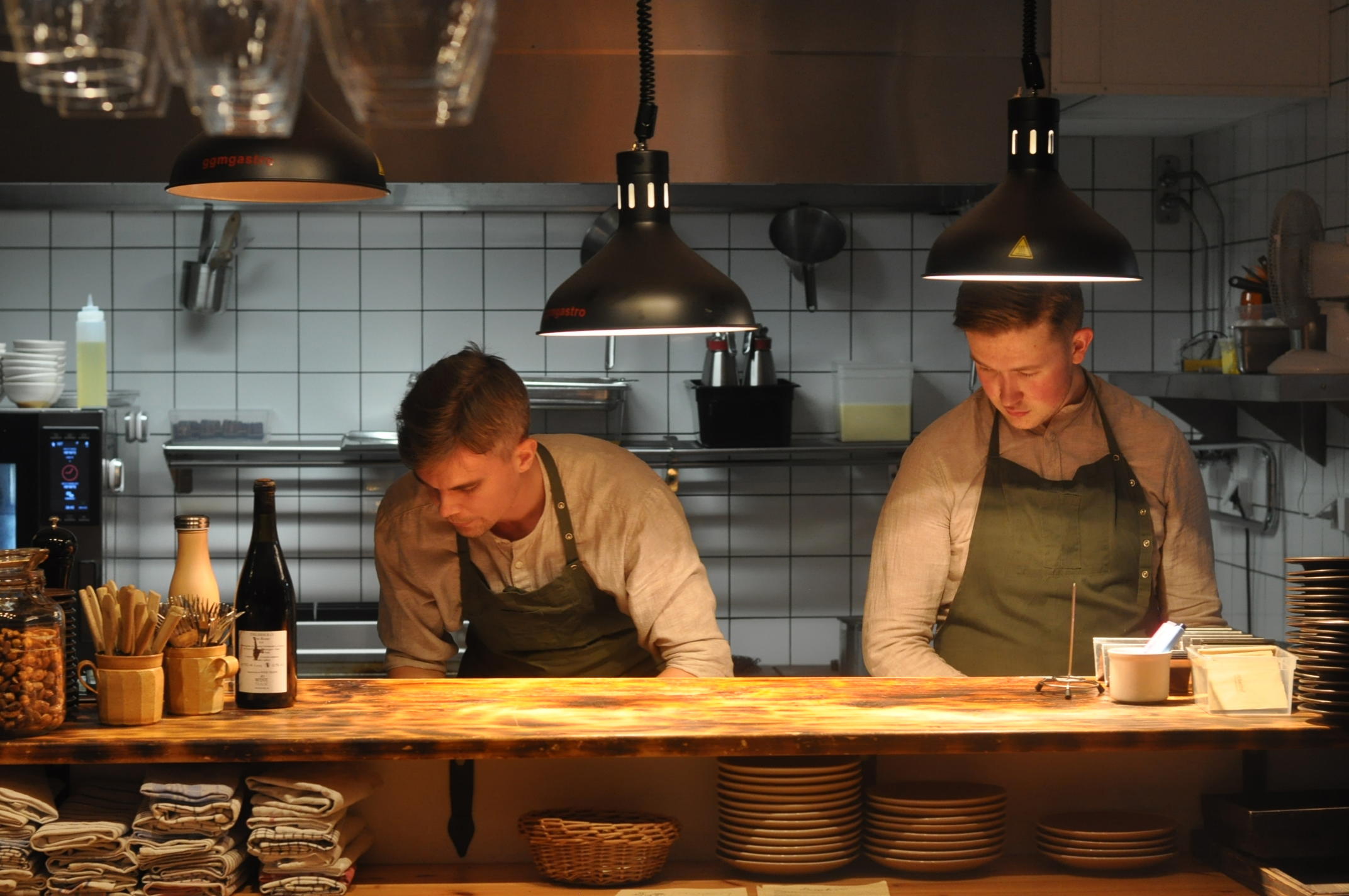
Warm, welcoming bistro atmosphere with a cozy, lively feel, combining Nordic farm-to-table sensibilities with a relaxed wine-bar vibe.