Brasserie Belle Epoque
Our verdict
Brasserie Belle Epoque belongs to Zermatt’s village-centre dining circuit, where Alpine comfort, hotel-era polish, and international resort habits meet within a compact pedestrian core. The useful lens here is sourcing: in a mountain town built around short supply chains, dairy, preserved produce, freshwater fish, and Swiss meat traditions matter as much as room style.

Pearl is the En Primeur Club membership app — saves, bookings, and concierge access live there. Same editors, same standards.
The menu
What to order
- Afternoon Tea in the Belle Époque room
Approaching dinner in Zermatt means moving through a resort rhythm shaped by hotel dining, seasonal visitors, polished windows, and the mountain-town economy that quietly influences how restaurants present themselves. Brasserie Belle Epoque sits inside that Zermatt orbit, where the brasserie format has to do more than serve familiar comfort. It has to work for hotel guests, skiers, families, and diners who want a composed restaurant evening without turning dinner into a formal tasting-menu exercise.
The stronger reading of this address is not as a standalone destination restaurant, but as part of Zermatt’s old European resort grammar. The town’s dining culture is split between slope restaurants, chalet-style cheese rooms, hotel dining rooms, and a smaller creative tier. In that mix, a Belle Epoque-branded brasserie points toward continuity: polished service, broad appeal, and a menu language likely built around recognisable restaurant staples rather than experimental theatre.
Restaurant fundamentals are the real measure in a Zermatt brasserie
In Swiss mountain towns, restaurant fundamentals are not decorative talking points. Logistics, seasonality, service rhythm, and guest expectations all shape the meal. Diners often arrive with different levels of appetite, different schedules, and different expectations of formality. Zermatt’s stronger dining rooms understand that the appeal of the table often comes from balance, consistency, and a sense of place rather than novelty alone.
That context matters when judging Brasserie Belle Epoque. A brasserie in this setting should be read against the expectations of Zermatt: composed cooking, hospitable pacing, enough generosity to satisfy diners coming off the mountain, and a room that feels comfortable for a broad premium-resort audience. The format is not chasing the same register as creative fine dining, and that is the point. Zermatt needs rooms where a straightforward restaurant experience can appear in legible form, especially for travellers who may eat one night in a chalet-style setting, one night in a hotel dining room, and one night in a more ambitious kitchen.
The comparison set is useful. Potato-FINE FOOD RESTAURANT belongs to a more contemporary bracket. Cheese Factory speaks to the resort’s dairy-driven appetite. Myoko signals the international layer that Alpine towns can support. Schweizerhof Kitchen and Schweizerhof Terrace sit in the hotel-dining conversation. Brasserie Belle Epoque fits into the classic brasserie lane within that same town ecology: less about culinary reinvention, more about whether familiar restaurant pleasures and broader European habits are handled with enough restraint for a premium resort audience.
The Zermatt brasserie still has a job to do
Zermatt is not a city where diners spread out across neighbourhoods; the village compresses choice. That compression changes restaurant behaviour. Rooms must absorb mixed tables, uneven arrival times, weather-driven appetites, and a guest base that may include serious diners one night and exhausted skiers the next. The successful brasserie in this environment has to be flexible without becoming generic.
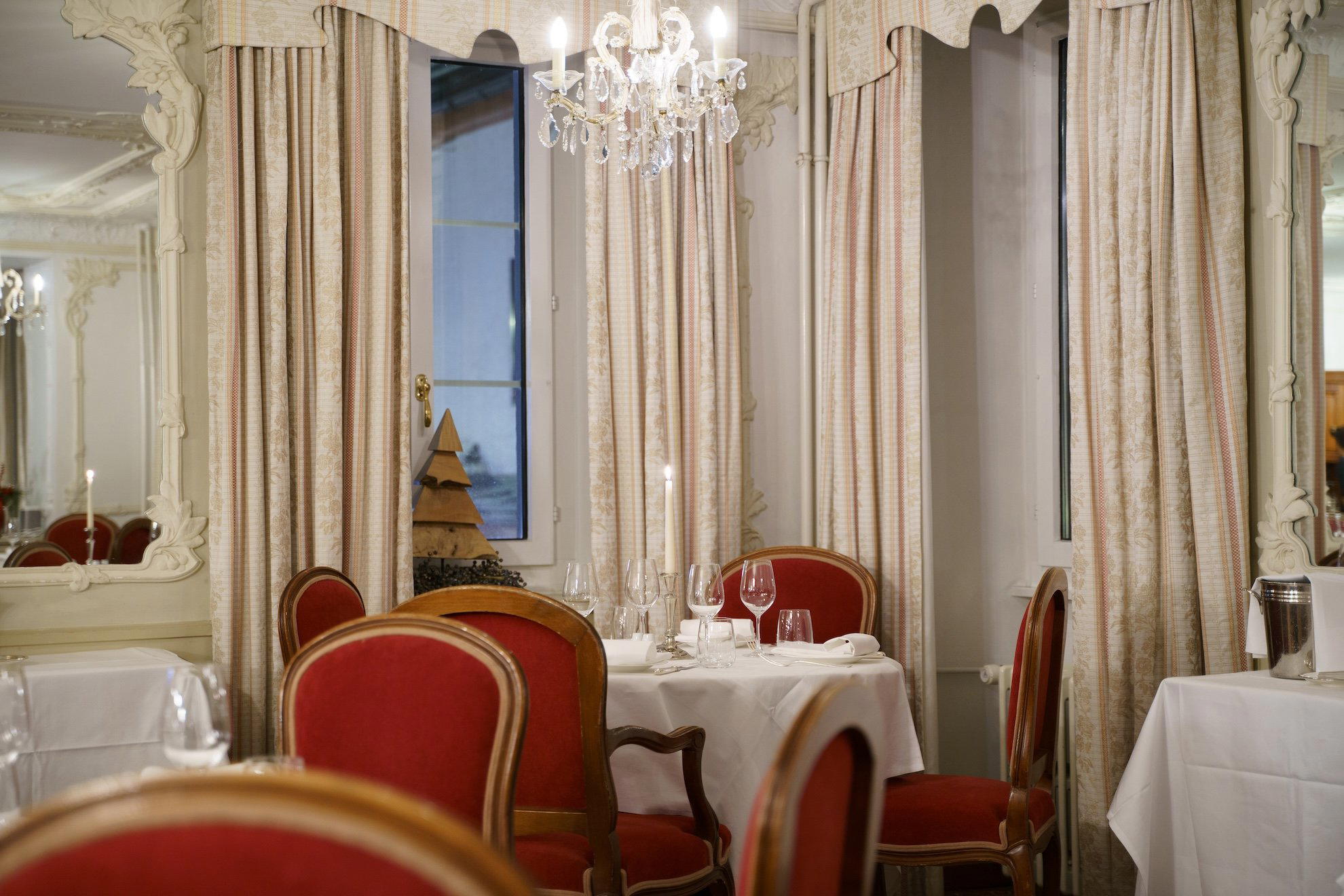
That is where the Belle Epoque idea earns its keep. The term carries an expectation of old-hotel civility: mirrors, light, service cadence, and a sense that dinner can be proper without requiring ceremony. In Zermatt, that register sits between the rusticity of mountain huts and the precision of tasting-menu restaurants. It is a middle ground, but not a soft one. The kitchen still has to feel disciplined, and the room still has to feel composed when the resort is full.
For broader planning, compare the town before choosing a lane. Our full Zermatt restaurants guide gives the clearest overview of the dining spread, while Our full Zermatt hotels guide, Our full Zermatt bars guide, Our full Zermatt wineries guide, and Our full Zermatt experiences guide help frame the rest of the trip. Nearby restaurant pages worth cross-checking include Brasserie Belle Epoque, Cheese Factory, Myoko, Potato-FINE FOOD RESTAURANT, Schweizerhof Kitchen, and Schweizerhof Terrace.
How to read it against Switzerland's broader dining map
The Swiss restaurant scene can look deceptively small from outside, but the country’s scale hides sharp regional variation. Major cities push urban polish and international formats, cross-border regions have their own dining cultures, resort areas lean into hotel gastronomy, and Valais mountain towns trade on Alpine identity. Zermatt sits firmly in the last category, though its global visitor base keeps the dining offer broader than a purely regional village would support.
That is why a restaurant like this should be assessed by fit rather than spectacle. If the meal is meant to anchor a formal culinary itinerary, Zermatt has more specialised options. If the night calls for a brasserie in Zermatt, the value lies in reliability, clear positioning, and a room that understands the town’s seasonal pressure. For national context, compare other Swiss restaurant pages and broader resort dining rooms rather than reading Brasserie Belle Epoque as a narrow destination counter. For a useful contrast outside Switzerland, tightly focused urban formats show how specialisation reads differently in cities than it does in Alpine resort settings.
Frequently asked questions
Is Brasserie Belle Epoque suitable for children?
Brasserie Belle Epoque in Zermatt reads as a sensible family option because brasserie settings are typically less formal than tasting-menu rooms. The Zermatt location also makes it easy to fold into a day in the village.
What kind of setting is Brasserie Belle Epoque?
Expect a brasserie setting in Zermatt, pointing to a more casual dining room than a destination counter.
What part of town is Brasserie Belle Epoque in?
Zermatt.
Do they take walk-ins at Brasserie Belle Epoque?
Brasserie settings often leave more room for walk-ins than counter-led restaurants, and the Zermatt location suits a spontaneous stop. If the room is full, it should be easy to look elsewhere in Zermatt.
At-a-Glance Comparison
Comparable venues by cuisine and price in the same metro.
| Venue | Cuisine | Awards | Notes |
|---|---|---|---|
| Brasserie Belle EpoqueThis venue — the venue you are viewing | Traditional Belle Époque brasserie in a historic Alpine hotel | Not listed | Not listed |
| Schweizerhof Kitchen | Modern Grill & Pizza | Not listed | Not listed |
| Schweizerhof Terrace | Swiss-International Terrace Dining with Table Grill and Sushi | Not listed | Not listed |
| Cheese Factory | Swiss Regional Fondue & Raclette | Not listed | Not listed |
| Myoko | Japanese Sushi & Teppanyaki | Not listed | Not listed |
| Potato-FINE FOOD RESTAURANT | Modern Swiss Fine Dining | Michelin Plate | Modern Cuisine |
Continue exploring
More in Zermatt
Restaurants in Zermatt
All restaurants in Zermatt →
Bars in Zermatt
Browse all →
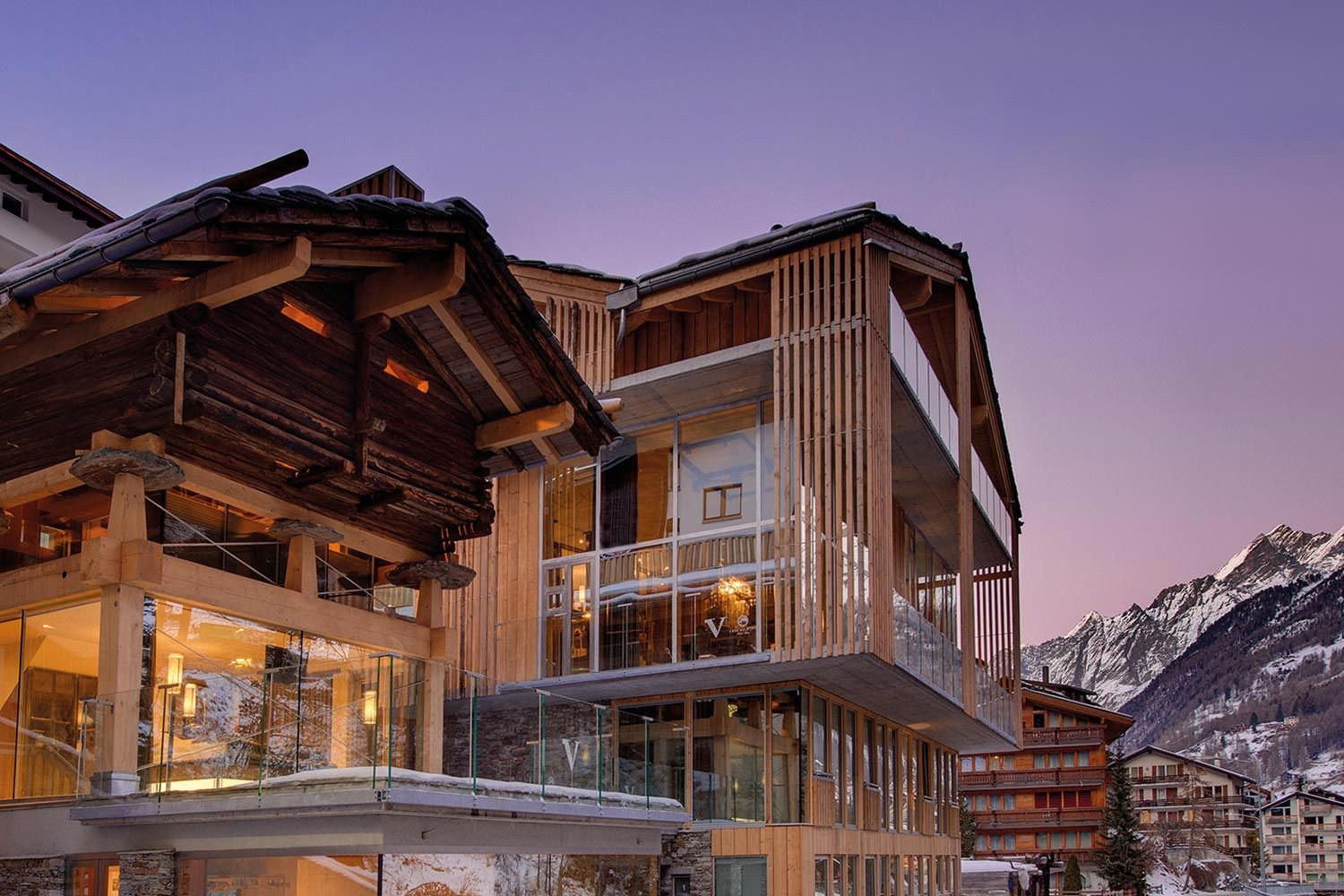
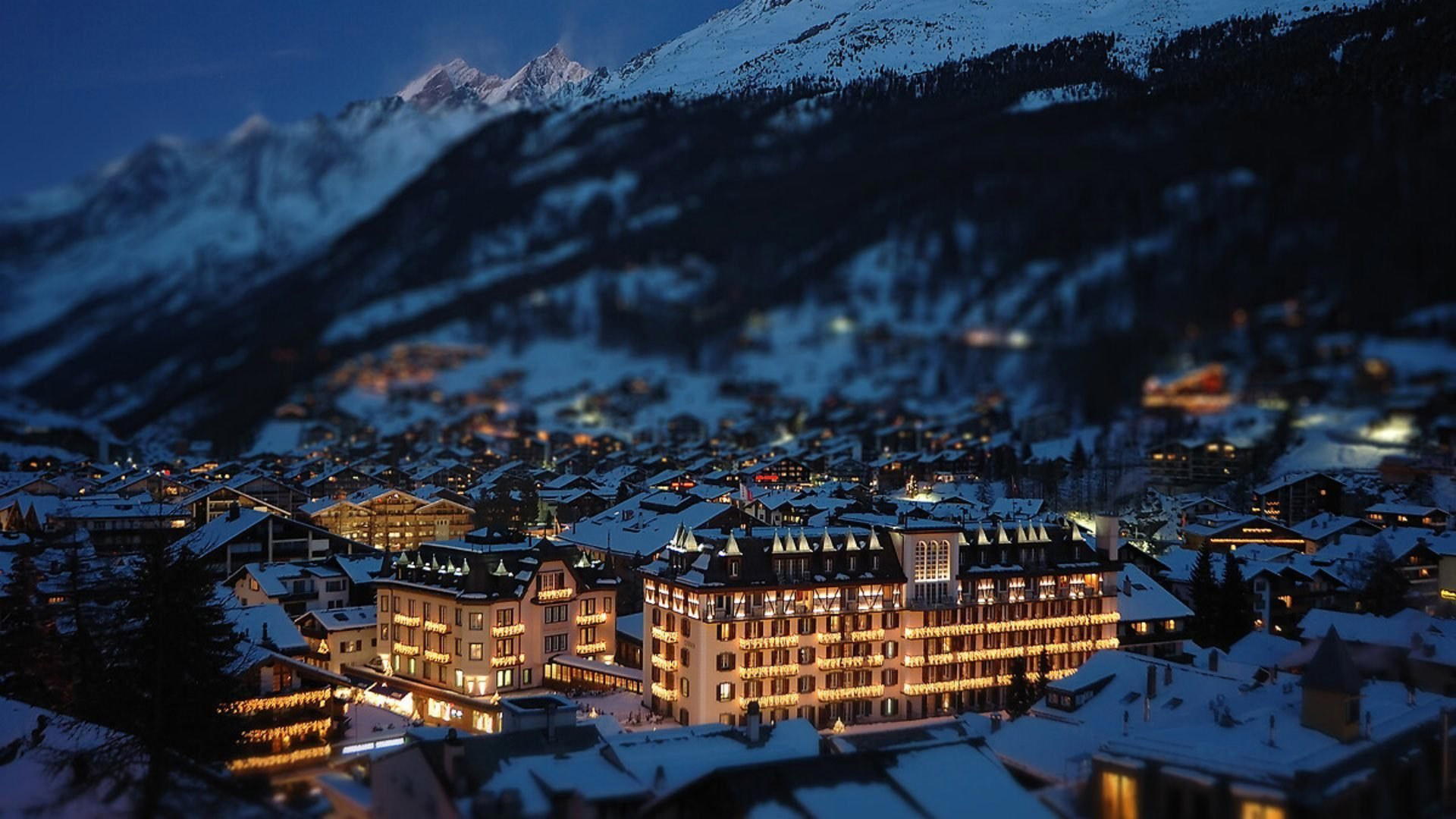
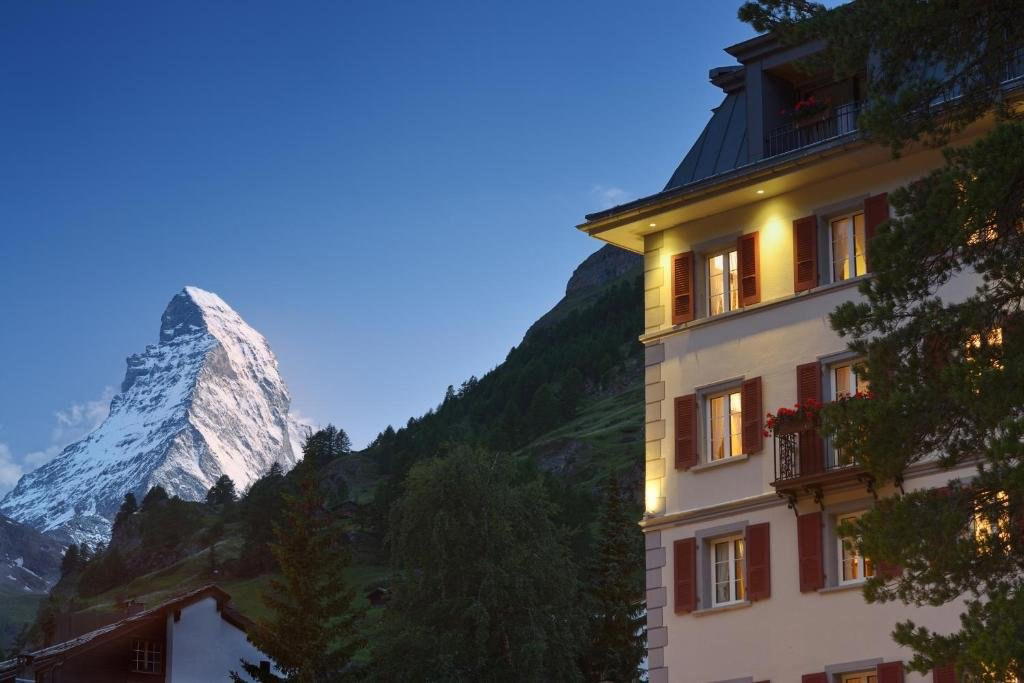
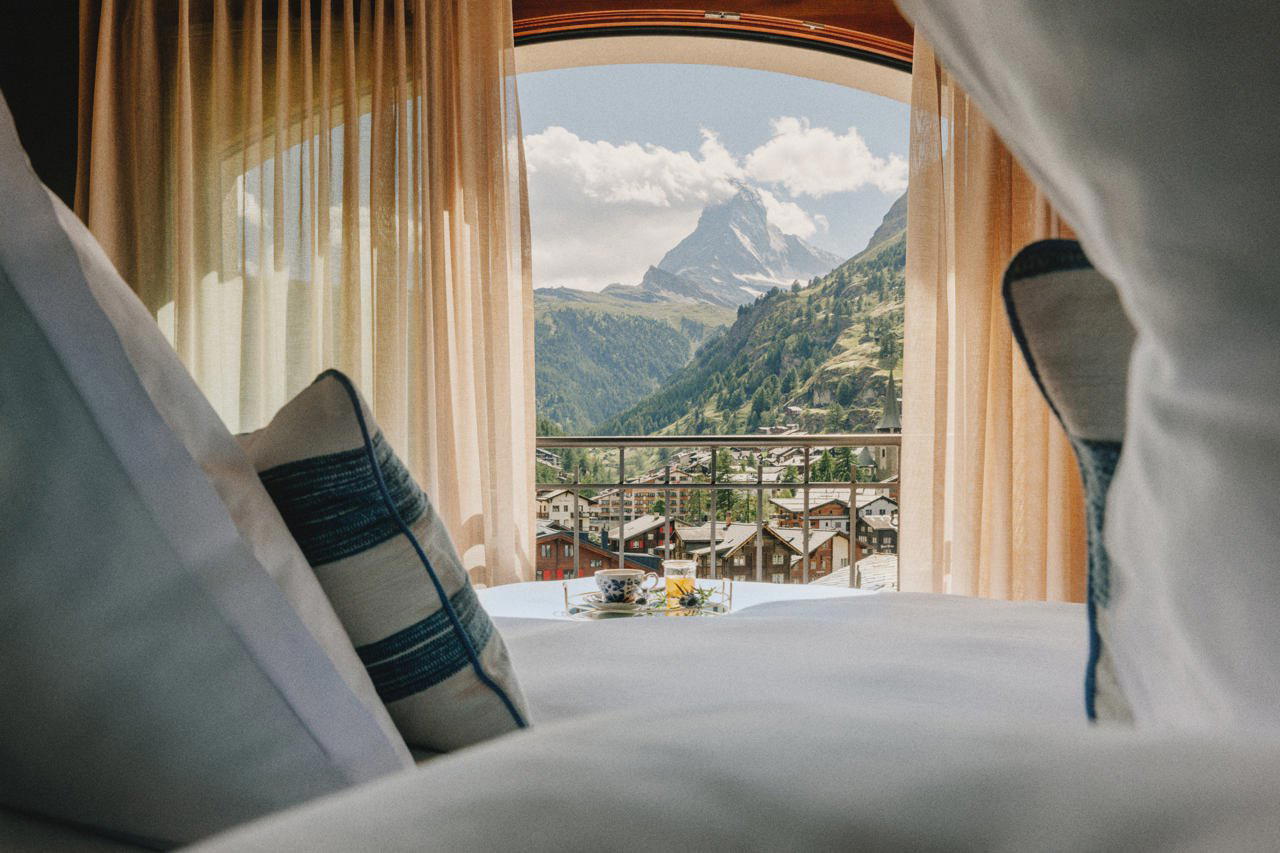
Brasserie Belle Epoque
The wine
- Wine program
- Curated wine list
- Extensive wine list
- Craft cocktails
Details
- Classic
- Elegant
- Romantic
- Cozy
- Date Night
- Business Dinner
- Celebration
- Special Occasion
- Historic Building
- Design Destination
- Hotel Restaurant
- Extensive Wine List
- Craft Cocktails
- A La Carte
- Set Menu
- Wine
- Cocktails
- Tea
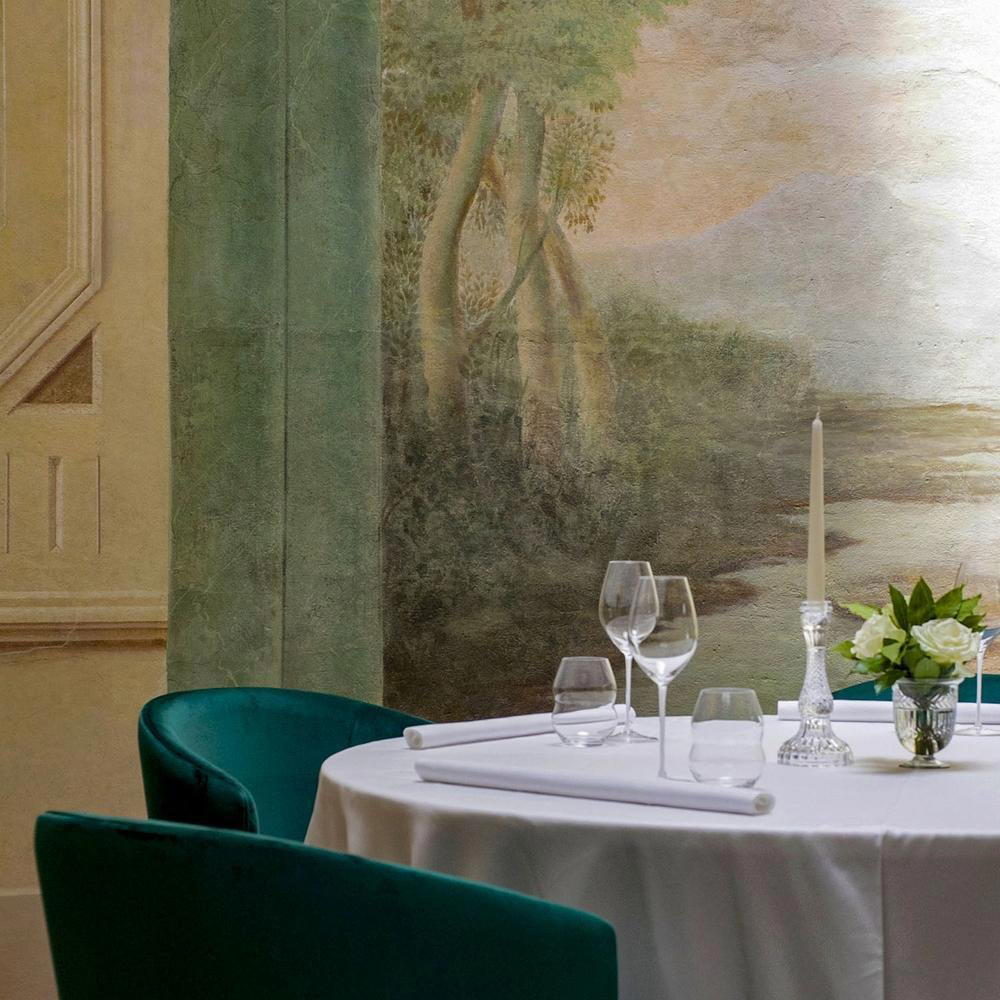
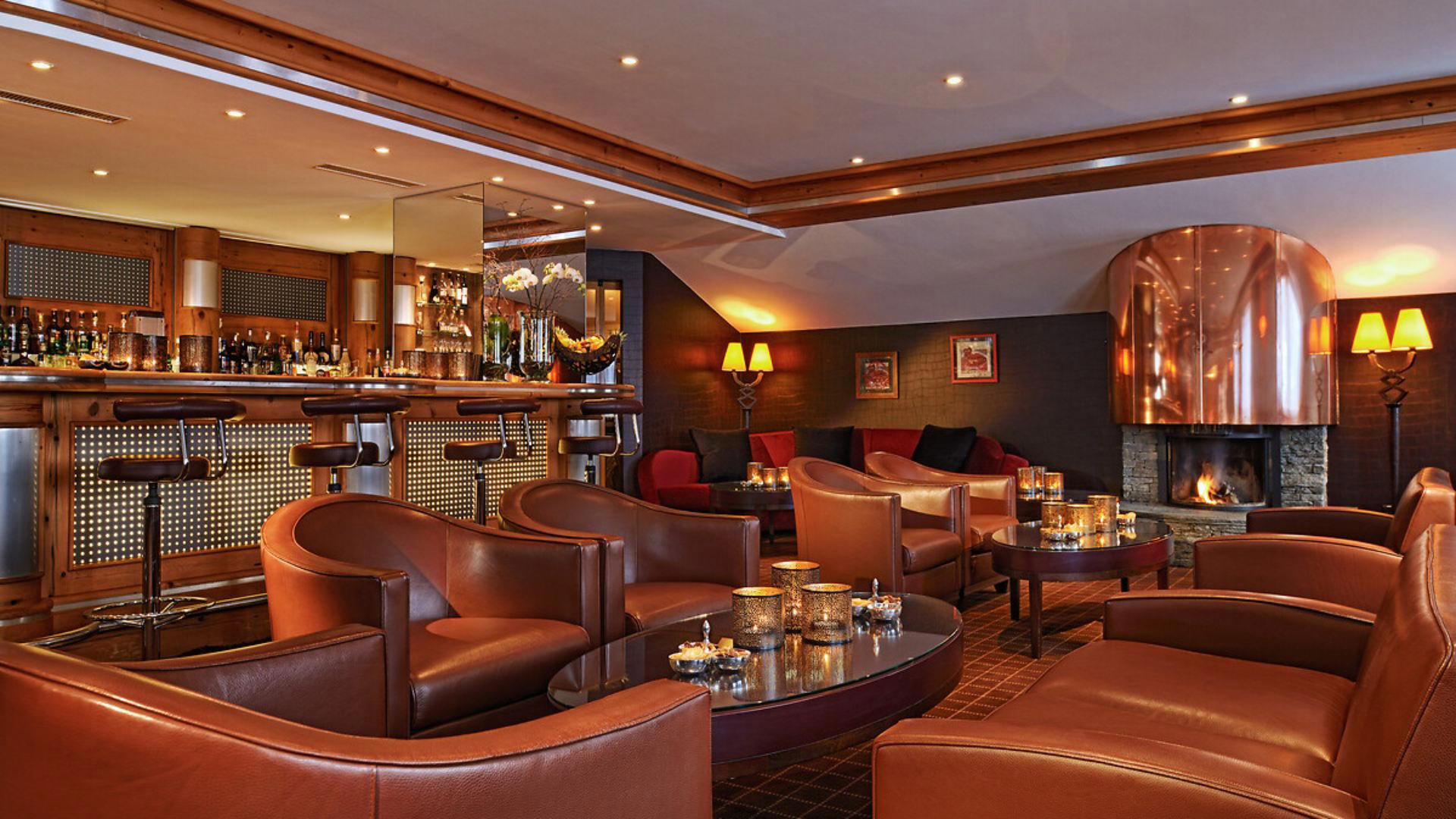
Intimate and nostalgic grand-hotel atmosphere, with ornate stucco ceilings and walls, sparkling chandeliers and plush velvet seating, creating a quiet, refined setting that feels like stepping back into the early days of Alpine mountain tourism.